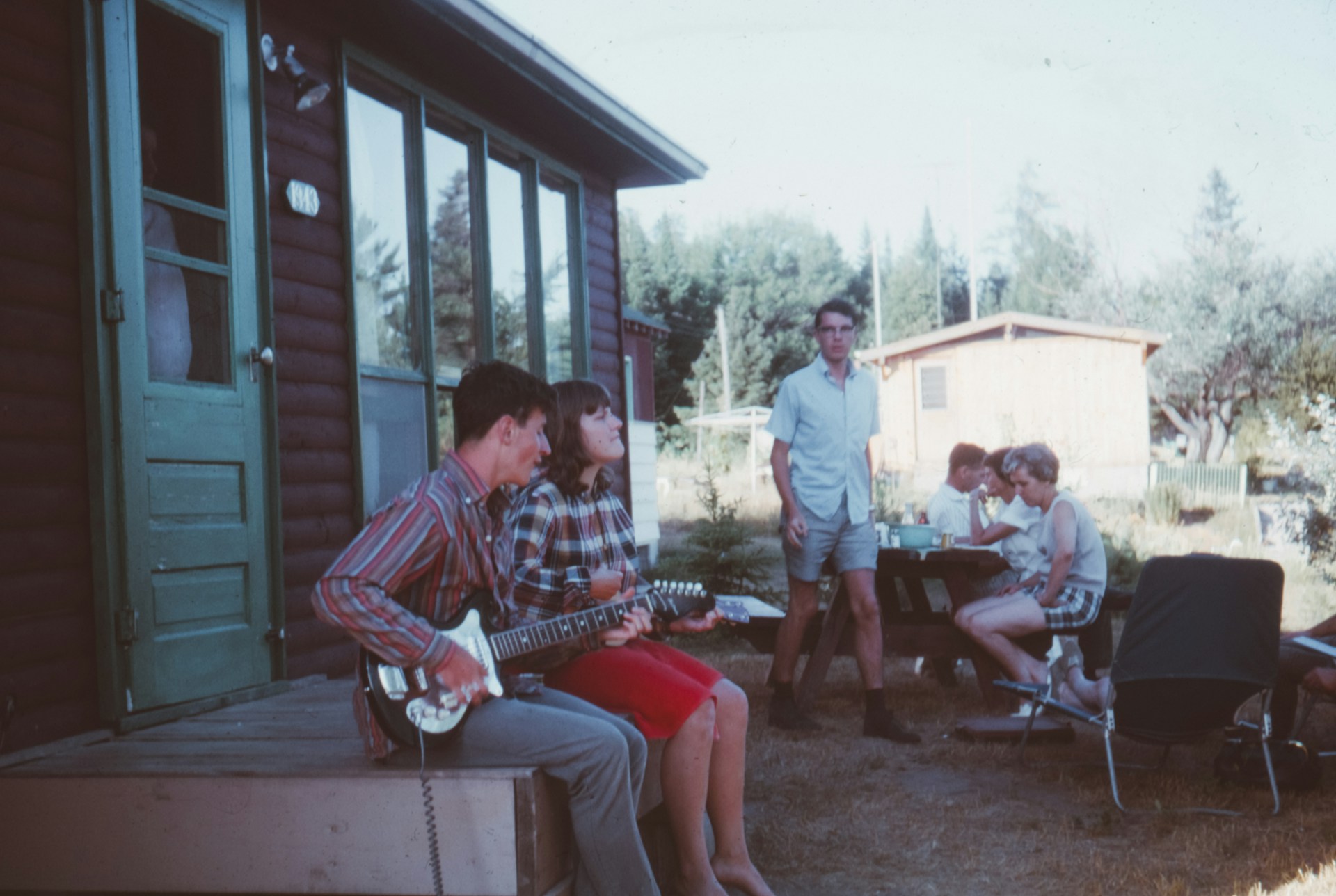
Nostalgia often sounds like a complaint, but for many boomers it is closer to grief for everyday rhythms that once gave life shape. The missing pieces are not only products or places. They are social habits, slower timelines, and shared routines that made people feel seen by neighbors, coworkers, and family. Technology delivered speed, choice, and convenience, yet it also thinned out common spaces where memory once formed. What remains is a quiet tension: progress solved real problems, while erasing rituals that taught patience, trust, and belonging, and gave ordinary days texture. That loss still feels personal.
Shared Broadcast Moments
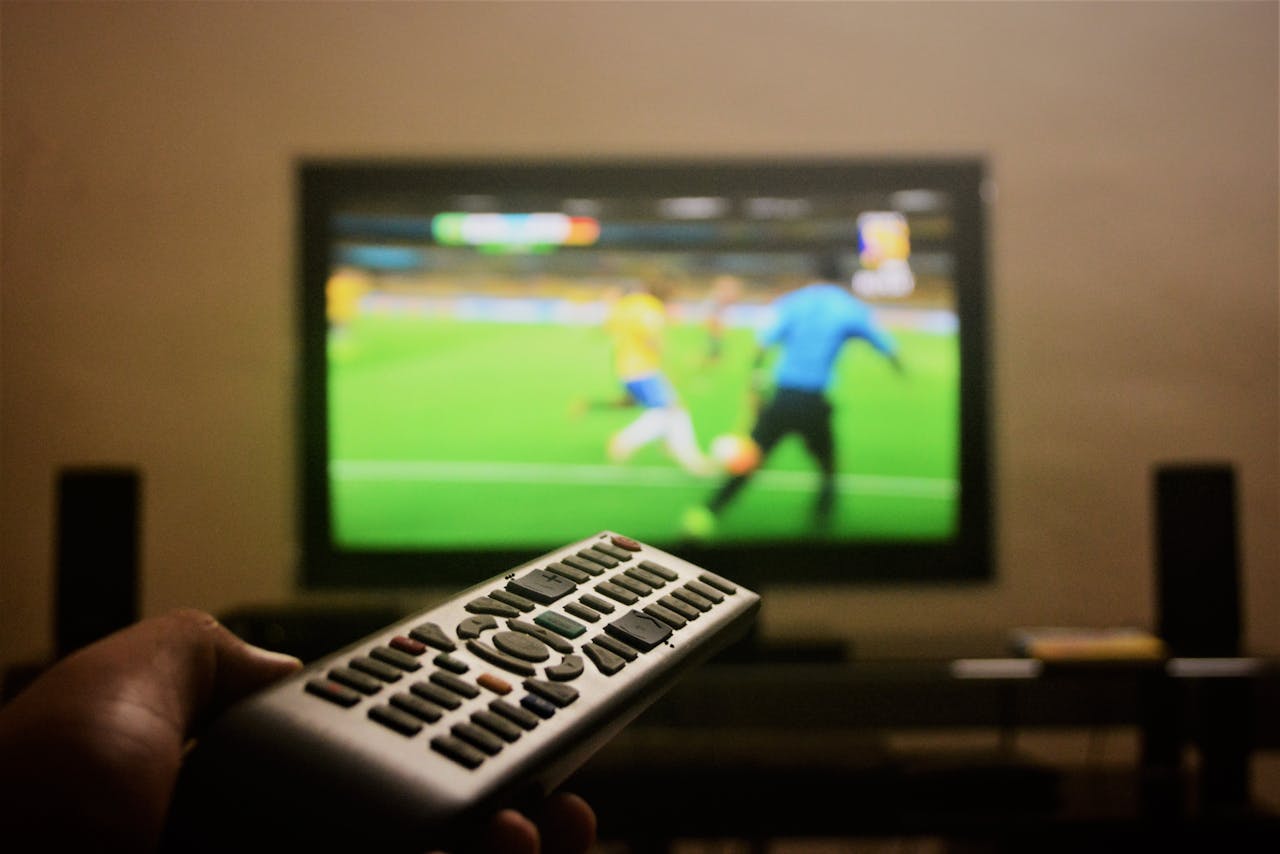
When three major networks dominated prime time, millions watched the same finale, heard the same late-night joke, and brought the same references to work the next morning. That narrow media lane created accidental unity across class and region, because people did not need matching identities to share a conversation.
Streaming replaced scarcity with abundance, which is better for niche voices but weaker for common rituals. Today, one household can watch four different genres on four screens, then wake up with no shared cultural anchor at all. The old model was limiting, but its built-in togetherness is unlikely to return.
A Little Privacy by Default
Boomers grew up in a world where most awkward moments simply vanished after they happened. A bad haircut, a teenage mistake, or a clumsy party story usually stayed local, told by memory rather than replayed by video. That forgetfulness was not perfect privacy, but it offered room to grow without permanent records.
Smartphones, doorbell cameras, workplace monitoring, and location data changed the default setting of daily life. Now, even ordinary movement can leave a trail, and social media can freeze one moment into a lasting identity. Convenience won, but anonymity lost ground for good. Few systems reward less data capture.
Unscheduled Childhood Freedom

Many boomers remember leaving home on a bike after breakfast and returning when porch lights came on. There were risks then too, but childhood carried longer stretches of unsupervised time, where kids negotiated rules, solved conflicts, and built confidence without adults narrating every step.
That freedom shrank under heavier traffic, tighter school scheduling, two-working-parent households, and stronger safety anxiety amplified by 24-hour news. Phones now offer constant check-ins, which eases fear but also shortens the leash. The old disappear-for-hours model survives in pockets, yet it no longer defines mainstream family life.
Physical Knowledge That Slowed Thinking
Paper atlases, manuals, and encyclopedias trained people to search slowly and verify by context. A family might spend 20 minutes tracing a road trip with a finger, or cross-checking a fact across volumes, and that process taught patience along with basic skepticism.
Digital search is faster and often more accurate, but it rewards speed over depth and confidence over source memory. Many results arrive without visible editorial standards, then spread before corrections catch up. Print authority had blind spots, yet its tactile limits encouraged deliberation that algorithmic feeds rarely replicate. That older pace shaped attention.
Mall Culture as a Social Engine
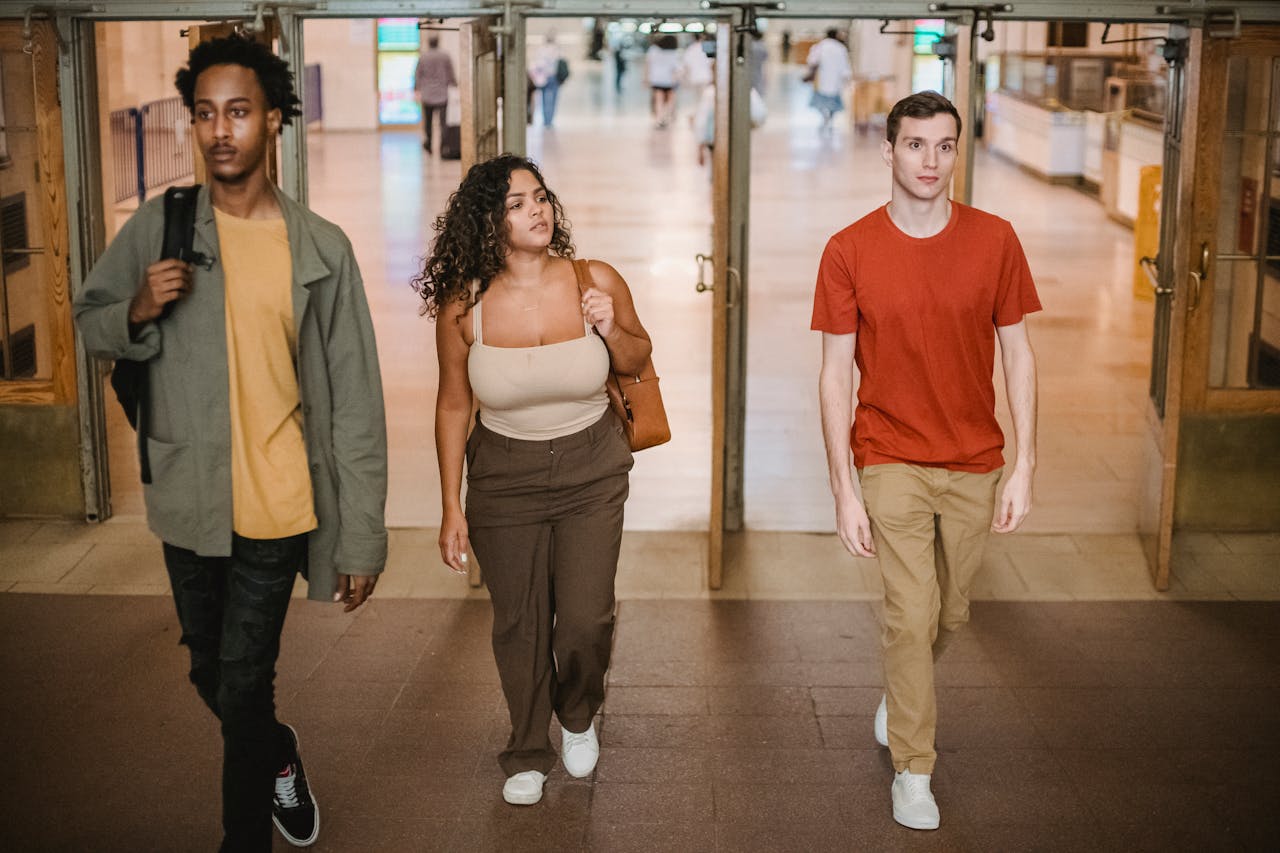
In the 1970s through the 1990s, the mall was not just retail. It was climate-controlled social life: first jobs, first dates, food-court rituals, and weekend wandering with no strict plan. Teens met friends there because it felt public enough for parents and private enough for personality to emerge.
E-commerce, big-box consolidation, rising commercial rents, and changing suburban patterns hollowed out that model. Some malls reinvented themselves as mixed-use centers, but many became logistics sites or empty shells. People still gather, just not in one shared indoor town square. Its social choreography dispersed elsewhere.
Neighborly Local Community
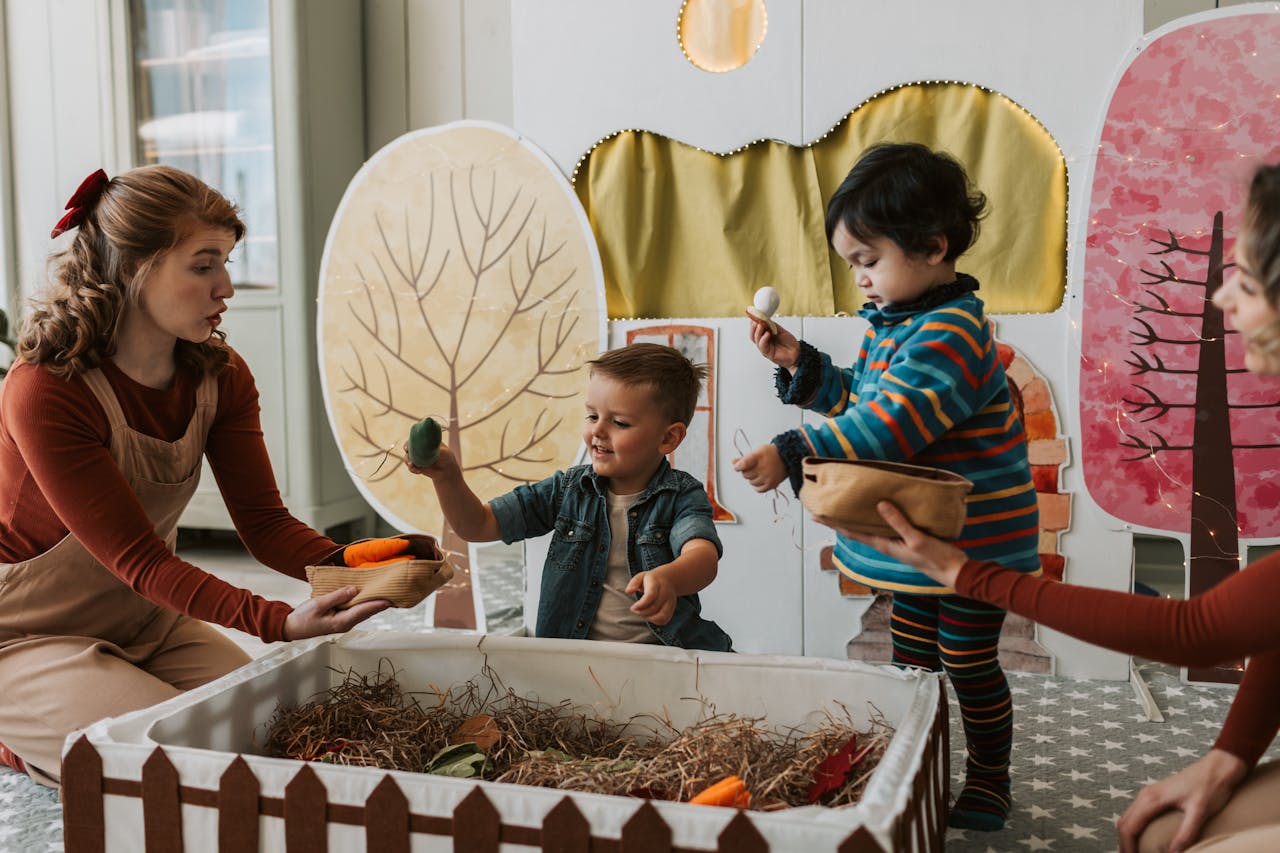
Many boomers recall streets where neighbors swapped tools, watched one another’s kids, and tracked local news by conversation over fences. Those ties were not always idyllic, but they created practical safety nets, from borrowed ladders to emergency rides and shared meals.
Today, longer commutes, higher renter turnover, remote entertainment, and digital social circles reduce face-to-face contact. A person can live in one building for years and know usernames better than door numbers. Community still exists, but it is more fragmented, often interest-based rather than place-based, and harder to sustain through daily habit.
Limited Choices and Lower Decision Fatigue

Boomers came of age in markets with fewer channels, fewer cereal brands, and fewer versions of the same appliance. Limited choice could be frustrating, yet it lowered cognitive load. People picked, paid, and moved on, instead of spending an evening comparing 200 near-identical options and 4,000 mixed reviews.
Modern abundance expanded access and lowered prices in many categories, which is real progress. Still, behavioral research keeps showing that too many options can increase anxiety and post-purchase regret. The return to strict scarcity is unlikely, because scale economics and digital catalogs reward endless variation.
One-Company Career Security

For many boomers, adulthood included a script: join a company early, earn predictable raises, and retire with a pension plus a party in the cafeteria. That path never covered everyone, but it was common enough to shape expectations about loyalty and stability.
Global competition, automation, shareholder pressure, contracting, and frequent restructures broke that compact. Defined-benefit pensions gave way to self-managed retirement accounts, while median job tenure stayed far shorter than a full career. Workers now protect themselves through mobility, not permanence, so the old social contract has little chance of broad return.
Big Family Gatherings as Routine

Extended family once gathered more often because schedules were more synchronized and relatives lived closer to hometown roots. Boomers often remember crowded tables where cousins, grandparents, and siblings argued, laughed, and repaired bonds in person.
Now families are geographically scattered, childcare calendars are dense, and communication happens in fragments across group chats. Video calls preserve contact, but they rarely recreate the emotional texture of multi-hour visits in one room. People still care deeply; logistics make spontaneous togetherness much harder to sustain. The shift is structural, not a moral failure.
The Fix-It Philosophy
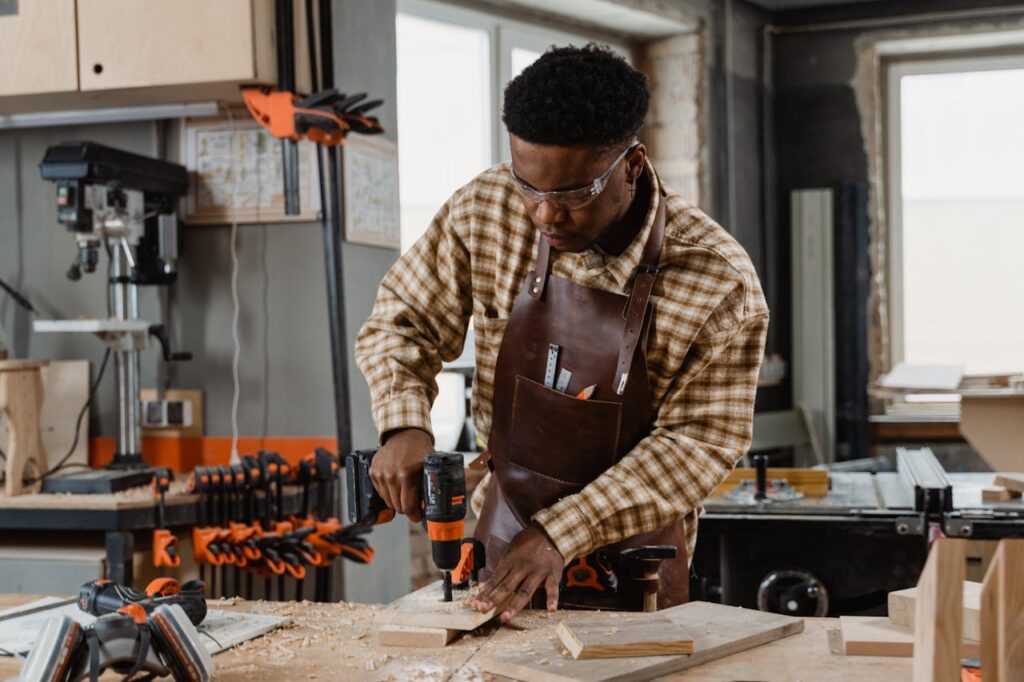
A broken toaster once invited a screwdriver, a neighbor’s advice, and maybe a trip to the local hardware store. Repair culture turned ordinary people into practical problem-solvers, and small fixes passed across generations as lived knowledge rather than branded content.
Today’s products are often sealed, software-locked, or cheaper to replace than repair, especially in electronics. Manufacturer parts can be restricted, and labor costs can exceed item value, even when failure is minor. Right-to-repair efforts are growing, but design and pricing incentives still favor replacement cycles over durable maintenance habits.
Boredom and Real Disconnection

Boredom used to be part of daily weather. A slow afternoon without notifications could feel annoying, then quietly productive, because the mind wandered toward sketching, tinkering, daydreaming, or conversation with whoever was nearby.
Continuous connectivity has changed that baseline. Waiting rooms, bus stops, and checkout lines now disappear into scroll time, while attention is repeatedly sliced into short bursts. People can still choose silence, but platforms are engineered to resist long absence and reward instant return. That makes deliberate disconnection possible, yet far less default than before. Rest now takes planning.
Waiting as Part of Everyday Life

Waiting once structured emotion. Film had to be developed, letters crossed states by mail, and favorite songs arrived on radio schedules that nobody controlled. The delay built anticipation, and anticipation made ordinary outcomes feel bigger, even when the result was imperfect.
Digital life compresses nearly every timeline into now: same-day delivery, instant photos, immediate replies, auto-play entertainment. Speed is useful, especially for emergencies and access, but it can flatten the emotional arc between effort and reward. A culture organized around instant fulfillment rarely chooses slower systems again. Patience eroded.