Some loves are remembered not because they were quiet, but because they were forced to argue for their own reality. In different eras and places, governments tried to decide which marriages counted, drawing lines around race, gender, and citizenship. These couples found ways around the fences, sometimes by crossing borders, sometimes by insisting the law look them in the eye. Their ceremonies could be small, even tender, yet the consequences were public: arrests, annulments, denied benefits, and courtrooms filled with strangers. What survives is a steady kind of courage, the choice to marry anyway, and to keep choosing each other when the paperwork said no, until history shifted. In each story, love becomes both refuge and evidence.
Richard And Mildred Loving
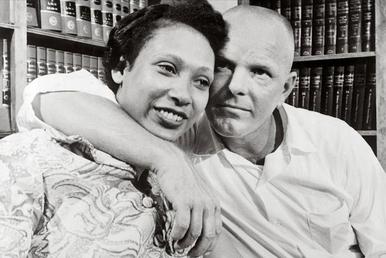
They married in Washington, D.C., in June 1958, then drove back to rural Virginia, where their marriage was treated as evidence of a crime. Police burst into their home before dawn, dismissed the certificate on their wall, and jailed them. A judge suspended a one-year sentence only if they left Virginia and stayed away together for 25 years. Exile brought loneliness and money stress, but it also made the issue plain: the state was trying to choose their family for them. In June 1967, the U.S. Supreme Court ended Virginia’s ban, shutting down race-based marriage laws nationwide. The victory arrived late, but it was final.
Andrea Perez And Sylvester Davis
In Los Angeles in 1948, Andrea Perez, who was white, and Sylvester Davis, who was Black, were refused a marriage license because California still enforced an interracial ban. They did not plead for special treatment. They challenged the rule itself, arguing that the state could not treat marriage as a privilege reserved for one race. In a close 4–3 decision, the California Supreme Court agreed and struck the ban down, years before Loving. The case proved that a routine denial at a counter could become a constitutional argument with consequences for an entire state. It was a quiet couple, but the holding was loud in law.
Han Say Naim And Ruby Elaine Naim
Ruby Elaine Naim, a white Virginian, married Han Say Naim, a Chinese man, in North Carolina in June 1952 because that state did not clearly forbid their match. Virginia responded by declaring the marriage void under its racial purity law, treating the vows as if they had never happened. When the relationship later unraveled, courts doubled down and used the statute to erase the union entirely. The cruelty was procedural: a license could be valid in one place, then nullified at home, turning marriage into a trapdoor built out of jurisdiction lines. The ruling warned couples that acceptance could be revoked on sight.
Del Martin And Phyllis Lyon
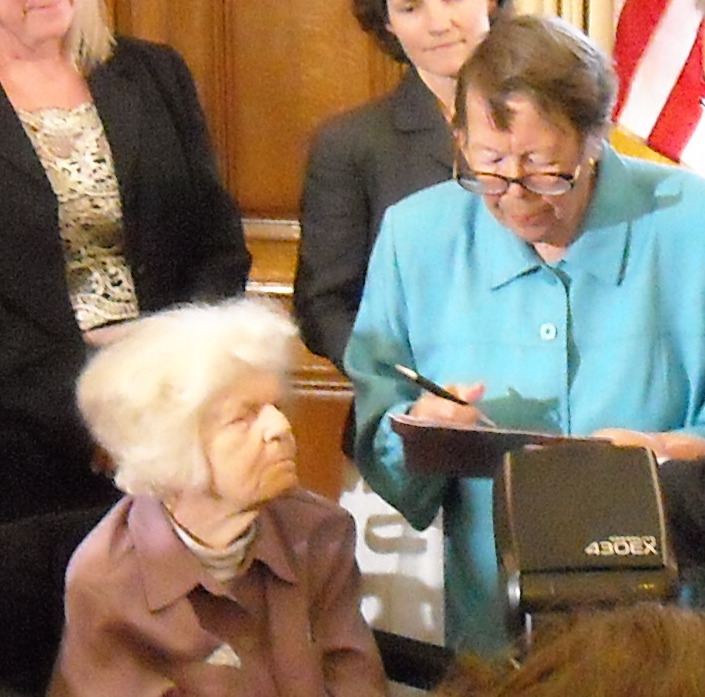
Del Martin and Phyllis Lyon built a life together for more than 50 years, long before any official form could name it as marriage. On Feb. 12, 2004, they became the first same-sex couple to marry at San Francisco City Hall when the city briefly issued licenses. The joy was immediate, and so was the backlash. The state later voided those marriages, wiping out the paperwork in one stroke. They kept calling each other spouses anyway, and their story showed how recognition can be granted in a morning and taken back by an afternoon ruling. Their two weddings bookended an era of uncertainty and persistence. The politics looked personal.
Edith Windsor And Thea Spyer
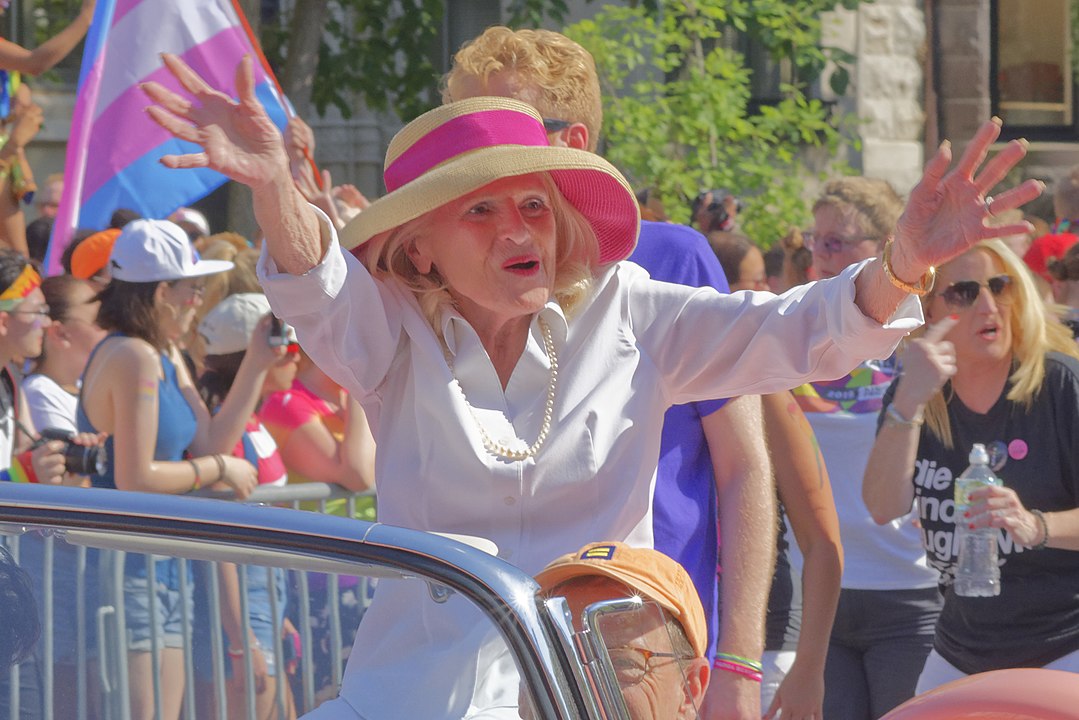
Edith Windsor and Thea Spyer married in Toronto in 2007 after decades together, because the United States still refused to recognize their relationship at the federal level. When Spyer died in 2009, Windsor was denied the spousal estate tax exemption under the Defense of Marriage Act and was billed $363,053. The number turned grief into an argument about equal treatment under law. Her case reached the Supreme Court, and in 2013 the justices struck down DOMA’s federal definition of marriage, forcing the government to respect lawful same-sex marriages. It did not erase their loss, but it removed a legal insult from countless families.
James Obergefell And John Arthur
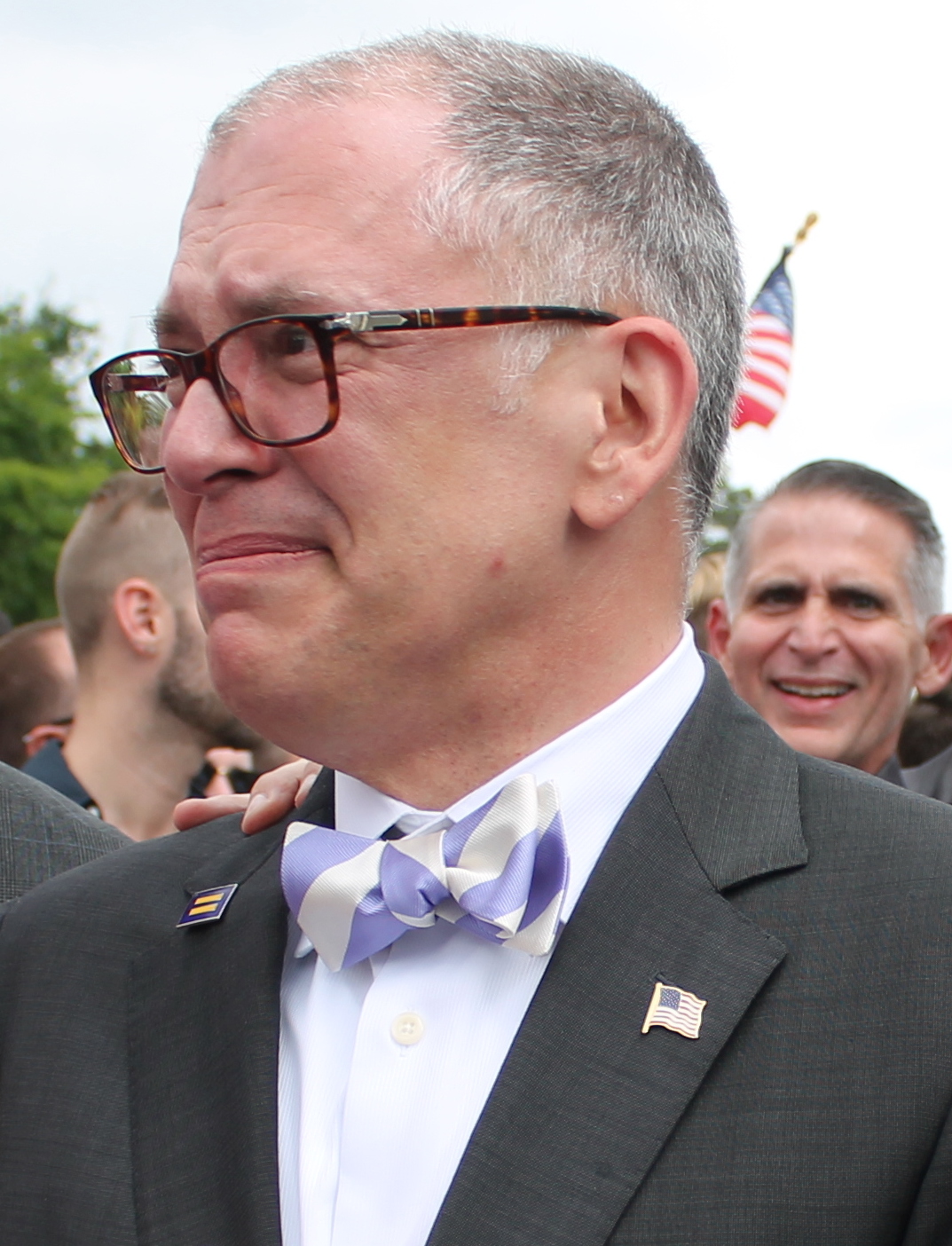
When John Arthur’s health collapsed, he and James Obergefell married in Maryland in 2013 because Ohio would not recognize their relationship. The ceremony was shaped by time limits, medical needs, and family, not by politics. After Arthur died, Ohio refused to list Obergefell as a surviving spouse on the death certificate, a decision with real consequences for dignity and legal standing. Obergefell challenged the state’s refusal, and the case became the backbone of the 2015 Supreme Court decision requiring every state to recognize same-sex marriages. What began as paperwork became a national rule about equal citizenship in marriage.
Jack Baker And Michael McConnell
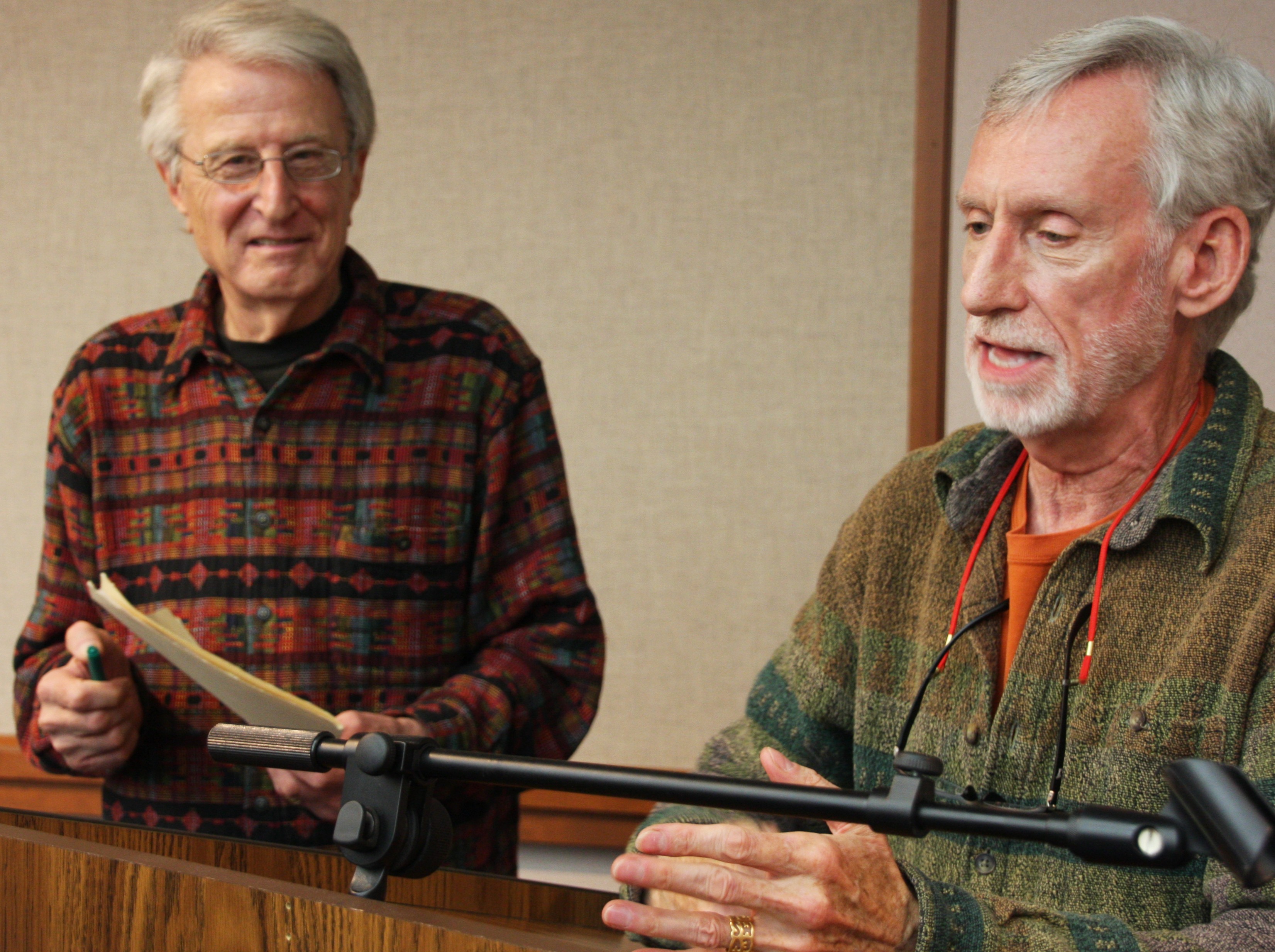
In Minnesota in 1970, Jack Baker and Michael McConnell applied for a marriage license and were turned away, then lost at the state Supreme Court, which defined marriage as only for opposite-sex couples. They kept going. In 1971, they obtained a license in another county and held a ceremony anyway, choosing to live as spouses without state approval. The U.S. Supreme Court dismissed their appeal, and for decades their union lived in legal gray space. Years later, a judge affirmed the marriage’s validity, a rare moment when the record finally caught up to the life already lived. Their persistence predicted what courts later accepted.