
Global travel often looks effortless in photos, but beneath the pretty plates and skyline views are unwritten rules that quietly guide daily life. A gesture that feels polite in one place can seem arrogant or even ominous in another. As more travelers cross borders for holidays, study, and work, small cultural missteps can echo louder than expected. Paying attention to these invisible lines is less about perfection and more about curiosity, humility, and respect when conversations bridge very different worlds.
Walking Indoors With Shoes Still On
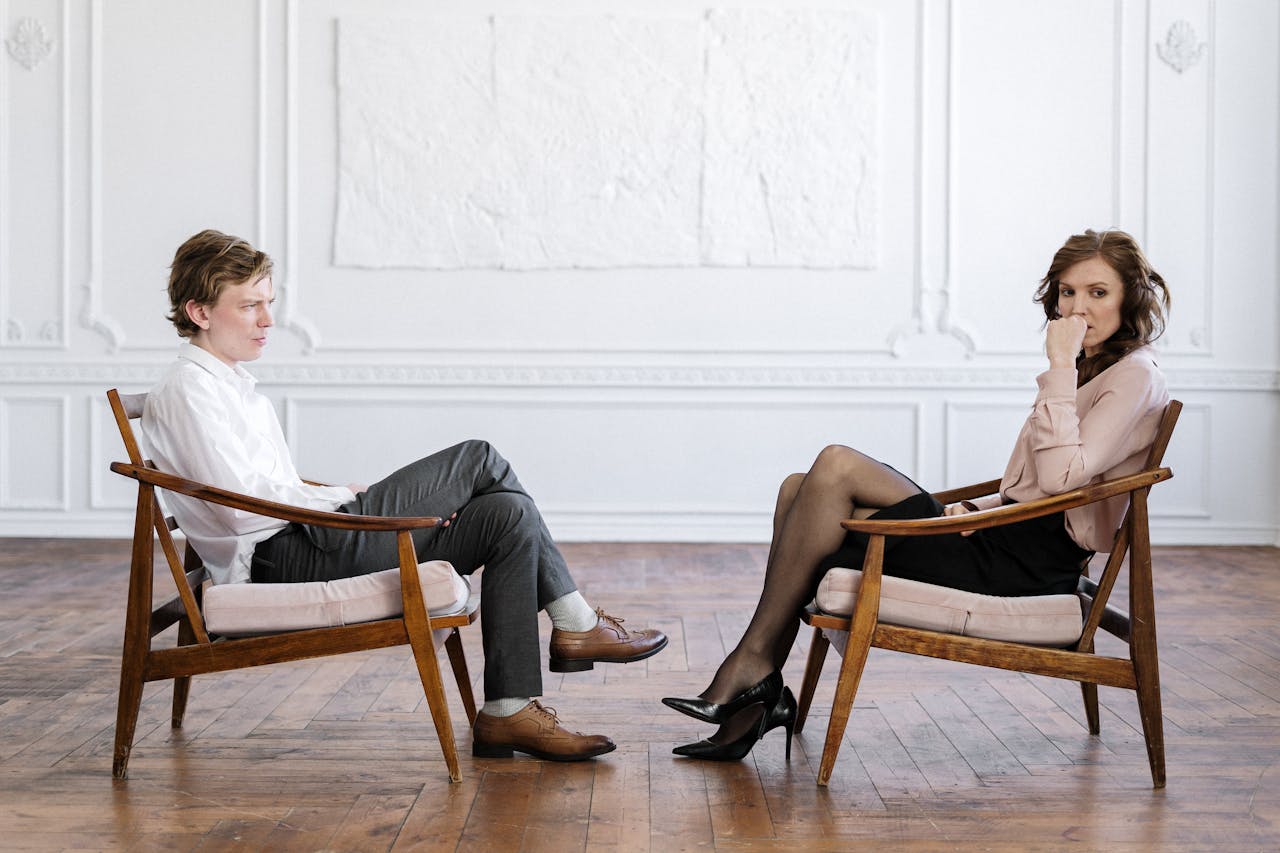
In many homes across Japan, Scandinavia, and parts of Canada, walking indoors with outdoor shoes signals carelessness, not relaxed charm. Floors are treated almost like shared furniture, kept clean for kids, guests, and time spent closer to the ground. Guests are often offered slippers or guided to a doorway shoe rack, a quiet hint that outside grime stays at the threshold. Ignoring that cue can leave hosts smiling politely while silently nursing the sense that their effort and dignity were not fully seen or properly appreciated in that moment. A brief pause at the door protects trust, comfort, and mutual respect.This simple practice communicates volumes about your cultural awareness and consideration, turning what might seem like a small gesture into a profound statement about valuing the spaces and lives of those around you.
Using The Left Hand At The Table
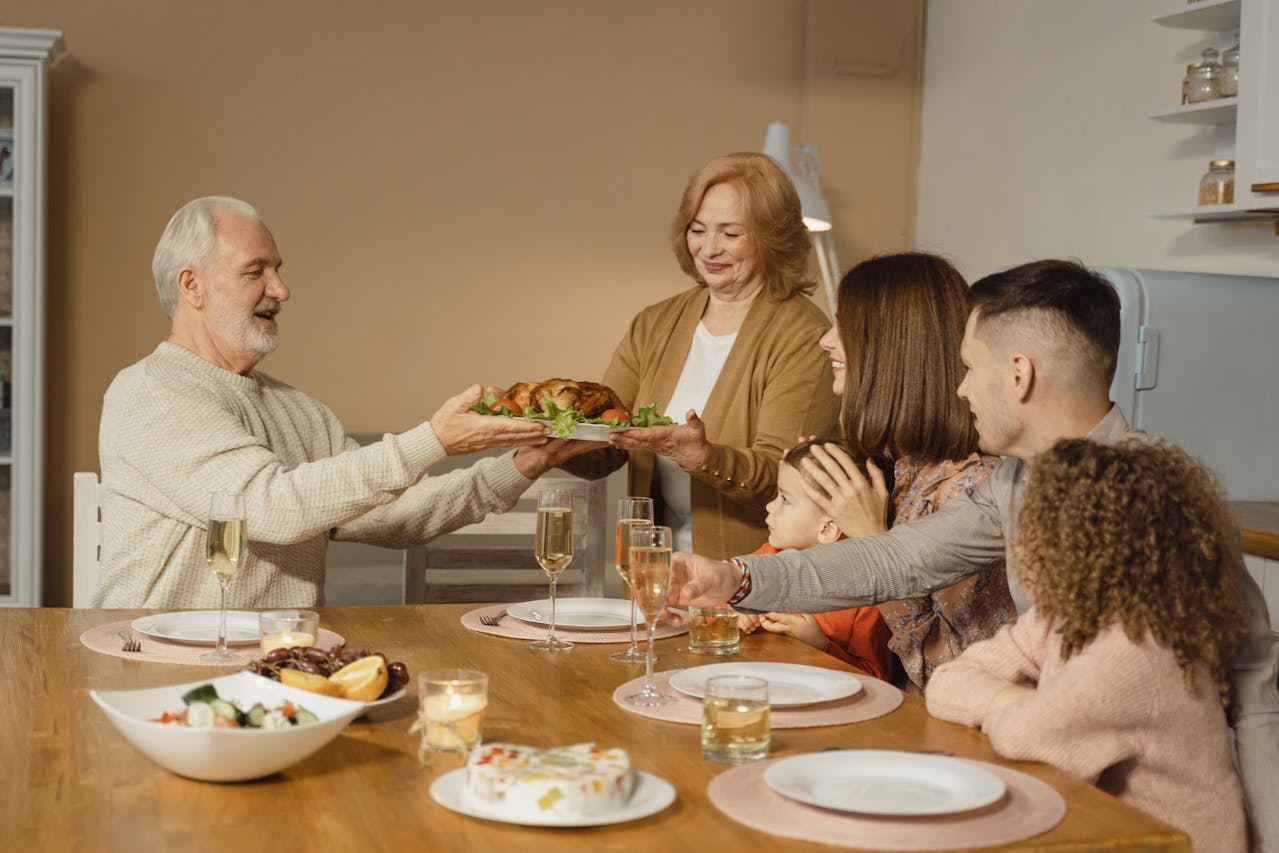
Across large parts of India, the Middle East, and North Africa, the left hand is strongly linked to private tasks and ideas of impurity. Using it to pass bread, accept business cards, or scoop from shared dishes can feel jarring to those raised with constant reminders about proper hands. Hosts may never voice discomfort, yet the gesture lands like a quiet breach of upbringing and household pride. Observing which hand locals favor at the table quickly reveals the rule before anyone speaks, turning a simple meal into a respectful nod to family teaching.This awareness transforms dining from a mere physical act into a cultural conversation, where every gesture communicates respect and understanding across generations.
Leaving Chopsticks Upright In Rice

In Japan, China, and Korea, sticking chopsticks upright in a bowl of rice closely mirrors offerings made at funerals and ancestral altars. The sight carries grief, remembrance, and the presence of the dead, so using that position at dinner can unsettle even polite hosts. Locals usually rest chopsticks on a small stand, across the bowl’s rim, or neatly on a plate nearby. Choosing those calmer resting spots turns a pause between bites into a signal of cultural awareness, lightly honoring both everyday etiquette and the deeper spiritual symbols that sit behind a simple bowl of rice.Understanding this connection allows diners to bridge the gap between personal hunger and ancestral respect, making each meal a small but meaningful act of devotion.
Pointing Directly With One Finger

In parts of Southeast Asia, Latin America, and many Indigenous communities, stabbing the air with a pointed index finger reads as scolding, not efficient. The gesture echoes angry parents, harsh teachers, and officials used to giving orders instead of asking questions. Locals may point with a relaxed hand, a subtle chin lift, or even a small tilt of the head to soften the message. Matching that softer style changes the whole mood of an interaction, shifting directions and questions away from command territory and into something that feels more like shared navigation through space.This subtle adjustment demonstrates that respecting cultural boundaries is less about rigid rules and more about emotional intelligence in cross-cultural communication.
Touching Someone’s Head Playfully

In Thailand and several Buddhist-majority cultures, the head is viewed as the highest and most spiritually charged part of the body. Ruffling a child’s hair, tapping a teen in praise, or resting a hand on an adult’s head might feel affectionate to outsiders, yet those gestures cross a deeply held boundary. Many locals avoid touching heads except in religious ceremonies or very intimate family moments. Keeping hands lower, or offering a respectful wai or smile instead, shows awareness that the body carries layered meaning, where casual contact can feel intrusive rather than warm.Respecting this boundary becomes a way of honoring the spiritual geography of the human body in these cultures.
Showing The Soles Of The Feet
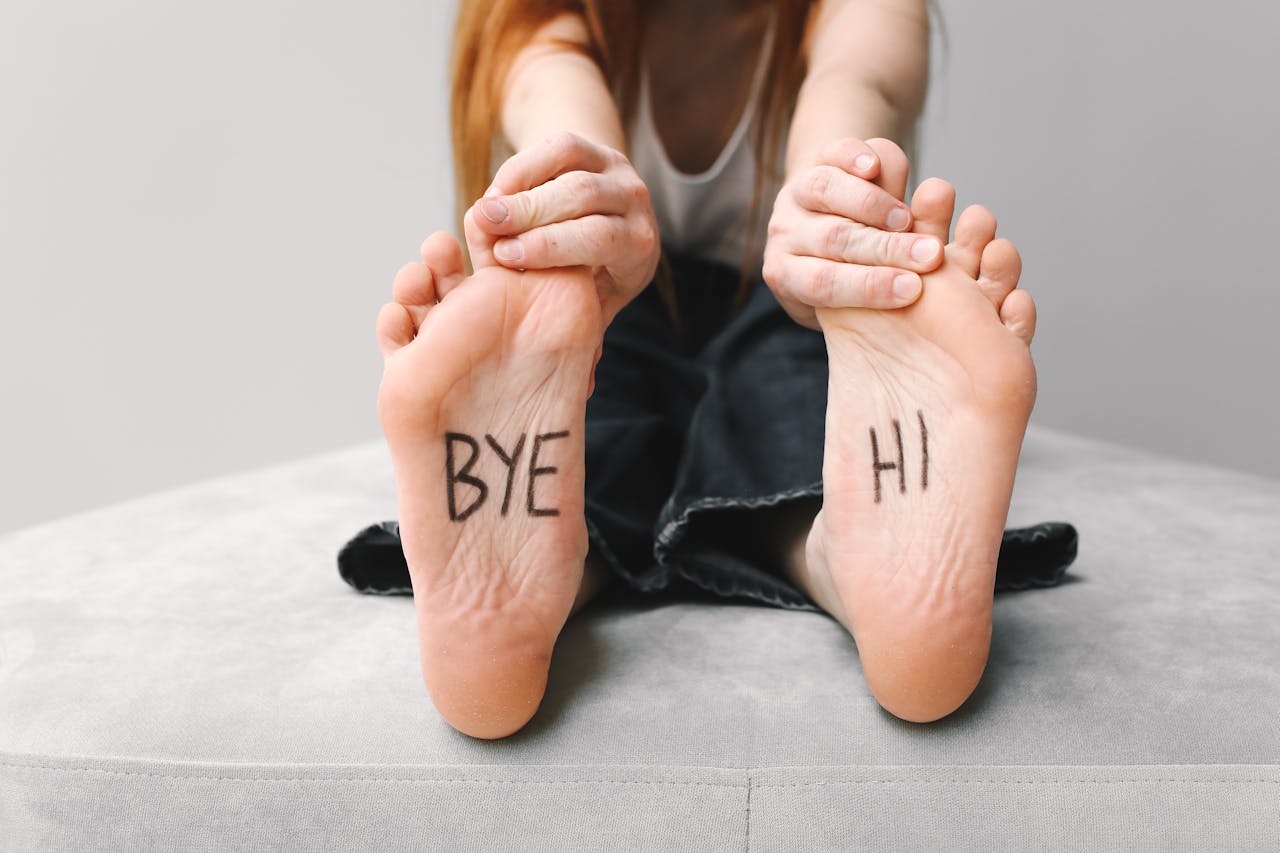
Across much of the Middle East and parts of South and Southeast Asia, the soles of the feet are tied to dirt, low status, and insult. Crossing legs so shoes face another person, propping feet on a chair, or pointing toes toward a family elder can feel dismissive even inside a relaxed living room. In some places, throwing a shoe at someone has become a famously sharp expression of contempt. Keeping feet pointed away from people, religious objects, and flags quietly honors those associations and signals that comfort is not being chosen over basic respect.This awareness transforms how we inhabit shared spaces and carry our bodies respectfully across different cultural landscapes.
Tipping Where Tipping Feels Insulting

In North America, tipping feels almost like a social obligation, but in Japan or parts of China, leaving extra cash on the table can create real discomfort. Service staff there are often paid full wages and trained to take pride in excellent work without added rewards. A tip may be read as a suggestion that the worker needed a bribe to try harder, turning gratitude into awkwardness. In those settings, clear thanks, a small bow, or repeat visits align far better with local ideas of appreciation and professional dignity.Understanding these differences teaches us that gestures of gratitude take many forms across cultures, and true appreciation speaks in the language your hosts understand best.
Writing Names In Red Ink
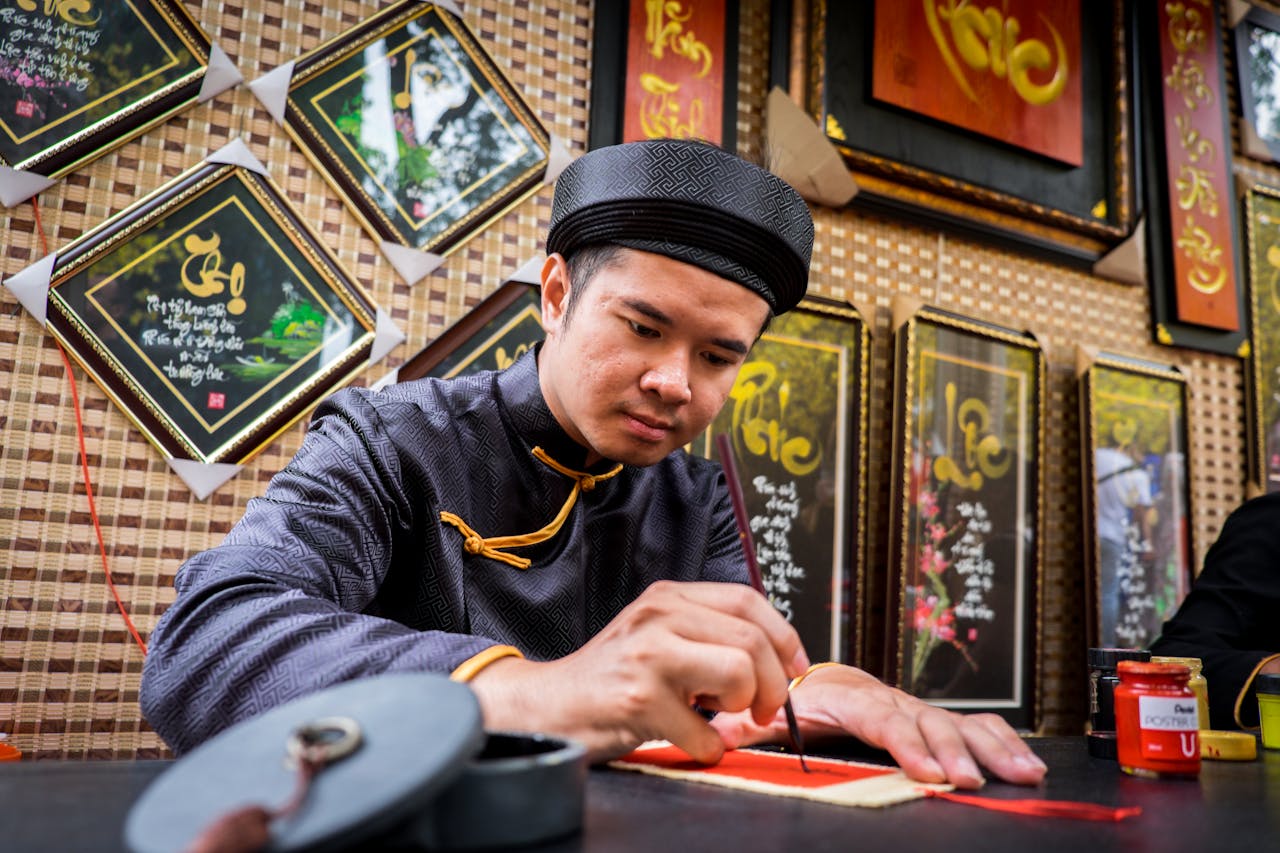
In South Korea and some neighboring cultures, writing a person’s name in red ink recalls death notices, grave markers, and ancestral tablets. A bright red signature on a birthday card or place card may feel eerie instead of celebratory, especially to elders who grew up with that symbolism. The color suggests that someone has died or is being marked for bad luck, giving a festive moment an uncomfortable shadow. Sticking with black or blue keeps the focus on good wishes, leaving red for stamps, headings, and occasions already framed by ritual.This small practice of choosing a different color demonstrates profound respect for centuries of cultural meaning and shared history.
Public Displays Of Affection

In many Western cities, couples holding hands or sharing brief kisses in public barely draw a glance. In parts of the Gulf, South Asia, and more conservative regions worldwide, the same gestures can trigger disapproving looks, fines, or intervention by authorities. Local norms often separate romance from shared public space, especially near religious sites or family parks. Visitors may notice that close friends of the same gender walk arm in arm, while romantic partners keep a careful distance. Quietly mirroring those patterns often matters more than any formal written rule.Learning these unspoken rules helps travelers navigate public spaces with grace and cultural sensitivity.
Refusing Food Or Drink Too Quickly
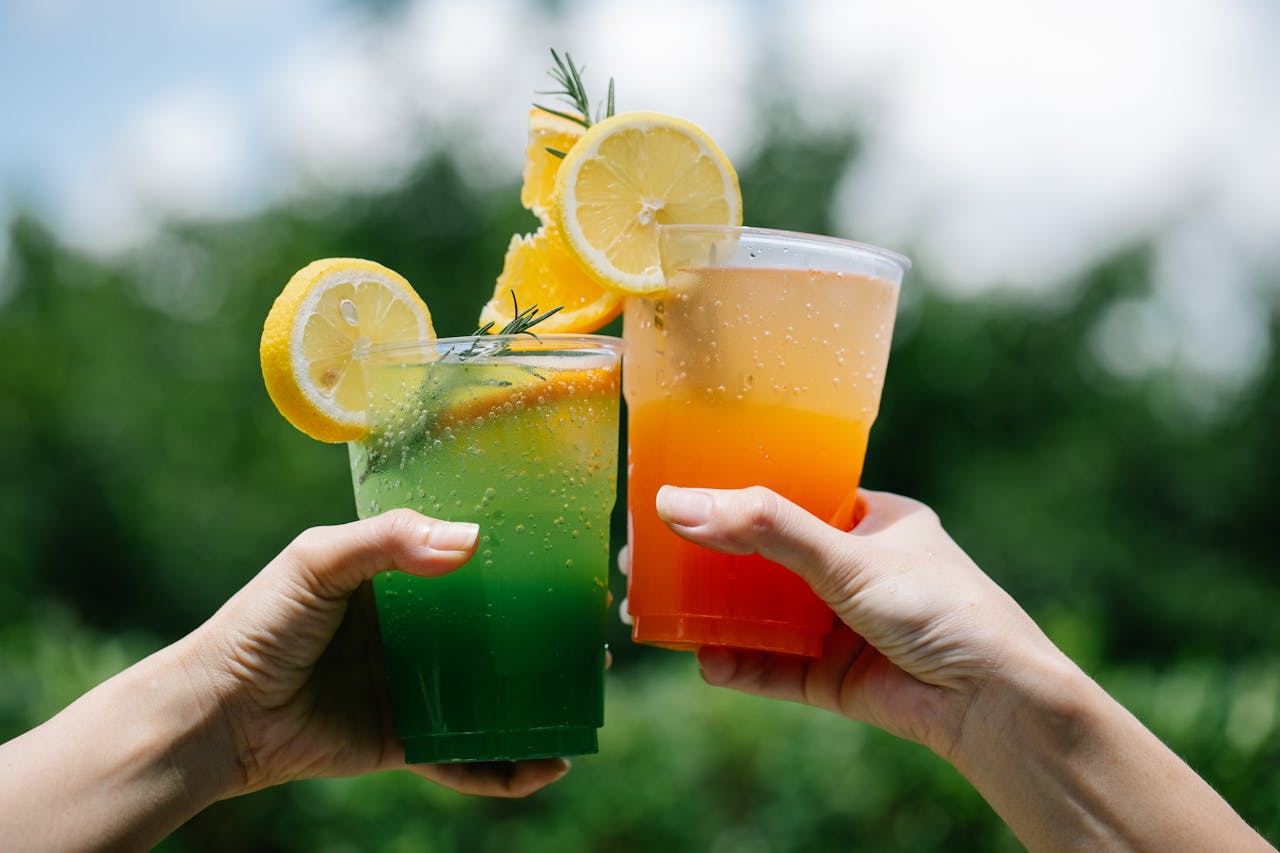
In parts of the Middle East, Latin America, and South Asia, hospitality thrives on generous offers of tea, coffee, and sweets. A quick, firm refusal can feel less like a simple preference and more like turning down the relationship being extended across the table. Hosts may expect at least a little ritual back-and-forth before a guest accepts or declines. Explaining limits gently, while praising the flavors and effort, lets everyone keep face. The shared script matters just as much as what actually lands on the plate or in the cup.This dance of courtesy transforms hospitality from mere consumption into genuine connection and mutual respect.
Sitting In Priority Seats On Transit
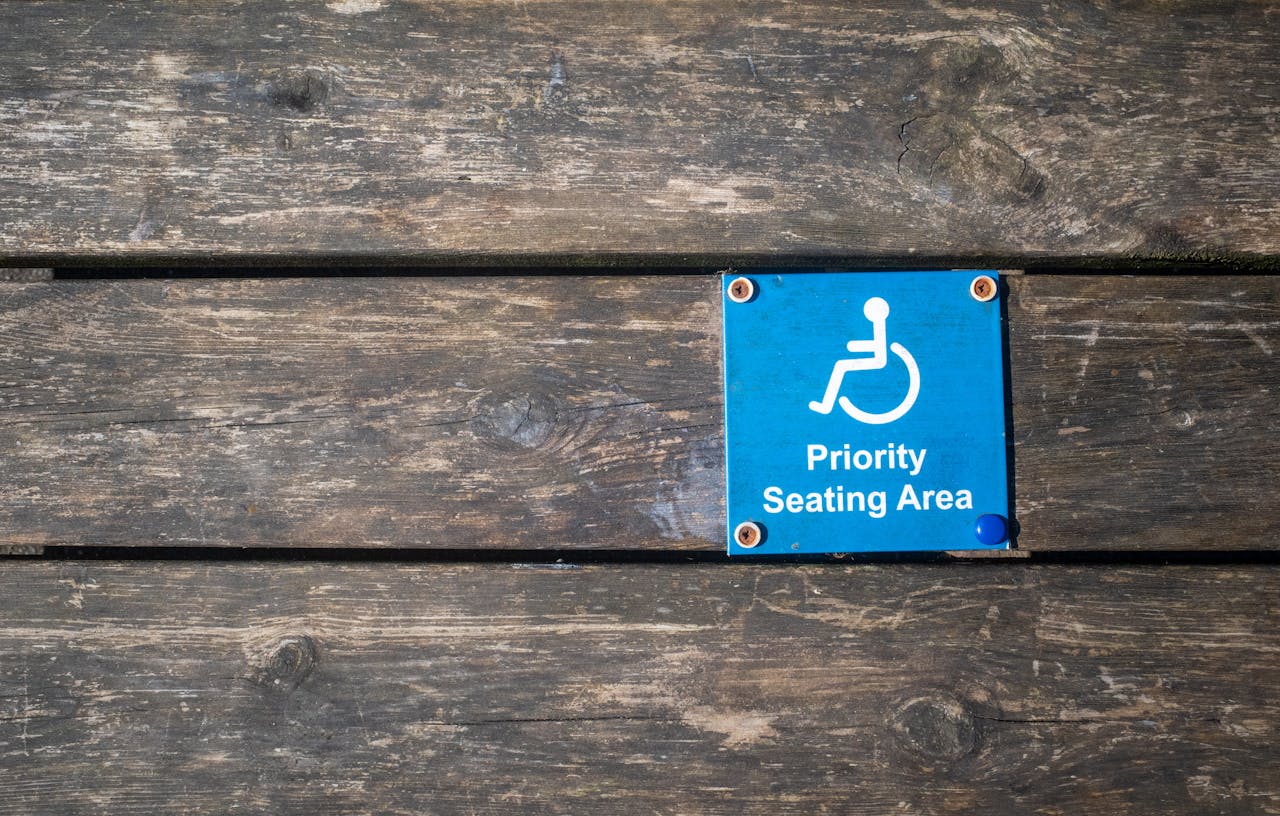
On trains and buses in Japan, South Korea, and many European cities, priority seats for elders, pregnant passengers, and disabled riders function like small monuments to everyday care. Dropping into those spots with headphones on, even in a quiet carriage, can earn quiet frowns or whispered comments. Regular commuters often stand rather than risk blocking someone who might arrive at the next stop. Watching how quickly those seats empty when a cane, stroller, or heavily laden traveler appears shows how strongly the norm has settled into muscle memory over time.These invisible hierarchies of care reveal how deeply commitment to collective wellbeing is woven into daily social behavior.
Whistling Indoors Or After Dark
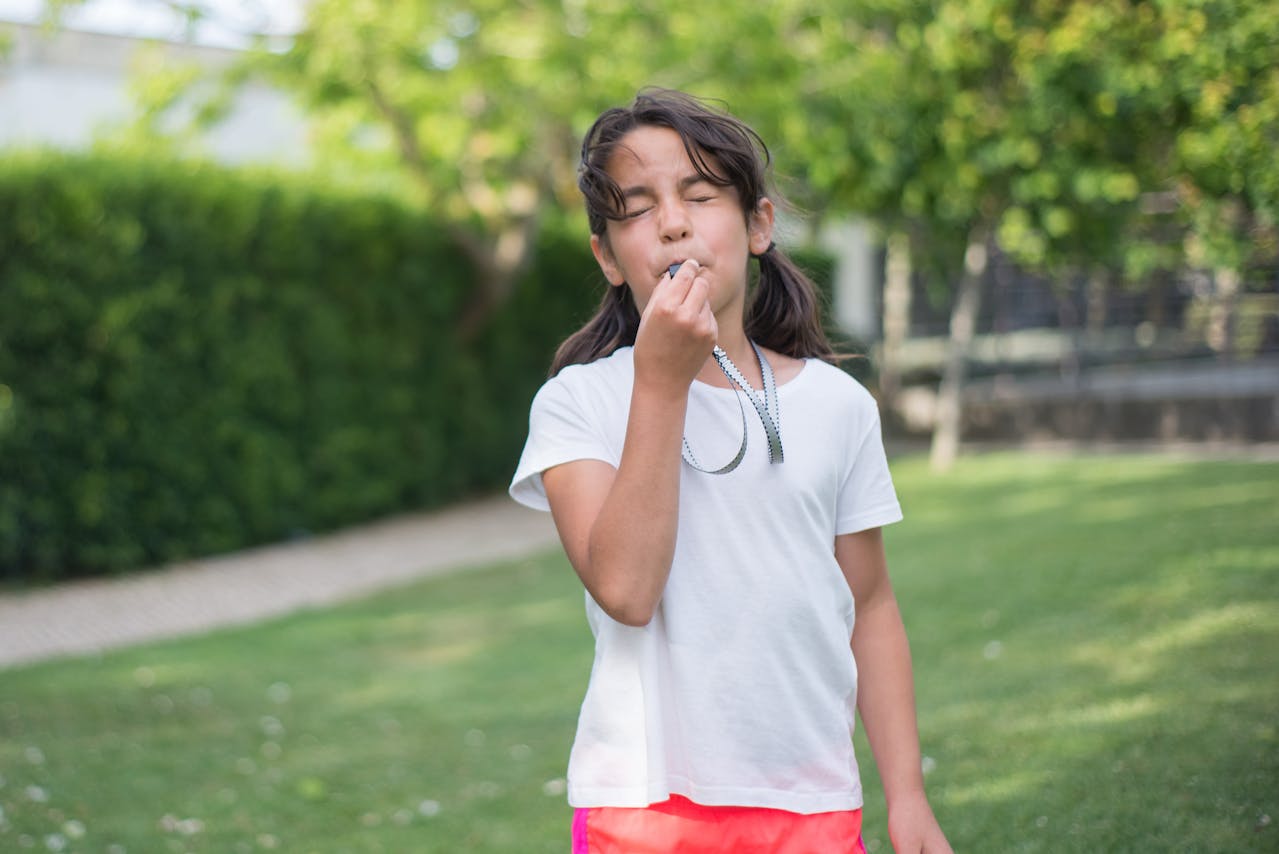
In Russia, Turkey, and parts of the Balkans, whistling indoors or late at night carries a stubborn reputation for inviting bad luck, empty wallets, or unwelcome spirits. The sound that feels playful in some cultures is wrapped in warnings passed along by grandparents and neighbors. An enthusiastic guest who whistles along to music may be shushed with surprising speed. Choosing a low hum, soft singing, or quiet tapping keeps the mood lively without stirring old superstitions, letting shared spaces feel safe, prosperous, and settled as the evening unfolds.In honoring these traditions, we acknowledge that every culture carries wisdom about creating spaces where people feel genuinely secure and at peace.