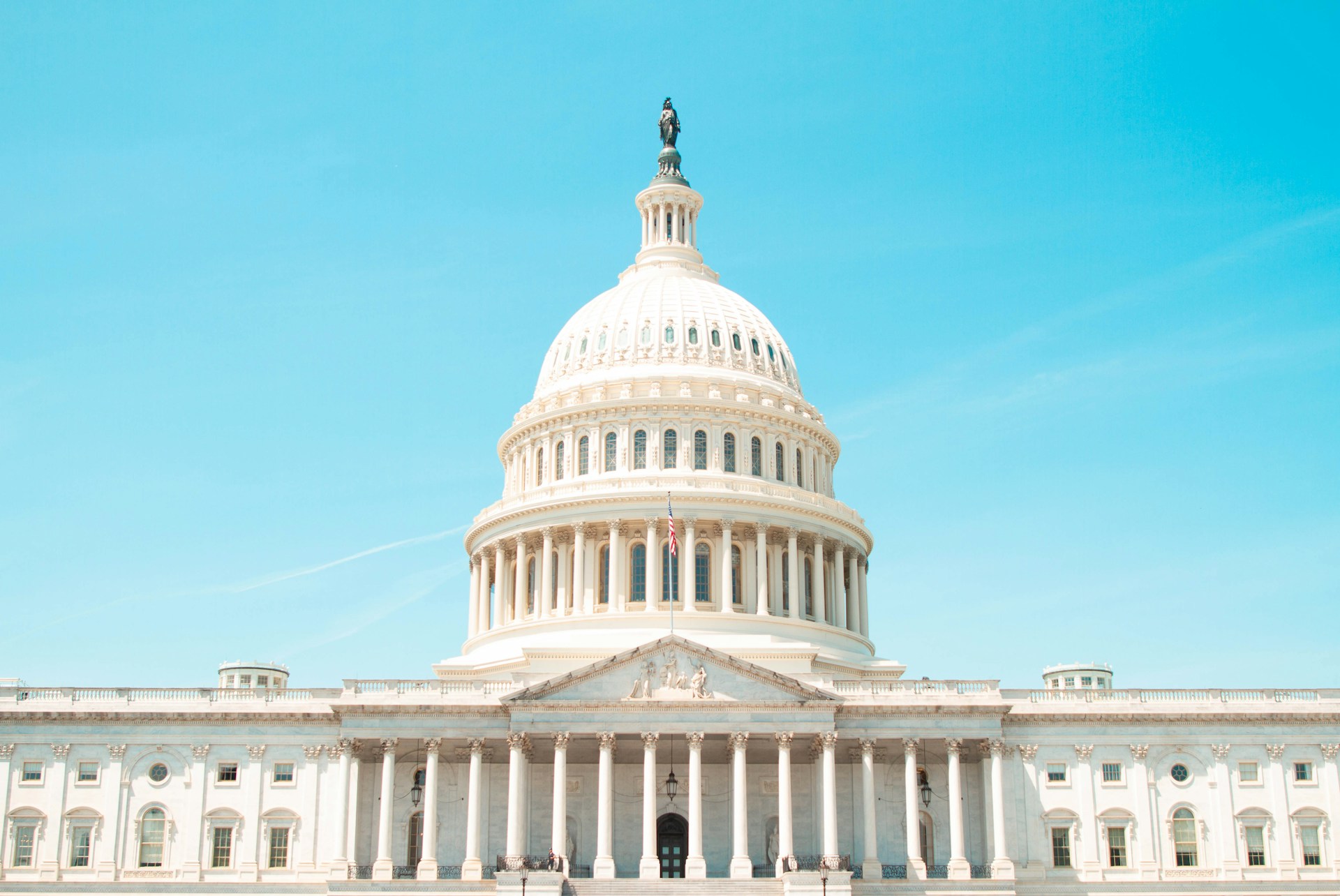
Each December, the White House tries to bottle up the national mood in garlands and twinkling lights. The 2025 theme, Home Is Where the Heart Is, sounds tender and familiar, promising comfort rather than spectacle. Yet this year’s decorations arrive in a building with a demolished wing, a new ballroom on the way, and public access dramatically reduced. The result is a holiday display that looks nostalgic and traditional on the surface, but feels strangely self conscious and inward facing once the details sink in.This paradox lies at the heart of what makes this year’s display peculiar, mixing messages of openness with restrictions that visitors cannot help but notice.
A Theme That Sounds Warm But Sits Uneasily

On paper, the theme suggests shared belonging and a nation gathered beneath the same roof. Inside the actual rooms, the phrase feels a bit loaded. The White House is framed as the country’s home at the precise moment tours are shorter and the East Wing is gone to make way for a massive new ballroom. Instead of a long, anticipatory walk through public corridors, visitors now move through a tighter route, curated for a quick pass and a video clip. The language speaks of welcome, while the layout quietly signals distance and control.For many visitors, this tension between the theme’s promise of welcome and the reality of restricted access creates an uncomfortable disconnect that shapes their entire visit experience.
Nostalgia Dialed Up, Connection Dialed Down
Designers describe this year as a sharp turn from earlier Trump era displays that favored shock value, like the blood red tree corridor or the icy white tunnel of branches. The new look leans hard into classic American holiday imagery, with fifty plus trees, lush greenery, red ribbons, and warm lights that could have stepped out of an old film. It is pretty in a very safe way. Yet without much public participation or visible messiness, the nostalgia feels more like a set than a shared memory, polished until it loses some of its warmth.The shift reflects a deliberate choice to move away from controversy toward comfort, yet the irony is that this calculated softness can feel as calculated as the boldness it replaces.
Lego Portraits Turn The Green Room Into A Shrine
The Green Room might be the clearest example of why viewers feel unsettled. What could have been a cozy room centered on games and family time now features Lego portraits of Donald Trump and George Washington that dominate the space. They are clever pieces of craft, but their scale pushes everything else into the background. Instead of reading as playful, the room drifts toward personality worship, especially in a house already filled with official portraits. Holiday decor once meant to invite reflection on shared history now doubles as a gallery of current power.This transformation of playfulness into prestige reveals how even well intentioned design choices can misfire when the backdrop contradicts the message.
Butterflies And Foster Care In The Red Room
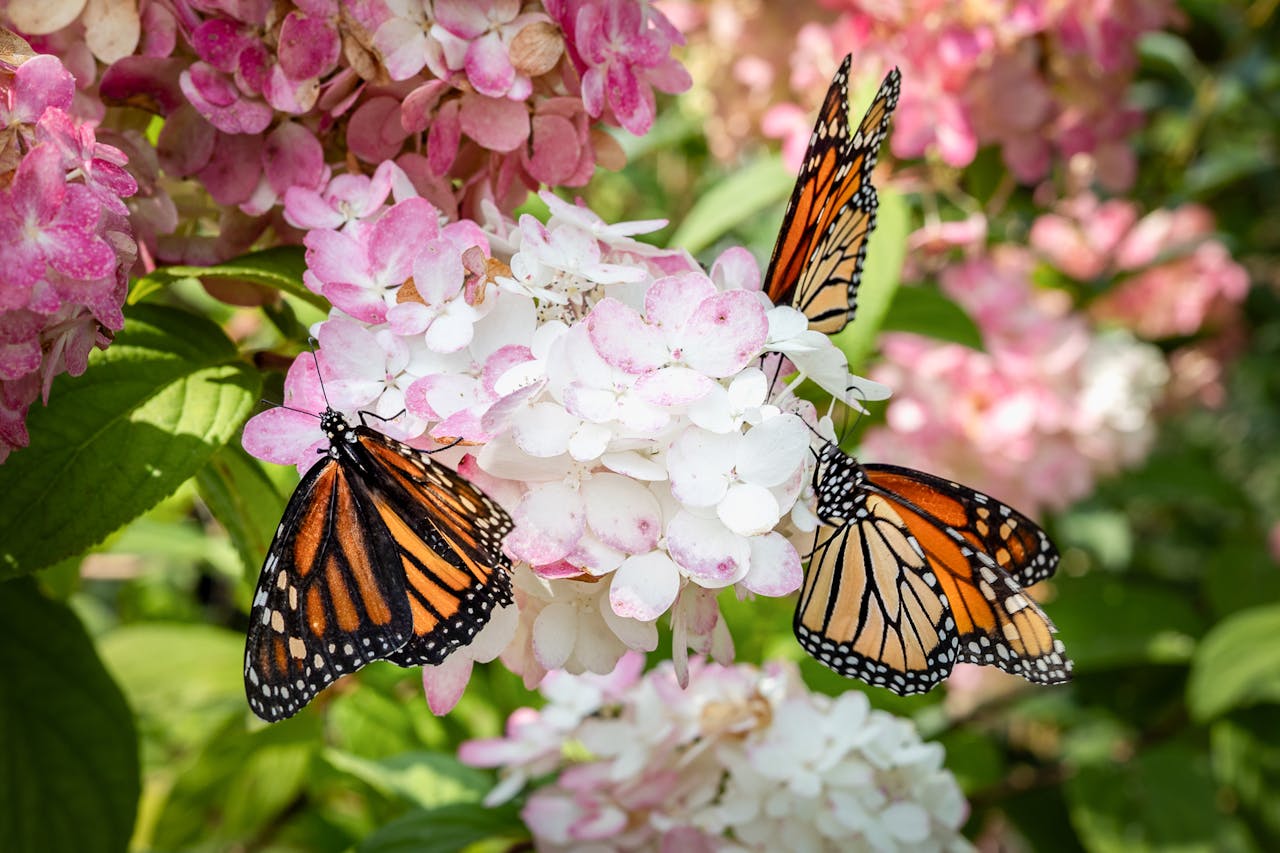
In the Red Room, thousands of blue butterflies cascade through trees and garlands, tied to Melania Trump’s foster care advocacy and her earlier Be Best campaign. The idea is moving at first glance. Transformation, care, and second chances are powerful themes for any season, especially for children. Yet the symbolism skates close to the surface. When real foster systems struggle with funding and support, delicate wings and perfect color gradients risk turning hardship into atmospheric decor. The room is visually stunning, but it also invites uneasy questions about how much of the care on display is aesthetic rather than structural.The poignancy of the display is genuine, but so is the discomfort it raises about whether beauty can distract from or replace accountability.
Gold Star Tribute Under A Cloud Of Contradiction

The Blue Room tree carries one of the heaviest assignments. It honors Gold Star families with gold stars and ornaments featuring state birds and flowers, a tradition that can be genuinely moving. Families who have lost loved ones in service deserve that level of attention in such a visible space. At the same time, critics cannot ignore earlier reports of dismissive remarks about military sacrifice linked to this administration. The contrast between a reverent tree and a rough public record does not erase the tribute, but it complicates how sincere it feels, especially for those directly affected.The tribute itself is moving, but standing beneath it provokes complex questions about whether reverence in display can coexist with accountability in action.
The Vanished East Wing And A Shorter Story

For decades, entering through the East Wing at Christmas was a quiet democratic ritual. School groups, military families, and tourists lined up for a long approach that built suspense before the big reveal of the state rooms and the main tree. This year, the narrative is simply shorter. The East Wing is rubble, set to become a three hundred million dollar ballroom, and the public route has been squeezed and redirected. Instead of an unfolding story about national space, visitors now get a sequence of compact scenes that feel designed for cameras more than lingered experience.The loss of that architectural journey reflects a bigger shift in how public space itself is being reshaped and reimagined.
From Handmade Joy To Camera Ready Vignettes

Past administrations often filled trees with art from children around the country, military families, and community groups. Those macaroni reindeer and lopsided paper stars rarely looked perfect, but they brought an unmistakable sense of shared ownership. The current display leans heavily on professional installation, 3D printed ornaments, and repeated motifs that photograph beautifully from every angle. Designers have called the result visually quiet yet emotionally opaque. It invites admiration, not participation. Holiday magic becomes something to observe, not something that feels co created with the people who are meant to see themselves in it.This aesthetic perfection, while stunning to view, can feel like a barrier rather than an invitation to connection and shared meaning.