Everyday gadgets rarely announce the trouble they can cause. They settle into routines so naturally that danger feels distant, even when warning labels sit in plain sight. Regulators step in only after fires, injuries, or unexplained failures reveal patterns too serious to ignore. Some products vanish from toy aisles, others disappear from flights or dorm rooms once their flaws become impossible to overlook. These choices remind people that convenience does not cancel physics, and that safety rules are often written after real households, real travelers, and real students have already paid the price for small hidden flaws that seemed harmless at first glance, until one bad day proved otherwise.
Metal-Tipped Lawn Darts: Backyard Game Turned Hazard
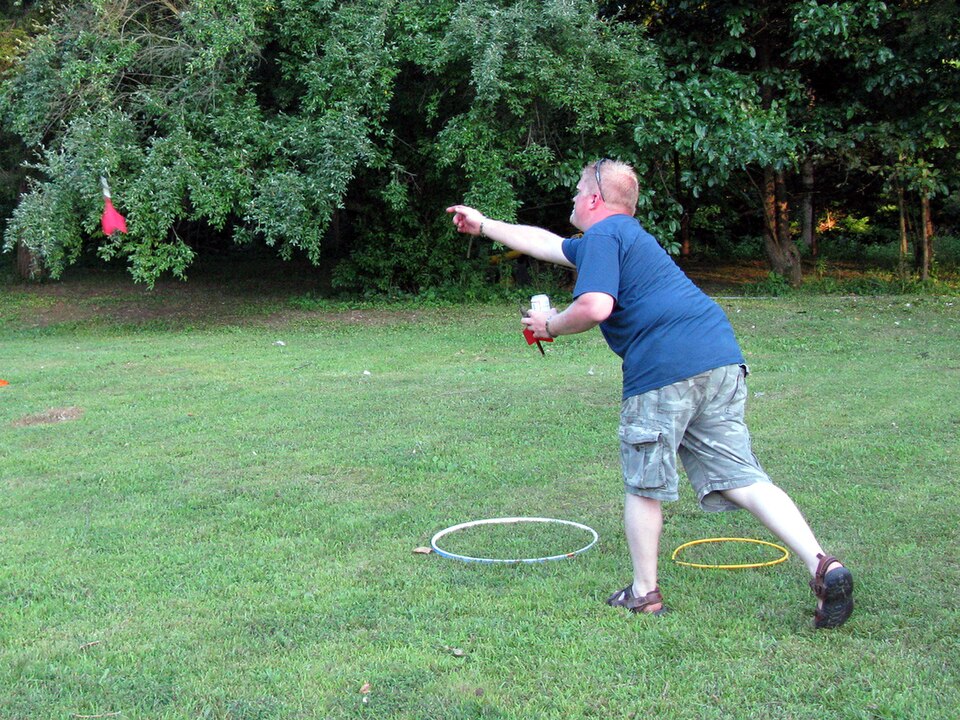
Metal-tipped lawn darts once passed as charming backyard entertainment, shelved beside ring toss sets, coolers, and folding chairs during warm weekends and holiday picnics across suburbs and small towns. Each dart carried enough weight to drop like a small spear, injuring children who wandered near the target or crossed the grass at the wrong moment. Hospitals recorded skull fractures and deep wounds that turned casual gatherings into emergency drives and long nights of worry. After repeated tragedies and strong pressure from grieving parents, regulators banned the classic design and urged families to destroy old sets, leaving only softer foam and plastic versions for future games on the lawn.
Baby Walkers With Wheels: Too Much Speed, Too Soon

Wheeled baby walkers once looked like clever helpers, giving infants the thrill of movement long before they had the strength or balance to manage it safely in real rooms. The extra height and speed let small hands reach hot pans, dangling cords, cleaners, and open stairways that adults believed were out of range and under control most of the time. Emergency rooms filled with stories of falls, burns, and head injuries that happened in seconds on perfectly ordinary days. Canada eventually banned baby walkers altogether, treating them as prohibited products and sending a larger message that not every developmental stage should be sped up with wheels and plastic frames instead of supervision and time.
Self-Balancing Hoverboards: Battery Fires On The Move

Self-balancing hoverboards arrived as flashy gifts that glided through malls, parks, and dorm hallways, quickly becoming a symbol of tech savvy fun in photos and short clips online. Inside many models, battery packs and charging circuits were pushed hard to keep prices low and features appealing in crowded markets. Some units overheated while plugged in or even while parked, leaving scorched floors and smoke-filled rooms instead of simple practice sessions. Airlines responded by banning hoverboards from flights, and several schools prohibited them from campuses, turning a brief craze into a sharp reminder that rushed battery designs can turn play into property damage and real danger for entire buildings.
High-Power Laser Pointers: Beams That Reach Too Far
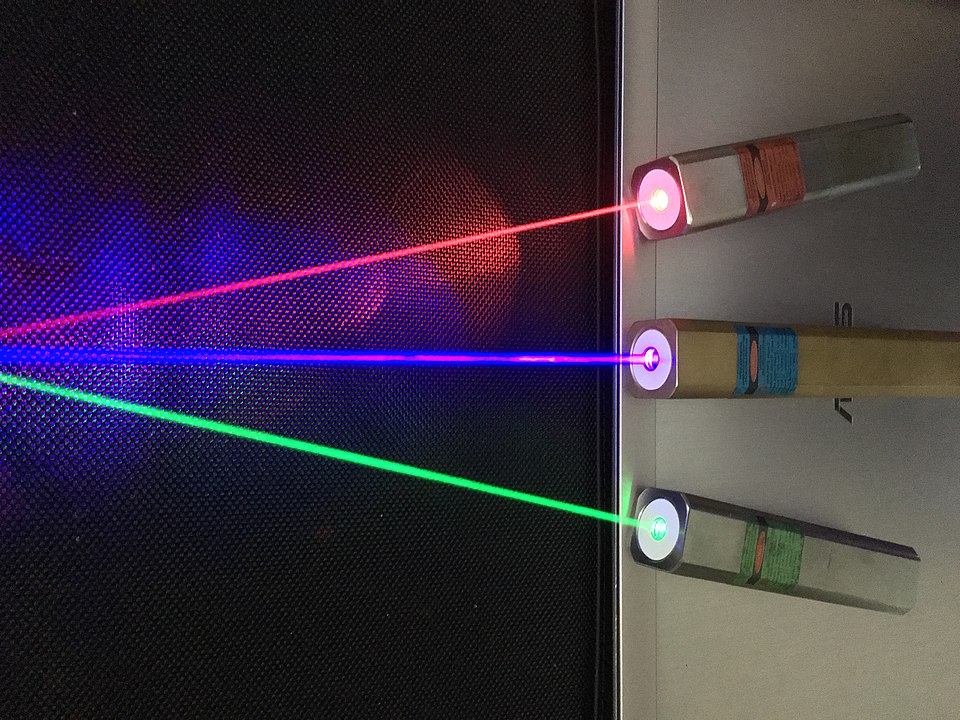
High-power laser pointers look like simple tools for talks or stargazing, slim enough to slip into a pocket without a second thought during daily routines and long evenings outside. Their tightly focused beams stay strong over long distances and can damage eyes in a fraction of a second, even when the pointer seems far away in the dark or across a field or street. Pilots reported bright flashes crossing windshields during landings, and security staff saw beams sweep across crowds at concerts and sports events. Several governments responded by capping legal power levels and treating stronger devices as restricted gear, sending a clear signal that a small barrel of light can still carry serious risk.
Magnetic Desk Toys: Tiny Pieces, Serious Internal Damage
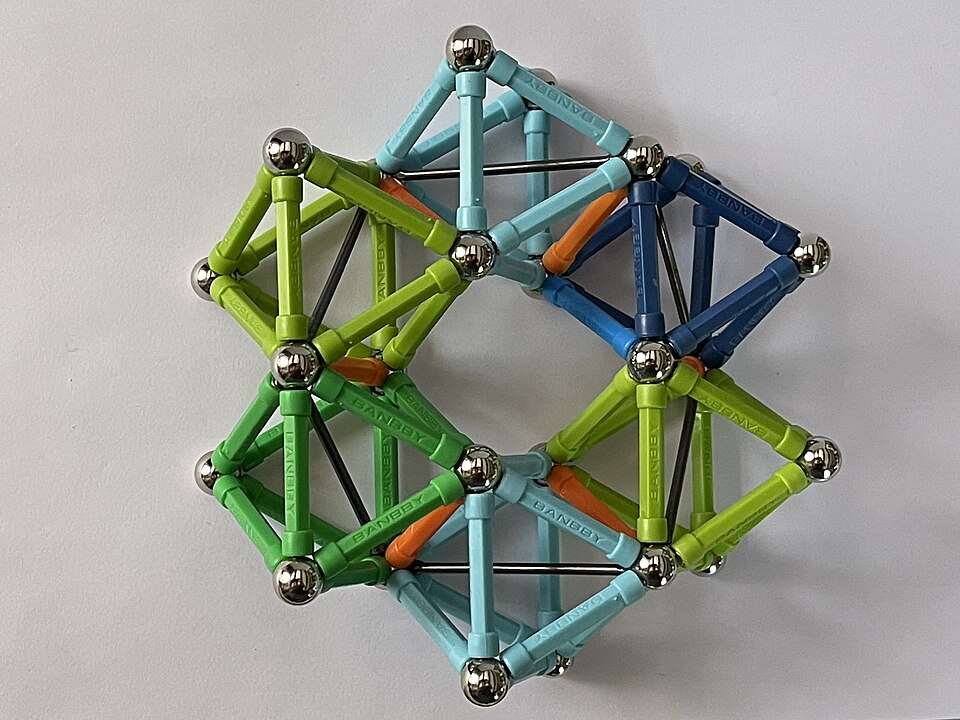
Magnetic desk toys became popular as fidget outlets for adults who liked to stack, roll, and twist tiny metal spheres while answering emails or sitting through calls at crowded desks and home offices. The magnets inside were strong enough to snap together through loops of intestine when more than one was swallowed, trapping and tearing tissue in ways that ordinary objects do not. Young children and siblings saw the shiny beads as candy or jewelry, leading to emergency surgeries that left families shaken and exhausted. Regulators pushed recalls and bans on high-powered sets, arguing that warnings were not enough when a toy could cause hidden internal damage that nobody could see from the outside.
Galaxy Note 7 Smartphones: Flagship Turned Flight Risk
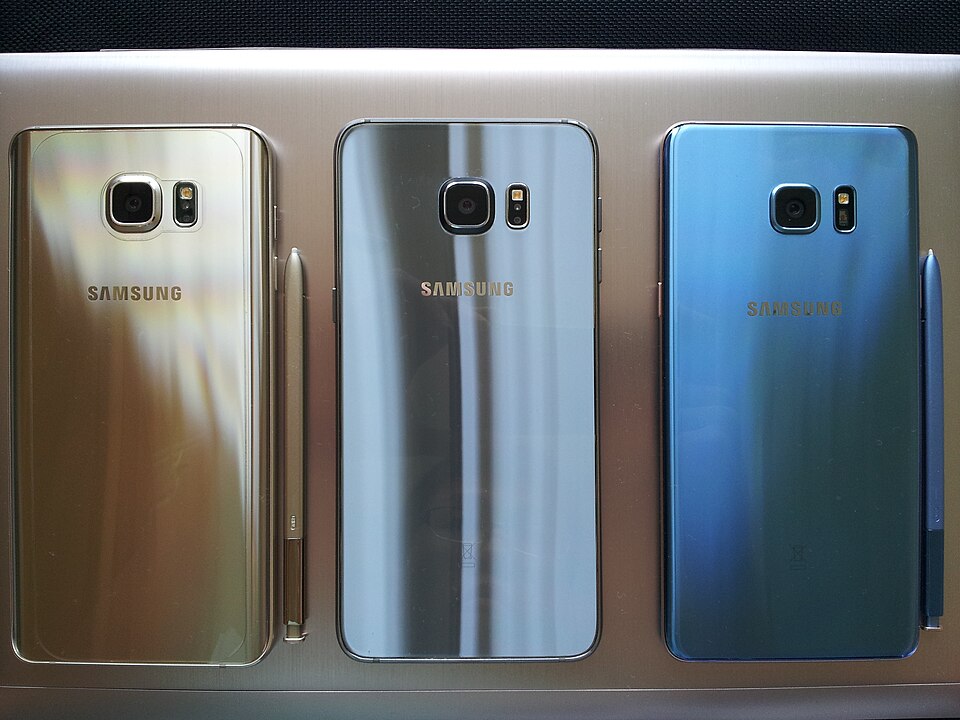
The Galaxy Note 7 launched as a premium smartphone with a large screen, stylus, and ambitious battery packed into a slim frame that appealed to frequent travelers and tech fans around the globe who wanted power. Soon after release, reports emerged of devices overheating on nightstands, inside pockets, and during charging, leaving scorch marks, smoke, and frightened owners behind. Aviation authorities took the unusual step of banning that specific model from flights, treating each phone as a potential fire risk in the sky. Samsung issued recalls and later discontinued the line, turning a proud flagship into a long-term case study on how battery design, deadlines, and reputation can collide in public.
Vapes And E-Cigarettes In Checked Bags: Smokeless, Not Harmless
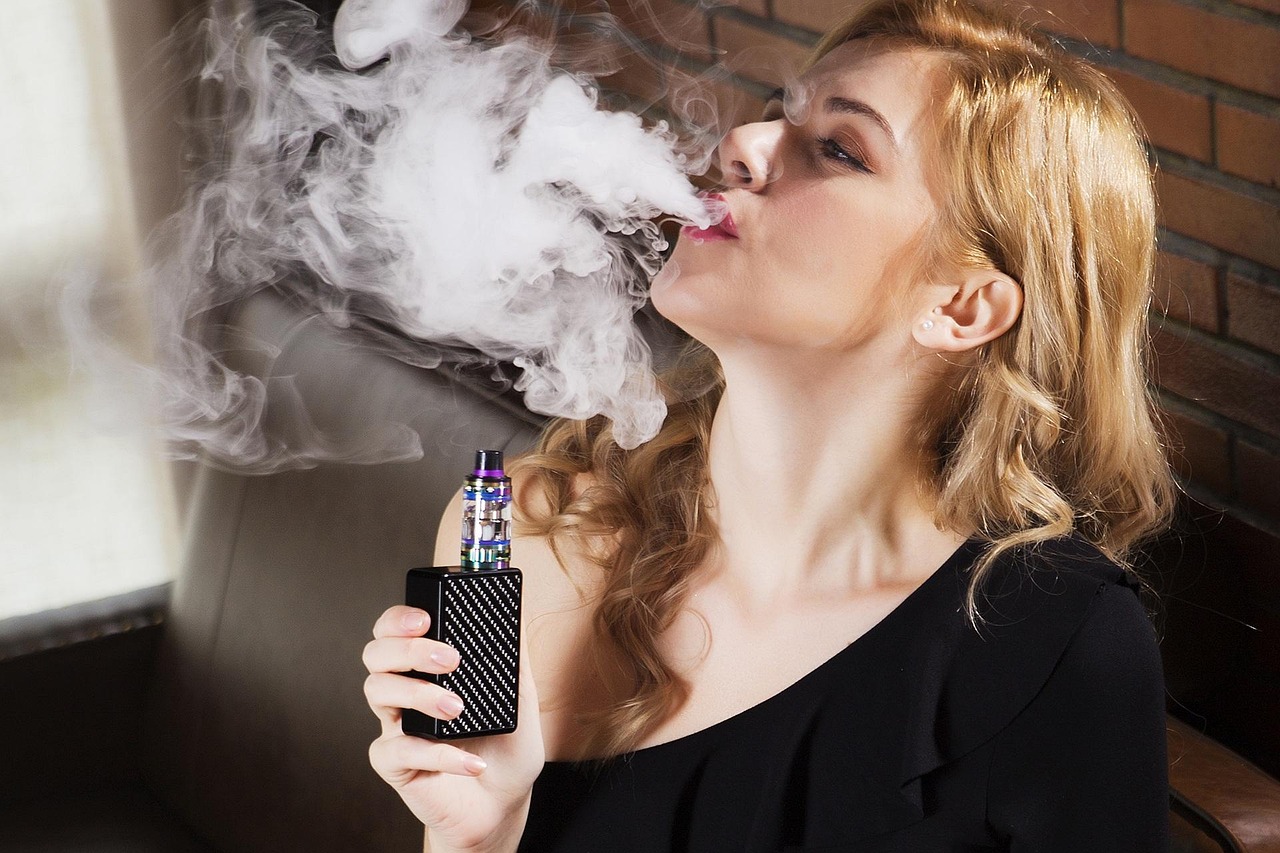
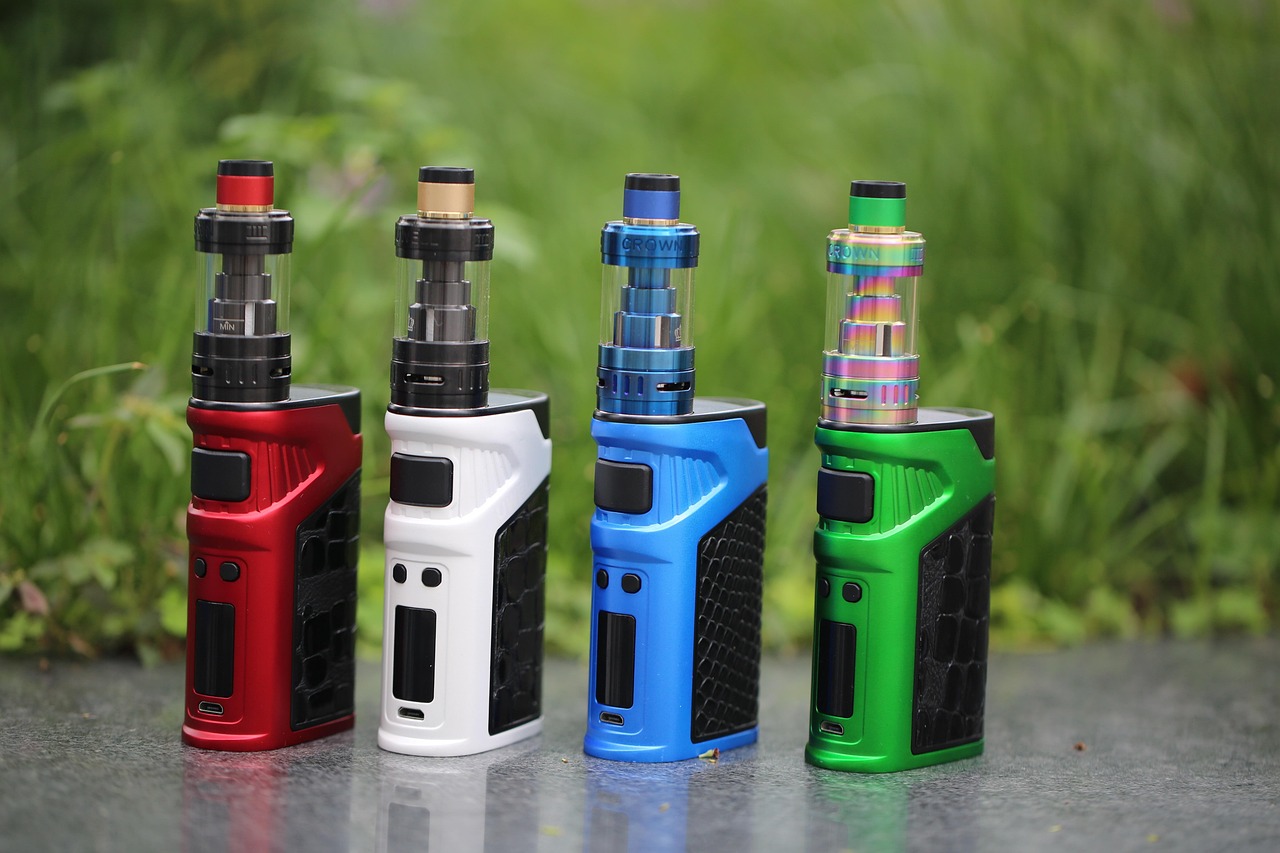
Vapes and e-cigarettes are marketed as compact devices that slip neatly into pockets and bags, often handled with the same ease as pens or small flashlights during busy days and late nights on the road or in terminals and hotel lobbies. Inside, lithium batteries and heating elements sit close together, and faults can trigger sudden overheating or flames. In airplane cargo holds, those fires are harder to detect and fight, so aviation rules now keep vapes out of checked luggage and firmly off the list of items that may be used in flight. The policy nudged travelers to think differently about these devices, treating them as potential ignition sources rather than neutral accessories or casual habits.
Power Banks And Spare Batteries: Extra Energy, Extra Rules
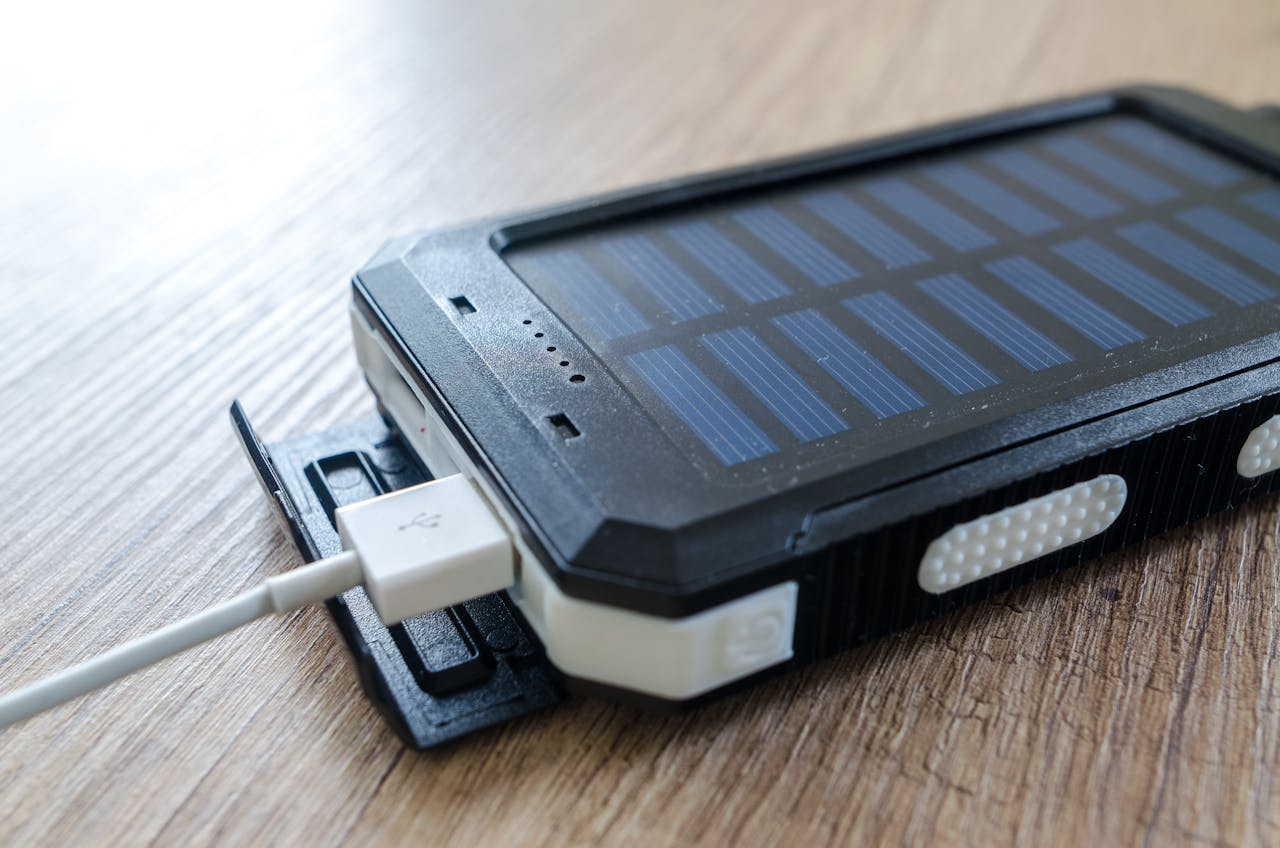
Power banks and spare lithium batteries ride along in backpacks, purses, and briefcases as quiet insurance against dead phones on long days filled with messages, maps, and music that rarely pause for a break. The same energy that keeps screens glowing can also feed intense heat if a cell is damaged, shorted, or poorly built, especially when packed tightly with clothes and other gear. Aviation rules now keep loose batteries out of checked luggage and limit both capacity and quantity in the cabin, where crews can see and handle any problem quickly. Security lines sometimes slow while travelers rearrange bags, but that small delay trades a little convenience for a safer flight for everyone on board.
Halogen Torchiere Floor Lamps: Dorm Lighting With A Catch

Halogen torchiere floor lamps once lit college dorm rooms and small apartments with tall columns of warm light that felt inexpensive and stylish compared with other options on crowded store shelves. The bulbs burned at extremely high temperatures, and fabric or paper that brushed the open top could ignite in minutes. Fire reports described scorched ceilings, melted posters, and entire rooms damaged after simple naps or study sessions ended with a forgotten lamp still on. Universities and housing managers eventually banned these lamps and steered residents toward cooler LED versions, turning a favorite décor item into an example of how lighting choices can shape building safety policies for years.
Cheap Extension Cords And Smart Plugs: Power On A Thin Margin
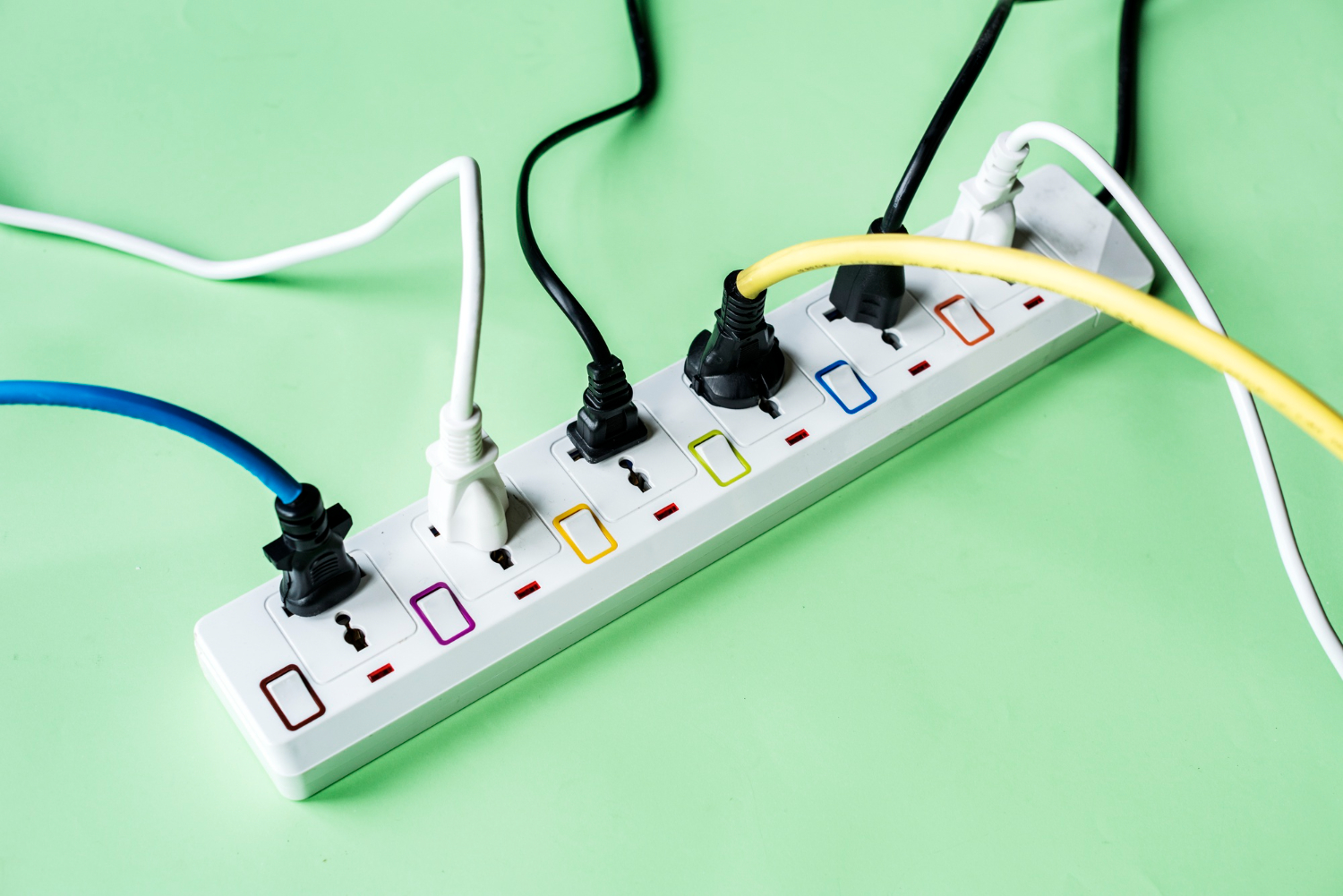
Cheap extension cords and discount smart plugs sit along baseboards and under desks, quietly handling power for chargers, lamps, and heaters without drawing attention during busy days at home or at work in shared spaces. When manufacturers cut corners on internal wiring, grounding, or overload protection, those small helpers can overheat, melt, or spark at exactly the wrong moment. Investigators often trace burn marks on walls or carpets back to a single bargain cord that failed under everyday use. Some offices, schools, and landlords now ban uncertified devices and require surge protectors that meet strict standards, reminding everyone that safe electricity depends on more than the outlet in the wall.