The 2010s moved at the speed of a refresh button, and culture learned to travel in bursts. A dance could peak on Monday, vanish by Friday, and still leave a warm imprint years later. These fads were rarely deep, but they were communal, turning phones into tiny stages and strangers into co-conspirators. Some were silly, some charitable, and some just aesthetically loud, yet each offered a shared script for a brief moment. Looking back, the appeal feels simple: low stakes, high participation, and a sense that everyone was in on the same joke. Even the cringiest trends carried a little optimism, as if the internet could still surprise itself, together. For a beat, attention felt playful instead of exhausting.
Harlem Shake Weekends
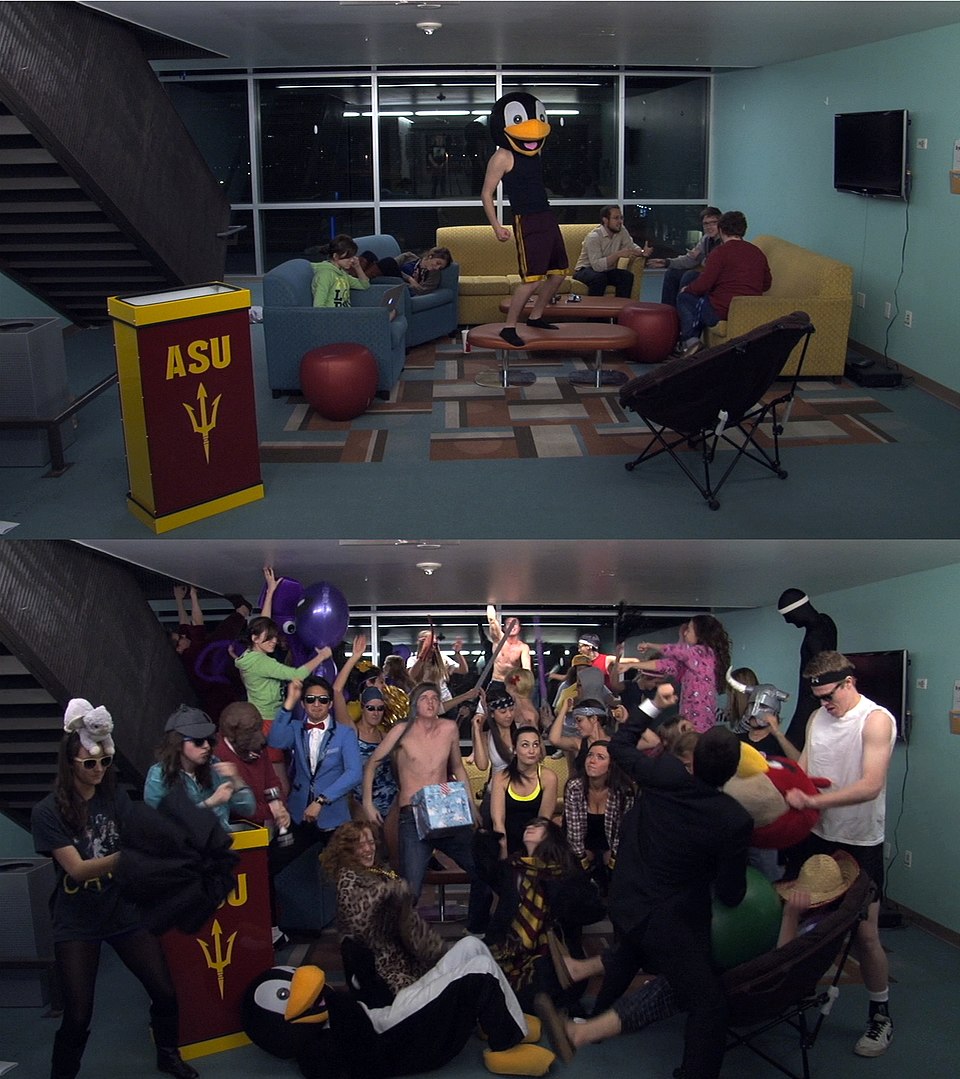
For a few chaotic weekends in 2013, the Harlem Shake turned offices, dorms, and fire stations into low-budget movie sets. The script was rigid, yet the creativity was endless: one lone dancer in plain clothes, the beat drop, then a hard cut to full costume mayhem, masks, wigs, and someone committing to a rolling chair. It was nonsense with a deadline, so teams raided supply closets for props, filmed in one burst, and posted before the joke cooled, leaving behind a rare permission slip for group silliness that felt surprisingly bonding, the kind that made even awkward coworkers feel like a team for 30 loud seconds.
Planking Everywhere
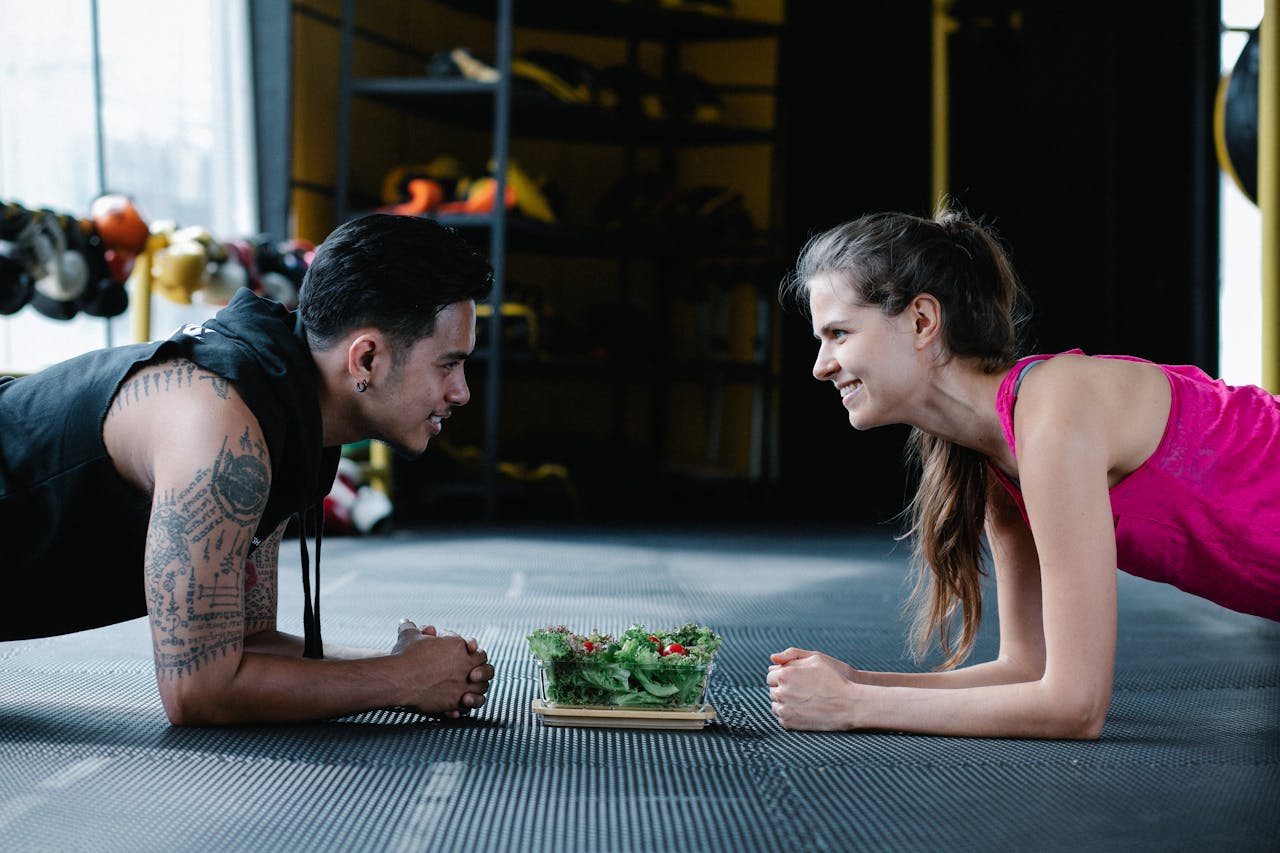
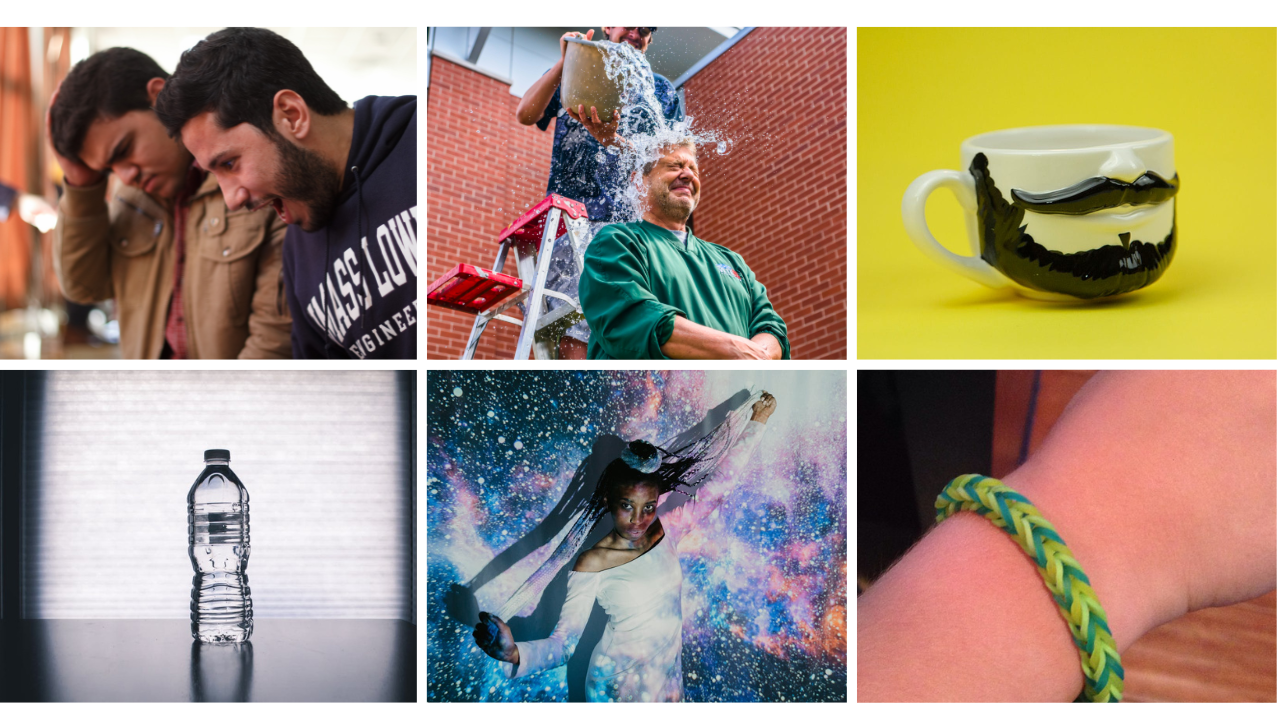
Planking was peak early-2010s deadpan: a straight-faced body laid stiff as a board on benches, railings, shelves, and anything that could hold still for a photo. The joke lived in the contrast between total seriousness and total silliness, plus the quiet competition to find stranger settings without getting escorted out. Friends scouted spots like it was a tiny heist, snapped proof in seconds, and walked away laughing, and even now the memory reads as pure, low-stakes mischief before everything needed a concept, a filter, and an explanation, and the feed had not yet learned to police harmless weirdness so aggressively.
Vine’s Six-Second Comedy

Vine taught people to tell jokes with the efficiency of a haiku, where timing mattered more than polish and rewatching was part of the punchline. Six seconds meant no warm-up: a sound cue, a cut, a payoff, and the loop turning the whole thing into a beat that stuck in the brain. Bedrooms became comedy clubs, plastic cups became co-stars, and comment sections felt like friends in the room, so when Vine ended it left a hole that longer platforms still struggle to fill: fast, communal, and weirdly intimate, where anyone could land a joke with one good cut and a borrowed sound, then watch it loop until it became a catchphrase.
Pokémon GO Summer Nights
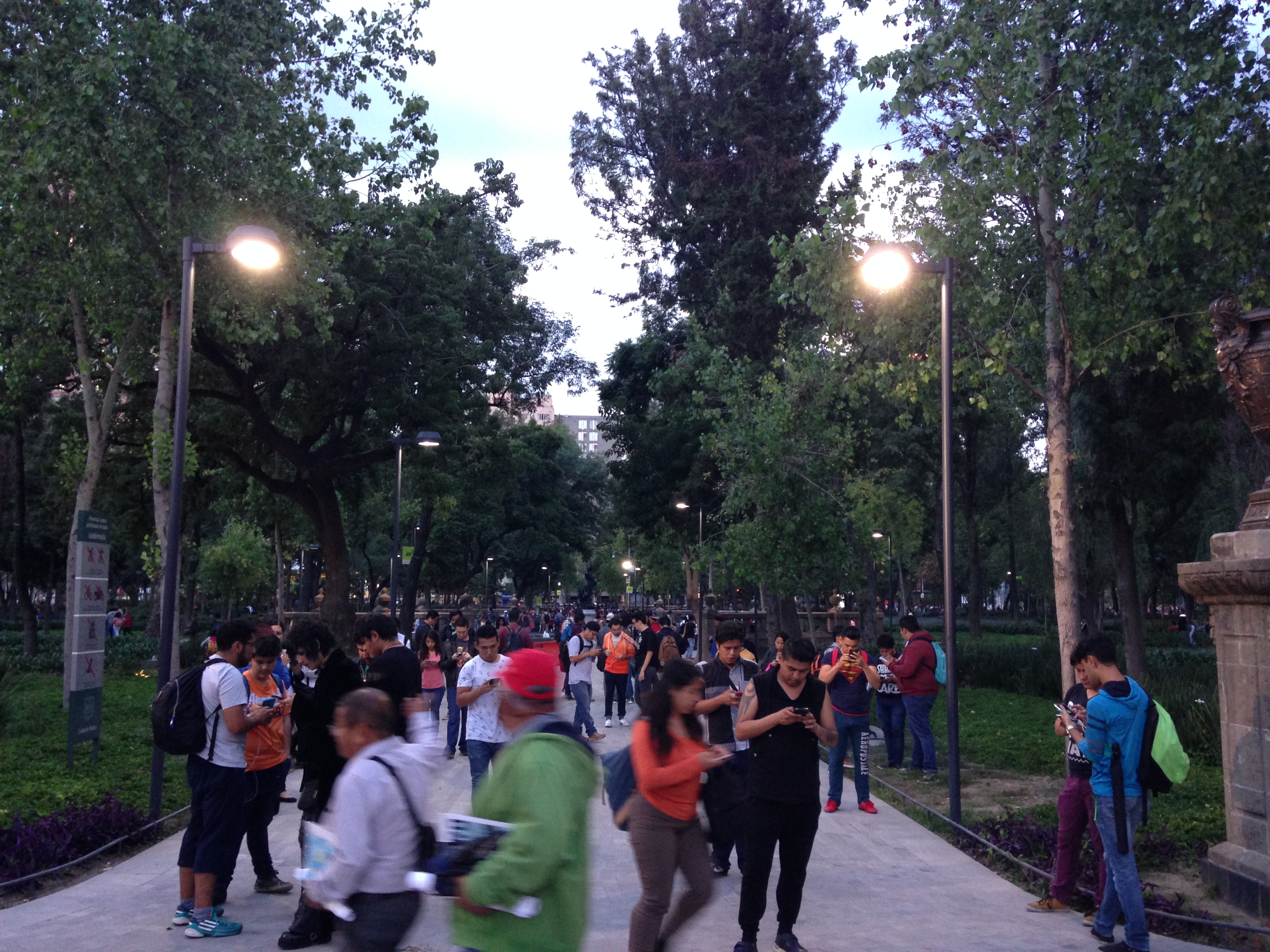
In July 2016, Pokémon GO pulled people outdoors and made parks feel busy again after dark, as if the city had quietly agreed to meet up. A rare spawn could reroute evening plans, and a crowded gym felt like a block party, with team colors debated like sports and phone screens glowing under streetlights. Strangers swapped charger cables, tips, and quick hellos, then walked together for a few blocks like old friends, and the fad still stands out as proof that a game can turn ordinary corners into shared stories, and for once the phone was a ticket outside instead of a reason to stay in, and it made neighborhoods feel briefly electric.
The Ice Bucket Challenge
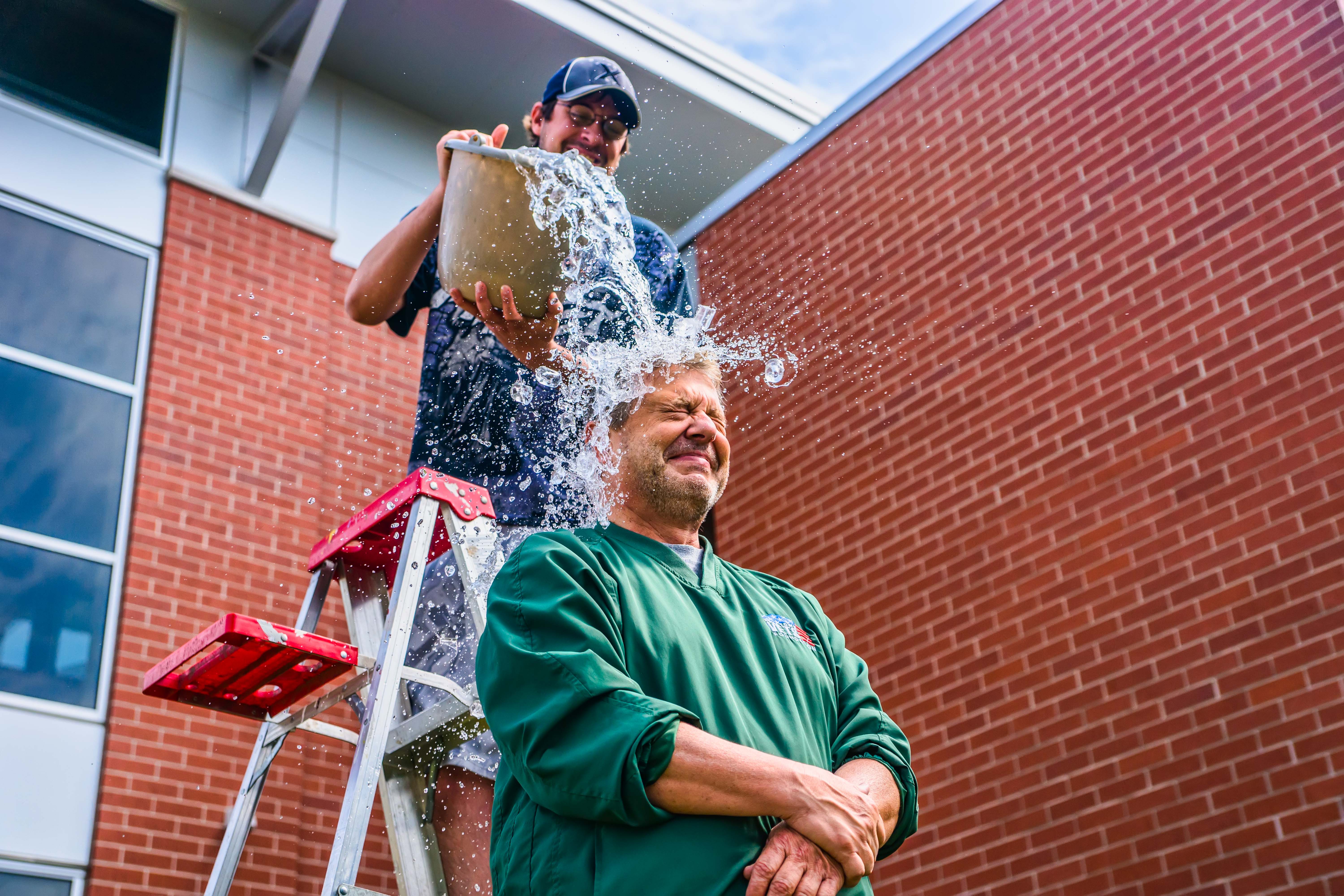
The Ice Bucket Challenge was one of the decade’s rare viral moments that mixed spectacle with real fundraising and awareness for ALS research. People staged icy drenchings, nominated friends, and posted the results with equal parts laughter and dread, turning driveways into tiny soundstages. The rules were simple and public, which made it spread fast, but what people miss is the clarity: a trend that felt generous, easy to explain, and built around doing something for someone else, not just chasing attention, and it showed how a simple template can turn empathy into action at scale, with receipts everyone could share.
Fidget Spinners at Every Desk
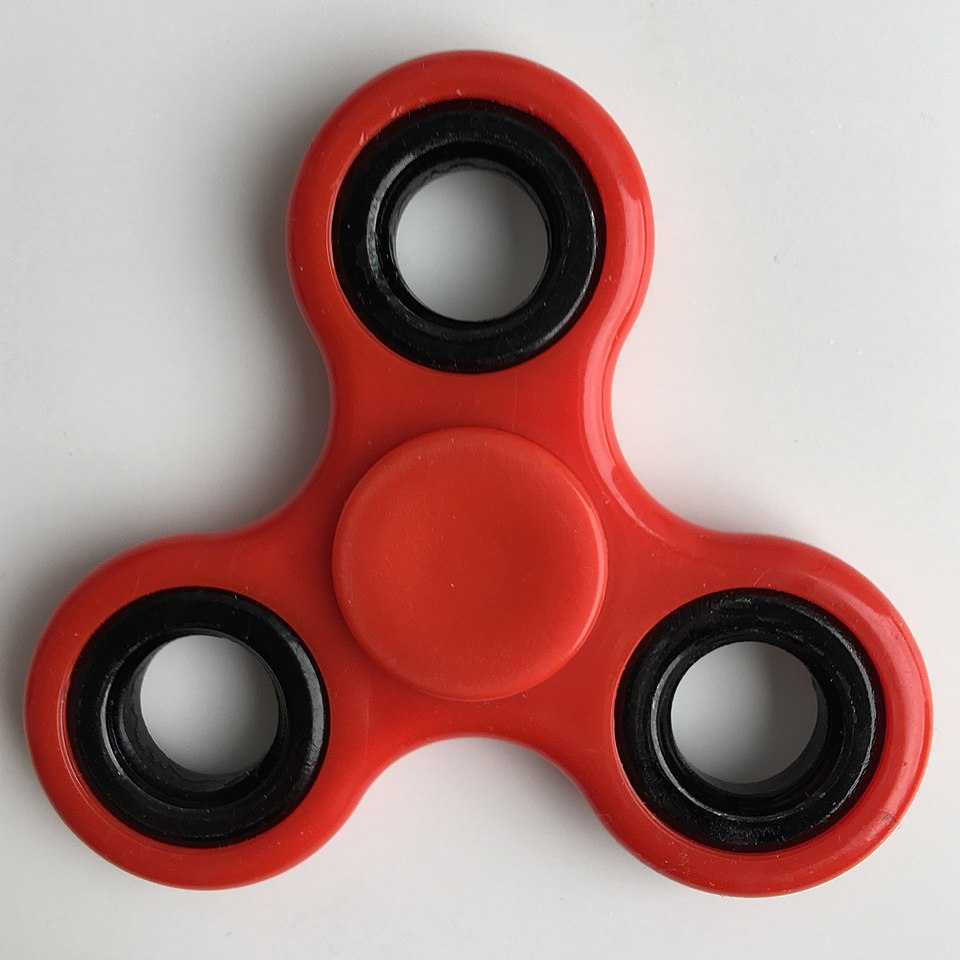
Fidget spinners arrived in 2017 like pocket-sized weather, suddenly everywhere: classrooms, office meetings, checkout lines, bus stops, and noisy cafeterias. The appeal was tactile and hypnotic, a clean loop of motion that made waiting feel shorter and hands feel calmer, while the promise of better focus gave adults a polite reason to try them. Schools tried to ban them, collectors hunted heavier bearings and brighter shells, and the soft whir became background noise, then the spell broke fast, yet the point still lands: people crave small, repeatable rituals that take the edge off an overstimulating day for a moment.
Rainbow Loom Bracelet Mania
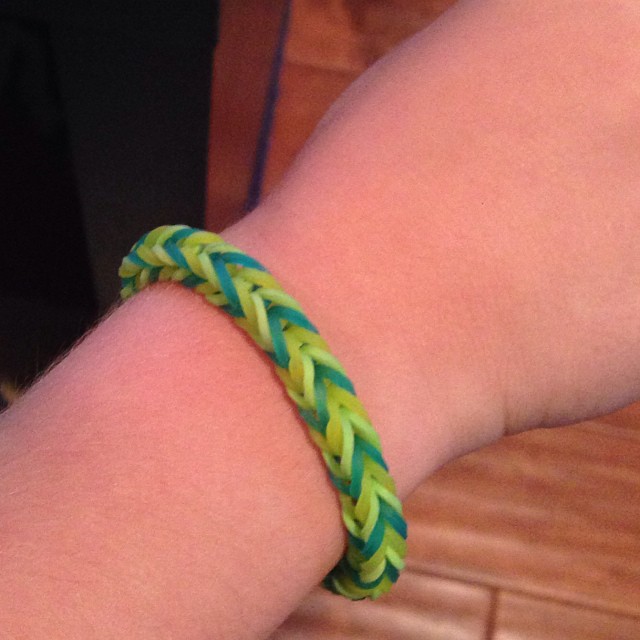
Rainbow Loom bracelets turned cheap rubber bands into status symbols, friendship tokens, and a surprisingly serious craft around 2013. Bright loops stacked up on wrists, tutorials ran on repeat, and kitchen tables became tiny factories of color, with patterns traded like secrets on buses and at lunch. The craze vanished, but it left a sweet kind of focus: hands working, hooks clicking, and gifts made quickly yet thoughtfully, plus the social glue of trading colors and learning each other’s favorite combinations without a screen in the way, just hands and color and the simple pride of making something real in under 10 minutes.
Mustache Everything
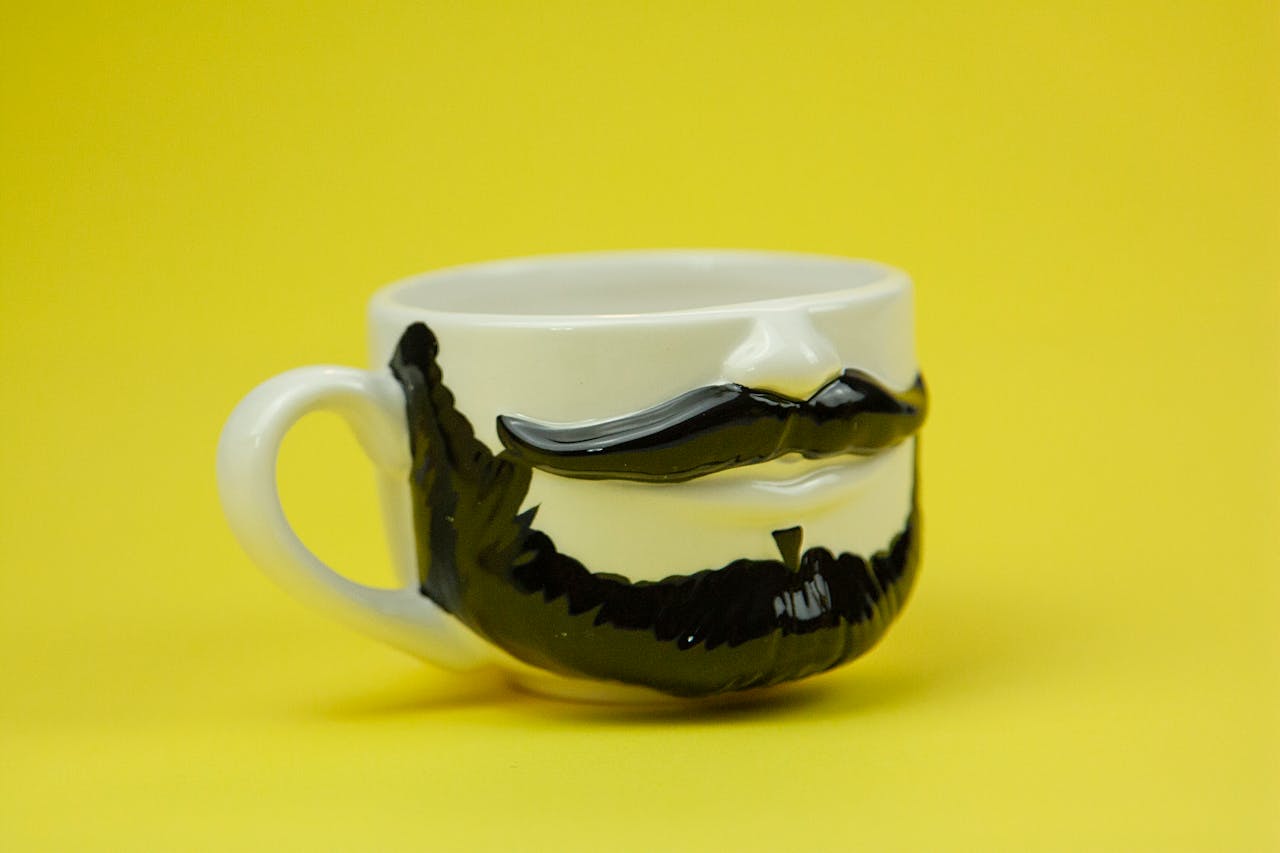
For a stretch, mustaches were everywhere: on mugs, pillows, necklaces, stickers, and fingers pressed under noses for photos, like a costume that fit in a pocket. The symbol was silly and vaguely retro, a shorthand for playful taste without commitment, and it moved easily from Etsy storefronts to wedding booths and coffee-shop chalkboards. It vanished once it felt too obvious, but the mood still lands: a decade that wanted design to be approachable, a little ironic, and friendly enough to make strangers laugh at a barista counter, a reminder that trends can be light, and light can be enough for a while, before minimalism returned.
Galaxy Print Fashion
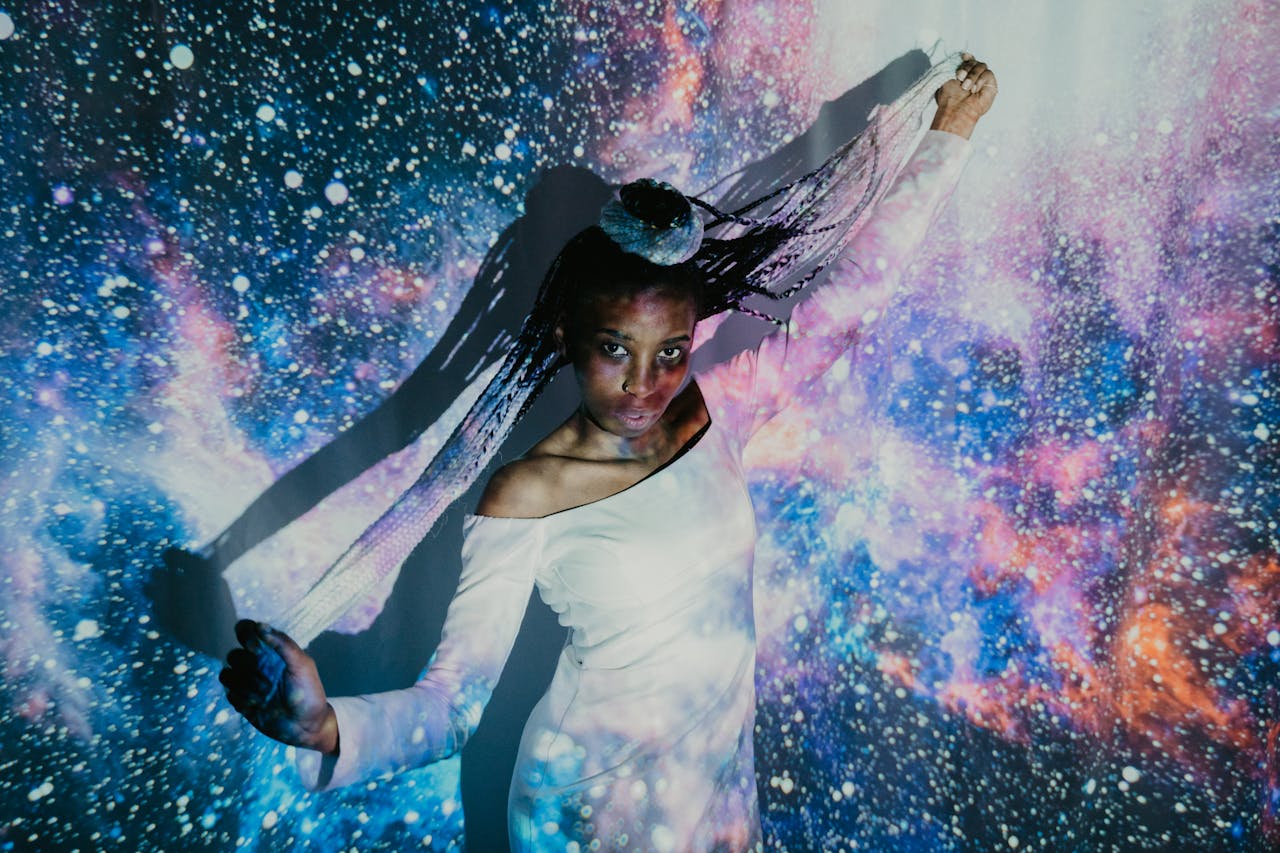
Galaxy print fashion made the ordinary feel cosmic, splashing leggings, hoodies, and sneakers with purple nebulae and starry gradients built for flash photos. The look was loud and dreamy, matching the decade’s appetite for outfits that read instantly on a small screen, from festival crowds to late-night diner runs. It peaked, then gave way to calmer palettes, but people still miss its confidence: a pattern that refused to blend in, turned sidewalks into mood boards, and made even a basic outfit feel like it had a story, especially in photos where the colors popped and the pattern did half the talking, even with basic jeans.
The Mannequin Challenge
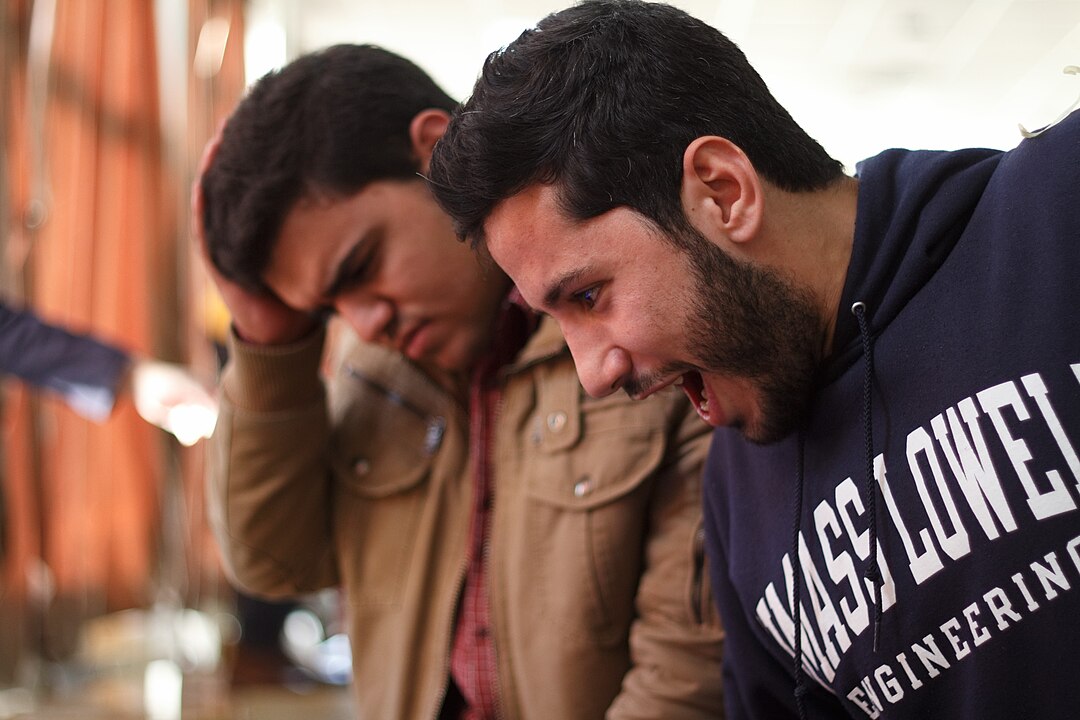
The Mannequin Challenge froze rooms in 2016, turning classmates, athletes, and wedding parties into living statues while a camera drifted through the scene. It looked effortless, but it demanded planning and the rare skill of holding a laugh as music played and a cup hovered midair without spilling. The payoff was a shared performance in one smooth shot, full of tiny jokes hidden in the stillness, and what people miss is the cooperation: everyone committing at once, trusting the group, and getting something fun on the first try, with no edits required beyond not blinking and not dropping whatever was in midair for the whole shot.
Bottle Flips and Table Tricks

Bottle flipping was an everyday physics lesson disguised as bragging rights, peaking around 2016 in classrooms, cafeterias, and backyards. A quick flick, a tense spin, then the satisfying thump of a perfect landing on a table or shelf, followed by cheers that felt wildly disproportionate to the size of the win. It was easy to try, hard to master, and endlessly repeatable, which is why it spread, but the deeper charm was social: a shared pause, a tiny skill, and a moment of celebration that did not require a punchline, just the clean satisfaction of gravity cooperating when everyone is watching, and a tiny success resets the mood of the room.
Mason Jars as Lifestyle
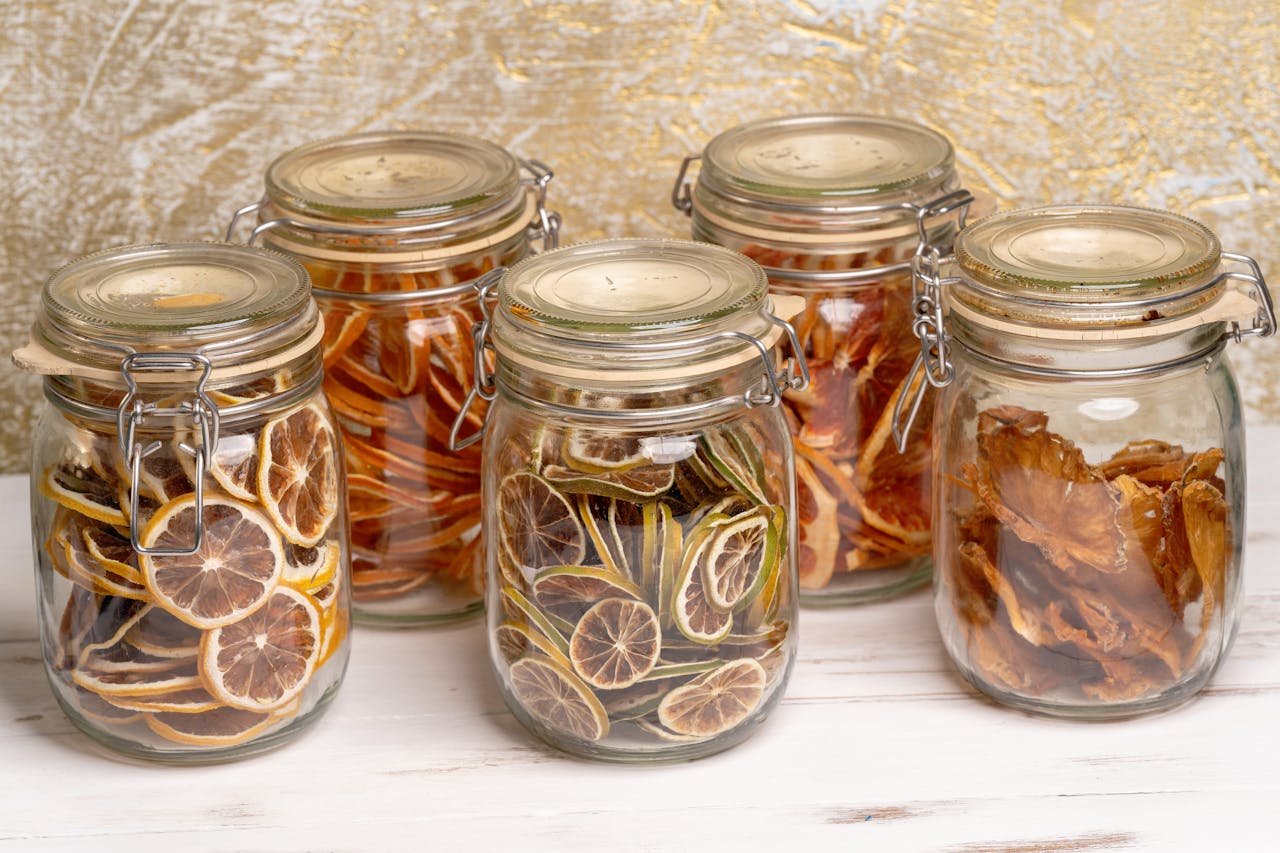
Mason jars escaped the pantry and became the 2010s favorite container for almost everything: iced coffee, salads, candles, centerpieces, even soap dispensers by the sink. They signaled rustic charm with a clean, photogenic shape, making homemade things look intentional whether the setting was a wedding, a dorm, or a backyard cookout. The trend crowded itself out, but the appeal remains because it was practical and comforting: a thrift-store object that made people feel resourceful, a little nostalgic, and strangely proud of simple routines, the sort that made a Tuesday breakfast look like a photo moment without trying too hard.