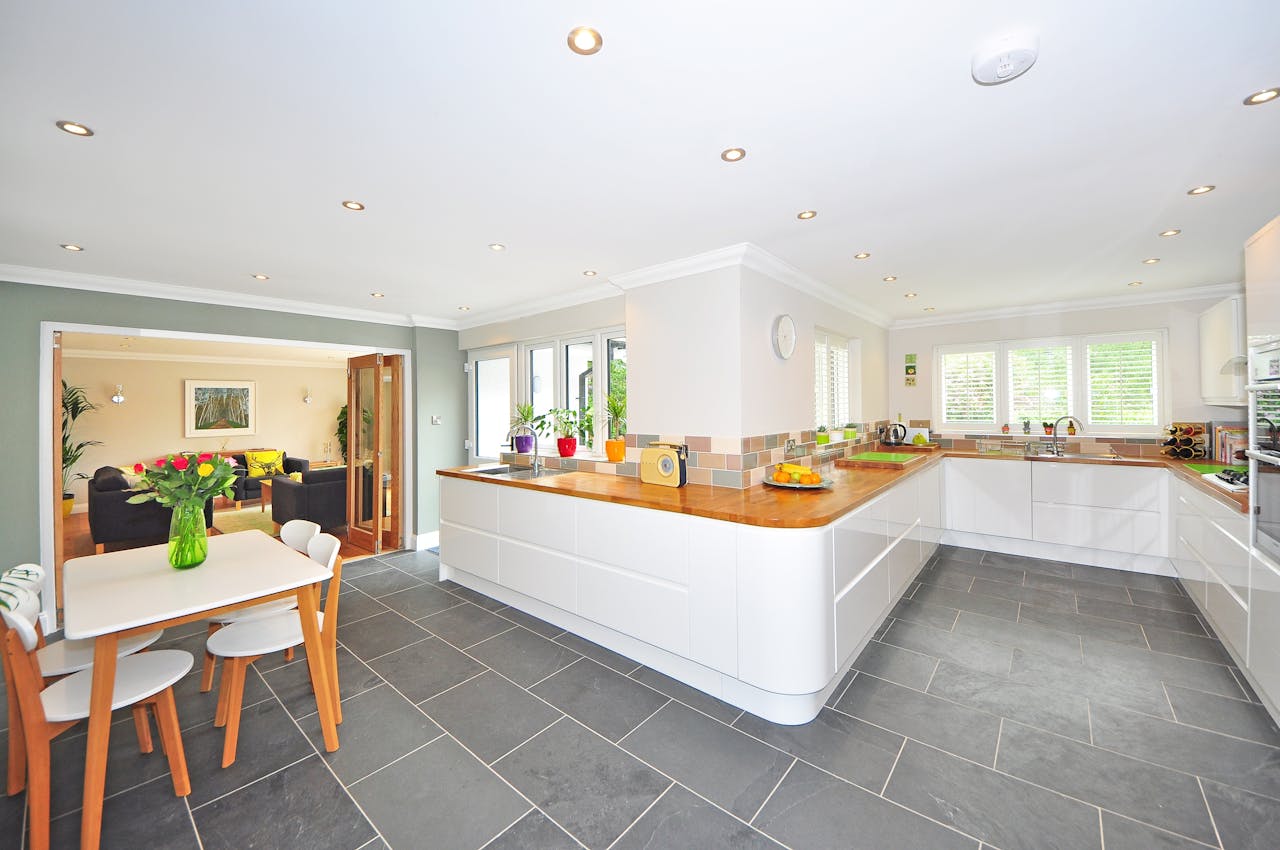
Ceilings used to be the blank part of a room, a white plane that disappeared once furniture, art, and textiles took over. Now more designers treat overhead space like a fifth wall, using color, texture, and structure to shape mood and proportion. A ceiling detail can make a low room feel intentional, give an open plan a sense of boundary, or add drama without adding clutter. The best choices connect to what is happening below, repeating a tone, a line, or a material so the room feels finished from every angle.
Paint Drenching the Ceiling

Paint drenching treats the ceiling as part of the room’s envelope, carrying one color across walls and overhead planes so corners soften and the space feels composed. It shines in bedrooms, dining rooms, and small offices where a bright white ceiling can feel abrupt under warm evening lamps. Matte or eggshell finishes cut glare, and painting vents, medallions, and simple beams to match keeps the effect clean. Trim can match for a modern block of color, or shift one step lighter to add depth. Deep navy, olive, and clay tones look especially rich when repeated in textiles and art, and a ceiling swatch confirms the mood after dark.
Wallpaper or Mural Overhead
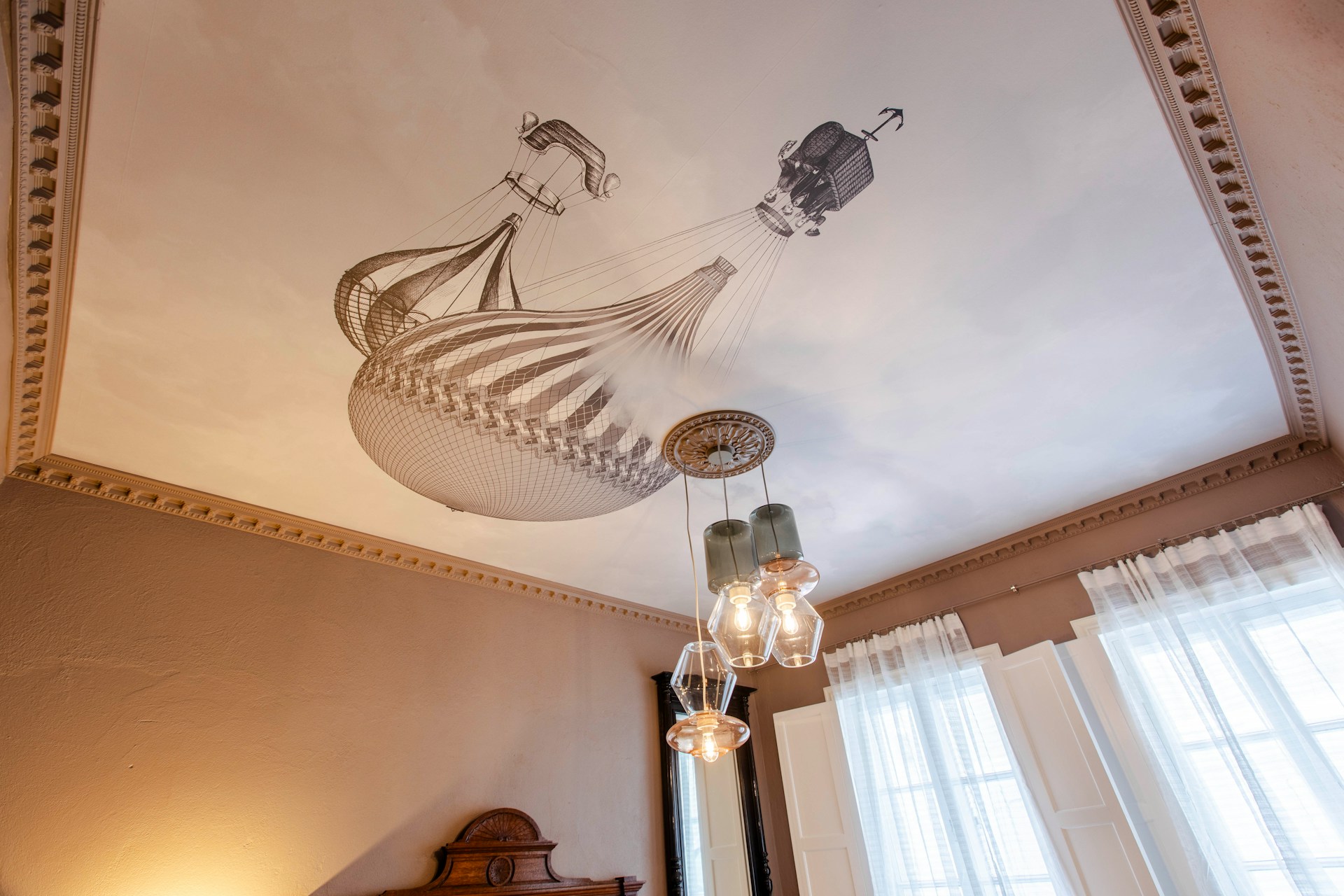
Ceiling wallpaper turns the most ignored plane into a focal point, adding pattern without stealing room on the walls. Quiet grasscloth brings texture, while botanicals, stripes, or metallic inks can echo colors already used in rugs and upholstery. It works especially well in foyers and powder rooms, where a bold ceiling reads like a signature and tall proportions can feel cozier. Painted murals, from clouds to abstract washes, land best when two or three tones repeat below in art and linens. Small-scale repeats feel calmer on low ceilings, while larger motifs suit taller rooms. Smooth primer and careful seams keep edges crisp.
Coffered and Grid Ceilings
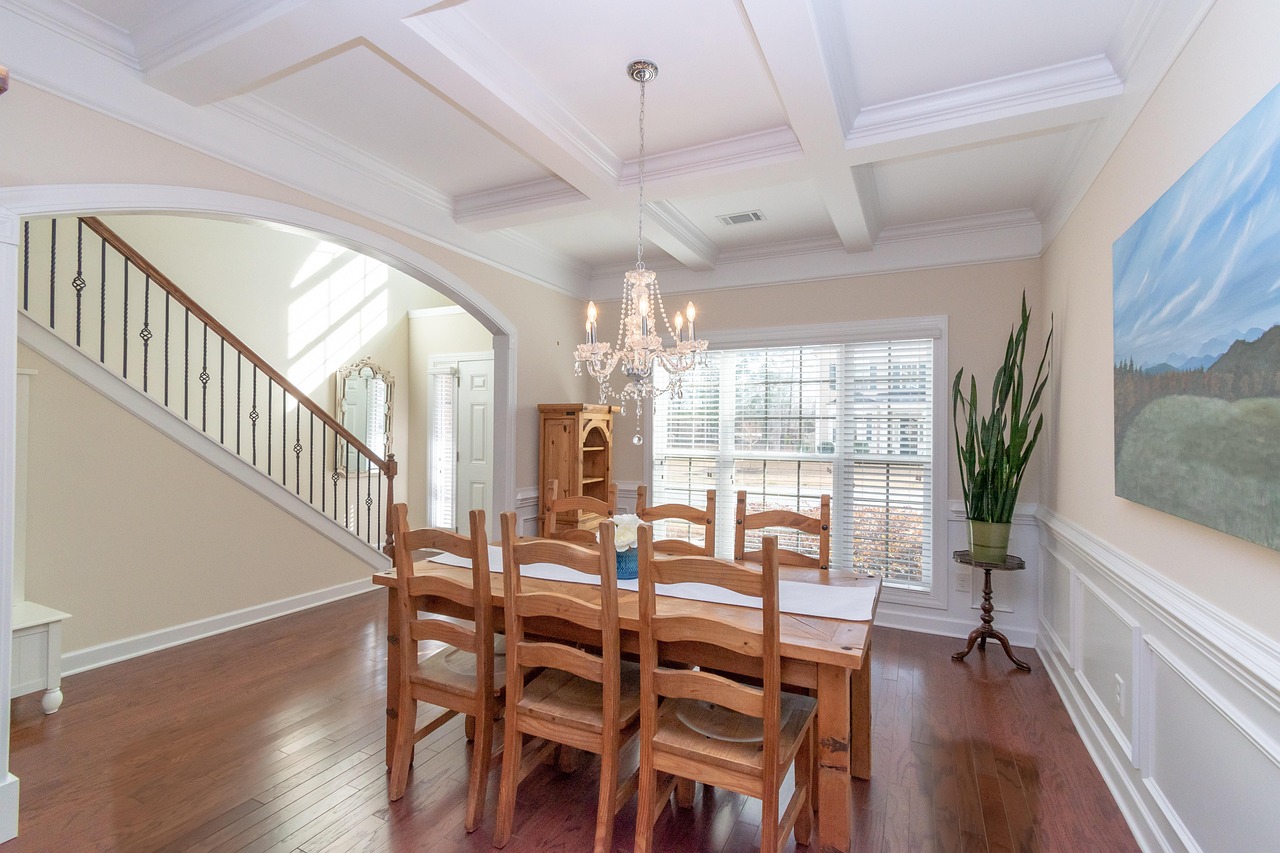
Coffered and grid ceilings give overhead structure, turning flat drywall into a rhythm of panels that feels deliberately architectural. The layout can read traditional with crown-like profiles, or modern with crisp square edges and shallow depth, depending on molding and paint sheen. It is especially effective in larger living rooms where a plain ceiling feels empty, because the grid frames lighting, hides minor waviness, and adds proportion without closing sightlines. A subtle contrast color on the beams can add depth, while matching walls keeps it calm. Aligning the grid with seating and vents prevents awkward off-center panels.
Exposed Beams, Real or Faux
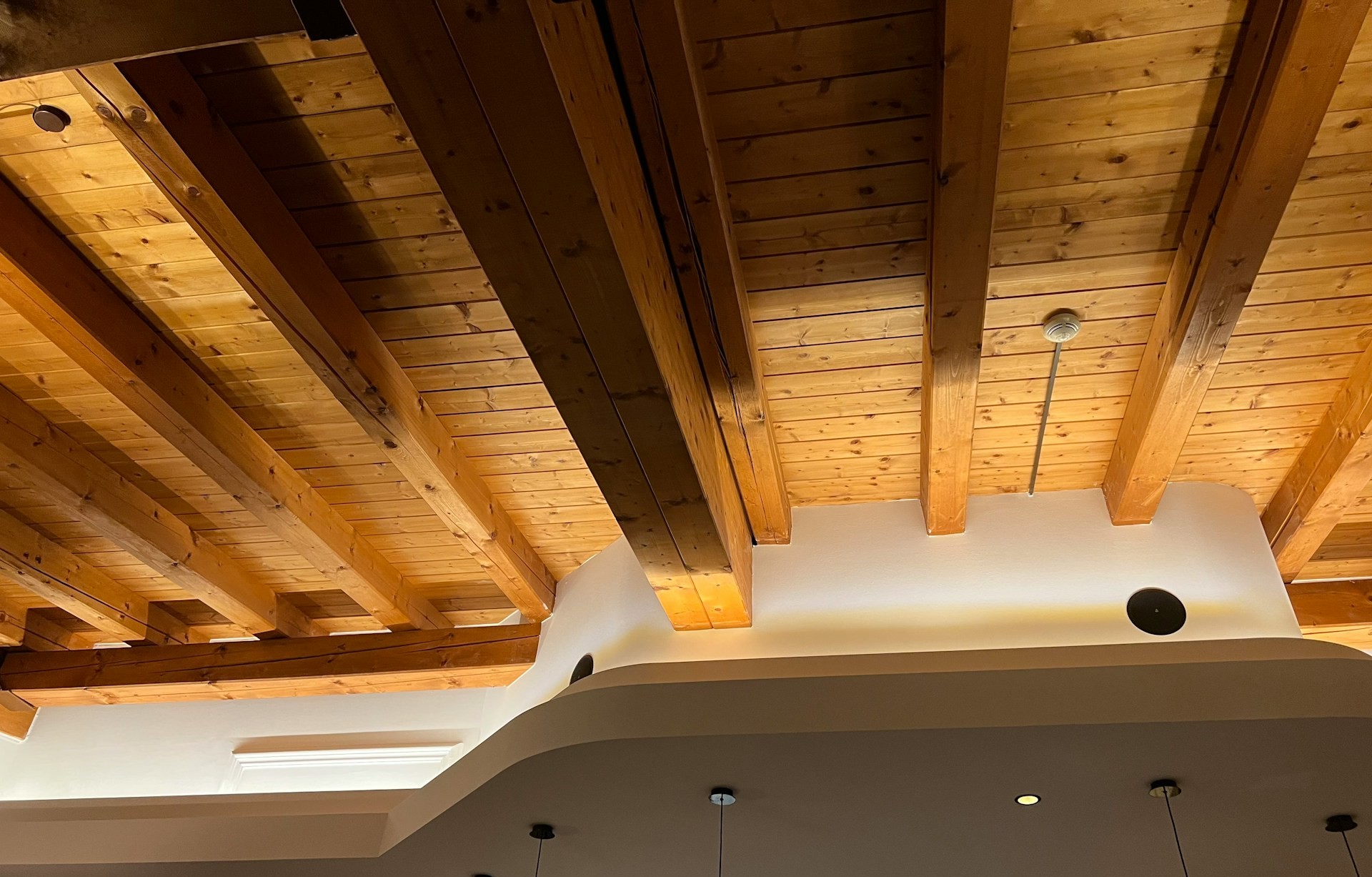
Exposed beams add character by introducing shadow lines and a clear direction overhead, which can make a plain room feel finished. In older houses, restoring original timbers celebrates history, while faux beams deliver similar visual weight with less disruption, making them common in renovations. Stained wood warms white rooms, painted beams sharpen contrast, and thoughtful spacing can correct proportions, helping long rooms feel balanced and tall rooms feel comfortably scaled. Repeating the beam tone in floors or shelving ties everything together. Keeping the beam count restrained avoids a busy ceiling and lets lighting stay simple.
Wood Slat and Plank Ceilings

Wood slats and planks bring tactile warmth that paint cannot, and they make the ceiling feel designed rather than ignored. Thin linear slats read modern and can conceal acoustic backing, wiring, or speakers, while wider planks lean cabin or Scandinavian, especially in pale oak or whitewashed tones. Running boards lengthwise can visually elongate a room, and perpendicular layouts can calm a narrow space. Pairing the wood with simple walls and a few well-chosen fixtures keeps the look intentional. A clear seal makes upkeep easier, and clean edge trims help the ceiling feel crisp, not rustic by accident.
Statement Ceiling Medallions

Ceiling medallions have moved from quiet period detail to an intentional centerpiece, especially when paired with a sculptural pendant or chandelier. An oversized medallion helps a large fixture feel anchored instead of floating, and it adds shadow and texture that reads beautifully once lights are dimmed. Lightweight polyurethane options simplify installation, while plaster delivers sharper relief and richer edges. Simple patterns suit modern rooms, and centering the medallion with the main seating area keeps it purposeful. Matching paint to the ceiling makes it subtle; a contrast color makes it graphic, and careful caulking keeps the silhouette clean.
Layered Cove and Tray Lighting
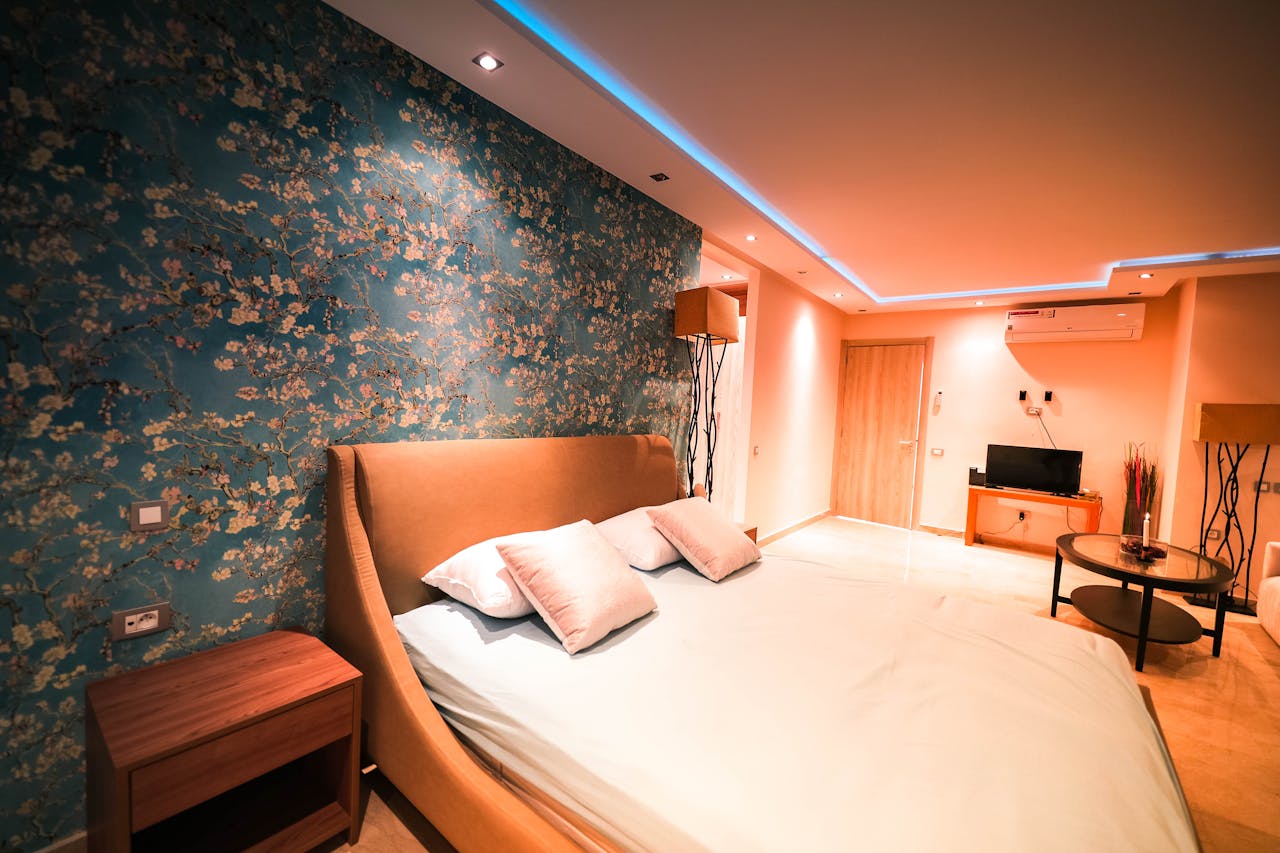
Cove and tray ceilings add depth, then concealed LEDs bring a soft glow that bounces off the plane overhead instead of shining straight down. That indirect light reduces harsh facial shadows and makes rooms feel calmer, especially in living rooms and primary suites used at night. A tray edge can also make ceilings feel taller, because the perimeter becomes a gentle horizon line rather than a hard cutoff. Warm color temperature, dimmers, and clean corners keep the effect elegant. A planned path for wiring and drivers prevents flicker, and a continuous diffuser avoids bright dots along the cove.
High-Gloss and Lacquered Ceilings
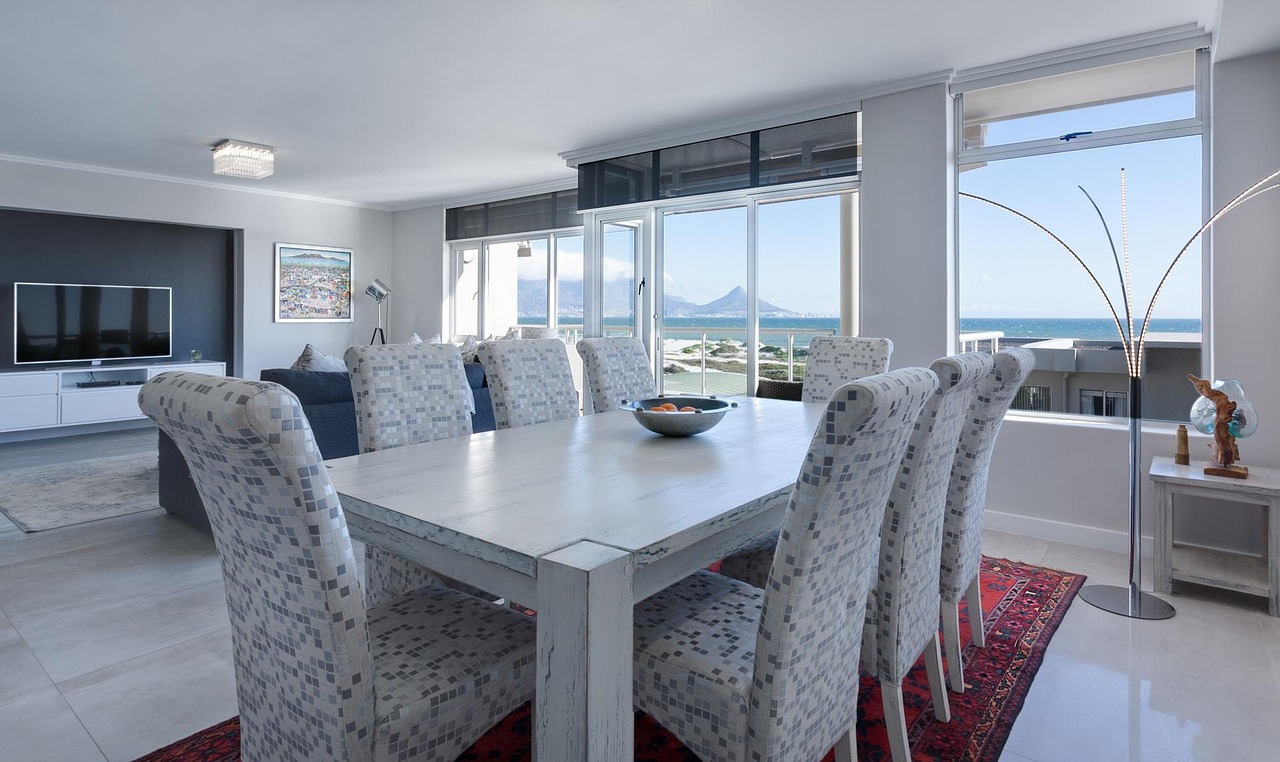
A high-gloss ceiling turns light into movement, reflecting windows and lamps for a soft shimmer that feels polished without feeling loud. It works best in smaller spaces like powder rooms, foyers, and dining rooms, where the reflective plane creates a jewel-box effect and makes paint colors look deeper. Prep matters because gloss shows every bump, so skim coats, sanding, and a dust-free topcoat pay off. Pair the shine with quieter walls and crisp trim, keep patterns minimal so reflections read as atmosphere, not clutter, and choose warm bulbs for a calmer glow. Satin walls and taped lines help the shine look intentional, not fussy.
Decorative Plaster and Microtexture

Decorative plaster gives ceilings depth that shifts with daylight, from smooth Venetian-style sheen to limewash, clay, or sandy microtexture that catches light without sparkle. These finishes soften hard edges and make modern rooms feel more lived-in, especially when walls stay simple and materials like wood, linen, and stone repeat below. Microtexture also disguises minor ceiling flaws better than flat paint, which is useful in older homes. Keeping the palette restrained and pairing it with simple pendants lets the surface read as hand-finished craft, not decoration. A sample board viewed at night helps confirm the final mood.