
The 1980s are often remembered as freer, louder, and less supervised, especially in everyday public life. What felt normal then now collides with stricter traffic enforcement, tighter public safety laws, and clearer rules around drugs, media, and communication. Many behaviors that once drew a warning, a shrug, or no reaction at all can now trigger handcuffs, court dates, or both in parts of the United States. The shift did not happen overnight, but the legal line moved, and ordinary routines crossed it. Looking back reveals how culture changed, and how law changed faster. That gap is where nostalgia meets legal risk.
Riding Unbuckled In The Front Seat
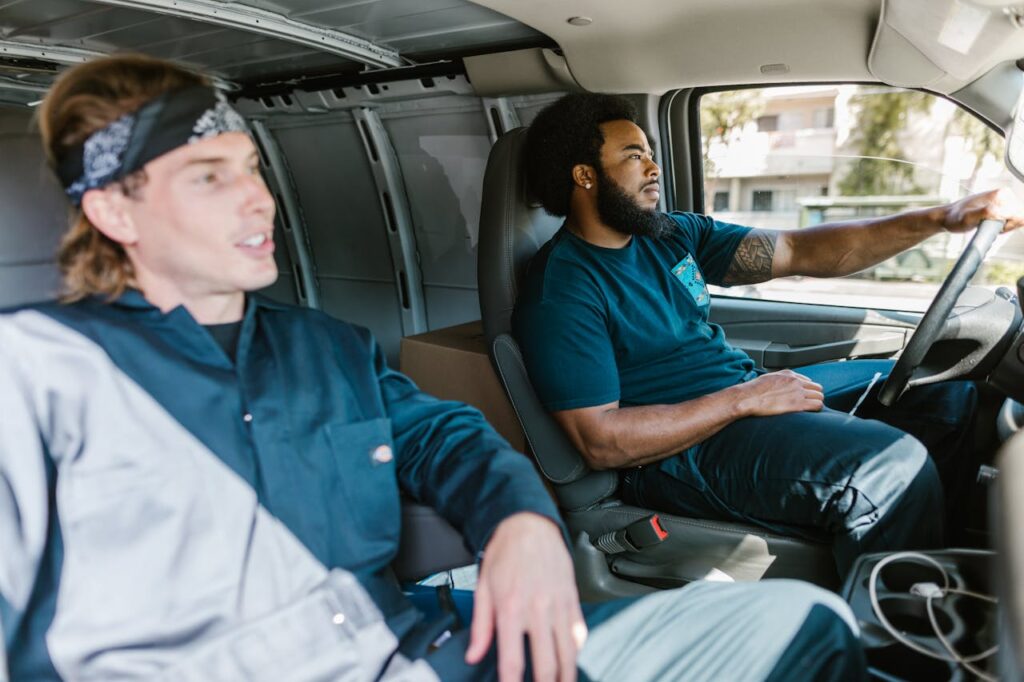
In much of 1980s car culture, plenty of adults treated seat belts as optional, especially on short drives. That habit now clashes with modern enforcement. States expanded belt laws, many moved to primary enforcement, and officers can stop drivers simply for not buckling up.
The legal shift was gradual but clear. New York passed the first statewide seat belt law in 1984, and the rulebook tightened across the country over time. What once felt casual in traffic can now become an immediate citation and, in repeat situations, a bigger legal headache tied to escalating penalties in many states.
Letting Children Ride Without Proper Car Seats

A child standing between seats or riding loose in a lap was once seen as common family travel behavior. Today, child restraint laws are far stricter, and police enforce them as core safety violations. Even a short neighborhood trip can expose adults to legal consequences.
Public health data explains why the legal standard hardened. Motor vehicle crashes remain a leading cause of death for children, and correctly used car seats substantially reduce fatal injury risk. What once passed as normal now reads as preventable endangerment in many jurisdictions, with citations that can quickly escalate in traffic court.
Driving After A Few Drinks

In the 1980s, many social circles treated moderate drinking before driving as risky but acceptable. Modern law takes a much sharper view. Every state now uses per se BAC thresholds, and impaired-driving enforcement is more structured, visible, and data-driven than it was decades ago.
The legal floor is clear: all states set illegal per se BAC at .08 except Utah at .05, and under-21 limits are even lower. That means behavior once dismissed as being fine to drive can now trigger arrest, license penalties, mandatory court processes, and long insurance consequences that follow for years after the stop.
Keeping Open Alcohol In The Car

Riding around with an open beer in the cabin was once shrugged off in some places, especially for passengers. Today, open-container rules are mainstream traffic law, and they do not only target obvious intoxication. Possession alone in the passenger area can be enough for enforcement.
Federal standards and state laws pushed this change for decades, making open-container bans a core impaired-driving countermeasure. A behavior that once looked like harmless road-trip culture now creates legal exposure at a routine stop, even before impairment is proven in court after any stop on public roads.
Buying Alcohol Under 21 With A Friend’s ID

In parts of the 1980s, access to alcohol for older teens varied widely by state and social setting. Today, the purchase age is uniform nationwide, and enforcement around fake identification is far less forgiving than nostalgic stories suggest in movies or yearbook memories.
Current policy reflects a national legal framework built over decades: the minimum purchase age is 21 in all states and D.C. What once existed as a patchwork now operates like a broad compliance system, and underage purchase attempts can quickly turn into criminal charges depending on state law and local policy today.
Carrying Illegal Fireworks Like M-80s

Older holiday memories sometimes blur legal fireworks with illegal explosive devices. That confusion creates real risk now. Devices commonly labeled as M-80 style explosives sit outside normal consumer fireworks categories, and possession rules can be severe in the wrong context.
Federal enforcement language is direct about illegal explosive devices and prohibited improvised devices. Something once handled as reckless fun in a garage or vacant lot can now be treated as an explosives offense, with arrest risk that is far beyond a simple seasonal citation or warning during holidays or events in neighborhoods.
Making Hoax Emergency Calls For A Laugh

Payphone-era prank culture once encouraged fake emergency stories as a form of mischief. Modern law treats false emergency information very differently, especially when it triggers police, fire, medical, or security responses. The legal system now frames these acts as dangerous resource abuse.
Federal statute 18 U.S.C. 1038 lays out criminal penalties for false information and hoaxes, including prison exposure in serious outcomes. What used to be framed as a prank can now be prosecuted as a high-stakes public safety offense with consequences that last well beyond one bad decision in youth or adulthood.
Using Harassing Phone Calls As Weekend Entertainment

Anonymous late-night nuisance calling once lived in teen folklore as harmless troublemaking. Law enforcement today treats targeted telecommunications harassment with far less tolerance, particularly when intent to threaten, abuse, or repeatedly harass can be shown through records.
Federal law under 47 U.S.C. 223 addresses obscene or harassing calls in interstate or foreign communications. That means old-school phone behavior once brushed off as immature antics can now produce arrest, fines, and a permanent record, especially when the pattern appears deliberate and sustained over time.
Sharing Prescription Pills With Friends

Passing a few pain or anxiety pills to a friend used to be rationalized as helping someone get through a rough day. Legally, that logic fails today when controlled medications are involved. Distribution without lawful authority can move a personal favor into criminal territory quickly.
Federal drug law treats unauthorized distribution of controlled substances as a serious offense, and federal health agencies repeatedly warn against sharing prescribed opioids. A habit once normalized in some social circles now carries legal and medical risk that can escalate far faster than people expect.
Bulk Buying Pseudoephedrine Cold Medicine For Others

In earlier decades, buying multiple cold-medicine boxes rarely drew attention. After meth-production crackdowns, pseudoephedrine sales moved behind the counter with purchase limits, ID checks, and recordkeeping rules. Routine pharmacy trips now operate under compliance systems built for law enforcement.
Federal requirements tied to the Combat Methamphetamine Epidemic Act changed how these products are sold nationwide. A behavior that once looked like harmless stockpiling can now trigger retailer refusal, reporting concerns, or criminal scrutiny if investigators suspect diversion networks or intent.
Hooking Up Unauthorized Cable Boxes

In the cable boom years, illegal descramblers and shared hookups were often treated like minor hustle culture. The legal view is different today. Unauthorized reception of cable service and distribution of theft-enabling devices are explicitly prohibited under federal law in plain terms.
What once passed as neighborhood piracy can now be investigated as communications theft with civil and criminal consequences. The old idea that this is a victimless shortcut does not hold up in court, where repeated or commercial conduct can trigger serious penalties and asset exposure under statute and case law precedent.
Selling Bootleg Tapes, DVDs, Or Digital Copies

Street-market bootlegs felt common in late 1980s and 1990s media culture, and many sellers treated the risk as trivial. Current law treats commercial-scale infringement as criminal conduct, not only a private dispute between creators and copycats in small-claims language.
Federal copyright statutes connect criminal infringement to fines and prison terms, with heavier penalties for repeat or profit-driven offenses. What once looked like easy side income from copied albums or movies can now produce felony-level consequences when volume, value, and intent are established by evidence in court.