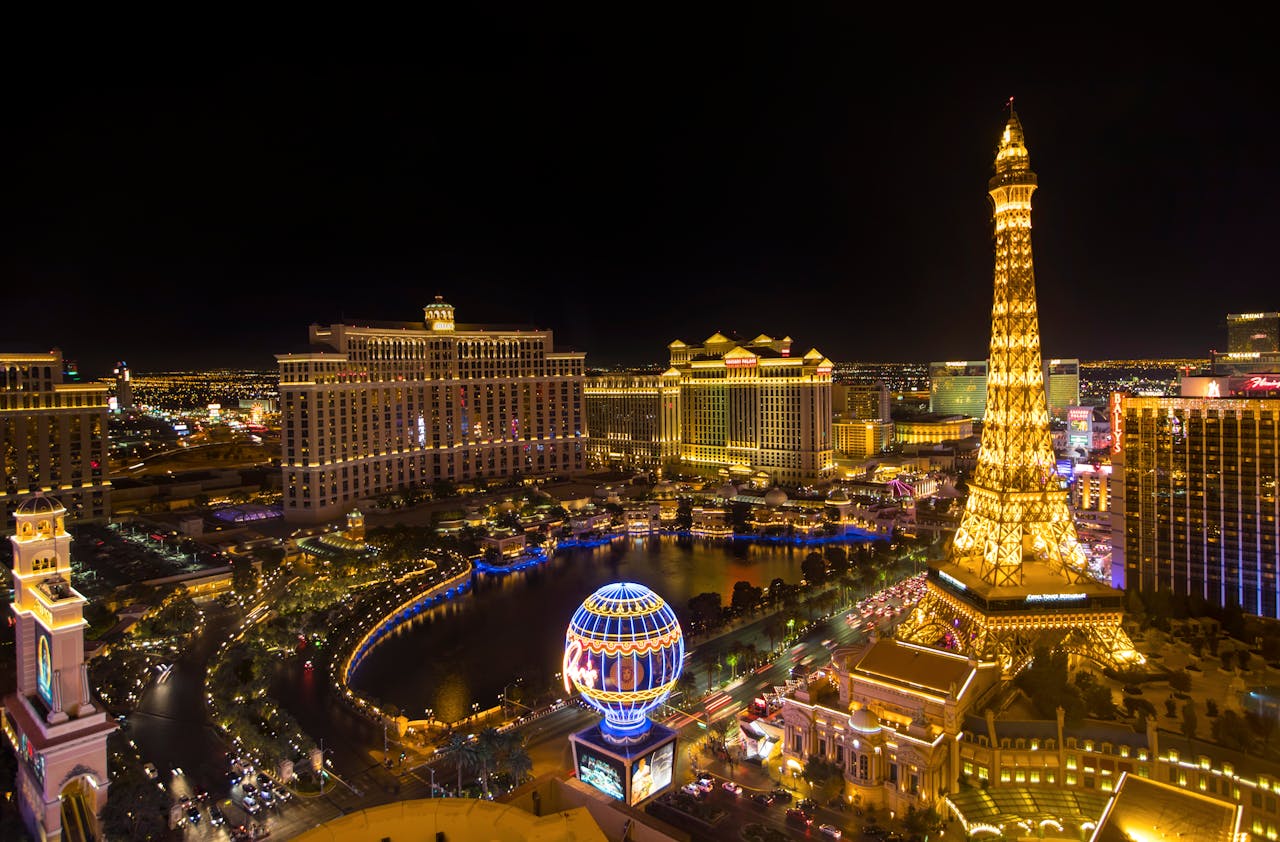
Las Vegas still sells the promise of a quick reset: bright lights, big shows, and a weekend that feels larger than life. But many Americans now weigh the entire trip, not just the headline moments. When room rates swing wildly, add-on fees show up late, and reservations are needed for basics like dinner or a pool chair, the vibe can turn tense. Meanwhile, places like Nashville, New Orleans, San Diego, or Scottsdale offer strong food and nightlife with daylight that actually invites wandering. For a growing slice of travelers, that balance feels like the smarter splurge. The payoff lands slower, but it lands deeper.
The Add-On Fee Pileup

Vegas pricing can feel like a moving target. A room that looks reasonable online often grows once resort fees, taxes, and small service charges stack up after the click. Even a two-night escape can start reading like a luxury bill.
Then come the extras that used to feel optional: paid parking, pricey bottled water, and higher minimums at busy bars. When every stop has a surcharge, the mood shifts from playful to cautious. Many Americans are leaning toward cities where the true total is clearer upfront, so the budget stays focused on food, music, and moments, not receipts on the way out. So nobody has to keep a running calculator.
Paying to Park Changes the Mood
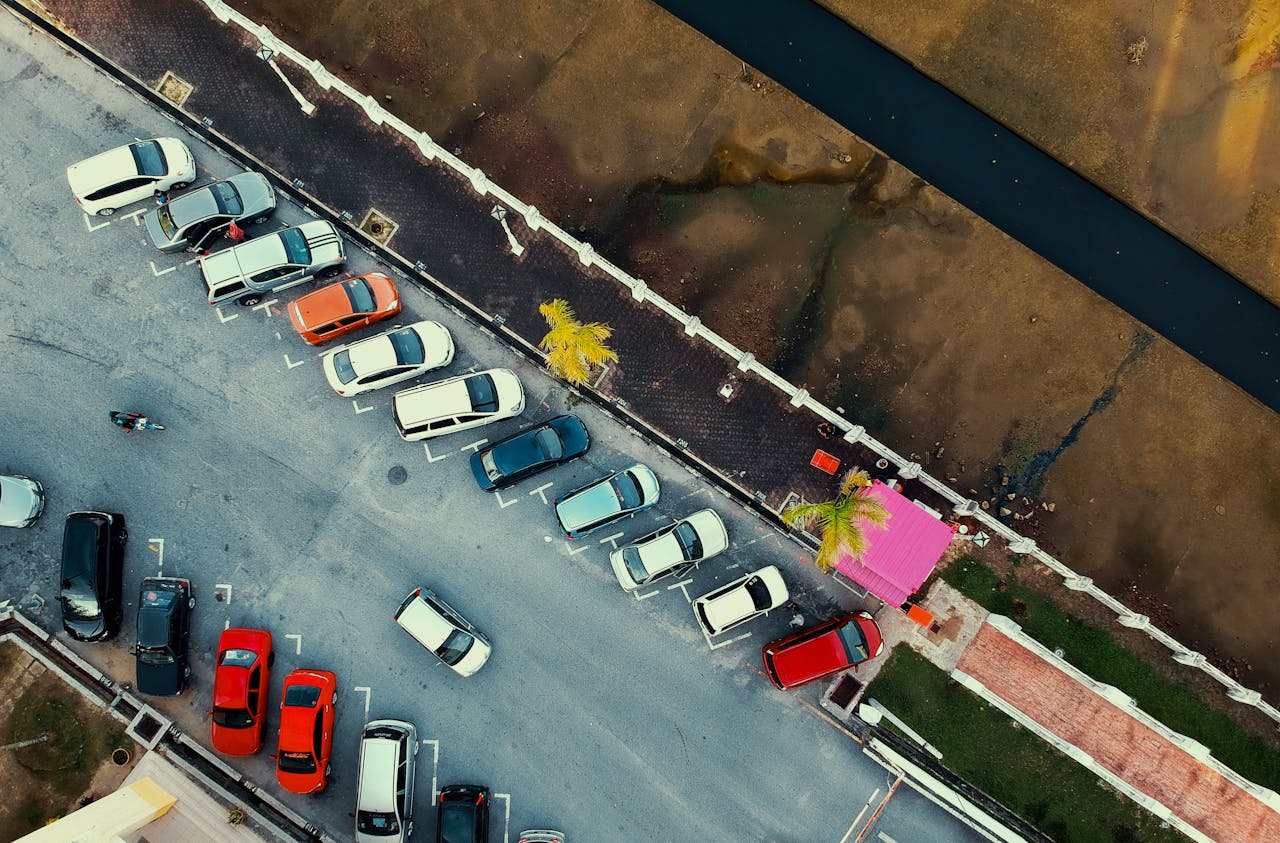
For years, Vegas felt built for spontaneous hopping between casinos. Now, many lots and garages charge enough to make a simple dinner run feel oddly expensive, especially for visitors who are not staying on-site.
Ride-shares surge after shows, and taxis add up fast on the Strip’s long stretches, turning a short hop into a mini splurge. Free parking often comes with loyalty tiers or local rules that travelers do not want to game. Cities with reliable transit, cheaper parking, or compact entertainment districts are starting to win because plans can stay loose without a transportation tab shaping every choice. That freedom matters.
Lines Replace Spontaneity

Vegas is designed to concentrate people, and lately that concentration shows. Check-in queues, packed elevators, and long waits for basic coffee can steal the morning before it even starts. When conventions overlap with weekends, even a plan can feel scheduled.
Restaurants book out early, pools require timed entry, and popular attractions feel like a sequence of ropes and wristbands. The city still delivers spectacle, but the friction adds up. Many Americans are picking places where great nights still exist, yet daytime moves at a human pace, with neighborhood diners, museums, and parks that do not require strategy to enjoy.
The Strip Is Farther Than It Looks
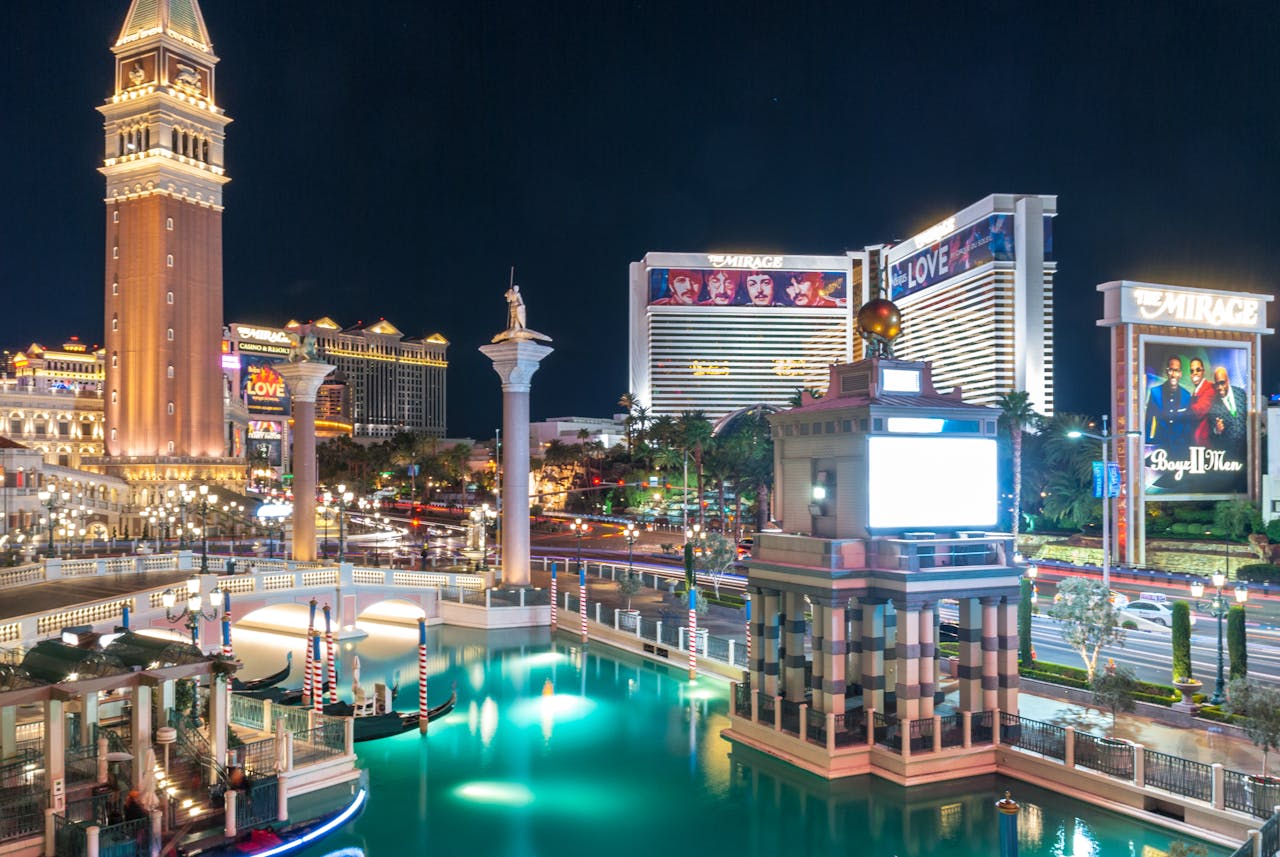
From a map, the Strip looks like a straight line of fun. On foot, it can feel like a treadmill of overpasses, escalators, and casino corridors that turn a half-mile into a long detour. What seems next door is often another property, another maze, and another set of escalators.
Add desert heat for much of the year and the walking drops fast, pushing more people into cabs, trams, or ride-shares just to move between plans. That shift quietly raises costs and drains energy. Cities with shaded streets, waterfront paths or compact downtowns are gaining ground because exploring stays pleasant, not a logistics problem dressed up with neon.
Dining Sticker Shock Adds Up

Vegas dining can be excellent, but it often carries sticker shock. Cocktail prices, menu add-ons, and auto-gratuity at some spots can turn a casual plan into a milestone tab. Deals exist, but they are rarely next door, and the detour costs time.
Even simple meals near the Strip lean tourist-priced, and reservations push groups toward set menus and timed seatings. That can be fun once, then it starts to feel like managing slots for dinner. Late-night food feels casual again, not a priced-up finale. In many cities, a memorable meal lands without a dress code or weeks-ahead planning, so a weekend can splurge and still breathe.
Shows and Nightlife Require Strategy
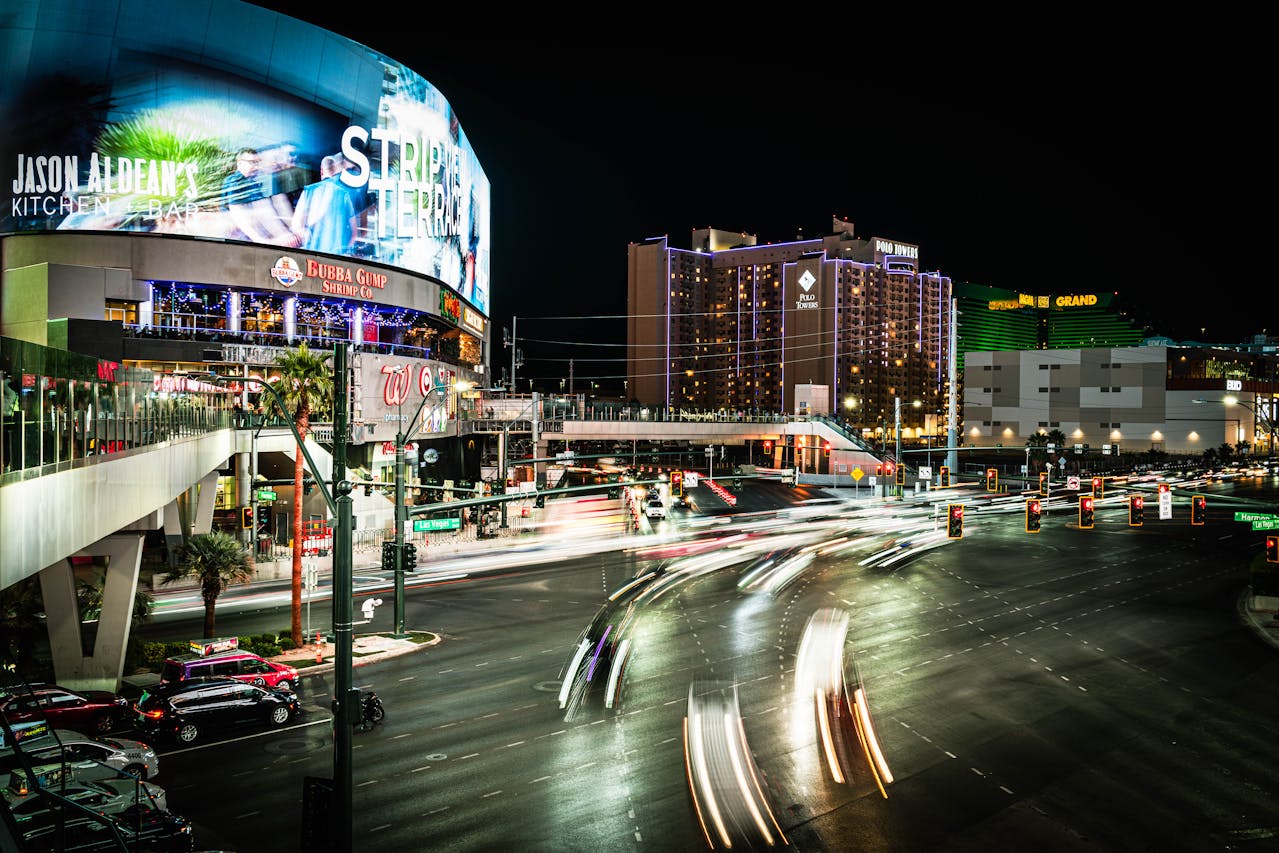
Vegas built its legend on easy spectacle, but the modern version rewards planners. Popular shows sell in tiers, tables come with minimum spends, and the best time slots disappear fast. Last-minute seats can jump in price, and convenience fees land like a second ticket.
That pressure can make a trip feel like a spreadsheet, especially for groups trying to keep everyone happy. Other cities now offer packed calendars of concerts, comedy, and sports with simpler entry and more neighborhood venues, so pivoting stays painless. For many Americans, that mix delivers the same buzz with fewer rules, fewer upsells, and more room for surprise.
Mega-Events Reshape the Strip
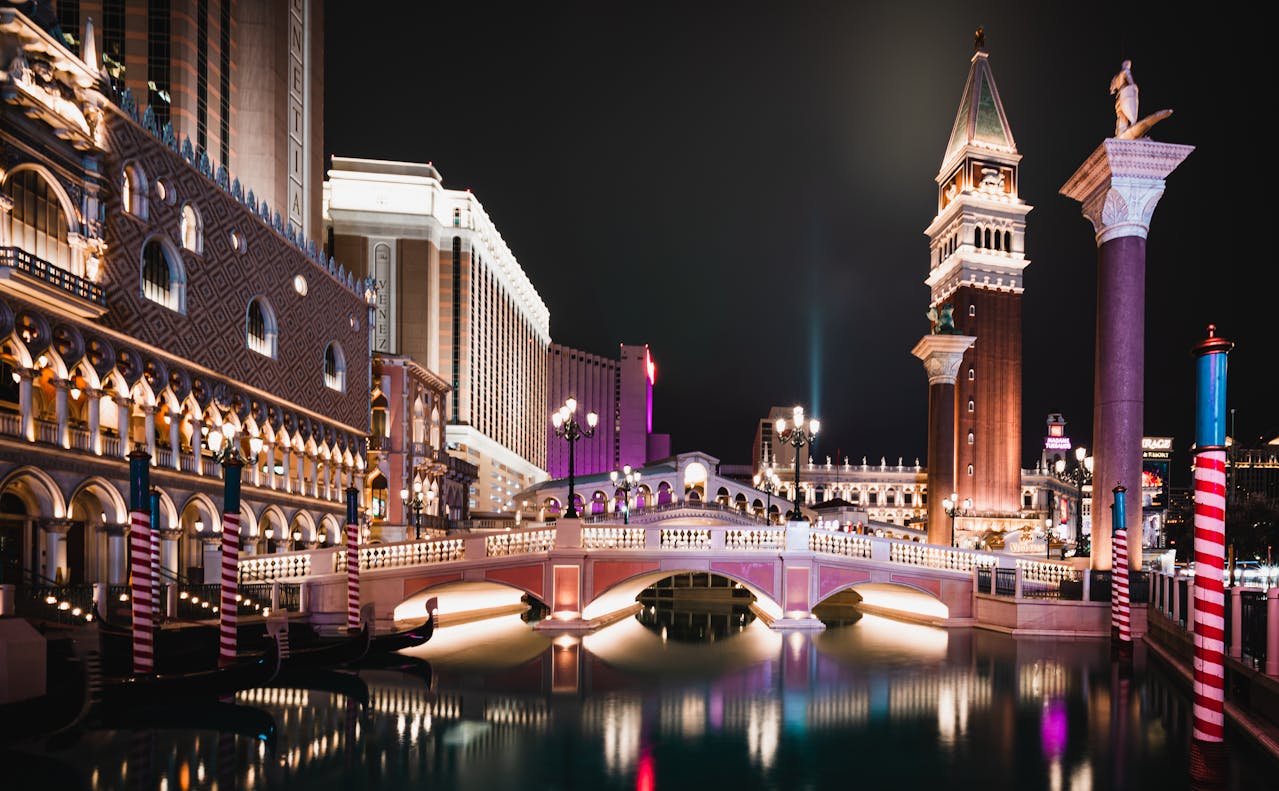
When Vegas hosts mega-events, the city’s core can tighten. Temporary grandstands, restricted turns, and long detours change how people move, and the Strip’s usual rhythm gets interrupted. A short ride can turn into a slow loop of cones and checkpoints.
Events like the Las Vegas Grand Prix bring heavy traffic impacts and closures around the circuit, sometimes for days, which can surprise travelers who expected open boulevards. Many Americans are choosing cities where big weekends still happen, but the street grid stays predictable and the hotel district does not turn into a puzzle. The trip feels calmer, even when it stays lively.
The Always-On Energy Can Exhaust
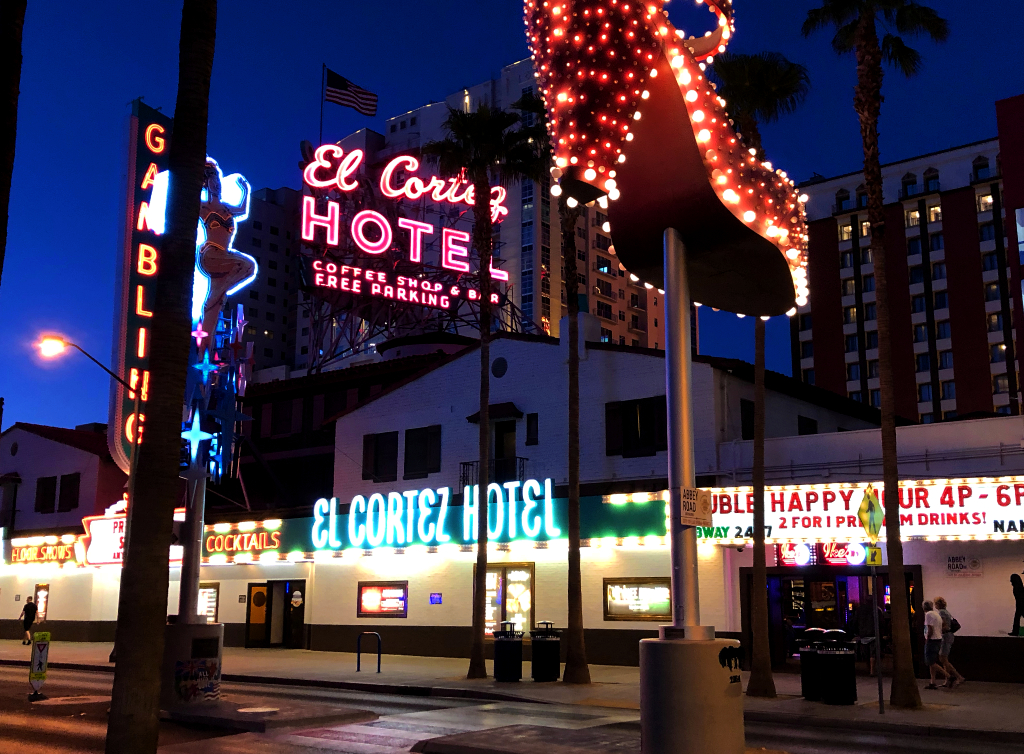
Vegas is proud of being awake all night, but that intensity is not universal comfort. Loud casino floors, bright screens, and constant music can make even a good time feel tiring by day two. Even the walk back to the room often passes through a show of its own.
Some travelers now want nightlife that has an off switch: rooftop bars with real conversation, live jazz that ends before dawn, or streets that quiet down without going dark. Cities like Charleston, Savannah, or Denver offer evenings that still sparkle, plus mornings that feel restorative. For Americans chasing both fun and sleep, that balance is a powerful draw.
Smoke Sensitivity Matters More

Even in 2026, parts of Vegas still revolve around smoking-friendly gaming floors. For some visitors, the lingering smell on clothes, hair, and luggage undercuts the idea of coming home refreshed. It is a small detail that becomes constant.
Non-smokers increasingly choose places where bars, hotels, and entertainment lean cleaner and easier on the senses, especially when traveling with kids or older relatives. Vegas offers pockets of relief, but they are not always where the plans are. Cities that pair nightlife with clearer air, outdoor patios, and walkable districts feel like the more comfortable bet for many Americans.
Mixed-Age Trips Feel Harder

Vegas can work for families, but it asks for intention. Many signature experiences skew adult, and kid-friendly options often come with premium prices, long walks, or limited hours. Even basic navigation can mean crossing casino energy again and again.
That makes group trips tricky when grandparents want calm dinners, teens want energy, and parents want something everyone can afford. More Americans are picking cities with layered options: beaches, museums, parks, sports, and nightlife that sits a little apart from the main streets. The result is a trip where the whole group feels considered, not just the loudest part of town.
Longer Stays Favor Other Cities
As remote work reshapes travel, more Americans tack on weekdays and stay longer. That trend favors cities with neighborhoods, coffee shops, and quiet corners, not just big weekend peaks. A Tuesday afternoon matters almost as much as Saturday night.
Vegas is excellent at the sprint, but it can be harder for the marathon: loud public spaces, pricey essentials, and hotel rooms designed for sleep between outings. Places like Portland, Minneapolis, or Tampa make it easier to blend work hours with local life, then step into nightlife without feeling trapped in one corridor. The trip becomes a small relocation, not a single burst.
Outdoor Time Is Easier Elsewhere
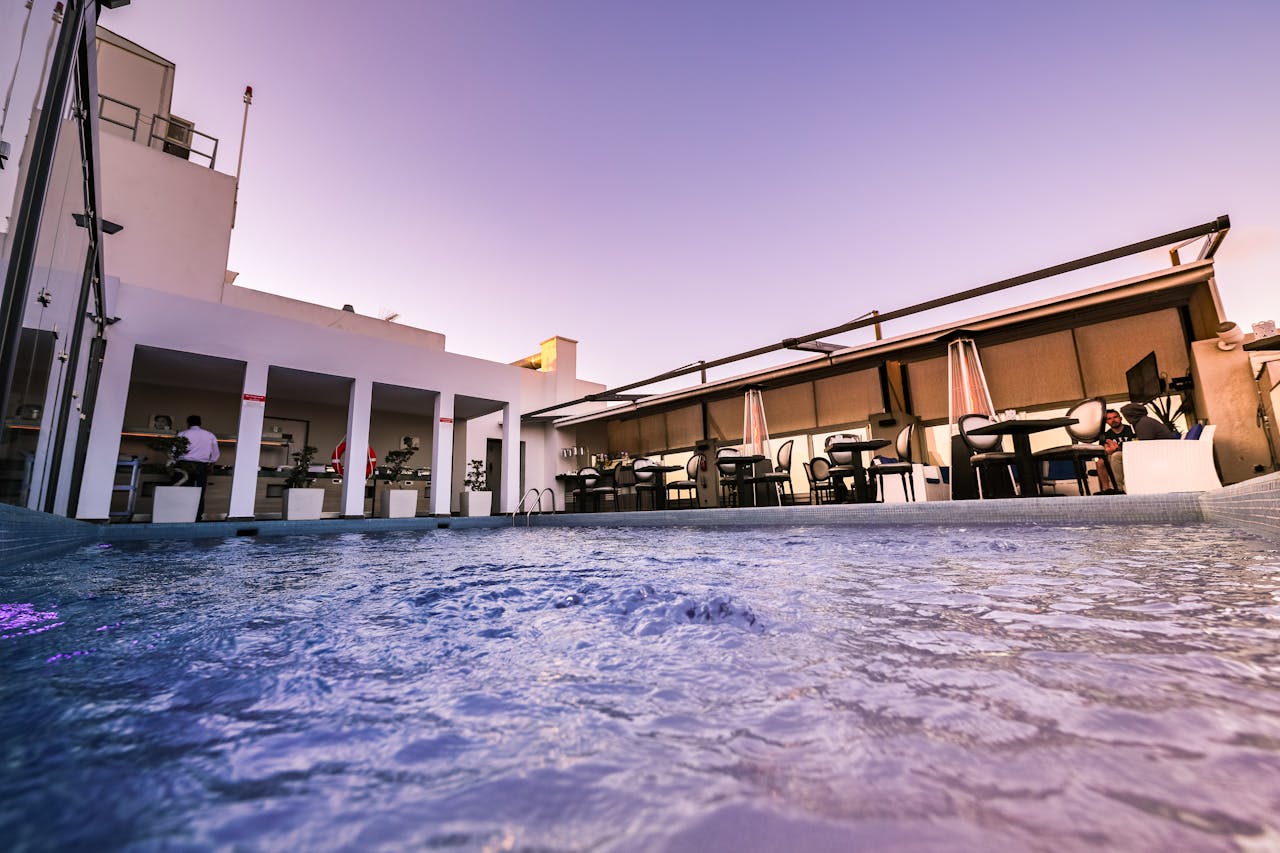
A lot of Americans are chasing trips that include daylight and open space, not only indoor entertainment. When a weekend includes a hike, a beach walk, or a bike trail, the memories feel steadier. A pool day can be fun, but it is not the same as a real view.
Vegas has incredible desert scenery nearby, but most of it requires a car, extra planning, and time away from the Strip’s core. Cities that place nature inside the trip, not outside it, are winning more itineraries: Phoenix, Salt Lake City, and San Diego turn outdoors into an easy default. For travelers craving fresh air between nights out, that convenience is hard to beat.