Some motherhood stories are told at bedtime, warm with endings that heal. They leave the room quieter, not afraid.
Others sit in court files, camp letters, and blurred photos, where love survives without rescue. They do not fade with time.
This article is not here to sensationalize pain. It is here to name what mothers carried when the world stopped being safe.
The darkest stories often sound ordinary at first: a meal skipped, a train boarded, a door closed. Then the consequences arrive.
History celebrates leaders and victories, yet many turning points happened in kitchens and corridors. Mothers made choices under pressure.
When governments, markets, or mobs took control, mothers still tried to keep a child fed, hidden, and remembered. That effort matters.
What remains is a trail of small facts, and the ache between them, that refuses to disappear. Silence becomes its own evidence.
Reading these accounts asks for care: curiosity without judgment, and empathy without pretending we can fix the past. Respect is the rule.
Mothers in the Shadow of War

War turns homes into schedules, shortages, and sudden goodbyes, all measured in minutes rather than years.
In sieges and raids, mothers tracked danger by footsteps outside, not headlines. They hid food, songs, and fear in the same drawer.
Some put children on trains with strangers, choosing distance over the risk of being found together.
Afterward, many were blamed for the separation, even when the choice was forced by gunfire and curfews. Survivors carried that judgment for decades.
Enslavement and the Theft of Family
In slave societies, motherhood was treated as an economic fact, not a sacred bond, and a child could be priced and moved.
Bills of sale and ledgers listed babies like inventory, and a mother’s attachment was framed as a problem for profit. Love became risk.
Mothers protected identity with whispers, teaching names, kin, and origins when paper and schooling were denied. Memory was resistance.
They hid messages in hairstyles, quilt patterns, and hymns, using everyday craft as a coded map. It was slow, but it worked.
After emancipation, families searched through newspapers, churches, and word of mouth, often traveling with nothing but a description.
Reunions could be miraculous, yet they also exposed years stolen by sale and distance. Some recognized a voice before a face.
The darkest part is the planning: the system assumed love was irrelevant, and built policies that relied on breaking it.
That deliberate fracture did not end with paperwork, because trauma passed through generations as caution, anger, and fierce tenderness.
Famine Years and Impossible Choices
Famine rarely arrives as one dramatic day; it is a long thinning of options until every decision feels like harm.
Mothers stretched soup with water, traded heirlooms for grain, and counted mouthfuls until counting felt like cruelty.
Some walked for days to relief lines, carrying a child who grew lighter with each mile and each unanswered prayer.
Others left children at convent gates or aid stations, praying that separation might mean survival. It was love expressed as loss.
Diaries stay plain, because hunger leaves no room for poetry. Communities judged these choices harshly, even while sharing the same emptiness.
What later becomes a statistic was, for mothers, a calendar of tiny losses: a fever, a failed crop, a winter that would not end.
Even then, many kept rituals going, because routine was the last form of dignity and a way to tell children they still belonged.
When Mothers Became the Scapegoat

In witch panics and moral crusades, women were punished for grief, illness, or simply being inconvenient to local power.
A baby’s death could become evidence, and a midwife’s skill could be recast as menace. Tragedy was turned into accusation.
Mothers were pressured into confessions that fit the court’s script, not their lives. Fear rewrote truth in public.
Neighbors watched, not always from malice, but from terror of being next. Community care flipped into surveillance overnight.
The darkest twist is that motherhood, usually honored, became the reason suspicion stuck. Once labeled, a woman’s grief was treated as proof.
Institutions That Claimed to Know Best
Workhouses, asylums, and orphanages promised order, then demanded surrender from mothers already exhausted by poverty.
Officials called it reform, but it often meant removing babies for being poor, unmarried, or foreign. The paperwork sounded calm.
Some children were renamed and relocated, recorded as if their first life never happened. A new file replaced a mother’s voice.
Mothers wrote petitions in careful handwriting, trying to sound respectable enough to be heard by clerks who held their future.
Decades later, adult children opened archives and found missing pages, coded notes, and timelines that did not add up.
What makes it dark is the certainty: the system believed it was rescuing, even while it erased. That belief slowed apologies.
Crossing Borders With a Child in Your Arms
Migration often begins as flight, and mothers carry the map in their heads while a child sleeps against their chest.
Papers can vanish, rules can change overnight, and one wrong answer can split a family at a checkpoint. There is rarely an appeal.
Many become translators and shields at once, absorbing bureaucracy and contempt so a child can keep moving.
History calls it movement, but for mothers it is constant negotiation with authority. The darkest moments are when strangers decide who belongs.
The Children Who Disappeared on Paper
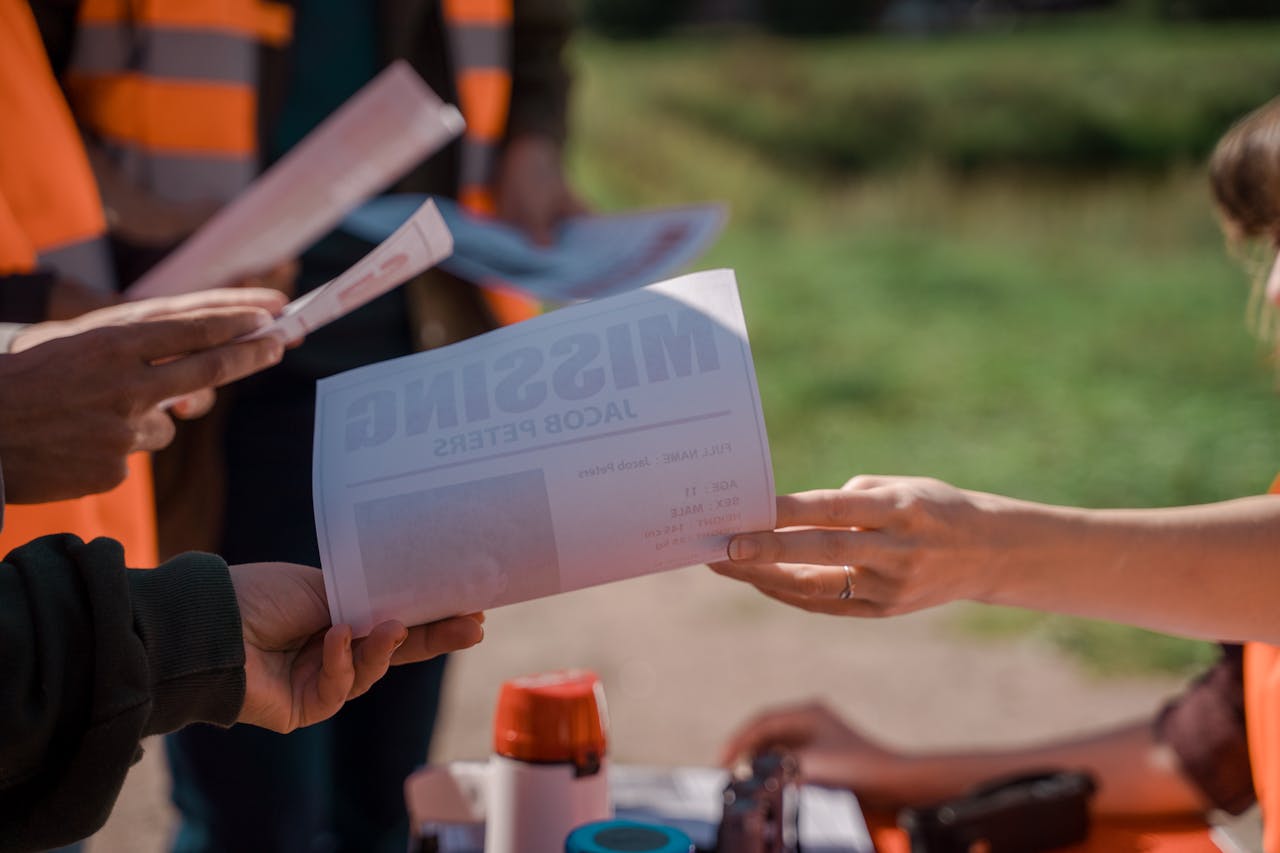
Some mothers never received an ending, only a case number and a promise to wait. Waiting became a second life.
Wars, forced adoptions, and disappearances turned families into gaps that offices could misplace or deny. Rumor kept hope alive and poisoned sleep.
When records surfaced, they sometimes confirmed loss, and sometimes revealed betrayal by neighbors, officials, or even relatives.
What Remembrance Asks of Us
These histories do not ask for guilt from the living, but they do ask for attention that is steady and informed.
They show how quickly policy becomes personal, and how easily a mother is judged after the fact. Context is not excuse, it is clarity.
When we retell them, we can center a mother’s reasoning, not just the outcome. That shift returns dignity and refuses erasure.