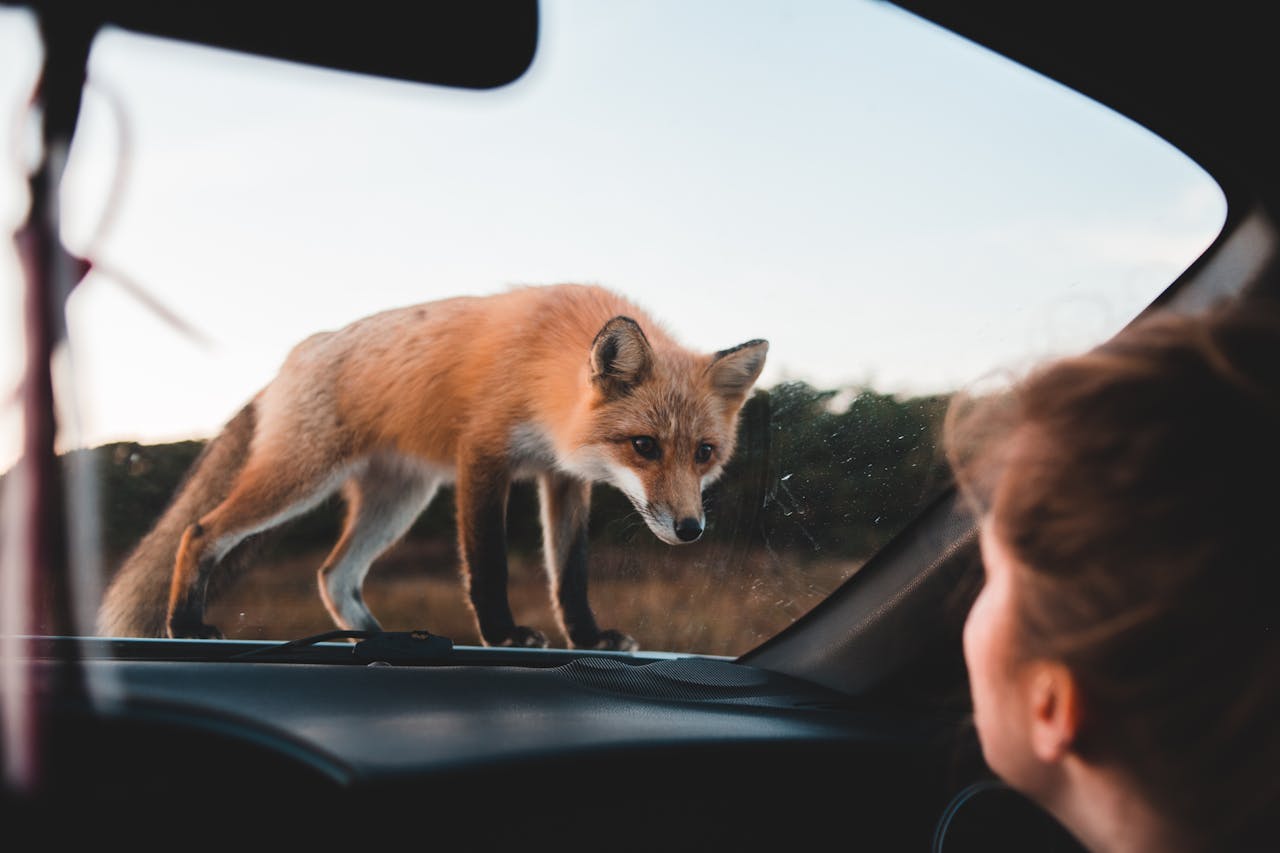
City foxes used to be ghosts at the edges of streetlights, slipping through alleys when the last bus rolled by. Now their presence feels almost routine: a red shape padding past trash cans, pausing under porch lights, then moving on with the calm of a longtime resident. In winter, when nights stretch long and parks quiet down early, the encounters can feel even closer. As green space fragments and food appears in predictable places, boldness can read as charm. But comfort has a tipping point, and the smallest moments of familiarity are often the first clues. Noticing patterns helps protect pets, people, and foxes alike.
Daytime Sightings That Feel Routine
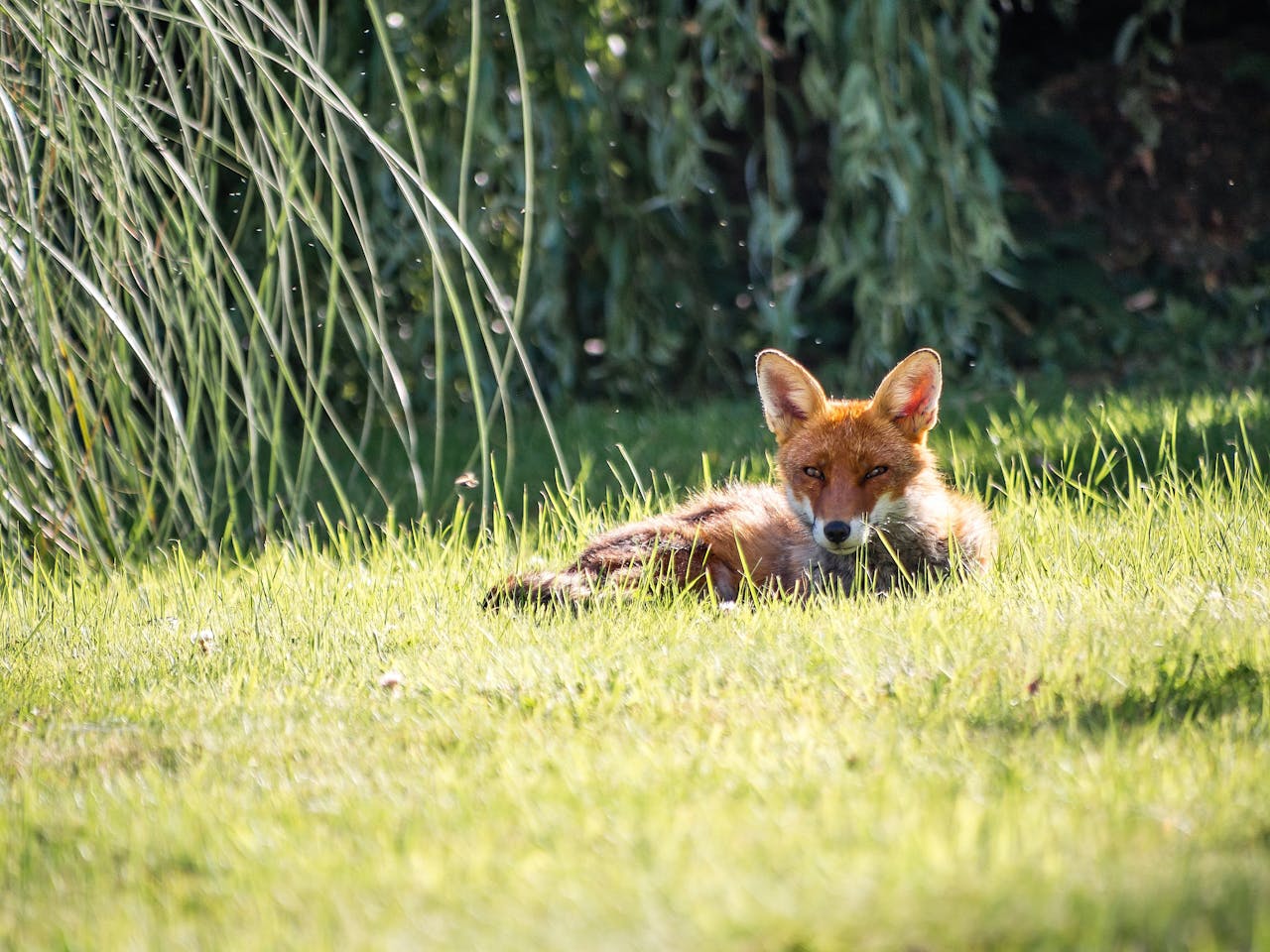
Foxes that once kept to late hours start showing up in full daylight, crossing sidewalks while commuters, joggers, and school-run crowds are still out. It is not just a quick dash for cover; the pace looks unhurried, with pauses to sniff planter boxes, inspect dropped snacks, and settle briefly in the shade of a parked car. Daytime activity can happen for many reasons, but when it repeats on the same streets and time windows, it points to a fox that stays calm around strollers, construction noise, and eye contact, as if the city is simply part of its habitat. That shift often follows weeks of easy meals near doorsteps.
Waiting Near Doors, Patios, And People
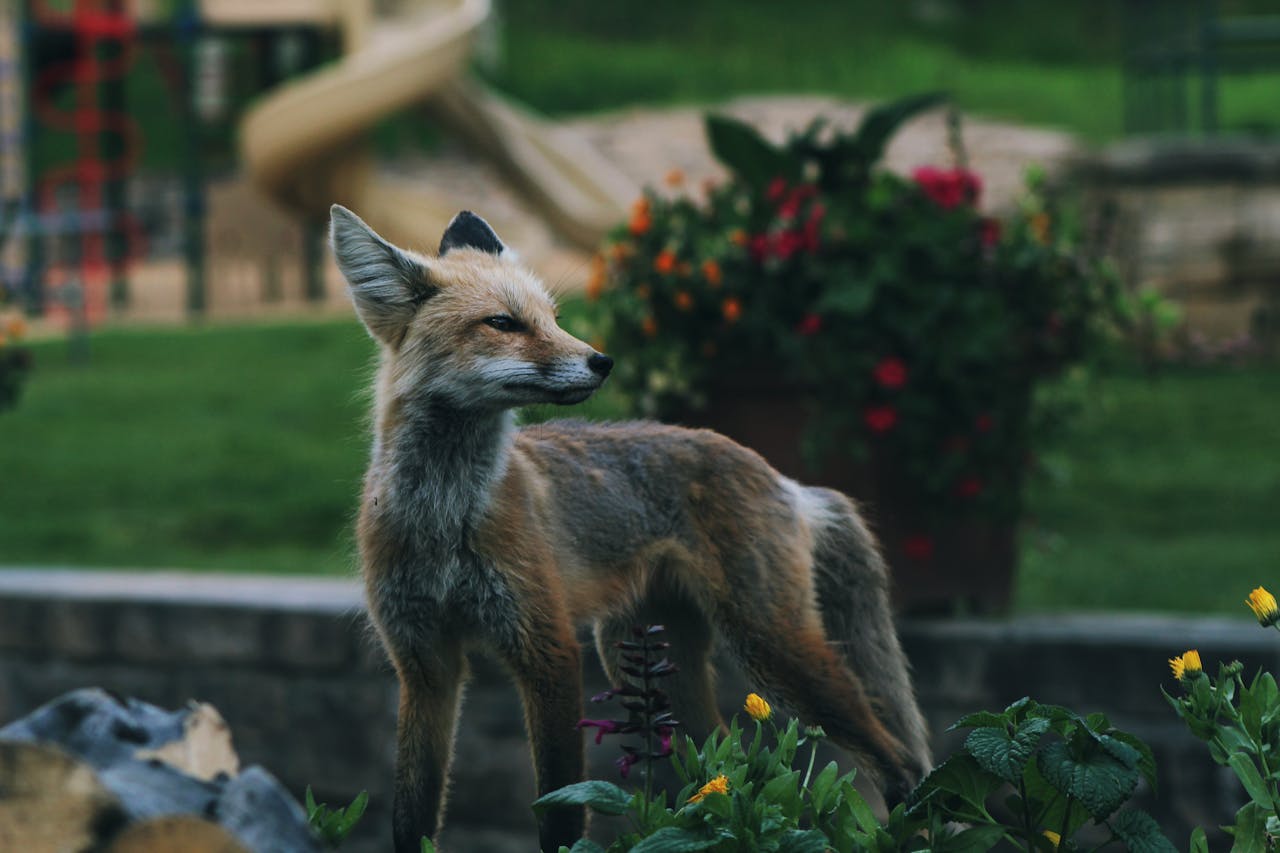
A fox that lingers close to people is no longer just passing through; it is waiting within sight of homes, benches, or bus stops. Some sit at the edge of a driveway or patio, watching doors and windows as if timing a delivery, then stepping forward when footsteps, rustling bags, or a gate latch signals food. This behavior often traces back to deliberate feeding, loose trash, or overflowing pet bowls, and it teaches the fox that humans equal calories, which can quickly turn calm curiosity into bold, repeat visits that spread across neighboring blocks. When barking dogs and voices stop working, comfort has already set in.
Raiding Bins With Calm, Methodical Confidence
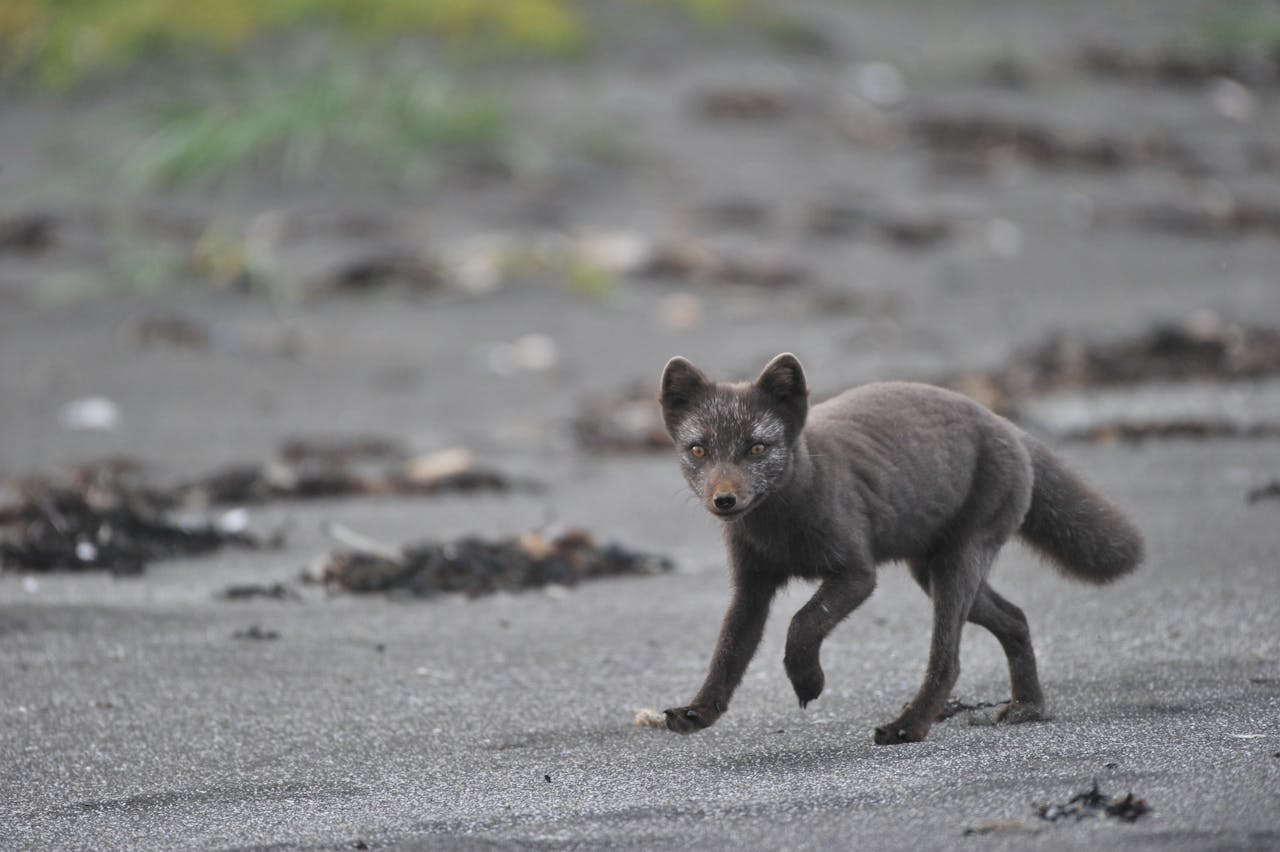
Trash day becomes a buffet when foxes learn the neighborhood schedule better than the humans, especially in dense blocks where bins sit shoulder-to-shoulder. Instead of quick snatches, a comfortable fox works a can like a puzzle, testing lids, tugging at bags, tipping lightweight bins, and circling back for compost, takeout boxes, and greasy wrappers. Over time, the animal stops spooking at car doors, porch lights, or people walking past, and the mess left behind signals not just hunger, but confidence that no one will interrupt the routine; neighbors may even recognize the same fox by a limp or scar. Night after night.
Denning Under Decks, Sheds, And Hedges

Comfort shows up most clearly in spring, when foxes choose den sites surprisingly close to human activity, betting that routine noise is safer than an isolated patch of land. Instead of hiding deep in brush, a vixen may tuck a den under a shed, deck, porch steps, or thick hedge, then carry food across lawns while sprinklers run and neighbors garden nearby. When kits begin to play in open view, rolling on driveways, napping in mulch, or chasing each other near a quiet road, it signals a family that has learned people rarely interfere, even when the den sits within a few steps of daily life. That lesson is hard to unlearn.
Treating Pets Like Part Of The Scenery
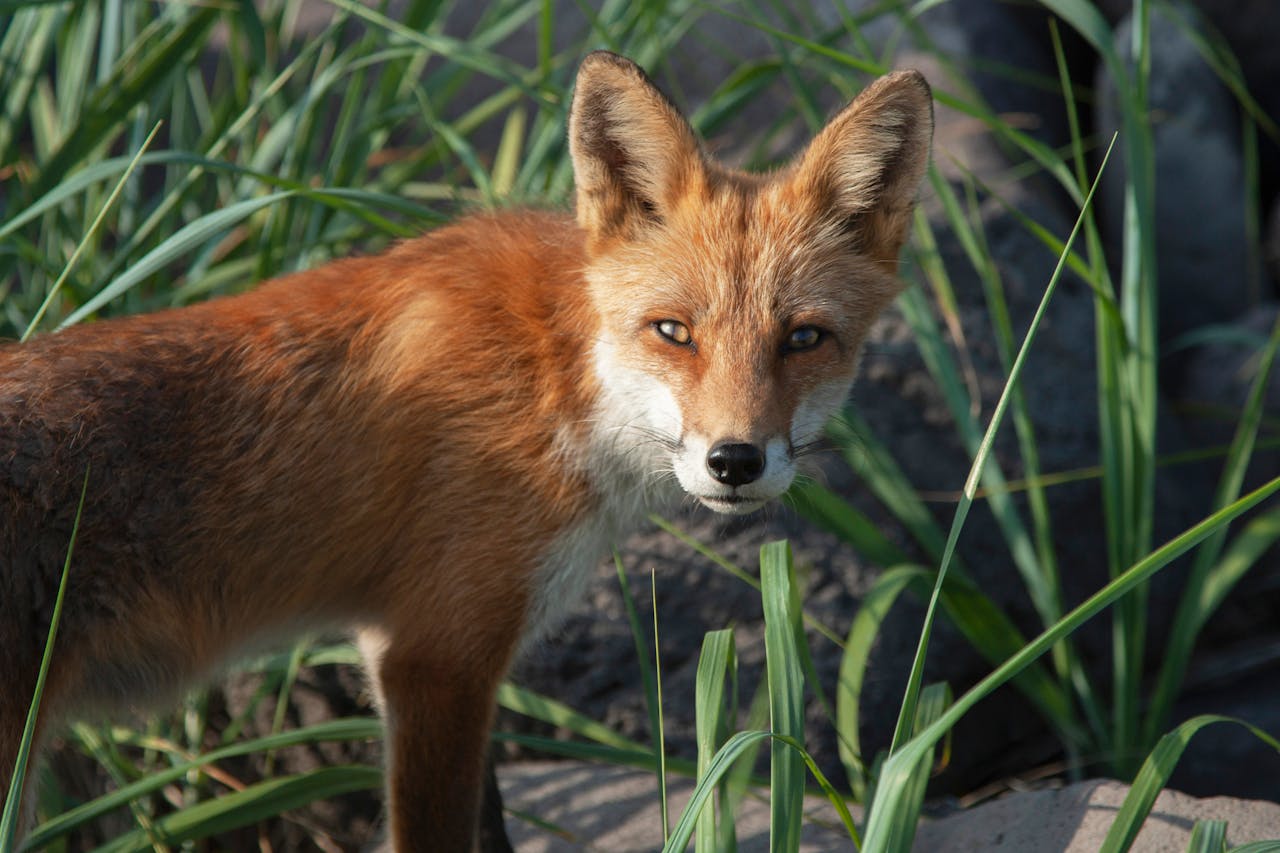
A confident urban fox starts treating pets as part of the landscape, not as alarms, which is when ordinary walks begin to feel a little charged. In parks or on quiet streets, it may trail behind dog walkers at a steady distance, nose down where crumbs or treats have fallen, then pause to watch the leash and the person rather than the barking dog. Around yards, the same fox may hover near outdoor pet food, circle a fence line, or trot along beside a cat at a cautious gap, returning on multiple nights captured by doorbell cameras, and testing boundaries in a way that raises tension without an obvious trigger. For families.
Moving Through Traffic Like A Regular Commuter
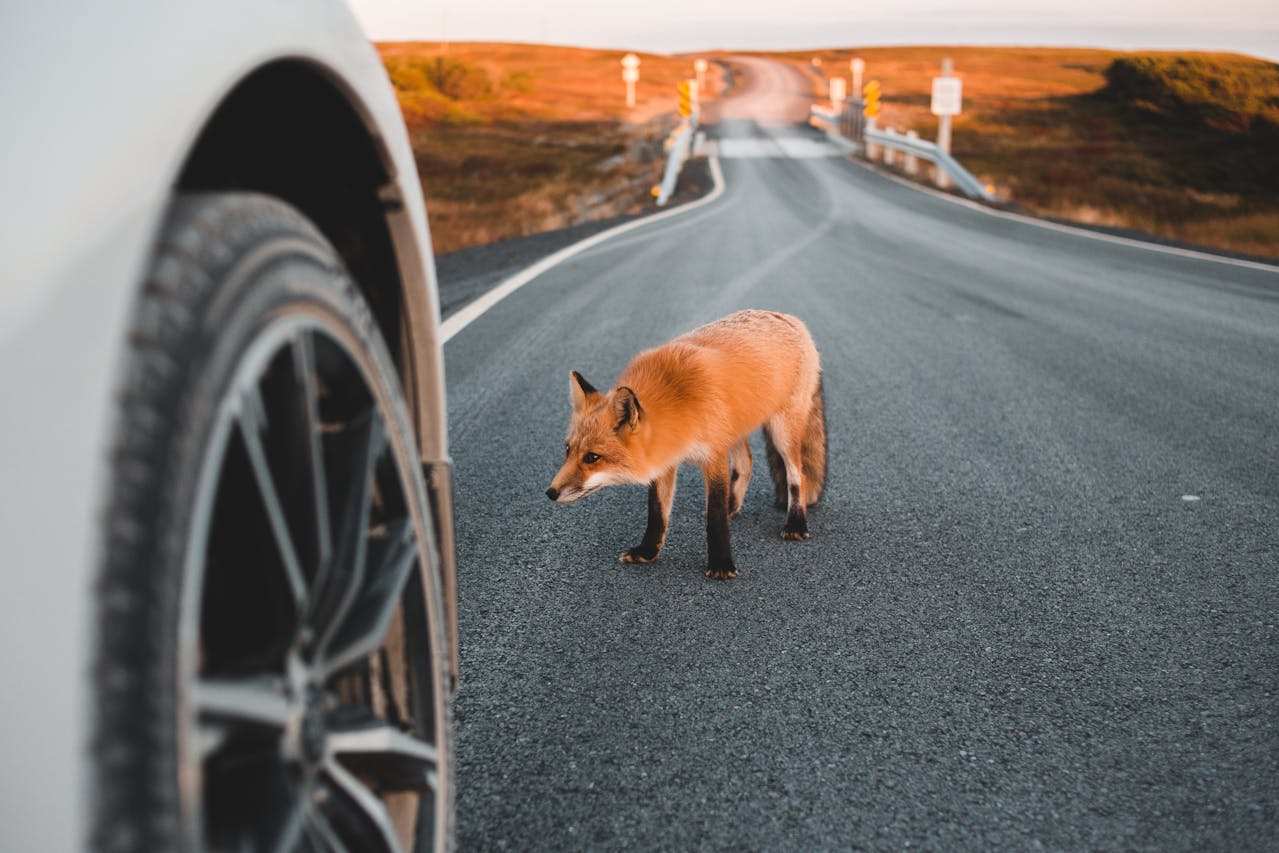
Some foxes move through cities with the ease of a seasoned pedestrian, using curbs, medians, bike lanes, and gaps in traffic like familiar landmarks. Instead of freezing in headlights, they may trot along a sidewalk, slip into a parking garage for cover, cut across a crosswalk when the light changes, or wait near transit stops and outdoor dining patios until cars thin out. That problem-solving is impressive, but it also means the fox is spending more time in the busiest corridors, timing moves around humans, and one distracted driver or close call can undo months of careful survival in a single second. After dark.
Exploring Garages, Hallways, And Sheltered Corners
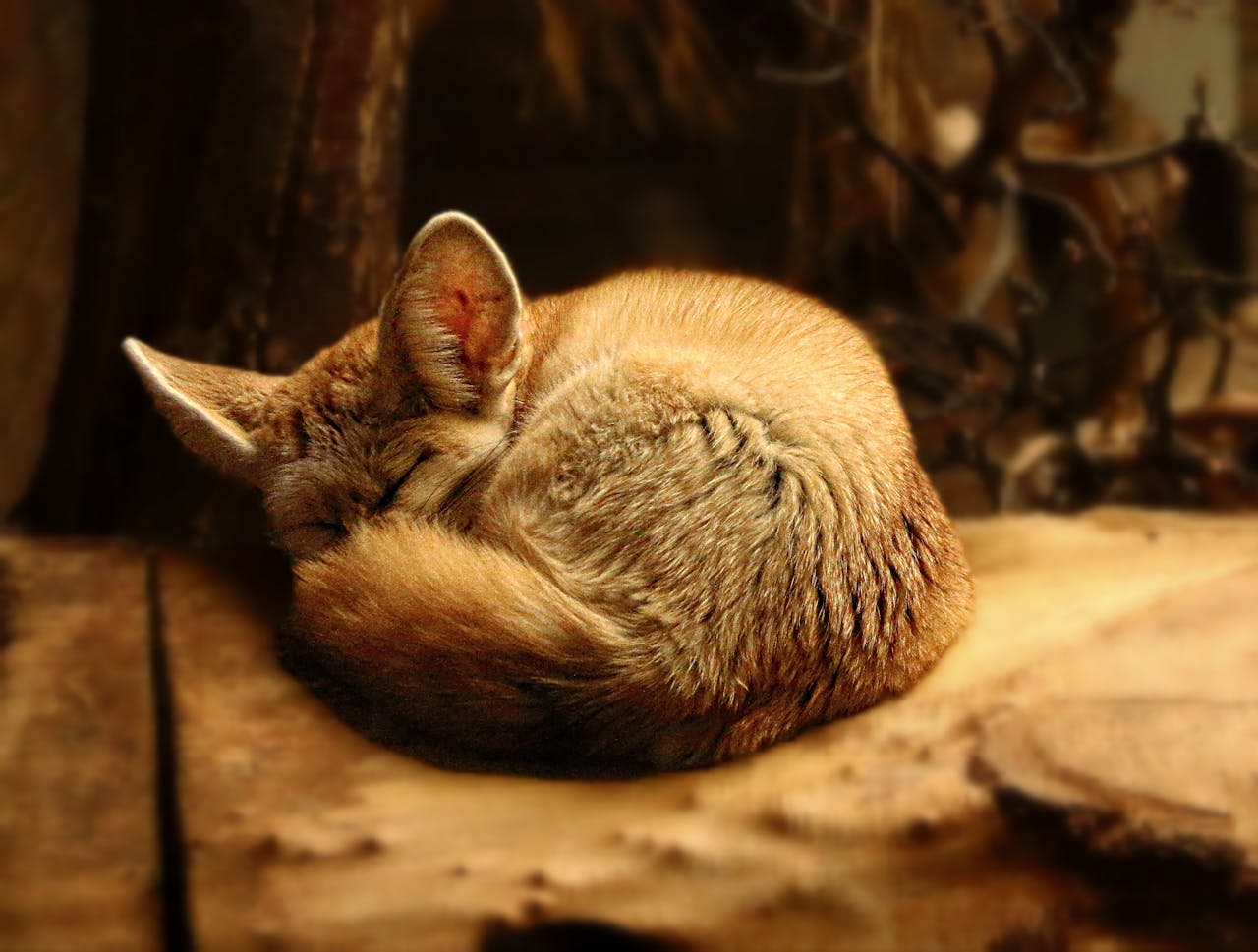
The line between outdoors and indoors blurs when foxes begin exploring human structures as if they belong there, especially during cold snaps or heavy rain. Reports often start small: paw prints on a welcome mat, a fox curled under patio furniture, or a quick dart into an open garage, hallway, or basement stairwell before anyone can react. When the behavior repeats, it suggests the fox has learned that doors, loading bays, and sheltered corners offer warmth and safety, and that people will usually hesitate, call for help, or back away first, leaving the animal in control of the space. And then it becomes a habit in sight.
Ignoring Claps, Shouts, And Other Deterrents
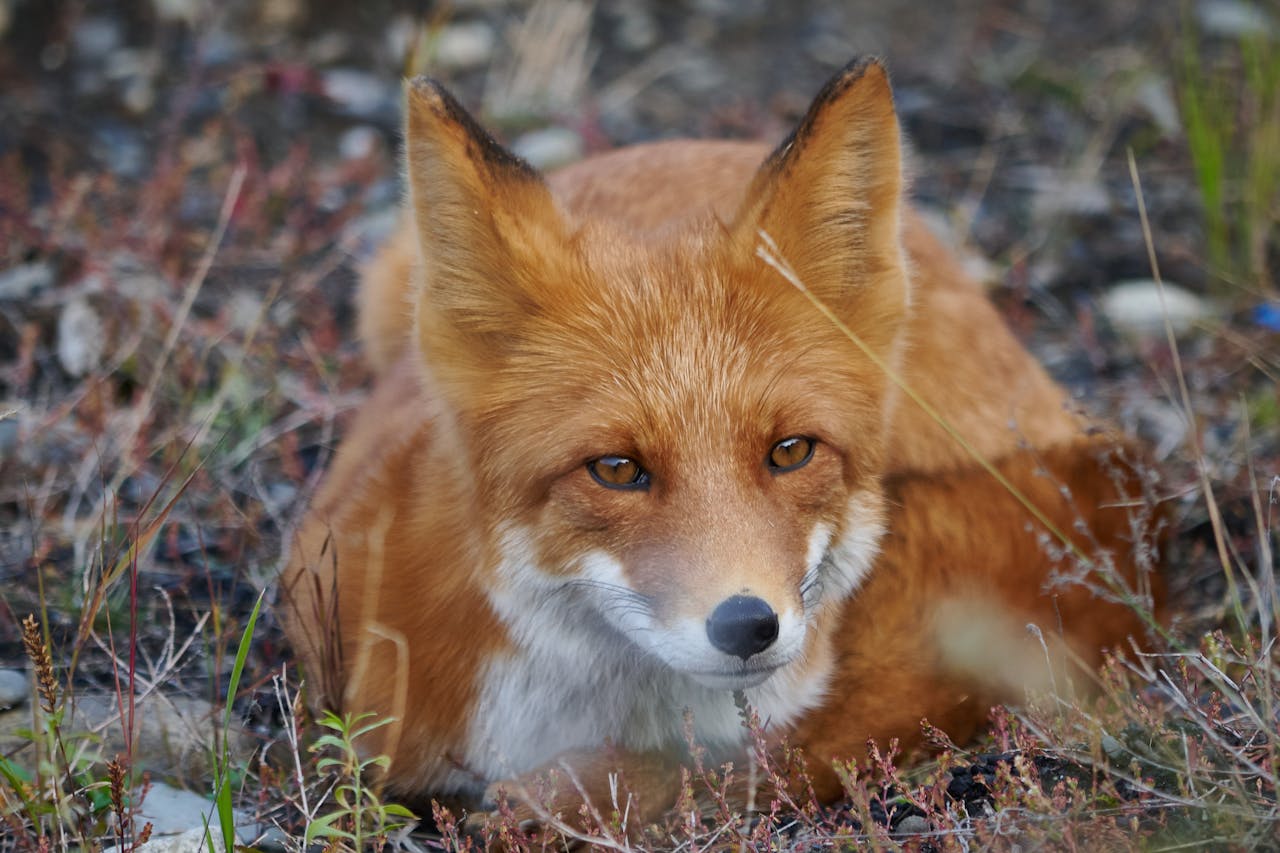
The clearest sign of overconfidence is a fox that no longer startles at ordinary human attempts to create distance, even when those cues used to send it running. A clap, a firm shout, a flashlight beam, or a slammed car door might earn only a slow glance, followed by the fox resuming its sniffing, stretching, or sitting at the curb as if the noise is background music. When fear disappears, conflict risk rises, because people tend to escalate, and the fox may respond with defensive behavior if it feels cornered, turning what looked like calm tolerance into a tense moment that leaves everyone shaken. Prevention works early.