The best family play rarely needs much space, just a cleared table and a little patience. Old-school games pull generations into the same rhythm: shuffling, counting, guessing, and laughing at small surprises. They fit rainy afternoons, summer visits, and those after-dinner stretches when everyone wants something simple. Grandparents tend to teach rules through stories, so children learn skills without feeling coached. Attention lasts longer, hands stay busy, and the room feels lighter. A worn deck, a chalk square, or a clacking set of tiles becomes a shared language, and the calm pace leaves room for everyone at once.
Dominoes
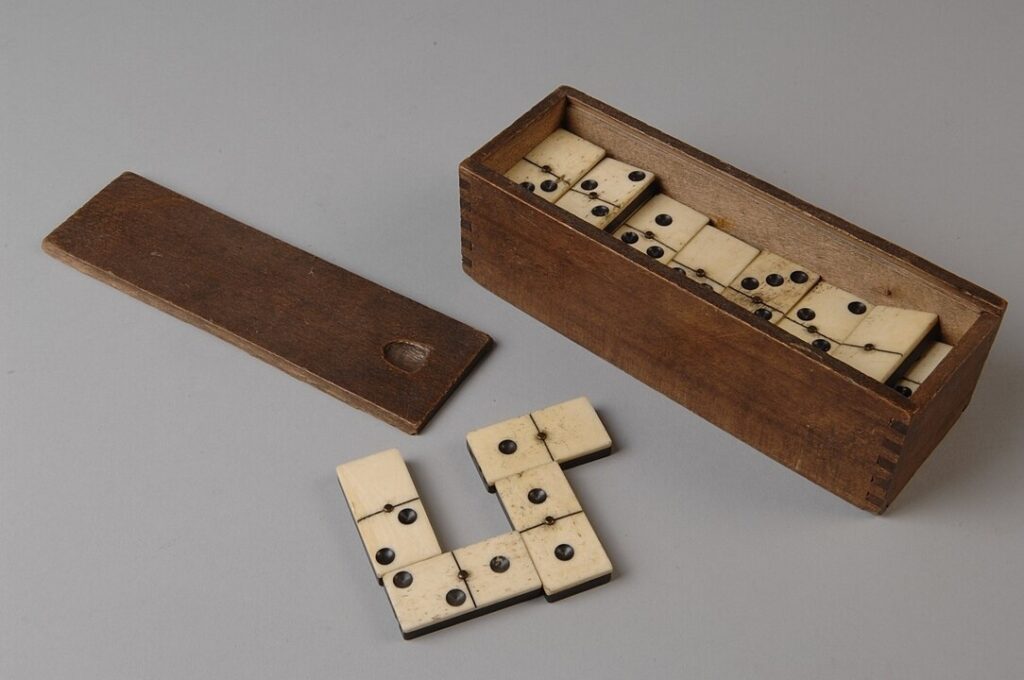
Dominoes starts as simple matching, then turns into real planning once children notice how one tile can open or close a whole line. Grandparents often begin with an easy draw game, keeping the pace friendly while kids learn to read pips quickly and spot doubles.
Soon the table has its own soundtrack, that clean click when a tile lands just right and the next move becomes obvious. Some families build long snakes for fun between rounds, then reset for scoring to 100, where counting pips feels satisfyingly serious. The game welcomes mixed ages, and a patient reminder about taking turns keeps the mood light. Well past dessert.
Checkers
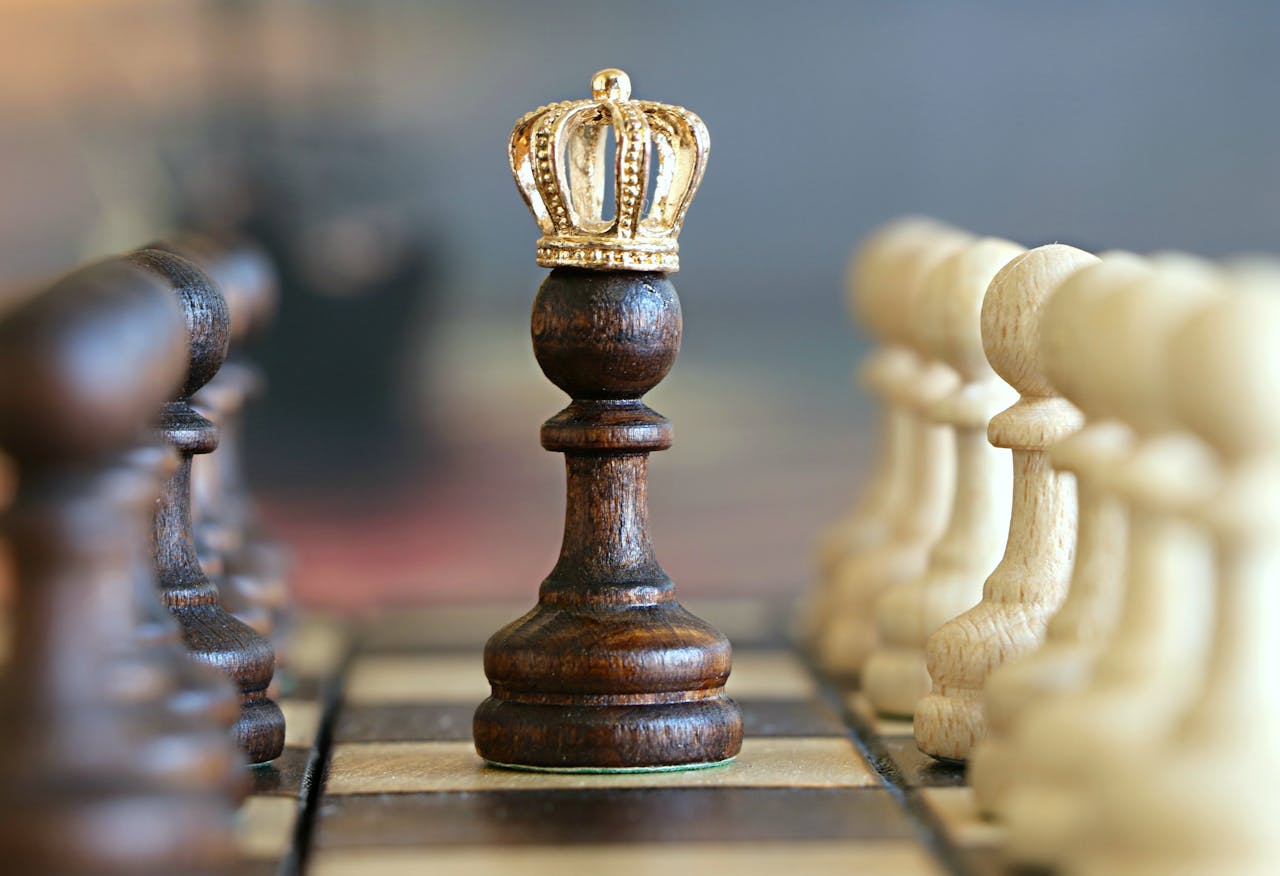
Checkers hooks kids because the rules fit in a minute, yet every move still feels like a choice with consequences. Grandparents teach jumps first, then slip in small ideas such as protecting the back row, avoiding lonely pieces, and trading only with a reason.
The board travels easily, so games appear on coffee tables, picnic benches, and even the floor during family gatherings. When a piece reaches the far edge and becomes a king, the moment lands like a little graduation, and the new power feels earned. A quick handshake, a reset, and the next round begins with smarter eyes and louder laughs. Most nights end in a tie.
Chess
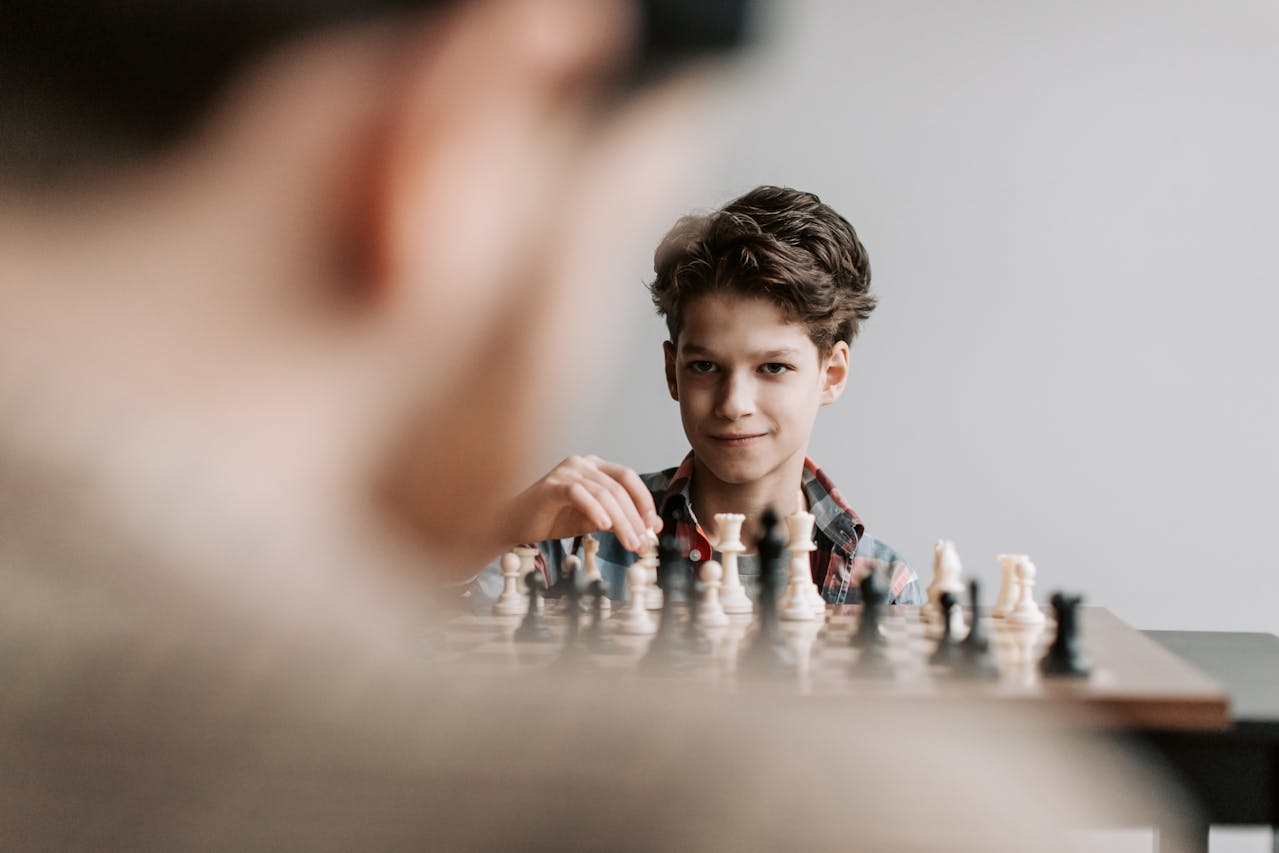
Chess feels like a quiet challenge, and grandparents often make it approachable by turning pieces into characters with jobs. Early games focus on how each piece moves, plus simple goals like keeping pawns protected and noticing checks without panic.
A small travel set fits in a bag, so the board appears on train tables, hospital waiting rooms, and slow Sundays at home. Practice often starts with tiny endgames, such as guiding a rook with steady steps, then adding the queen once the basics feel solid. Children begin to see patterns, not just moves, and a brief replay afterward turns the whole game into a puzzle worth revisiting.
Go Fish
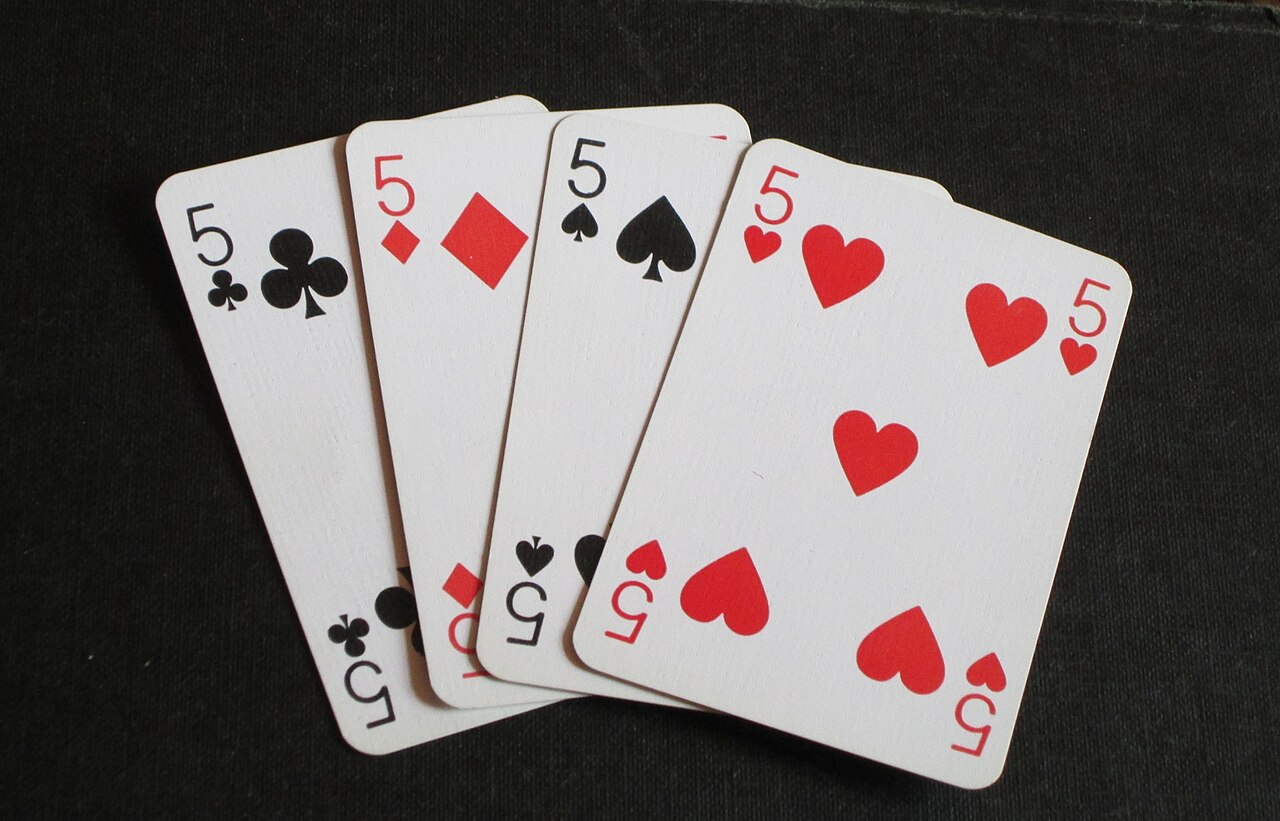
Go Fish works because it is half game and half conversation, with asking and answering built into every turn. Grandparents set the tone with a slow, familiar shuffle, then children learn to watch faces, remember requests, and celebrate each completed book.
The pace is gentle enough for mixed ages, yet the suspense stays real when the draw finally delivers the missing card. Many families keep one slightly bent deck that only comes out for visits, which makes the ritual feel special without trying too hard. Between rounds, kids sort suits, practice manners, and stay happily occupied while stories drift across the table.
Crazy Eights
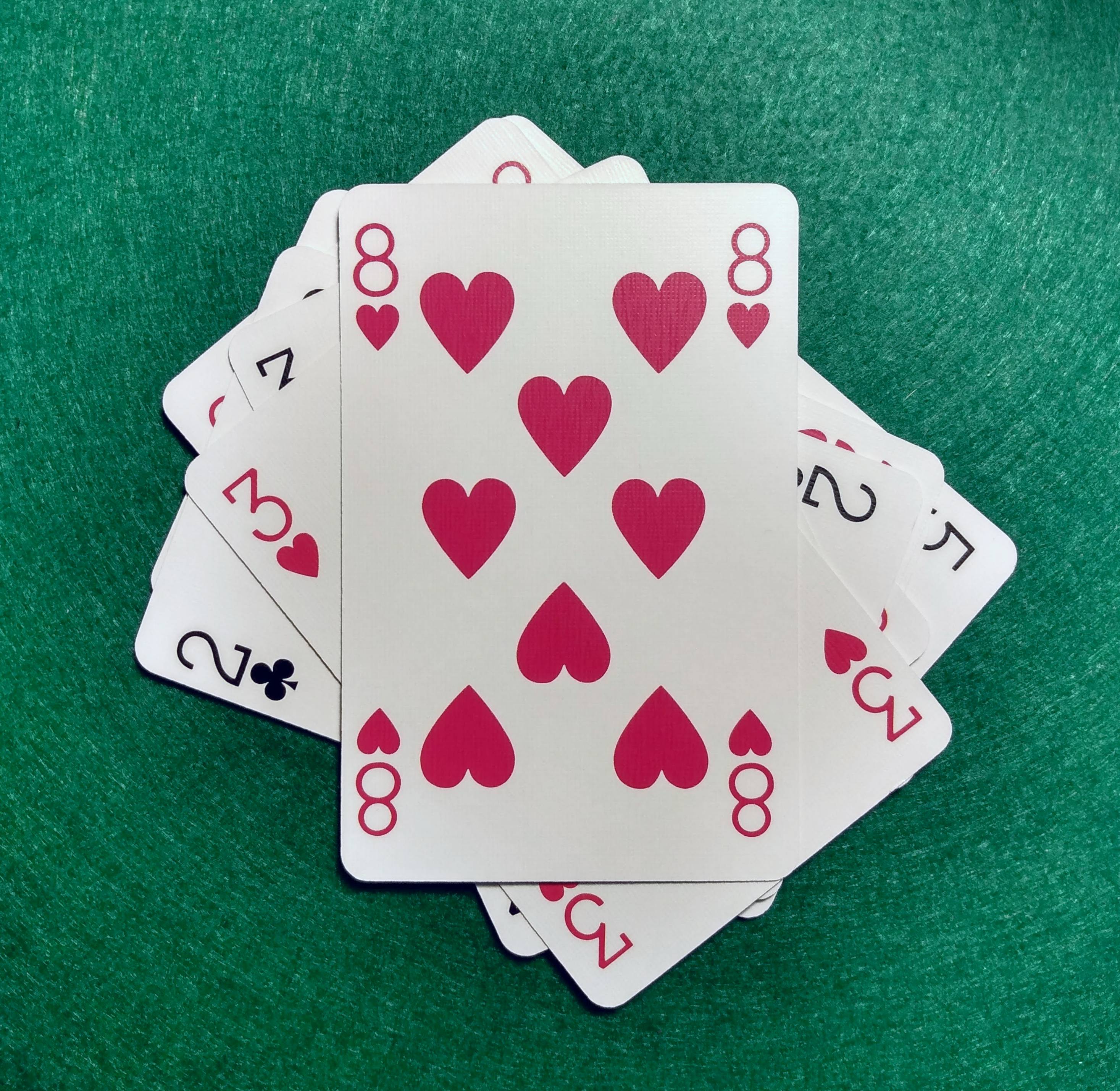
Crazy Eights keeps energy high because a single card can change the suit story and flip the mood in a second. Grandparents teach it as pattern reading: tracking what has been played, saving a wild card, and knowing when to draw without frustration.
The discard pile becomes a quiet record of choices, and children start predicting what might come next from a glance at colors and numbers. Many households add simple scoring, where leftover cards count against a hand, so strategy matters without getting complicated. Rounds end quickly, making it perfect for short attention spans and long evenings alike. After dinner, too.
Marbles
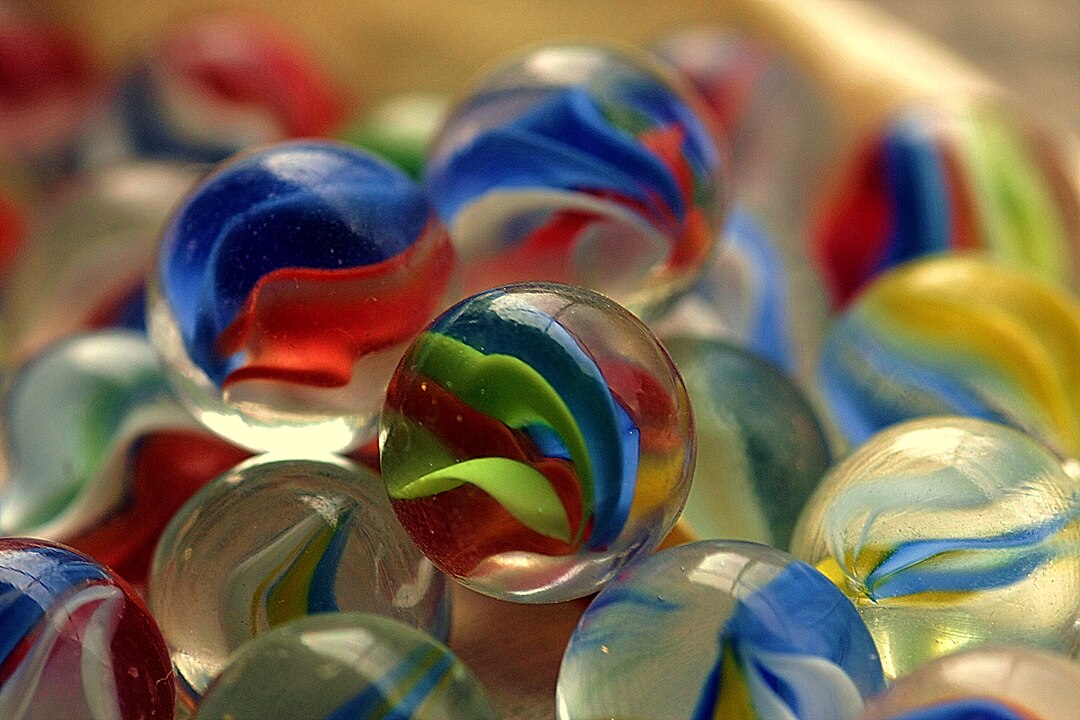
Marbles feels like pocket treasure, especially when a grandparent opens a jar that catches the light. A chalk or dirt circle sets the arena, then children learn that calm aim beats force, and that distance matters as much as confidence.
The click of glass on glass makes every turn feel real, and favorite colors quickly become prized. Grandparents teach gentle counting by tallying wins, then let kids set the next circle size, which quietly introduces fairness. Stories about schoolyards and summers arrive while everyone crouches and measures angles with their eyes. One steady rule keeps peace: no one has to give up a beloved marble.
Jacks
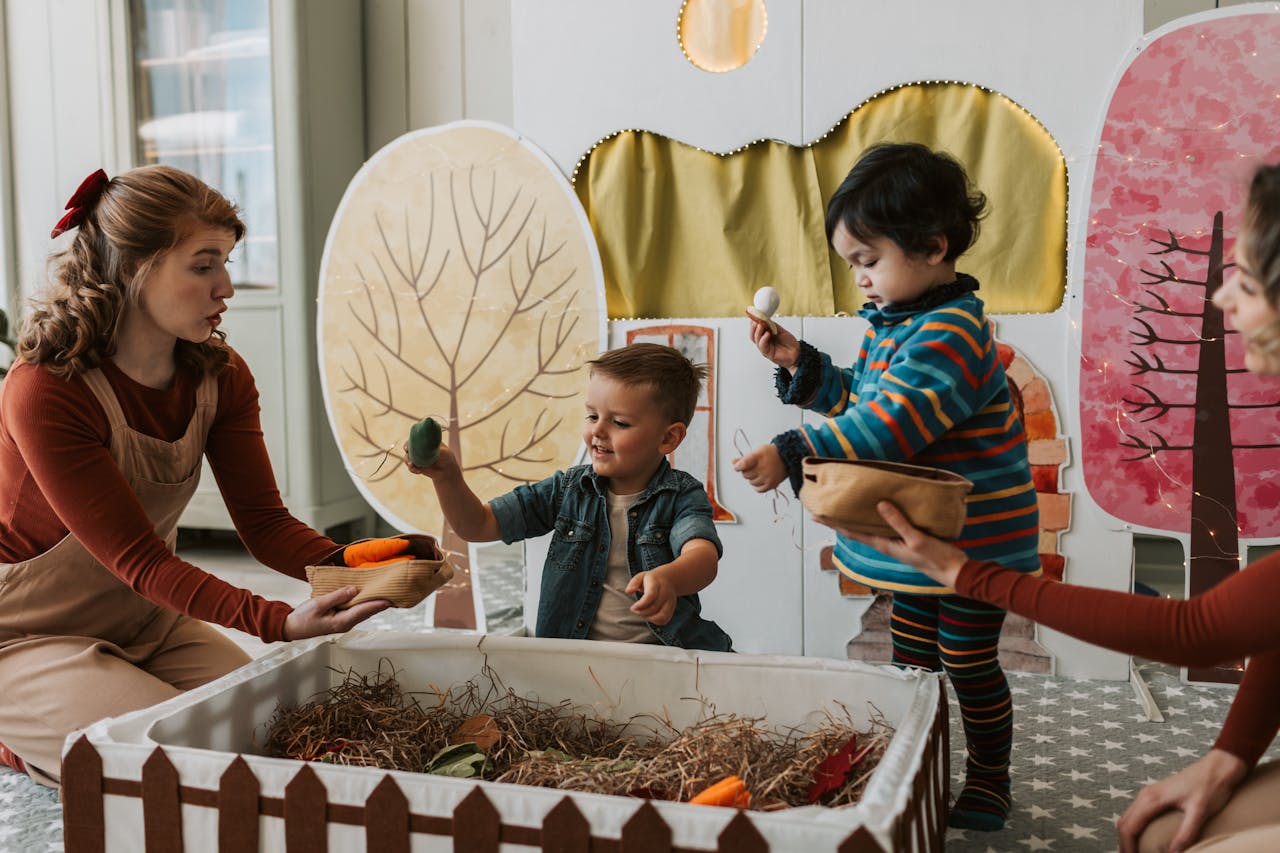
Jacks turns a small ball and a handful of metal pieces into a real skill test, with progress that shows up fast. Grandparents start with ones and twos, coaching the bounce, the quick grab, and the clean catch without making it feel like practice.
The tiny taps on the floor create a rhythm, and children learn to slow down instead of rushing the motion. A folded towel can soften hardwood, which keeps the game friendly indoors during winter afternoons. Sets fit in a shoebox for trips, and friendly challenges appear between cousins, then end with proud smiles when a full round finally lands. Even five minutes feels worthwhile.
Pick-Up Sticks

Pick-up sticks begins with a small thrill: a bundle drops, then freezes into a bright tangle that dares steady hands. Grandparents show how to choose a target, lift slowly, and accept that one tiny nudge ends a turn.
The room gets quiet in a good way as children hover, breathe, and learn that patience is a strategy, not a chore. Players rotate in and out without disrupting the layout, so siblings can join between snacks and still feel included. Color scoring can be simple or detailed, and even painted chopsticks work as a homemade set that travels well. By the end careful hands earn respect, and the winner usually offers a rematch.
Hopscotch
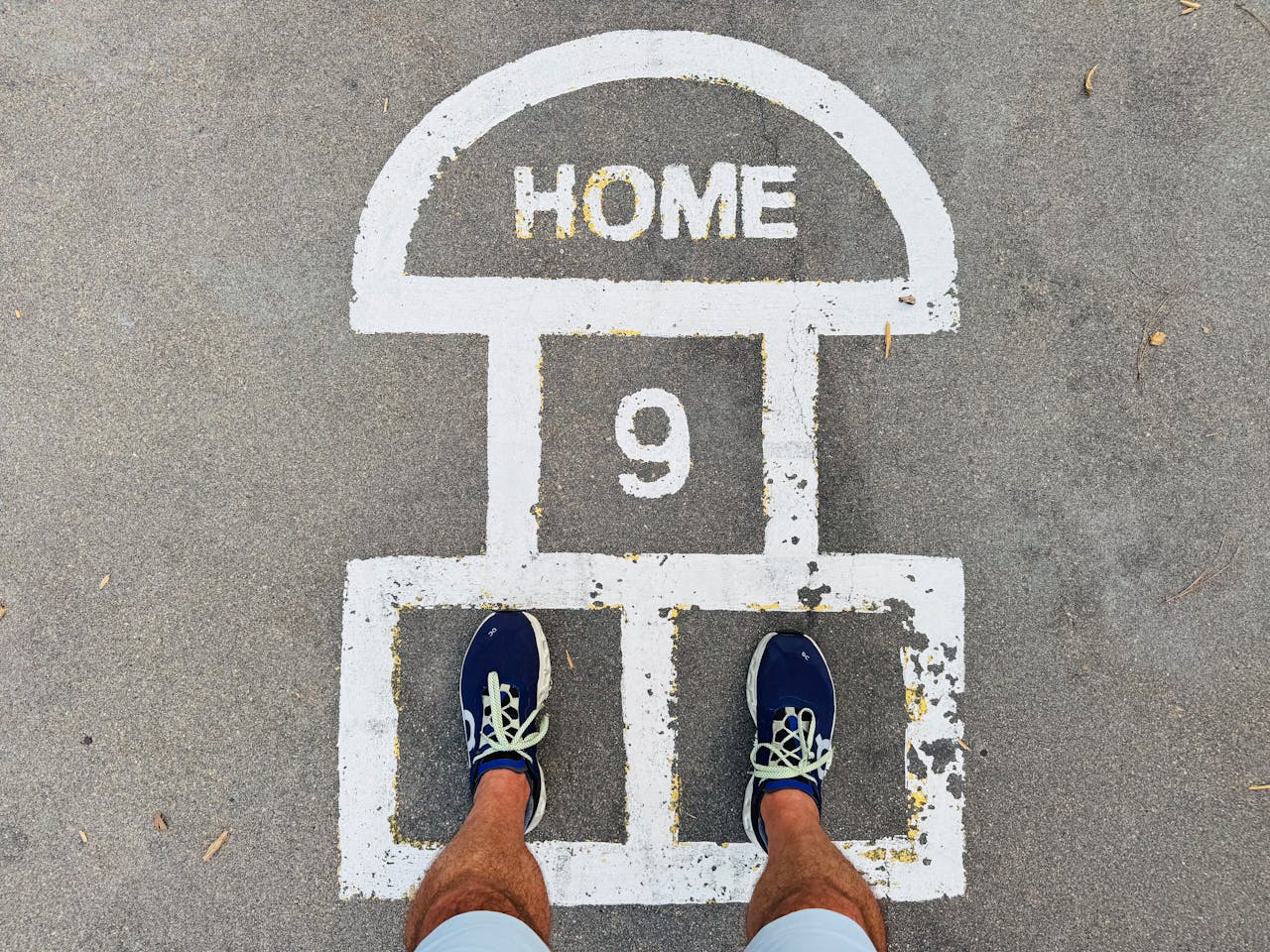
Hopscotch turns a driveway into a mini course with nothing more than chalk and a small marker stone. Grandparents love how quickly children settle into counting, balancing, and resetting after a wobbly landing on a line.
Chalk dust on fingers becomes part of the memory, especially on spring afternoons or during summer visits. Rules stay flexible, so new rounds appear naturally: hopping backward, skipping a square, or adding a gentle challenge for older kids. On patios, painter’s tape can stand in for chalk, which keeps the game possible in smaller spaces. It burns off energy without feeling like exercise. After dinner.
Red Light, Green Light
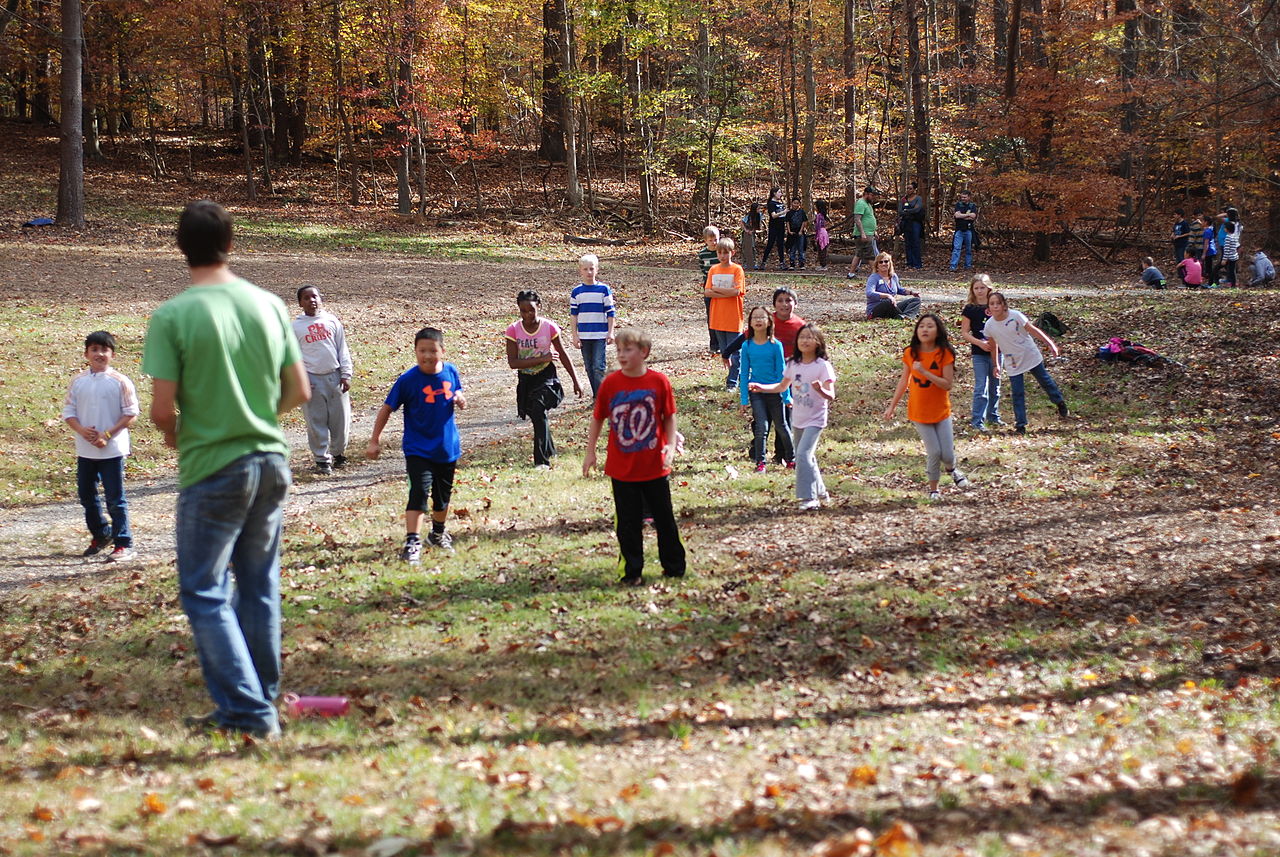
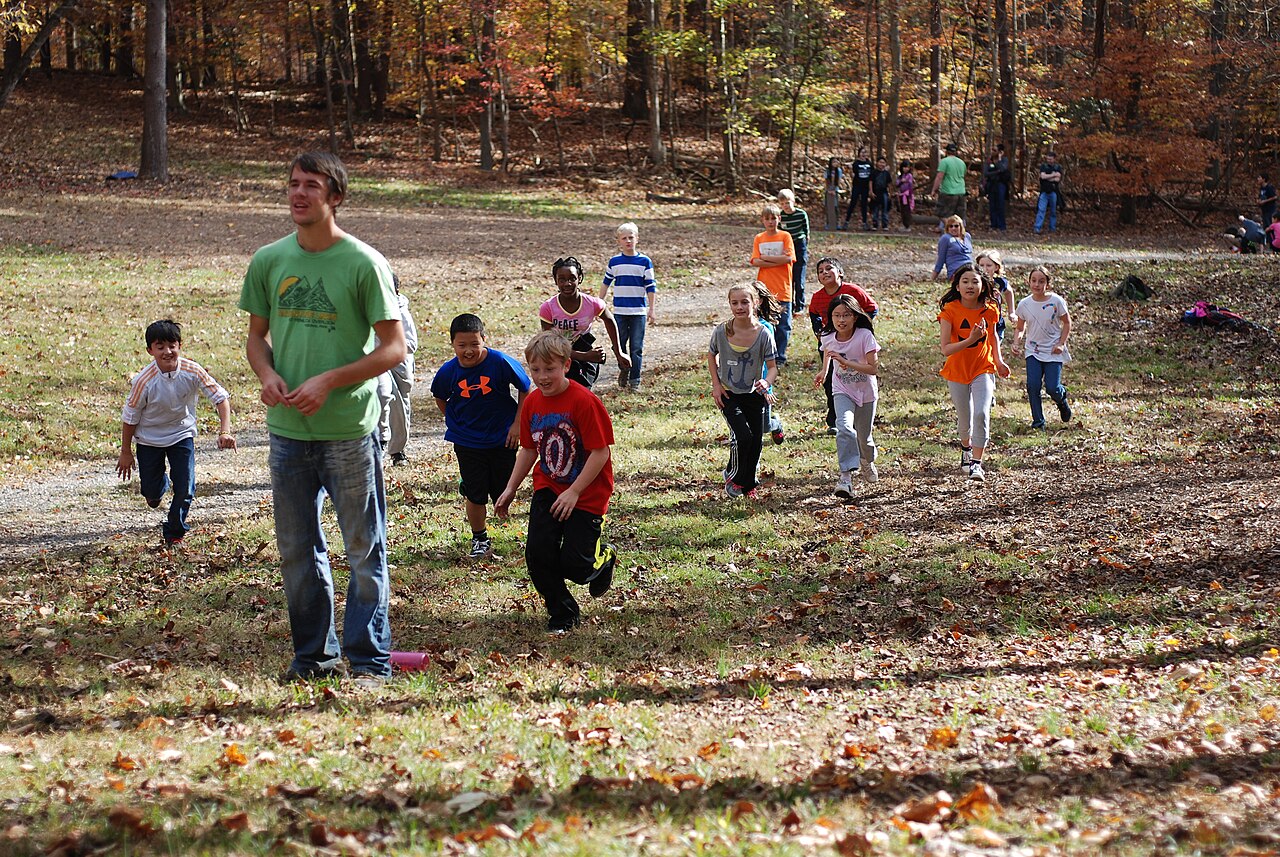
Red Light, Green Light is simple, which is why it works across ages, from toddlers to teens who pretend they are too cool. A grandparent calls the colors, turns around suddenly, and everyone freezes, trying not to sway or giggle.
The game fits yards, parks, and long hallways during reunions, with shoes or cones marking a clear finish line. Guaranteeing a safe boundary matters, so the start and stop points stay consistent and nobody feels singled out. Small twists keep it fresh, like a slow-motion round or a whisper call that forces closer listening. After a few rounds, kids beg to run the calls, and confidence rises with the noise.
Simon Says
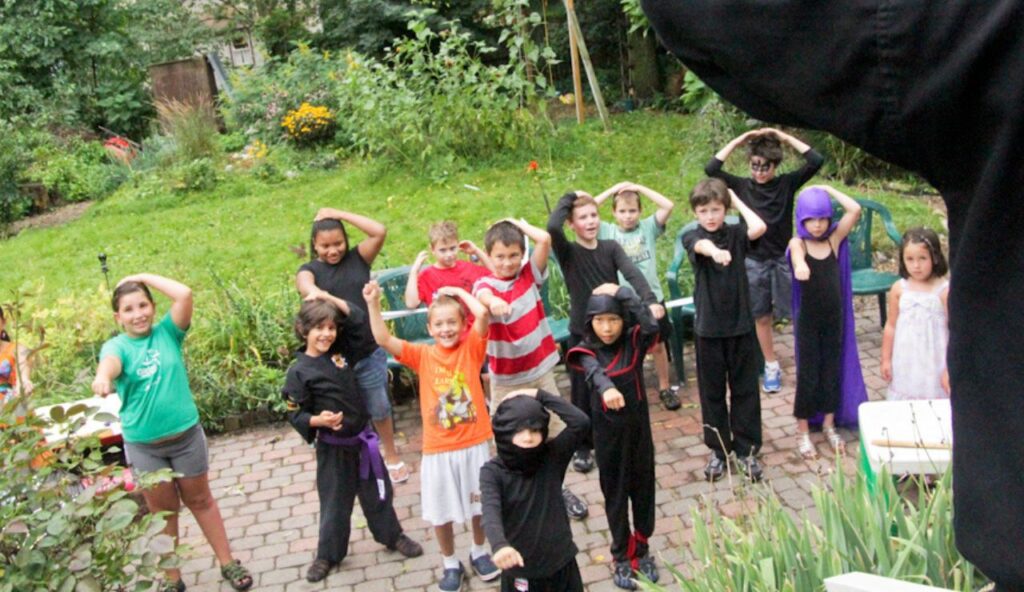
Simon Says feels like comedy with rules, and grandparents deliver commands with a straight face that makes errors even funnier. Children learn to pause for the key phrase, resist copying the crowd, and recover quickly when a hand goes up too soon.
Silly prompts keep it lively, from animal poses to pretend chores, and the game scales easily for big family groups. It also works in tight spaces, like airport gates or living rooms on rainy days, because no supplies are needed. Leadership rotates fast, and the catchphrases from one good round often get repeated for weeks. Grandparents love how quickly the room resets. After dinner.
Charades
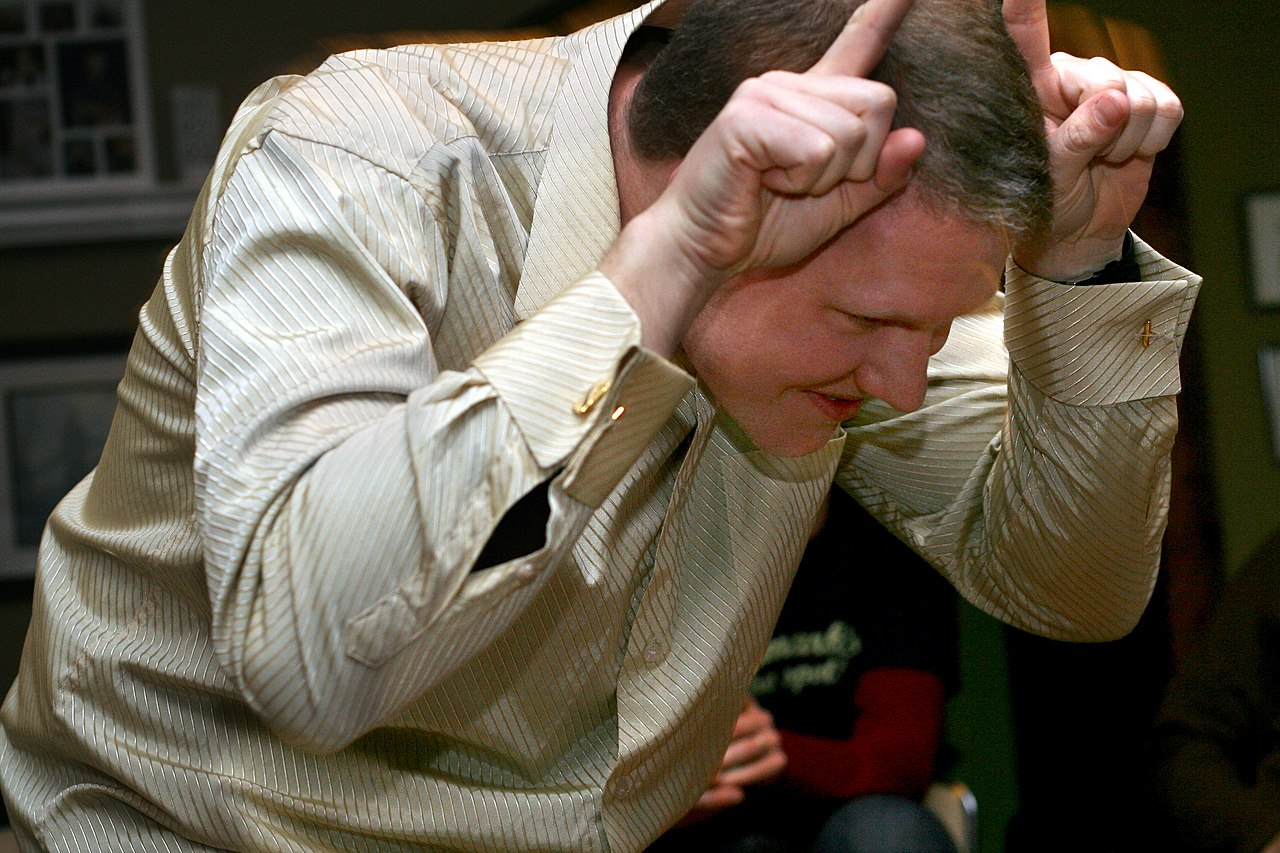
Charades turns a living room into a small stage, and grandparents often supply the best prompts from old jobs, hobbies, and family lore. No props are required, just a timer and a willingness to exaggerate, which frees kids to be loud in a healthy way.
Teams keep shy players supported, and guessing brings everyone into the same moment, whether the clue is a sport, an animal, or a classic film. Children sharpen vocabulary by hearing better guesses, then trying again with clearer gestures and calmer timing. Slips of paper in a bowl make setup easy, and the prompt pile grows richer each year as new jokes get added. Applause matters.