10 Things Sock Hops and Poodle Skirts Say About Teen Life in the 1950s

A Dance Floor Built for Rules
The New York Public Library/Unsplash
Sock hops and poodle skirts reveal 1950s teens chasing fun, romance, and identity inside rules, rituals, and school life.

Sock hops were not just dances. They were a controlled experiment in teenage freedom, staged in gyms and community halls where adults could keep watch and teens could still feel grown. Music from a turntable turned ordinary rooms into something electric, and outfits did social work before anyone spoke. Poodle skirts, saddle shoes, and cuffed jeans signaled confidence, effort, and belonging. Under the shine sat real pressures: reputation, rules, and the tight social orbit of school, where Saturday night always echoed into Monday morning.

A Dance Floor Built for Rules
A Dance Floor Built for Rules
Jack Delano, Public Domain / Wikimedia Commons

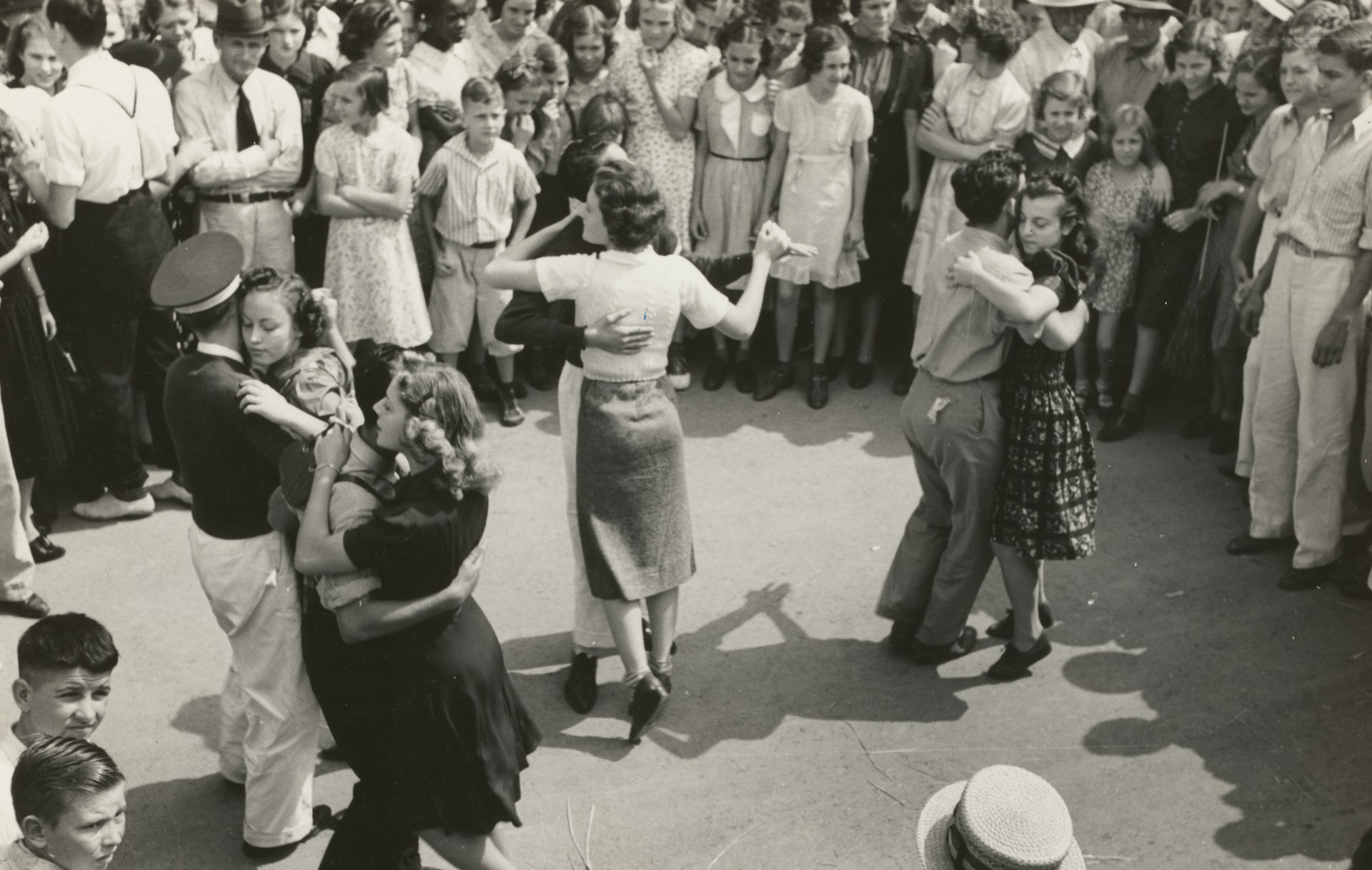
Most sock hops took place in school gyms or church halls, which meant fun came packaged with boundaries. Chaperones, set end times, and dress codes were part of the scene, and the familiar space kept things predictable even when the music felt new. Crepe-paper streamers and a stack of 45s could transform a gym into a mini nightclub, but the bleachers stayed the safe zone for watching and whispering. Teens learned the room’s etiquette fast: where to stand, how to ask, when to step back, and how to leave without looking too eager. Even the punch table and coat pile mapped the social geography.

Fashion as a Social Signal
Fashion as a Social Signal
Les Anderson/Unsplash

A poodle skirt or letterman sweater was a readable signal in a crowded room. Pleats, cardigans, scarves, and hair ribbons were chosen to say something, even if the message was simply I belong here. Because many teens shared the same schools and hangouts, outfits became a way to stand out without breaking the rules. Effort showed in pressed seams, polished shoes, neat lipstick, and cuffs rolled with care. The look was often built through small economies: saving allowance, swapping accessories, or sewing details at home. A felt appliqué, a record motif, or a charm bracelet could start a conversation before the first song.

Shoes That Protected the Gym
Shoes That Protected the Gym
Paul A. Hernandez, CC BY 2.0 / Wikimedia Commons

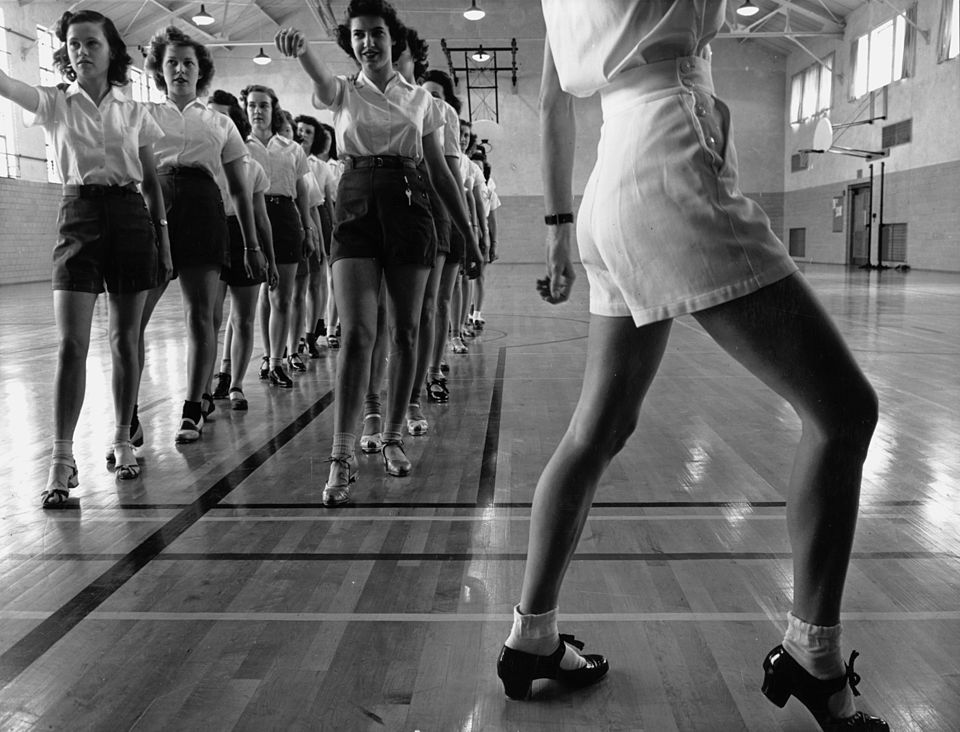
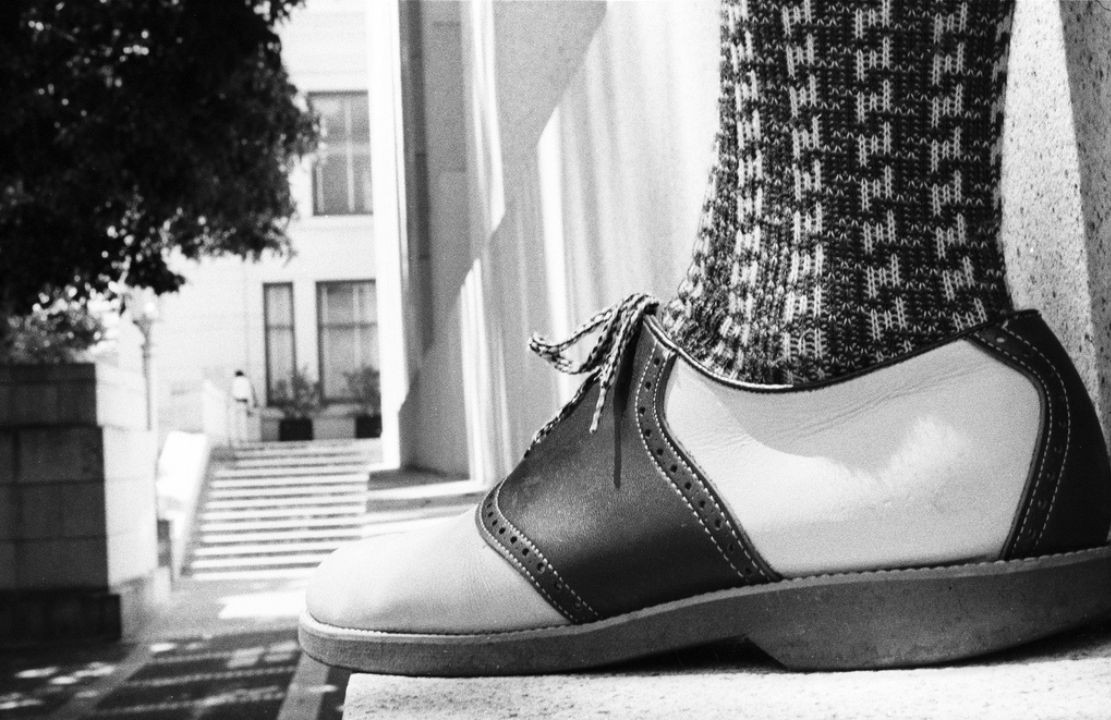
Socks and soft-soled shoes were partly about style and partly about the gym floor. Schools wanted dancers off hard soles to avoid scuffs on freshly waxed wood, so teens leaned into the rule and made it personal. Bobby socks, saddle shoes, loafers, and clean laces became part of the uniform, and the smallest details mattered. Sock height, color, and a tiny stitched initial all carried meaning in a world that read everything. Practicality did not kill creativity; it focused it. Showing up tidy signaled respect for the space, and it quietly proved teens could handle a night of freedom without making trouble.

Music as a Shared Password
Music as a Shared Password
MART PRODUCTION/Pexels

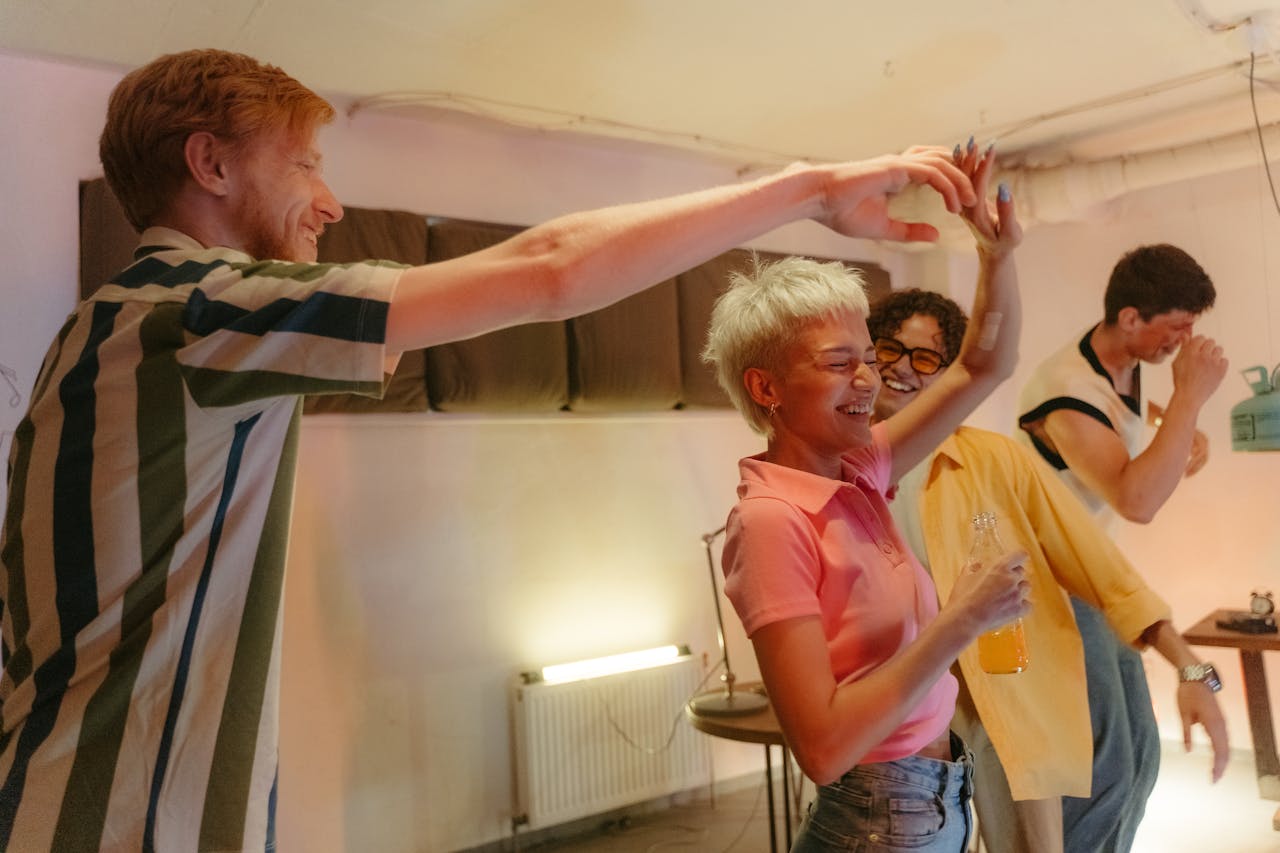
Rock and roll, doo-wop, and crooners gave teens a shared language that felt like theirs. A few opening notes could change the mood of the whole room, and sock hops turned songs into social currency. Who requested a track, who knew the hand jive, who could keep time on a jitterbug step, and who froze on the slow songs all became part of the night’s story. Student DJs guarded the turntable like it mattered, because it did. Music let emotion show without speeches. A favorite record could pull strangers into the same rhythm, and for three minutes everyone could feel braver than they felt during the school day.

Group Life Before the Couple
Group Life Before the Couple
Annie Spratt/Unsplash

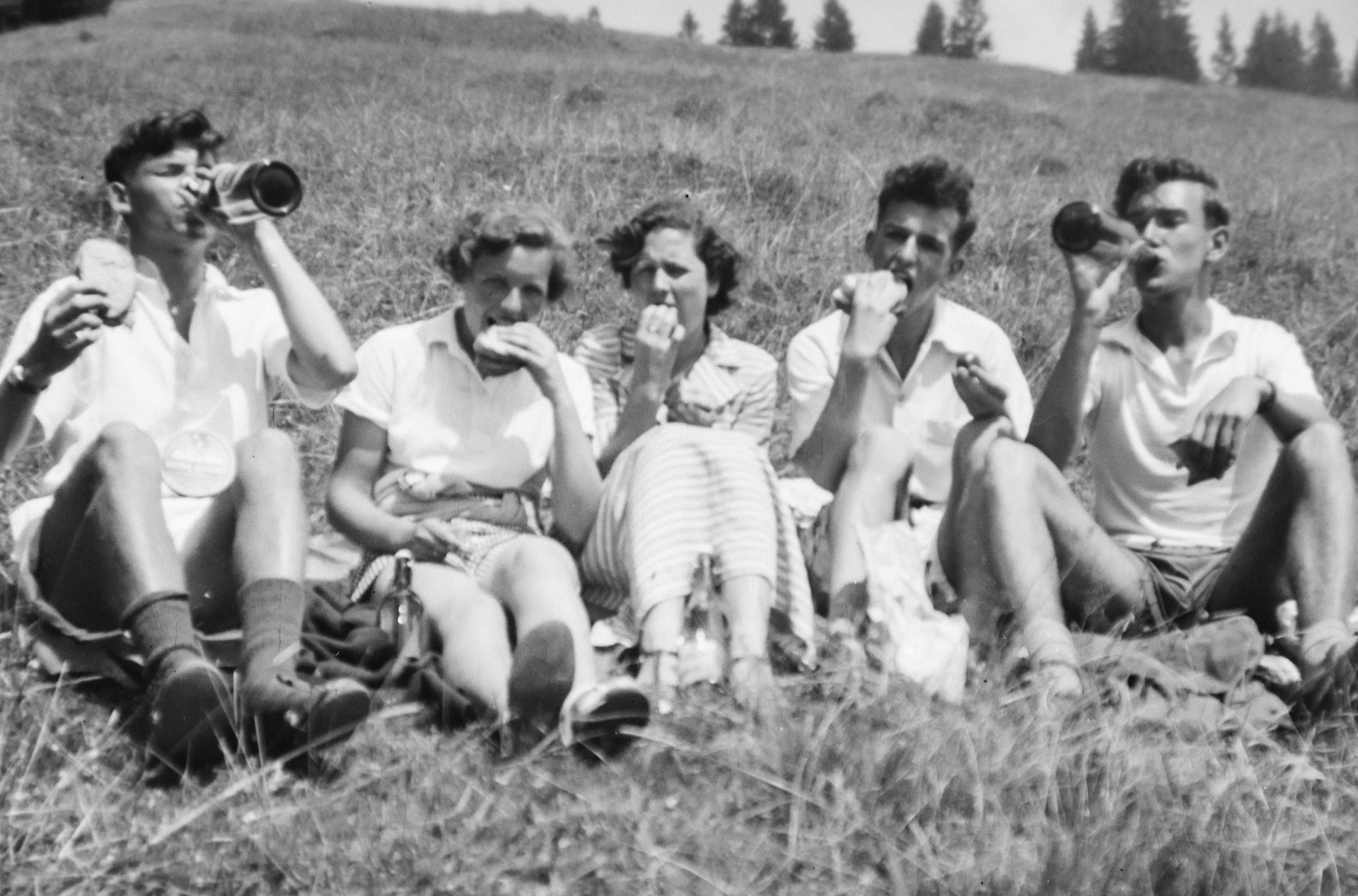
Teen life at sock hops often ran through friend groups first. People arrived together, watched the room together, and moved between dances in clusters that felt safer than going solo. Popularity was social math, and everyone knew the numbers. A skirt might catch attention, but so did who someone stood with, who they laughed with, and who saved a friend from an awkward ask. Gossip moved fast through homerooms and phone calls, so the dance floor doubled as a scoreboard. Still, loyalty showed up in small ways: inviting a shy classmate for one song, sharing a comb in the restroom, or walking a friend back to the coat pile so nobody felt stranded.

Public Romance, Limited Privacy
Public Romance, Limited Privacy
Levi Williams/Unsplash

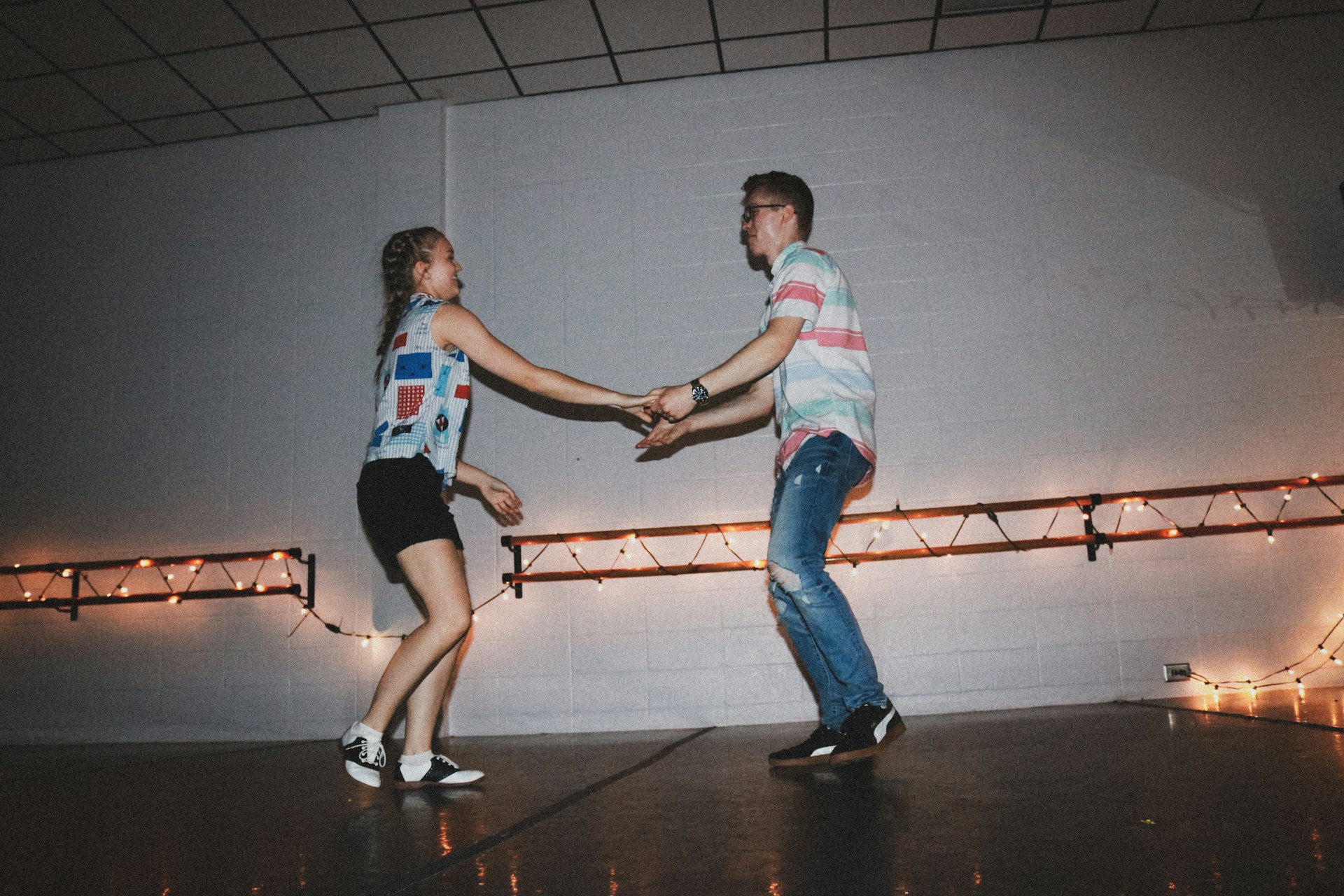
Slow dances offered a kind of public intimacy that felt thrilling because it was monitored. Chaperones watched from the edges, classmates watched from the sidelines, and couples learned to communicate inside that spotlight. Poodle skirts and pressed shirts made courtship look tidy, even when nerves were loud. Posture did the talking: hands placed carefully, space measured, and a polite spin at the end signaling respect. Privacy was rare, so meaning had to be subtle, carried in a glance, a shared smile, or the decision to dance again. The rules forced restraint, but restraint can sharpen emotion, and that tension defined a lot of teenage romance.

Cars as the Edge of Freedom
Cars as the Edge of Freedom
Brett Jordan/Unsplash

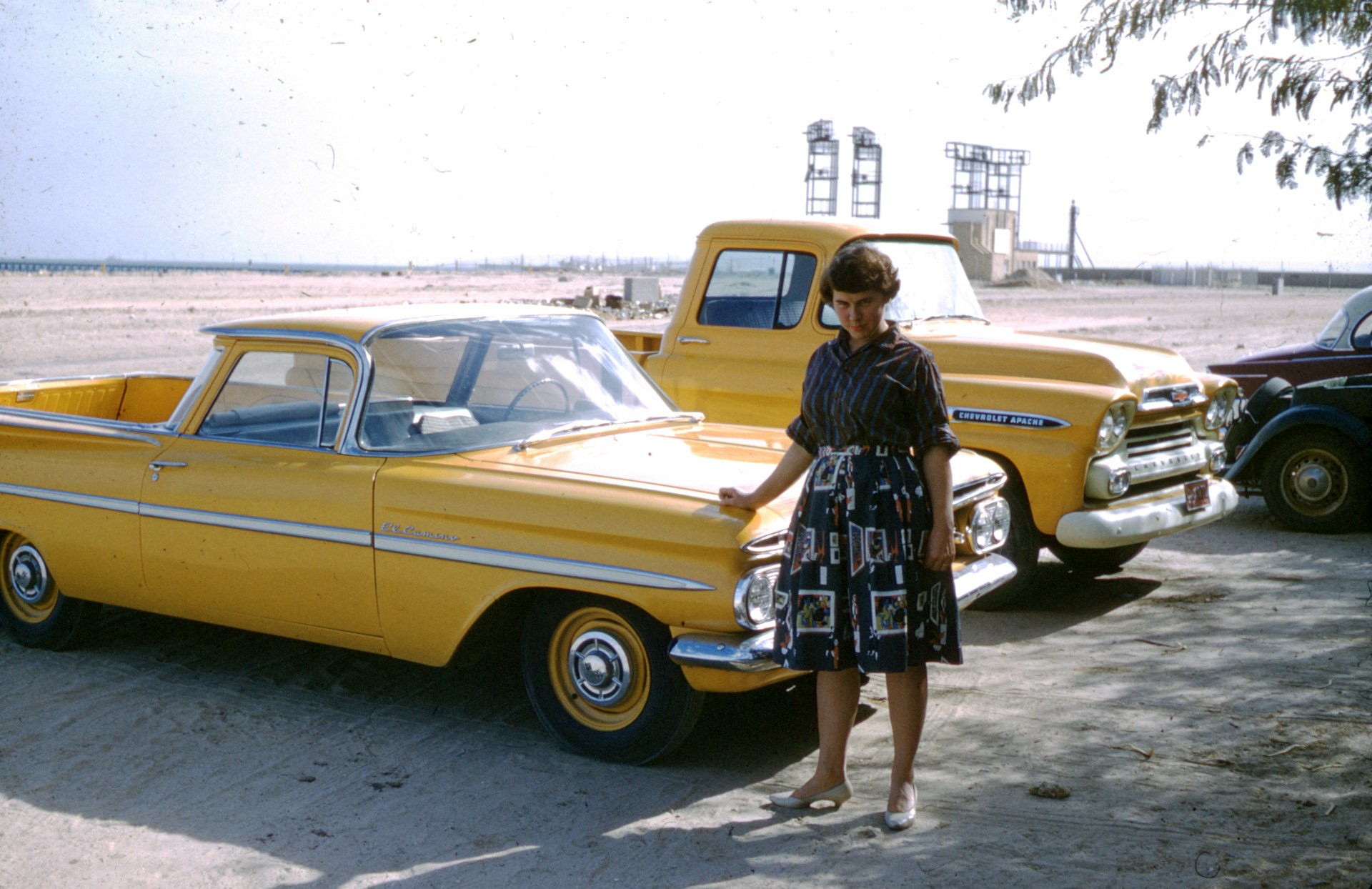
Even when the dance happened in a gym, cars shaped the night’s sense of possibility. A ride meant access, permission, and the chance to stretch curfew without drawing a fight at home. Parked outside, a car offered the closest thing to a private room many teens had, but it still sat under streetlights and community eyes. Keys, gas money, and parents’ trust defined how far freedom could go. The ride home became a ritual: radios low, windows cracked, friends replaying who danced with whom. Dropping people off in order mattered, like the final scene of the night, with each doorstep marking a return to rules.

DIY Glamour and Home Economics Skills
DIY Glamour and Home Economics Skills
Muhammad, CC BY-SA 3.0 / Wikimedia Commons

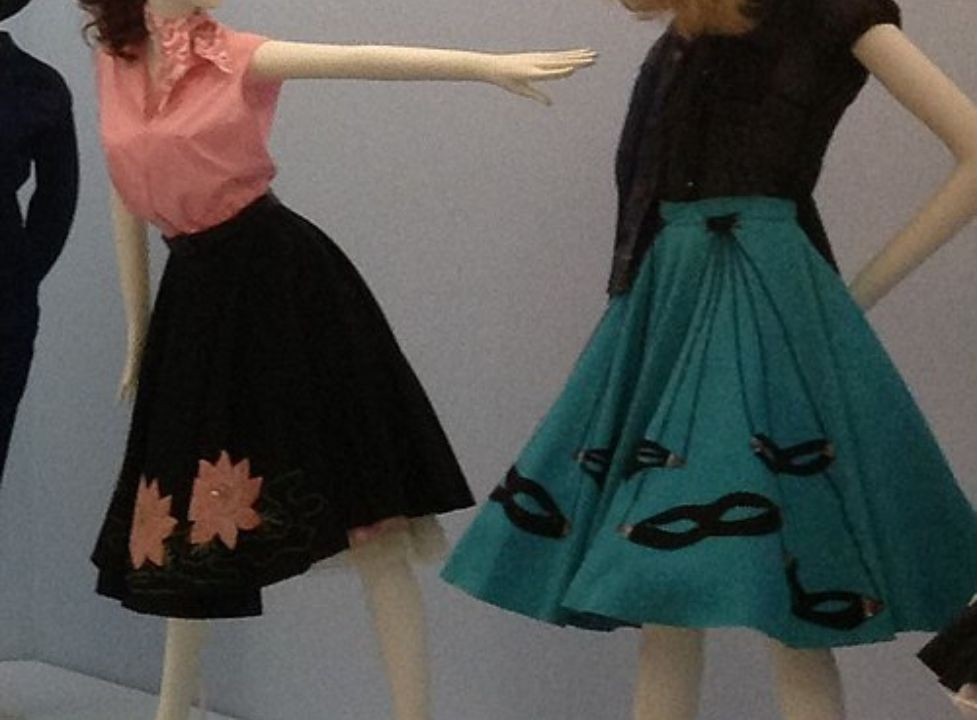
A lot of the style was homemade or altered, not bought ready-made. Poodle skirts were often sewn from felt, decorated with appliqués, and adjusted as bodies changed over school years. Friends traded patterns, parents helped with hems, and home economics classes quietly supported the whole look. Boys had their own version: cuffs rolled neatly, shoes shined, hair combed with intention, shirts pressed because looking careless read as disrespect at school events. The point was not luxury. It was care, thrift, and pride. Compliments landed on stitching, neat pleats, and the swing of a skirt as much as on dancing itself.

School as the Social Center
School as the Social Center
Navy Medicine/Unsplash

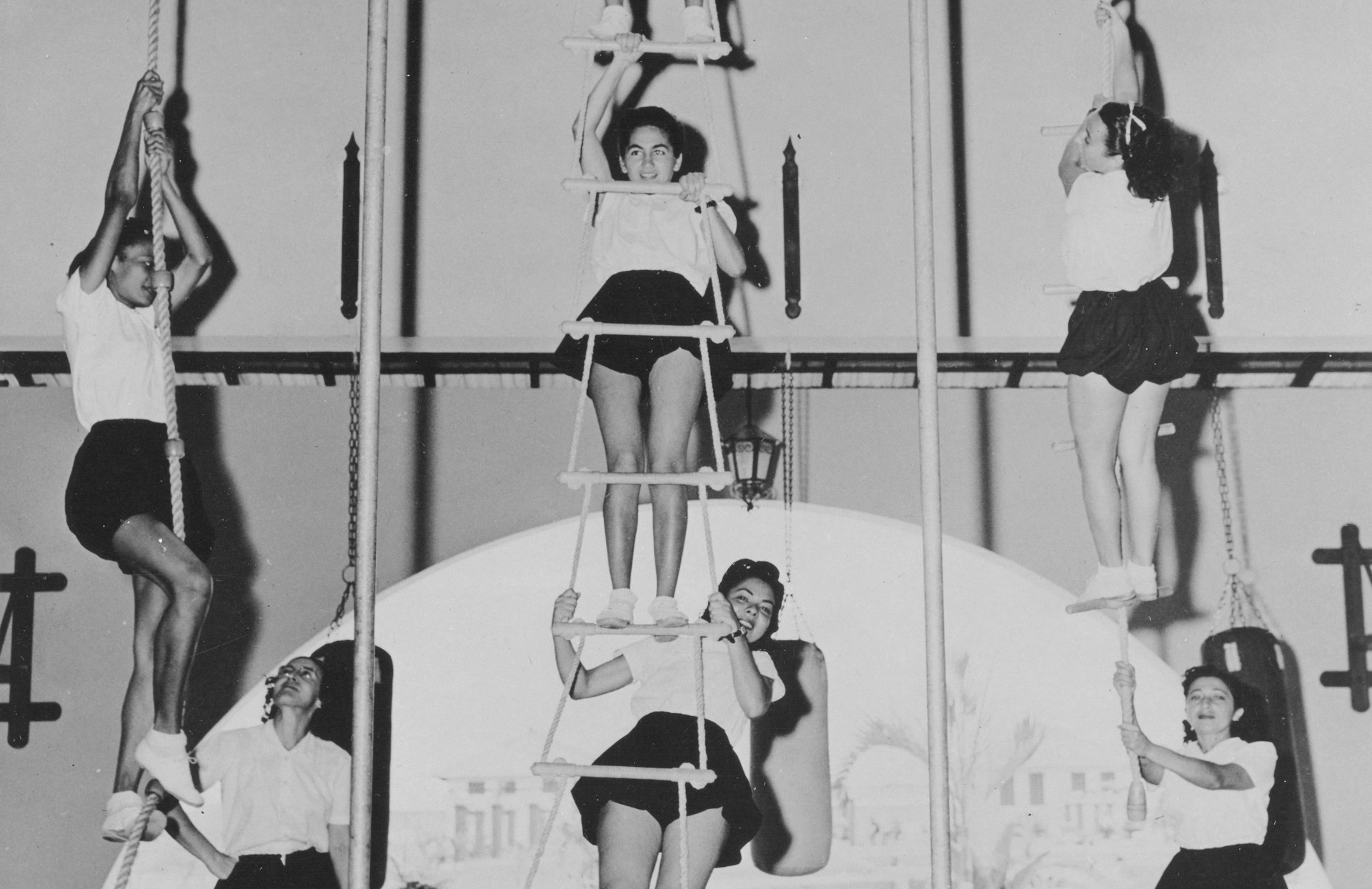
Sock hops show how much teenage life revolved around school. The same gym that hosted dances also held pep rallies, sports, and assemblies under the same banners, which meant every Saturday night fed into Monday morning. Teachers became chaperones, classmates became an audience, and the yearbook camera turned moments into permanent evidence. Belonging came easily, but privacy did not. A bold move on the dance floor, a new jacket, or an awkward moment could echo for days at lockers and lunch tables. That closeness created community, yet it also made teens careful, because everyone knew everyone’s business, and the spotlight rarely turned off.

Optimism With an Unspoken Script
Optimism With an Unspoken Script
Florida Memory/Unsplash

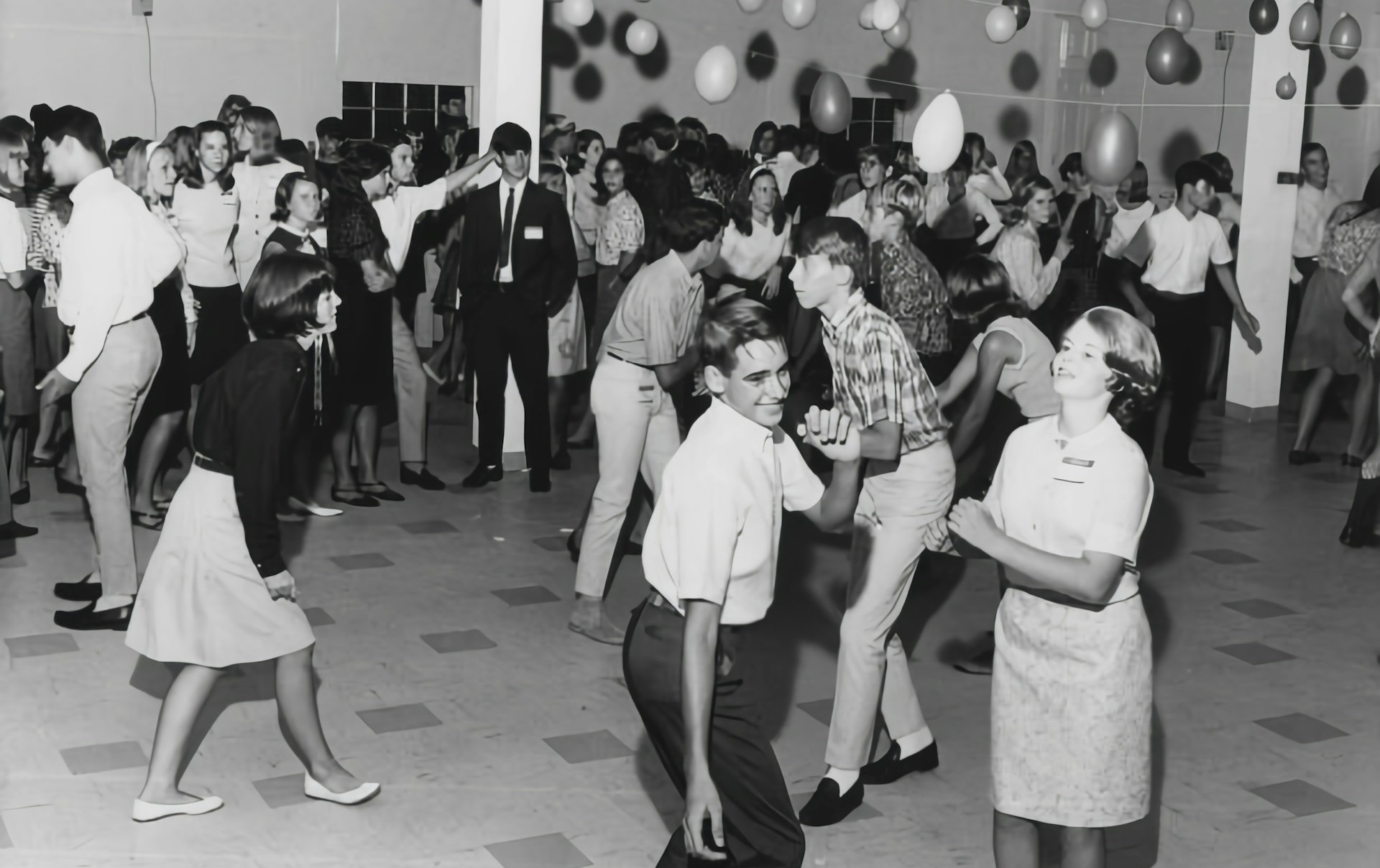
The look and mood were cheerful, but they came with an unspoken script about fitting in. Clean outfits, romance-forward songs, and the idea of a proper future hovered behind the fun. Many teens enjoyed the stability, but anyone outside the expected image felt the pressure more sharply. Sock hops and poodle skirts show both sides at once: genuine joy built through shared rituals, and a culture that rewarded conformity with attention and approval. Even rebellion tended to be small, timed, and made to look harmless. The night offered freedom, but it was freedom inside a frame, and teens learned how to test the edges without tipping the whole picture.

0 Shares:
You May Also Like
7. Gift Math And Adjusted Timelines
Read More

10 Souvenirs That Replaced Postcards, and Why They Took Over

# 10 Souvenirs That Replaced Postcards, and Why They Took Over Postcards used to be the official proof that someone had gone somewhere else, even for a weekend. One photo, a rushed note, and a stamp did the job. As phones made updates instant and mailing got fussier, the postcard shifted from habit to novelty. Shops did not stop selling memories, they just changed the format. People started picking objects that stayed in daily circulation: something to wear, use, taste, or display. These souvenirs carried place and personality without requiring neat handwriting or a correct address. The result is a quieter kind of storytelling, where the trip keeps resurfacing in kitchens, pockets, and routines long after the suitcase is zipped away. Even the smallest keepsake can outlast paper. ## Fridge Magnets Postcards showed up late, then got buried, no stamp, no address, no delivery gamble saving the moment. Fridge magnets solved that by living in plain sight, pinning grocery lists and kid art under the same skyline, ferry silhouette, or metro line diagram, so the memory stayed active instead of archived. Shops moved past generic landmark photos into neighborhood slogans, food sketches, and mini maps, because one glance could bring back market chatter and platform noise; they pack flat, survive rentals and moves, and invite multiples, turning a single fridge door into a casual, constantly updated timeline of places that still matter. ## Travel Stickers And Decals Stickers turned souvenirs into something that traveled again. Instead of mailing a postcard to one person, a decal could live on a laptop, water bottle, bike frame, or scuffed suitcase, building a layered map of routes through station codes, park crests, bookstore logos, and hand drawn mascots that sparked conversation in cafés and airport lines. Because they are waterproof, cheap, and sold in sets, they became easy gifts and easy trades, and wear looks honest, not ruined; each scratch and overlap shows what came after, making the object feel like a passport with a growing, visible history that never needs framing. ## Enamel Pins And Patches Enamel pins and patches gave the postcard image weight and texture, turning a skyline or mascot into something that could be worn. A tiny badge of a mountain ridge, museum logo, or neighborhood diner sat on a jacket or backpack for years, acting like a quiet signal in transit stations and coffee lines, not a message begging for postage. Shops leaned into limited runs, artist collaborations, and city only series, so the souvenir felt chosen, not generic; extras were gifted, swapped, or used to cover a tear, and the metal or thread handled rain and repeat trips with ease while a pinboard at home kept the timeline intact. ## Keychains And Bag Charms Keychains and bag charms replaced the postcard rack impulse with something that had a job to do. Keys get grabbed every morning, and charms ride on zipper pulls and backpacks, so a metal tag or leather fob kept the trip in circulation, stamped with coordinates, an arrival year, or a street sign shape that felt like a postmark without the paper. Many versions doubled as bottle openers or tiny tools, so the souvenir earned its space, and pocket wear became part of the story, turning scratches and softened edges into proof that the memory moved through real weekdays, rentals, and commutes, not just a perfect weekend photo. ## Tote Bags, Tees, And Caps Apparel made souvenirs feel less like clutter and more like identity. A tote from an art bookstore, a tee from a surf town, or a cap from a ballpark got worn again and again, carrying the place into errands, classes, and casual nights out, and sometimes turning into the default travel uniform on the next flight. Shops shifted from generic landmark photos to sharper typography, neighborhood slang, and local brand logos that signaled taste as much as geography; the best pieces were soft, well cut, and easy to pack, so gifting one felt practical, and the souvenir kept earning attention without taking up shelf space or needing a frame. ## Mugs And Local Drinkware Mugs turned travel into a daily ritual instead of a mailed update, because morning coffee landed in ceramics printed with a neighborhood map, a museum crest, or a local roaster logo and the memory resurfaced when the kettle clicked off. Cafés and galleries pushed limited designs, handmade glazes, and seasonal runs, so the purchase felt closer to a small piece of art than a generic souvenir. Tumblers, pint glasses, and tea cups also solved storage: they stack, survive moves, and look better with use, and they show up at dinners and chats, letting one shelf hold years of trips without becoming a dusty pile of paper. ## Snacks, Spices, And Pantry Finds Edible souvenirs did what postcards tried to do, but faster, because a jar of chili crisp, a regional spice blend, or a bag of saltwater taffy could be opened the night someone got home and turn storytelling into tasting. Markets and airports helped by selling sealed sweets, vacuum packed coffee, and sturdy tins built for carry ons, so the food survived long routes and still felt tied to the place where it was found. It also dodged clutter: once shared at an office desk or family table, it disappeared, yet the flavor lingered, and people often remembered a street, a song, or a shopkeeper’s grin more clearly than any glossy photo. ## Ornaments And Tiny Home Decor Ornaments became postcards with a return date, because a hand painted bauble from a night market or a miniature landmark for the tree reappeared every December and unboxing it felt like rereading a message from an older self. Outside the holidays, tiny home décor did the same work: coasters, tea towels, ceramic tiles, and matchboxes that lived on counters, ready to be noticed during ordinary mornings. These pieces asked for no postage and no framing, only a place in the house, and they resurfaced at the right moments, when guests arrived, when winter gatherings started, or when a quiet afternoon made nostalgia feel welcome. ## Art Prints, Zines, And Pocket Books Small prints and zines gave the postcard a smarter cousin, because instead of the same sunset photo, travelers brought home risograph posters, line drawings of street corners, and pocket guides written by locals, sometimes signed or numbered, which made the memory feel chosen, not grabbed. The message lived in the taste of the selection, not the handwriting, and the paper felt worth keeping because it had a point of view. Unframed pages fit clip rails, journals, or gallery walls, and buying from an artist table or neighborhood bookshop let the souvenir support the place directly, keeping the trip alive through design, not postage. ## Tattoos As Travel Keepsakes For some travelers, the replacement became permanent, and that permanence was the appeal. A tiny wave, coordinates, or a symbol developed with a local artist could not be lost in a move or tossed in a cleanout, and booking an appointment made the souvenir feel like commissioning art, not grabbing merch near the register. It also solved the postcard problem cleanly: no postage, no delay, no single recipient, just a story carried forward on skin, whether it is a port city anchor or a mountain contour line, quiet until a sleeve rolled up or a wrist turned and the place appeared again, right on time in conversation or solitude. The postcard never really lost its charm; it lost its role. Modern souvenirs win because they do not ask for extra steps, and they refuse to stay hidden. A magnet gets touched, a mug gets lifted, a spice blend gets passed across the table, and a pin rides through another trip. That repetition is the secret. Instead of proving travel happened, these objects let the memory keep happening, in small flashes that feel honest. In the end, the best keepsake is the one that blends into daily life and still pulls a place back into focus, without fanfare. **Excerpt (130 characters):** Postcards faded, but magnets, mugs, stickers, snacks, and small art brought travel home, letting memories live in real life still.