Airports have a way of turning small paperwork quirks into loud, expensive problems. A passport can look fine at the kitchen table, then fail a quick check at the counter when dates, pages, or details do not meet a country’s entry rules. The stress hits early: bags packed, plans set, and suddenly the trip hinges on one booklet. Gate agents follow strict guidance, and even a tiny mismatch can trigger a hard stop, not a debate. Consulates can fix plenty of issues, but rarely on the same morning as a flight. The trouble usually starts long before boarding, in details that seem too small to matter until the moment they do.
Six-Month Validity Surprise
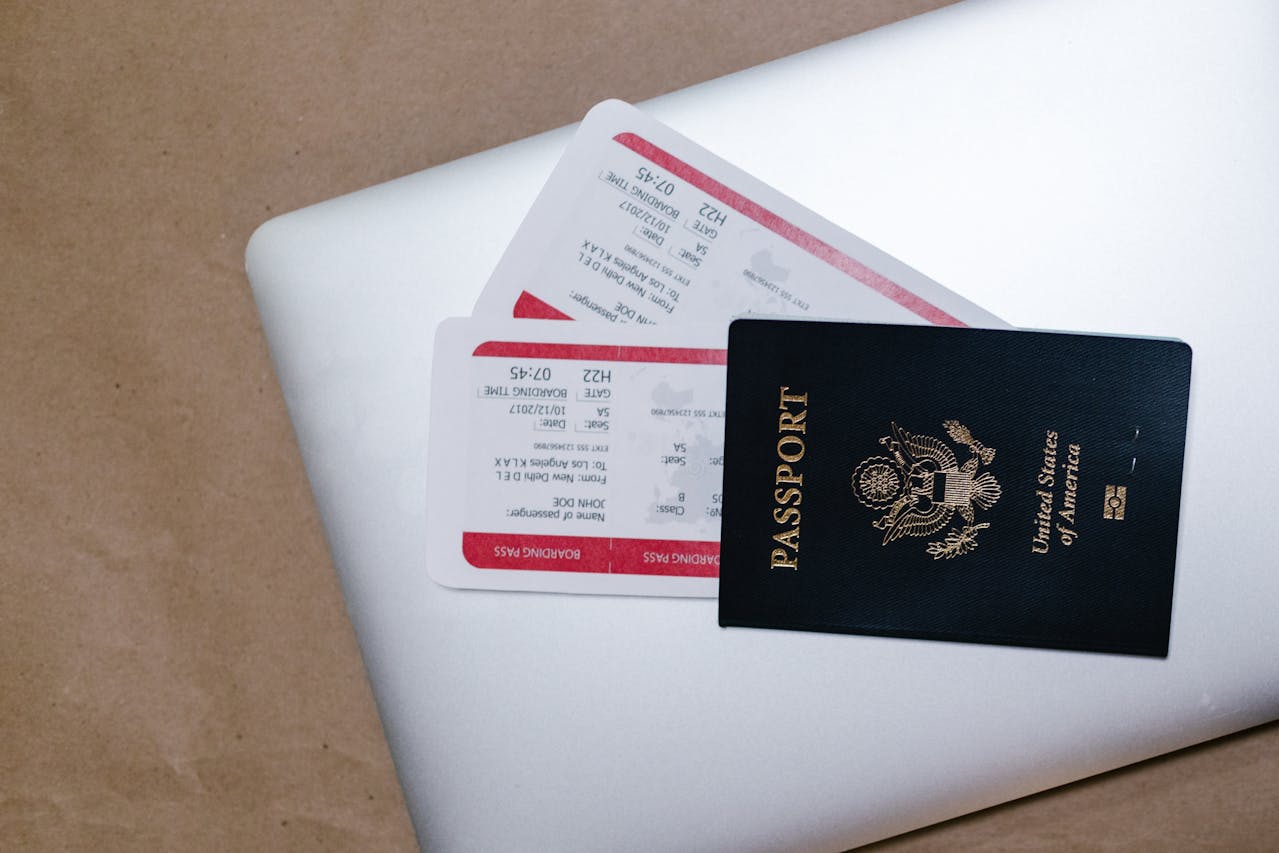
Many countries require a passport to be valid for six months beyond the arrival date, and airlines enforce that rule before check-in, not at the border. A traveler can be well within the printed expiration date and still be denied boarding because the destination calculates future validity, sometimes factoring return dates, cruise segments, or long layovers. When the counter agent sees the date and a rule flag appears, the decision becomes procedural, and the only remedy is an urgent renewal that seldom matches a same-day departure, especially around holidays weekend office closures, and processing backlogs at peak season.
Too Few Blank Pages
Immigration stamps and visas need space, and some countries require one or two completely blank pages, not just a corner that looks empty. A passport packed with stamps can trigger a refusal at the airline desk because the destination wants room for entry and exit marks, plus a visa sticker if plans change mid-route. The confusion comes from layout: amendment pages, endorsement pages, and partially stamped pages may not count, so a busy booklet can fail even on a short trip; add a cruise, a land crossing, or a regional hop, and the page math collapses fast at the worst moment during peak check-in lines at major hubs.
Damage That Makes It Invalid

A passport does not need to be shredded to be rejected; water-warped pages, a cracked spine, peeling laminate, or a chewed corner can make security features hard to verify, and that is enough for an airline to stop a trip at the counter. Even small issues on the data page, like ink smears, a lifted photo film, or a torn edge near the machine-readable line, can trigger fraud concerns in seconds. Once damage is visible, the document is often treated as compromised, and replacing it becomes the only practical path back to the itinerary, because it will be rechecked at every handoff from airport security to hotel check-in.
Name Mismatch With Tickets
Airline reservations, visas, and passports have to agree on the core identity fields, and small differences can become a check-in barrier. A missing middle name, a swapped surname order, a stray hyphen, an omitted suffix like Jr., or a lost accent mark during transliteration can cause the system to treat the booking as a different person. These errors often hide until the day of departure, when a gate agent cannot override a mismatch tied to border reporting rules, and the fix becomes a frantic chain of phone calls, ticket reissues, and clock watching at the terminal even for group bookings and loyalty profiles too.
Unsigned Passport
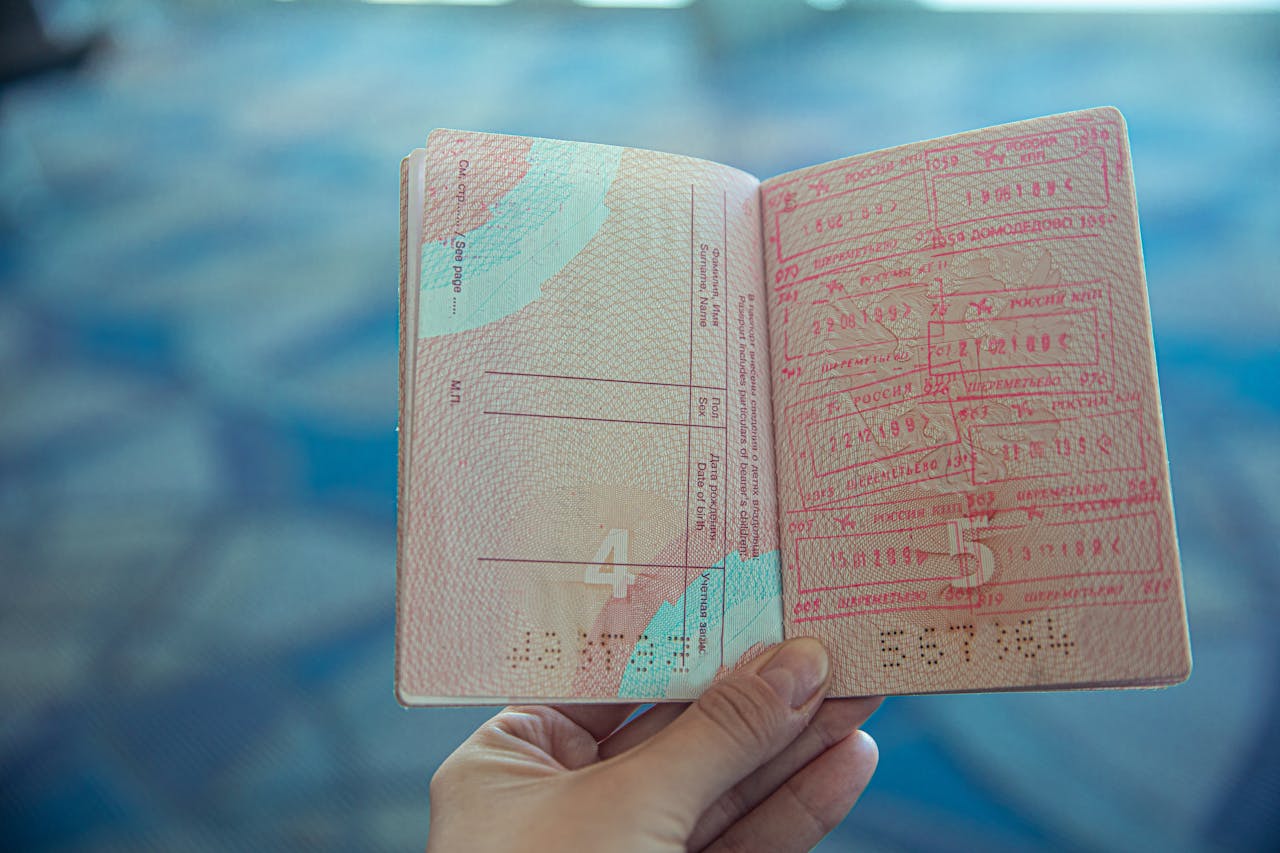
Some passports are not valid until signed, and that blank line can become a surprise inspection point at check-in or immigration. Newly issued booklets often get packed away immediately, and the owner never notices the missing signature until an agent flips to the signature page during a routine document scan. Because an unsigned passport can be treated like an incomplete document, the traveler may be pulled for extra screening or denied boarding, and the fix is not always as simple as grabbing a pen when local rules require a specific signature box, ink, or guardian process for minors in the last minute rush alone.
Child Passport Timing And Consent Snags
Children’s passports often have shorter validity periods than adult passports, and families sometimes discover an expiration only after flights, hotels, and school breaks are aligned. Add custody realities and name differences, and border officials may ask for extra proof, such as a consent letter from a non-traveling parent, a birth certificate, or court paperwork that explains a changed surname. None of it feels dramatic at home, but at the airport it can stall a departure because carriers avoid transporting a minor who might be refused entry, questioned at arrival, or routed into a long secondary inspection queue.
Previously Reported Lost Passport
A passport that was reported lost or stolen becomes invalid, even if it later turns up in a drawer looking perfectly fine. Travelers sometimes grab the old booklet by mistake after a replacement, or pack both and hand over the wrong one at check-in, and the issue only appears when the document number is checked against loss databases. What looks like an honest mix-up can be treated as a security risk, and it can end a trip instantly because the airline cannot accept a document the issuing country has canceled, and even online check-in may fail without warning.
Valid Visa Stuck In Old Passport
Renewals can create an awkward split: the new passport is valid, but an unexpired visa or residence permit is still glued into the old one. Some destinations require both booklets to be presented together, and airlines will ask for that proof before issuing a boarding pass, especially for long-stay visas and work permits. When the old passport was left at home, packed in checked luggage, or surrendered during a prior process, the traveler can be blocked from flying because the entry permission exists, but it cannot be verified in the few minutes available at the counter, and rebooking can snowball into days of delay.
Emergency Passport Limitations
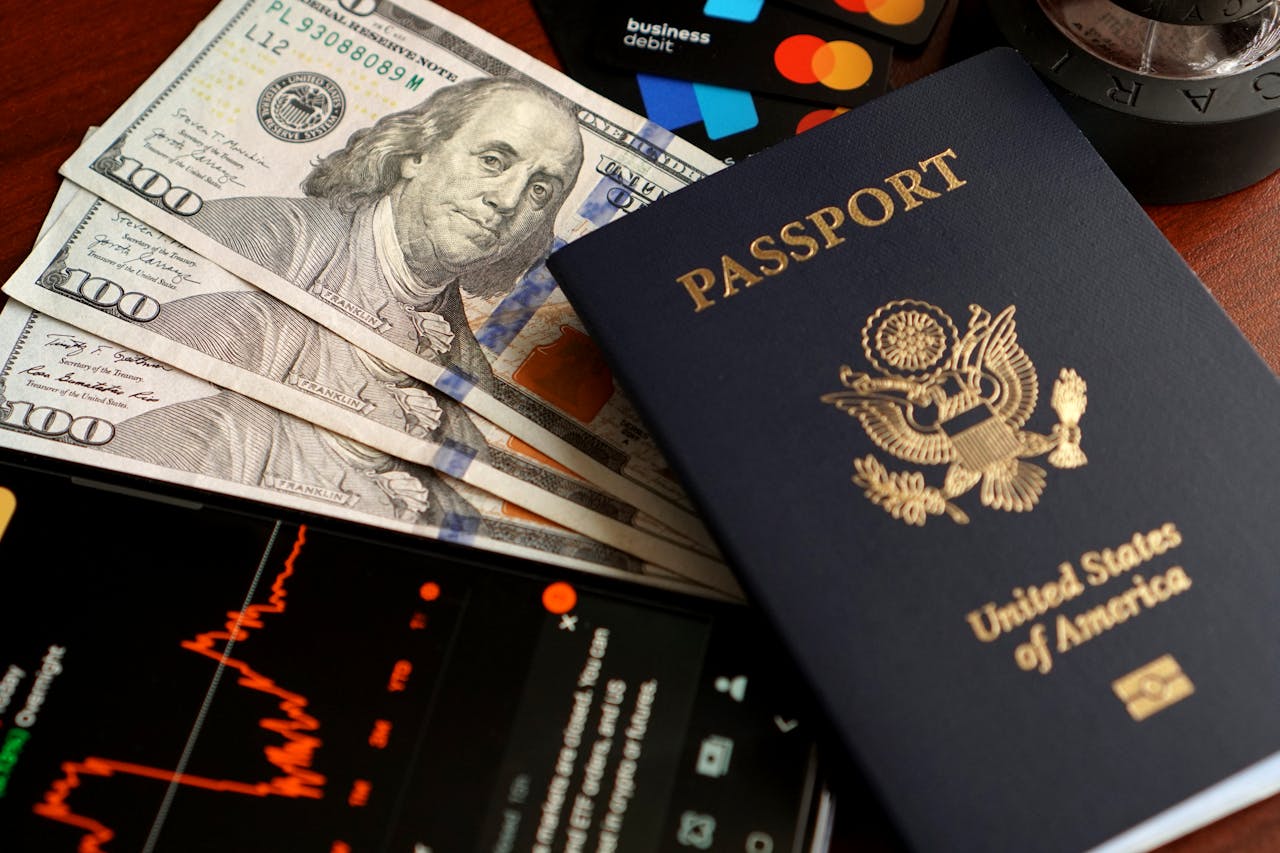
Emergency or temporary passports can solve a crisis, but they are not accepted everywhere, and some countries require a full-validity, biometric passport for entry. Airlines may refuse boarding if the destination, or even a transit country, excludes temporary documents or requires a visa in cases where a standard passport would qualify for a waiver. The heartbreak is timing: the replacement arrives, relief sets in, and then a different rule appears at the counter, forcing a last-minute reroute, a new visa plan, or a trip delay that stretches far beyond the original dates especially with short connections and tickets.
Assuming Visa-Free Entry
Some travelers plan around an old memory of being waved through, but entry rules depend on the passport in hand, not the traveler’s intentions or last trip. A passport from one country may qualify for visa-free entry, while a different passport in the same family does not, and some destinations also require an online travel authorization tied to the passport number. When the wrong passport is packed, or when that authorization was never obtained, the trip can collapse at check-in because airlines must confirm legal entry permission, including transit permissions, before letting anyone fly under carrier penalty rules.
Photo That No Longer Matches

Passports last for years, but faces can change fast, and a photo that no longer resembles the holder invites scrutiny before boarding even starts. Major weight changes, facial surgery, or a dramatic shift in hair and facial hair can make automated checks fail and push a traveler into manual review, especially when the picture is already dark, glossy, or slightly blurred. Most trips still proceed, yet the added inspection can break tight timelines, and on some routes an agent may refuse boarding if the identity match is not clear enough to satisfy airline security standards and destination entry screening in time.
E-Visas Tied To The Old Passport Number
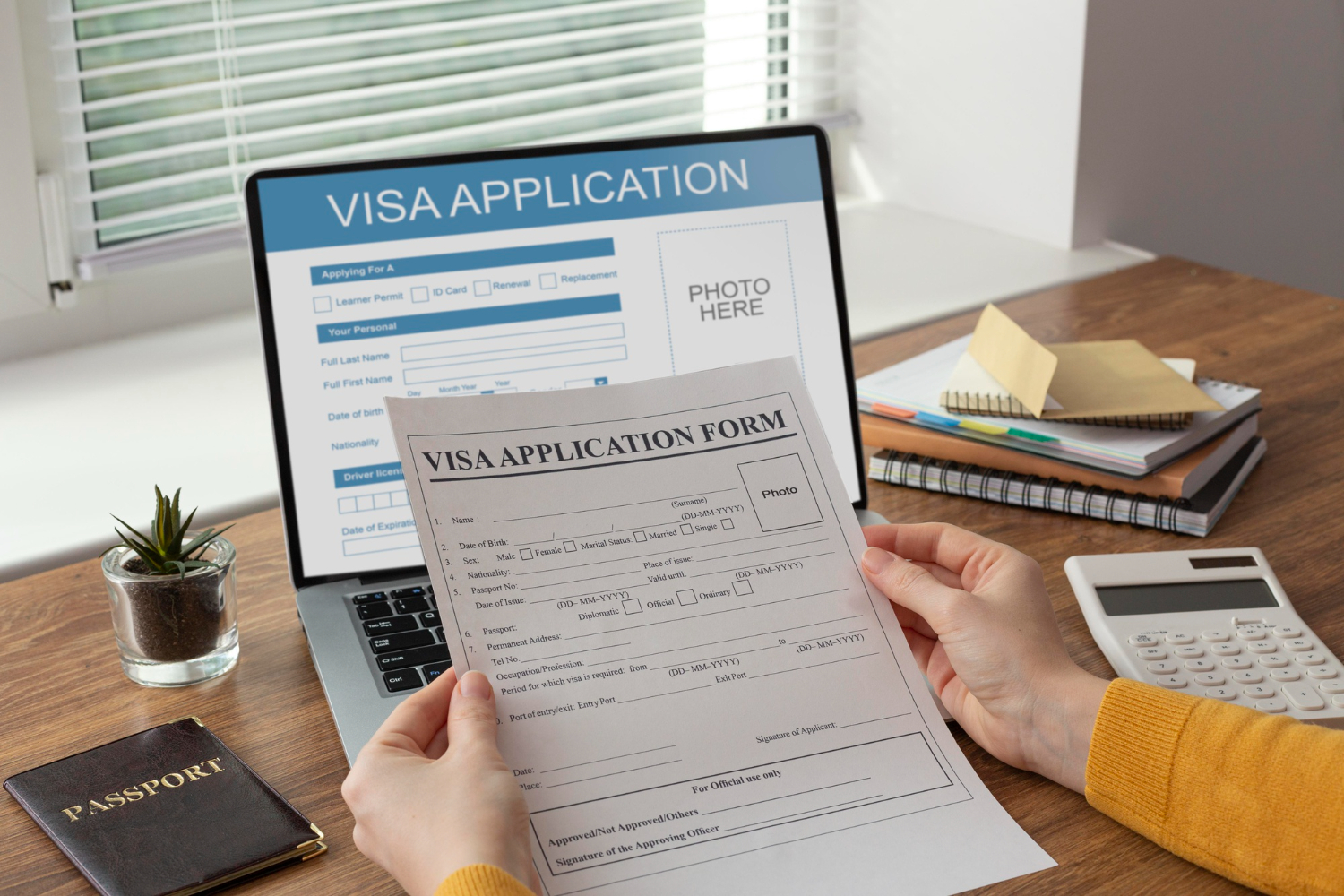
Digital visas and travel authorizations are often linked to a specific passport number, so a renewal can quietly invalidate approval that looked settled. Travelers print the confirmation, feel prepared, and then learn at check-in that the authorization was issued to the previous passport, not the current one, even though the name and birth date match perfectly. Fixing the mismatch can be simple in theory, but portals can lock submissions, approvals may take days, and some airlines will not let a passenger board until the new number is recognized across the whole itinerary, including transit segments, and return flights.


