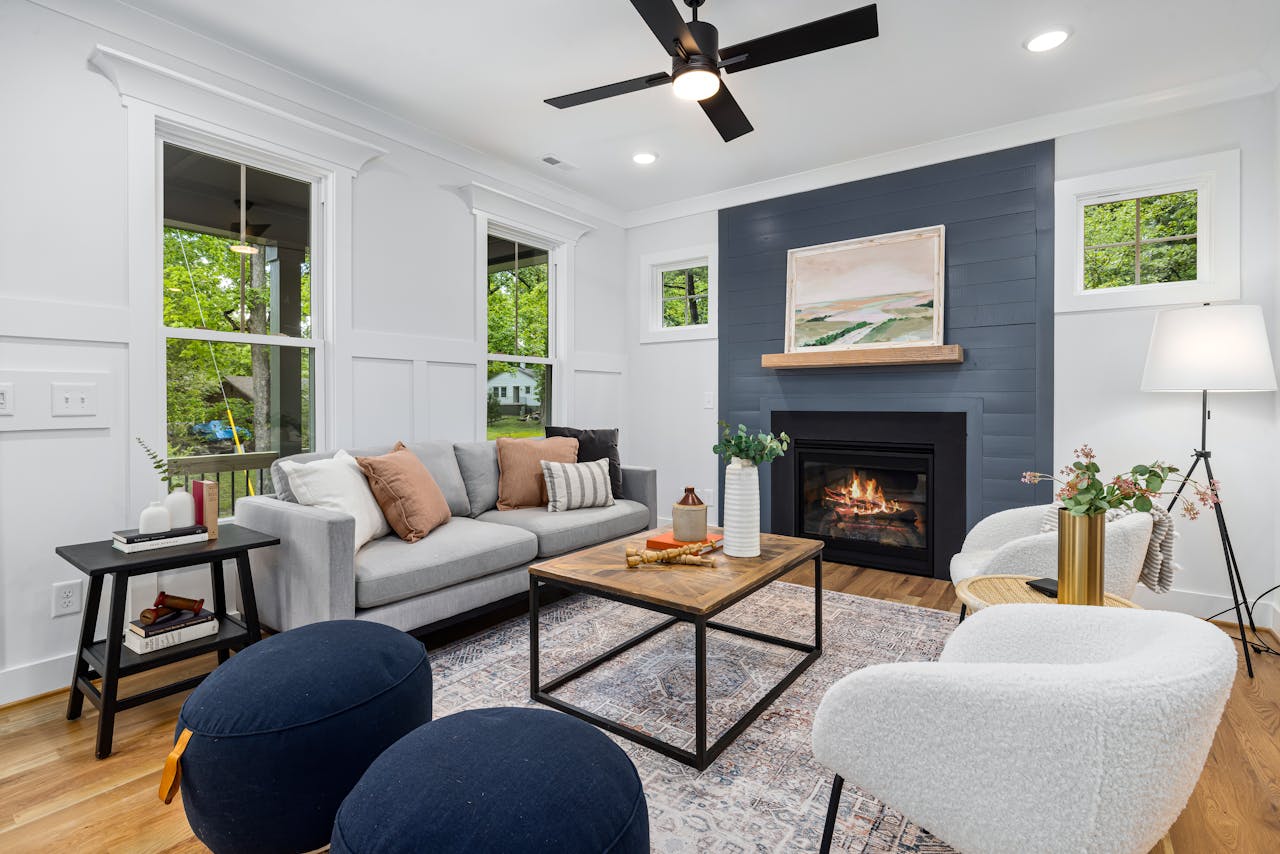
Mid-century modern furniture arrived like a steady breath in postwar living rooms, trading heavy ornament for light, capable shapes. As suburbs spread and young families filled new houses, the style offered pieces that looked modern without feeling fragile or precious. Designers blended Scandinavian warmth with Bauhaus clarity, then paired those ideas with American manufacturing and new materials refined during World War II. Chairs bent like sculpture, tables floated on slim legs, and storage learned to hide clutter with quiet confidence. The look was not only fashionable. It was practical, affordable enough to scale, and clean-lined enough to photograph well in magazines, catalogs, and model homes. It sold an idea of life that felt organized, optimistic, and easy to live in.
A Suburban Boom Needed a New Look
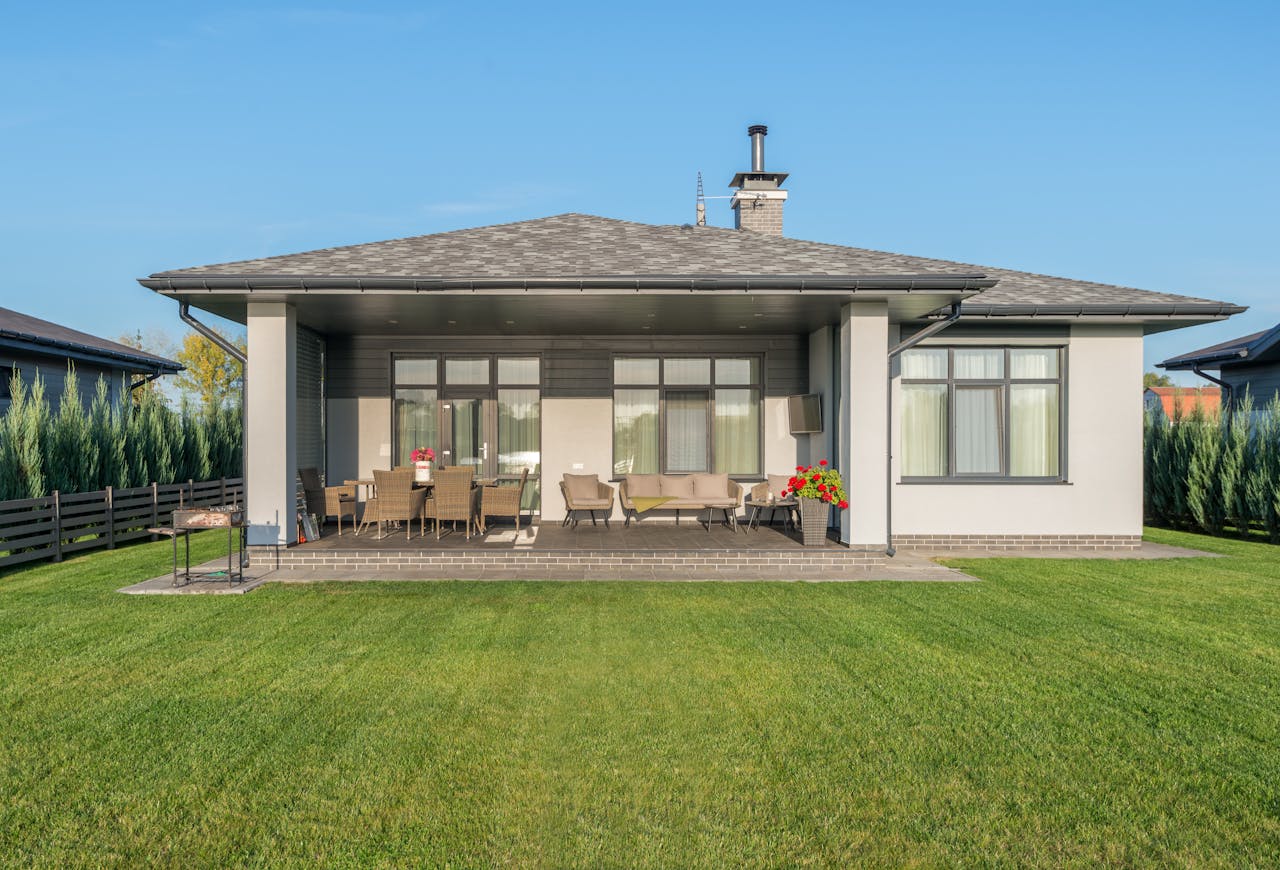
After 1945, builders poured out ranches and split-levels, and interiors had to keep pace with fast-moving house keys. Mid-century modern answered with low profiles and furniture scaled for smaller rooms, bigger families, and busy routines: compact dining sets left space for homework, slim sofas sat under picture windows, and long credenzas hid radios, records, and board games. Legs lifted pieces off the floor so rooms looked airy and brooms could pass, and the long, horizontal lines echoed ranch architecture, letting showrooms stage a whole-house mood that felt current, tidy, repeatable, and still livable for years.
The G.I. Bill Accelerated the Start-of-Life Shopping Spree

The 1944 G.I. Bill widened access to education and home loans, and the postwar years turned that promise into a rush of households. Instead of collecting furnishings over decades, many families needed a full set of basics fast, and department stores made it doable with staged rooms, catalogs, layaway, and installment plans that matched a first paycheck. Mid-century modern met the moment with coordinated lines that felt adult but not stuffy, plus pieces light enough to carry from a starter apartment to a ranch house, then rearrange when a baby claimed the spare room, making beginnings feel confident, not improvised
War-Era Materials Turned Into Everyday Comfort
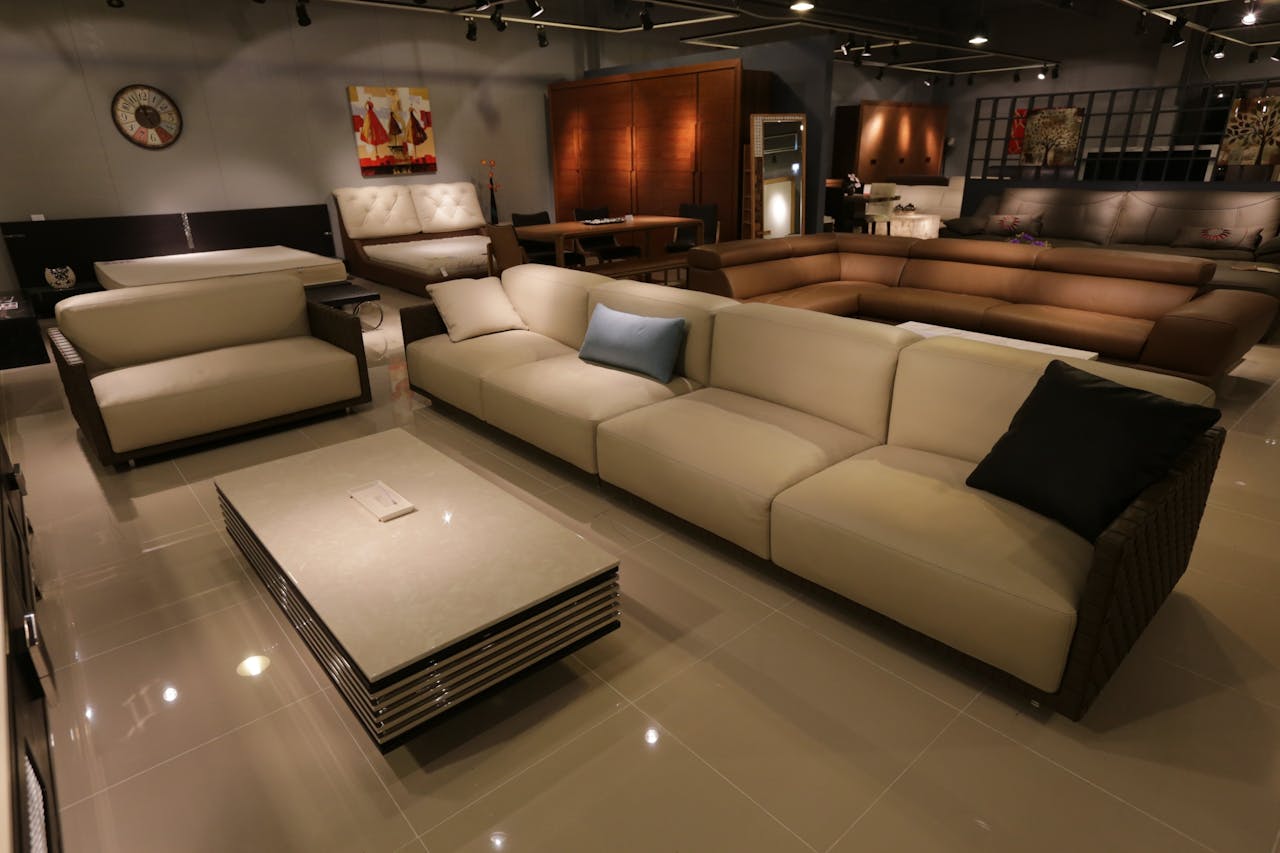
Wartime experimentation left designers with materials that behaved differently than traditional hardwood and upholstery: molded plywood, aluminum, steel tubing, foam, fiberglass, and plastic laminates. Factories that learned speed and precision for the war pivoted toward chairs, cabinets, and lighting, turning prototypes into repeatable parts that shipped nationwide without custom-shop delays. Those materials delivered a new kind of comfort, with springy curves, wipe-clean surfaces, and frames light enough to pull closer for conversation, then push back when the room needed to breathe, making modern life feel easier on contact.
Function Started Looking Like Good Taste
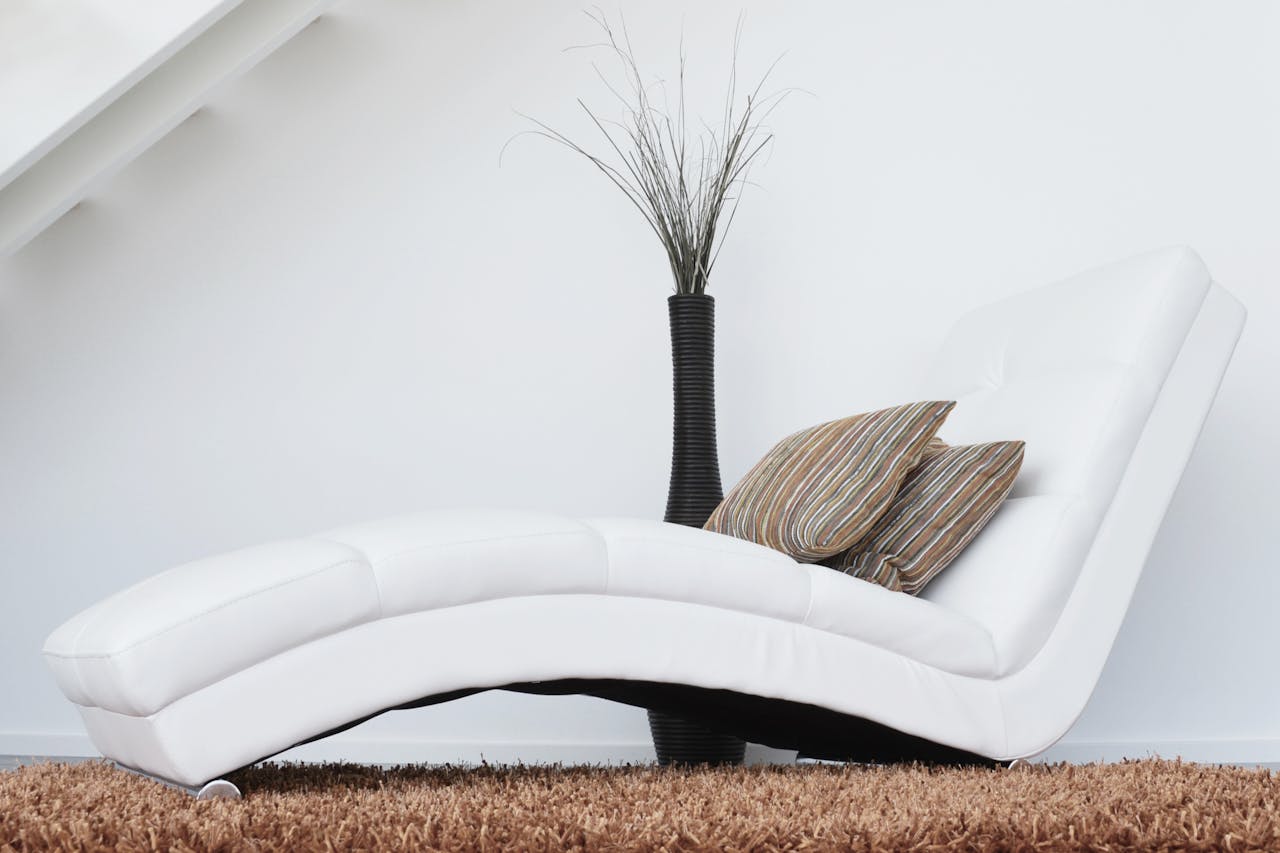
Mid-century modern treated furniture as equipment for daily living, not decoration that demanded constant caution. Tapered legs lifted cabinets off the floor so rooms felt lighter and sweeping got easier, while modular shelving, sliding doors, and long credenzas hid televisions, linens, and the mess that followed school projects; extendable tables welcomed holidays, and daybeds turned dens into guest rooms overnight. Hardware stayed simple, joinery looked honest, and the message was clear: practicality could be the point, and good taste could survive fingerprints, spills, and a crowded Saturday, without apology at all.
Scandinavian Warmth Met Bauhaus Clarity
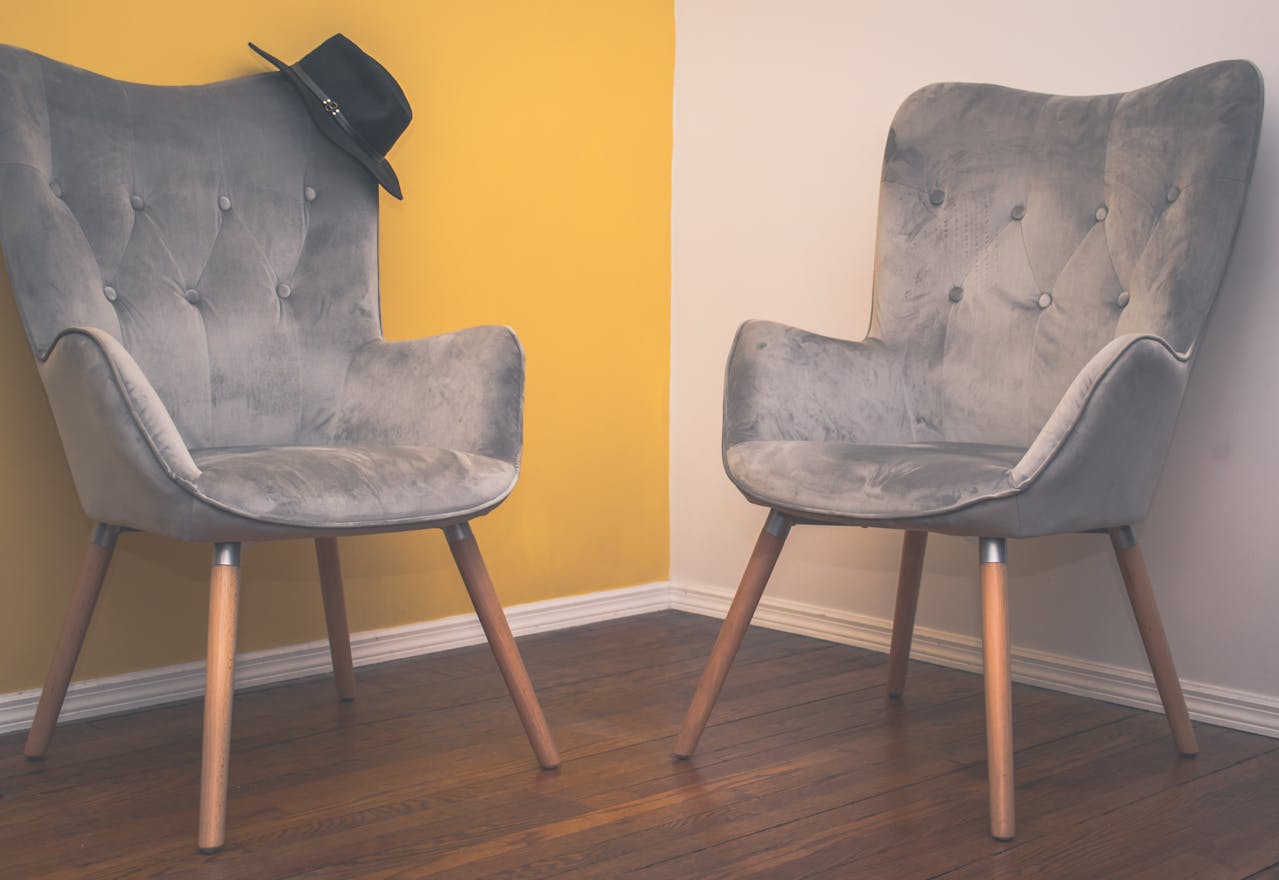
Americans were ready for a softer modernism than the chilly stereotypes of early industrial design. Scandinavian influence brought warm woods, woven textures, and a belief that comfort mattered, while Bauhaus principles insisted on clean structure and materials that looked like themselves. Mid-century modern fused those instincts into rooms that felt calm and readable: organic curves softened hard angles, textiles added warmth, and light fixtures created pools of glow instead of glare, while a teak chair, a wool rug, and a floor lamp could look intentional without turning the place into a showroom, so modernism finally felt human.
Open Plans Needed Furniture That Could Flow
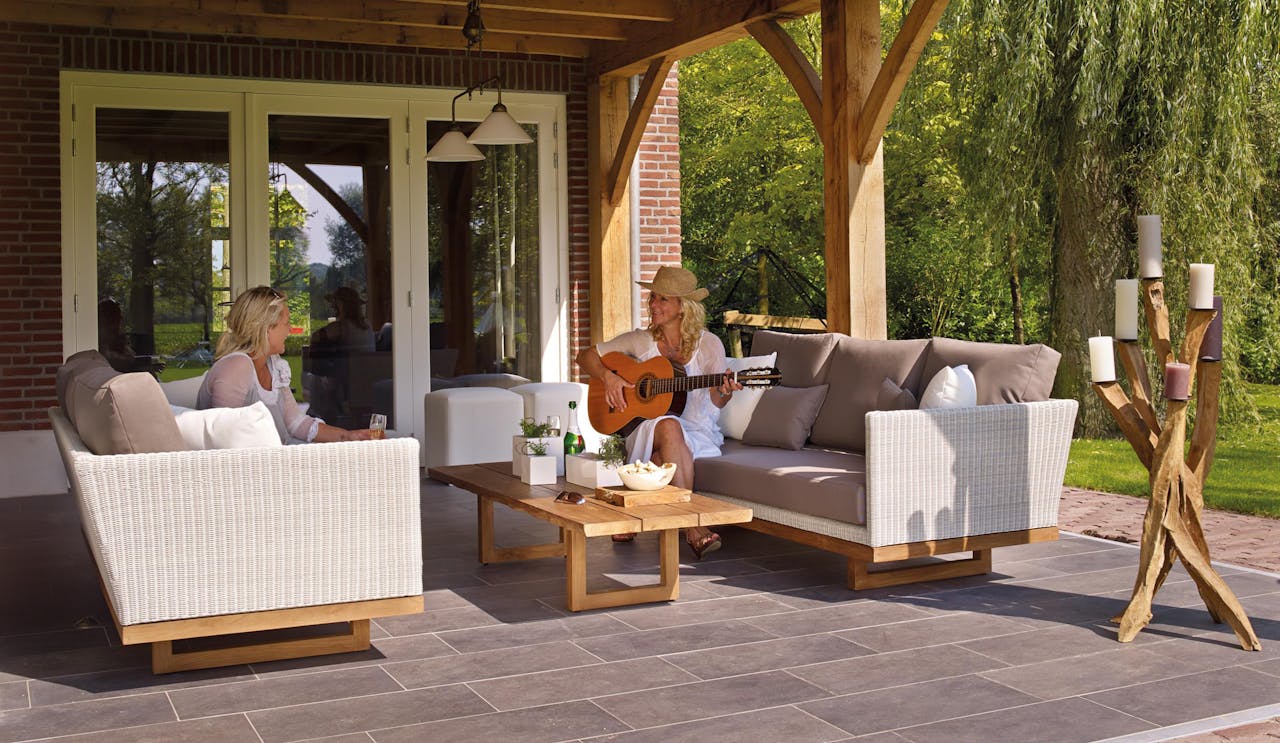
As postwar houses opened up, furniture had to stop behaving like it belonged in separate, formal zones. Low sofas and armless chairs kept sightlines clear from living area to dining table, while nesting tables, ottomans, and slim bookcases made corners useful without closing them in; rugs and credenzas quietly marked space for conversation, kids’ play, and cocktails, and floor lamps traveled where light was needed. Pieces could pivot toward the fireplace, the television, or the patio door, so the room shifted with the hour and the flow felt planned, not accidental, even in modest square footage and on busy weeknights.
Designers Became Household Names Through Retail

Retail helped turn modern design from a museum idea into something Americans could bring home in a delivery truck. Knoll and Herman Miller built showrooms and catalogs that framed the new shapes as practical choices, and that guidance mattered when tastes were shifting fast, especially in new neighborhoods; standardized finishes and sizing helped stores stock the same look across regions. Herman Miller notes that Charles and Ray Eames began their long relationship with the company in 1946 with molded plywood chairs, proof that daring form could still be manufactured and sold widely, and once the names stuck, so did the style.
The Look Photographed Like a Dream
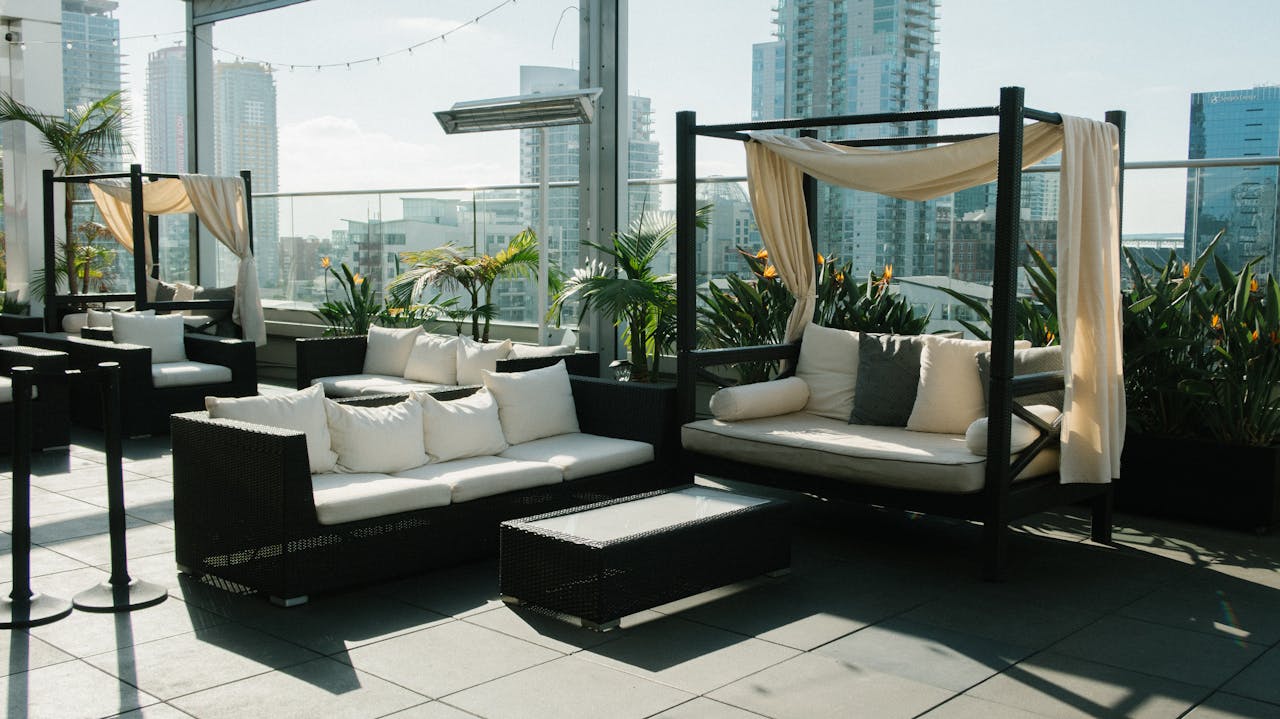
Mid-century modern did not just sit in rooms; it photographed beautifully, and media rewarded that clarity. Long horizontals, crisp angles, and confident color blocks read cleanly in magazines, department-store windows, real-estate brochures, and black-and-white television, where ornate detail often collapsed into murky texture. Builders staged model homes with low sofas, slim lamps, and tidy coffee tables because the scene looked brighter and larger on the page, and a starburst clock or walnut credenza could telegraph taste in one glance, so the message traveled from print to living rooms in weeks with little explanation.
Mass Production Made Modern Feel Attainable
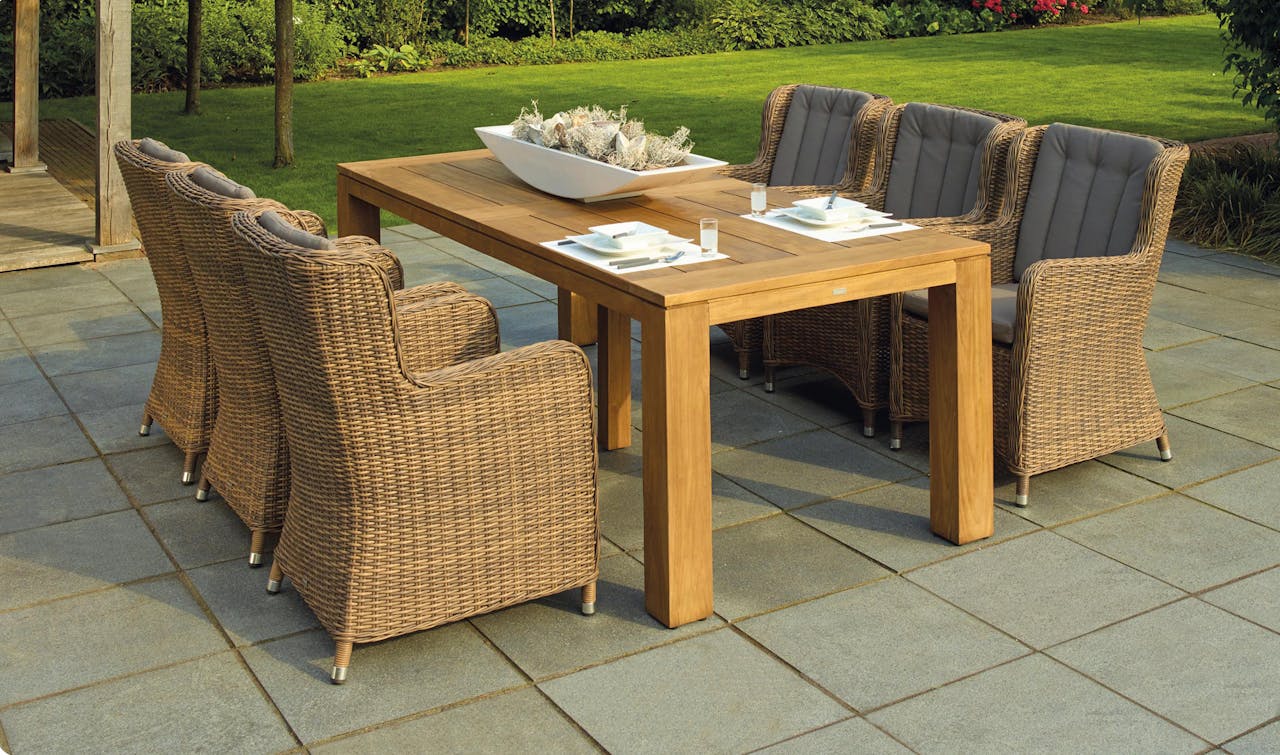
The movement thrived because it could be manufactured at scale without losing its character. Repeatable frames, veneers, and standardized parts let factories produce consistent pieces quickly, while retailers stocked coordinated collections in familiar woods and colors that stayed in style for years. Availability changed buying habits: a sofa, table, lamps, and storage could be purchased in one trip, delivered on schedule, and arranged in an afternoon, without waiting months for a cabinetmaker, and because the shapes were simple, one new piece could refresh a whole room while calm geometry made busy houses feel more orderly.