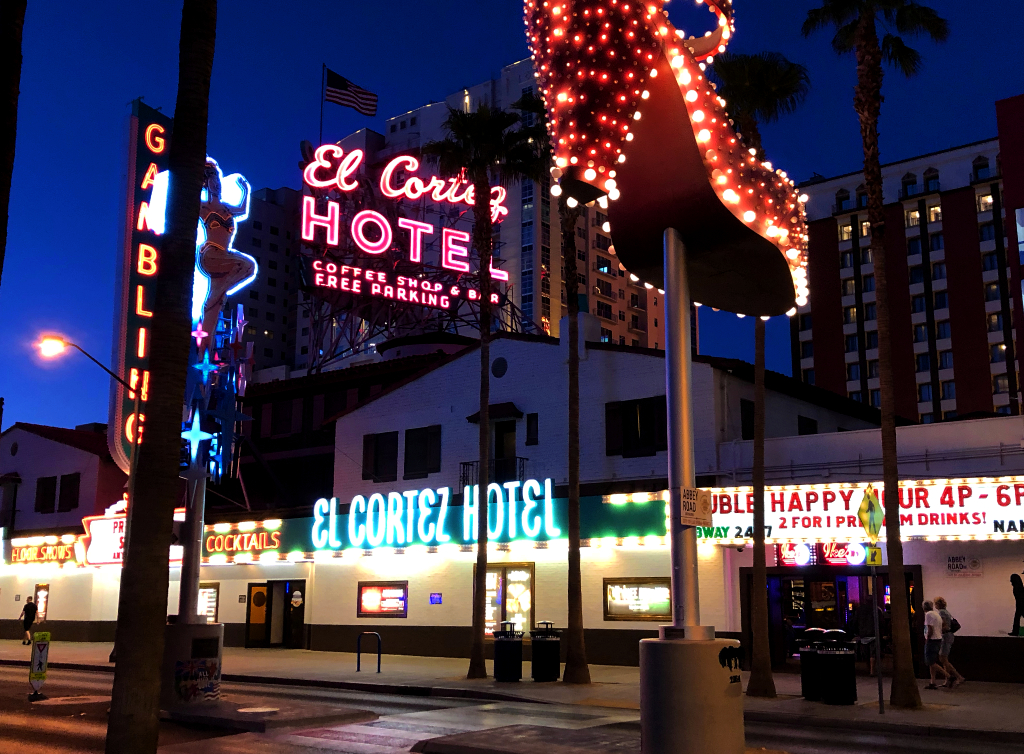
Travel can turn strangers into neighbors, even for a weekend. Most communities welcome visitors, but daily life runs on small rules nobody posts on a sign. A crowded bus, a narrow sidewalk, and a quiet courtyard feel simple until someone treats them like a set. Eye rolls come from repetition: the same loud jokes, the same shortcuts, the same mess left behind. Good travel manners are not perfection. They are attention, pacing, and respect for people who still have work, school, and errands to run. Locals notice who watches the rhythm, asks before acting, and makes space.
Blocking Sidewalks for Photos

Tourists pause for a perfect shot, then spread bags, tripods, and bodies across the sidewalk while commuters squeeze past with strollers, groceries, and a schedule that is not on vacation, often at the mouth of a subway exit. In dense neighborhoods, sidewalks behave like moving lanes near crosswalks, metro stairs, and bike docks, so a sudden group huddle creates a backup that ripples down the block, then spills into the street and bike lane. Locals rarely resent the camera. They resent the assumption that everyone else can reroute, wait, and smile through it, when one quick step to the building line keeps the street moving.
Treating Quiet Places Like a Stage
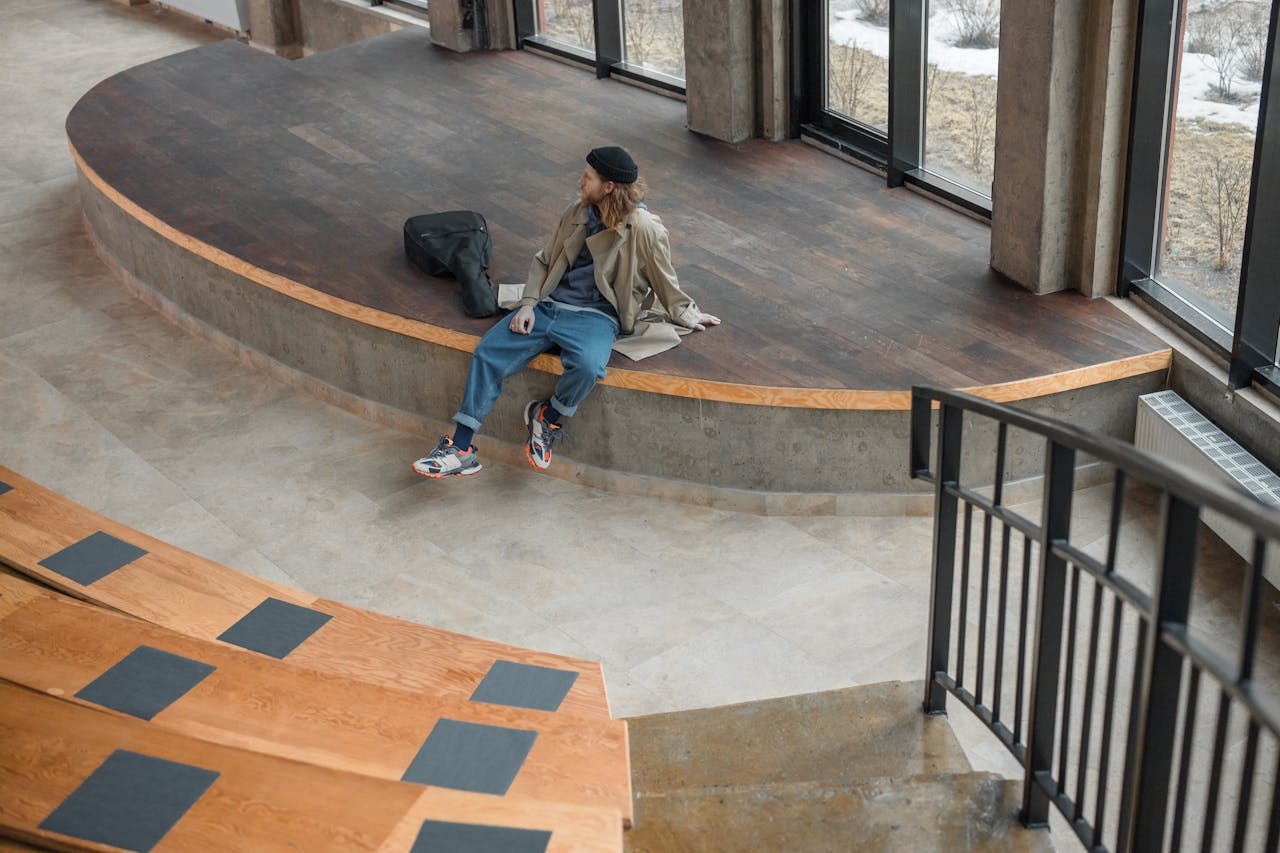
Memorials, temples, churches, and small museums carry an unspoken volume limit, yet some visitors narrate every thought, laugh loudly, and let speakerphone echo off stone and wood, even as others stand in silence or pray. The mismatch lands hard: a solemn plaque framed by exaggerated posing, flash photography where signs ask for none, and jokes that drown out prayer, guided talks, and the quiet of people paying respects after traveling far. Locals can handle curiosity and awe. The eye roll comes when travelers ignore the room’s mood, treat it like a set, and act offended when staff intervene, as if rules were optional in here.
Assuming Everyone Speaks English

Many locals know English, but opening with rapid demands, no greeting, and no pause shifts the work onto strangers already managing lines, deliveries, and long shifts, sometimes in a second language from morning to night. A simple hello, a please, and a few local words signal respect, and respect buys patience when menus need pointing, names get misspelled, or directions require repetition in noisy streets, on buses, or at ticket windows. Eye rolls appear when tourists get louder instead of clearer, or treat accents like a joke, even though slower phrasing, a translation app, and writing down an address usually solve the moment.
Dressing as If Rules Do Not Apply

Resort wear belongs at the pool, but wearing it on city transit, in markets, or inside sacred sites often reads as disregard, not freedom, especially in conservative neighborhoods where locals dress for shared norms. In places with modesty expectations, outfits that ignore posted guidance can feel like a deliberate snub, because residents have navigated the same heat and humidity while staying covered for generations, weddings, and funerals alike. Most tension disappears with small prep: a light layer in a day bag, shoulders covered when requested, and shoes where they are expected, so respect looks ordinary instead of performative.
Turning Local Food Into a Dare
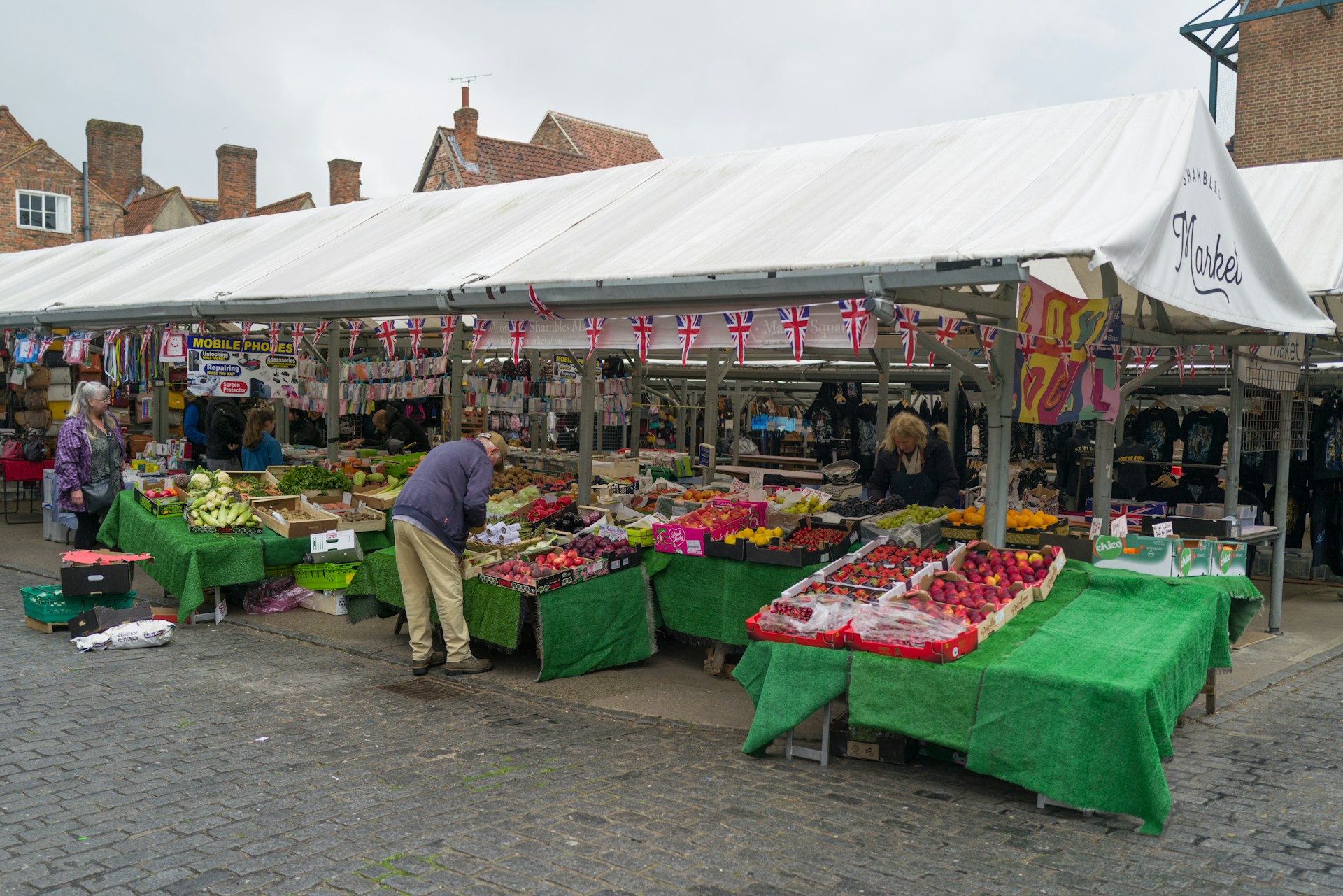
Some travelers treat regional dishes like a stunt, filming exaggerated reactions, gagging theatrically, and asking servers to defend flavors that feel unfamiliar, then posting it as comedy with the restaurant tagged. That performance turns a shared table into a punchline, and it dismisses the craft behind street stalls and family kitchens, where recipes carry memory, pride, and sometimes hardship, from ration-era improvisation to festival feasts. Curiosity lands better when it stays quiet: ask how to eat it, order a small portion, taste honestly, and decline without making the cook or vendor part of the joke with a simple thanks.
Haggling Where It Is Not Done
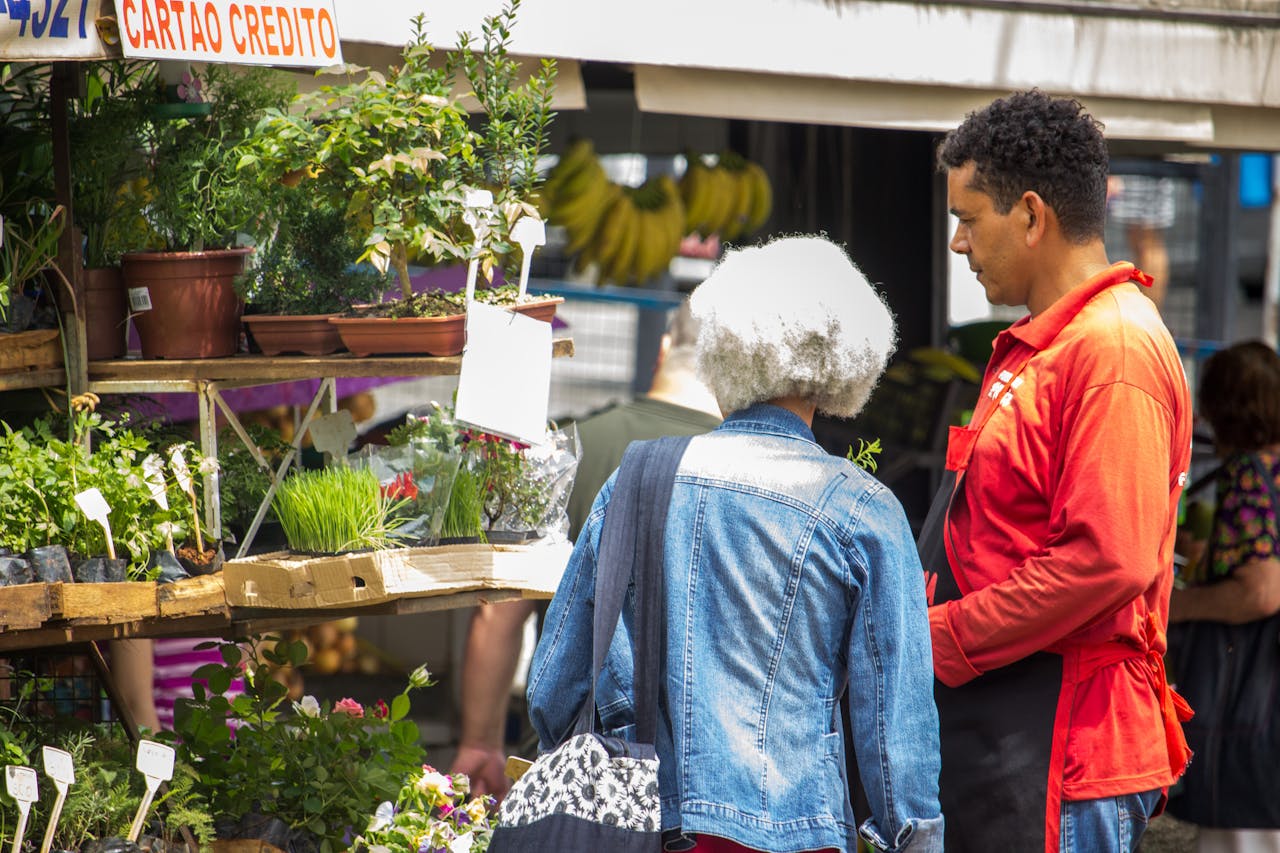
Bargaining can be normal in markets, but pushing it in fixed-price shops, cafés, galleries, and ticket lines feels like trying to win a game at someone else’s expense, usually while other customers wait and clocks keep ticking. Locals know which places negotiate and which run on thin margins, and they notice when a visitor holds up a queue to shave off a few coins, then acts offended at a polite no or points to a competitor down the street as leverage. The eye roll is not about saving money. It is about turning a basic transaction into a contest, with staff forced to play referee while the line grows and the mood sours for everyone.
Leaving Trash Behind

A cup left on a bench, a wrapper on a trail, and cigarette butts pressed into sand add up fast in destinations where bins overflow and wind carries litter into rivers and sea, especially after festivals and cruise days. Locals pay for cleanup through taxes, volunteer days, and stricter rules after peak weekends, from closed beaches to locked trailheads and extra patrols, plus street sweepers at dawn and crews pulling plastic from storm drains. Eye rolls follow the traveler who treats a living place like a disposable backdrop, then complains about signs and fines that exist only because the mess kept returning all season, too.
Misreading Tipping Norms

Tipping culture varies wildly, and the extremes can be awkward: over-tipping that embarrasses staff or warps expectations, and under-tipping where wages rely on gratuities to make rent and cover transit home. Some receipts already include service, while other places expect a small round-up, and locals notice when a visitor ignores what is printed, argues at the counter, asks staff to explain the custom mid-rush, or demands applause for generosity in front of friends. The smooth move is quiet research, a quick check for service charges, and a respectful amount left without a speech, a selfie, or a lecture about tipping culture.
Feeding Wildlife for Content

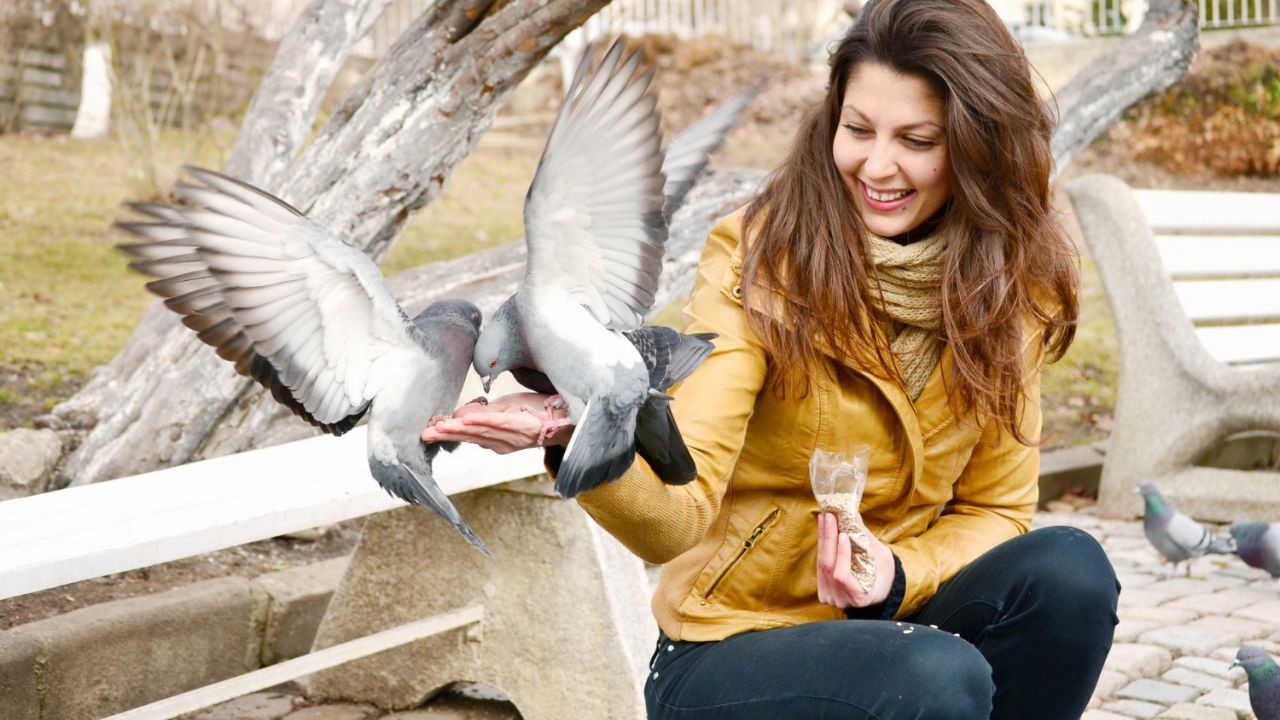
A monkey grabbing snacks, a deer eating from a hand, or a gull swooping fries may look cute online, but it trains animals to seek people and food, then escalates conflict on busy paths and picnic lawns where children run. Locals and guides watch the pattern repeat each season: bolder animals, more bites, more fencing, and closures that ruin parks and waterfronts for everyone, plus fines and new rules that arrive only after the damage is done. Eye rolls are often a warning, because one viral moment can end with injuries, frantic rescues, and animals removed or euthanized after repeated contact near crowds for public safety.
Complaining That Everything Isn’t Like Home

Some tourists compare every meal, room size, and transit delay to home, as if local life were being graded for comfort, speed, and familiarity, with every difference treated as a flaw, from smaller tables to no refills. Residents hear it as refusal to meet a place on its own terms, especially when complaints target customs that keep neighborhoods working, from late dinners and cash payments to slower service and midday closures that locals plan around. Eye rolls arrive when visitors declare a city overrated, then demand it change, instead of staying curious and learning the logic behind the rhythm, the architecture, and the pace.