Some cities love being photographed until the moment a visitor turns a sidewalk into a studio. Overtourism has made the pause itself the problem: people stop mid-flow, chase the perfect angle, and treat working neighborhoods like sets. The result is etiquette backed by penalties, not scolding. Rules target loitering in choke points, trespassing into private lanes, pointing cameras at people who did not agree, or setting up gear that blocks the street. The surprising part is how ordinary it all looks in the moment. A few extra seconds, one more retake, a step past a rope. In places under pressure, that can be enough to trigger a fine. Locals are not anti-photo. They just want space to breathe.
Portofino, Italy
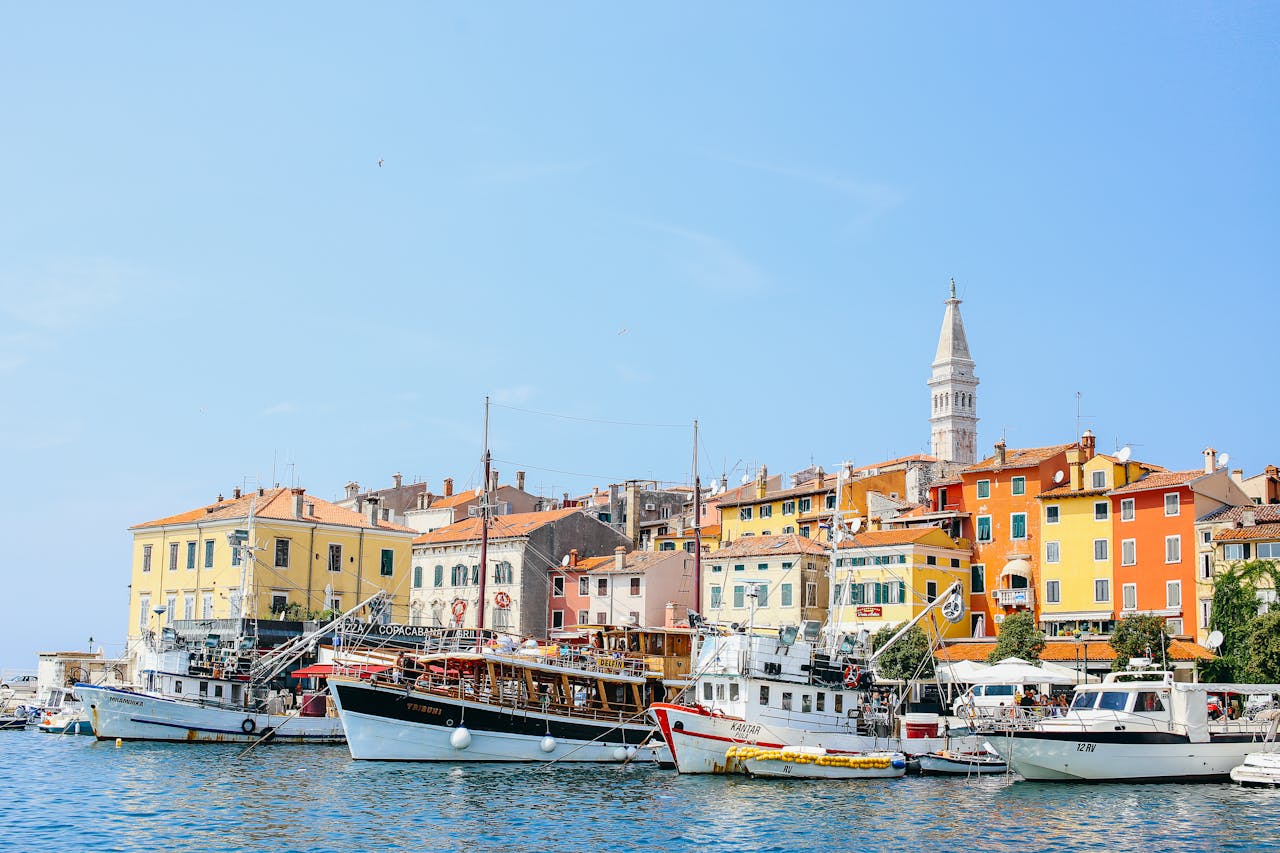
Portofino’s problem is not photography, it is the bottleneck that forms when people stop in the prettiest pinch points and turn the harbor walk into a line. During peak season the town marks short no-waiting zones along sections of the waterfront, and lingering there in daytime hours has been tied to fines reported up to €275, framed as crowd control rather than a ban on pictures. Locals still expect visitors to admire the view, they just want the shot taken quickly, bags tucked in, and the lane cleared so deliveries, strollers, and everyone else can pass without daily gridlock, elbowing, or tempers flaring by midday.
Kyoto, Japan
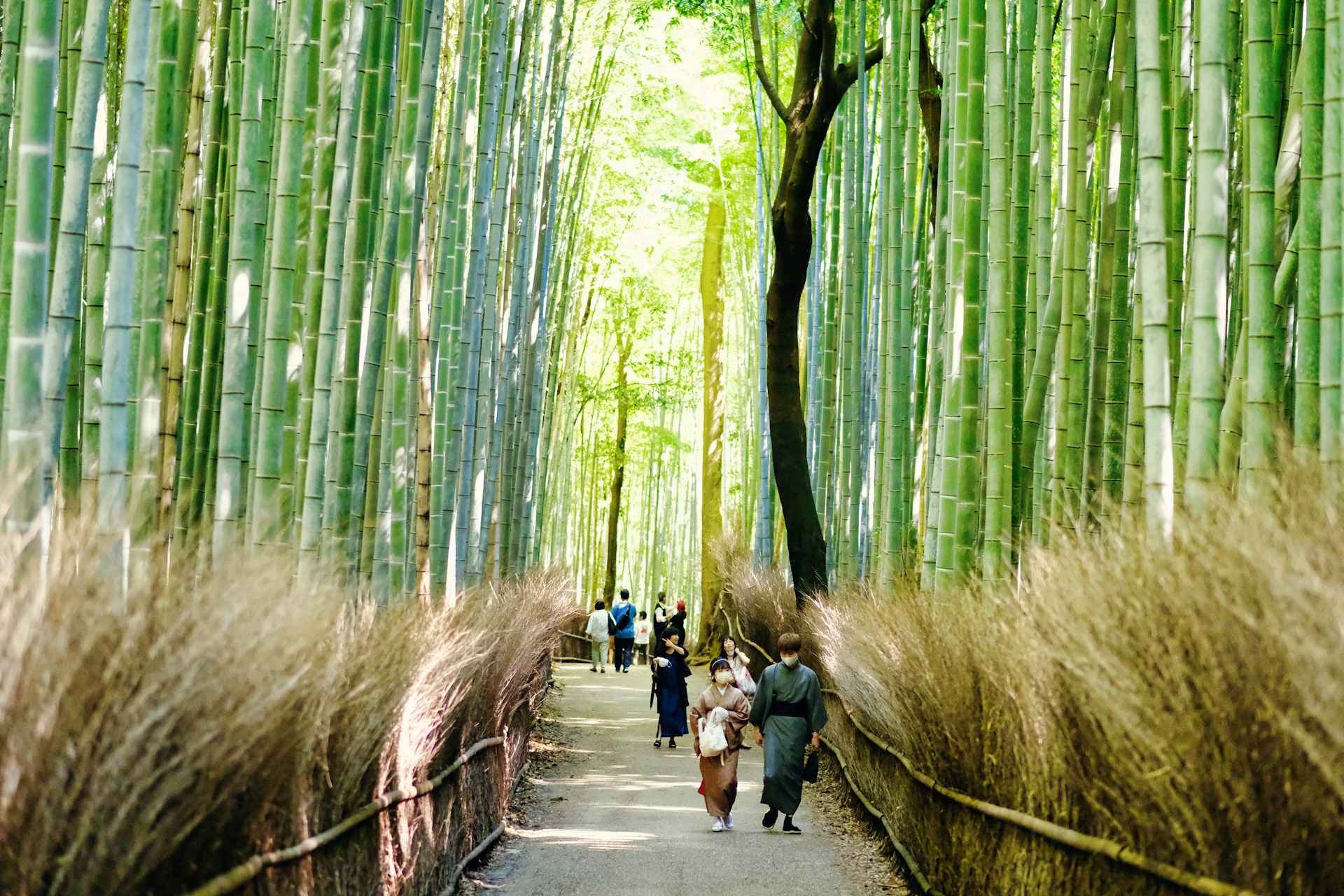
In Kyoto’s Gion, the tension is not about beauty shots, it is about trespass and the way constant filming can turn living culture into a chase scene. From April 2024, some privately owned alleys posted keep-out notices backed by a ¥10,000 fine for unauthorized entry, after years of complaints about visitors crowding narrow lanes, blocking doorways, and photographing geiko and maiko without consent. The district still welcomes respectful viewing on public streets, but the quieter back lanes now signal a firm boundary: private property stays private, schedules are not for spectators, and residents deserve a calm walk home.
Amsterdam, Netherlands
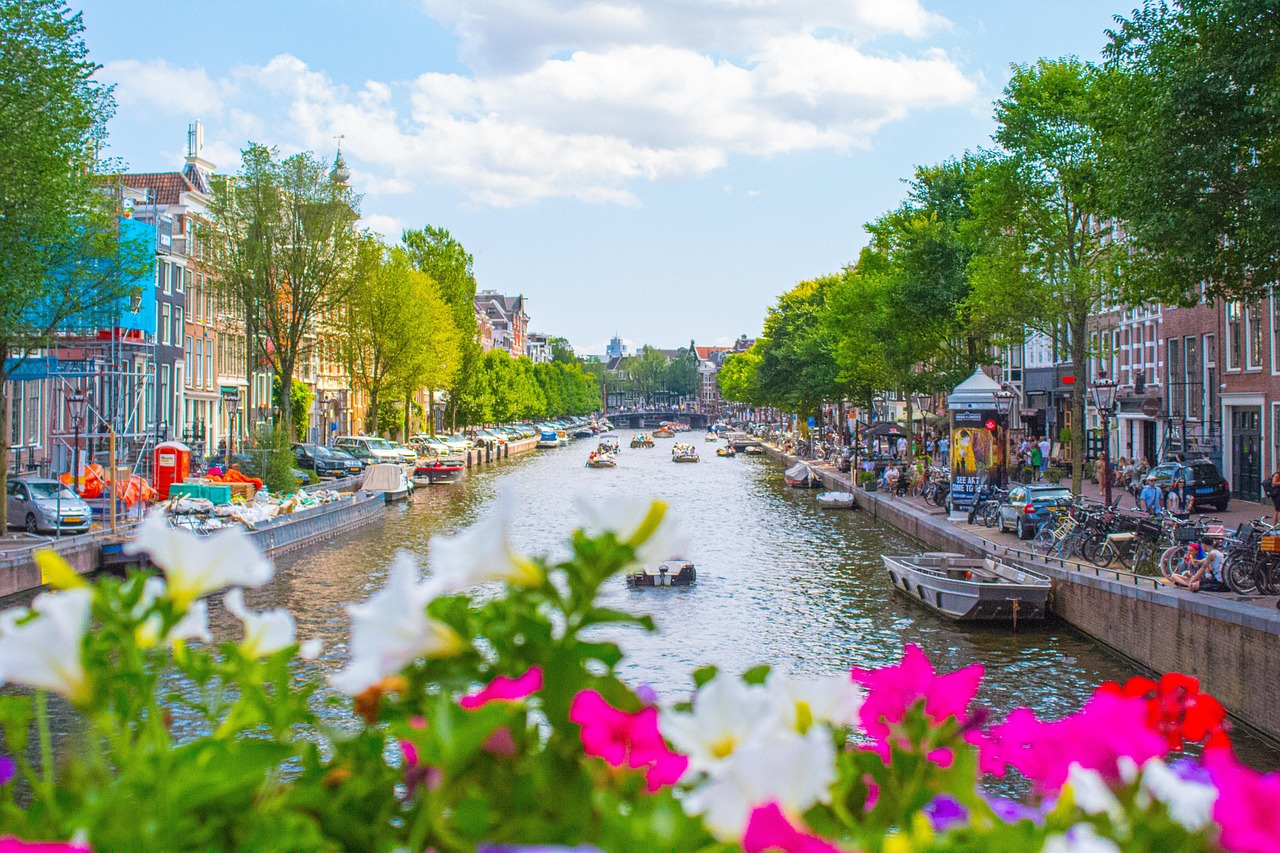
Amsterdam’s Red Light District draws cameras, but it draws an even sharper rule: photographing sex workers in the windows is prohibited, with posted warnings that have cited a €95 fine. The aim is dignity and safety, because even one clear image can be copied, translated into harassment, and circulated far beyond the neighborhood in minutes. Street scenes and canal architecture are fine, yet a phone angled toward occupied windows or identifiable workers crosses the line fast, and staff, residents, and police react quickly when they see someone hovering, zooming, or setting up a repeat take for friends, especially at night.
Dubai, United Arab Emirates
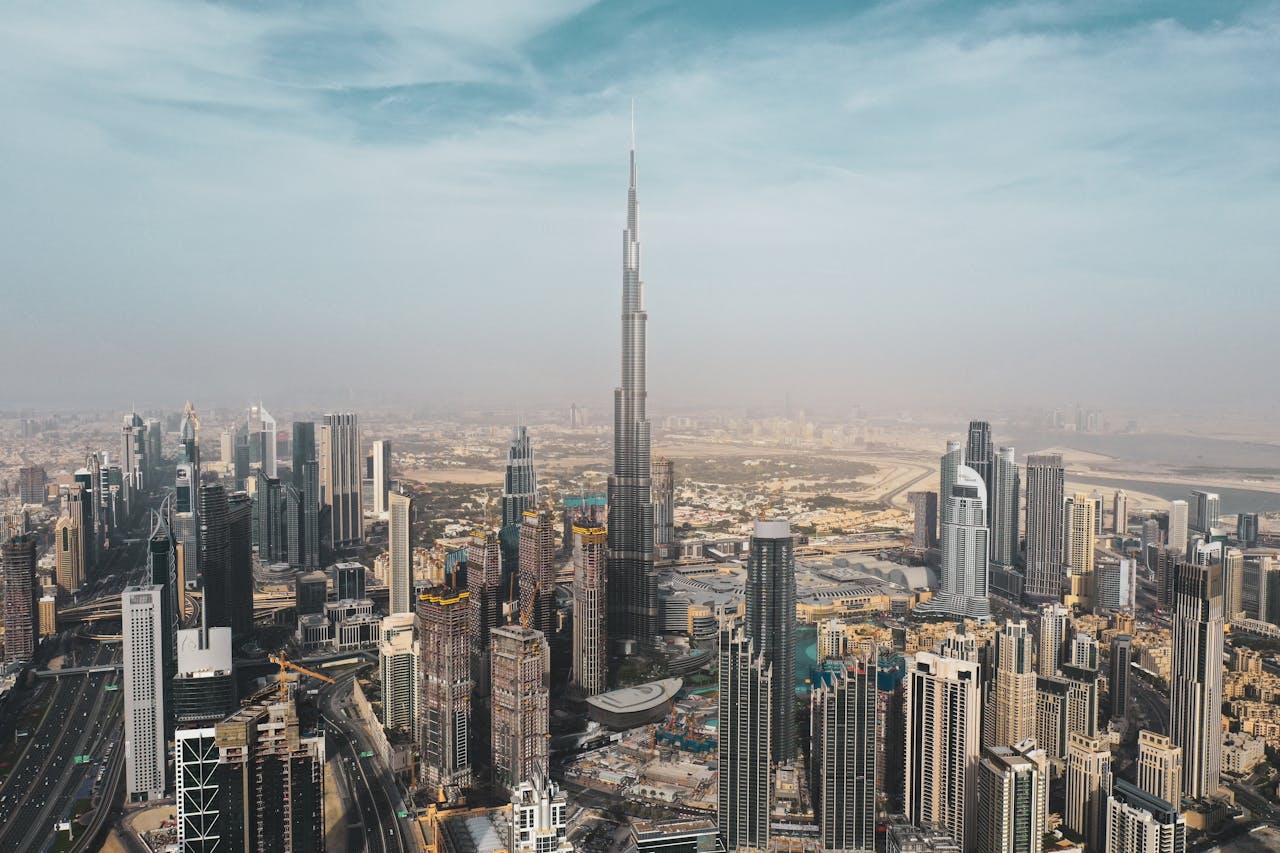
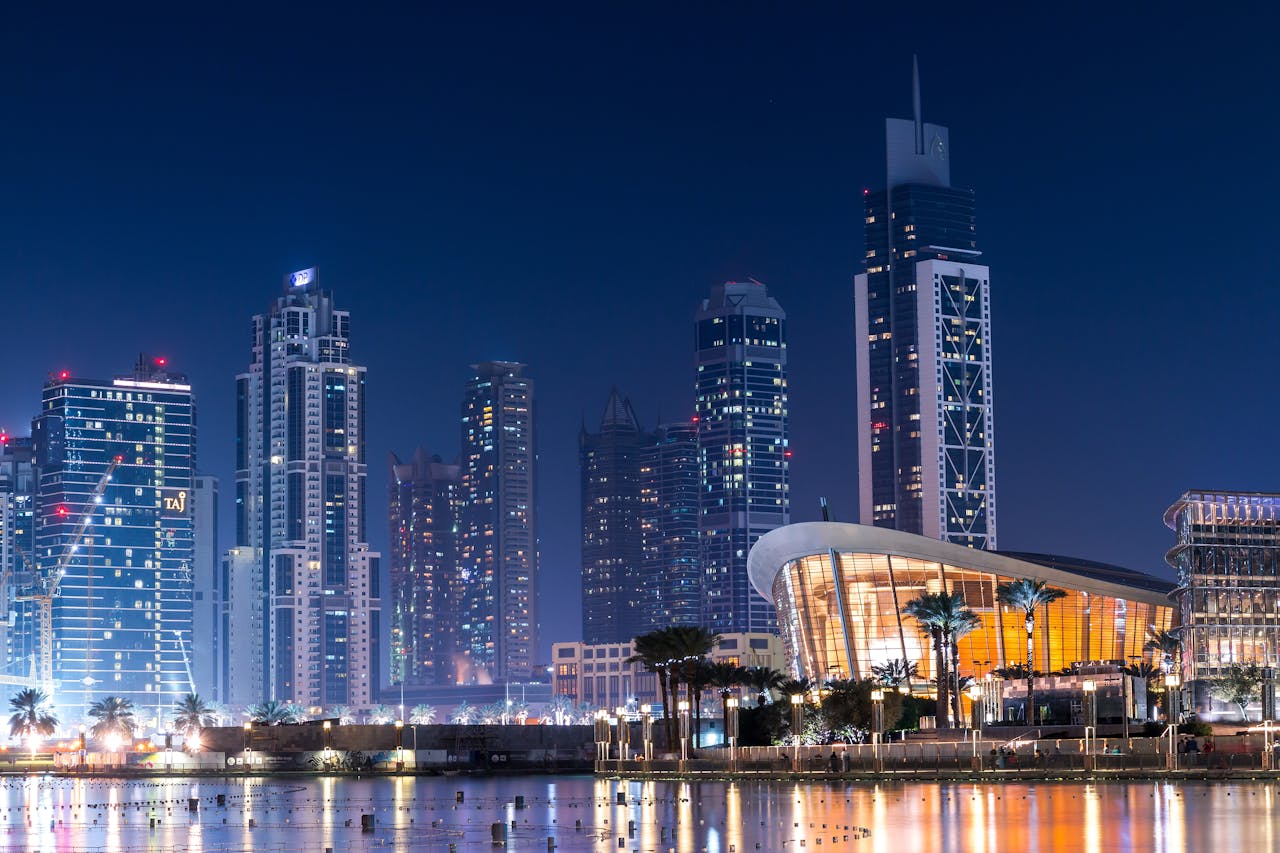
Dubai looks built for postcards, yet privacy law can make casual people photos the fastest way to ruin a trip. Authorities and local legal guidance warn that taking or sharing someone’s image without consent can lead to heavy fines and, in serious cases, jail, especially if the post exposes private moments or causes reputational harm. Landmarks are easy, but faces in incidents, arguments, workplaces, or family settings are the trap, so the safest habit is to frame wide, avoid strangers as the subject, ask before capturing anyone clearly, and keep sensitive moments off social media, even in group chats or story posts.
Barcelona, Spain
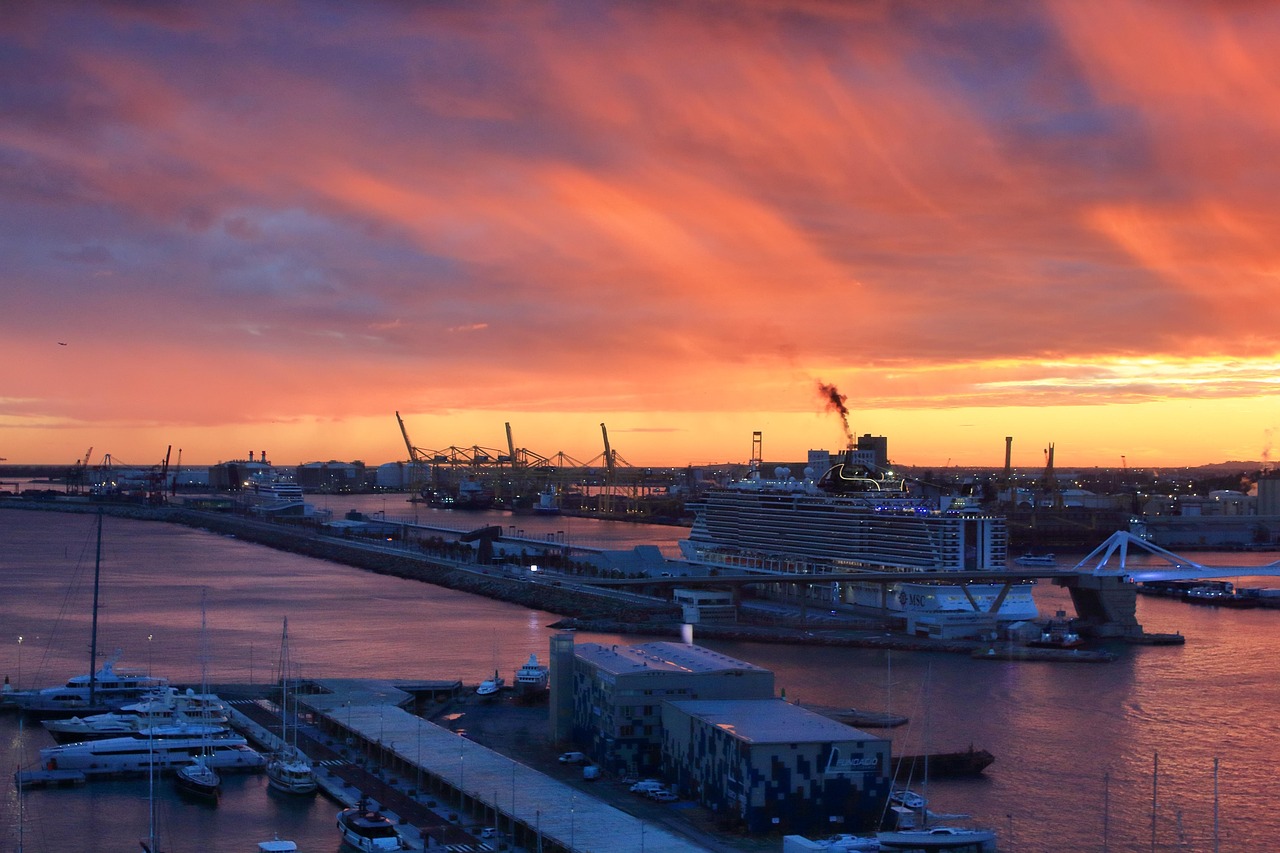
Barcelona welcomes everyday street photography, but it pushes back when a shoot blocks the city’s rhythm in places already strained by crowds. Municipal rules require permits for filming or photographing in public spaces when tripods or special equipment are used, and similar permission can apply inside city markets where aisles are tight and vendors rely on steady foot traffic. It is a practical boundary, not an artistic one: gear that anchors someone in place can obstruct shoppers, staff, and emergency access, so handheld photos keep things simple while still capturing the city’s texture, color, and everyday motion.