By 2026, a growing number of Americans are looking for a calmer kind of convenience. Not a retreat from opportunity, but relief from traffic, long errands, and the sense that every plan costs extra time. In the right small town, daily life stays legible: a downtown that handles real needs, parks that get used, and arts or campus energy that keeps the week interesting. Many also sit near regional airports, rail stops, or strong highways, so careers do not have to shrink. The payoff is quieter mornings, shorter drives, and social life that happens naturally, without constant crowds or a calendar packed just to feel alive.
Paducah, Kentucky
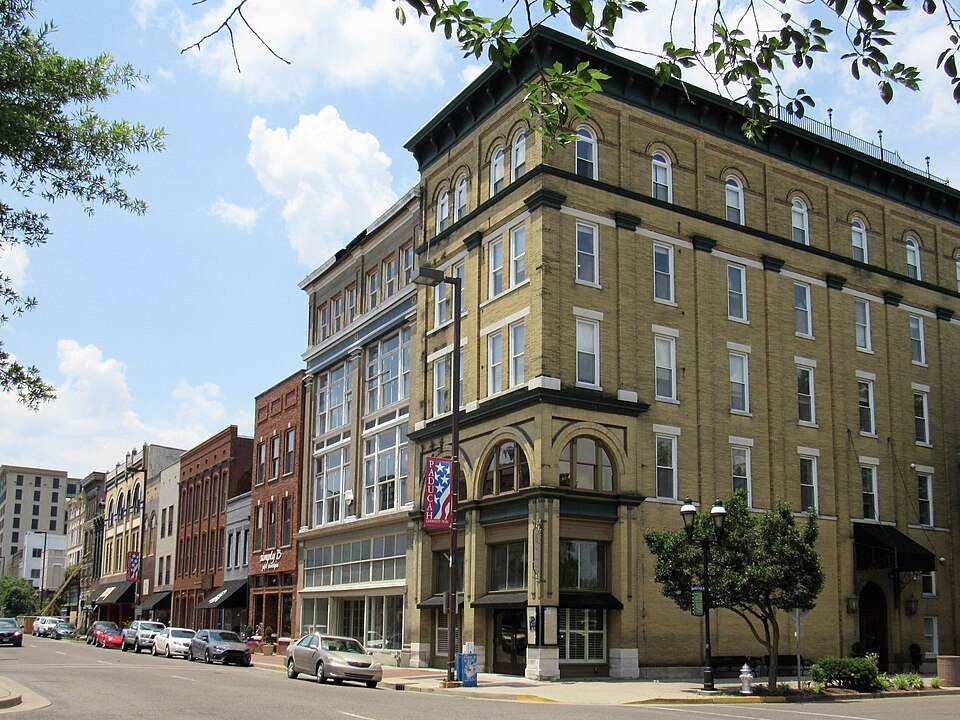
Paducah built an everyday life around craft, not just tourism. Its UNESCO Creative City status for Crafts and Folk Art, granted in Nov. 2013, shows up in studios, murals, and a downtown that stays active without feeling frantic. The creative energy sits close to home, so arts stops can fit between regular errands.
The National Quilt Museum adds nearly 30,000 square feet of exhibitions, and the Ohio and Tennessee rivers meet nearby. That river geography gives the town a calm edge. Parking stays simple, streets stay readable, and evenings still have room for a walk, a show, or quiet river light, most nights, without a long drive.
Marquette, Michigan
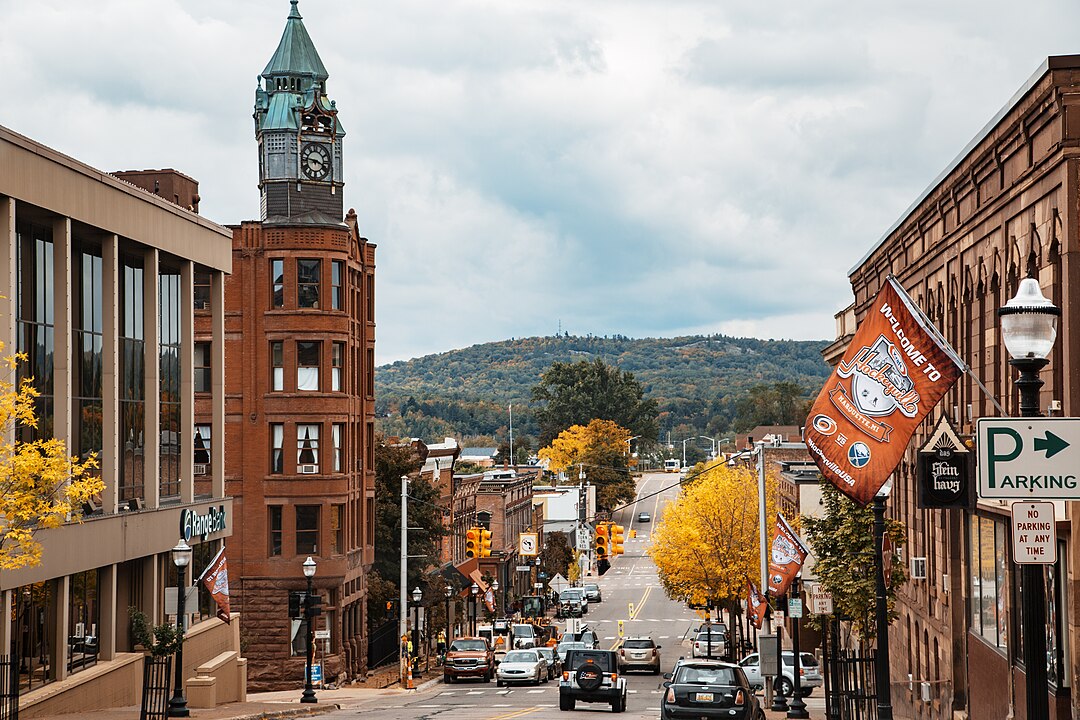
Marquette is built around Lake Superior, and the water keeps the town from feeling boxed in. It is the largest city in Michigan’s Upper Peninsula, and a major port long associated with shipping iron ore from the Marquette Iron Range. Lakefront parks and a compact downtown give daily life a sense of place.
Northern Michigan University sits in town and keeps the calendar full, but the scale stays humane. Commutes stay short, parking rarely turns into a project, and errands can be chained together without a maze of streets. Between shoreline trails and neighborhood cafés, routines tend to feel finished before they feel exhausting.
Frederick, Maryland
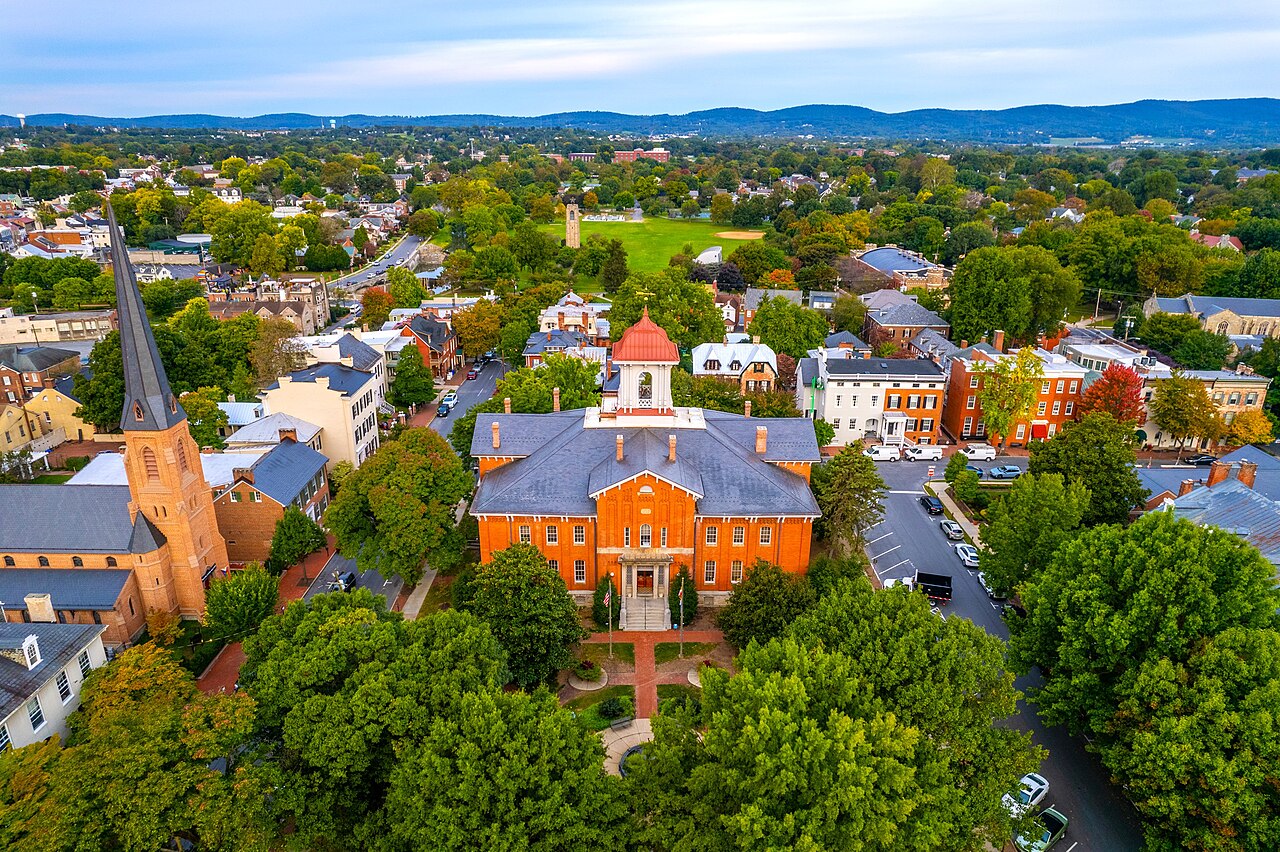
Frederick feels like a small city that kept its human proportions. Downtown is dense enough to support more than 200 specialty shops, galleries, breweries, distilleries, and restaurants, yet calm enough for a quick parking spot and a short walk that covers a lot. Along Carroll Creek, public art and patios give weeknights an easy, local vibe.
For residents who still need bigger hubs, the MARC Brunswick Line runs weekday service into Washington, D.C., with evening trains that terminate in Frederick. That link keeps opportunity close, while the town’s daily rhythm stays steadier than a full-time metro grind for many households.
Staunton, Virginia
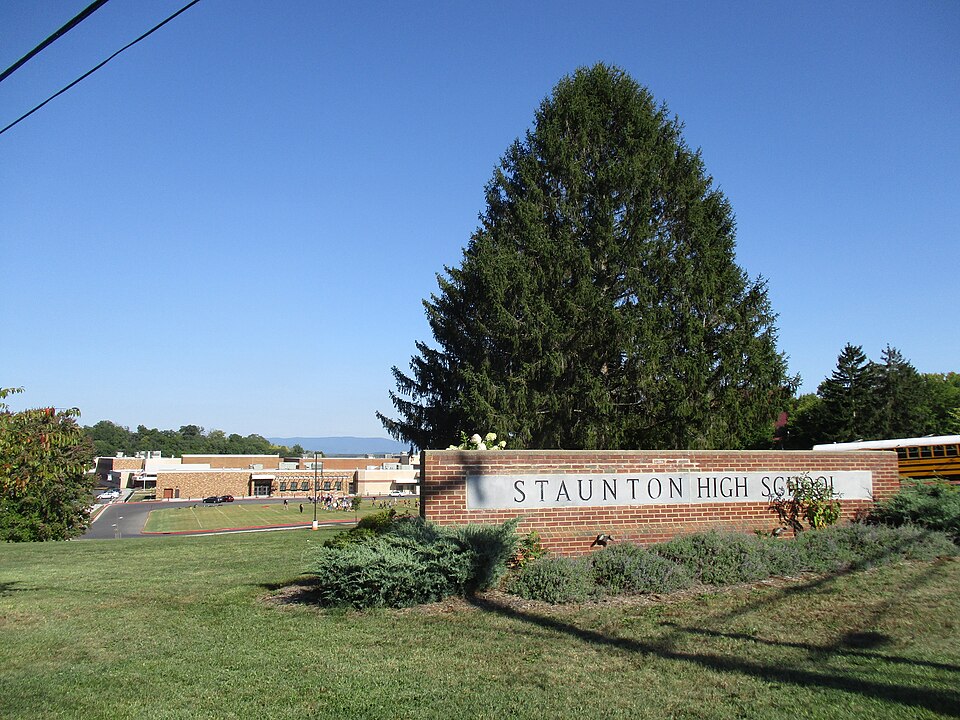
Staunton runs on the kind of downtown culture that big cities often overpromise. The American Shakespeare Center’s Blackfriars Playhouse is billed as the world’s first modern re-creation of Shakespeare’s original indoor theater, and performances keep the calendar lively without turning streets into a crush.
The setting helps, too: brick blocks, small cafés, and a walkable core that stays practical during the week. Set in Virginia’s Shenandoah Valley, outdoor escapes sit close by. Amtrak’s Cardinal serves Staunton station on its New York to Chicago route, a rare small-town perk that keeps the place connected most days.
Fayetteville, Arkansas
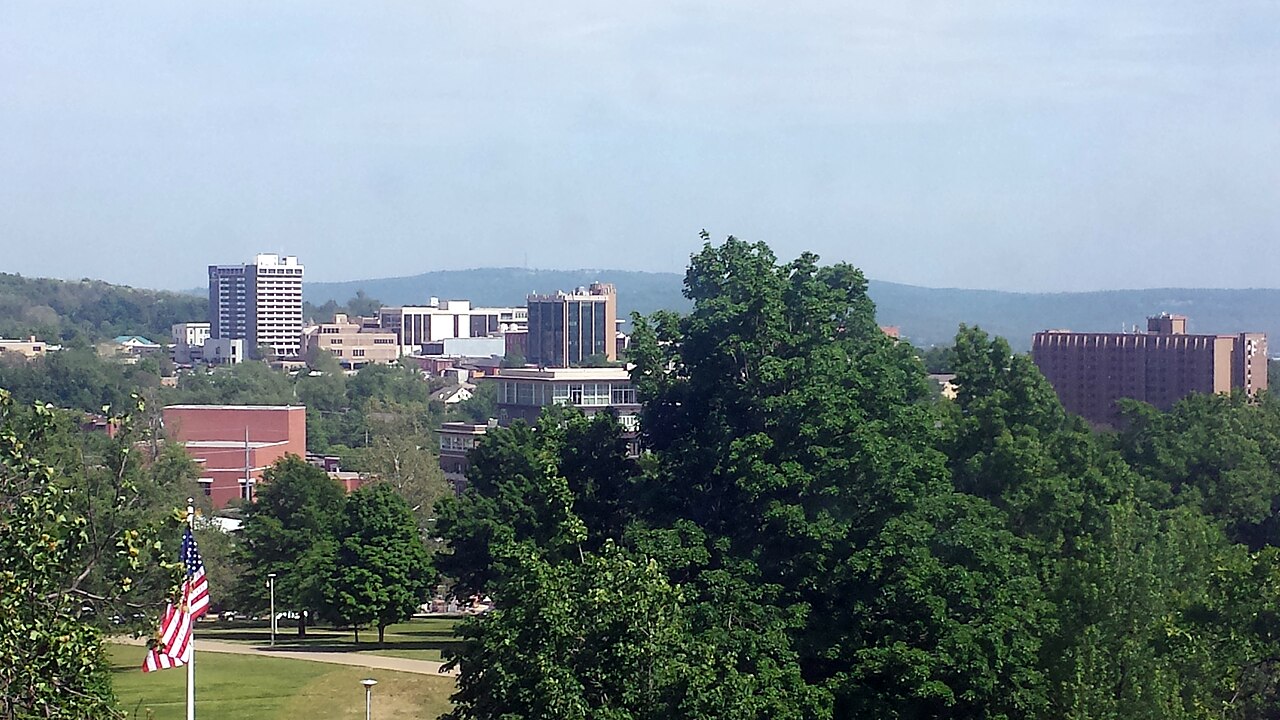
Fayetteville carries a college-town pulse, but it stays easy to navigate. The University of Arkansas anchors the city, bringing sports, lectures, and a steady churn of new small businesses, without demanding a big-city commute just to cover basics. Downtown, especially around Dickson Street, stays walkable and social, even on ordinary weeknights after work.
The Razorback Greenway helps daily movement feel simpler. The paved, primarily off-road trail runs 40 miles through Northwest Arkansas, linking Fayetteville north toward Bella Vista, so an evening walk or bike ride can feel like part of the week instead of an extra trip.
Decorah, Iowa
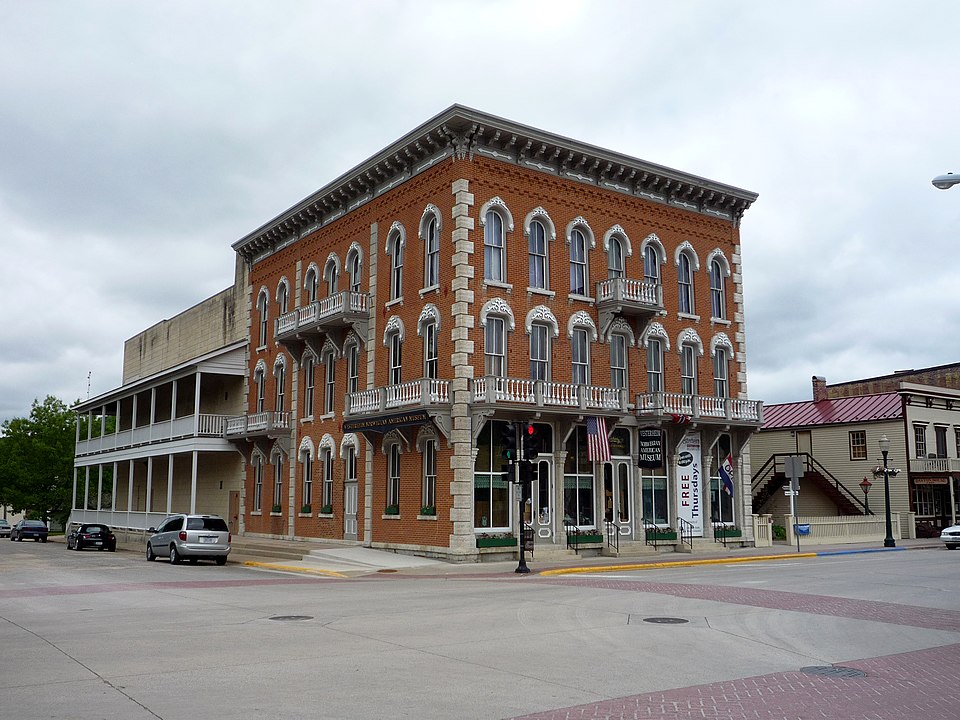
Decorah feels steady, not sleepy, and that difference matters. Vesterheim, the Norwegian-American Museum and Folk Art School, holds more than 33,000 artifacts and a Heritage Park with 12 historic buildings, giving the town culture that does not rely on hype. A compact Main Street keeps daily needs close, so life does not sprawl across miles.
Luther College sits in Decorah and adds concerts, talks, and a gentle campus buzz that keeps winters from feeling too quiet. Set in Iowa’s Driftless hills near the Upper Iowa River, the town makes it easier to trade long drives for short, scenic routines most weeks, and familiar faces.
Corvallis, Oregon
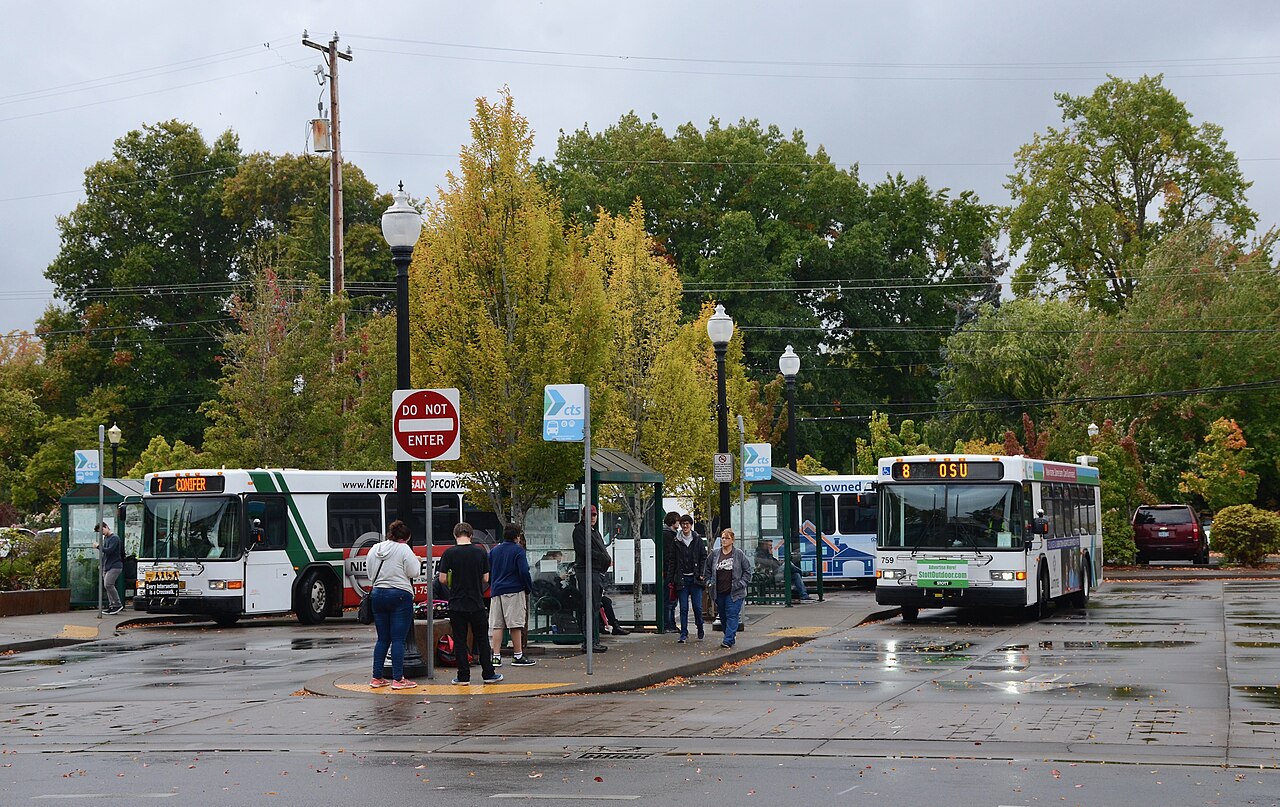
Corvallis keeps the benefits of a university town without the constant scramble of a major city. Oregon State University anchors it, and the campus is an accredited arboretum, so tree-lined paths and green space feel like part of the town’s everyday layout.
A significant portion of the campus was designated a National Historic District in 2008, which helps the core stay walkable and visually coherent. Corvallis sits about 83 miles south of Portland, close enough for a day trip, far enough to keep traffic calmer. The Willamette Valley setting keeps errands tight and weekend escapes within reach, even in winter rain, most days.
Eau Claire, Wisconsin
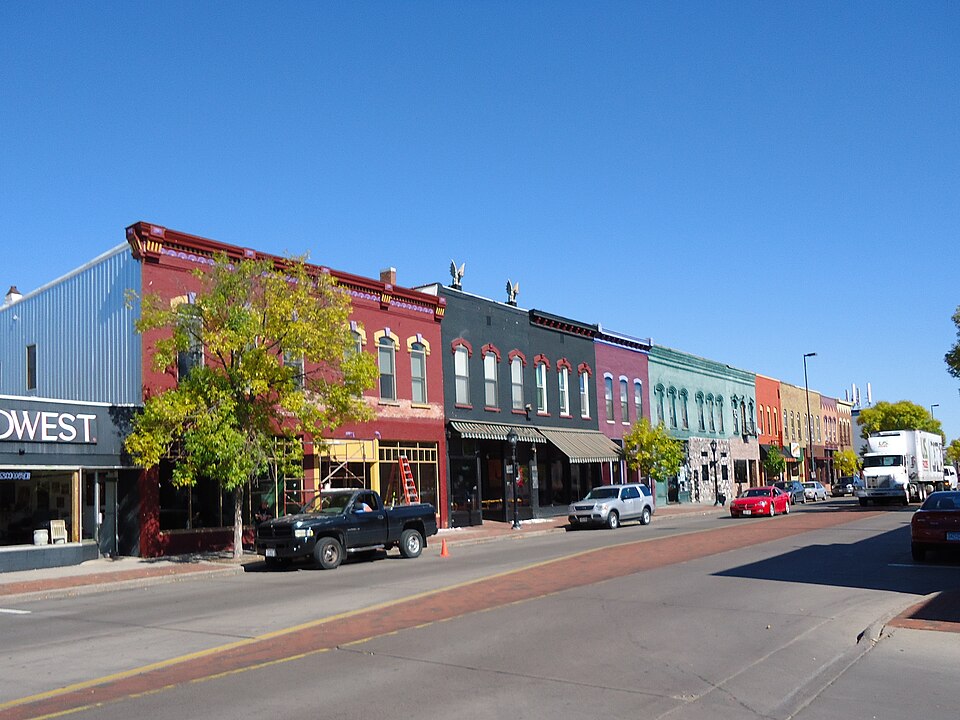
Eau Claire has the feel of a small city that decided to stay friendly. Its name comes from French for clear water, tied to the Eau Claire River, and the downtown sits at the confluence with the Chippewa River, which gives the center a natural gathering point. Water and trees soften the edges of the built-up blocks.
Pablo Center at the Confluence adds a serious arts anchor, sitting right by the rivers. The university presence keeps events steady without overwhelming the streets. River paths, compact neighborhoods, and a downtown that can be crossed quickly make it easier to fit life into a day, instead of a commute, most weeks.