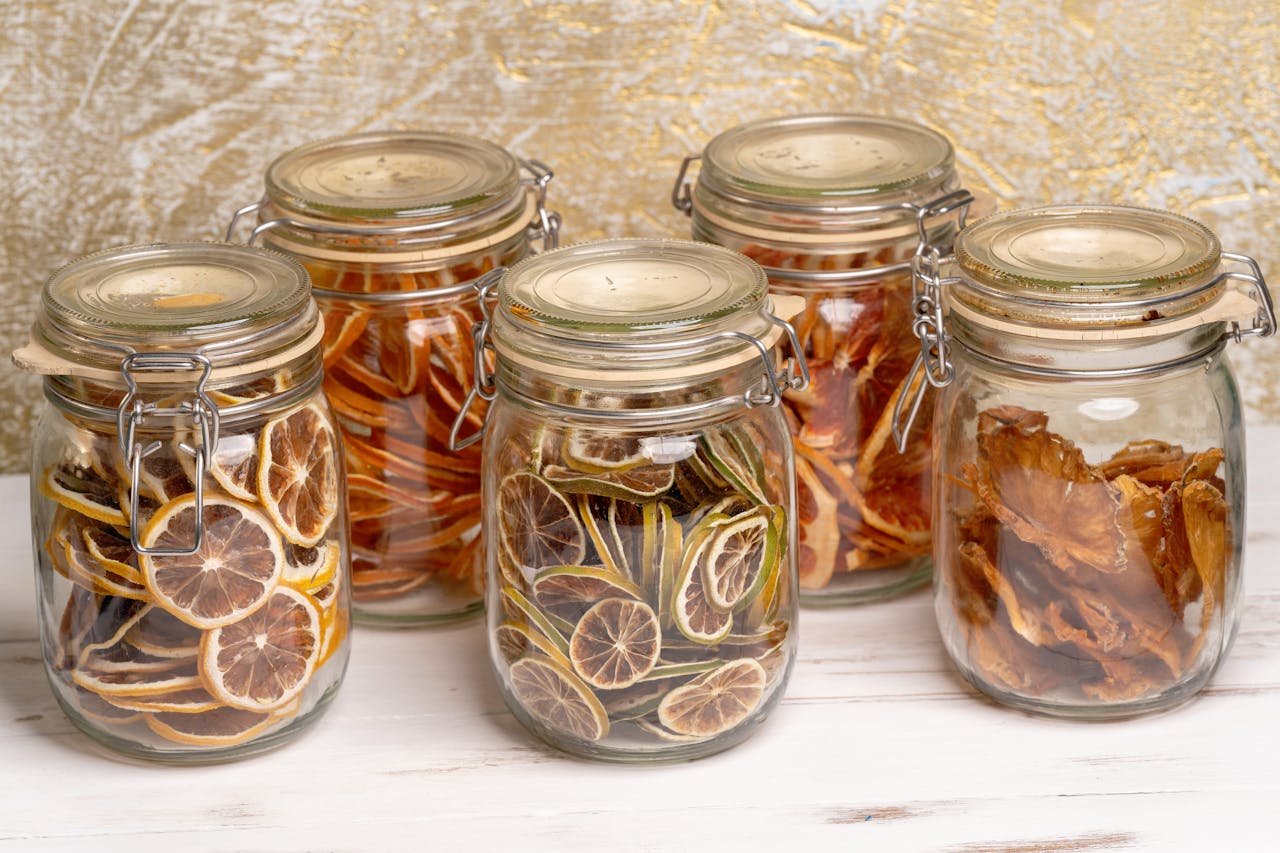
Home canning has never been just a hobby. At its best, it turns a short harvest window into months of steady meals, small gifts, and calm insurance against lean weeks. It grew when iceboxes were unreliable and store supply was uneven, then tightened into a craft as jars, lids, and guidance improved. It asked for patience, clean hands, and respect for heat. The appeal is practical: food gets saved at peak flavor, labels keep time, and a pantry becomes a visible plan. Across decades, canning also carried community, with neighbors trading jars, swapping recipes, and showing up when a garden overflowed. These moments show how the skill moved from improvisation to household power, one sealed lid at a time.
An 1858 Patent That Put Summer in Glass
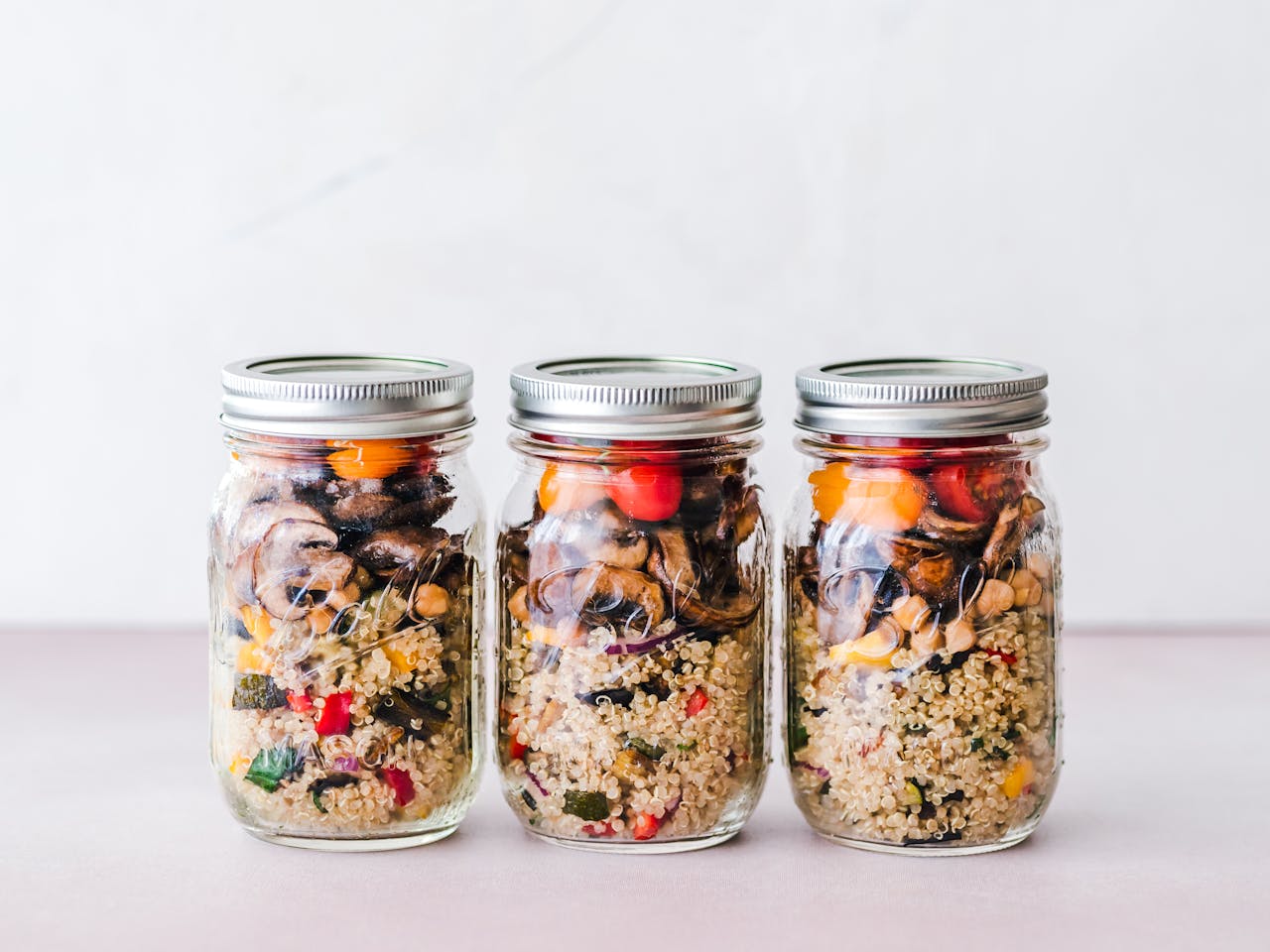
When John Landis Mason patented his screw-thread jar on Nov. 30, 1858, the win was simple: a container that sealed the same way every time. Threads on the neck and a matching cap replaced wax-and-cloth improvisation, so preserves became repeatable, not lucky. After the patent expired in 1879, lookalike jars spread fast and prices fell. Households could bank peaches, pickles, and jam with confidence, and the pantry began to feel like a reserve rather than a gamble. In many homes, that meant fewer wasted jars, fewer spoiled batches, and more food that could be counted like savings. Pantry shelves began to look orderly, not improvised.
Ball Jars Turned Canning Into a Staple Purchase
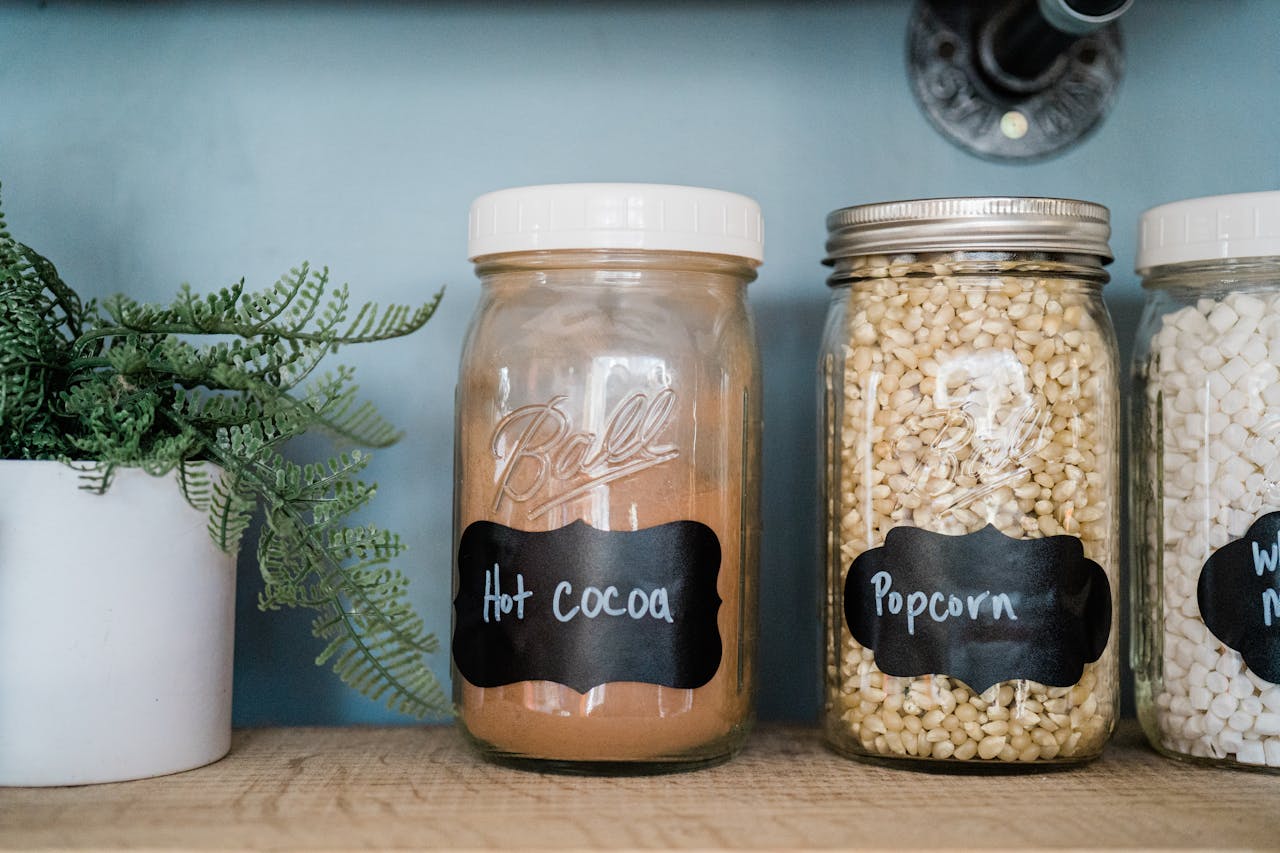
When Ball began making home-canning jars in 1884, canning moved from occasional ingenuity to something a household could plan around. Standardized glass and widely sold replacements meant jars were no longer precious one-offs. They were gear. That changed habits: rings got saved, flats got replaced, and extra jars stayed ready for surprise produce from a garden or a neighbor. A shelf of uniform jars made preservation feel practical, not quaint, and it nudged families to put up more than a token batch. Once jars were easy to replace, canning stopped being precious. It became a repeatable household habit that fit real schedules.
Extension Agents Made Technique Travel Fast
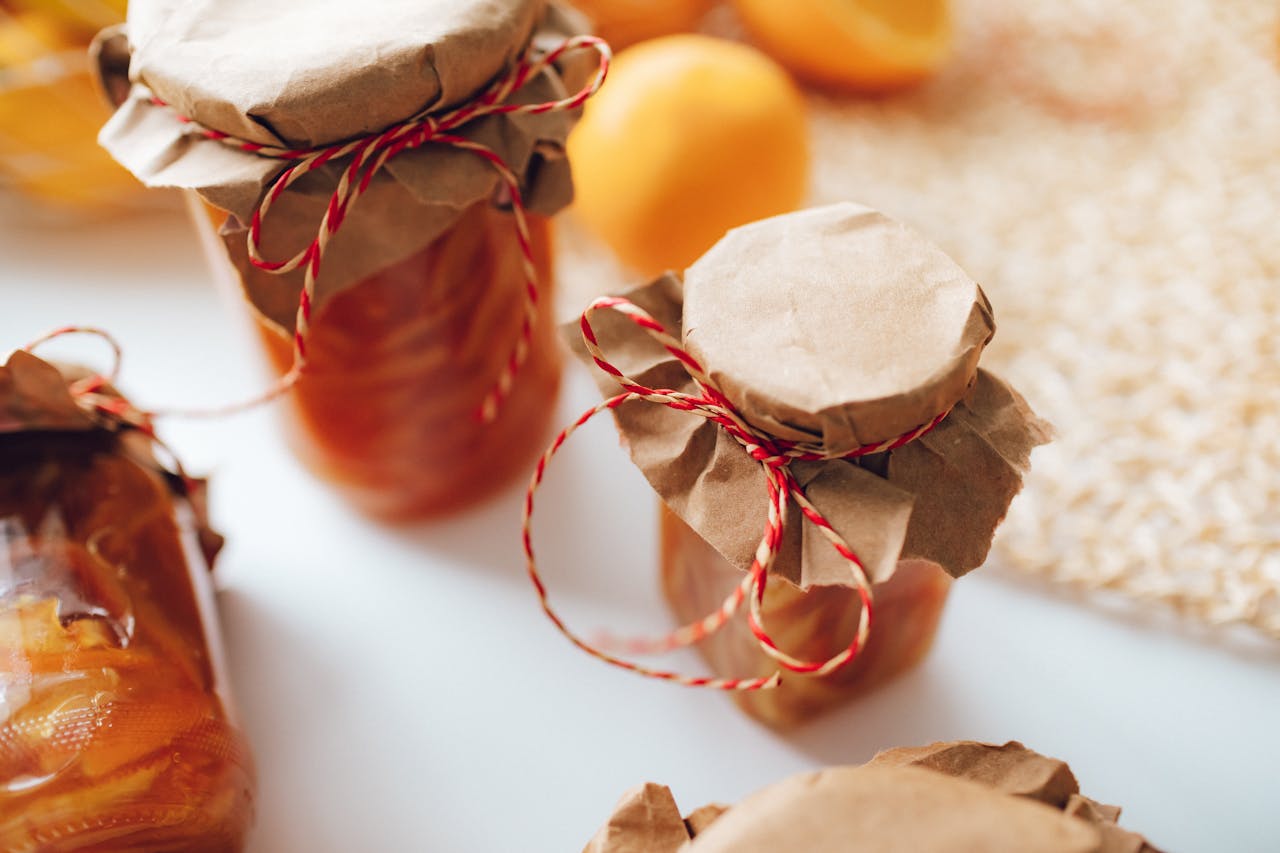
Canning skills spread through more than family stories. Cooperative Extension and home demonstration agents ran classes that turned vague tradition into clear steps. They taught cleanliness, headspace, and processing times, then explained the why in plain language. Printed bulletins followed cooks home, so a method learned at the county fair could be repeated on an ordinary Tuesday night. The best part was how normal it felt: clean work, clear timing, and proof that competence can be taught, not inherited. Kitchens that once relied on guesswork gained a shared language, and neighbors could troubleshoot without arguing over folklore.
World War I Framed Canning as Home-Front Logistics
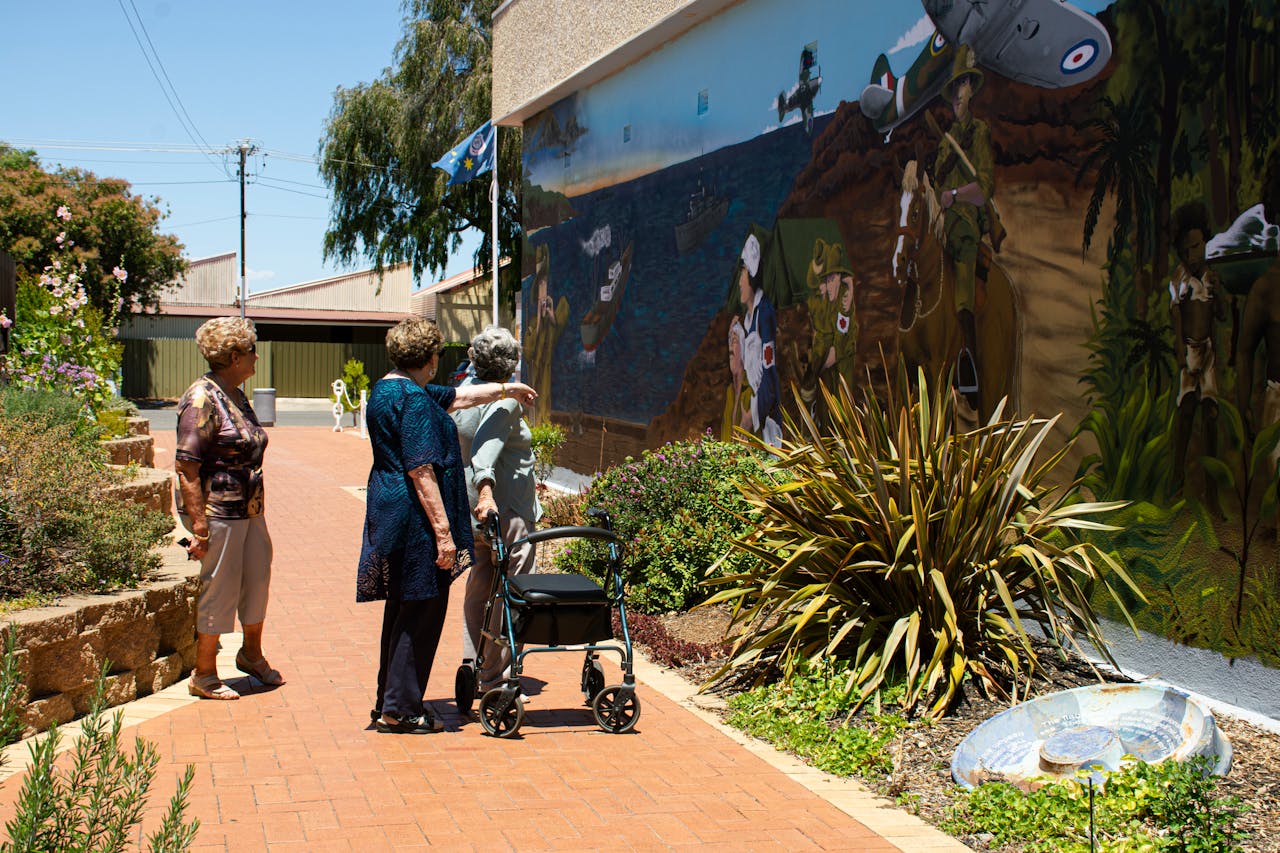
During World War I, jars became part of the national supply chain in miniature. War gardens and conservation campaigns urged families to preserve local produce so commercial food could move to troops and allies. The message was blunt: waste less, ship more, hold steady. Demonstrations and pamphlets backed it up with practical instruction, not sentiment. Families measured their effort in quarts and pints, and the work built morale because it produced a visible, edible result. In many towns, canning circles formed around church basements and school kitchens, turning private labor into a public routine that kept cupboards steady.
Pressure Canners Opened the Door to Low-Acid Foods
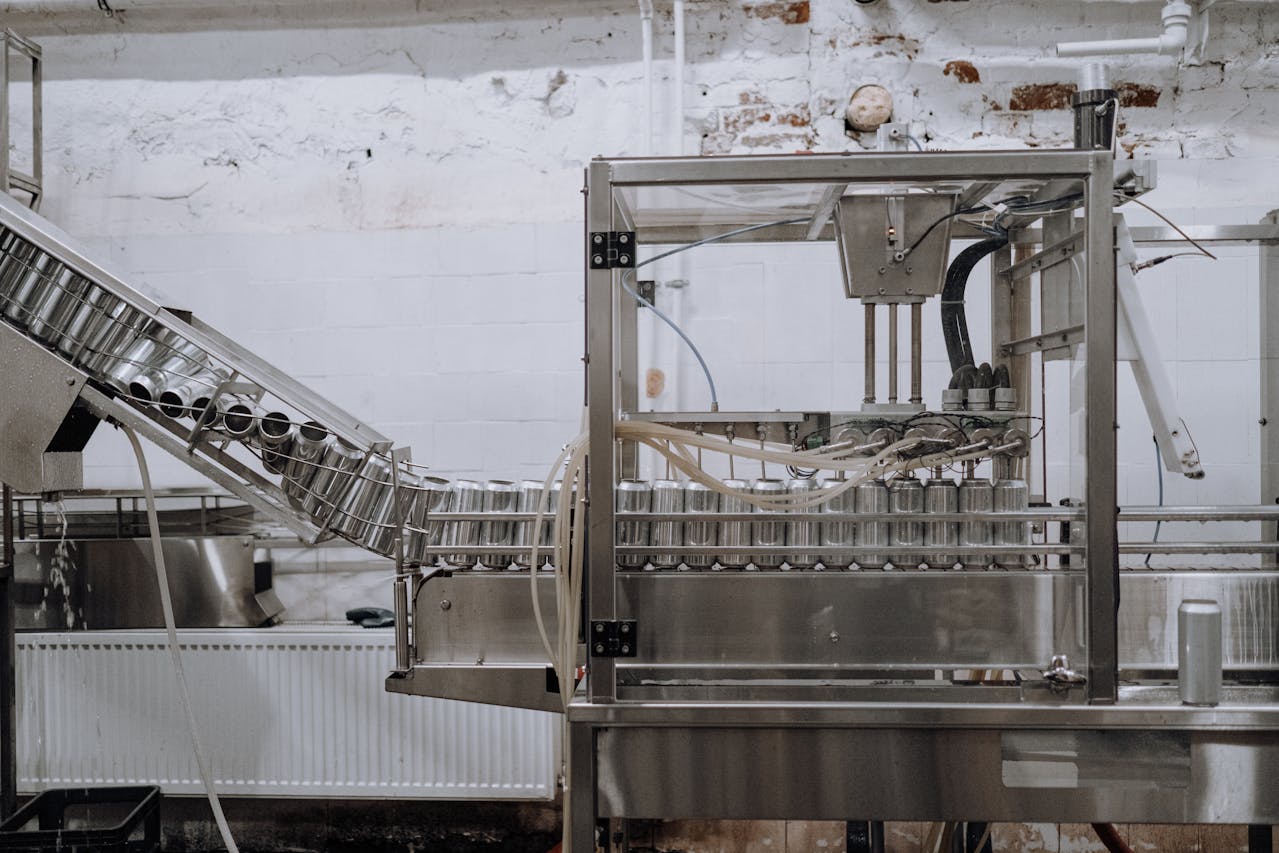
The jump from jam to green beans required more than confidence. Low-acid foods can support botulism spores, and boiling water cannot reach high enough temperatures to make them safe. Pressure canners changed the math by pushing jars to about 240–250°F when used correctly. That brought new discipline: venting steam, watching gauges, and respecting tested times. With the tool and the rules, pantries expanded into vegetables, broths, and meals-in-a-jar that held up when weeks got tight. It turned fear into a checklist, and it let families preserve the foods that actually filled plates, not just the ones that tasted sweet.
Two-Piece Lids Made Seals Easy to Trust
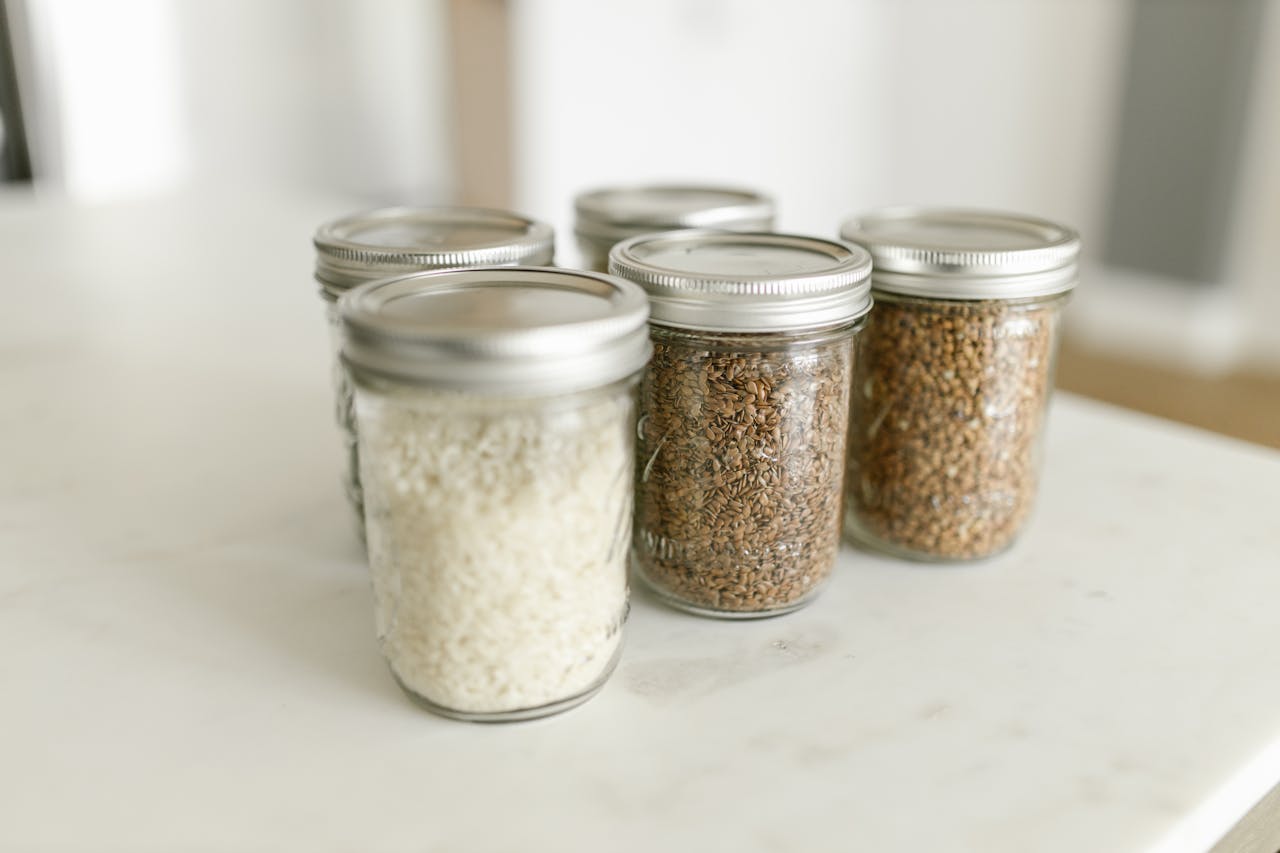
Two-piece lids, a flat sealing disc and a screw band, made seals easier to read and failures easier to spot. The band could be reused, but the sealing surface stayed fresh each batch, which reduced guesswork. Instead of hoping wax held, canners listened for the ping, then checked the lid after cooling. It also made redoing a failed jar less painful, because the problem showed up fast, not after a quiet month on the shelf. Rings could be loosened for storage, jars could be stacked without anxiety, and the simple pop of a lid became a signal that dinner later would be safe. It made gifting preserves less risky, too.
World War II Rationing Put Pantries on Duty
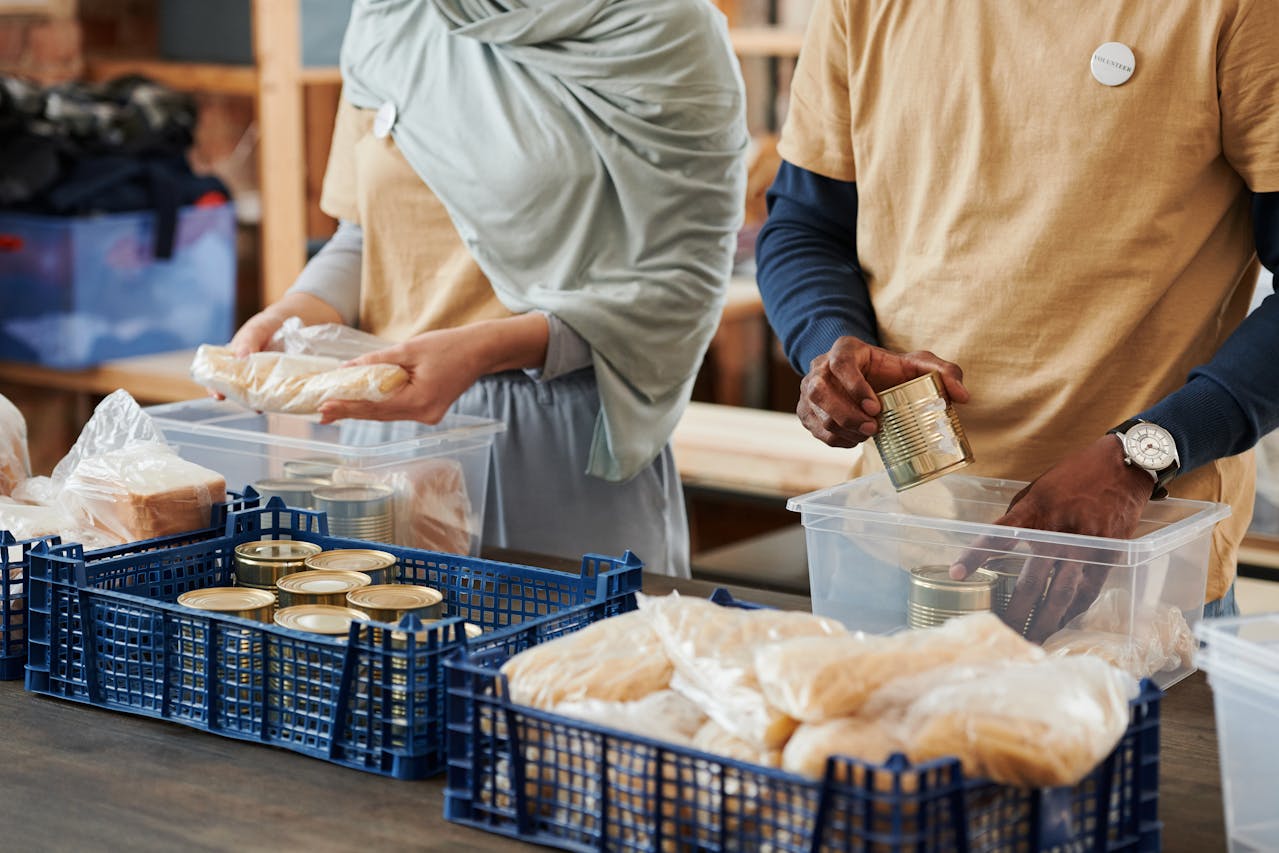
World War II rationing turned canning into common sense. Victory gardens produced the raw material, and jars handled the rest when store shelves were thin or unpredictable. Sugar was rationed too, which pushed many kitchens toward pickles, tomatoes, and relishes, not just jam. Canning became social labor: neighbors swapped lids, compared processing times, and kept an eye on each other’s stovetops. The payoff was real. Shelves of food meant fewer shopping trips, fewer worries, and a steadier table through long months. A well-stocked pantry became its own kind of ration book, and it rewarded planning more than luck or connections.
Freezers Arrived, but Jars Stayed Valuable

Home freezers changed preservation, but they did not replace canning. Frozen food depends on electricity, space, and a working compressor. Jars sit quietly through outages, moves, and crowded kitchens. They also store flavor differently. Canned sauces, pickles, and fruit syrups feel finished, ready to serve, and easy to inventory at a glance. Even as freezers spread, many households kept canning as their backup system, the one that does not blink when the power does. Canners also liked the portability. A case of jars could ride to a cabin, a relative’s house, or a potluck without drama. And the jars did not demand freezer space.
USDA Guidance Tightened the Rules and Raised Trust
As more households canned, safety advice moved from inherited habits to tested procedure. Early USDA materials helped standardize basics, and later research clarified the high stakes of low-acid foods. Guidance began to draw firm lines: which foods need pressure canning, which recipes require added acid, and how altitude affects time and temperature. The rules sometimes sounded strict, but they served the real goal: a jar that can be trusted months later. In preservation, confidence is earned by repeatable proof. That shift kept home canning from becoming a roulette wheel, especially as new foods and new equipment entered kitchens.
Garden Revivals Made Canning Feel Current Again
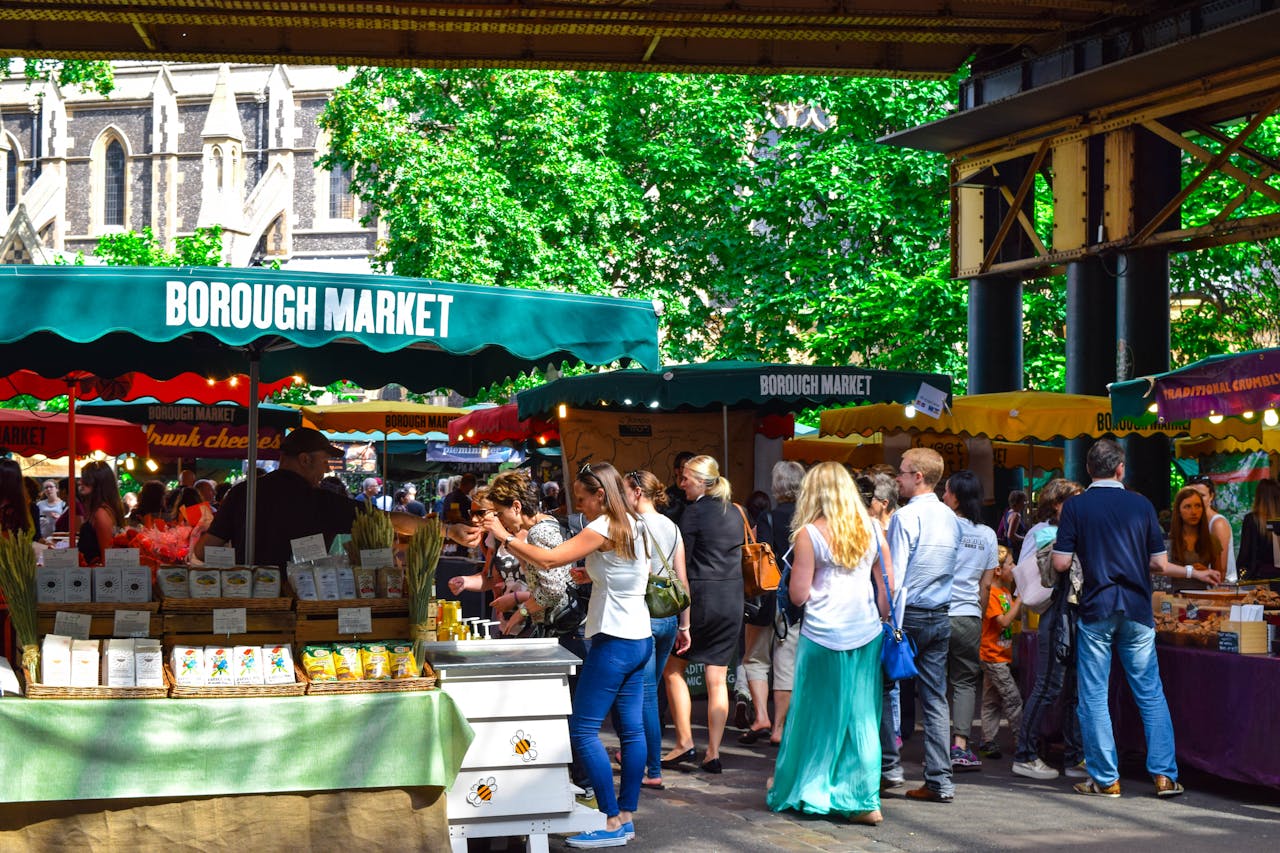
When backyard gardens and farmers markets surged, canning came back as a way to honor seasons instead of fighting them. A glut of tomatoes could become sauce for January, and cucumbers could become crisp pickles before they softened. For some families it was budgeting; for others it was waste reduction, or just taste. Labels with dates, batch notes, and gifted jars turned the pantry into a small archive of local weather and good weeks. It felt modern because it solved modern problems with old tools. The practice also encouraged barter. A jar of salsa could become thanks for help, a neighborly check-in, or a small celebration.
The Internet Spread Both Wisdom and Bad Shortcuts

Online videos and forums made canning social again, but they also amplified shortcuts that are unsafe. Trendy hacks sometimes skip acidification or processing times, and a loud comment section can drown out real risk. At the same time, the web made it easier to find tested recipes, troubleshoot seal failures, and understand the science behind the steps. Modern canners learned a new skill alongside sanitizing jars: source judgment. The best kitchens kept curiosity, but they kept standards tighter. The smartest communities pushed tested sources to the top, which kept creativity alive without turning safety into a vote.
A Science Hub Gave Home Canners a North Star
The creation of the National Center for Home Food Preservation in 2000 gave home canners a steady place to check facts when advice gets fuzzy. It translated food science into kitchen actions: pressure versus water-bath, safe headspace, and altitude adjustments. That mattered because nostalgia can be dangerous in a jar. With research-backed guidance, households could keep the satisfying parts of tradition while discarding the risky ones. The result was the original promise of canning, restored: homemade food that is also dependable. That reference helped during lid shortages and viral recipes, when certainty matters more than trends.