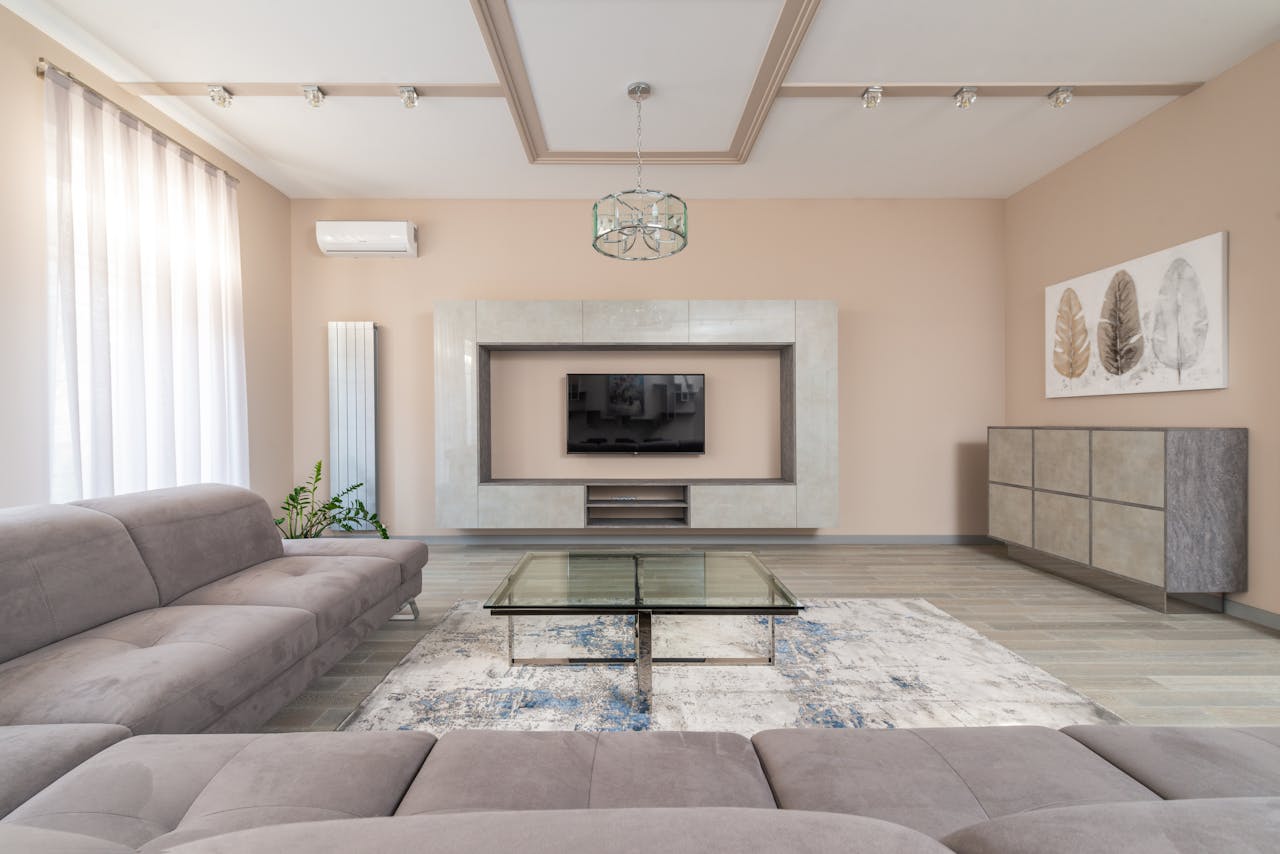
Neutral rooms can feel calm or flat, and the difference is rarely a new color. Depth comes from quiet contrast: matte beside sheen, nubby beside smooth, shadow beside glow. The best neutral spaces rely on materials, proportion, and light rather than extra objects, so the eye finds rhythm without noise. Layered neutrals make ivory, sand, stone, and greige look intentional, not empty. A room can stay airy and restrained while still carrying warmth, simply by upgrading what is already there. It reads quieter yet richer as the day light shifts slowly.
Add One Dark Anchor
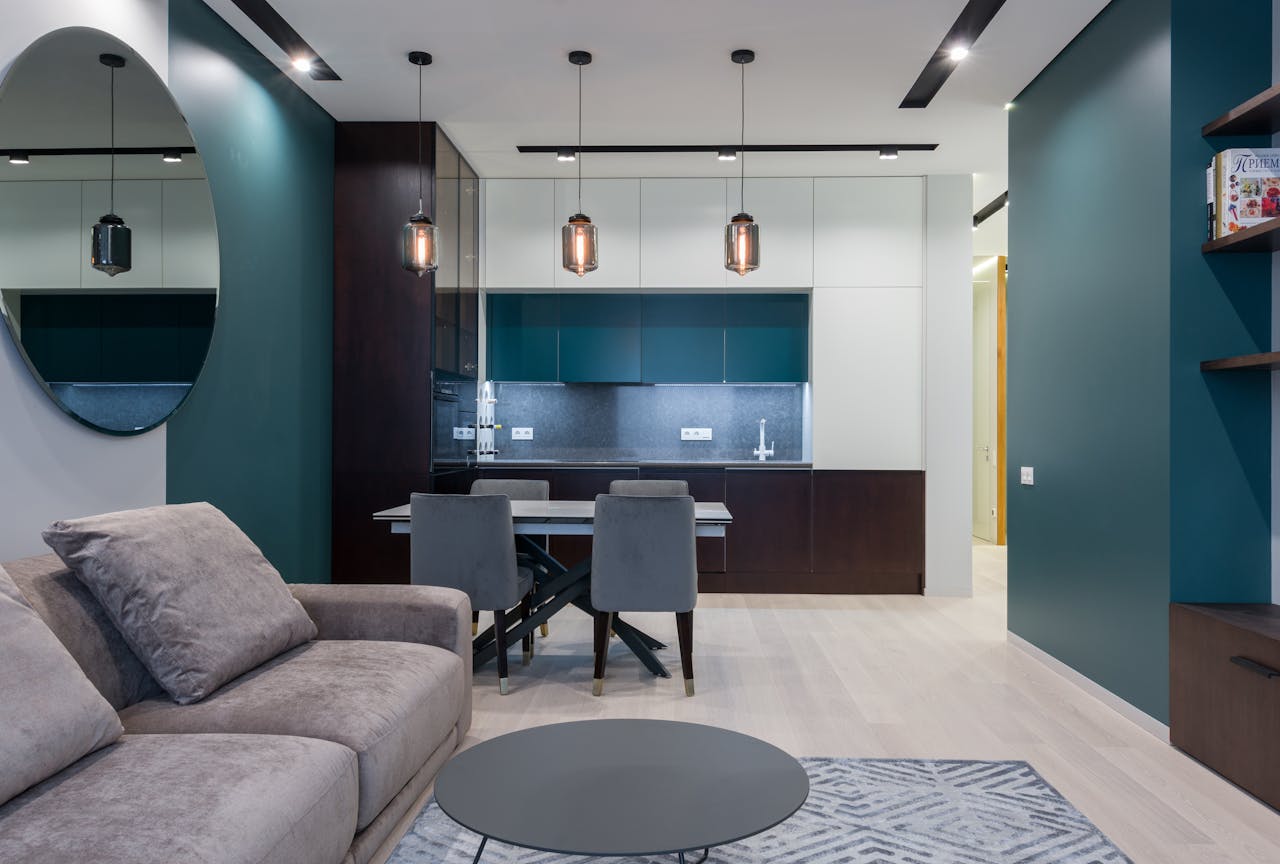
A neutral room gains depth when one element carries real visual weight, like an espresso side table, a charcoal lounge chair, or a blackened metal console set where the eye naturally pauses. Restraint matters: one anchor clarifies the palette, grounds lighter upholstery, and makes creams and tans look richer instead of washed out. A quiet echo helps, such as a thin frame edge or a lamp stem in the same tone, so the darker note feels intentional. Everything else can stay light, open, and easy to maintain. The contrast works best when the anchor is simple in shape and the surrounding space is left unfilled, letting the eye rest.
Layer Textures, Not Patterns

Neutrals look deeper when texture does the work, not pattern. A boucle pillow, a brushed wool throw, and a linen shade can sit in the same color family and still create enough contrast to keep the room from feeling flat. The key is mixing scale: something nubby, something smooth, and something structured, so light hits each surface differently through the day. When texture carries the interest, fewer accessories are needed, and the room stays calm. It feels finished because the materials feel chosen, not because more items were added. Even a plain sofa looks upgraded when nearby textiles shift in handfeel and drape.
Choose a Rug With Gentle Variation
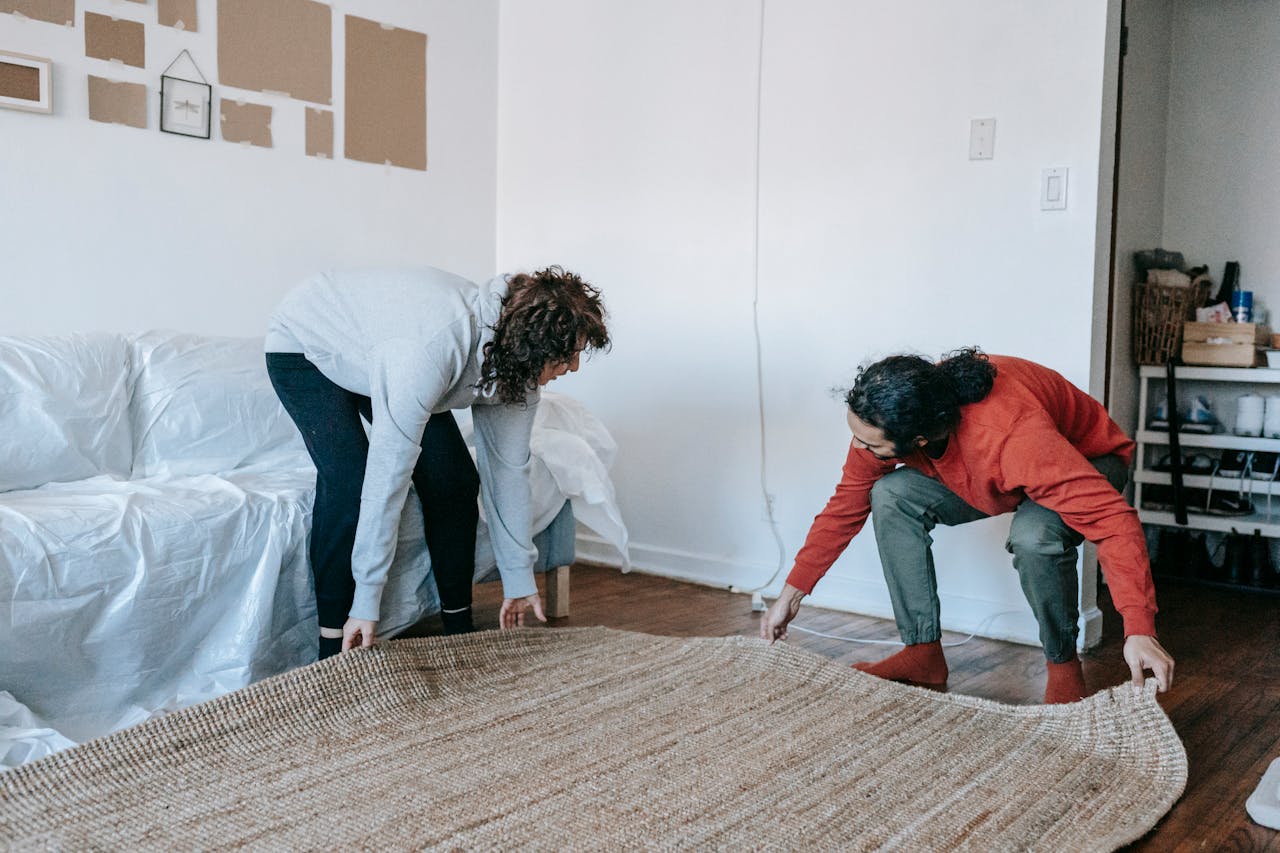
A rug adds depth without clutter when it has gentle variation, like heathering, a low contrast vintage wash, or a micro pattern that reads almost solid from across the room. That soft movement hides everyday life better than a perfectly flat beige and makes seating feel anchored. When the rug includes two or three neighboring neutrals, it quietly links wood tones, upholstery, and wall paint into one story. The room gains a layered base, so styling can stay minimal. A thinner border or faded medallion can deliver character without visual noise. Low pile or a close weave keeps the look crisp and reduces bulk in smaller spaces.
Swap Shiny Hardware for Aged Finishes

Highly reflective chrome can make a neutral room feel sharper than intended, especially when the rest of the palette is soft. Switching to aged brass, iron, oil rubbed bronze, or satin nickel adds depth because the finish holds shadow instead of bouncing light around. The room feels calmer and more considered, like the difference between a new coin and a well handled one. Repeating that finish in two or three places, such as pulls, a lamp base, and a frame, builds cohesion without extra decor. Lower glare also helps photos and evening light feel warmer. Even small swaps, like a switch plate or knob set, can shift the whole mood.
Use Matte Paint on Walls
Matte wall paint is a quiet upgrade that changes how neutrals behave. Instead of throwing glare across the room, a flat finish absorbs light, which makes pale colors look warmer and more complex. Walls start to feel like a backdrop with depth, not a shiny surface competing with furniture. Keeping trim in a slightly higher sheen, like satin, adds a crisp edge without looking fussy. In rooms with strong sun, matte also softens hotspots and helps art and textiles read true. The result is calmer, more consistent light from morning to evening. When color sits still on the wall, small decor choices stop feeling like they must compete.
Introduce Wood in Two Tones
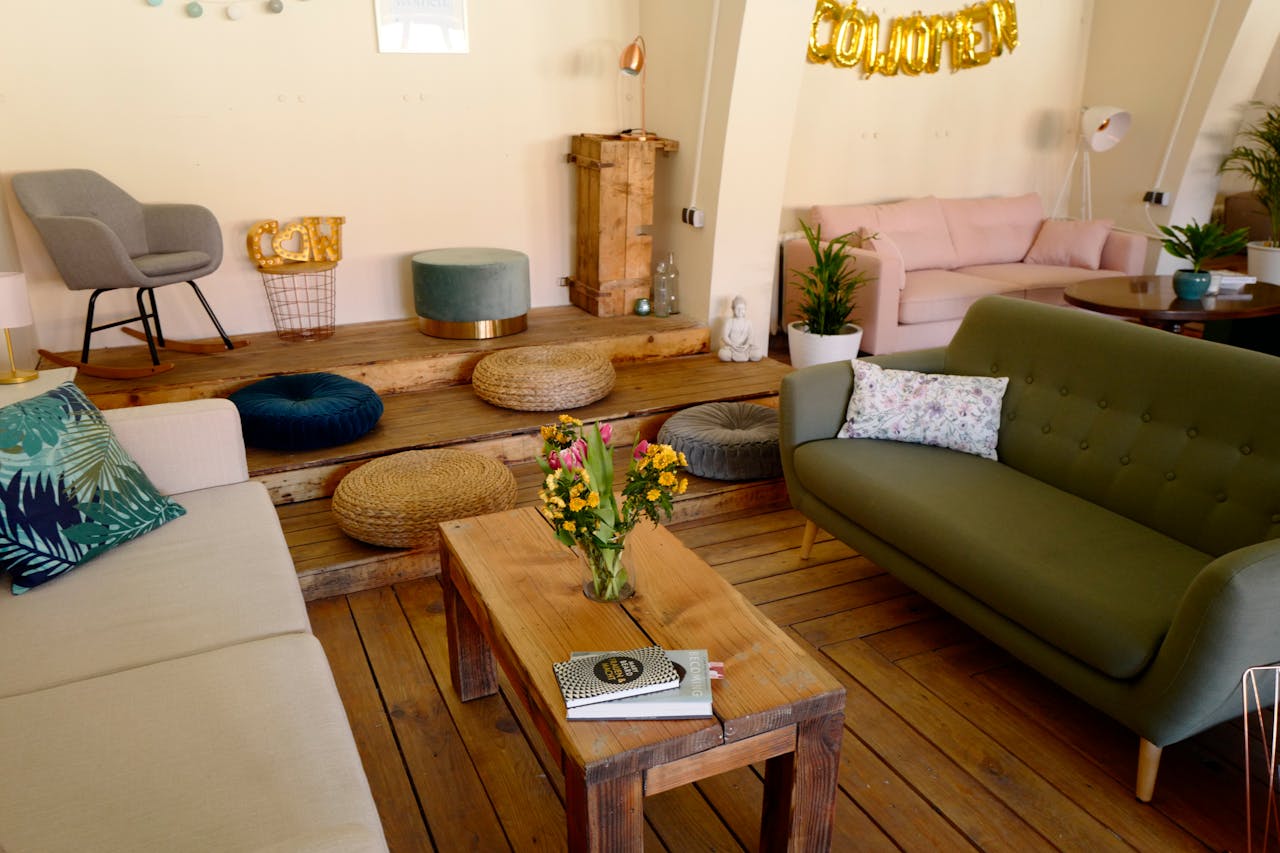
One wood tone can look clean, but two tones create a more collected feel while staying quiet. Pair a light oak coffee table with a walnut frame, or add a medium toned bench beside pale flooring, and the room gains depth through gentle contrast. The key is keeping undertones aligned, warm with warm or cool with cool, so nothing looks accidental. Visible grain becomes its own texture, adding movement without pattern. When that second wood shows up again in a tray or picture frame, the space starts to feel layered, even with minimal styling. Limiting the mix to 2 species prevents a showroom look and keeps the room easy on the eyes.
Add a Tall, Soft-Edged Mirror

A tall mirror adds depth because it borrows light and extends sightlines, making a neutral room feel larger and more layered. Soft edges help: an arched top or rounded corners keep the look calm and avoid a boxy outline. Placed near a window, the mirror amplifies daylight; placed behind a lamp, it doubles the evening glow. A thin frame in blackened metal or warm wood adds structure without heaviness. The mirror also acts like quiet art, since it changes with the time of day. That shifting reflection keeps a simple palette from feeling still. Leaning it slightly and leaving breathing room lets the reflection do the work.
Upgrade Lighting With Warm Diffusion
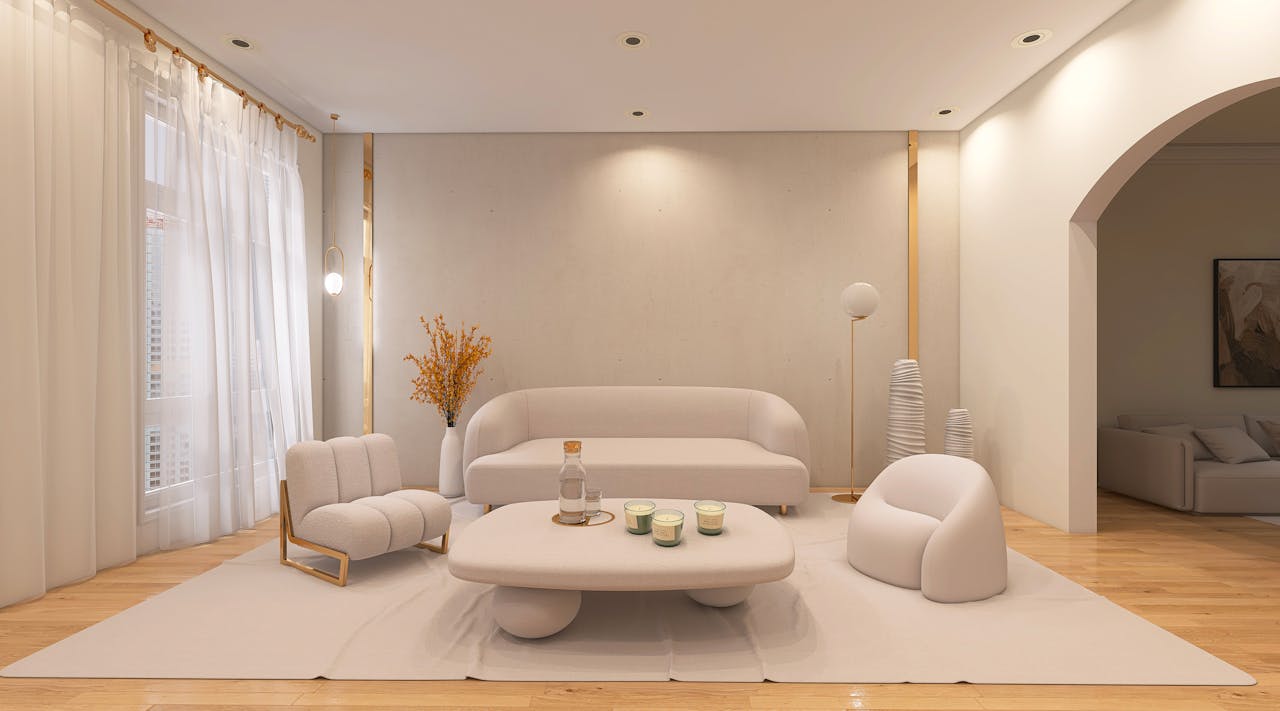
Neutral rooms often look flat when lighting is too cool, too exposed, or too harshly directional. A warm bulb, a linen or frosted shade, and a fixture that diffuses light softly add dimension by creating gentle gradients on walls and textiles. Layered lighting helps: a floor lamp for height, a table lamp for warmth, and a ceiling fixture for overall glow. When the light feels intentional, every neutral reads richer, and shadows look soft rather than stark. Dimmers are a small upgrade that makes the room feel steady from late afternoon through night. Staying around 2700K to 3000K keeps whites creamy instead of icy.
Bring In Stone With Subtle Veining
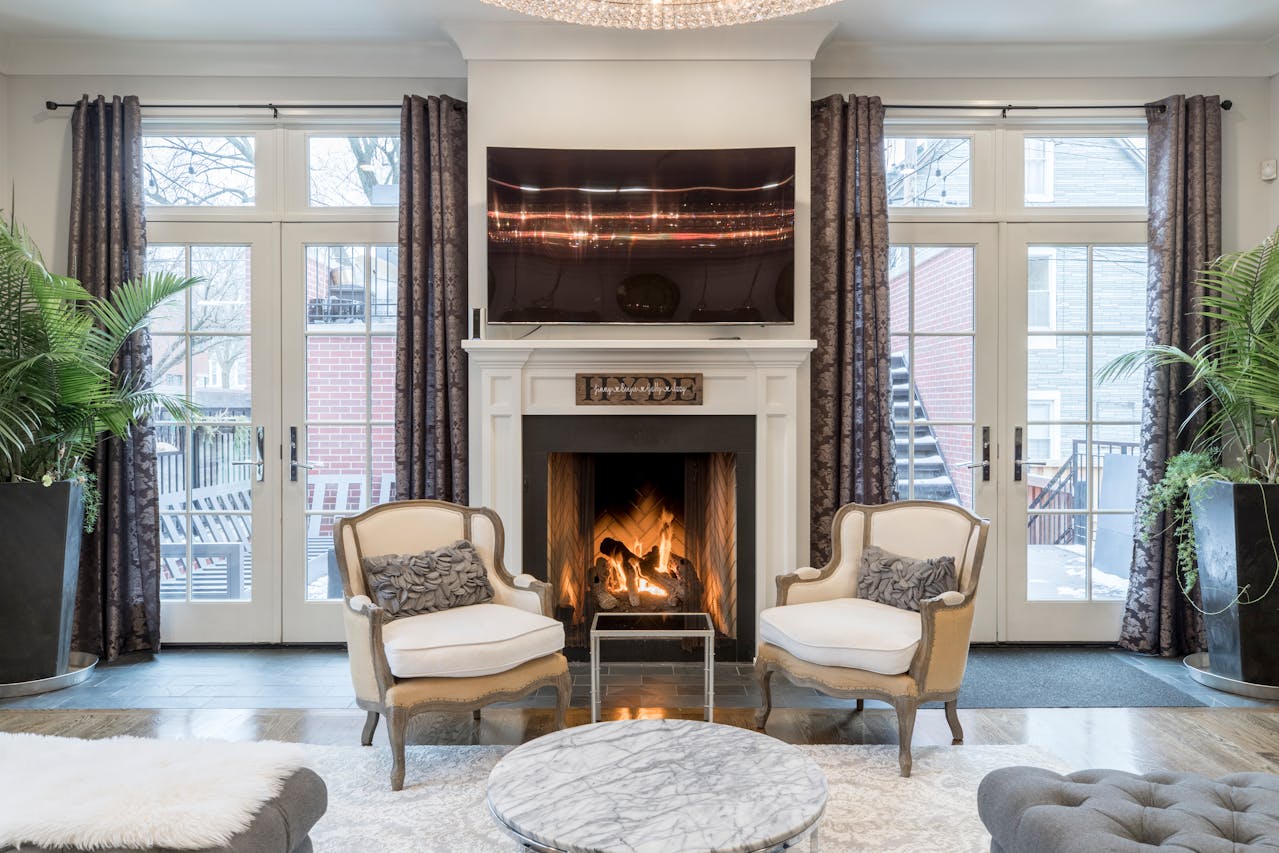
Stone adds depth because it carries natural variation that still reads calm. A travertine tray, a marble topped side table, or a limestone lamp base introduces movement that feels organic rather than busy. Subtle veining pairs well with linen, wood, and matte paint, giving the room a quiet sense of permanence. Even small stone pieces can make a space feel more grounded, especially when they replace glossy glass decor that catches too much glare. The surface looks different in morning sun than it does at 8 p.m., which keeps neutrals from feeling one note. A honed finish is best for this, since it reads soft and hides fingerprints.
Use Oversized Art in Quiet Colors
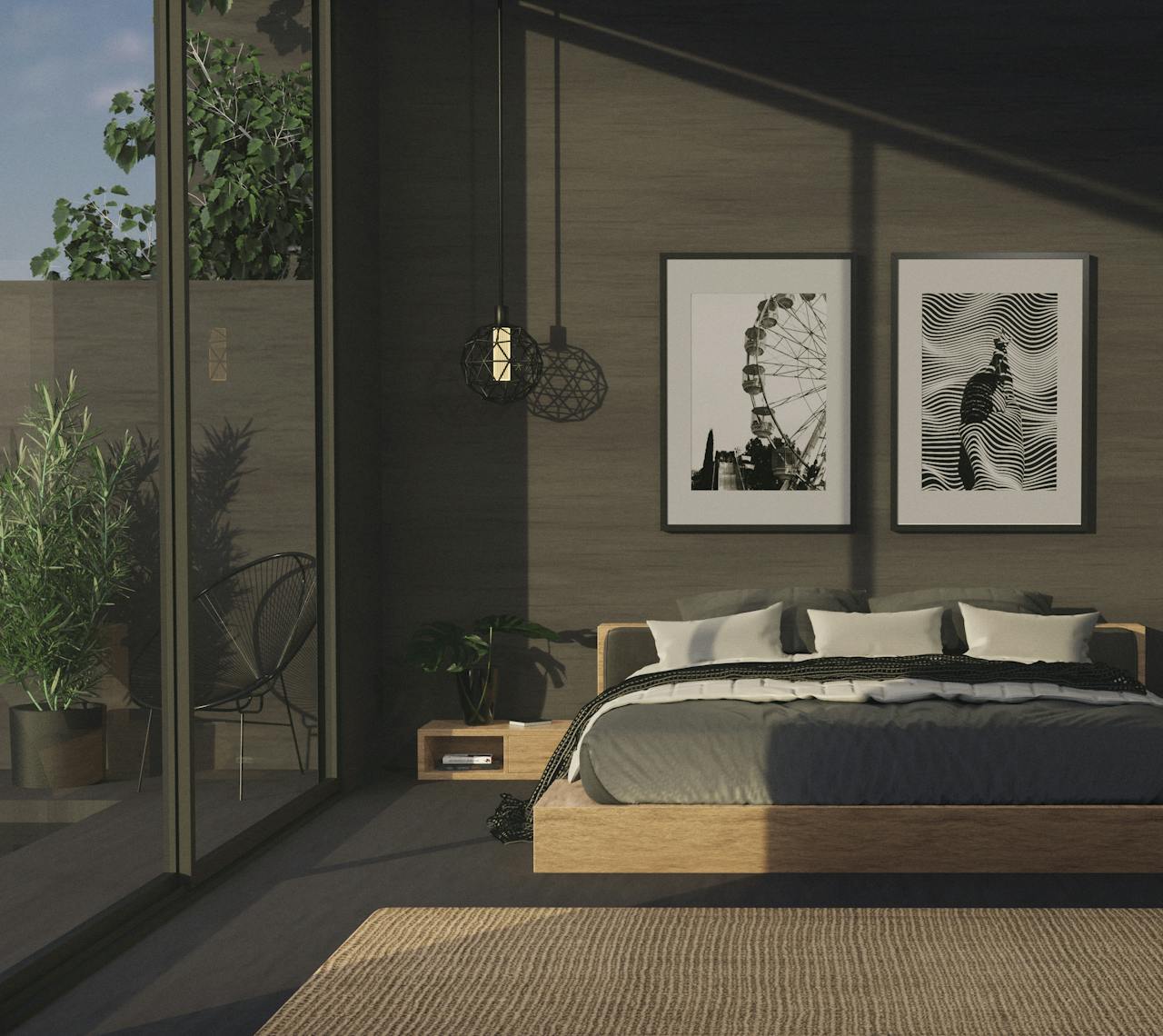
One large artwork can create more depth than a cluster of small frames, and it reduces visual clutter at the same time. In a neutral room, the strongest pieces often rely on composition and value, with light and shadow doing the heavy lifting instead of bright color. A larger scale also helps a sofa wall or bed wall feel finished, so the rest of the room can stay spare. Keeping the mat and frame simple prevents the art from turning into another fussy object. When the frame finish matches nearby hardware or wood tones, the room starts to feel quietly coordinated without extra styling. Eye level placement keeps it calm.
Add Curtains That Kiss the Floor
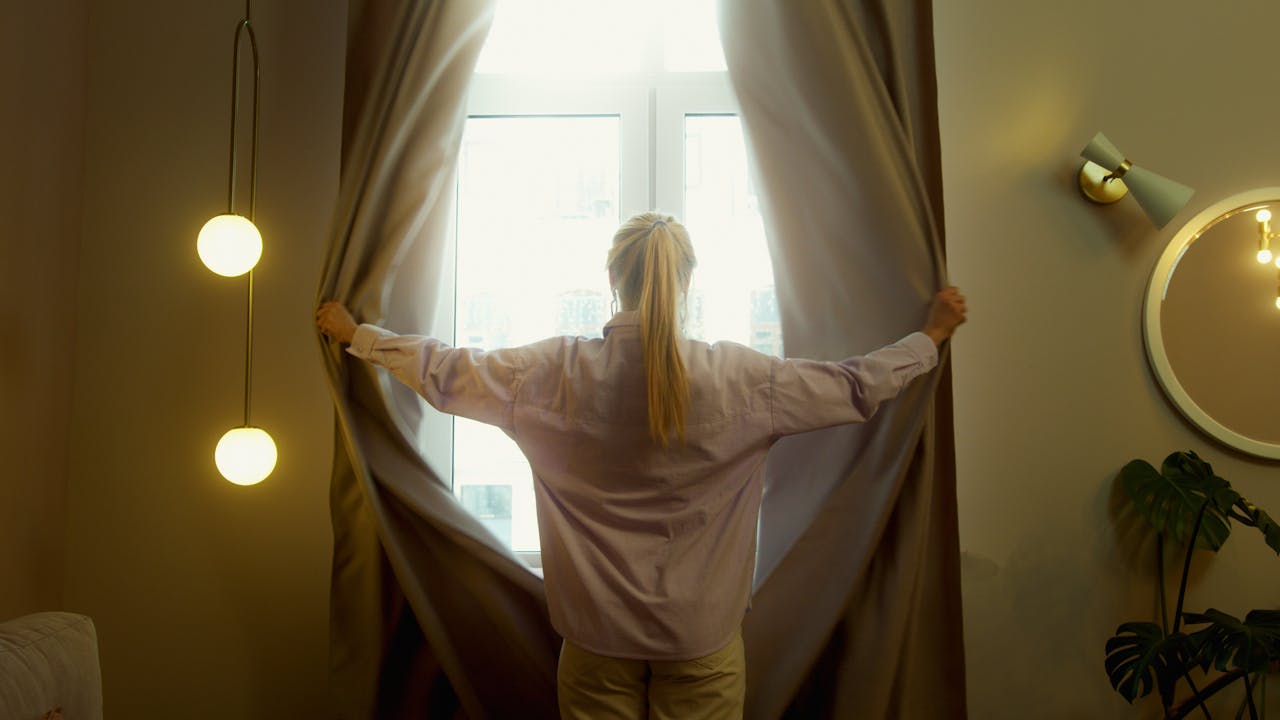
Curtains add depth by bringing soft vertical lines into a neutral room, which makes walls feel taller and the space feel more layered. The best effect comes from panels that just touch the floor and hang with enough fullness to look relaxed, not skimpy. Linen, cotton, or a linen blend keeps the texture natural and avoids shine. When curtain color sits close to the wall color, the look stays quiet, but the room gains softness and warmth. Mounted high and wide, curtains also make windows feel more generous without changing a single piece of furniture. The room feels finished, not dressed up. Lining improves drape and softens light.
Style With a Single Natural Scent Source
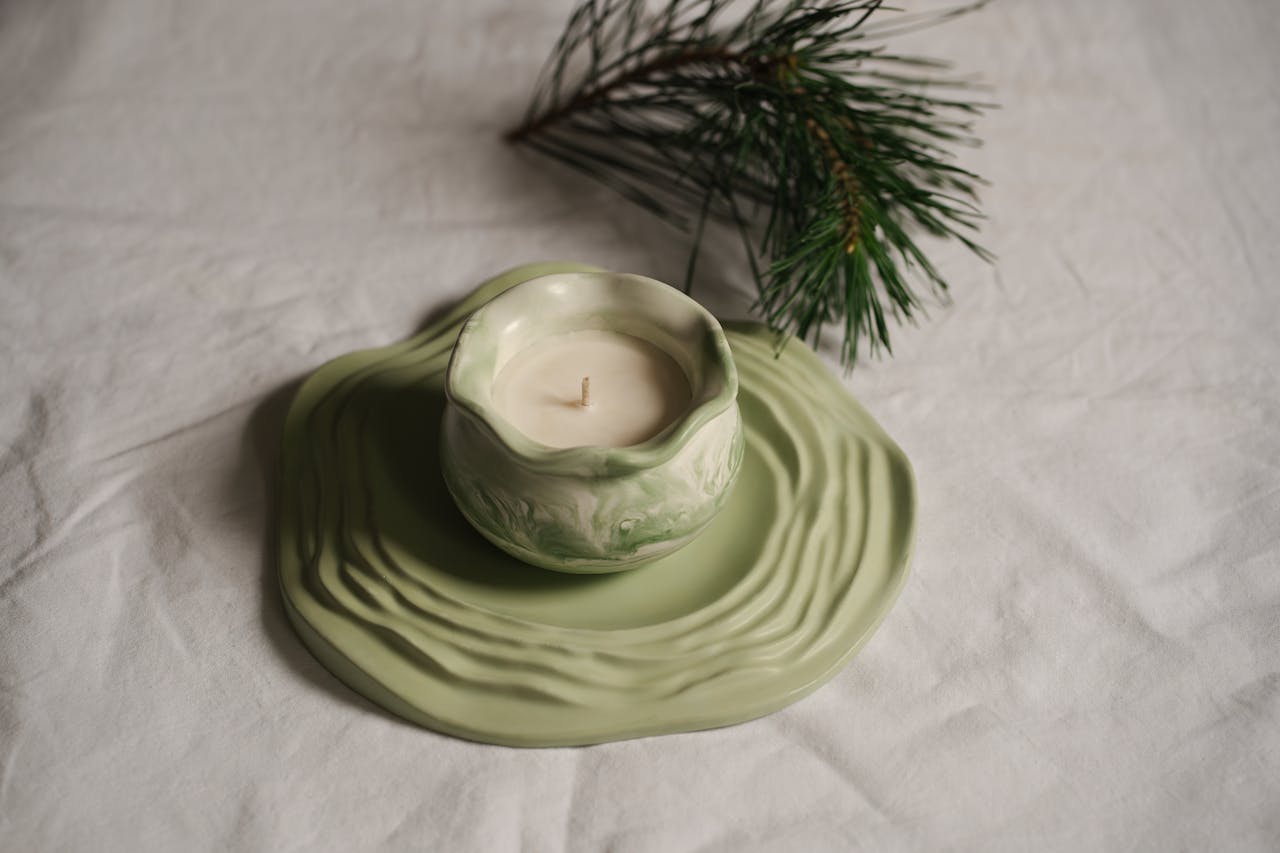
A neutral room feels more complete when it includes one lived in detail that does not add visual clutter. A single scent source, like a candle in a matte vessel, a ceramic diffuser, or a stovetop simmer pot in cooler months, creates atmosphere without more objects. The key is restraint: one container that matches the palette, placed where it looks natural, not staged. Scent becomes part of the room texture, the kind that cannot be photographed but is always felt. When the scent stays clean and subtle, the room reads calmer, and the neutral palette feels warmer. It is a small ritual that makes the space feel cared for.