December houses its own kind of magic: the lights soften sharp corners, old songs return, and even strangers sound kinder for a week. In that glow, folklore slips in quietly, carrying the winter creatures that once explained weather, hunger, and the long nights. Some arrive as warning, some as prank, and some as a strange promise that generosity will be noticed. Their stories trail across icy coasts, mountain villages, and city streets where traditions still flicker in shop windows. Set beside stockings and cinnamon, these beings feel less like monsters and more like guests from an older calendar, stepping into the room when the candles burn low. On Christmas Eve, belief does not need proof, only a door left unlatched.
Krampus

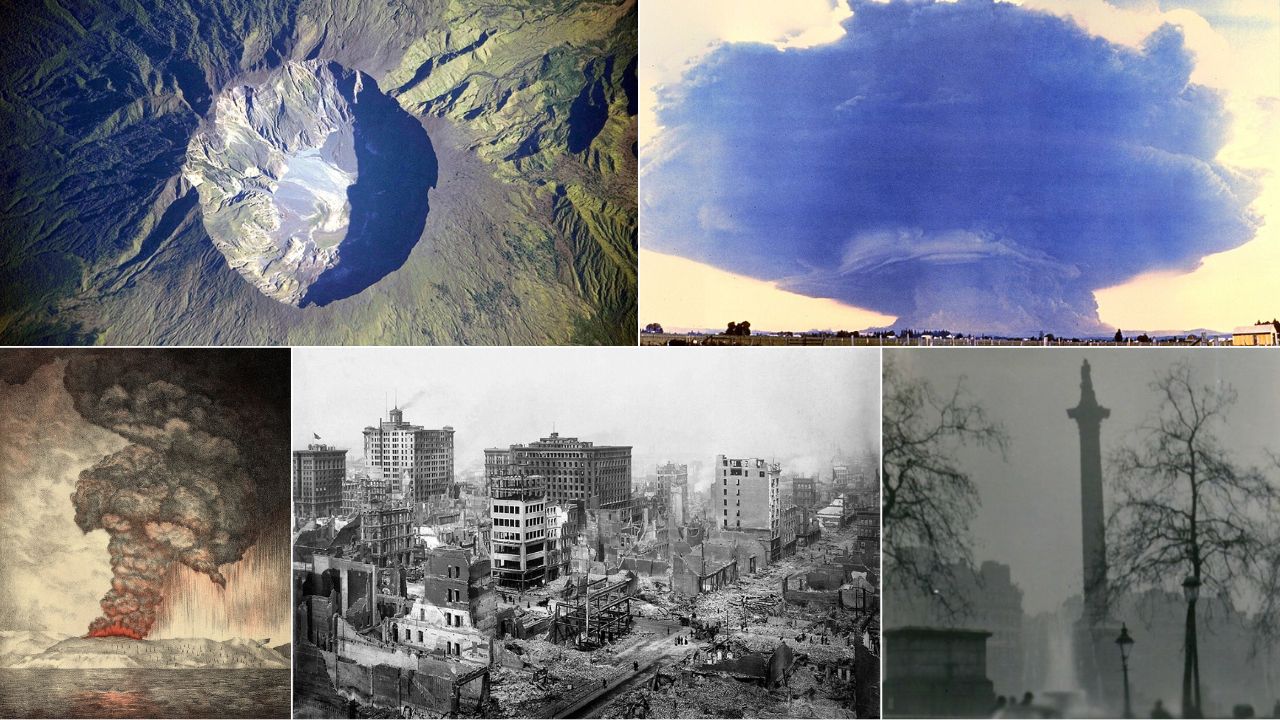
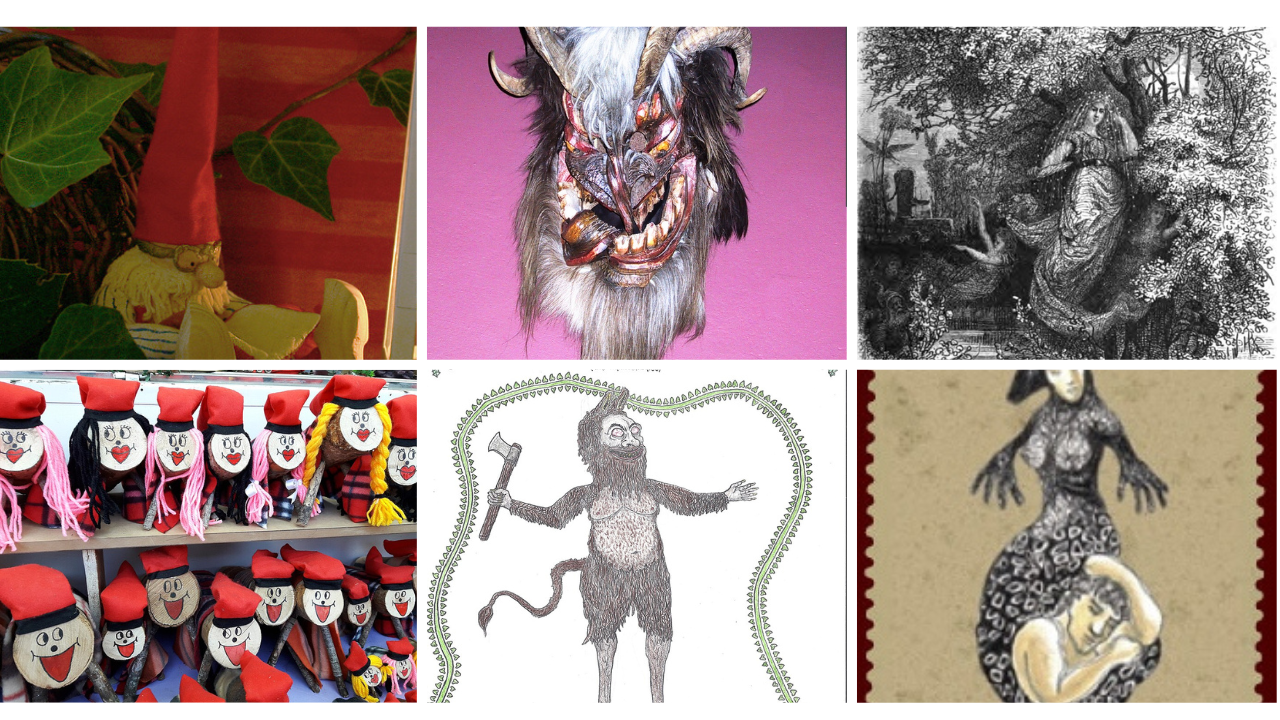
In Alpine towns, Krampus barges into December as St. Nicholas’s shadow, rattling chains and heavy bells through torchlit streets on Krampuslauf nights. Carved wooden masks, curling horns, and shaggy suits turn ordinary neighbors into a roaming winter chorus, half warning and half theater, moving past balconies where families watch with warm mugs in hand. At a Christmas party, the legend feels like a cold draft under the door: laughter drops a notch, manners sharpen, and even the loudest guest senses that generosity has rules, not just glitter, so the room offers its best selves before the candles burn down. For once.
The Yule Cat

Iceland’s Yule Cat pads into holiday lore as a giant feline said to prowl snowy farms, watching who received new clothes before Christmas. The story is tied to winter work and household fairness: finish the spinning and weaving on time, and warm garments arrive as proof that everyone pulled their weight. When a Christmas party table fills with knitted scarves and wool socks, the Yule Cat becomes a sly quality-control inspector, making gift-giving feel practical, not precious, and turning every wrapped sweater into a quiet promise that no one will be left shivering when the wind picks up. It is folklore with a warm seam.
Grýla
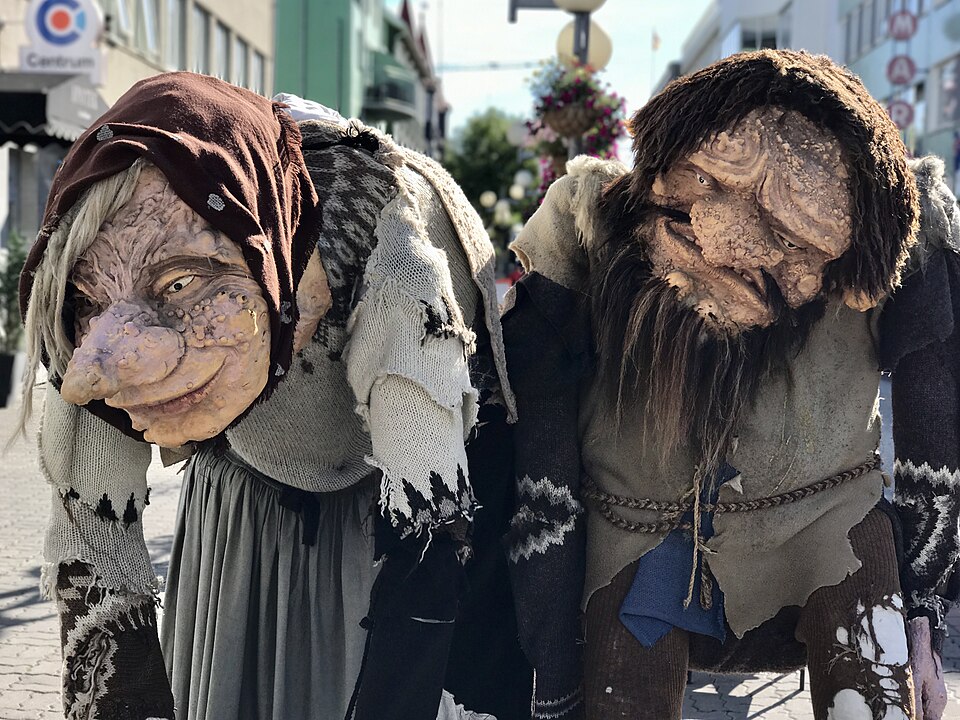
Grýla, the mountain-dwelling mother of Iceland’s Yule Lads, arrives in stories like a blizzard with a personality, trudging down from caves when darkness lasts longest. She is less a single character than winter anxiety made human: bad manners, laziness, and household chaos taking a tall shape, backed by a sleepy husband and a crowd of prankish sons. In a Christmas party setting, Grýla is the presence behind every spill and sulk, nudging the room to reset, share chores, and keep the evening from sliding into selfishness, so warmth stays communal while the wind worries the windows. No one wants her mood at the table.
Mari Lwyd
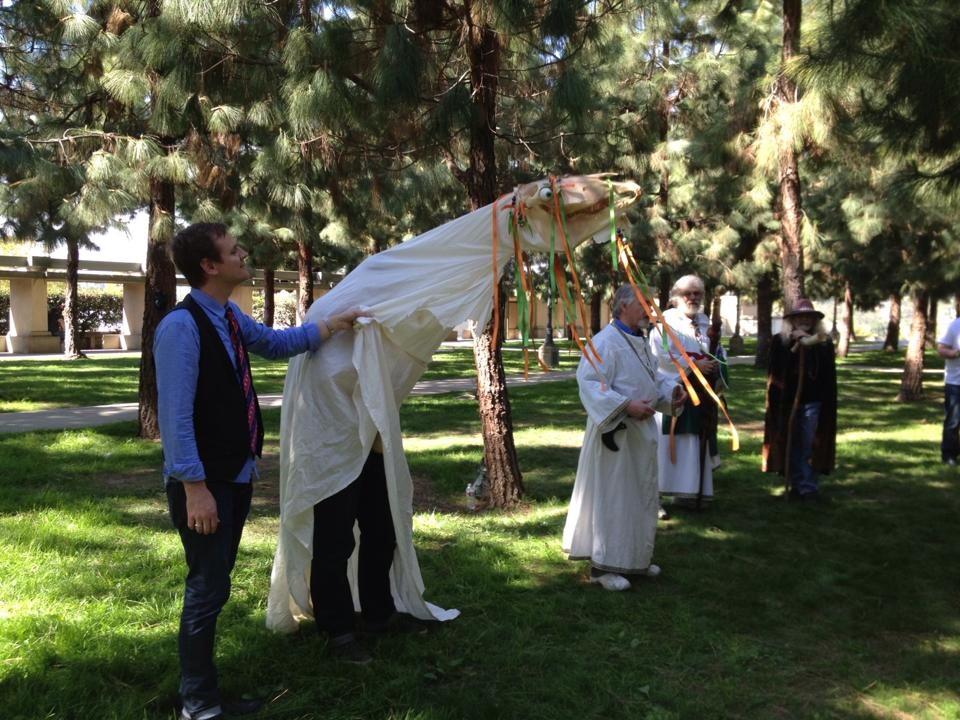
Wales sends in the Mari Lwyd, a ribboned horse-skull figure carried door to door with songs, teasing, and a battle of clever rhymes. The tradition turns winter visiting into a social sport: the household trades improvised verses with the masked group outside, each side trying to win the last line before the threshold finally opens. At a Christmas party, Mari Lwyd crashes the living room like a surreal centerpiece, demanding wordplay, laughter, and a little bravery from guests who thought they came only for dessert, then leaving behind the feeling that welcome is a performance everyone can join. Even shy voices count.
Perchta
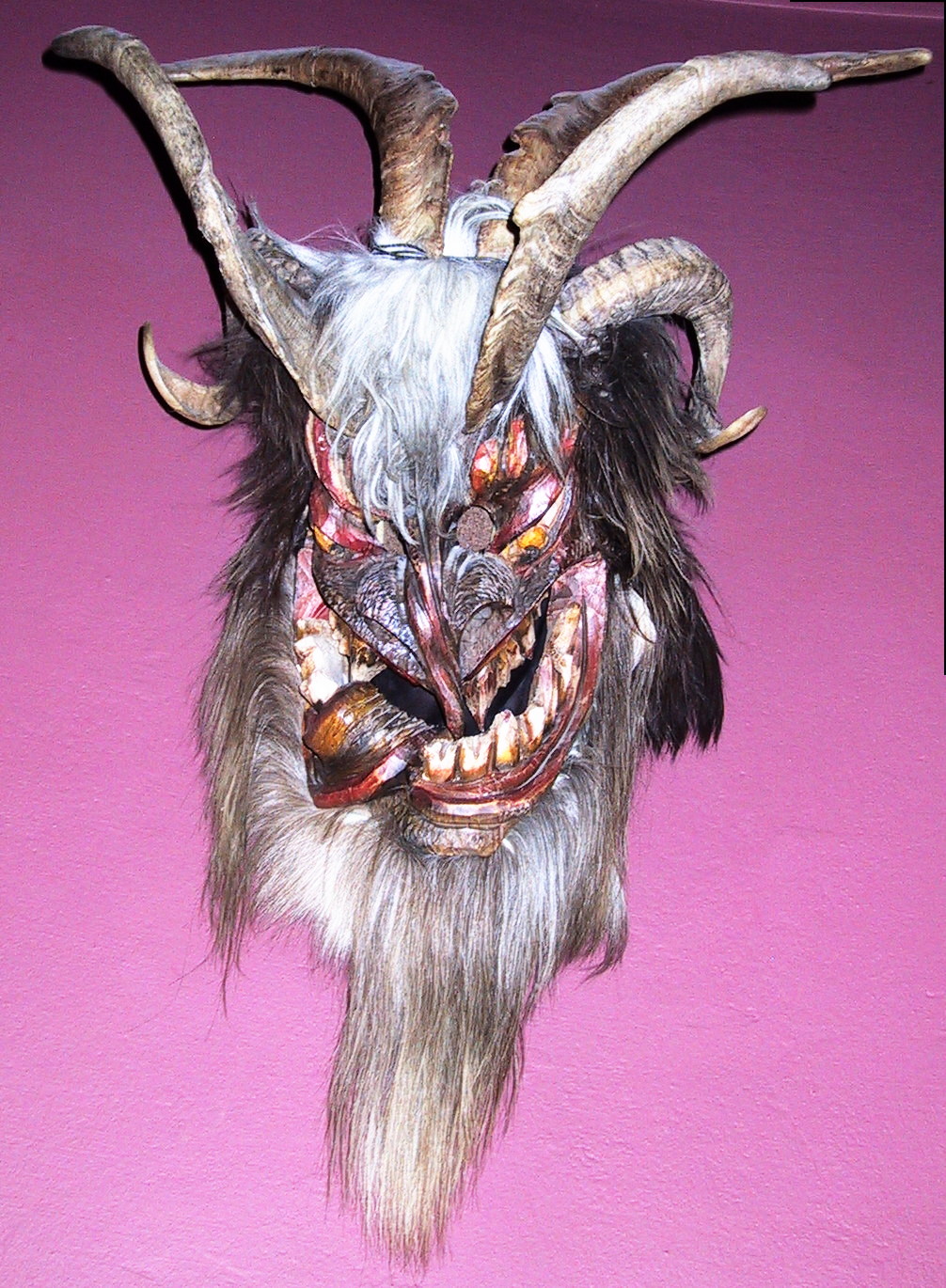
Perchta drifts through Alpine folklore as a winter visitor who checks whether households kept faith with their own rules during the Twelve Days of Christmas. In some regions she arrives as a bright, white-clad spirit who rewards order, warm food, and steady effort, while her rougher masks warn against careless promises, gossip, and chores left for someone else. When Christmas parties blur into glittery excess, Perchta’s story cuts through the noise: the best celebration is the one that still leaves space for quiet work, shared responsibility, and a room that feels calm when morning arrives. That is the real gift.
Kallikantzaroi
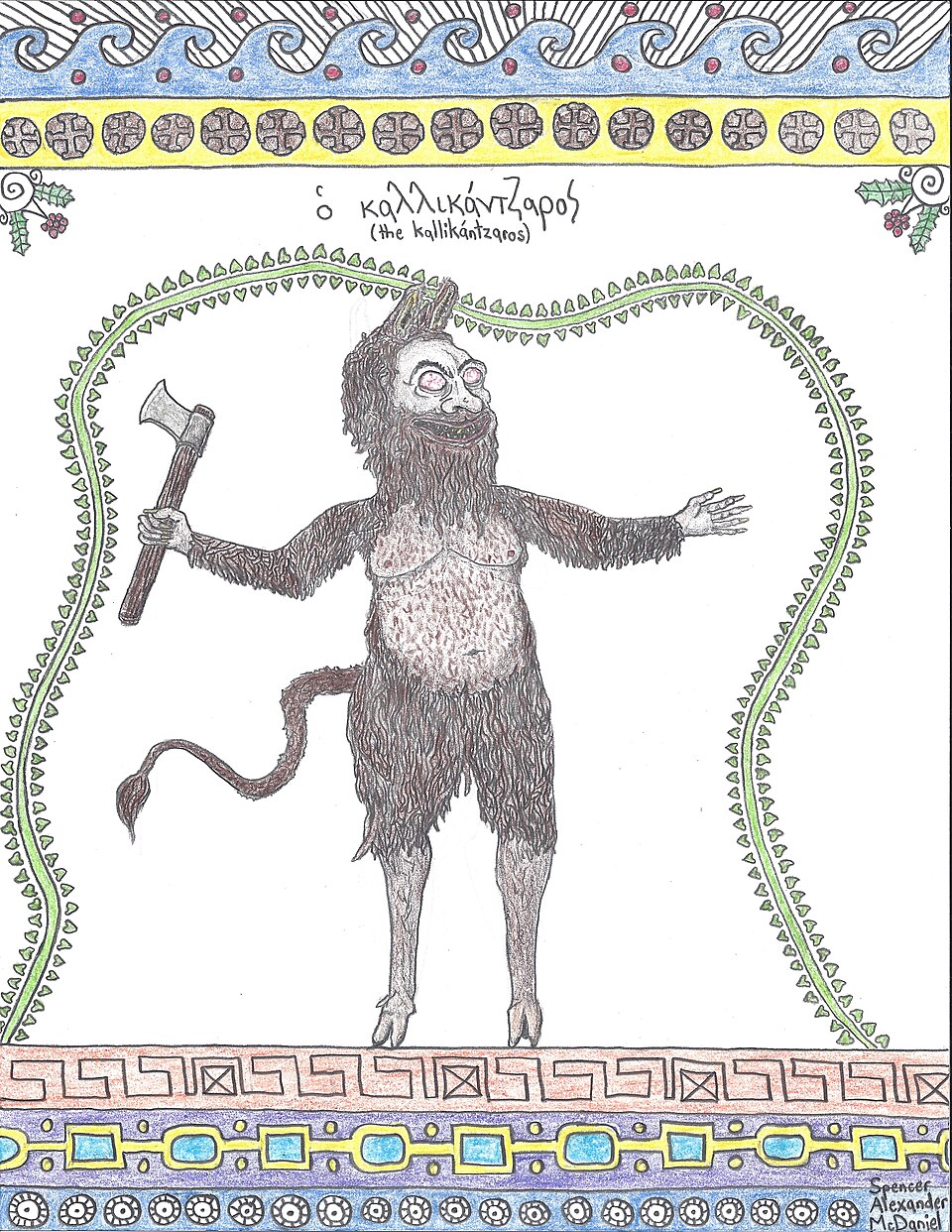
In Greek tradition, the Kallikantzaroi surface during the Twelve Days of Christmas, when the world is said to wobble between sacred and ordinary time. They are mischievous underground beings who sneak into houses to tangle tools and spoil small comforts, and folklore answers them with practical rituals: a steady hearth, bright lights, and watchful calm until Epiphany sends them back below. At a Christmas party, they feel like the spirit of small mess: a tipped drink, a missing gift tag, a last-minute argument, then the reset that follows when someone breathes, relights the candles, and proves community outlasts any prank.
Tomte Or Nisse
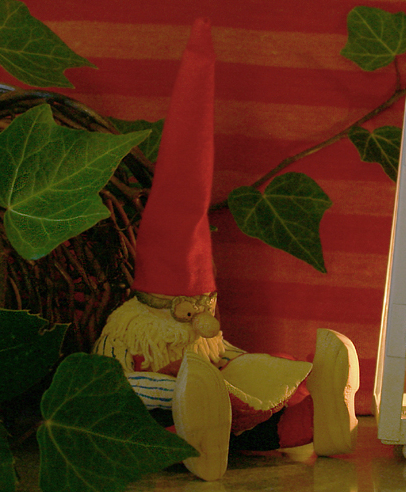
The Scandinavian tomte, or nisse, is a small household guardian with a big opinion about respect, often pictured with a red cap and an old-soul stare. Rooted in farm life, he watches over animals, tools, and the rhythm of winter chores, and tradition keeps him friendly with a bowl of porridge crowned with a neat pat of butter. In the middle of a Christmas party, the tomte’s legend reads like a gentle audit: notice the quiet helpers, refill the cups, thank the host, and keep the celebration grounded, because even magic prefers good manners, steady hands, and a home that feels cared for. down to the last clean spoon.
La Befana
Italy’s La Befana arrives on the eve of Epiphany, a broom-riding old woman who extends the season with one more visit after the carols fade. Folklore links her to the Nativity journey: asked for directions by the Magi, she hesitates, regrets it, and spends her nights searching, leaving treats for children in case one of them is the child she missed. At a Christmas party, La Befana feels like the late guest who brings extra cookies and a spare scarf, then quietly helps with dishes, reminding the room that wonder often looks like care, patience, and hands willing to stay a little longer. Right on time, in her own way.
Yuki-Onna
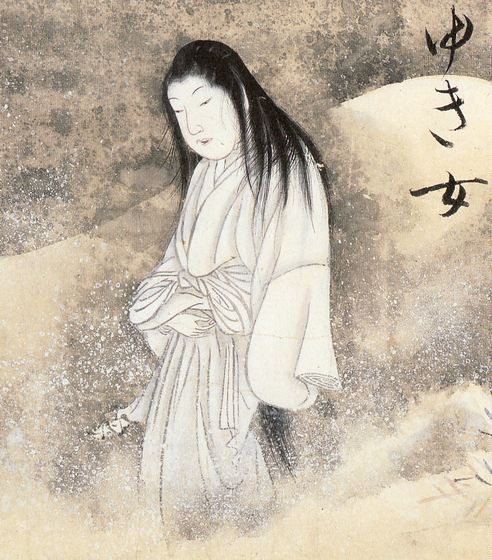
Japan’s yuki-onna, the snow woman, drifts through winter tales as a pale figure seen in storms, beautiful and untouchable as frost on glass, told in ghost-story collections and fireside whispers. She appears on mountain paths and remote villages, embodying the hush that falls when snow absorbs every sound, and her presence often tests whether a traveler chooses courtesy, restraint, and steadiness in hard weather. In a Christmas party scene, yuki-onna becomes the quiet pause by the window, when music softens and conversations turn honest, as if the night asked for gentleness before laughter swells back into the room again.
Frau Holle
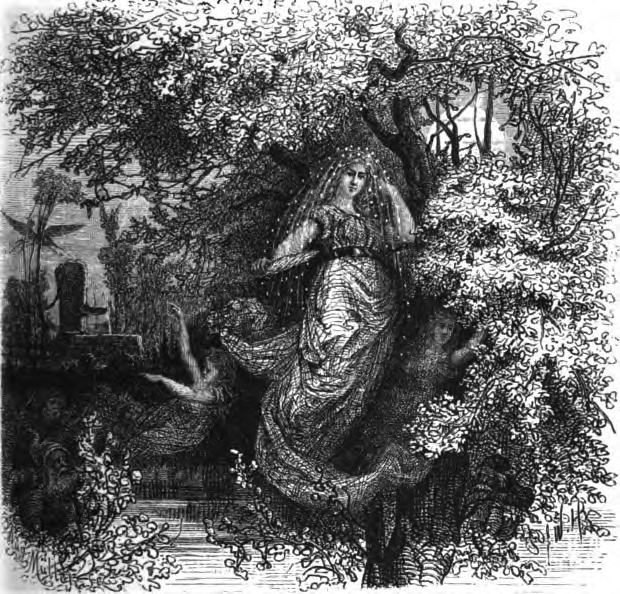
In German folklore, Frau Holle shakes out her feather bed, and snow falls over the world like clean linen, a charming explanation for weather that once felt mysterious and personal. Known from the Brothers Grimm tradition, she rules a hidden domestic realm where spinning, bread-baking, and honest work matter, and where rewards arrive not through luck but through character. At a Christmas party, Frau Holle arrives as tidy grace: napkins folded, candles straight, and a room that feels welcoming without strain, as if winter itself approved the small efforts that help everyone relax and belong. Snow can be a compliment.
Selkies
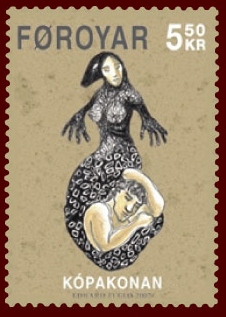
Along North Atlantic coasts in Scotland and Ireland, selkies slip between seal and human forms, leaving their skins on rocks like secrets in plain sight. The stories feel made for long winter evenings: a visitor at the door, a romance touched by the ocean’s rules, and the reminder that some hearts answer to places as much as to people. At a Christmas party, a selkie tale is the guest who pauses by the window when the carols rise, then returns to the table with kinder eyes, suggesting that joy can coexist with yearning, and that belonging is sometimes a tide, not a contract signed once and forever. The sea still votes.
Tió De Nadal
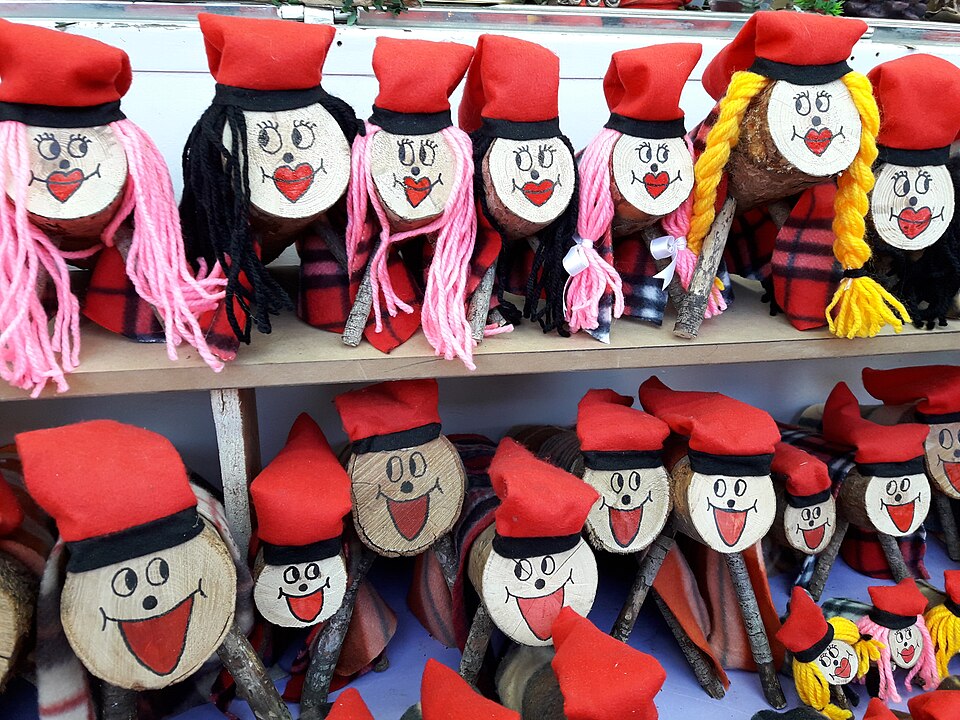
Catalonia’s Tió de Nadal looks like a humble log with a painted smile and a little red cap, tucked under a blanket as if it could catch a chill. Children “feed” it in the days leading up to Christmas, then sing traditional verses and tap it with sticks so it delivers treats, a joke that somehow stays tender because the whole household plays along. At a Christmas party, Tió de Nadal is comic relief with deep roots: a reminder that magic can be wooden and slightly ridiculous, and still capable of turning a table of adults into grinning kids who pass sweets around like secret treasure. Winter needs laughter to stay warm.