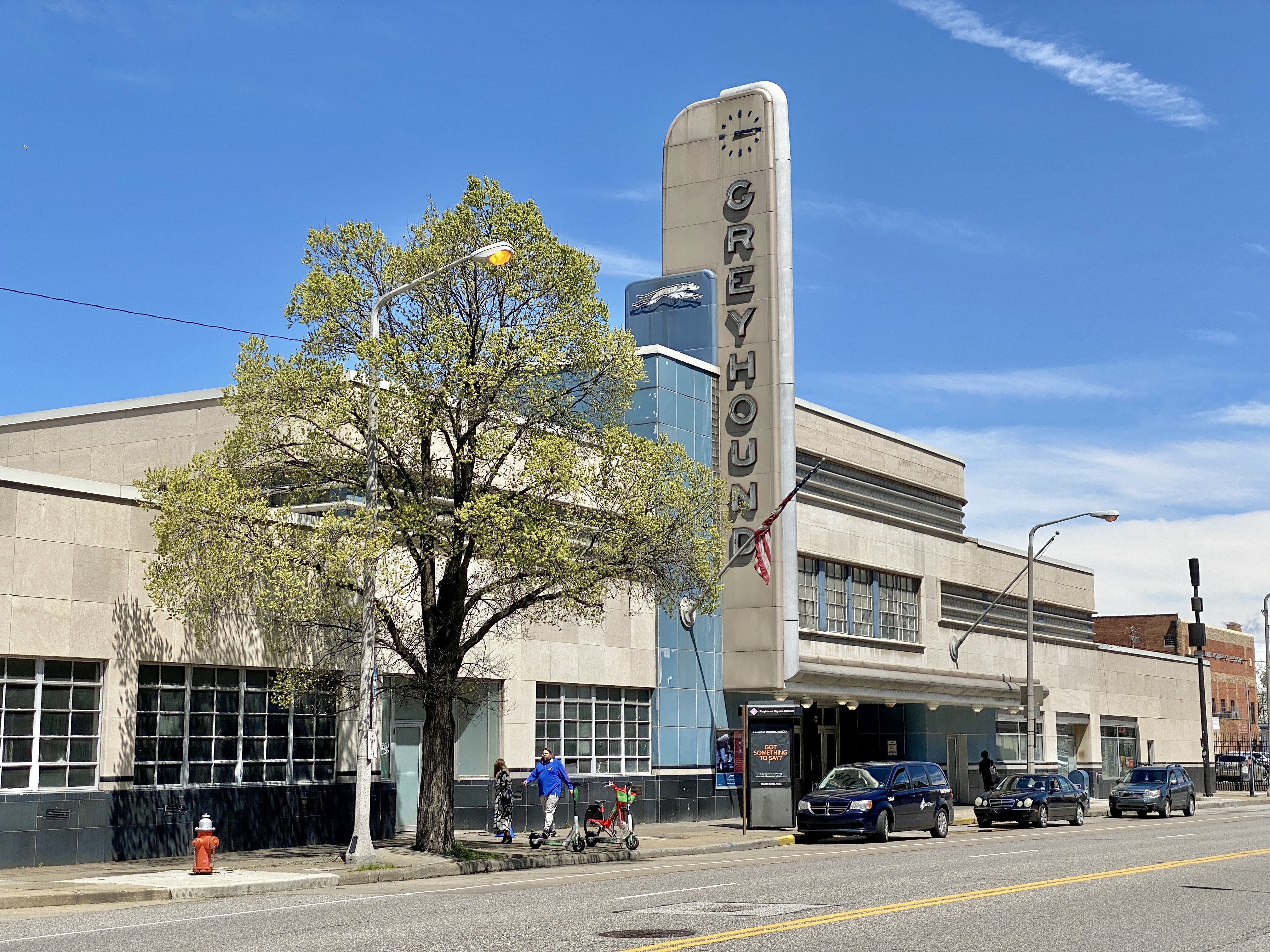
Greyhound bus travel shaped how many Americans understood their own country. Before cheap flights and phone maps, a paper ticket and a highway schedule could link a small town to a distant city in one long, rumbling line. The company traces its start to 1914 in northern Minnesota, when Carl Wickman began carrying miners between Hibbing and Alice, a modest route that grew into a nationwide network. That growth made the bus a practical bridge for students, workers, and families moving on tight budgets. The ride was rarely glamorous, but it was revealing. From station benches to sunrise arrivals, it taught lessons about distance, regional character, and the quiet ways strangers share space when plans go sideways.
A Country Measured in Transfers, Not Miles
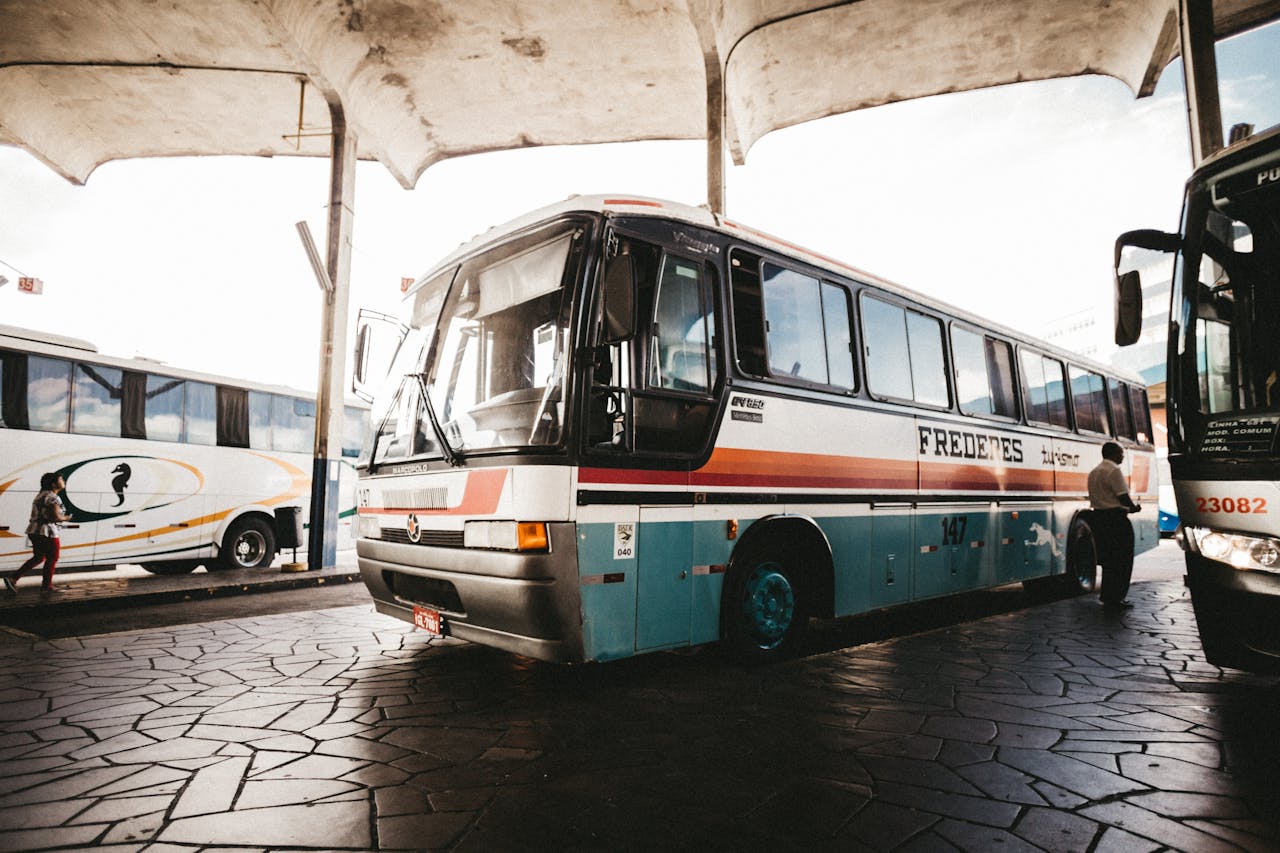
Greyhound taught that America is not a straight line on a map but a chain of connections. Riders learned to read printed schedules, guard a seat through layovers, and track bay changes called over loudspeakers while keeping a paper ticket, ID, and luggage tag close. Transfers turned geography into lived experience, where accents, weather, and time zones could flip between coach numbers, and a missed connection meant scavenging a snack, making a pay-phone call, and practicing calm until the next headlight sweep pulled in with a new departure slip taped to the window, and the driver’s count-off became the only clock that mattered.
Bus Stations Were Miniature Cities
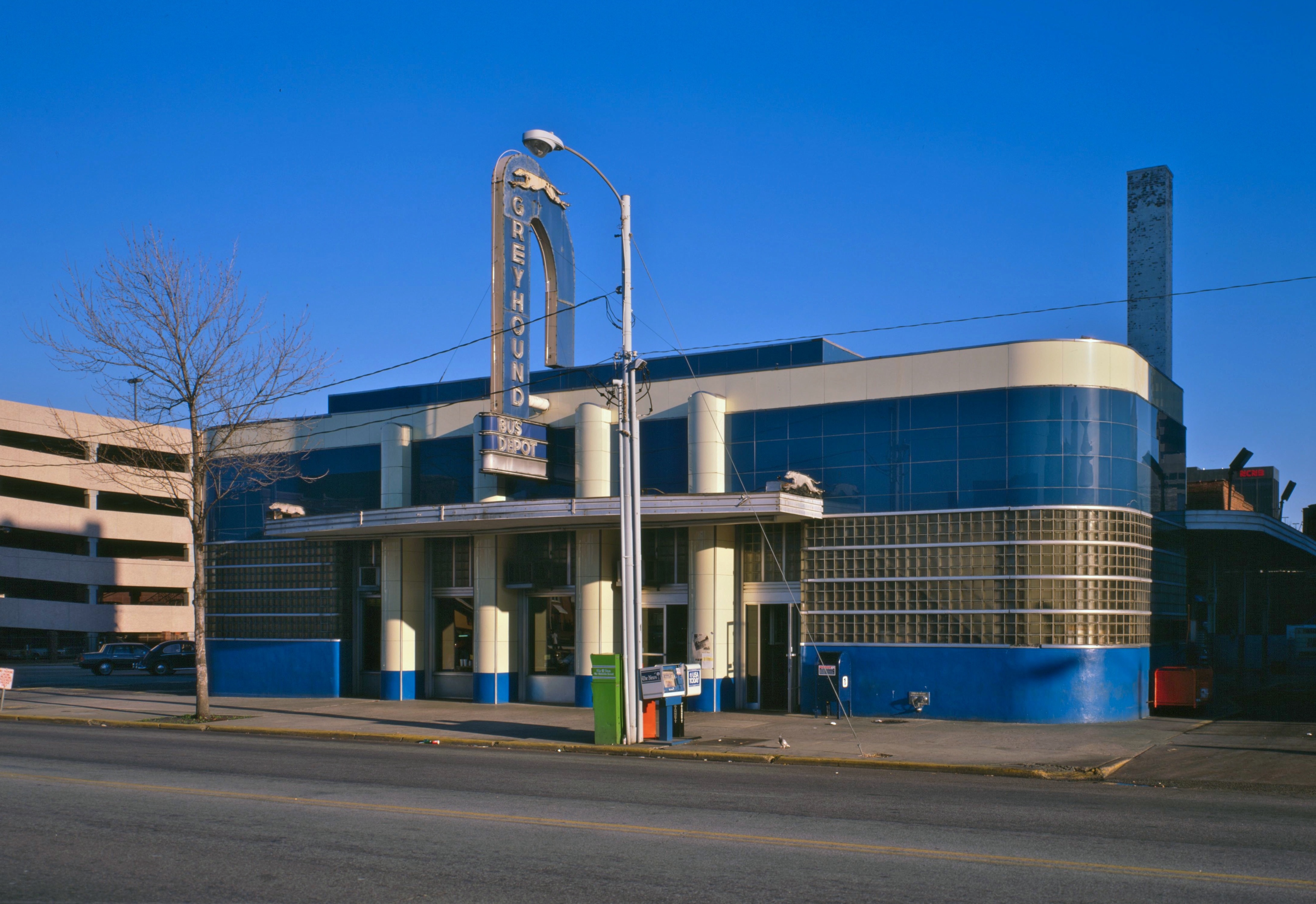
A terminal was a crash course in public life: ticket windows, pay phones, vending machines, and the shuffle of arrivals. In the best stations, a coffee counter and a newsstand kept things civilized; in the rougher ones, fluorescent light, restroom lines, and diesel air taught riders to stay alert without getting cruel about it. Stations showed how shared space works when nobody has the same destination, with line etiquette, loudspeaker calls, and favors between strangers turning a bus bay into a short-lived neighborhood of bags and stories, and a city’s mood showing up in who lingered and who helped at 2 a.m. without being asked.
Affordability Became a Form of Freedom
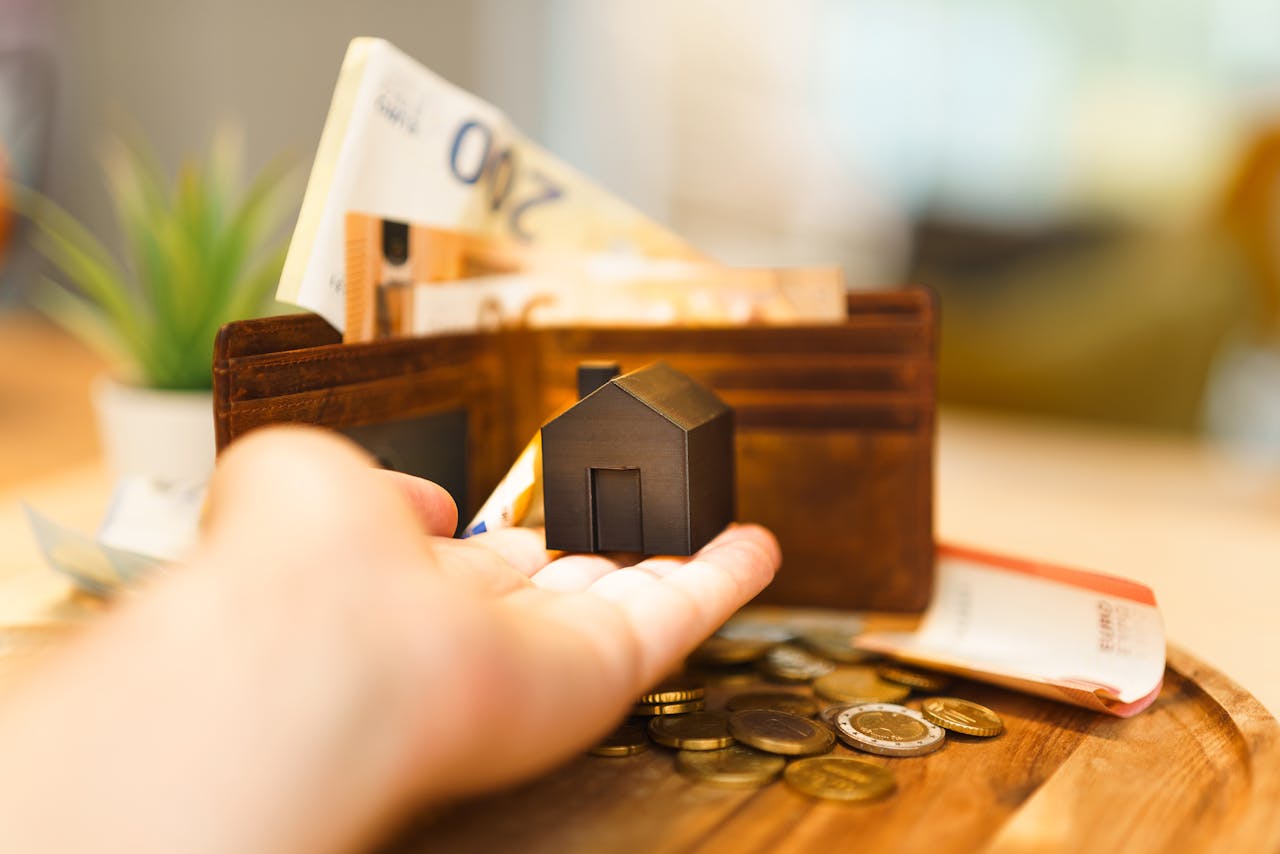
For students, new recruits, job seekers, and families stretching a paycheck, the low fare mattered more than comfort. Greyhound proved mobility did not require a car payment, only patience, a packed sandwich, and a plan flexible enough to survive delays and a driver swap at midnight. That bargain shaped riders who traded speed for possibility, buying one-way tickets toward a first job or community college, mailing a resume during a layover, visiting a sick relative without draining savings, and showing up again with a duffel bag when starting over was cheaper than staying stuck, even if it meant one more long night on vinyl seats.
Regional America Had Its Own Rules
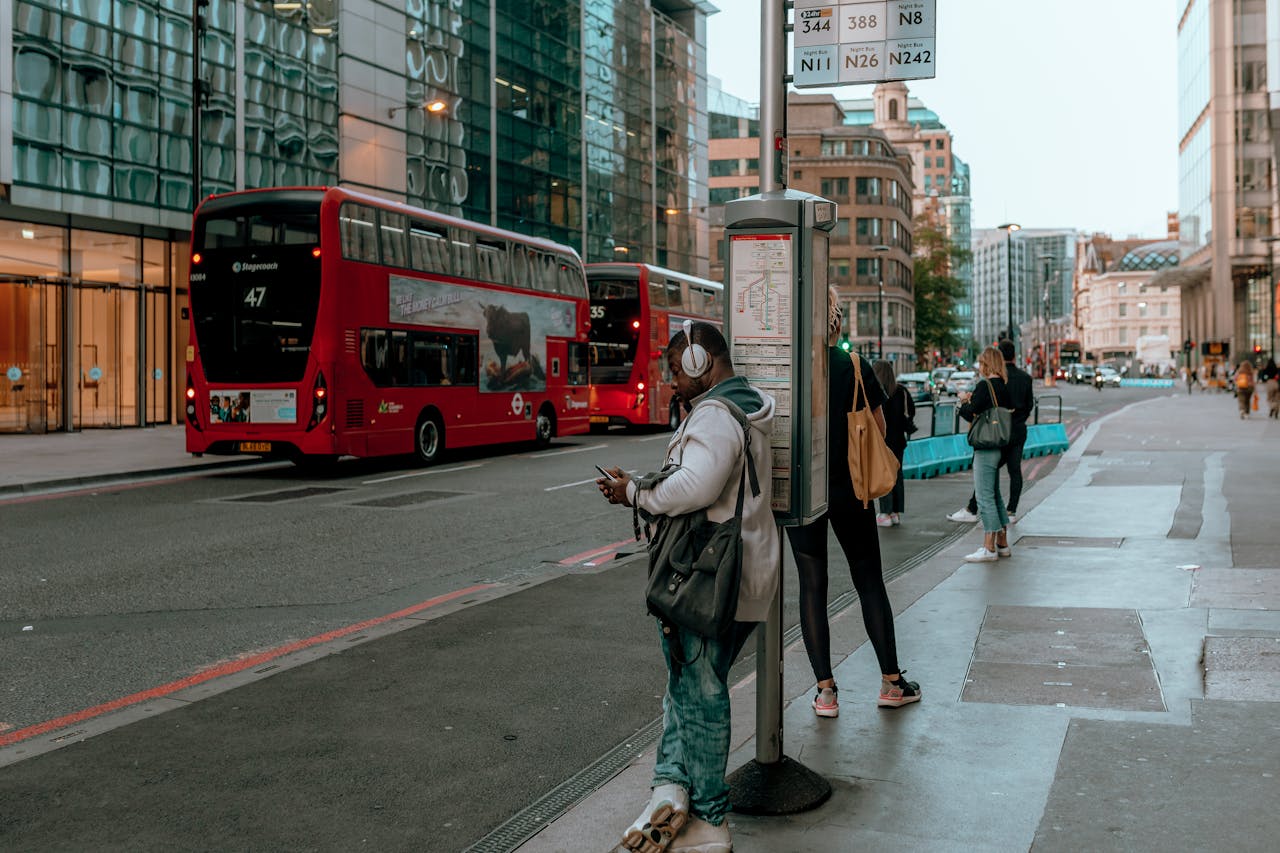
On a long route, America’s regional differences arrived in small, unmistakable signals. Stoplights lasted longer in one town, diner hours changed in the next, and the radio behind a counter shifted from country to Tejano to gospel without apology. Greyhound made clear that national unity is real but stitched from local habits, where weather, slang, and food choices could pivot between state lines, and riders learned to read place through details like a waitress calling everyone honey, a restroom key tied to a wooden block, or a clerk who warned that the last taxi leaves at 10 p.m. and meant it before the highway went dark.
Civil Rights Was Not an Abstract Story
Interstate buses made civil rights impossible to treat as an abstract headline. Even after Supreme Court decisions like Morgan v. Virginia and Boynton v. Virginia, segregated seating and terminal facilities persisted in many parts of the South because enforcement lagged behind the law. That is why Freedom Riders boarded Greyhound and Trailways coaches in 1961, insisting on integrated travel through waiting rooms, lunch counters, and restrooms, often at real personal risk in broad daylight, and proving that a simple act of movement could force the country to choose between its rules on paper and its behavior at the curb, right there.
Strangers Could Become Temporary Allies
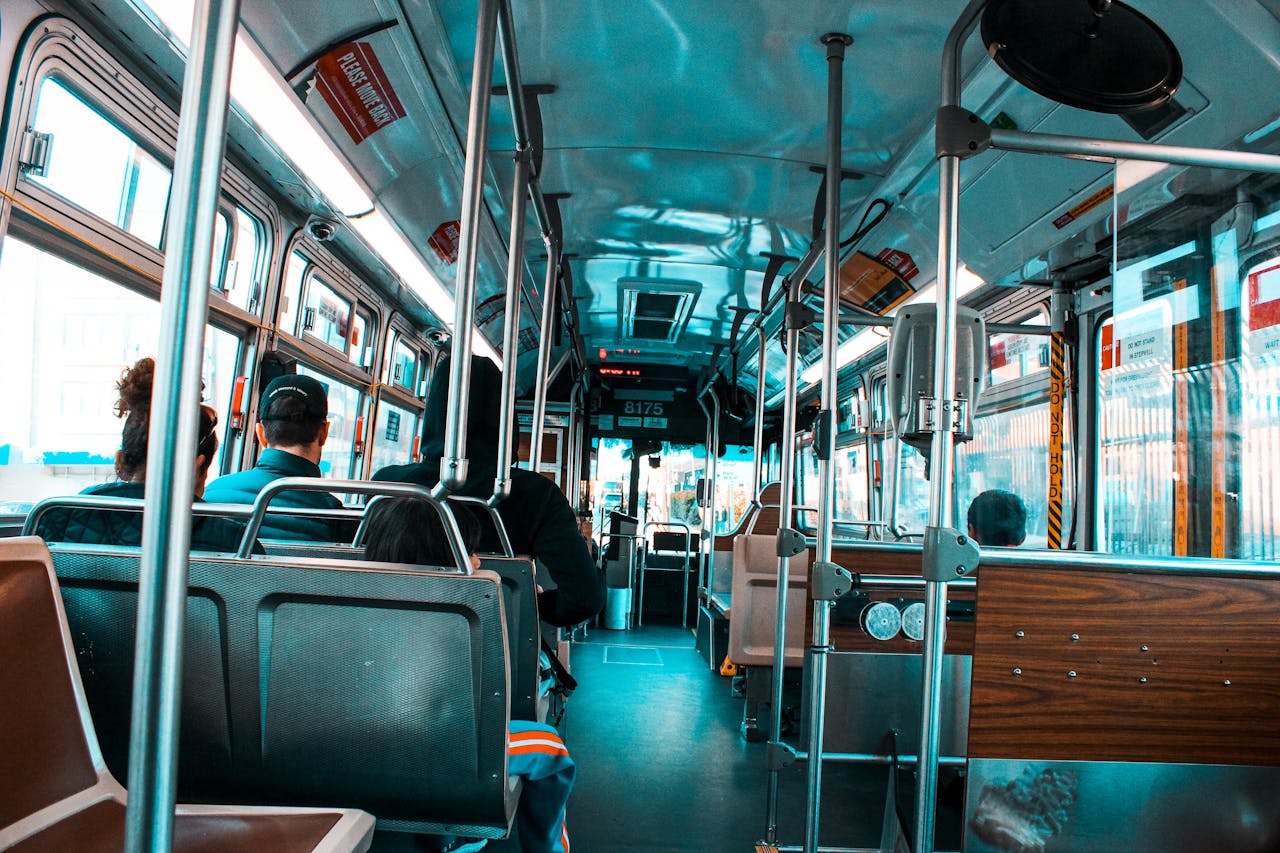
When delays stacked up, strangers could become temporary allies without turning it into a performance. A shared snack, a watched suitcase, a borrowed phone charger, or a quiet offer to swap seats so a parent could sit beside a kid carried real weight, especially at night when the terminal felt too big and too bright. The bus encouraged low-stakes conversation that did not require a follow-up, yet still felt honest, because everyone was stuck together for a while, and small kindnesses like pointing out a safer exit or splitting cab fare made the trip survivable until names dissolved at the next stop quietly into separate cities.
Time Moved at Highway Speed
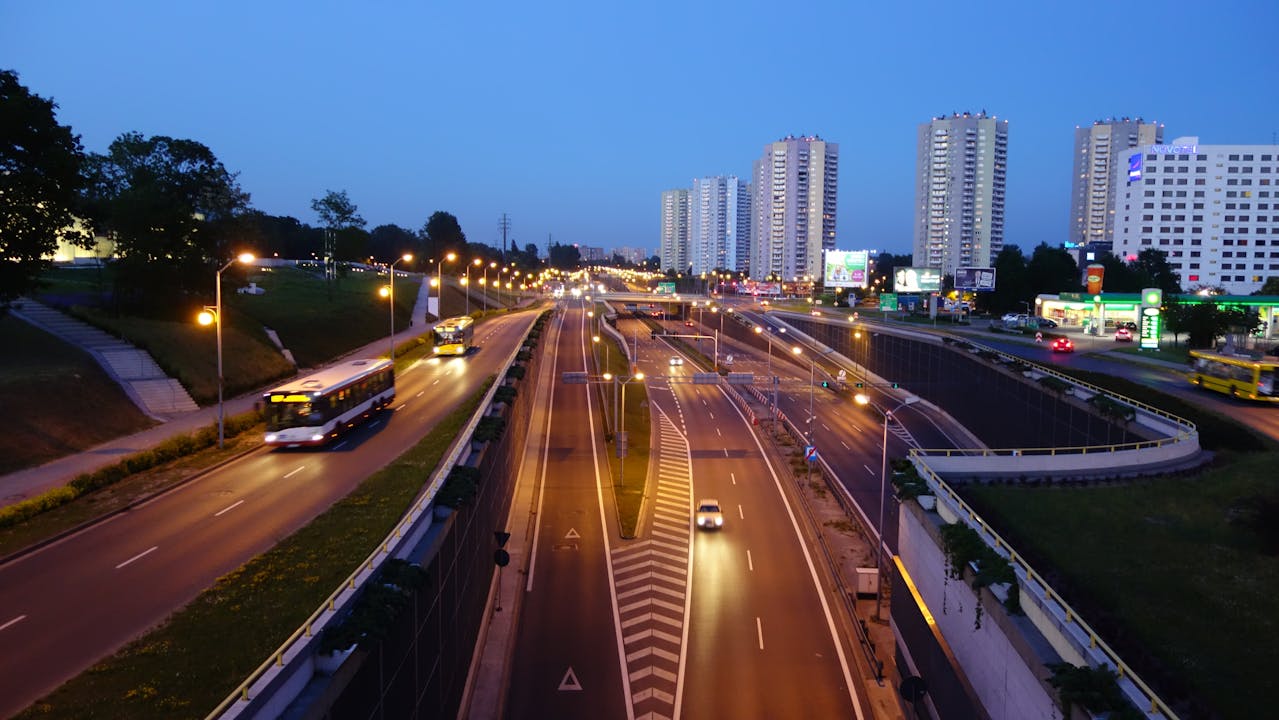
Greyhound forced a different relationship with time, shaped by traffic, weather, and the limits of long-haul driving. A trip that looked simple on paper could stretch as engines cooled, storms rolled in, or a late coach triggered missed transfers, reroutes, and gate assignments scribbled onto the back of a ticket. The pace trained riders to plan loosely, keep essentials within reach, eat when the stop allowed, and treat boredom as a real travel condition in sight for all, while sunrise under a station clock felt like a verdict and a promise, and the road taught patience as a skill earned, not preached, one delay at a time.
The Landscape Explained the Economy

Through a bus window, the country’s working life came into view without a narrator. Routes threaded past refineries, warehouses, orchards, and empty mills, then dipped into towns where shift change spilled into parking lots, and hand-painted HELP WANTED signs competed with boarded windows. Because Greyhound stopped where airlines did not, riders could watch prosperity and struggle trade places across county lines between one rest stop and the next, in real time, and learned that economic change is not a headline but a skyline, a factory gate at 6 a.m., and a storefront sign that tells the truth before anyone writes it down.
Home Could Be Far, Yet Still Reachable
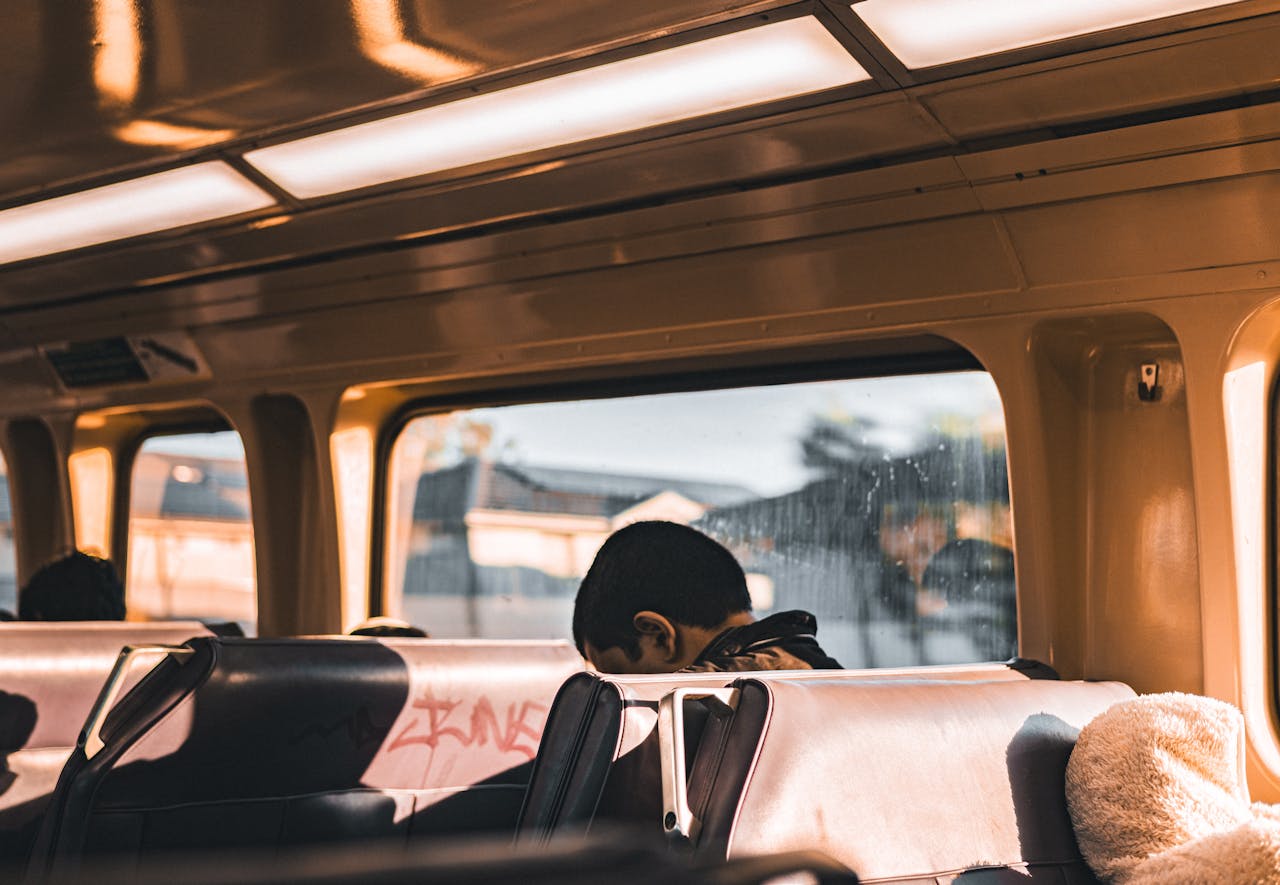
For breaks, funerals, reunions, military leave, and second chances after a rough season, Greyhound made return possible. The coach became a moving threshold between who someone had been and what came next, with a duffel at their feet, a ticket folded like a promise, and the driver calling stations that sounded like old chapters. Even when the ride felt cramped, the ticket carried reassurance: America was big, but it could still deliver a person back to family, work, court dates, or a new start, one mile marker at a time, with the hum of tires and coffee at stops, without requiring anything more than persistence and a seat number.