Travel can feel like a quiet conversation until a small habit lands wrong. In some places, etiquette is not just a social cue but a rule with teeth, shaped by crowd pressure, fragile heritage, and the need for public order. A snack on a famous staircase, swimwear carried a few blocks inland, or a careless gesture in traffic can cross a legal line without warning. The surprise is how ordinary the actions look. The intent is rarely to embarrass visitors. It is to protect stone, water, cleanliness, and the daily dignity of residents who live inside postcard scenery. Enforcement also reflects local frustration when tourism overwhelms narrow streets and transit. Knowing the boundaries keeps trips calmer for everyone.
Rome, Italy: Resting on the Spanish Steps

Rome treats the Spanish Steps as a protected monument, not public seating, so police regularly ask people to stand, pocket snacks, and keep moving. Sitting, lingering, or eating there can trigger fines that often start around €250 and rise when food, drink, or scuffing is involved, because the soft marble wears quickly and stains are hard to remove without harm. Officials say the rule protects the stone and prevents bottlenecks in a staircase built for another era, where one stalled photo group can block families, tour lines, delivery routes, and emergency access, while tempers flare and the crowd piles up behind them.
Rome, Italy: Cooling Off in Historic Fountains

Stepping into Rome’s fountains to cool off is treated as an offense, not a harmless heatwave fix, and officers do intervene even when the water looks inviting. Fines can run into the hundreds of euros because these basins are protected artworks and working water systems, and officials cite hygiene, damage, and crowd safety when explaining why feet, swims, and splashing are banned. Sunscreen, coins, and litter contaminate the water, copycat stunts pull crowds into tight corners, and cleanup can require shutdowns, so patrols respond quickly near Trevi and other famous sites, especially after dark, when the plaza is packed.
Venice, Italy: Feeding Pigeons in the Piazza
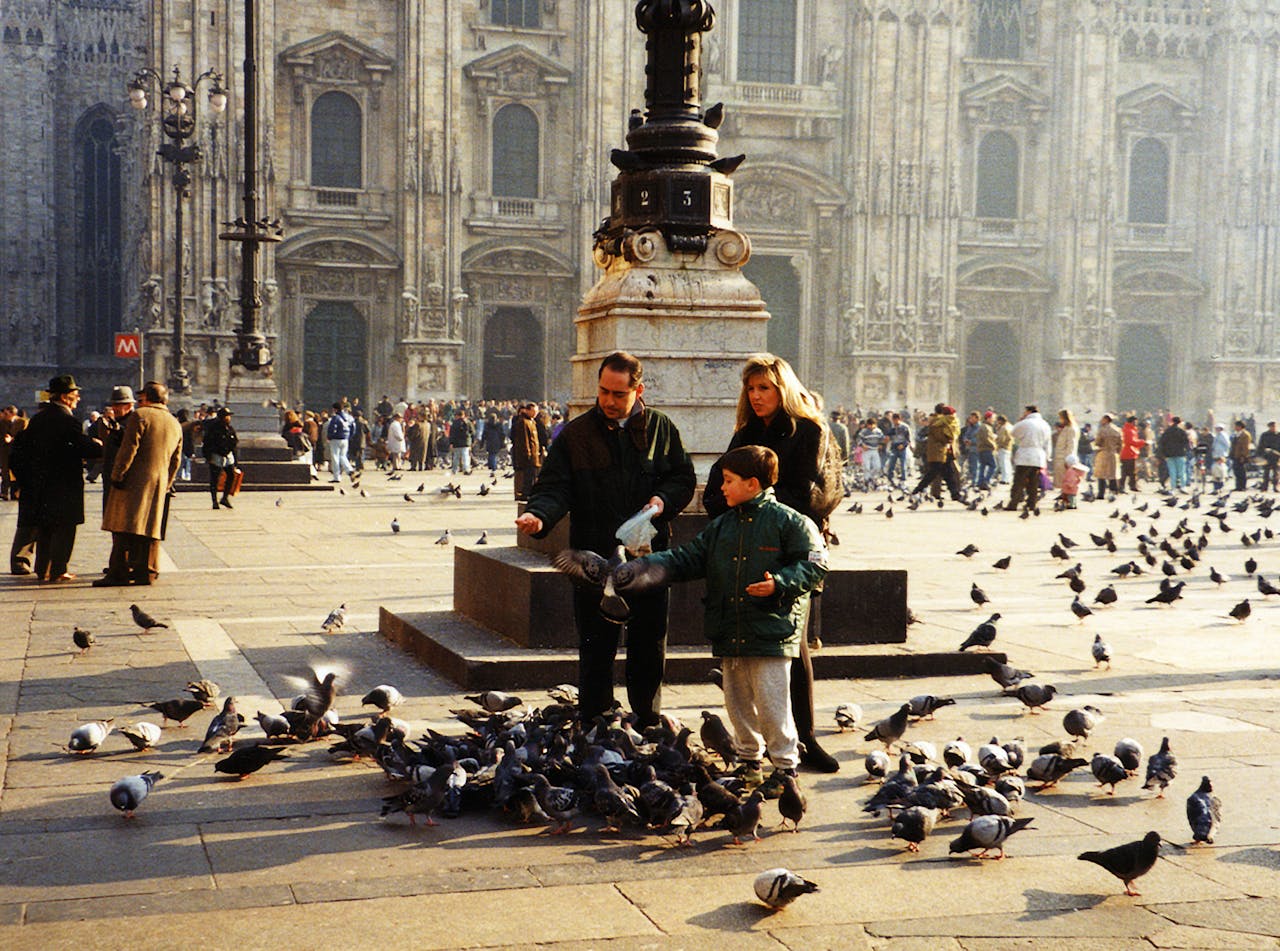
Venice bans feeding pigeons in major squares, including around St. Mark’s, and enforcement is routine when crowds are thick and cameras are out. Fines commonly start around €50, aimed at protecting stone and bronze from corrosive droppings while stopping flocks from overwhelming narrow routes where birds surge, children panic, and foot traffic freezes. Locals frame it as basic upkeep for a city already battling erosion and flooding, where droppings stain façades, clog drains, attract pests, and force frequent cleaning that accelerates wear on historic surfaces, drains budgets, frustrates residents, and never truly ends.
Venice, Italy: Swimming in Canals
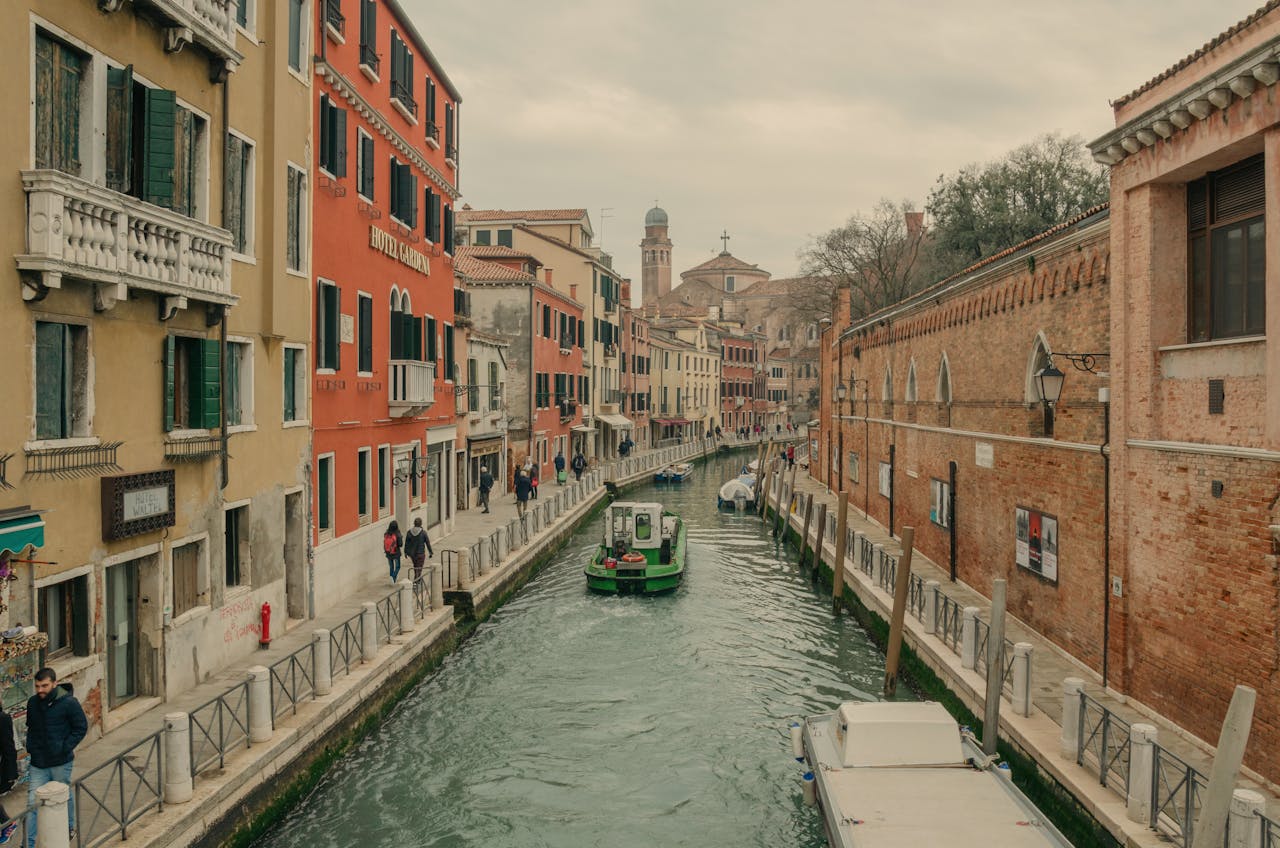
Venice treats canal swimming as a safety violation and a breach of public decorum, not a playful rite of passage, and police act quickly when it happens. Fines can be steep, and authorities have issued temporary bans in high-profile cases, because canals are active transport lanes with wakes, limited visibility, algae-slick edges, and sudden drop-offs that make rescues dangerous. Gondoliers and residents report incidents fast, and officers intervene to stop copycats before a bridge turns into a cheering gallery and emergency crews get pulled into a stunt that disrupts water traffic, schedules, and local work every day.
Barcelona, Spain: Wearing Swimwear Away From the Beach
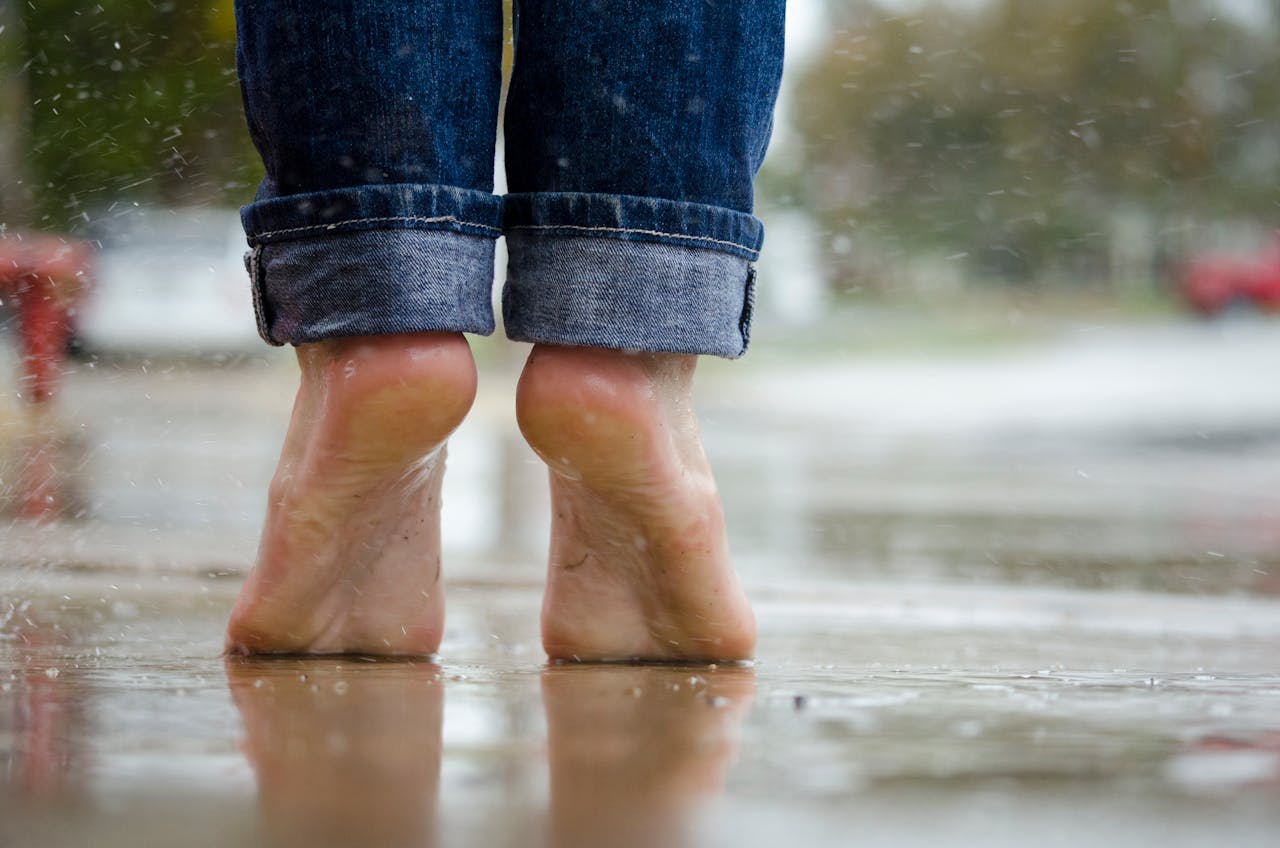
Barcelona expects beachwear to stay near the water, not wander into everyday streets, supermarkets, and transit, where locals are trying to keep normal routines. Walking around in a bikini, swim trunks, or bare chest can bring fines often cited around €250, especially along summer corridors between the waterfront and metro stops where complaints rise with the temperature. The rule is framed as respect for shared space, since cafés, markets, and residential blocks are not resort hallways, and the city wants visitors dressed appropriately without turning every shop entrance, bus stop, and sidewalk into a conflict quickly.
Dubrovnik, Croatia: Touring the Old Town in a Bathing Suit

Dubrovnik’s Old Town bans swimwear and shirtless walking inside its historic walls, treating the area as a lived-in neighborhood rather than a beach overflow zone. Fines can reach into the hundreds, and wardens are most visible when cruise crowds squeeze into limestone lanes where sound echoes, shade is scarce, and one underdressed group can change the tone of an entire street. Officials tie the rule to dignity near churches, homes, and civic buildings, and signs at the gates make it clear that covering up is expected once narrow alleys replace the shoreline, with enforcement meant to keep the town from feeling like a theme park.
Athens, Greece: High Heels at Ancient Sites

At Greek archaeological sites, high heels can be treated as a preservation hazard, with penalties reported as significant when staff decide the surface is at risk. Narrow heels can scratch, chip, or crack ancient stone, so guards watch for footwear and behavior that harms surfaces, because damage is cumulative and hard to reverse once a groove, fracture, or loose fragment appears. Stable flats and soft soles are encouraged as practical respect, acknowledging that these ruins are not just scenery for photos but fragile floors that must survive weather, restoration work, and millions more careful steps every year, nonstop.
Sardinia, Italy: Taking Sand or Shells as Souvenirs

Sardinia restricts taking sand, pebbles, or shells as souvenirs, and fines can reach thousands of euros when travelers are caught leaving the island with beach material. Authorities argue the harm is collective, since each pocketful feels small but adds up to real loss in dune stability, shoreline shape, and habitat for tiny coastal species, while illegal resale has also become a concern. Enforcement includes checks at ports and airports, and confiscations are common enough to be a local warning story, because what looks like a keepsake is treated as theft from a coastline that cannot be replaced once it disappears.
Singapore: Dropping a Cigarette Butt or Small Litter

Singapore enforces anti-littering rules with a consistency that makes small mistakes expensive, and the system is built so enforcement feels hard to dodge. Even a cigarette butt, tissue, or tiny wrapper can trigger an immediate fine, and repeat cases face tougher penalties, because the law ties cleanliness to public health, pests, and everyday comfort in dense neighborhoods. Cameras, patrols, and public reporting keep enforcement predictable, building habits that keep parks, sidewalks, and transit stations clean, and making it clear that the standard applies in the ordinary places where people actually live daily.
United Arab Emirates: Eating in Public During Ramadan Daylight

In parts of the UAE, eating or drinking in public during Ramadan daylight hours has been treated as a legal offense, with fines and other penalties noted in official guidance. The expectation is about respect in shared spaces during the fasting month rather than surveillance of private life, and enforcement can vary by emirate, venue type, and whether an area is clearly set aside for dining. Restaurants often adapt with screened sections, limited daytime service, and prominent signage, and visitors who follow the custom avoid legal trouble while showing consideration for a sacred rhythm shaping public life and public mood.
Germany: Insults and Rude Gestures as a Criminal Offense

Germany can treat certain insults and rude gestures as a criminal matter under laws that protect personal honor, which surprises travelers who assume it is only social etiquette. Cases often hinge on a complaint being filed, so road rage and public disputes are common triggers, and a quick hand sign or shouted slur can turn into a formal report, statements, and a review process. Fines may arrive later, which is why the sting lingers: the argument ends, but the consequences keep unfolding through letters, deadlines, and fees, reinforcing that public disrespect can be handled like a legal injury, not a moment that fades.
Spain: Urinating in the Sea Under Beach Ordinances

Some Spanish beach towns use local ordinances to fine people for urinating in the sea or on the shore, framing it as hygiene and public comfort in heavily used public space. Reported penalties can run several hundred euros, and deterrence matters most in peak season, when crowded sand leaves little privacy and a few bad habits can sour the experience for everyone nearby. Signs often group the rule with bans on littering, loud music, and disruptive behavior, reinforcing that beaches are civic spaces with standards, and the fine is meant to change behavior quickly, especially in small resort towns where complaints travel fast.