Home trends rarely vanish overnight. They fade in corners first: a finish that once felt crisp starts to read cold, a signature detail begins to look copied, and a room suddenly feels pinned to a specific year. Recent forecasts and homeowner surveys point to warmer palettes, richer texture, and layouts that support real routines, not just glossy photos. The features ahead share a pattern: they are visually loud, maintenance-heavy, or tied to a single style wave. In about five years, many will still exist, but they may signal a past renovation era rather than an enduring choice. The smartest updates leave room to evolve.
All-White Kitchens
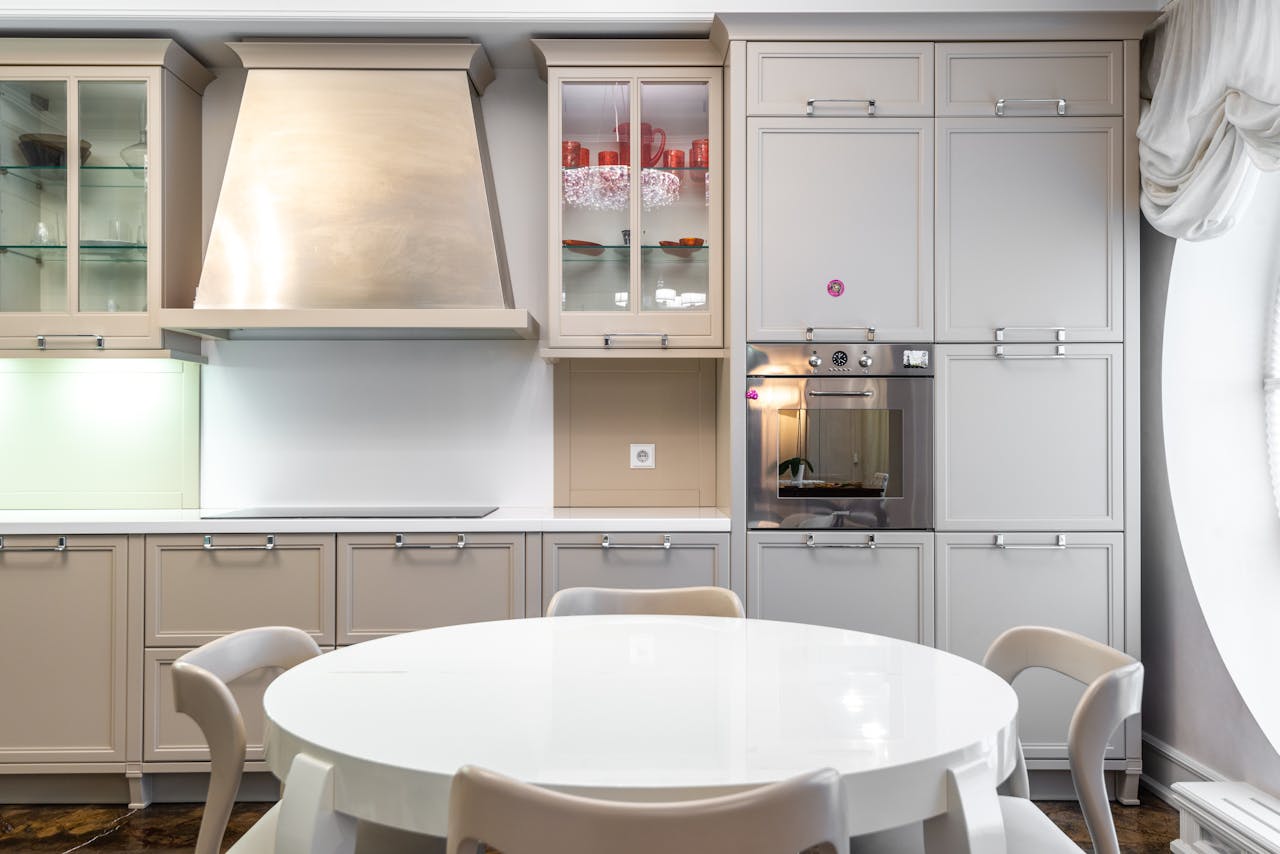
All-white kitchens still sell the idea of clean, but they also spotlight every nick, splash, and shadow, which can make the room feel fussier than it ever looked online. Forecasts for 2026 kitchens keep pointing toward warm whites, wood cabinetry, and hidden work zones like sculleries and appliance garages, so pure white-on-white starts to read like a mass-market template. When cabinets, counters, and backsplash all match, the eye loses depth, and the kitchen can feel sterile on gray winter mornings, even with expensive stone, strong LEDs, and staged stools; a warmer mix with contrast tends to hide real life and age more kindly.
Cool Gray Whole-Home Palettes
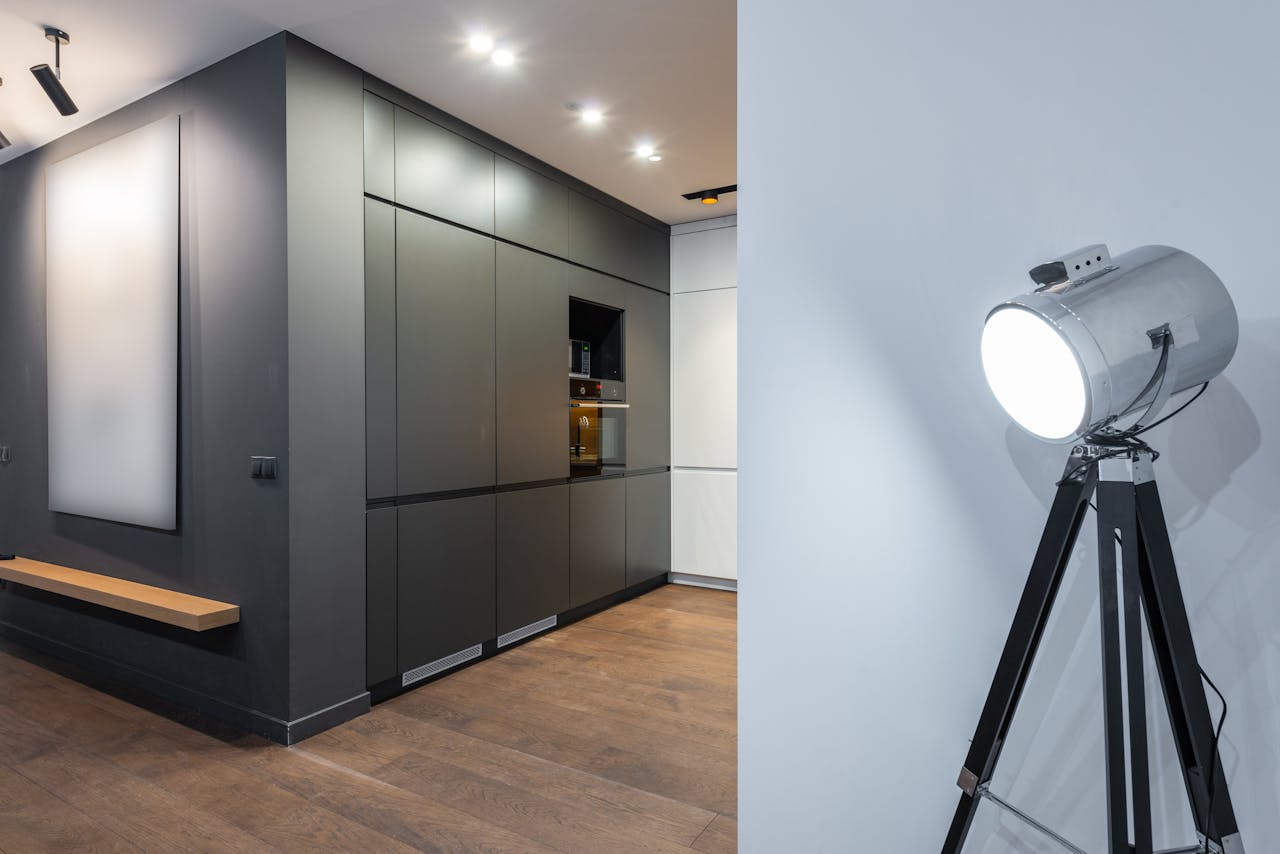
Cool gray promised calm for a decade, but overuse turned it into the calling card of quick flips and builder upgrades. With designers predicting that millennial gray keeps losing ground in 2026, the color can make daylight feel thin, and it can push a room toward a cold, office-like mood once evening lamps click on. When gray shows up in paint, vinyl plank, grout, and stone-look counters at the same time, the interior reads like a preset filter, and even great furniture looks temporary; warmer neutrals with subtle brown, pink, or green undertones shift with seasons and feel livable longer without begging for a repaint every spring.
Fully Open-Concept Great Rooms
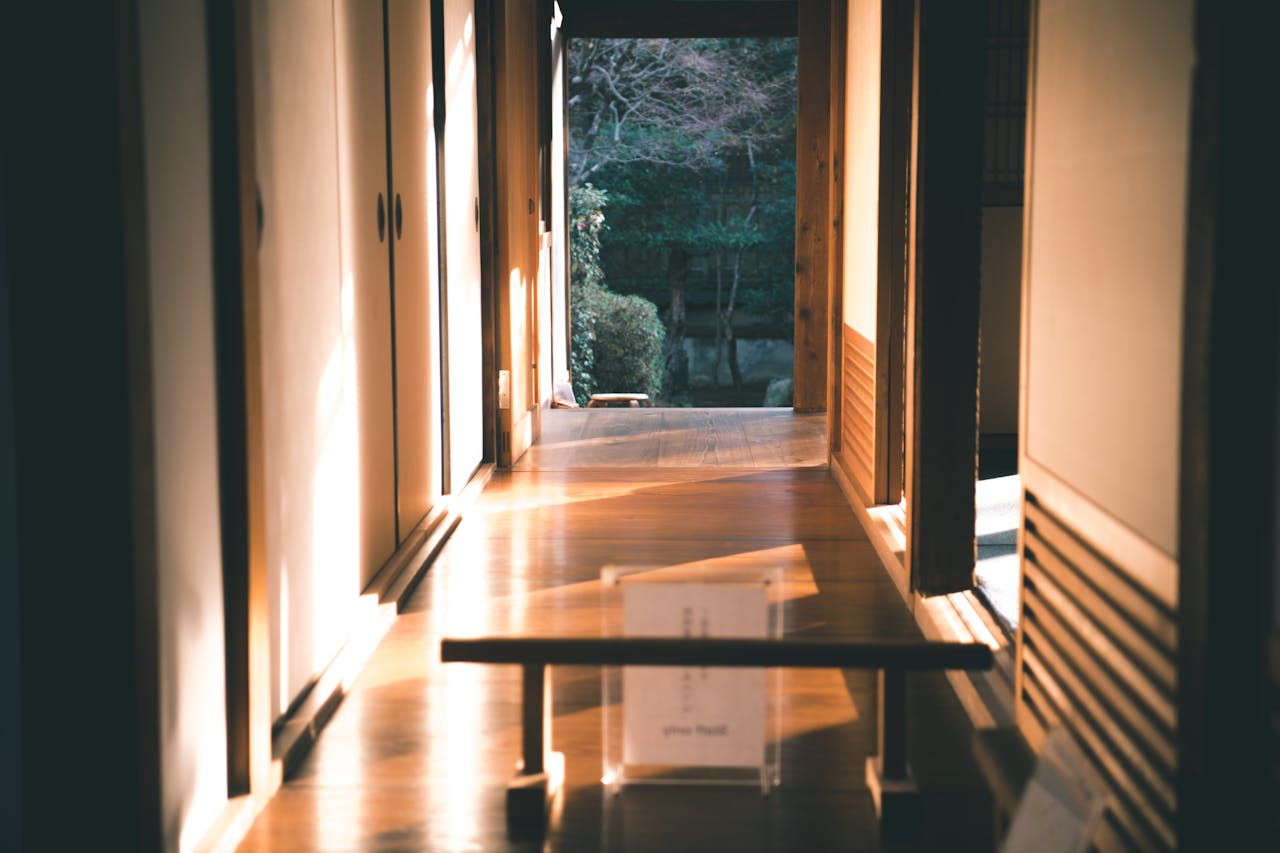
The fully open great room was built for entertaining, yet daily life now asks for quiet corners, doors that close, and zones that function at the same time. Recent design coverage has questioned the open-plan default, linking the shift to remote work, multigenerational living, and a plain desire for better acoustics. When cooking smells, video calls, and TV sound share one big volume, the space can feel restless, and heating or cooling becomes a constant tug-of-war; partial walls, glass dividers, or pocket doors bring privacy back, and they let the kitchen be active without broadcasting every mess to the sofa and dining table.
Matte Black Hardware Everywhere
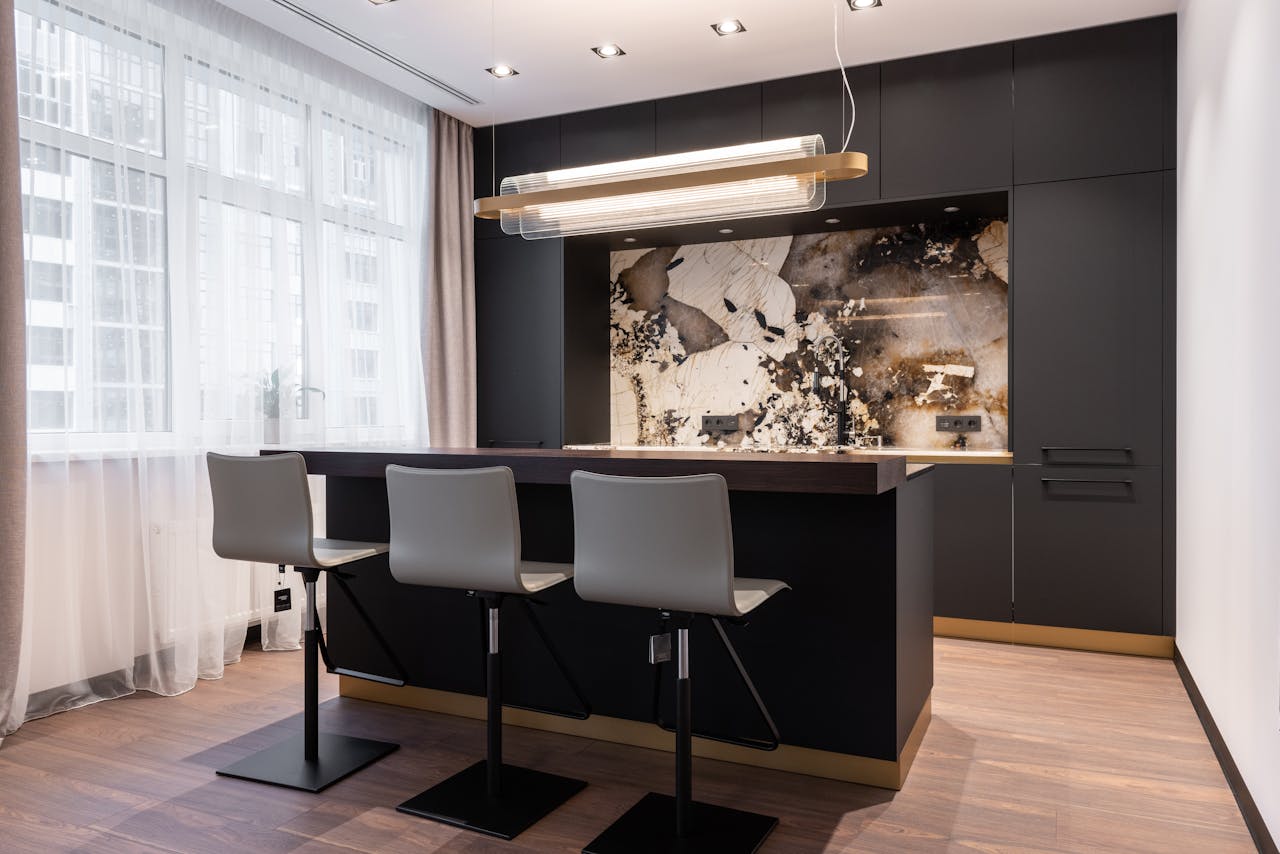
Matte black hardware started as a clean accent, but when every pull, faucet, sconce, mirror frame, and shower channel goes black, the room can feel like a pre-packed kit. Bathroom trend forecasts for 2026 call out matching fixtures as a look that is cooling off, replaced by warmer metals and intentional mixing for a collected feel. Black also shows chips, fingerprints, and hard-water spotting fast, so the minimal choice can turn into constant wiping, and the sharp contrast can look heavy once surrounding spaces shift toward cream, wood grain, and softer stone; even with updates, that all-black baseline reads time-stamped now
Open Shelving as Primary Storage
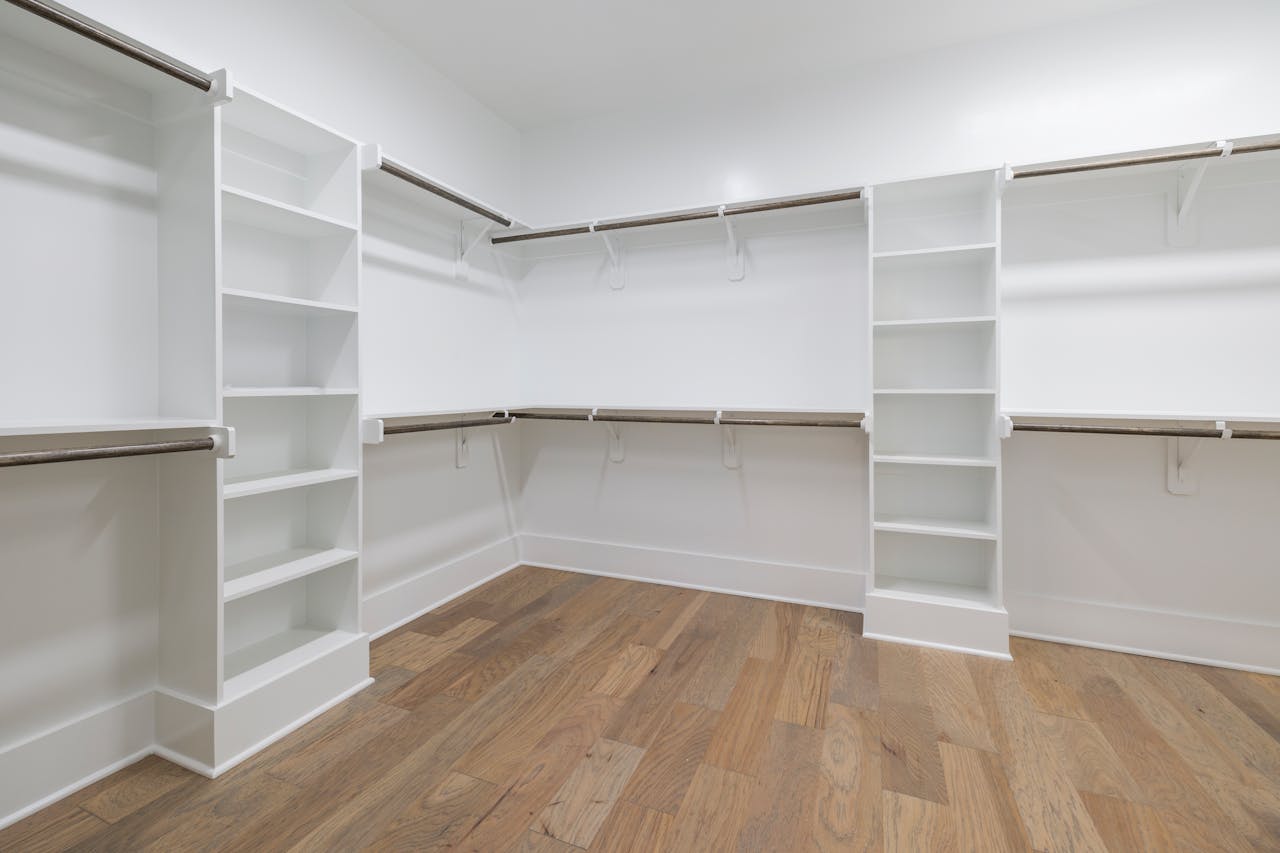
Open shelving sells an airy kitchen, with dishes lined up like a catalog, but it also turns everyday living into a display and every smudge into decor. Kitchen forecasts for 2026 highlight clutter-hiding work zones, from appliance garages to butler’s pantries, and that mindset makes shelf-first storage feel exposed. Grease film, dust, and mismatched packaging build up faster than most people expect, and the constant styling fatigue can date the look; in smaller kitchens, losing upper cabinets forces clutter onto counters, and shelf walls start to feel like a social-media phase that punishes busy weeks year after year too now
Waterfall-Edge Kitchen Islands
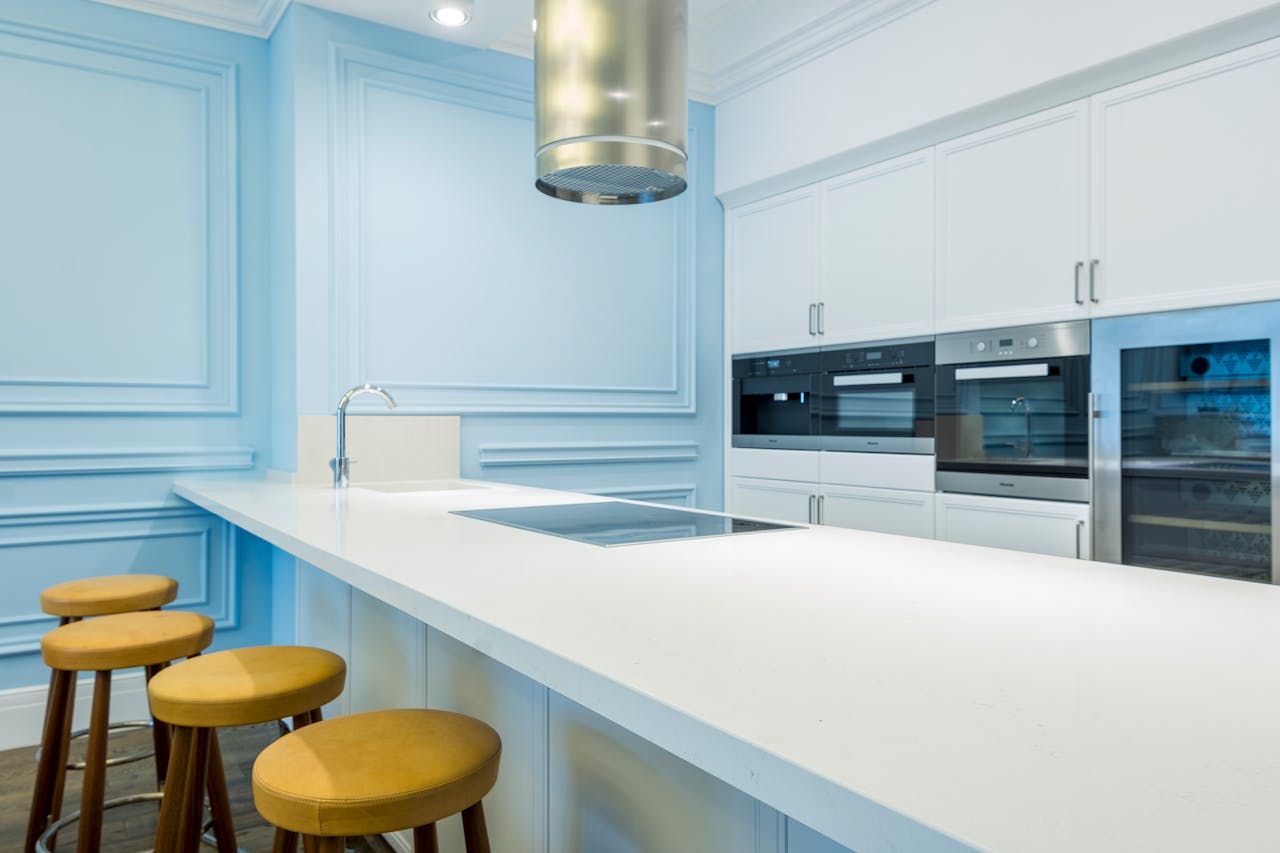
A waterfall island turns the countertop into a stone monolith, and for a while that drama read as instant luxury, especially in new builds. The problem is that it dominates the room: stools scuff the vertical face, corners chip, and the island becomes the loudest object even when the kitchen is small. As designers forecast 2026 kitchens with more warmth, wood, and hidden prep zones, the all-stone wrap can feel overly rigid; when the same slab also climbs the backsplash, the eye never rests. Mixed-material bases or a partial waterfall keep the upgrade feel, cost less, and make future changes far easier when tastes shift again.
Barn Doors as Default Interior Doors
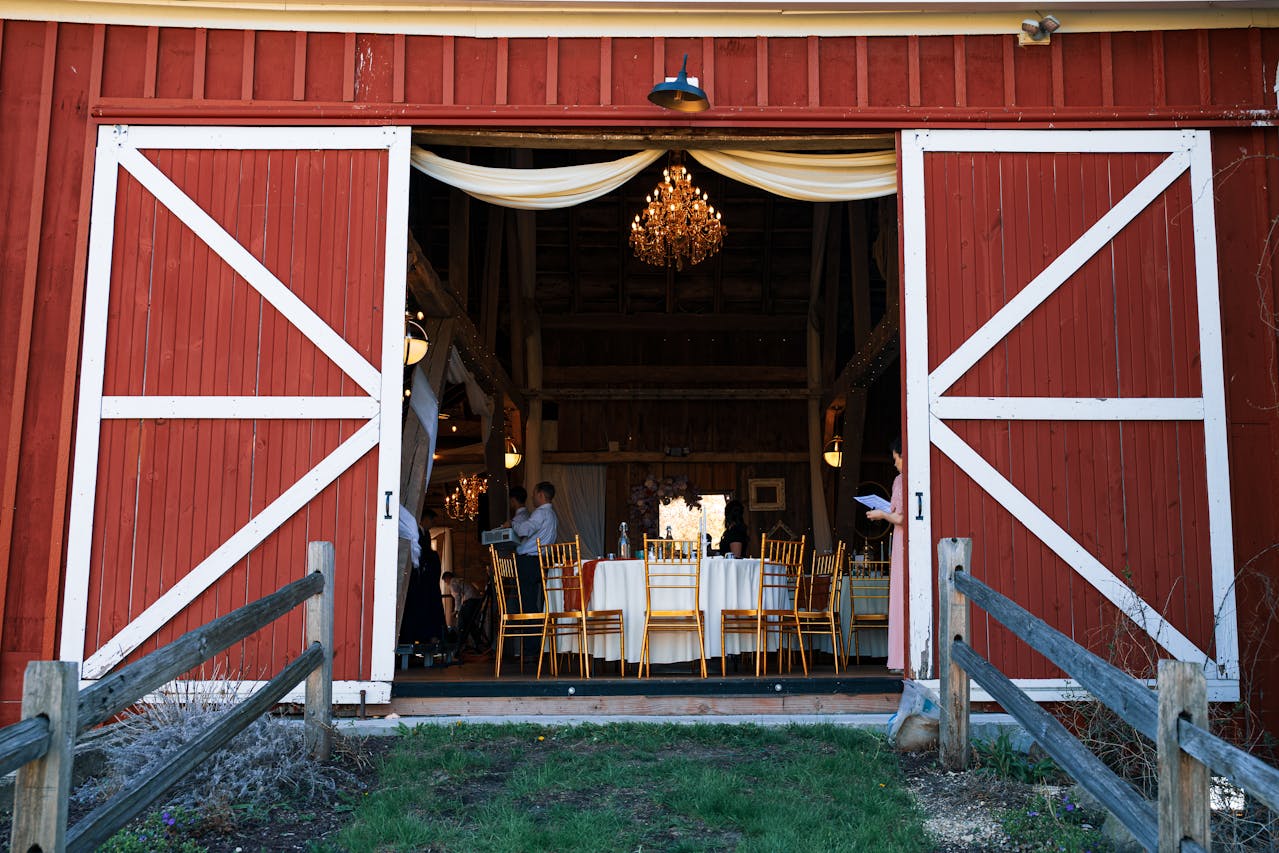
Barn doors solved space problems and brought instant character, but the exposed track and wide gaps also leak sound, light, and privacy in the exact rooms that need all three. With pocket doors making a clear comeback, and more homeowners craving rooms that can close, the rustic slider can read less like architecture and more like a themed accessory bolted to drywall. In bathrooms, offices, and bedrooms, the compromise becomes obvious: the door looks substantial, yet it does not behave like a real barrier, and the hardware turns into a permanent focal point once the rest of the home shifts toward cleaner trim and quieter surfaces.
Shiplap and Distressed Farmhouse Finishes

Shiplap and heavily distressed farmhouse finishes delivered instant texture, which is why they spread so fast from TV renovations into every price point. With designers now recommending limewash and plaster as the next wave of wall interest, the repetitive grooves can feel busy, collect dust, and cast harsh little shadows under overhead lighting. In homes without historic trim or real barn framing, artificial weathering reads staged, and shiplap is hard to unsee even after repainting; once tastes shift toward smoother, more organic surfaces, those horizontal lines can pin a room to a specific decade, even with new furniture.
Vessel Sinks on Bathroom Vanities
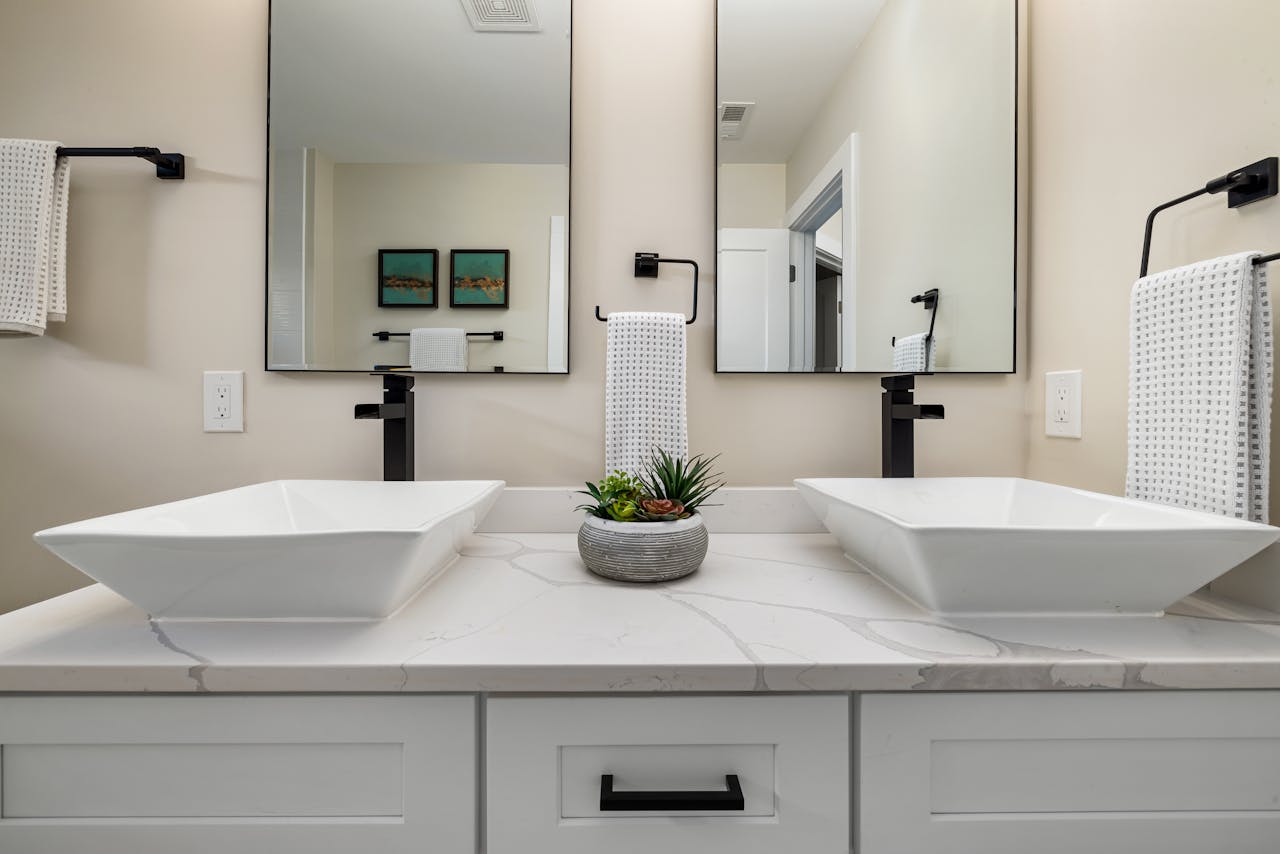
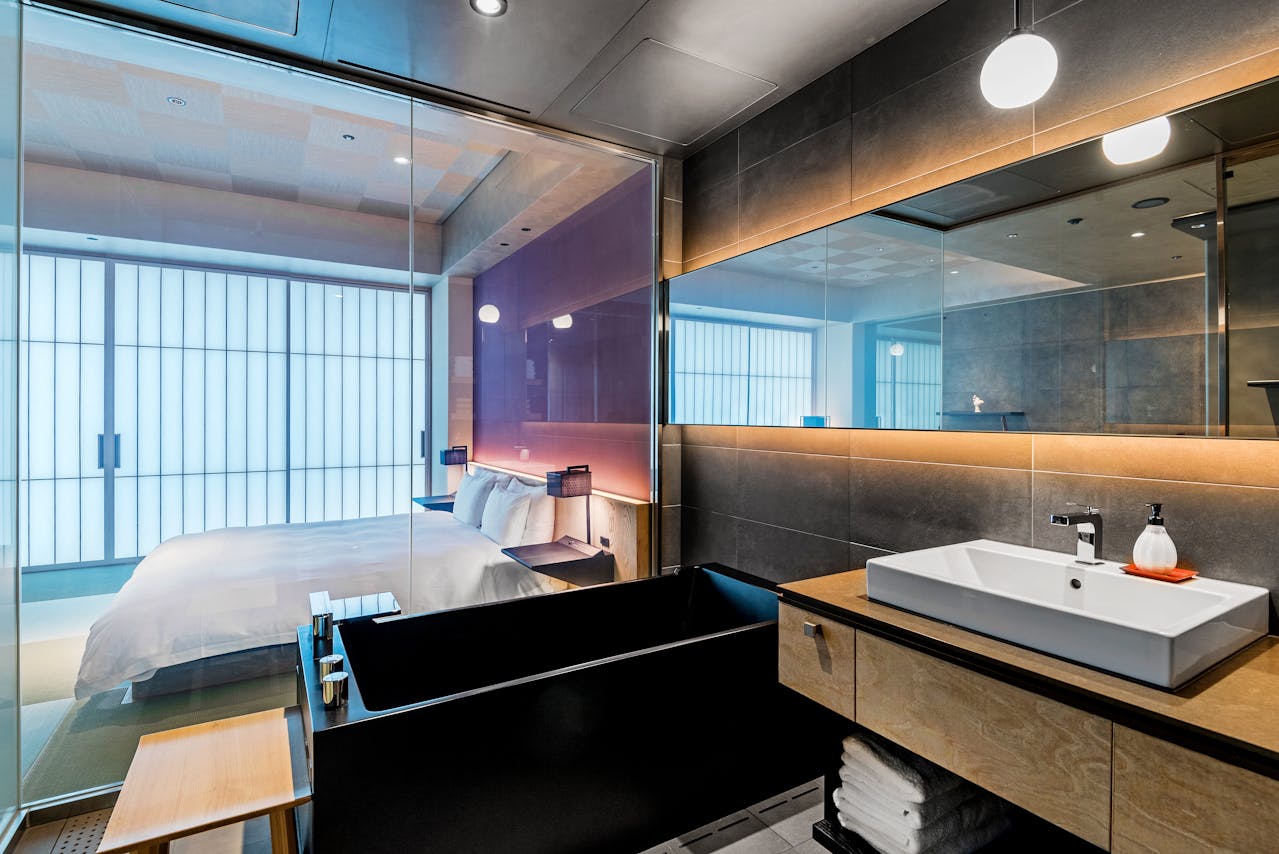
Vessel sinks look sculptural, like a bowl placed with intention, yet they often bring more splatter, less counter space, and awkward faucet geometry. Designers calling out 2026 bathroom trends say the pendulum is swinging toward integrated sinks and calmer surfaces that wipe clean without extra edges. A raised rim collects toothpaste and soap film right at eye level, and the taller faucet amplifies hard-water spotting, so the sink becomes the thing everyone notices for the wrong reasons. In smaller baths, the bowl height can also feel off for kids or shorter adults, which turns a design moment into daily friction over time.
Freestanding Tubs as the Main Event
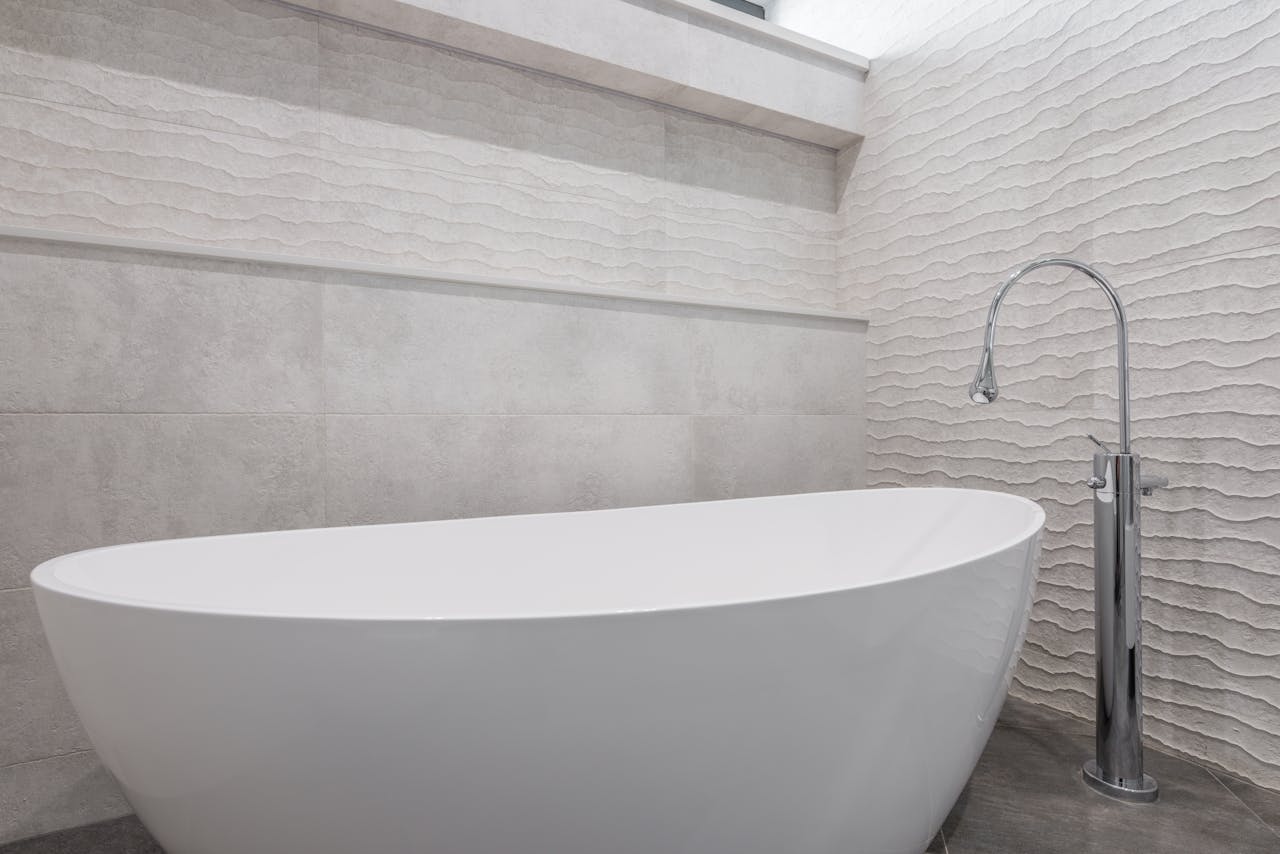
A freestanding tub reads like hotel luxury, a sculptural centerpiece that promises slow evenings, yet many households default to showers and use the tub rarely. Bathroom trend forecasts heading into 2026 note a shift away from center-stage tubs toward bigger, feature-rich showers that deliver comfort every day. The tub also steals floor area from storage, double vanities, or a truly generous shower, and cleaning around the footprint is annoying enough that the spa vibe can curdle into resentment. When resale buyers see a giant tub and a cramped shower, the room can feel designed for a photo, not for weekday living at all now
High-Gloss, Dark Flooring
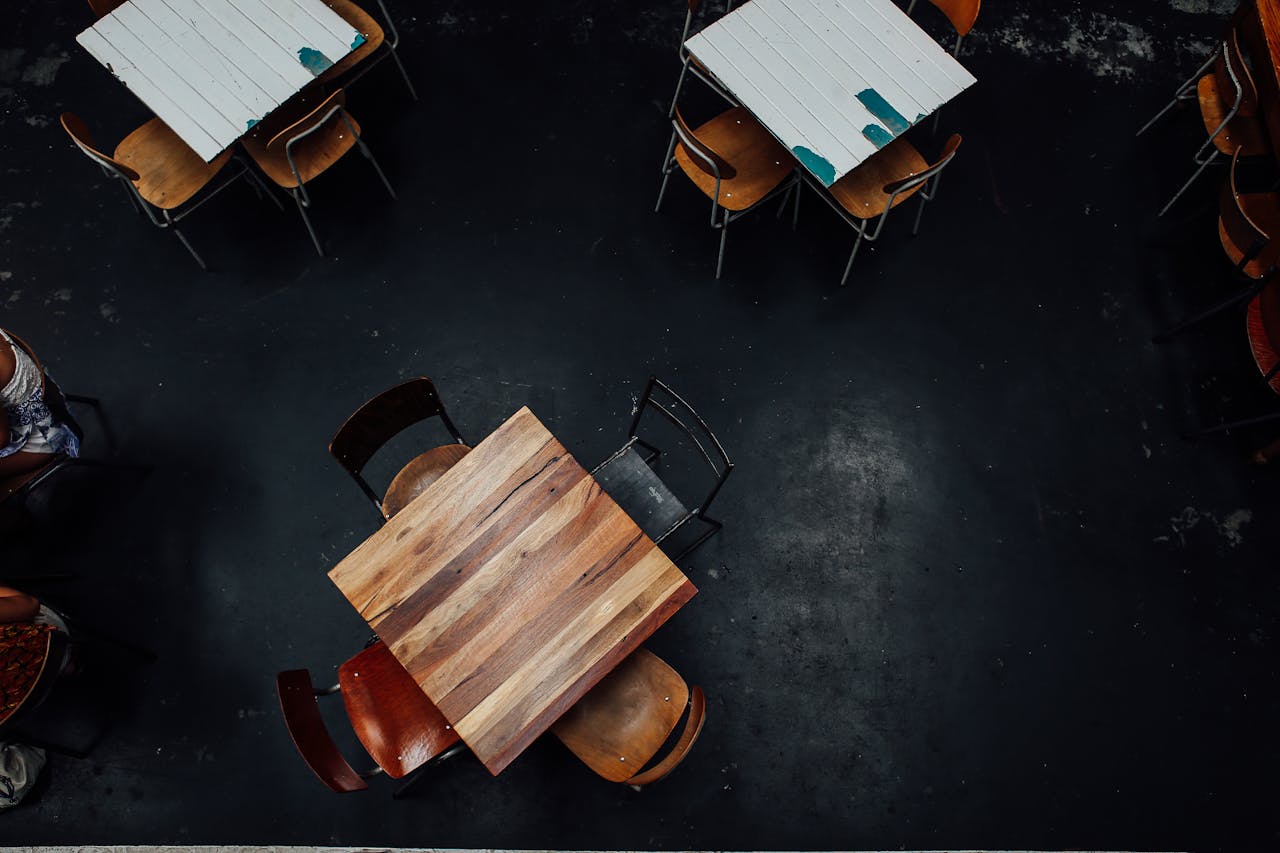
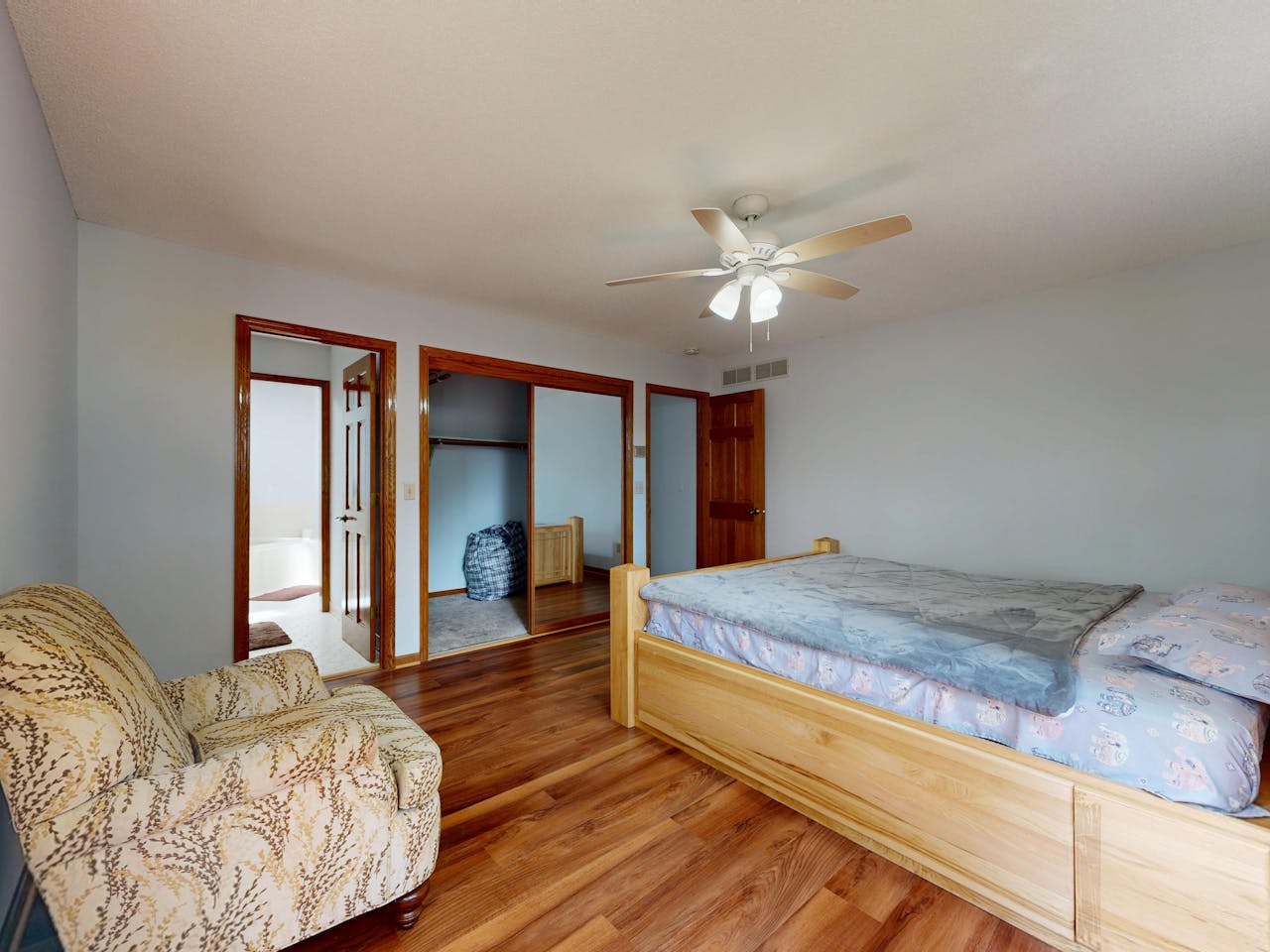
High-gloss dark flooring delivers instant drama, but it also performs every footprint, pet hair strand, dust speck, and scratch under natural light like it is on stage. As warmer woods and lower-sheen finishes keep gaining favor, mirror-like floors can feel loud, echo-prone, and oddly formal for casual living. In busy homes, the maintenance becomes a weekly cycle of mopping and disappointment, and the dark shine can fight the softer, textured surfaces showing up in 2025 and 2026 interiors. A satin finish with visible grain tends to hide wear, reads warmer in the evening, and lets the room feel relaxed instead of constantly polished.
App-Dependent Smart Home Systems
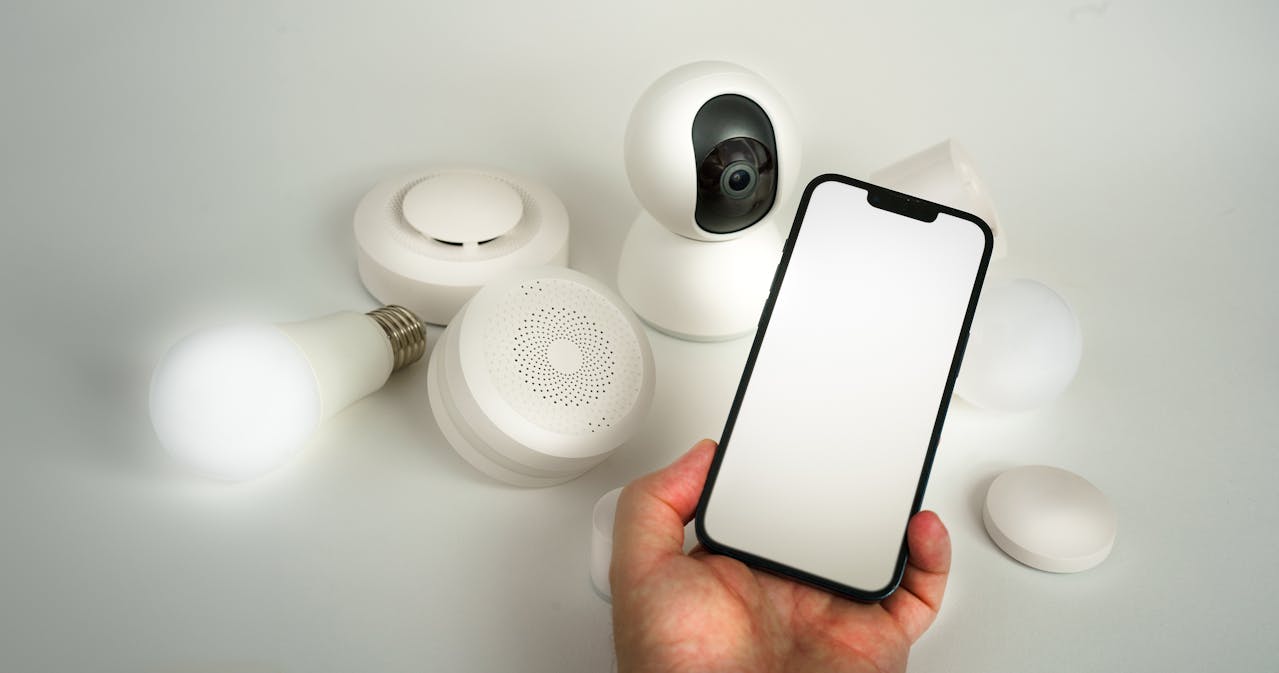
App-dependent smart systems feel magical until the Wi-Fi drops, a hub gets discontinued, or an update breaks routines that used to work without thought. As Matter-backed interoperability expands, more brands are pushing compatibility and simpler setup, which makes locked-in, single-app ecosystems feel risky. When core functions like lights, locks, or thermostats depend on cloud logins and subscriptions, the home’s comfort is tied to a company roadmap, not the household. In five years, unsupported devices can turn into wall clutter, and the smart upgrade reads like a past tech era rather than a durable improvement for owners.