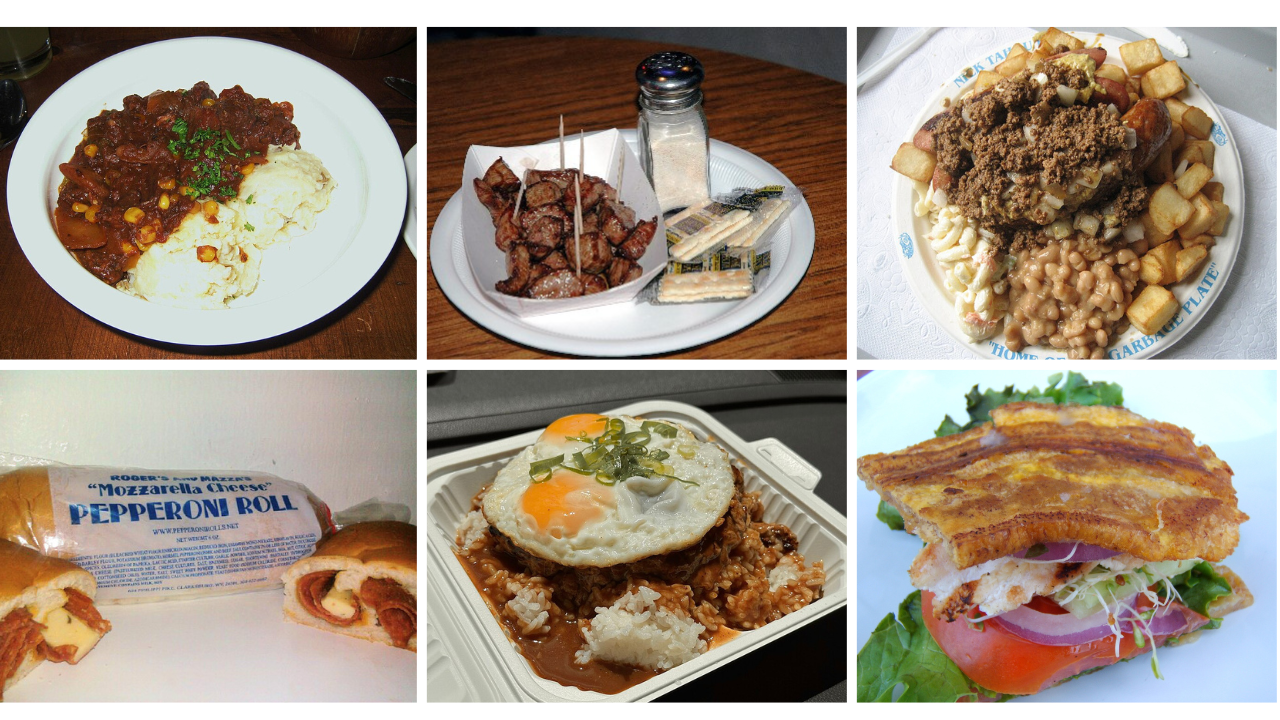
Regional American cooking often hides in plain sight, tucked into taverns, church basements, diners, and festival tents where recipes travel by word of mouth. These dishes are not chasing national fame. They are built for weather, shift work, and local cravings, shaped by immigrant improvisation, Indigenous ingredients, and the practical art of feeding a crowd well. A fried meat snack meant for sharing, a stew stirred for hours, or a sandwich held together by plantains can carry the accent of a whole town, and each bite rewards curiosity with a clear sense of place. Taken together, they sketch a map that feels intimate, generous, and honest.
Chislic, South Dakota
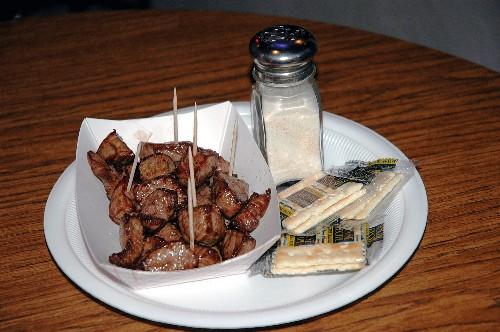
In South Dakota bars and VFW halls, chislic shows up as tidy cubes of lamb or beef fried until the edges crackle, then dusted with garlic salt and passed around with toothpicks. Most places set it beside saltines, pickles, and a squeeze bottle of hot sauce, so each bite can lean mild or fiery without fuss, and some cooks add black pepper or a whisper of onion powder for extra snap. What keeps locals ordering it is the contrast: a crisp shell, a tender center, and the easy ritual of sharing a basket after work while the room fills with talk, scorekeeping, and the kind of small-town comfort that lasts longer than the last crumb.
Burgoo, Kentucky
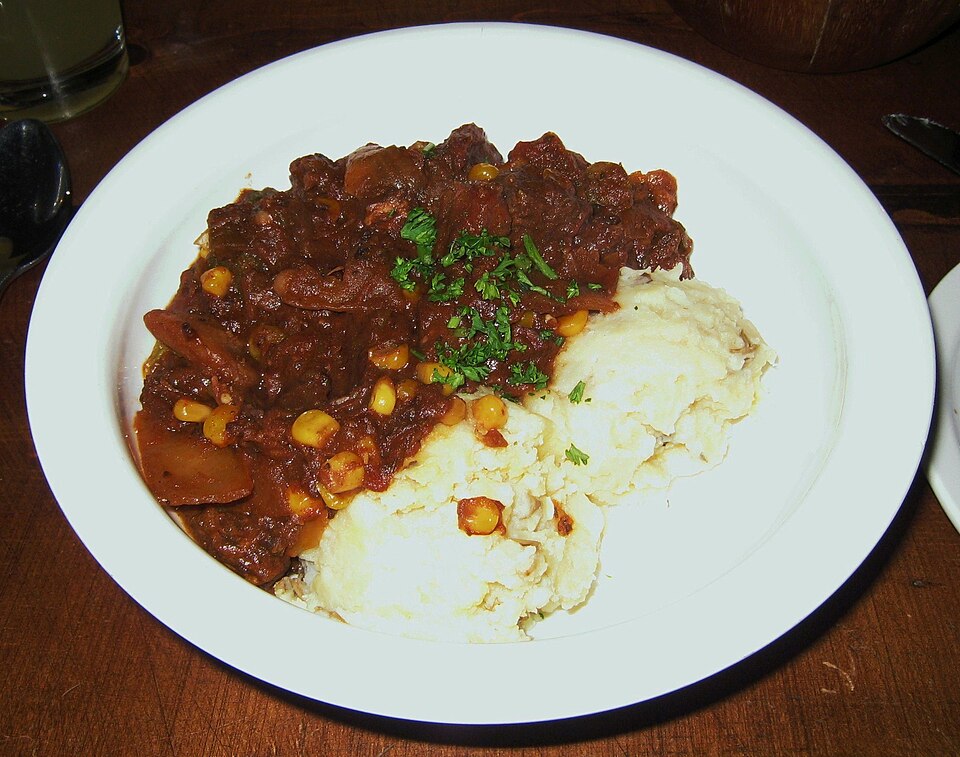
Kentucky burgoo tastes like a gathering: a wide kettle, a long simmer, and a line of neighbors holding cornbread and paper bowls as steam perfumes the dusk air. The stew turns dark and glossy as pork, beef, chicken, and sometimes mutton mingle with corn, lima beans, okra, and tomatoes, thickening into something between soup and barbecue comfort; pepper, Worcestershire, and a little smoke set the rhythm. It shows up at fairs, church picnics, and civic fundraisers because it feeds a crowd without losing its heart, and because volunteers trading turns at the paddle can make strangers feel like regulars by the time the pot runs low.
Pepperoni Roll, West Virginia
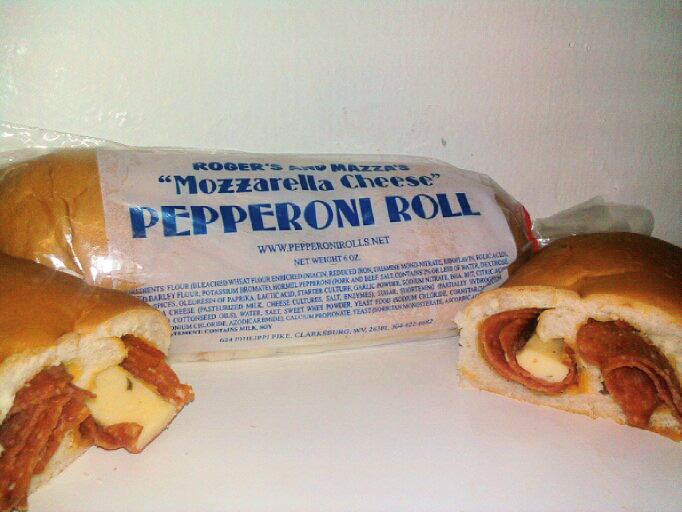
A pepperoni roll looks simple until it warms, and the bread releases a spicy, buttery scent that feels made for a lunch pail. In West Virginia coal country it became a practical staple baked by Italian immigrant families: soft dough wrapped around pepperoni sticks or slices, sturdy enough to travel, filling enough to count as a meal, and built to survive long shifts without a fridge. Today it still shows up in bakeries, convenience stores, and school cafeterias, sometimes with cheese, sometimes with extra fat baked into the crumb, but always with that portable heat and orange-tinged oil that locals recognize instantly at once.
Jibarito, Chicago, Illinois
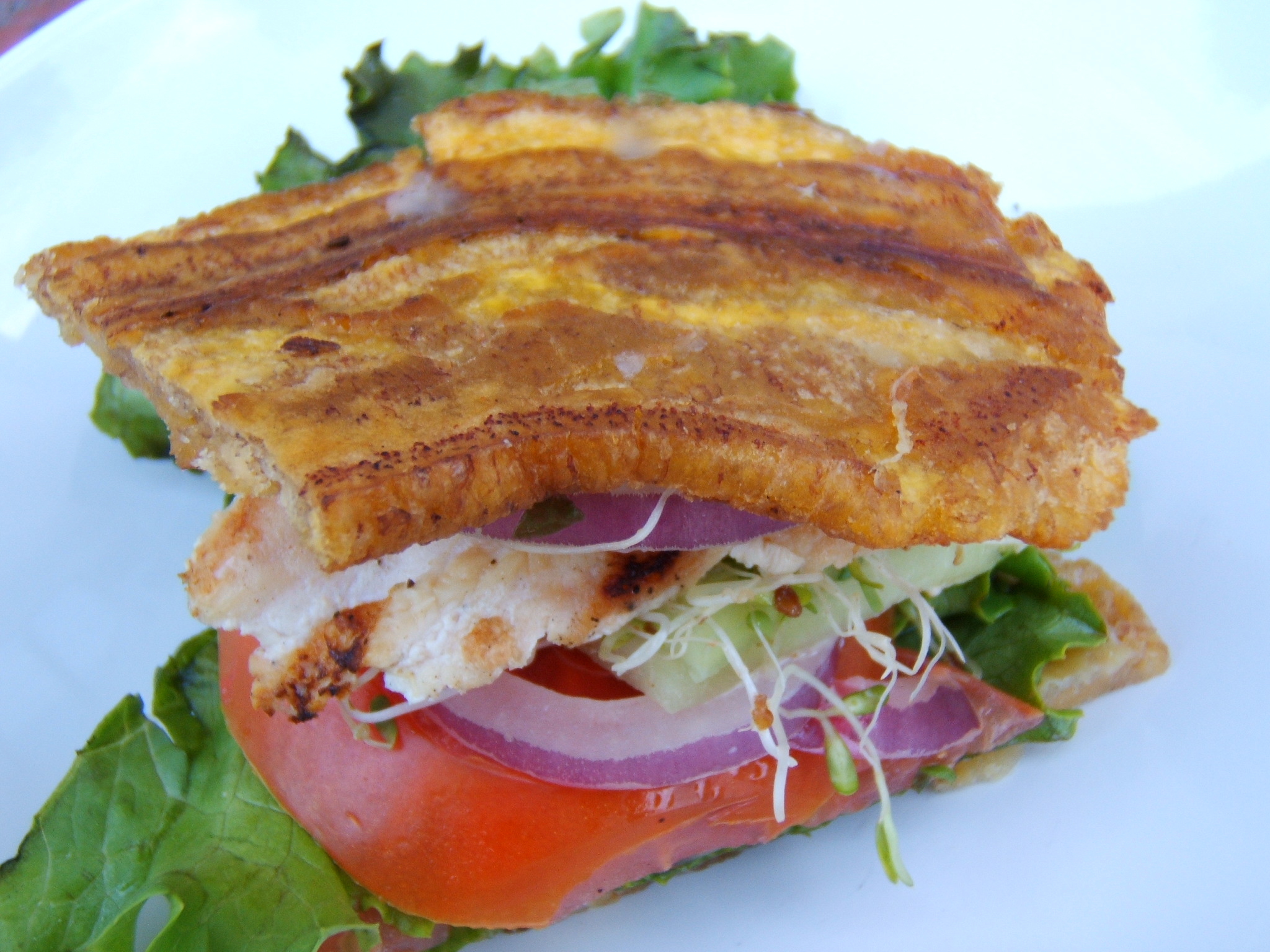
Chicago’s jibarito swaps bread for flattened green plantains, fried until golden and pressed into a shell that crackles, then softens around the filling. Garlicky mayo and thin-sliced steak are the classic pairing, backed by cheese, lettuce, and tomato, so each bite swings between sweet plantain, salt, and fat, with a little heat if the cook leans on pepper or adds a swipe of adobo. Rooted in the city’s Puerto Rican community, it thrives at neighborhood counters where plantains are fried to order, because the sandwich does not travel well when it sits, and that is why it stays regional, tied to blocks where the griddle never cools.
Garbage Plate, Rochester, New York
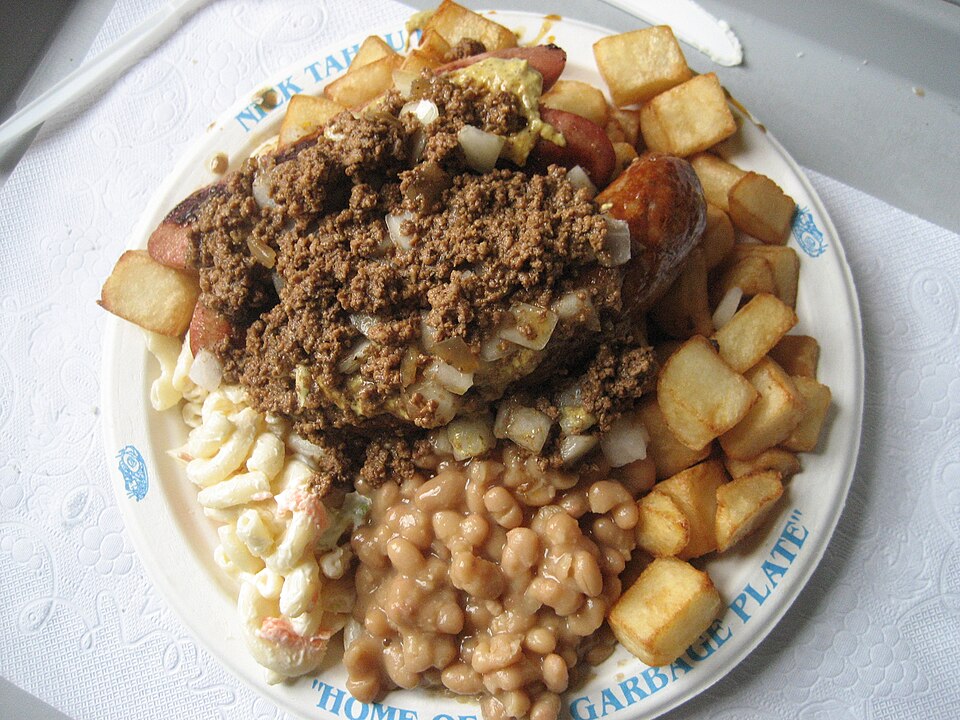
Rochester’s Garbage Plate is less a single dish than a blueprint for hunger: home fries and macaroni salad first, then a hot dog or burger, chopped onion, mustard, and a spicy meat sauce that seeps into every corner. It rose around old-school hot dog counters and still feeds students, shift workers, and road-trippers after midnight, when the steam fogs the windows and the order feels like a dare that somehow comforts. Locals argue about beans in the sauce, extra onions, or whether a slice of bread belongs on the side, but everyone agrees the magic is how the layers melt into one salty, tangy, surprisingly balanced forkful each time.
U.P. Pasty, Michigan
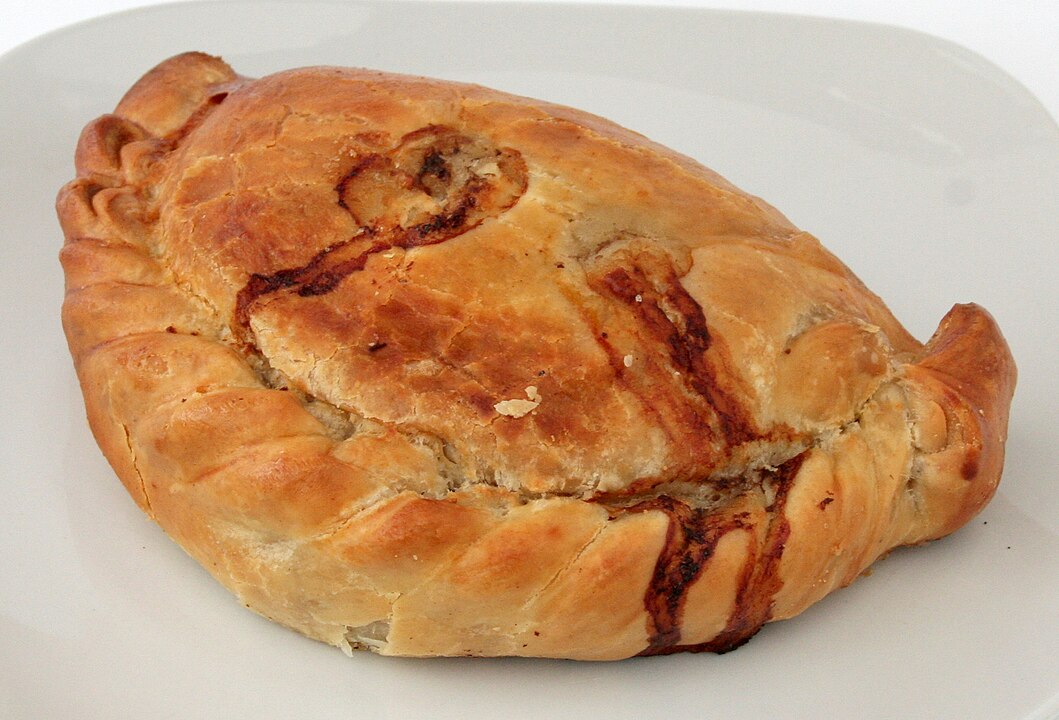
In Michigan’s Upper Peninsula, a pasty carries old-world practicality into winter: a hand pie with a sturdy crust and a warm, savory center. Brought by Cornish miners, it was built to ride in pockets and lunch tins, and it still tastes like workday fuel done with care. Inside, beef, potato, onion, and rutabaga steam together with black pepper, seasoned plainly so the pastry stays the star, while the crimped edge doubles as a handle for gloved hands. Roadside shops keep it alive, and locals debate ketchup versus gravy, but the best ones bake the crust flaky and strong, so each bite feels like a small shelter from lake-effect cold.
Goetta, Cincinnati, Ohio
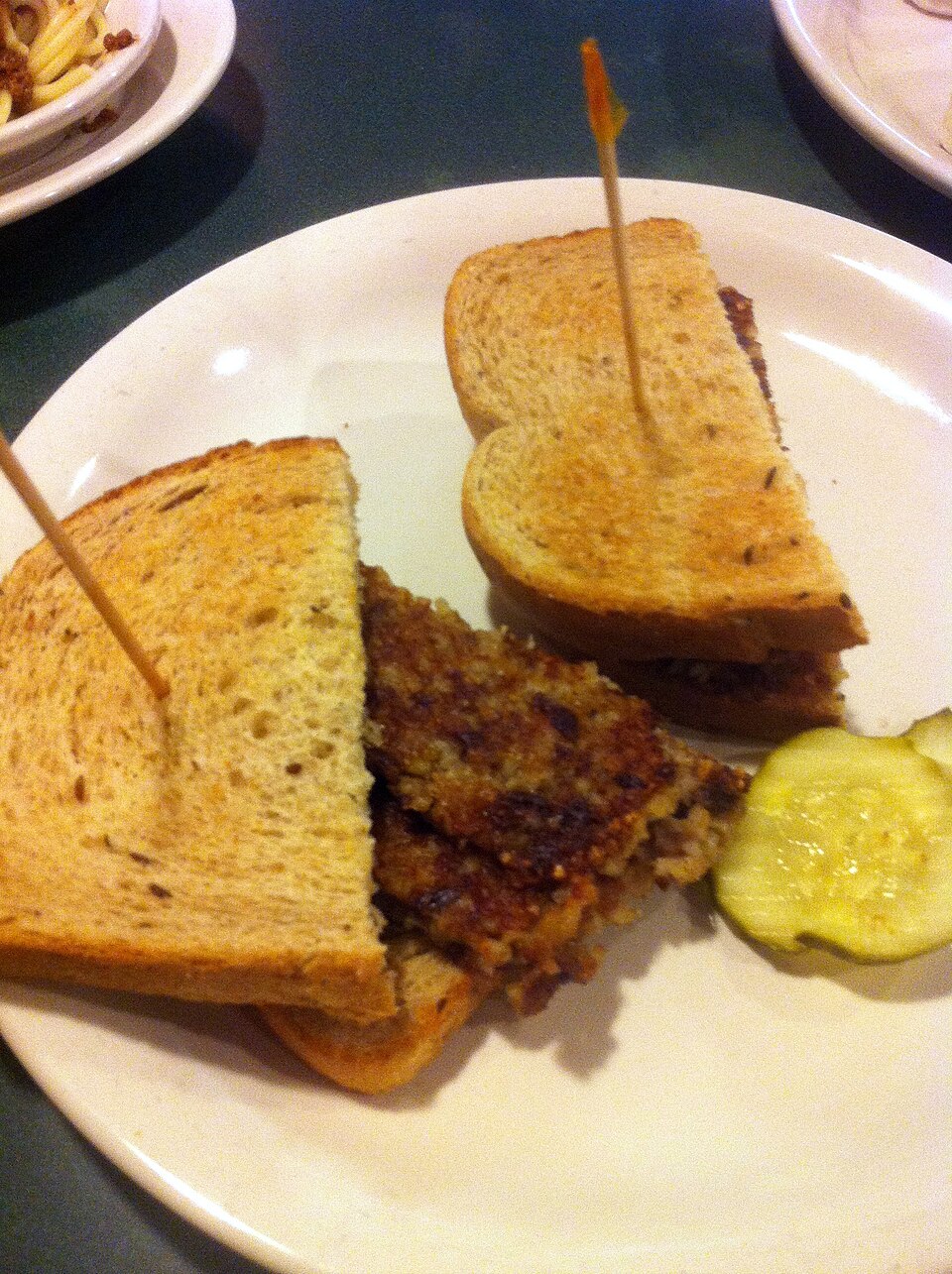
Cincinnati goetta sits at the crossroads of thrift and comfort, made by stretching ground meat with steel-cut oats, onion, and spices, then chilling it into a loaf. Its roots trace back to German-style grits sausages, adapted with oats that were easier to find, and the city treats it as a hometown staple. Sliced and pan-fried, it browns into a crisp shell while the center stays tender, so breakfast plates get a chewy, savory bite that pairs naturally with eggs, potatoes, and coffee. Some cooks add mustard or a hint of maple, but the oats keep it grounded, and a good slice tastes both familiar and oddly specific to Cincinnati.
Red Chile Posole, New Mexico
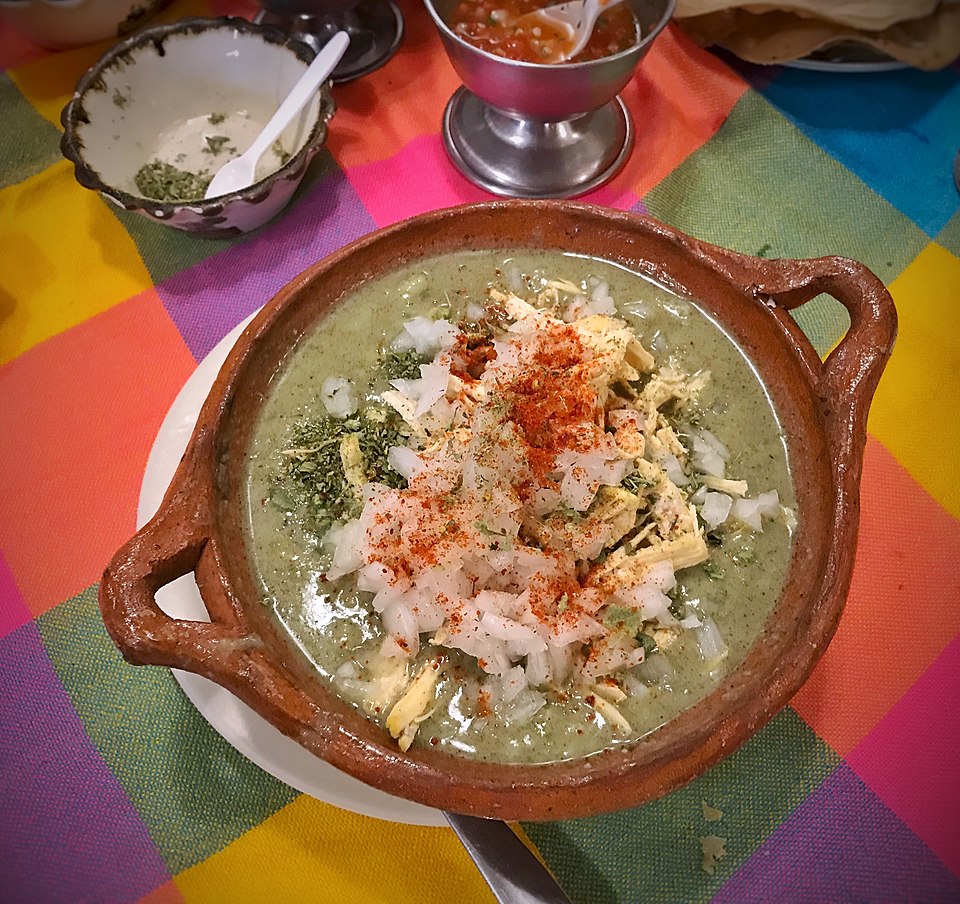
New Mexico red chile posole simmers hominy until the kernels bloom and turn plush, then lets pork shoulder and a red chile base deepen the broth into something earthy and bright. The chile often starts as New Mexico pods toasted, soaked, and blended into a brick-red sauce, so the flavor lands smoky and fruity with a clean bite, and the surface of the bowl gleams with a gentle sheen of spice. Finished with onion, oregano, and lime, and sometimes cabbage or radish for crunch, it becomes a cold-season staple at family tables and potlucks, where the aroma clings to coats and the first spoonful warms the room before anyone speaks.
Alabama White Sauce Chicken, North Alabama
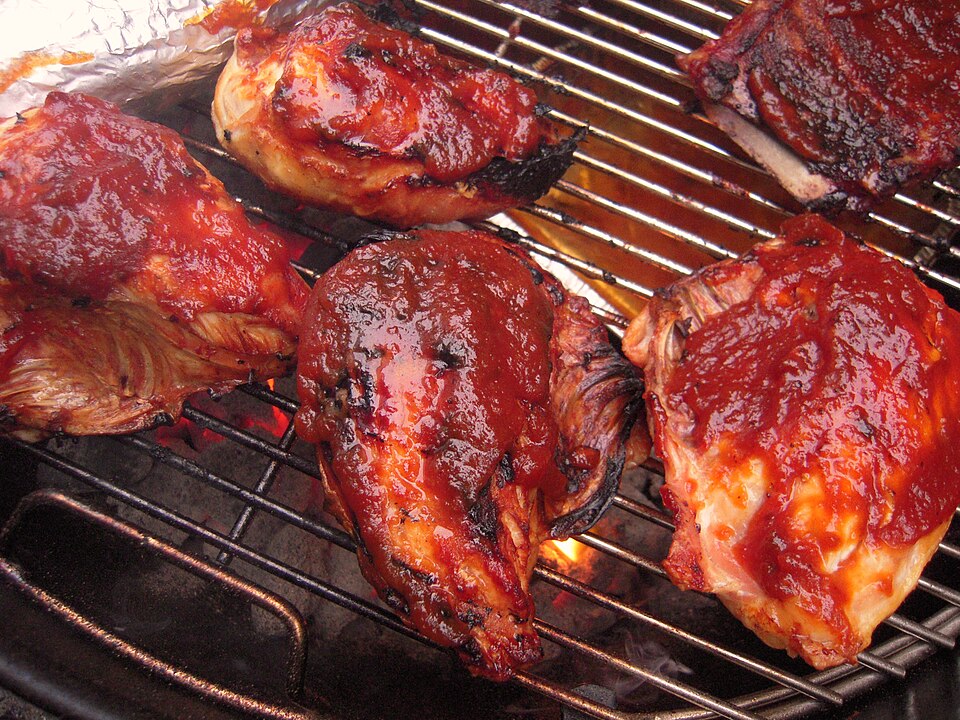
North Alabama barbecue often finishes smoked chicken with a tangy white sauce, where mayonnaise and vinegar become a sharp, cooling coating speckled with black pepper. A pinch of sugar, a little horseradish, and sometimes lemon keep it brisk, so the sauce cuts through hickory smoke without hiding it, and the chicken tastes lighter even when the skin is charred and crisp. Served for dipping, drizzled over pulled chicken, or brushed on right before the plate goes out, it stays tied to roadside joints and family reunions, especially in the Tennessee Valley, where the white sauce is treated less like a novelty and more like the point.
Loco Moco, Hawaii
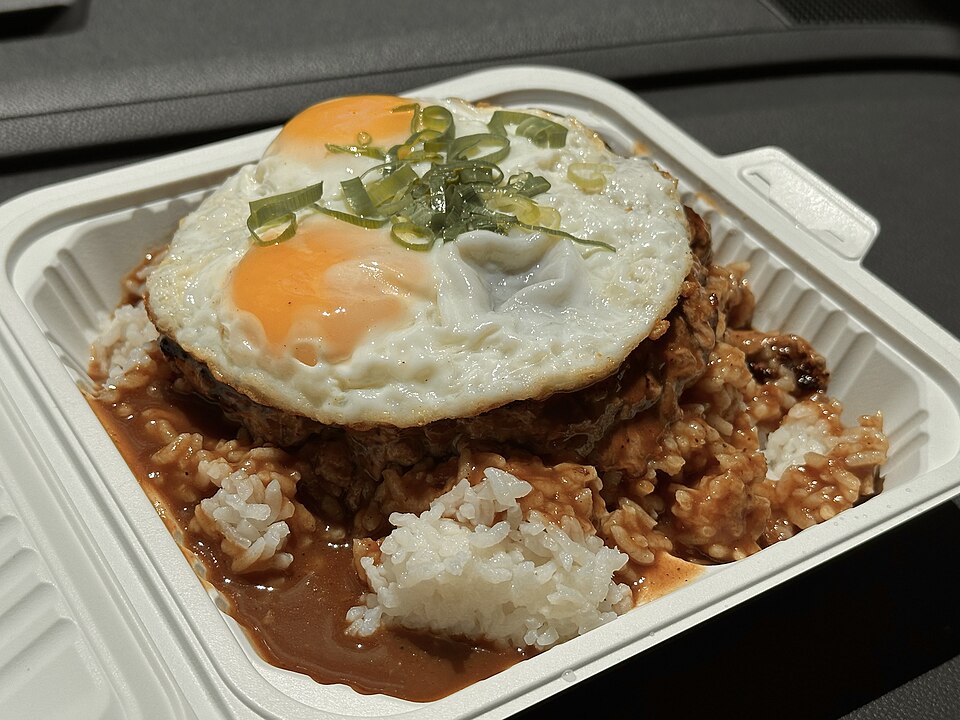
Hawaii’s loco moco follows island logic: rice as the base, a hamburger patty for heft, brown gravy for richness, and a fried egg that ties everything together. When the yolk breaks, it turns the gravy silky and the rice tastes almost simmered, not simply served, which is why the dish feels calming even when it is big. Born in local diners and plate-lunch counters, it still shows up in family-run spots with variations like sautéed onions or a scoop of macaroni salad, but the best plates keep the patty well-seared and the gravy peppery, so each forkful lands warm, salty, and stubbornly satisfying after a long day for almost anyone.