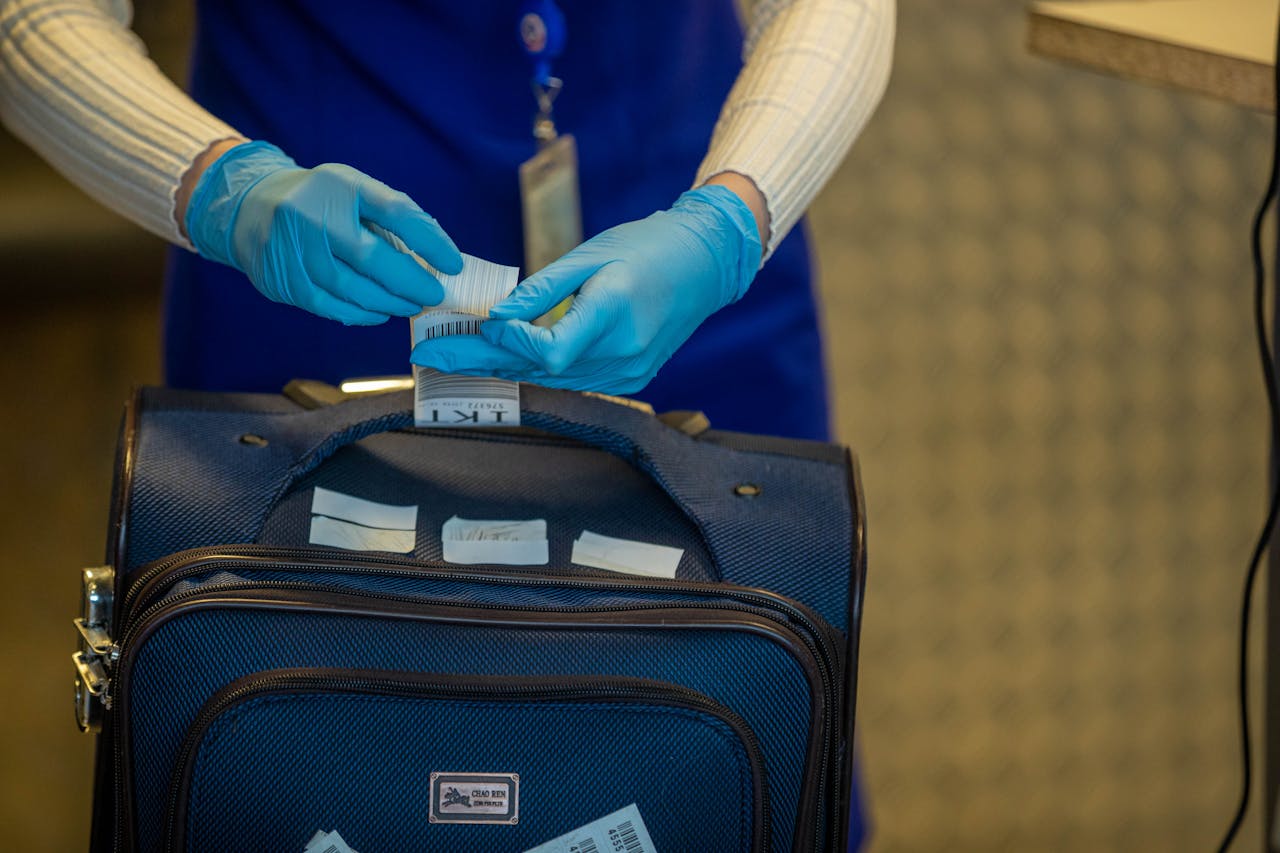
Airports run on tiny details, and passports are where those details get tested. A trip can be packed, planned, and prepaid, then derailed by one line of text that does not match across systems. The usual culprit is a name mismatch: a missing surname, a swapped letter, or a married name that never made it onto the document. At check-in, those differences collide with automated screening and entry requirements that favor exact matches over common sense. Most errors are fixable at home in minutes. At the gate, they can become expensive, public, and final.
One Letter Off, One Outcome Off

Reservation systems treat names like code, not conversation, so they compare letters exactly from booking to boarding pass, including spaces, initials, and the order of given names. A single swap, like Agarwal vs. Agrawal, can split one person into two identities when airline data, visa records, and loyalty profiles pull from different sources, sometimes with older cached spellings. Online check-in may fail, kiosks may refuse to print, and a gate scan can trigger a manual review that staff must resolve fast, with limited authority to override what the system flags during final boarding in a crowded line with no room for debate.
No Surname, No Boarding Pass
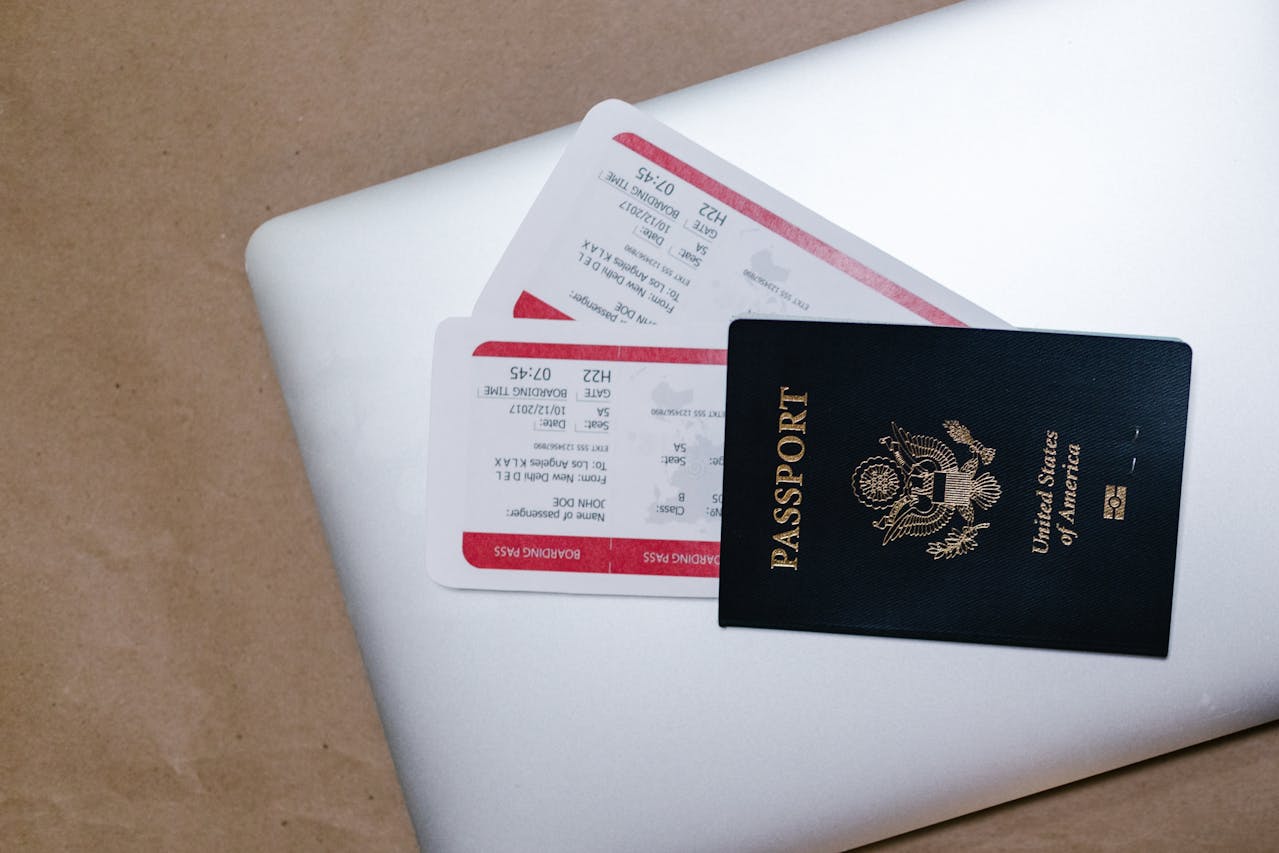
Some passports list a single name, while many airline forms insist on a first and last name, even for infants, seniors, and travelers from cultures that do not use surnames the same way. That creates a record that looks incomplete, and some border systems treat surname as a required identity key when passenger data is transmitted before departure for screening and clearance. Workarounds like repeating the name or adding placeholders can backfire if a visa or authorization was filed differently, or if a partner airline reads the fields in a new order, leaving staff with no consistent match to board once bag tags are printed.
Married Name vs. Maiden Passport
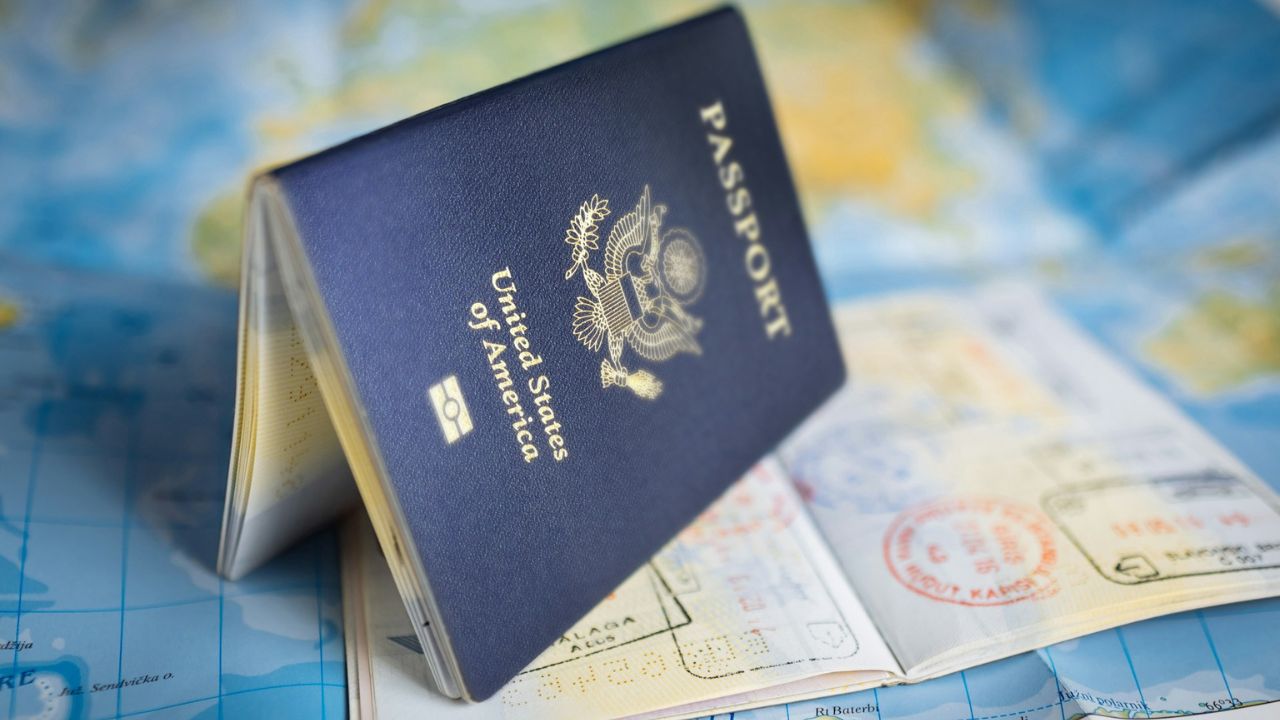
A wedding can change a last name overnight, while a passport can take months to update, and the gap catches people who plan travel quickly around family dates and deposits. If a ticket is booked under a new surname but the passport still shows a maiden name, the airline may treat it as a different person, even when a marriage certificate exists in a folder. The mismatch often slips in through auto-fill, family bookings, or agents copying a newer name from a hotel, credit card, or workplace roster, then shows up at check-in as a fix that takes longer than the departure clock allows and the airline cannot confidently certify identity.
Hyphens, Spaces, And Truncated Characters

Hyphenated and multi-part surnames often get flattened by older booking tools and third-party sites that cannot store punctuation or long strings cleanly across partners and ticket stock. A hyphen turns into a space, a space disappears, or a long name gets cut to fit a character limit, so the boarding pass prints a compressed version that does not match the passport’s machine-readable line. The problem can hide in confirmation emails, then surface when passenger details are validated for departure, leaving an agent to rebuild the name field by field while boarding groups are called and seat maps are closing for takeoff.
Diacritics That Disappear

Accents and special characters are normal in many names, but airline systems often store only basic Latin letters and silently strip the marks during booking and profile sync. A passport may show Ñ or Ö, while the ticket prints plain N or O, which usually slides through until another record keeps the diacritics and matching becomes strict across databases and partners. Trouble spikes when an eVisa portal accepts the accented spelling but the airline site forces a simplified one, creating two official-looking versions that cannot be merged quickly at a busy counter under time pressure when staff are juggling multiple flights.
Middle Names That Turn Into Mystery Names

Middle names live unstable lives across forms: sometimes required, sometimes dropped, and sometimes fused into the first name without warning, depending on the website and country rules. Problems begin when a middle name is entered as the given name, when one system keeps an initial and another keeps the full word, or when a short field trims the end mid-booking. With common surnames, that extra or missing name can trigger secondary checks, especially on international itineraries, and the fix may require a full reissue or supervisor review that does not fit into the final minutes before departure and boarding windows.
Suffixes, Titles, And Extra Words
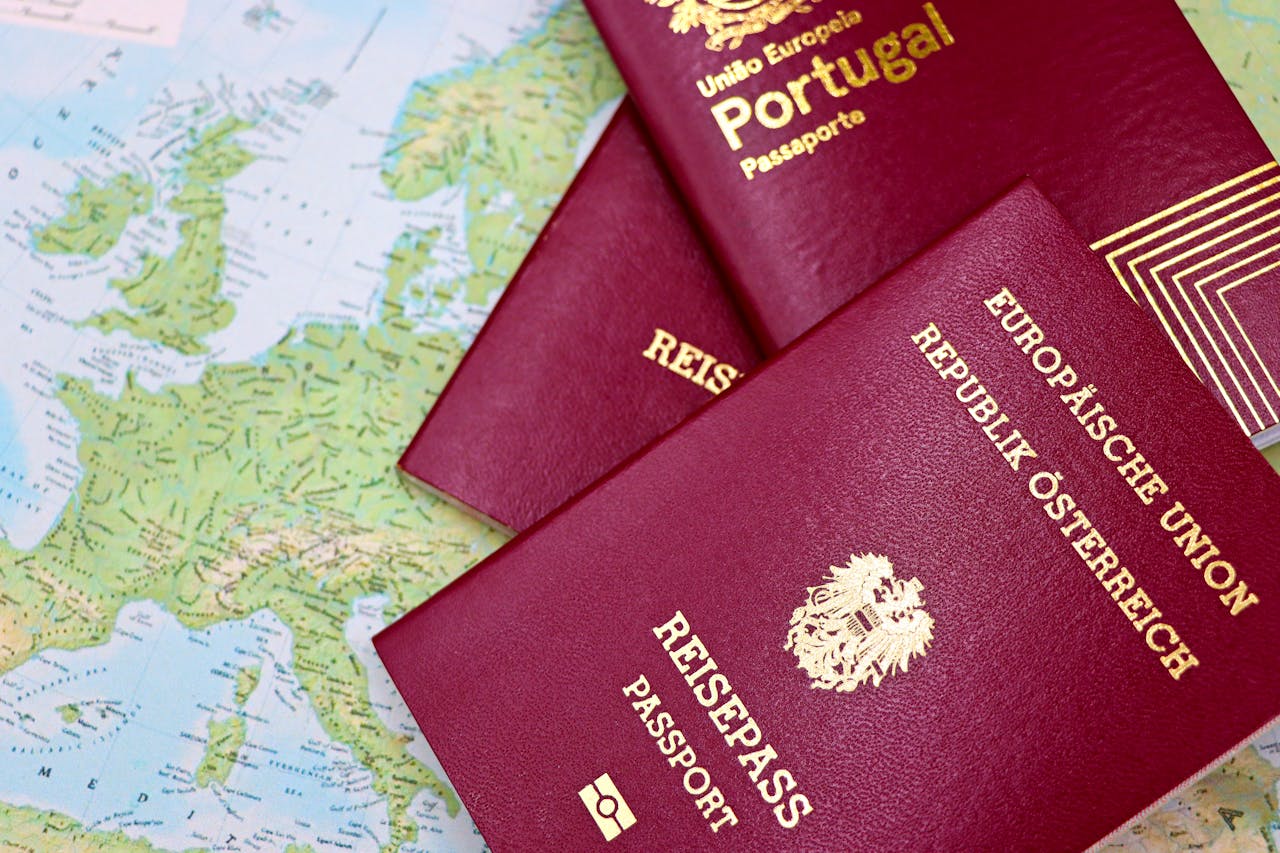
Suffixes and titles look harmless, but they can shift a name into the wrong field and break matching across systems that expect strict formatting, especially on corporate travel accounts and old profiles. Jr., Sr., and III sometimes get typed into the last-name box, while Mr., Ms., or Dr. sneaks into the given name through a profile, agency template, or call-center edit meant to help. When one database strips the extra text and another keeps it, the record can bounce between screens from check-in to boarding, and staff may deny travel rather than risk compliance penalties for an imperfect match when the carrier is under audit rules.
Visa Or Authorization Name Drift
Sometimes the ticket matches the passport, but a visa, ESTA, ETA, or other authorization was filed with a different spelling, name order, missing surname, or extra middle name. That drift often comes from old passport scans, nicknames, or auto-fill pulling outdated details from a saved profile, and it can stay invisible until departure day when the airline runs its entry-status check. When the system cannot link the authorization to the passport data, staff may see a failed result and refuse boarding, even if an approval email is saved on a phone, because emails do not always prove the record is attached correctly.