Cleanliness in ancient societies was never just about comfort. It signaled status, health, and the everyday discipline of life in dusty cities and river valleys. Without modern plumbing or packaged toiletries, people still rinsed, scrubbed, oiled, scraped, and scented their bodies with careful routines shaped by climate and belief. Homes were swept and washed, clothes were treated with early detergents, and breath and body odor were managed with spices and perfumes. From Egyptian basins to Greek strigils to Roman bathhouses, grooming could be private, communal, or proudly on display. Even small tools, like a twig toothbrush, carried culture across centuries and borders.
River Baths And Basin Rinses In Egypt
In ancient Egypt, most people bathed daily in the Nile or poured water from a simple basin at home, keeping heat and sand from settling on the skin. Wealthier families built dedicated washing spaces and hired servants to pour jugs of water over the bather, shower style, while runoff drained away. Cleanliness signaled order in a crowded river kingdom, and it could be practiced at every income level. At home, they also treated fabric and floors as part of hygiene, scrubbing with natron and other alkaline mixes that acted like early detergents. A clean household was a kind of public face even when water came by jar.
Deodorant, Perfume, And A Culture Of Scent
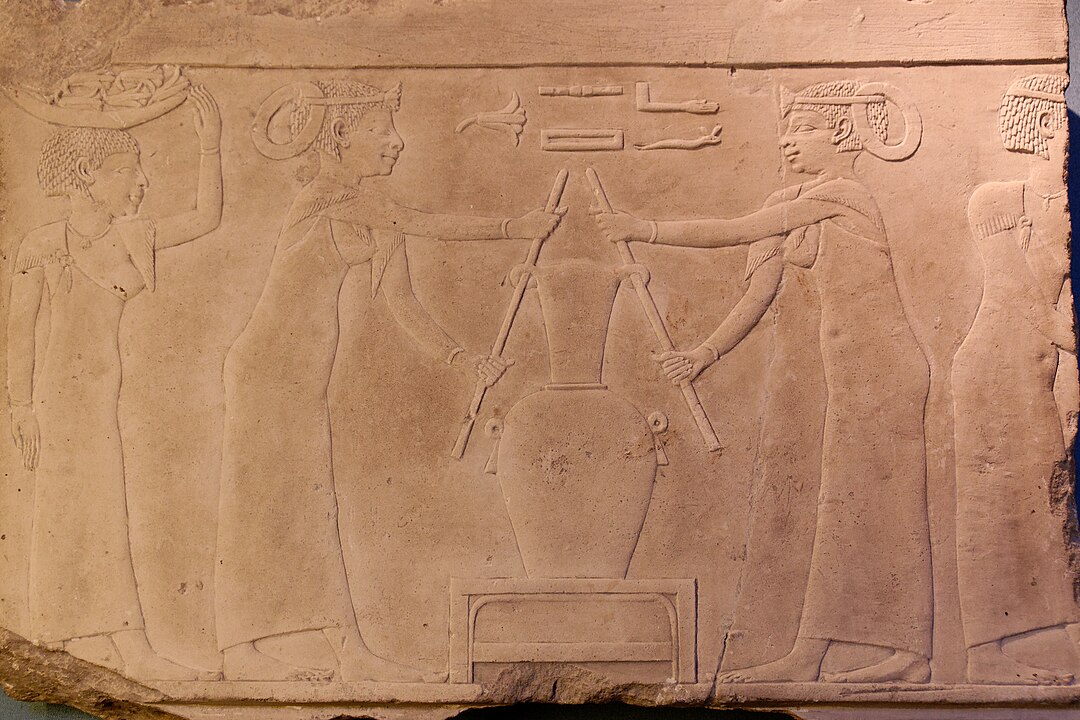
Egyptians are credited with some of the earliest deodorants, blending spices such as citrus and cinnamon with water to mask sweat in a hot climate. Scent carried meaning, not just freshness, and perfume became an everyday luxury aspiration rather than a rare medicine. Decorative perfume bottles turned grooming into craftwork, proving that personal upkeep could be both practical and beautiful. In temples, frequent washing marked purity, and aromatic oils helped skin cope with sun and wind. What began as kitchen mixtures grew into workshops that traded resins, spices, and glass, so scent became part of public life.
The Miswak, A Twig That Became A Toothbrush
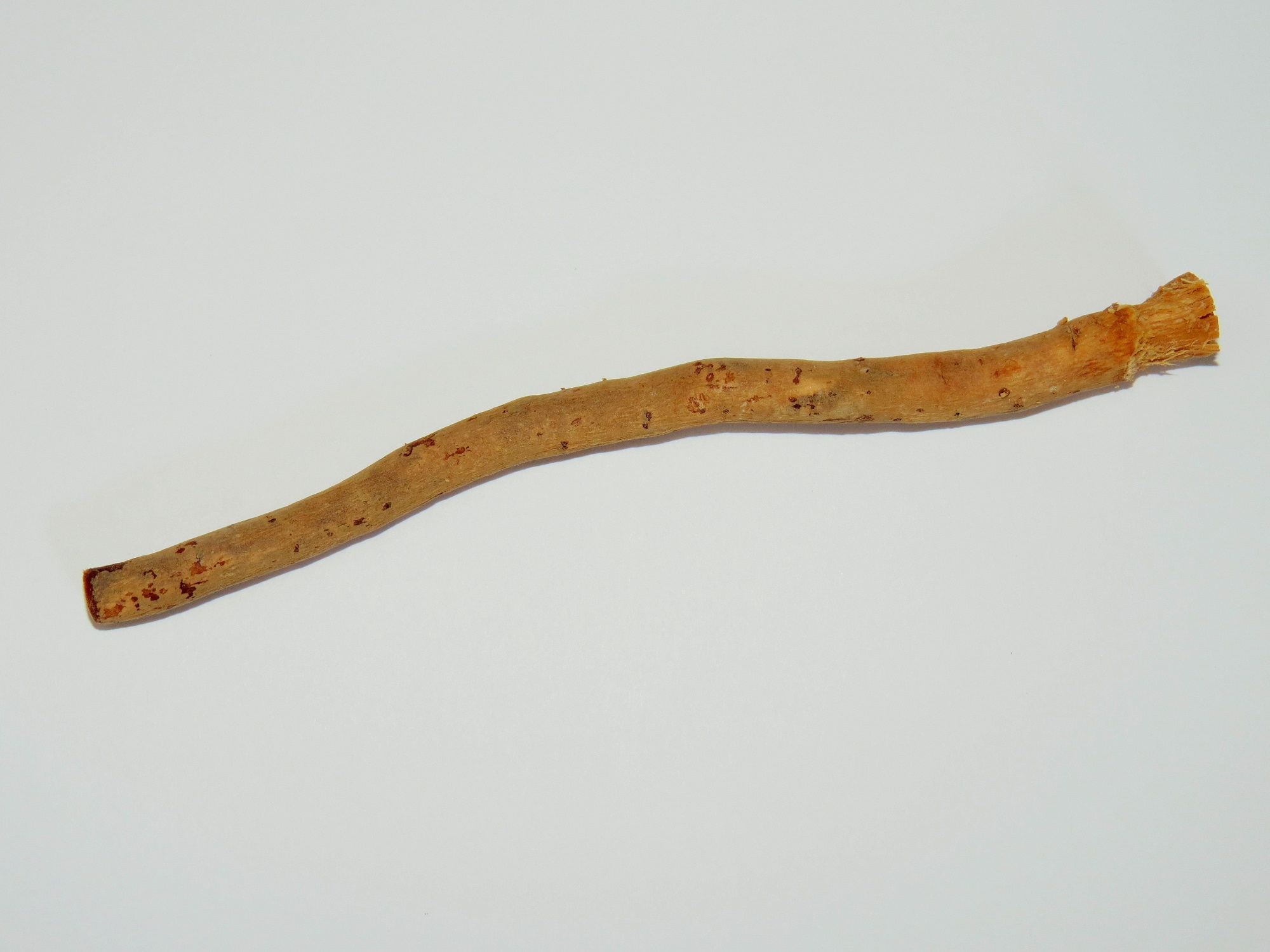
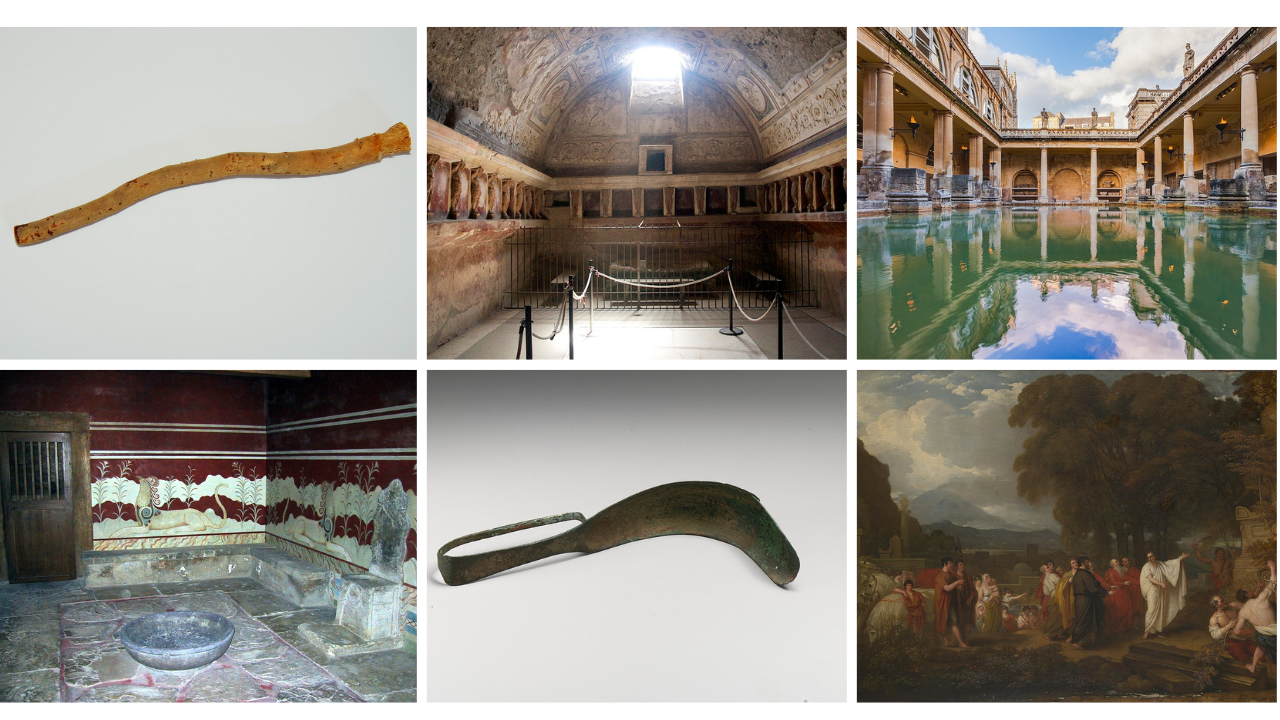
Long before nylon bristles, people cleaned teeth with chewing sticks. The miswak, cut from Salvadora persica and frayed at the tip, appears across Babylonian, Egyptian, and Roman contexts as a small tool that traveled well. It freshened breath, scraped plaque, and doubled as a social nicety, the kind of object kept close because it fit in a sleeve or pouch. In many Muslim communities today, its use continues as habit and tradition. Sources describe twig toothbrushes in Babylonia and in Egyptian finds dating to 3000 BCE, hinting at a long lineage. It was portable hygiene, made from a branch. Simple, cheap, elegant.
Greek Scrubs Made From Earth, Ash, And Stone
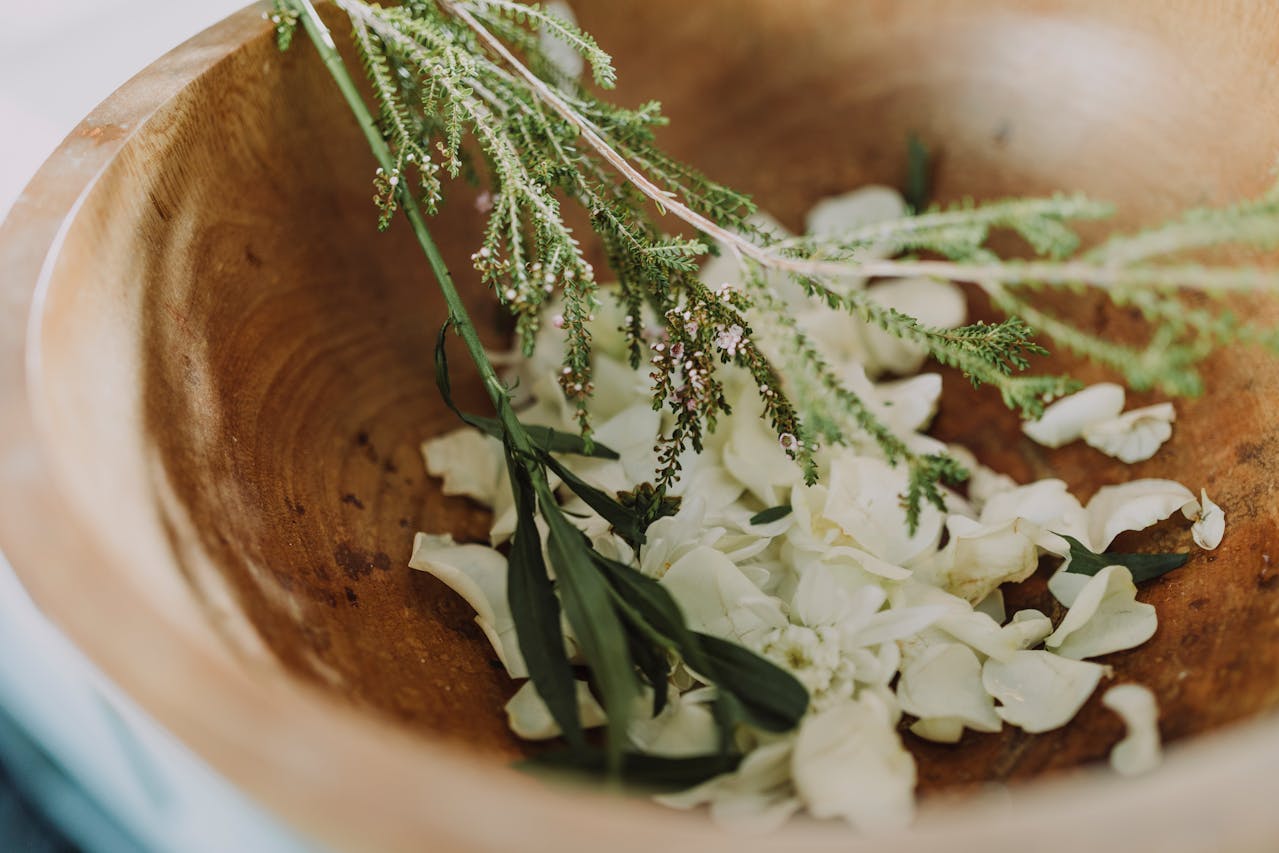
For many Greeks, cleanliness began with friction. Bodies were rubbed with clay, sand, pumice, or ashes, turning the bath into a practiced routine rather than a quick rinse. The materials mattered: fine grit for smoothing, coarser blends for sweat and grime after labor. The result was not just a clean surface, but skin prepared for oil and perfume, a polished look that matched Greek ideals of balance and care. In gymnasia, grooming sat beside exercise and conversation, tying hygiene to civic life. The ritual had steps and tools, and it allowed people to feel restored without relying on scented soaps. It was medicine for morale. too
Olive Oil And The Strigil Finish

After scrubbing, Greeks often anointed the body with olive oil, prized for its soothing, moistening feel and its ability to trap dust and sweat. Then came the strigil, a curved bronze scraper drawn across skin to lift the oily layer away along with grime. The method sounds harsh, yet it worked with the materials at hand and left a clean, lightly conditioned surface. Oil jars and scrapers became common bath companions. Sets sometimes included a small oil vessel, keeping the routine tidy and repeatable. It was skincare and cleaning in one and it shaped how bodies looked in public spaces. No foam, just method. daily
Minoan Innovation At Knossos
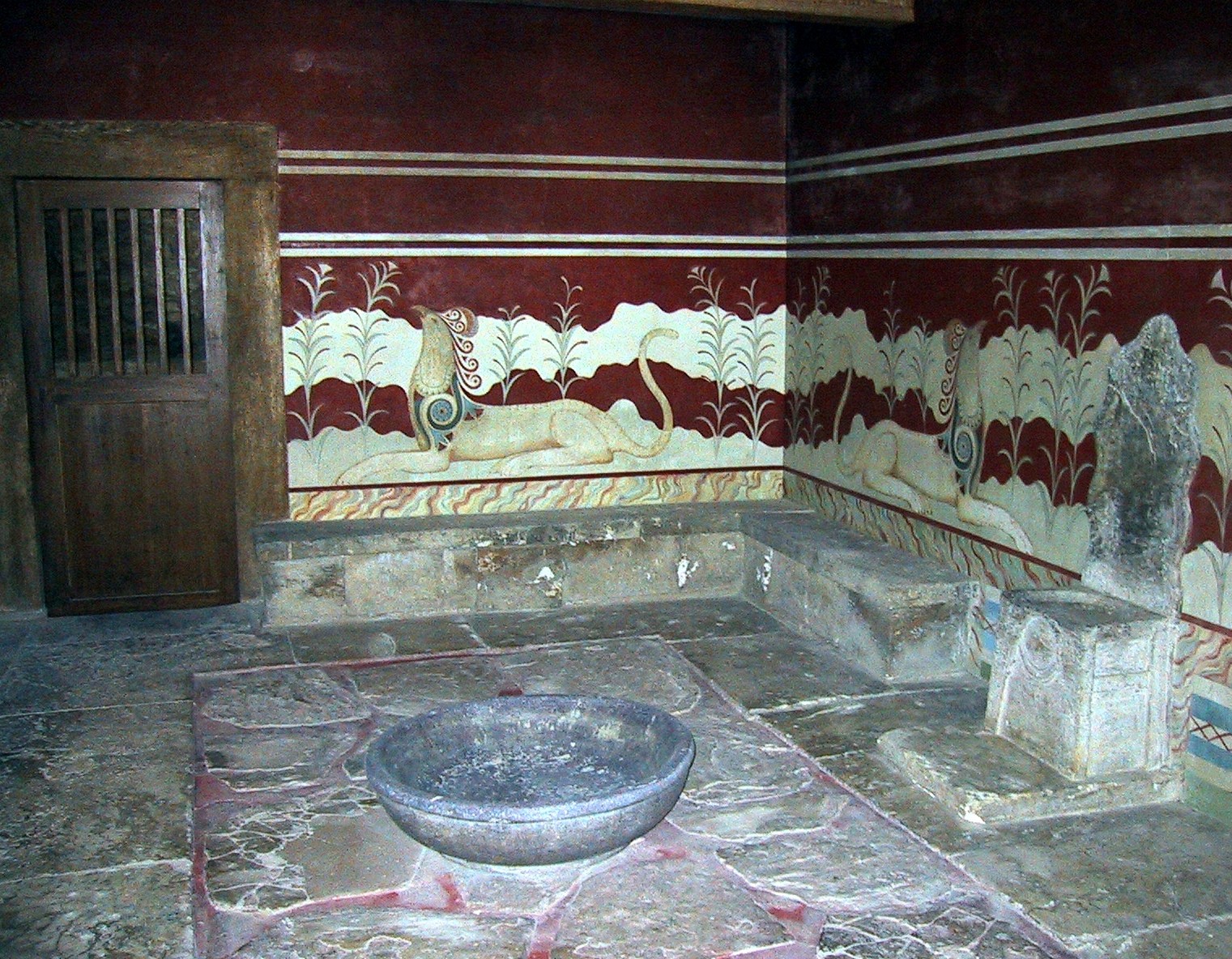
On Crete, the Palace of Knossos preserves a striking reminder that bathing could be engineered as well as improvised. The so called Queen’s Bath, dated to roughly 1500 BCE, is often cited as one of the earliest known tubs, shaped for immersion rather than quick washing. Even if daily routines still relied on basins and pitchers, palace design hints at a taste for comfort, privacy, and controlled water use inside elite spaces. Nearby rooms show how plumbing and drainage mattered to luxury, turning water into architecture. A bath like this also carried symbolism, linking the body to order and prestige. Quiet status
Archimedes And The Accidental Science Of Bathing
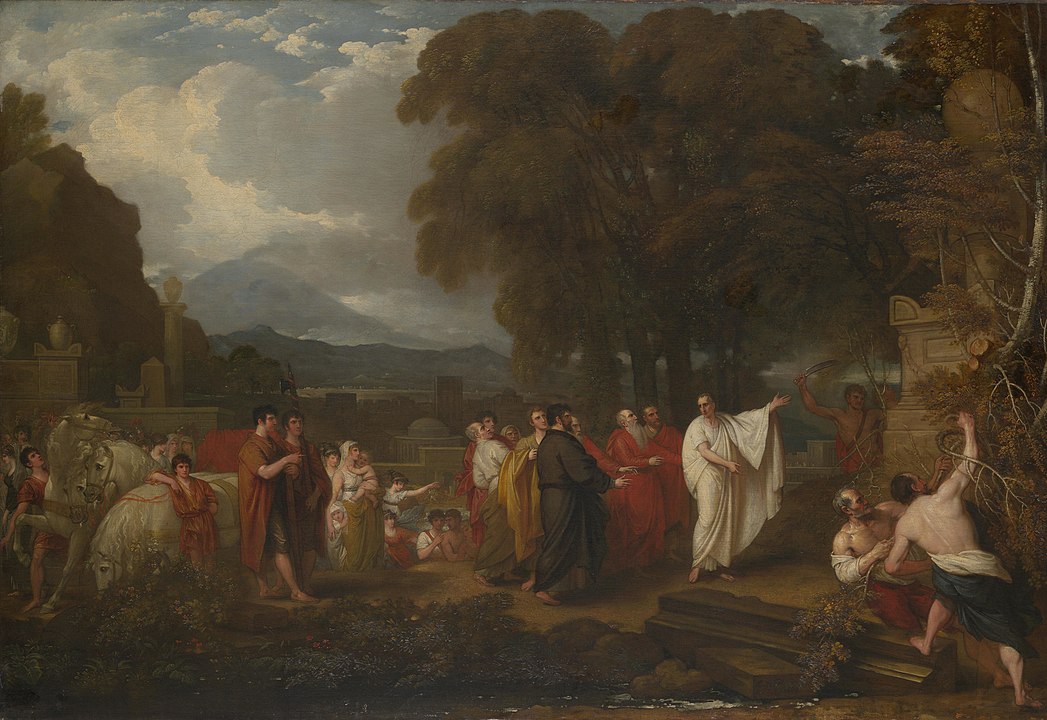
Bathing even wandered into intellectual history. Ancient writers tell how Archimedes stepped into a tub and noticed the water rise, leading him to reason about displacement and buoyancy, later framed as Archimedes’ principle. The tale is famous because it makes discovery feel domestic: a problem solved in warm water, not a laboratory. In a world of shared baths and simple tools, even routine upkeep could spark big ideas. Whether the shout of Eureka happened as told matters less than the setting, where life and knowledge overlapped. A bathhouse loosened muscles and opened talk. Steam and chatter carried it onward.
Rome Turned Bathing Into A Social Institution
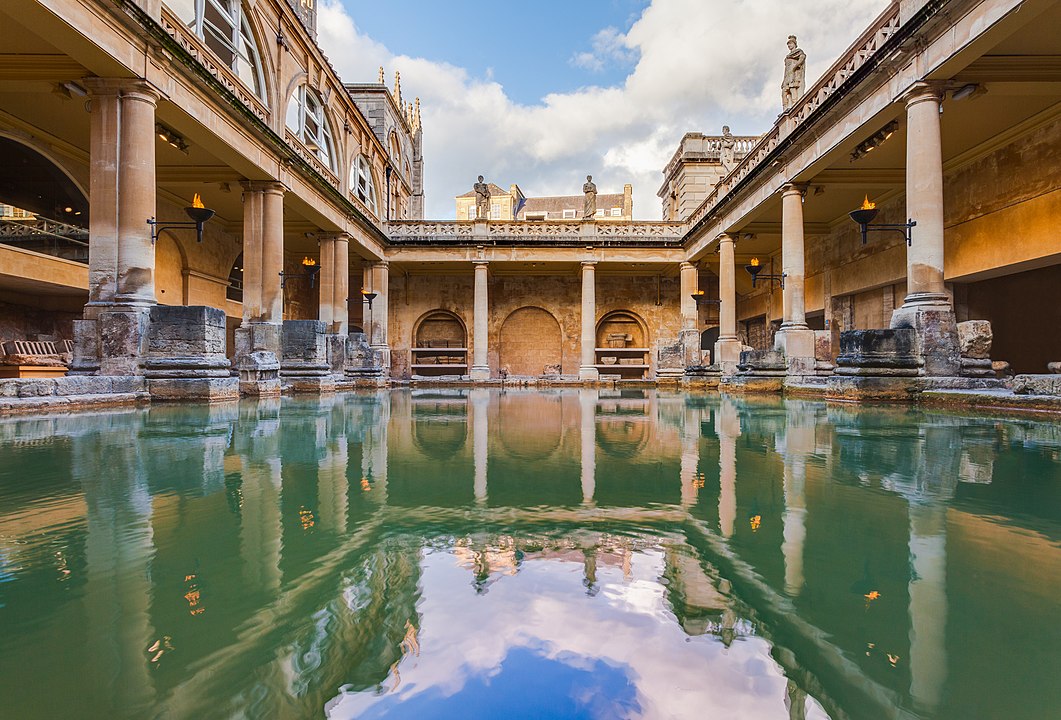
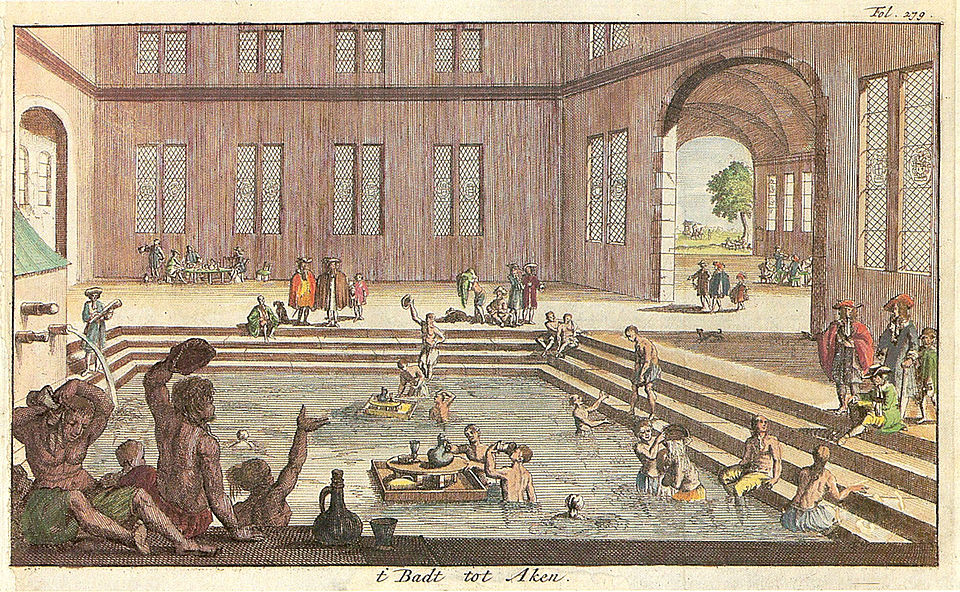
Greeks built early public baths, but Rome made the bathhouse a daily anchor of city life. People moved through warm, hot, and cold rooms, met friends, heard news, and watched the lines between leisure and hygiene blur. Bathing could be affordable, and the shared rhythm mattered as much as the water itself. In a crowded empire, a clean body was respectable, but a bathhouse visit was also a social calendar. Inside, clothing often disappeared, flattening visible class differences for a moment. Many complexes paired baths with exercise yards, turning upkeep into an afternoon out. Laughter echoed off warm stone walls.
Scrub, Oil, Scrape: The Roman Body Routine
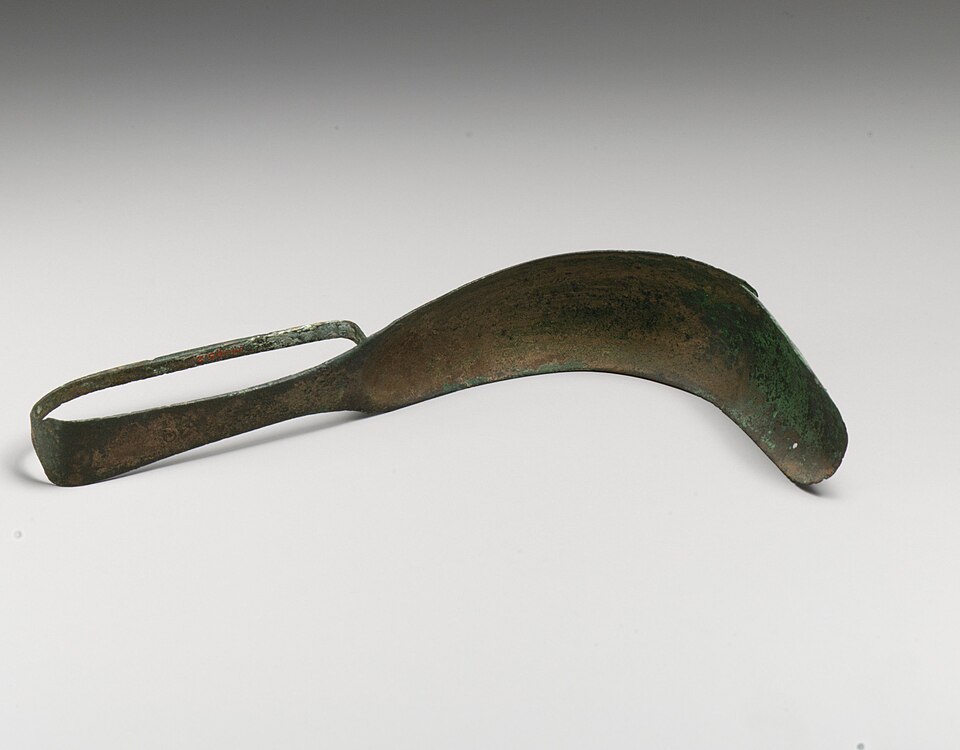
Romans cleaned the body with what worked: clay, sand, and pumice for abrasion, then a generous coat of olive oil. The oil softened skin and trapped dirt, and a strigil scraped the mixture away in satisfying curls. Washing could be daily, even for enslaved people, and the method fit a world where soap was not always central to bathing. The routine also suited athletes, who valued smooth, polished skin after training. Strigils became a badge of gym culture, and some athletes believed the scraped finish made them more streamlined. It was practical chemistry: oil as cleanser, metal as towel, and water as reset again
Running Water, Aqueducts, And The Laundry Trade
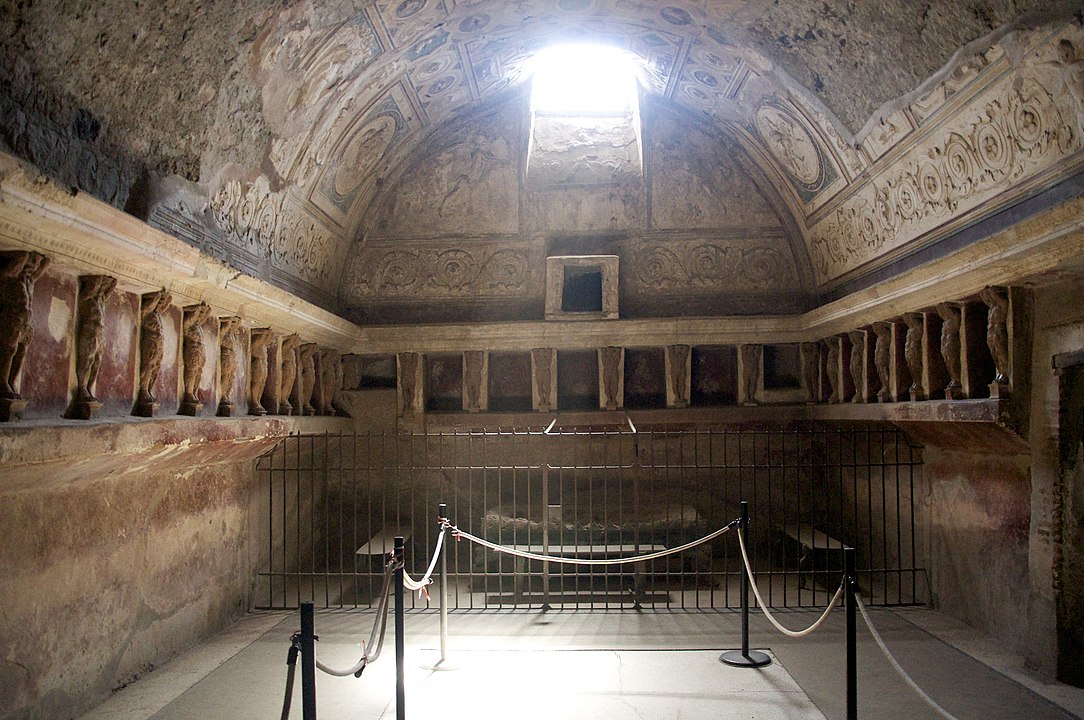
For wealthy Romans, clean water could arrive at home. Lead pipes fed by aqueduct systems supplied some villas with running water, a luxury that made washing and fountains feel effortless. The same engineering powered fullonicae, commercial laundries where garments were cleaned, finished, and made presentable for public life. Hygiene was not only a private matter; it became an urban service, stitched into infrastructure and work. Pipes, drains, and public basins raised expectations in crowded neighborhoods. Even without private taps, many households relied on systems that moved water and laundry through the city..