
Older apartments and starter homes once came with built-in solutions for everyday life, the kind that assumed routines would happen in the same place, every day. A phone had a nook, laundry had a chute, and music lived inside furniture. As rentals were renovated for open plans, new wiring, and easier upkeep, many of those features were removed or sealed up. What remains, when it shows up, feels oddly personal. Each detail hints at how people moved through a home, where they paused, and what they shared with others under the same roof. These are not museum pieces. They are practical ideas that faded as technology, codes, and tastes changed. Their disappearance says as much as their design.
Telephone Nook With Built-In Seat
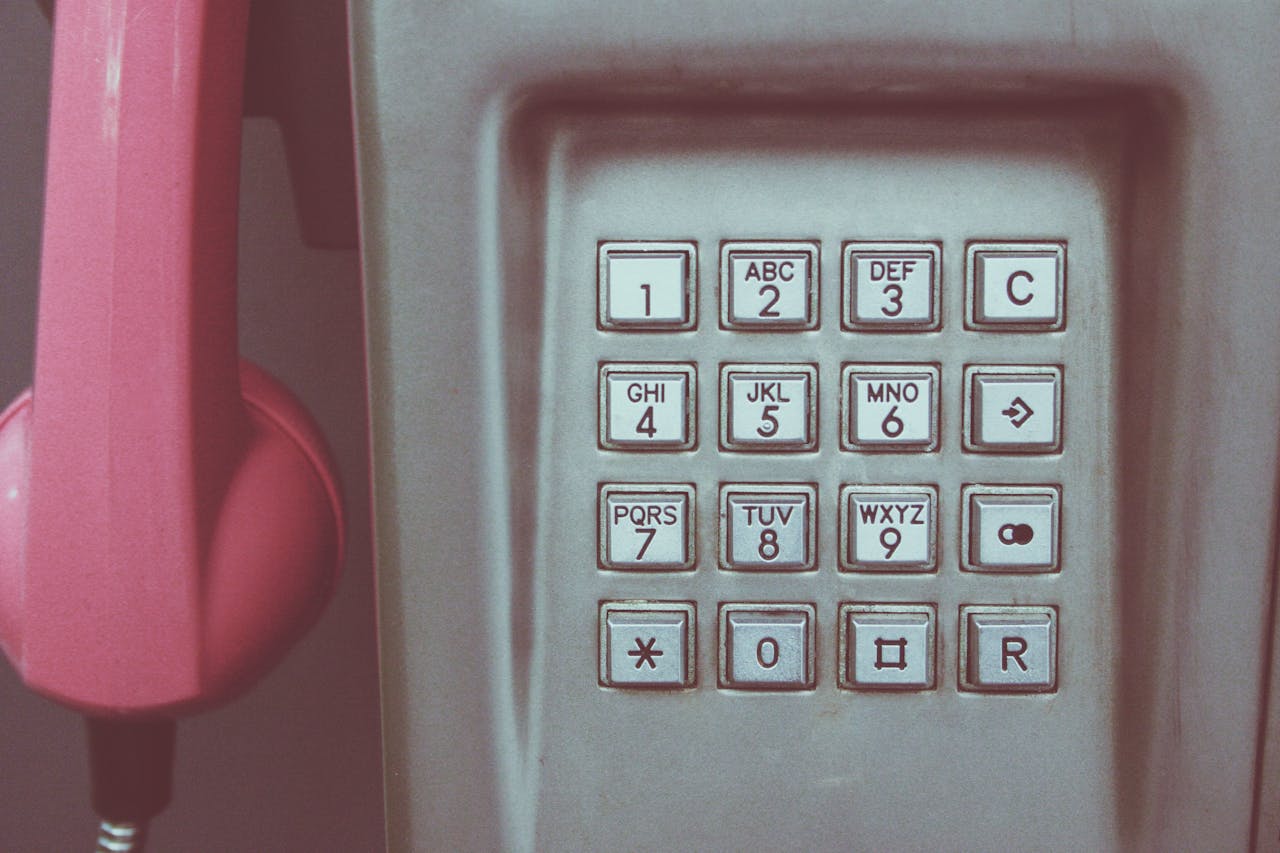
A landline was once part of the floor plan, so builders carved a shallow niche into hallways or kitchen edges, often with a tiny bench, a shelf for the thick phone book, and a message pad that lived in plain sight. Some even had a dedicated outlet and a small drawer for pens and spare coins, because missed calls became handwritten notes, taped reminders, and names underlined twice. Calls happened within earshot of the whole place, cords stayed tucked instead of snaking across baseboards, and privacy meant lowering a voice, not leaving the room, which is why renovations now smooth the nook into blank wall, and the habit goes with it.
Laundry Chute Door in the Hallway
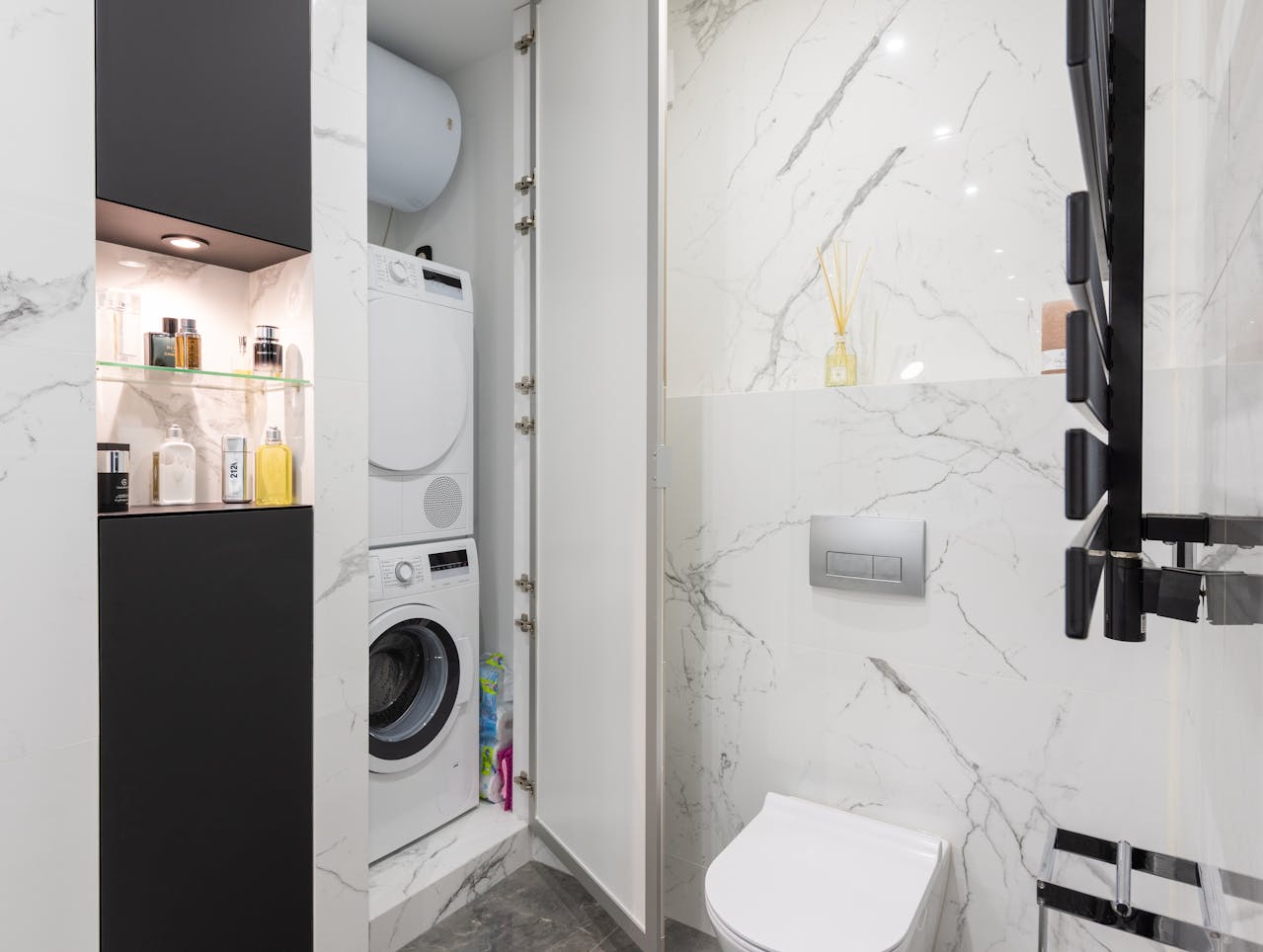
A small square door in a hallway or linen closet once meant laundry could vanish with a push, dropping through a metal-lined shaft into a basement bin and saving a flight of stairs in a house built for weekly routines. The door latched with a firm click to keep drafts out and to stop curious kids from turning it into a dare, and some chutes even carried labels for whites and colors, a modest attempt at order before the pile mixed itself. As fire codes tightened and open shafts fell out of favor, many were sealed behind new walls, and renters only notice when a latch or patched square gives the secret away after decades of paint.
Built-In Ironing Board Cabinet
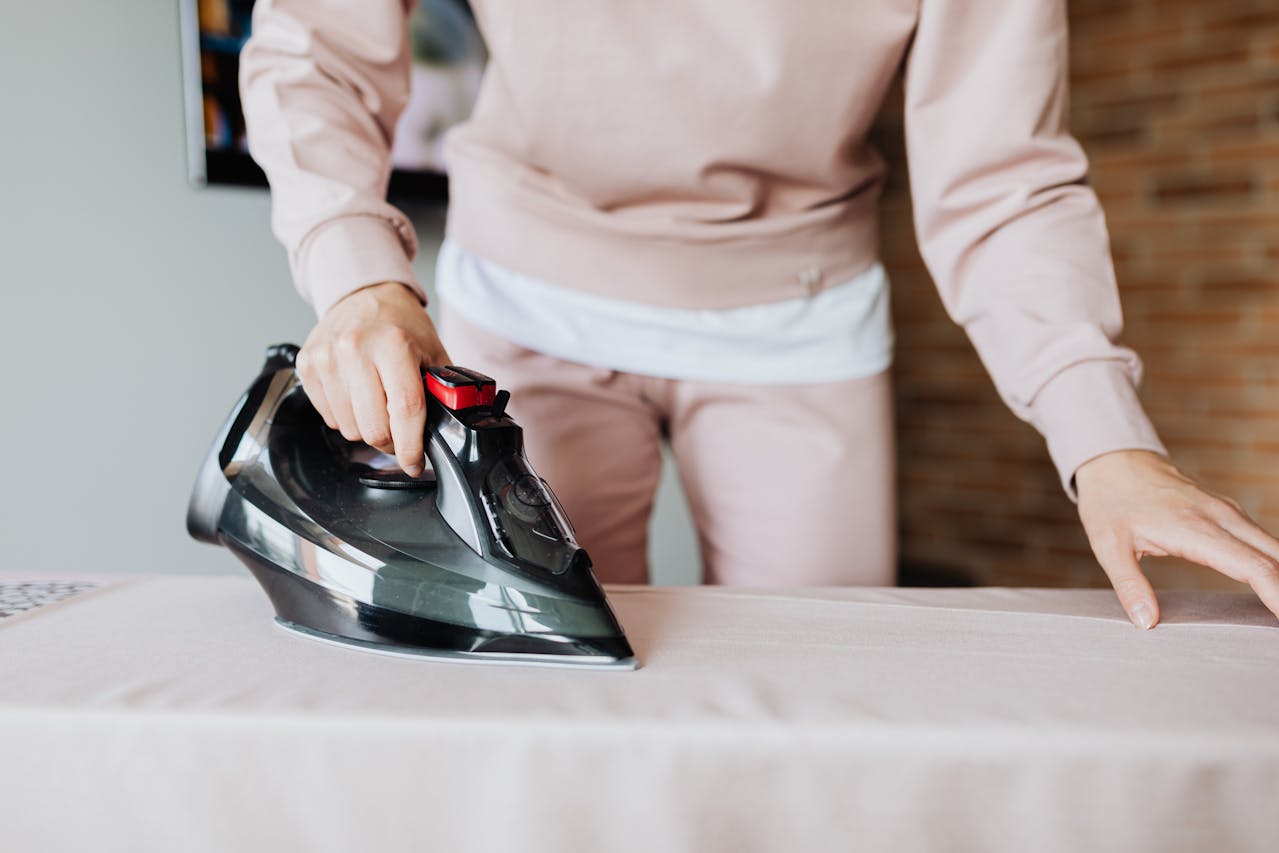
Some closets once opened like a trick cabinet: a narrow door swung out, and an ironing board unfolded on a hinge, ready in seconds without stealing floor space. Inside, the compartment held starch, pins, and a heavy iron, and many units had a scorched metal rest plus vents meant to keep the cabinet from trapping steam, which made pressed shirts feel routine, even on weekdays. As dress codes relaxed and small laundry closets became the norm, these built-ins were ripped out for more shelving, but a surviving one still hints at mornings tightly organized around crisp hems and collar points, not last-minute wrinkled fixes.
Milk Door by the Front Step

In some older neighborhoods, a tiny exterior door near the porch served as a handoff point for milk and other basics, sized for glass bottles rather than packages and often placed low like a child’s secret entrance. Delivery left the order in an insulated box built into the wall, and a matching interior door let the household retrieve it without opening the front entrance, complete with clinks, paper caps, and dawn routines. As cartons, supermarkets, and new construction took over, the little doors were bricked up or ignored, but when one remains it reads like a miniature time capsule set in brick, meant for nothing but necessities.
Whole-House Intercom Panels
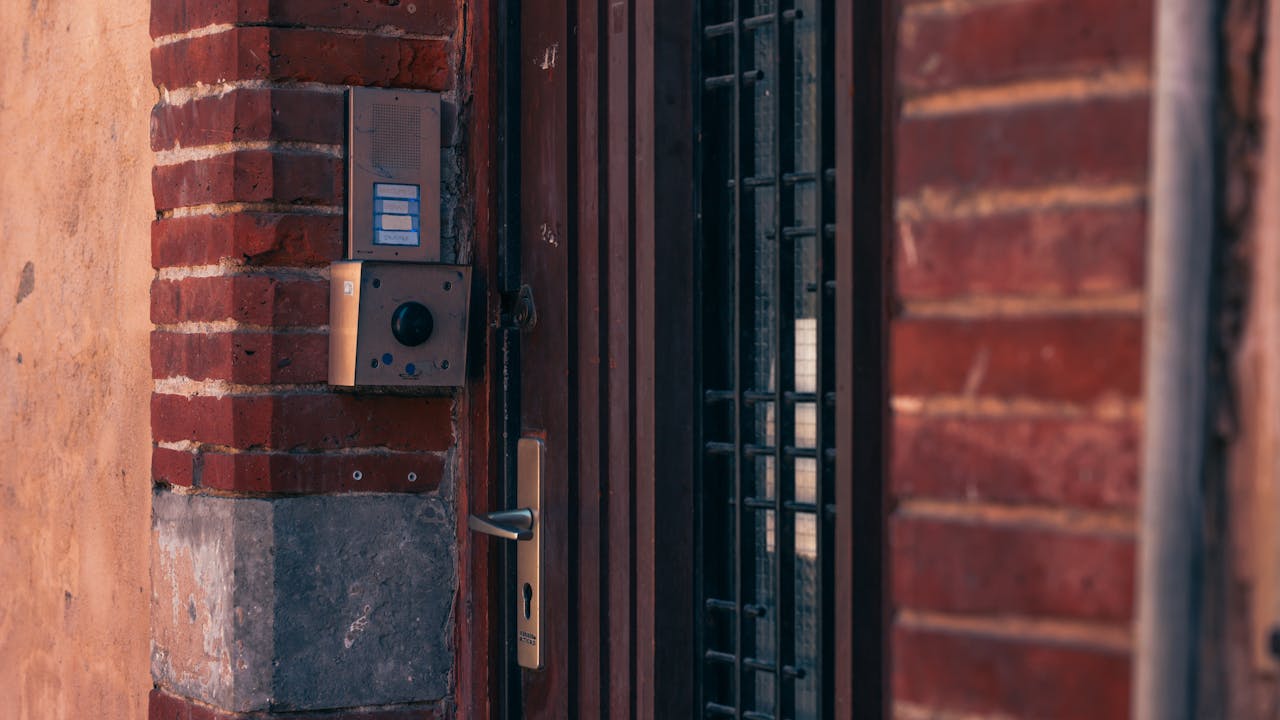
Before phones handled everything, some homes relied on wall intercoms: speaker-grille panels with buttons labeled Kitchen, Master, or Front Door, often mounted beside the doorbell chime like a household switchboard, with a volume knob. A parent could call everyone to dinner, a teen could screen a visitor, and room-to-room paging turned a quiet house into something that answered back without anyone moving from their spot. When personal devices took over, panels were left to yellow in place, their buzz still loud when tested, and in older rentals the dead unit feels like a relic of coordination built for voices, not notifications.
Transom Windows Over Interior Doors

Tall doors in older buildings sometimes carried a bonus feature: a narrow transom window above the frame that could swing open to vent heat and pull air through tight layouts on sticky summer nights, long before central air became common. It shared daylight, helped sound travel between rooms, and used hardware that ranged from simple latches to a crank rod worked from the floor, all tucked into trim as careful as any molding. Renovations often sealed transoms to stabilize heating and cooling or removed them for dropped ceilings and ducts, but when they survive they make a space feel taller, calmer, and built to breathe.
Floor Furnace Grate in the Living Room
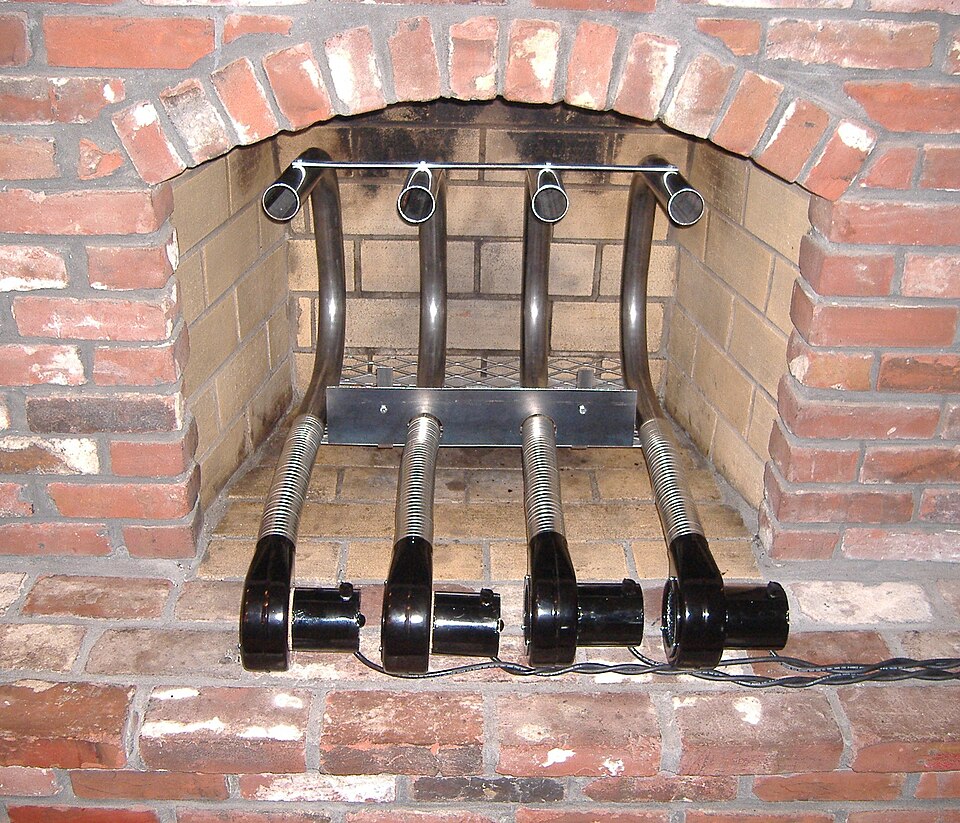
Some rooms were heated by a floor furnace, marked by a wide metal grate set right in the middle of the space where warm air rose straight up. Winter life gathered there, with slippers nearby, pets claiming the best square, and coats drying as the grate gave off a metallic smell when heat returned after the first cold night, even as dust collected fast and the warmth stayed uneven. Kids learned early to keep hands away, and as central HVAC spread the furnaces were removed or covered, though a patched rectangle in hardwood sometimes remains as proof that comfort once came from one vent, often under a coffee table, not a thermostat.
Central Vacuum Wall Inlets

Instead of a wheeled vacuum, some postwar houses used a central system with a motor in the basement and wall ports in each room, so cleaning felt built-in and closets stayed calmer. A long hose snapped into an inlet, dust vanished through hidden piping, and the noise stayed far away, while some kitchens even had a toe-kick slot that swallowed crumbs with a quick foot tap. Repairs were specialized, and later renovations often removed the ports and capped the lines to simplify maintenance, leaving a few inlets behind like odd outlet twins that quietly suggest a home once engineered cleanliness into its walls from room to room.
Built-In Hi-Fi Cabinet and Wired Speakers
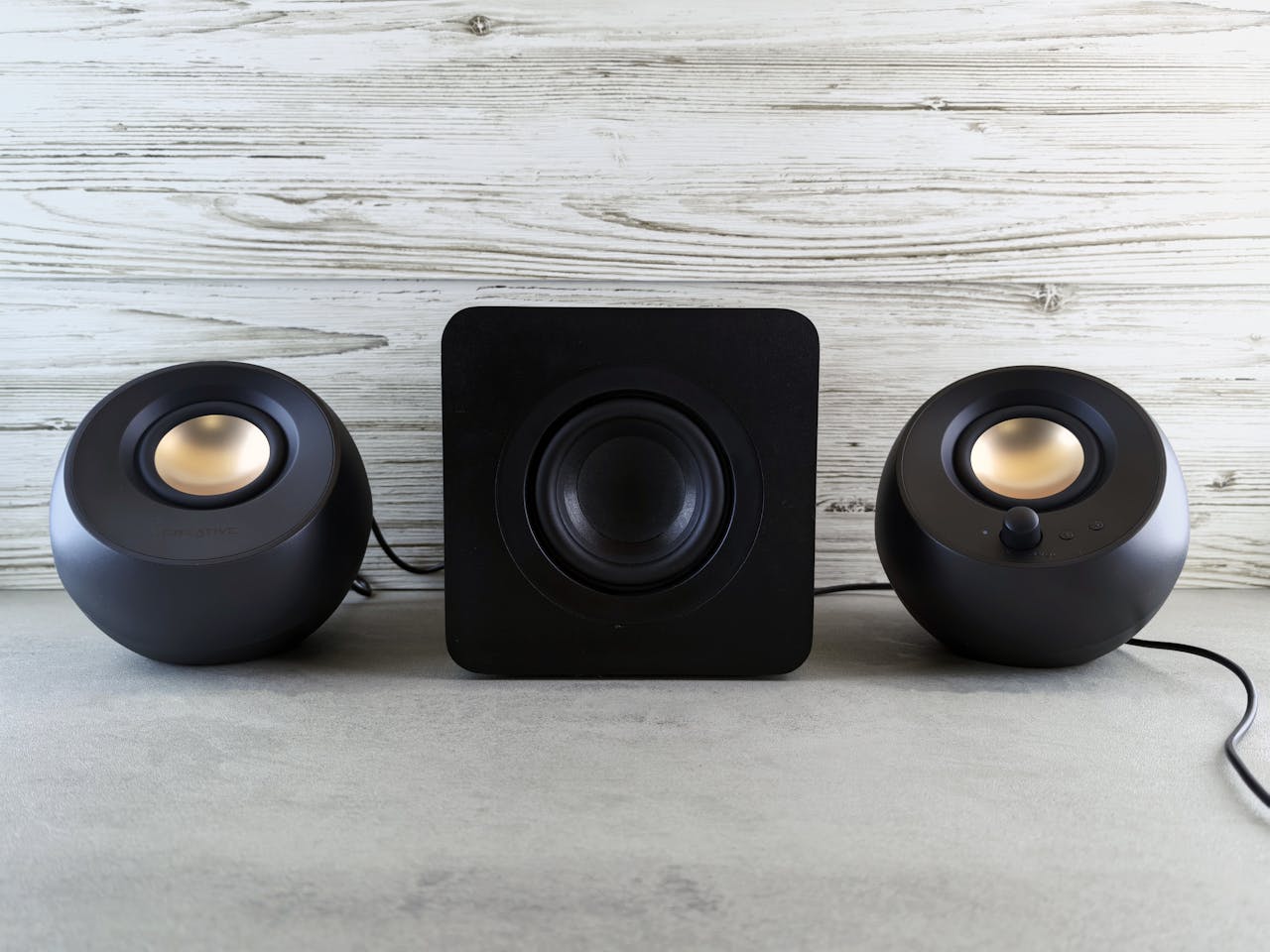
Before Bluetooth, music often lived in a wooden console that looked like a sideboard but hid a turntable, radio, and record storage, turning listening into a planned part of the room, often before the first guest arrived. Some living rooms were pre-wired with in-wall speakers, their fabric grilles blended into paneling or brick, so entertaining meant choosing an album like a menu, wiping dust from an LP, and turning a dial. As electronics shrank, the cabinetry was ripped out or repurposed and speaker wire was abandoned behind drywall, leaving a stray grille or extra knob as the only clue the room once carried its own soundtrack.
Pull-Out Breadboard and Built-In Flour Bin

Older kitchens sometimes hid a baker’s toolkit in the cabinets: a wooden board that slid out like a drawer and a tin-lined flour bin with a flip lid, designed to keep mess and clutter contained. It kept counters clear, protected staples from pests, and made pie dough feel routine, and some setups added a sugar bin, a hook for a sifter, or a cubby for recipe cards used until the corners curled. As cabinetry became standardized, the specialized pieces disappeared, but a surviving breadboard still carries knife marks, and the bin seam can hold a dusting that never fully disappears, making the kitchen feel built for hands and habits.