
Romance looks effortless in travel photos, but laws and social codes can make a small gesture feel suddenly high-stakes. In some countries, public affection is handled through broad indecency statutes; in others, it is tied to religious law or morality policing. The risk is rarely a dramatic arrest out of nowhere. It is the complaint, the security guard, the camera, and the rule that gives authorities wide discretion. Couples who understand the boundary tend to travel more smoothly, protecting privacy and avoiding misunderstandings with locals. The smartest approach is not fear. It is context: knowing where public space is treated as shared family territory, and saving intimacy for places designed for it, without losing the romance.
United Arab Emirates

In the UAE, affection can move from sweet to legally risky the moment it becomes a public scene. Visitor guidance notes that kissing and heavy petting can be treated as offenses against public decency, and cases may escalate fast when a bystander complains or security steps in. Hand-holding is sometimes tolerated, but long embraces, groping, or playful makeouts in malls, beaches, and the Metro can invite questioning. Add alcohol or someone recording at night, and the margin shrinks further. Most couples keep public contact minimal, choose quieter corners, and let romance happen in private hotel rooms or behind closed doors.
Qatar

Qatar’s penal code punishes obscene acts and gestures in public places, and that broad wording is where affection can get tangled. A quick hand squeeze may pass, but kissing and close cuddling in malls, souqs, and along the Corniche can be treated as public indecency if it draws complaint or security attention. The tricky part is discretion: enforcement often turns on whether behavior is seen as offensive, not whether it was meant to be romantic. Hotels feel more relaxed, yet lobbies and pool decks are still public. Couples who keep touch subtle outside private rooms avoid misunderstandings that can derail a stay in minutes.
Saudi Arabia

Saudi Arabia formalized public-decency violations with a published fines table, and public displays of affection sit inside that broader code of public behavior. The point is not ambiguity: behavior that clashes with local norms can be fined, and enforcement is handled by police, not scolding from staff. In practice, couples keep distance in malls, queues, and promenades, especially during prayer times and family-heavy evenings when scrutiny rises. The country has changed quickly, but public space still reads as communal and conservative. Private homes, hotel rooms, and reserved venues are where affection belongs for most visitors.
Kuwait

Kuwait’s rules around public behavior lean conservative, and official travel guidance is blunt about it: public displays of affection should be avoided. That matters because enforcement can start with a complaint and end with questioning, fines, or deportation, especially if behavior is seen as indecent rather than affectionate. Alcohol is illegal, and intoxication raises the odds of a bad interaction, so couples often keep public contact limited to a walk side by side. Hotels can be strict about unrelated opposite-sex couples sharing rooms, adding another layer of scrutiny. Most romance is kept for private spaces, not the street.
Oman

Oman is famously courteous, but the country’s public-order expectations are clear: affection in public is frowned upon and can bring police attention. The risk is not just a dramatic kiss; lingering embraces, playful touching, or anything read as obscene can become a legal issue in places like souqs, beaches, and public promenades. Because enforcement can be discretionary, one uncomfortable bystander can shift the tone fast, especially when photos or videos are involved. Most couples treat public space like a shared living room: calm, respectful, and low-contact. Romance moves indoors, where it stays private and uncomplicated.
Iran

In Iran, public behavior is filtered through a strict morality code, and U.S. travel guidance notes that public displays of affection are treated as crimes. The practical effect is that even mild intimacy can trigger questioning if it attracts attention, especially for mixed-gender pairs where officials may scrutinize relationship status. That scrutiny can stack with dress-code enforcement, turning a small moment into a bigger problem. Many residents keep public interactions formal and low-contact in streets, parks, and transit. Privacy is where affection is safest, and where it fits the social rules, with far less stress.
Maldives

The Maldives sells barefoot romance, but the rules change the moment a couple leaves a resort island. Travel guidance warns that public displays of affection on inhabited islands, including Malé, are considered offensive and may lead to punitive action. The contrast can surprise honeymooners: bikinis and kisses belong on resort sand, while ferry docks, markets, and mosques expect modesty and space. Couples who treat transfer days like a switch keep things smooth: polite distance in public, then privacy back at the villa. It is less about hiding love and more about respecting how public life works in a conservative island society.
Malaysia

Malaysia can feel modern and relaxed, yet public affection sits inside indecency rules and, in some states, religious enforcement for Muslims. A city case showed authorities could prosecute a couple for kissing in a park, and officials later stressed that tourists might be tolerated only if behavior stays mild. Sharia courts can punish khalwat, close proximity, when a relationship is deemed improper, and public caning has been used for repeat offenses in one state. The practical move is simple: keep kissing and cuddling private, especially in parks and near religious sites, and let affection show up as warmth, not touch, in public.
Indonesia (Aceh)

Aceh is the exception inside Indonesia: it enforces Sharia-based criminal bylaws, and public affection can be treated as a morality offense with serious punishment. Recent reporting describes men sentenced to public caning after convictions tied to hugging and kissing, a reminder that enforcement is real. Public space can feel watched, from parks to hotel corridors, because a complaint may be enough to start a case. Couples passing through Banda Aceh keep distance, stay low-key, avoid secluded corners, and treat privacy as the only safe setting for intimacy. In Aceh, discretion is not etiquette; it is risk management in public.
Morocco

Morocco can feel flirtatious and cosmopolitan, but the law still allows prosecution for public indecency, and past cases show that a kiss can become a court matter when it goes viral or draws complaints. Amnesty reporting has cited Article 483 in cases where teenagers were charged after public kissing. In busy squares and medina lanes, the bigger risk is not a quiet moment but the attention it attracts, especially when filming is involved or the couple is same-sex. Many travelers keep affection subtle in public, then lean into romance in private riads, courtyards, and rooftop dinners, where intimacy does not turn into a spectacle.
Jordan

Jordan’s hospitality is real, but public affection is still a flashpoint, especially outside tourist bubbles. UK travel guidance notes that same-sex relations are not illegal, yet public affection may cause offense and could lead to arrest under other laws, which makes discretion smart. Even for straight couples, intense kissing or lingering touches can read as disrespectful in family cafés, markets, and religious areas. Most couples keep public contact quiet, then relax into private spaces in Amman hotels, Petra guesthouses, or Wadi Rum camps. The vibe stays warm when romance stays understated, too on the street after dark.
Afghanistan
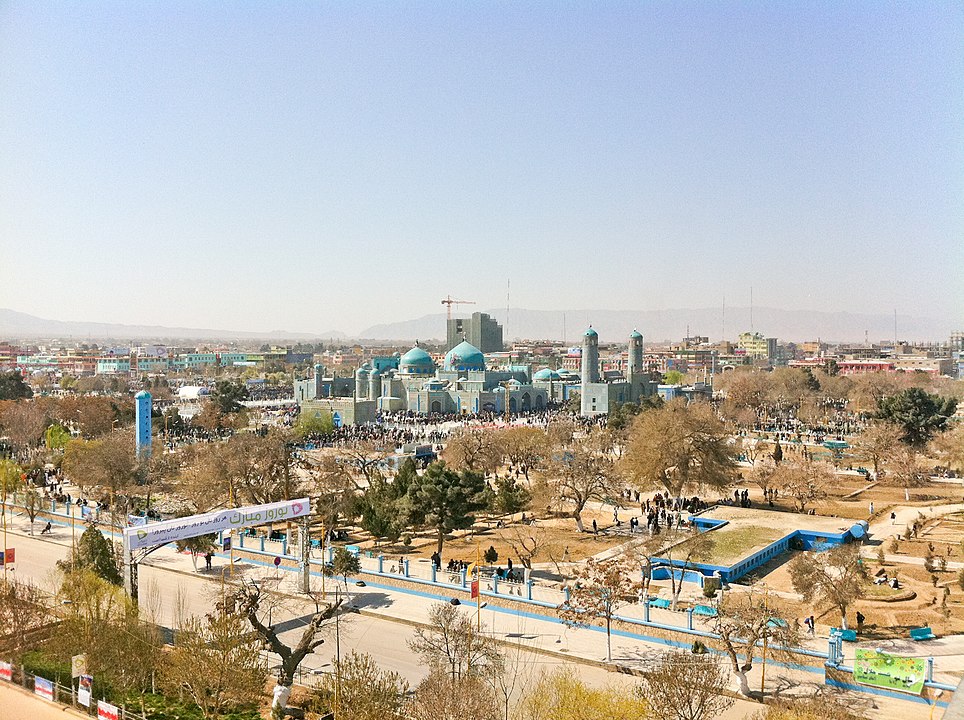
Afghanistan’s public-life rules are shaped by the Taliban’s Vice and Virtue system, and UN reporting has described detentions tied to conduct and appearance. Visible intimacy can be treated as a moral violation, and consequences are unpredictable because enforcement can be immediate and unchecked. Public space is not neutral; it is monitored, and a complaint can escalate without safeguards travelers assume elsewhere. For couples, the practical posture is restraint: formal spacing in markets and transport, no touching in public, and no secluded corners that invite scrutiny. Romance, if it exists, stays entirely behind closed doors.