Some speeches look inevitable in hindsight, like history always meant to say those words out loud. Often they almost never happened. A fever, a censor, a cabinet fight, a missing permit, or a few seconds of panic can decide whether a turning point gets a voice. The famous lines were rarely born in comfort. They were hammered out in war rooms, courtrooms, radio studios, and streets packed with tension. What lasts is not only the phrasing, but the fact that someone held the floor when silence was easier. The moments below share that same edge: the speech was delayed, softened, nearly canceled, or nearly destroyed, and then it still reached the world, changing what people dared to imagine next.
Lincoln’s Gettysburg Address
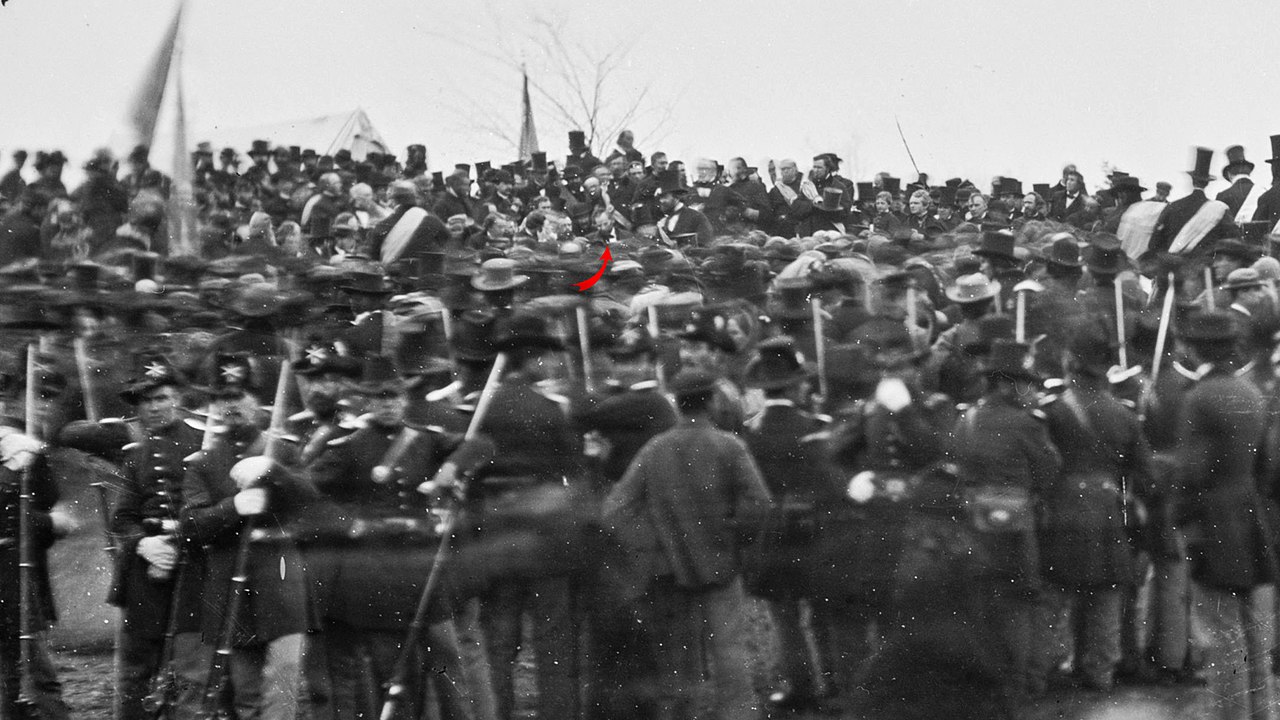
In Nov. 1863, Abraham Lincoln reached Gettysburg looking drained and visibly ill, and he was slated to add only a few remarks after the long featured speech. Observers noted his pallor, the chill in his voice, and how quickly he tried to withdraw afterward, and he left town feverish, later linked by historians to a mild case of smallpox. The address was risky in another way: it was brutally short, with no room to hide behind flourishes or wandering logic. Still, he used that tight space to recast the Civil War as a test of democracy, and the crowd heard a calm verdict from a body that could have failed right at the podium.
Roosevelt’s Day of Infamy Address
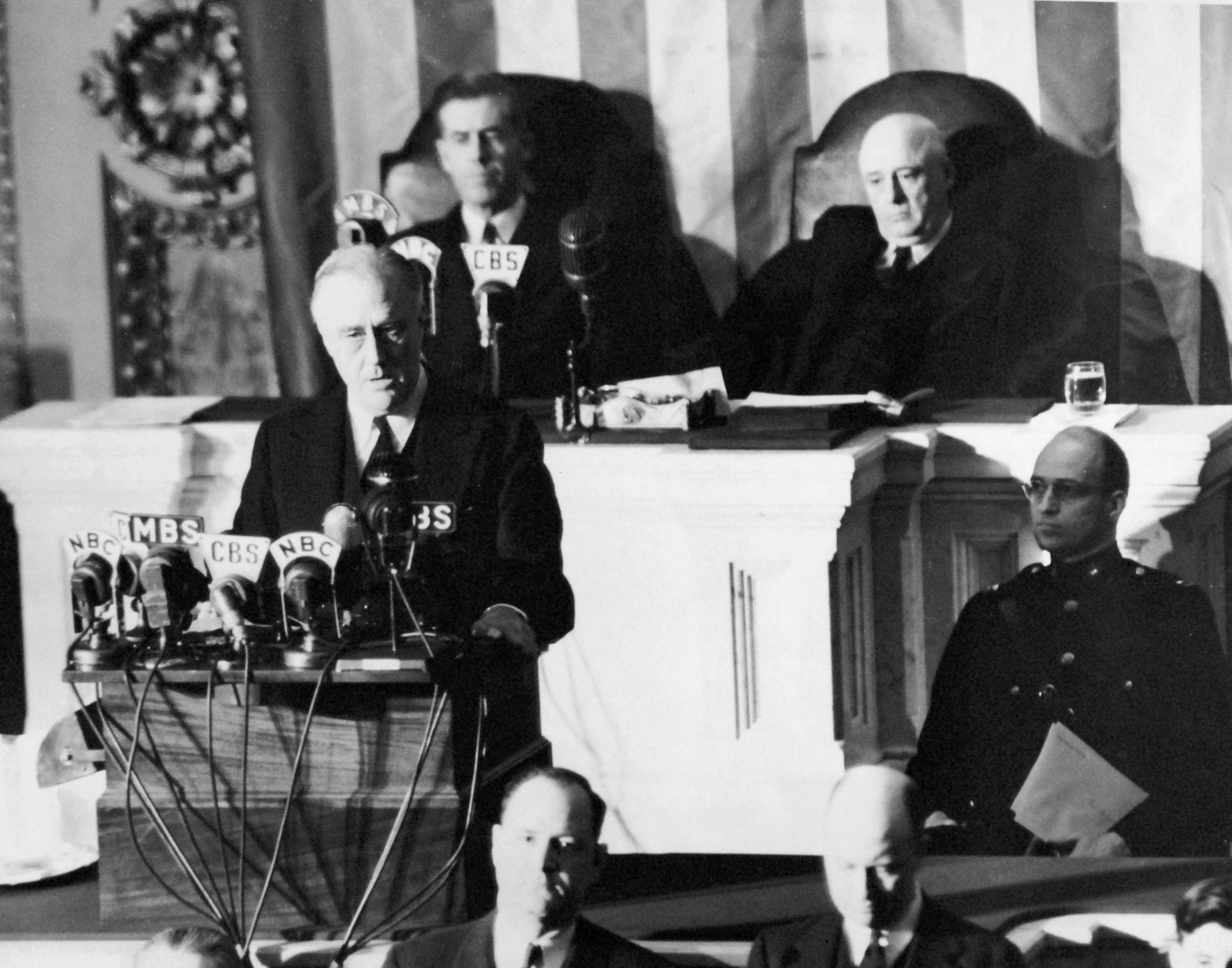
Franklin D. Roosevelt went to Congress on Dec. 8, 1941 with the country still reeling from Pearl Harbor and the details still shifting hour by hour. Overnight, aides refined the draft, and he made a small but brutal choice in the opening, replacing a cooler phrase with the word infamy, a moral verdict disguised as a noun. The speech could have stayed a narrow briefing, or a cautious plea for patience, with diplomacy collapsing in real time. Instead, he framed the attack as deliberate and unprovoked, and his steady delivery gave Americans a shared script for what came next: unity, mobilization, and no illusions, not hesitation.
Churchill’s We Shall Fight on the Beaches
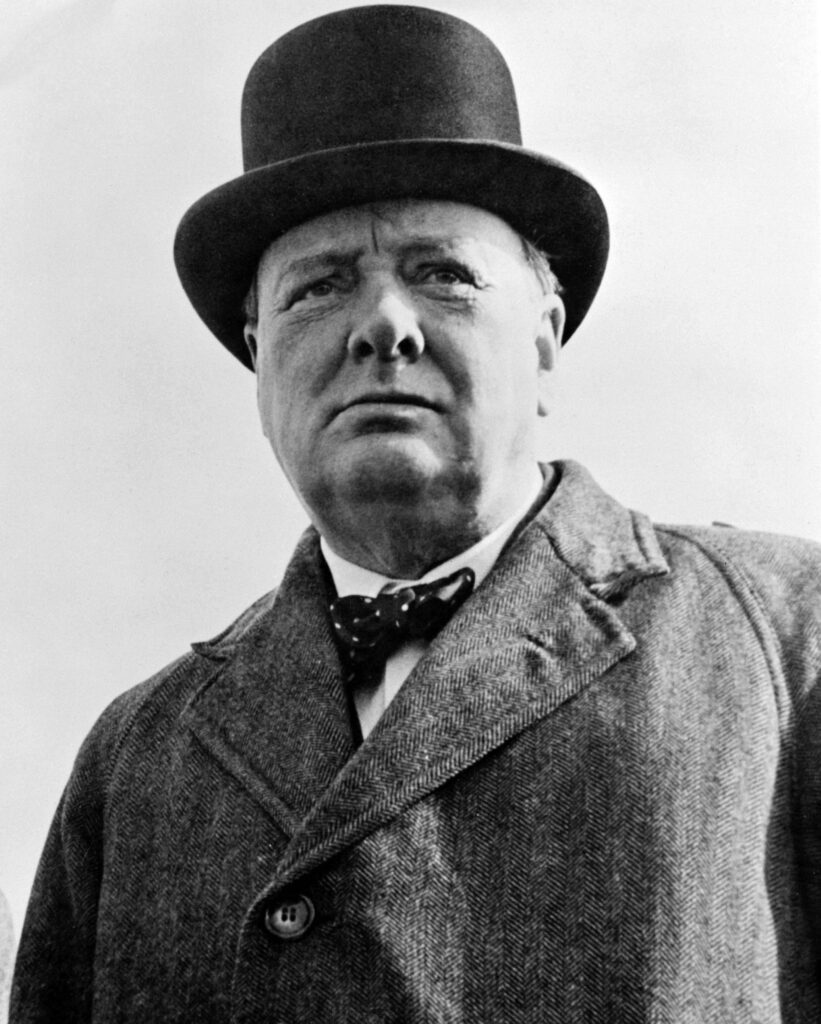
On June 4, 1940, Winston Churchill faced Parliament with Dunkirk fresh, invasion fears rising, and a dangerous temptation to treat evacuation as victory. The rescue was real, but so was the threat, and his job was to keep Britain from soothing itself into complacency. He stitched gratitude to warning, admitting how much had been lost and how much worse could follow, then built the famous vow of resistance across beaches, fields, streets, and hills. That rolling list was not decoration. It was a way to turn survival into an everyday commitment, spoken while the future still looked like smoke over the Channel. As sirens practiced.
De Gaulle’s Appeal of June 18
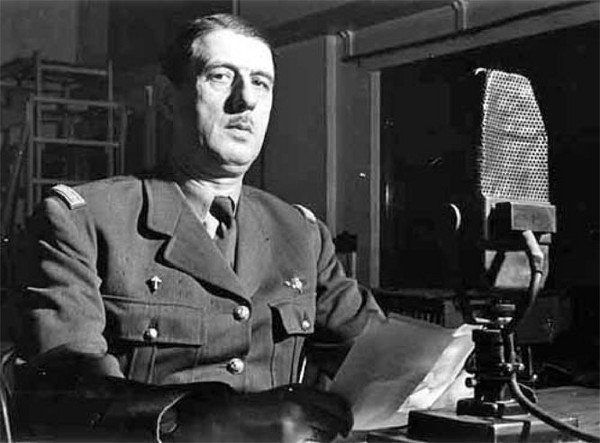
Charles de Gaulle’s June 18, 1940 appeal was the kind of broadcast that can disappear before it ever airs. Newly arrived in London and still a minor figure, he finished his text that morning, then learned permission could be pulled, as British leaders worried about dealing with Marshal Pétain and the French fleet. Approval came late, the BBC slotted him in, and the message went out without the polish of certainty. No recording was kept, yet the words traveled anyway, offering a stubborn alternative to surrender and giving scattered French patriots a phrase to rally around when official France was going quiet. It mattered fast.
John Lewis’s March on Washington Speech
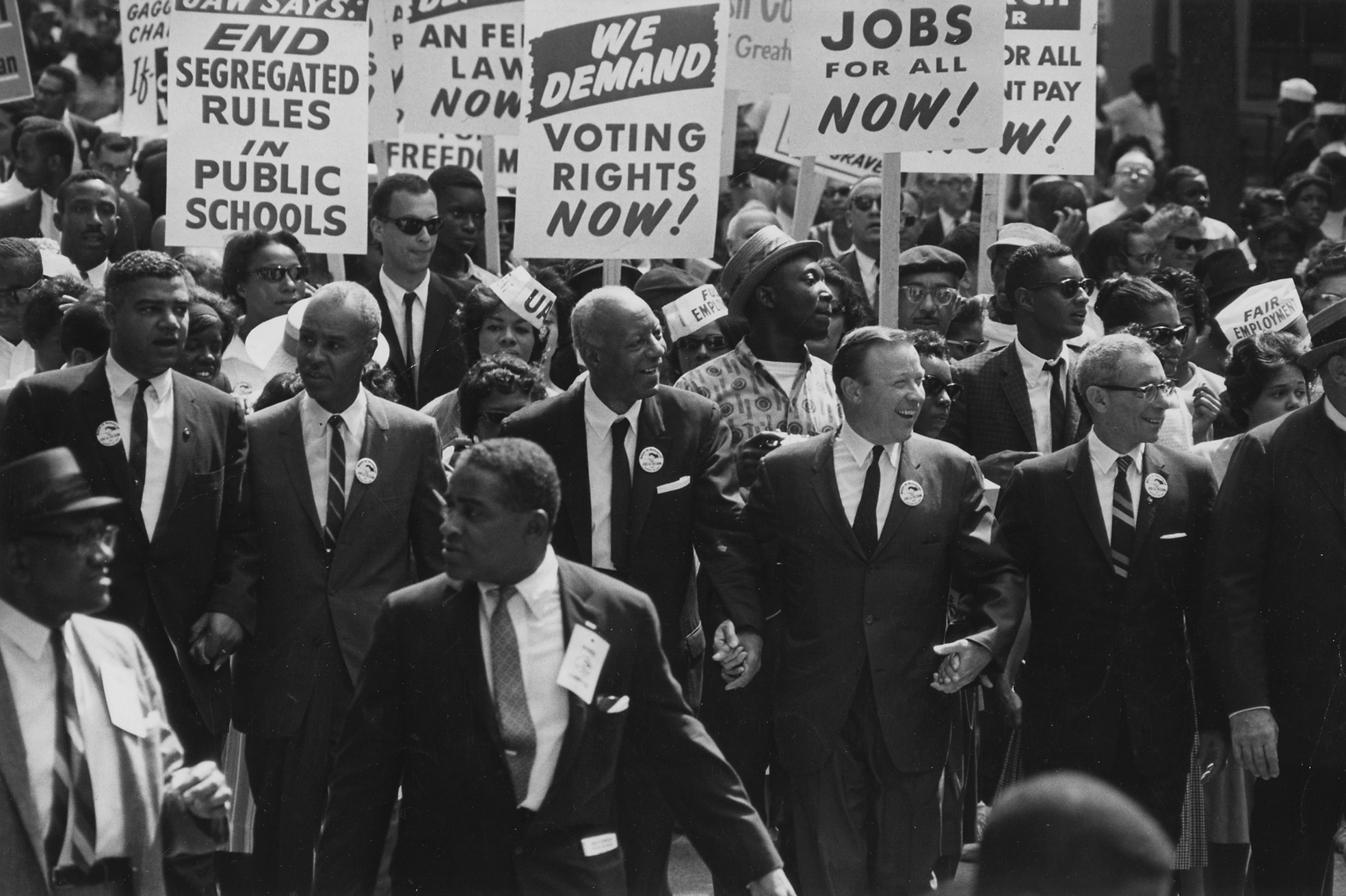
John Lewis arrived at the March on Washington in Aug. 1963 with a draft that refused to sound patient. At 23, he planned to call the pending civil rights bill too little and too late, and he aimed sharp blame at both parties for asking Black Americans to wait. Senior leaders and Catholic allies warned the language could fracture the coalition on live television, and revisions stretched late into the night, with edits still being discussed as the program approached. Lewis spoke anyway, with the edges filed down but the urgency intact, proving that even iconic moments can be built through tense compromise. The original heat lingered.
King’s Improvised Dream
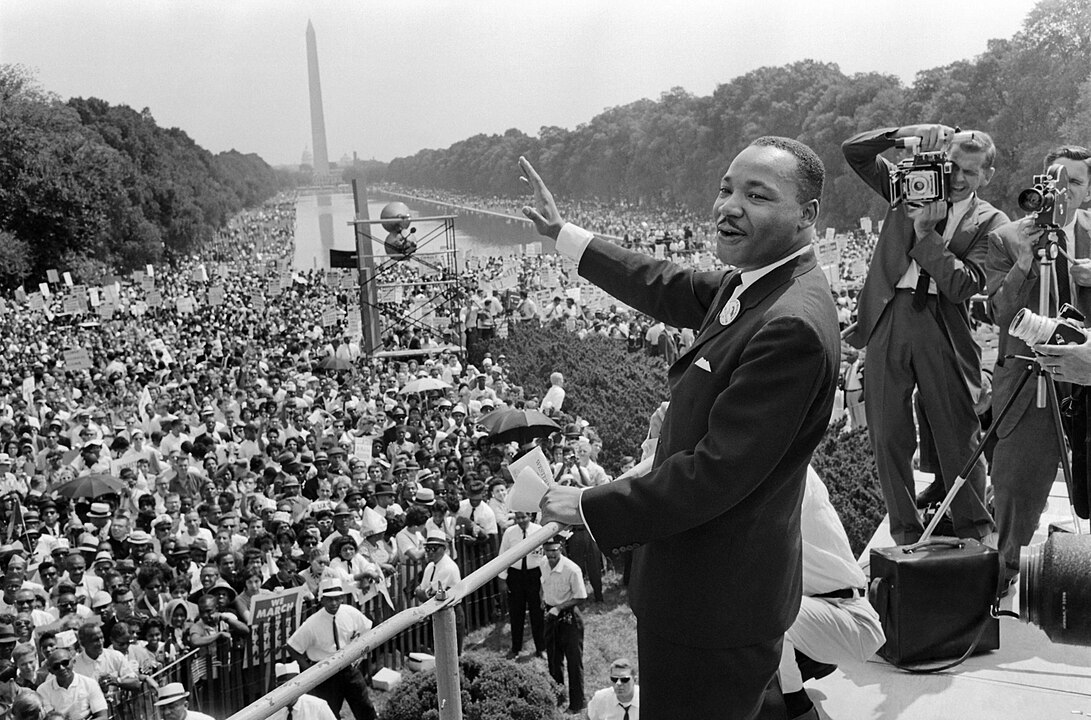
Martin Luther King Jr. did not step to the microphone on Aug. 28, 1963 planning to end with the lines most people now quote first. His prepared text leaned heavily on policy and promises, and it could have closed as a disciplined brief for change. Near the finish, he shifted into the dream cadence he had used before, fueled by the crowd’s response and a sense that the moment needed lift, not paperwork. The turn was improvisational enough to feel like a gamble, yet it gave the speech its soaring structure, linking moral clarity to a vivid national image that stuck long after the march emptied out. It was never guaranteed to happen.
Reagan’s Tear Down This Wall Line
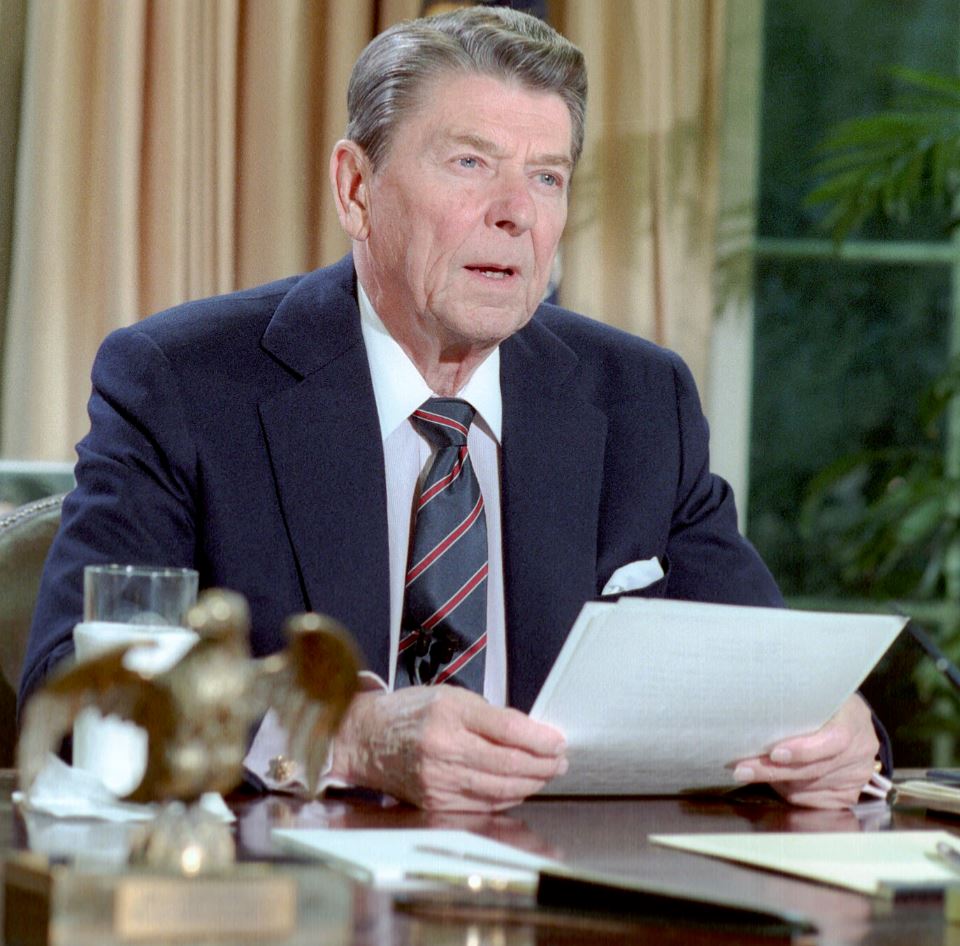
Ronald Reagan’s Berlin speech on June 12, 1987 carried a sentence that nearly died in the editing chain. Diplomats and State Department officials argued that challenging Mikhail Gorbachev directly, and naming the Wall itself, could inflame tensions and complicate negotiations. Drafts tried to soften or delete the line, while speechwriter Peter Robinson insisted that clarity mattered more than etiquette. Reagan kept it, delivered it at the Brandenburg Gate, and let the words hang in the air like a demand the world could measure. The line became famous partly because it survived people who were sure it shouldn’t. He chose the risk.
Hirohito’s Surrender Broadcast
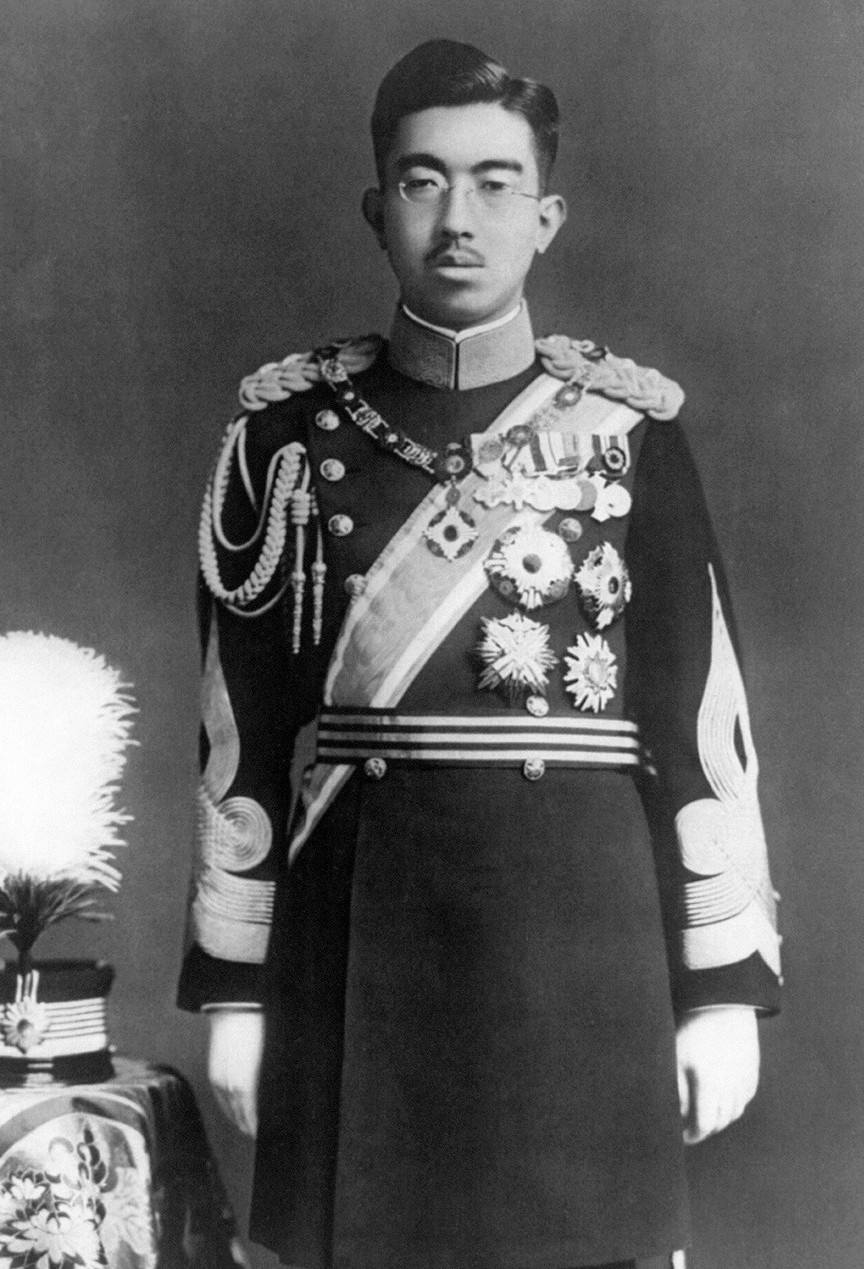
Japan’s surrender announcement on Aug. 15, 1945 existed on fragile physical objects: two phonograph recordings of the emperor’s voice made inside the Imperial Palace the night before. Hardline officers launched the Kyūjō Incident to stop the broadcast, raiding the palace in search of the discs and the officials guarding them. Courtiers hid the originals, shuffled papers to confuse intruders, and smuggled copies out to the radio station under routine-looking cover. At noon, the recording played nationwide, formal and indirect in tone, yet unmistakable in meaning. A few stolen minutes could have kept the war going for days. More.
Eisenhower’s In Case of Failure Message
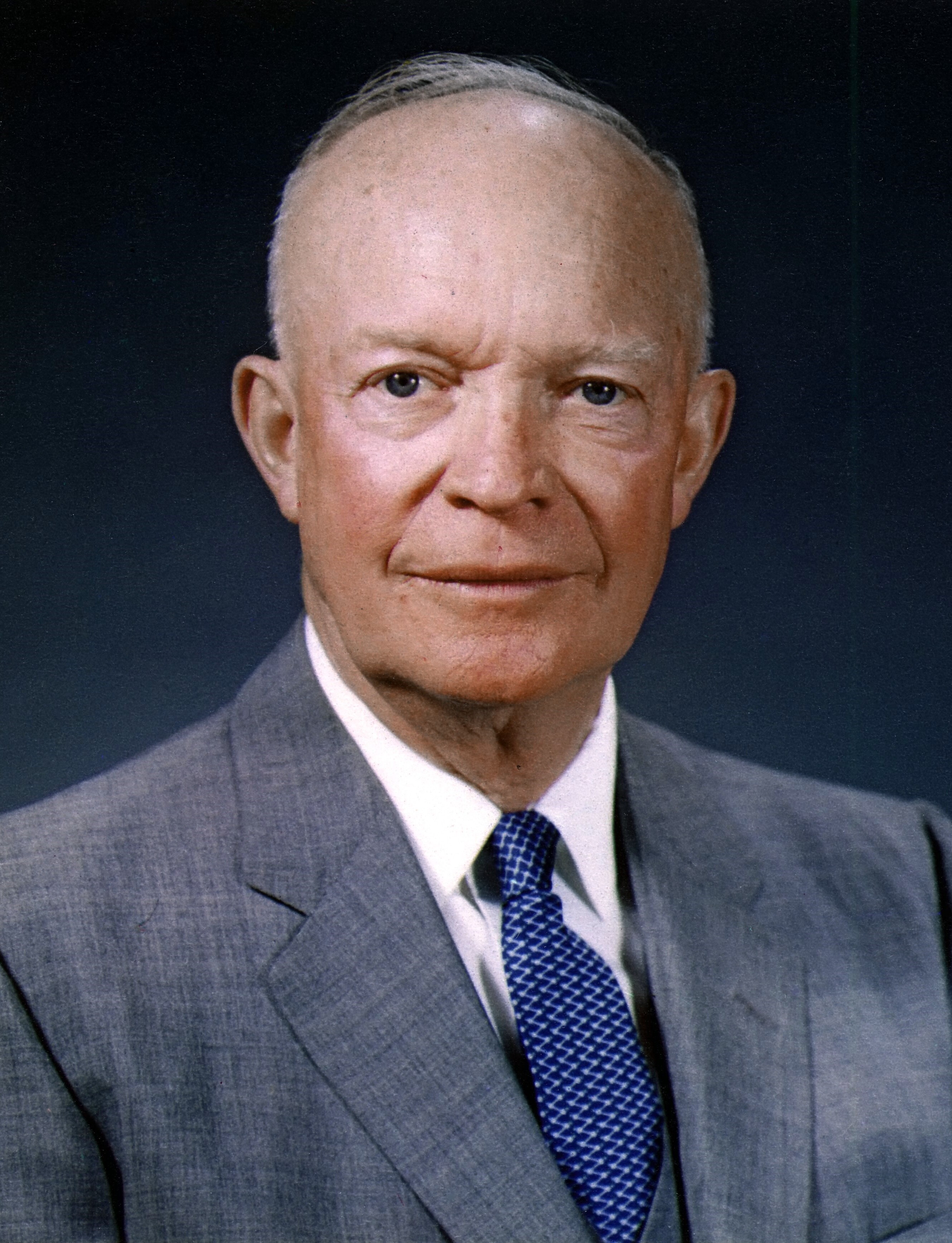
Dwight D. Eisenhower wrote one of his most revealing statements on June 5, 1944, and he wrote it so it would never be used. If the Normandy landings failed, he planned to announce that the troops had been withdrawn and that the responsibility was his alone. The note is short, almost brutally plain, because it was meant for a world waking up to disaster, not debate. He kept it with him as thousands crossed the Channel in the dark, carrying a commander’s private fear behind a public calm. The invasion succeeded, so the message stayed silent, preserved later as proof that victory was never a given, even at the highest level. Tonight.
John Paul II at Victory Square
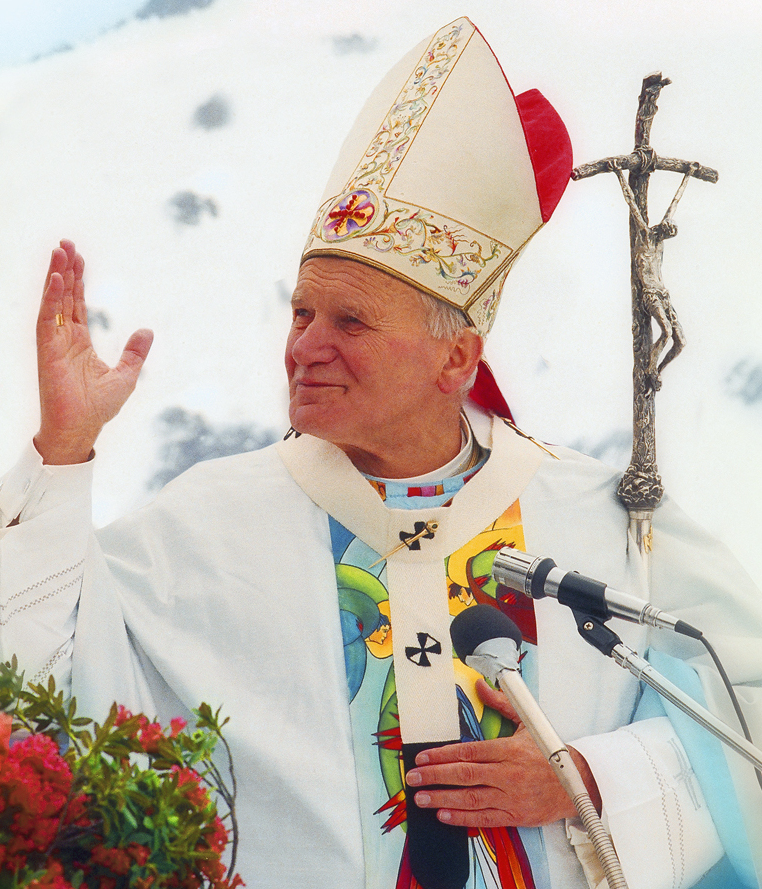
When John Paul II returned to Poland in June 1979, the communist state knew it was handing him a stage it could not fully control. Officials tried to manage routes, crowds, and broadcast tone, wary that a Polish pope could turn faith into public courage. In Warsaw’s Victory Square, he invoked the Holy Spirit to renew the face of the land, a line that sounded religious on the surface and civic underneath, and the crowd answered with a confidence the regime could not script. The speech went forward, but it carried the feel of permission granted through clenched teeth, which made every sentence land harder. It moved fast, and stayed.