
Leap Day feels like the calendar briefly winks. Feb. 29 shows up, and ordinary plans suddenly carry a sense of occasion, as if time has gifted an extra pocket of air. Some communities turn the date into a hometown party for leaplings, complete with parades and roll calls. Others use it as permission to flip old courtship scripts, or to stage a wedding that will always be easy to remember. In a few places, the day lands at the table, where a special dish becomes a way to wish parents more years. Faith calendars also make room for the rare square. Across all of it, the point is simple: when time is unusual, people choose to notice it together.
Anthony, Texas, Leap Year Festival

In Anthony, Texas, Feb. 29 turns into a full-town birthday party for people born on the rare date. Started in 1988, the Leap Year Festival packs in dinners, music, a parade, and a roll call where leaplings finally celebrate on the correct square. Visitors swap birth-year math, tell stories about paperwork that forces Feb. 28 or Mar. 1, meet strangers who share the same explanation, and drift through vendor booths and photo backdrops before leaving with crowns, certificates, and small-town applause that makes a calendar quirk feel like a community, the kind that remembers names and insists the day belongs to them.
International Leapling Birthday Club

The International Leapling Birthday Club grew out of Anthony’s gathering and keeps the same welcoming logic: people with Feb. 29 birthdays should not have to explain themselves all day. Members sign in by hometown and birth year, then trade the familiar stories about early parties, late parties, and forms that refuse to accept the date. What makes it work is the shared script: introductions are easy, jokes land instantly, and a strange birthday becomes a clean point of connection, like joining a club that only opens its doors once every four years, but remembers everyone who shows up and says their date out loud.
La Bougie du Sapeur in France

France celebrates Leap Day with a ritual built on waiting. La Bougie du Sapeur is a satirical newspaper that publishes only on Feb. 29, first appearing in 1980, and its schedule is the joke as much as the writing. Because it returns once every four years, readers buy it like a souvenir from a date that barely exists, then pass it around cafés and kitchens as a shared laugh. Each edition compresses four years of headlines into one punchy moment, and collectors stash copies like postcards, proof that scarcity can make even newsprint feel festive, and that a calendar glitch can still create a crowd at the newsstand, at the same time.
Ireland’s Bachelor’s Day Proposals

Irish Leap Day lore carries a romantic loophole. A popular legend says St. Brigid pressed St. Patrick to let women propose, and the permission landed on Feb. 29 so it could not be overused. Modern couples may treat it as symbolism rather than a rule, but the timing still adds charge to an engagement story, because the date itself is rare. Feb. 29 does not guarantee a yes, yet it gives boldness a frame and memory a hook: a proposal tied to a day that disappears, then returns, like a private anniversary built into the calendar. It is easy to retell, easy to mark, and hard for anyone to forget even decades later, even without photos.
Scotland’s Leap Day Refusal Folklore

In Scotland and across parts of Britain, Leap Day proposal folklore comes with consequences, at least in the telling. Some versions claim a man who refused a Feb. 29 proposal owed a fine or a gift, and others tie the tale to a medieval-era decree linked to Queen Margaret. Whether history or exaggeration, the tradition stuck because it flips expectations without turning cruel, letting the day act like a social pressure valve. People repeat it at parties and in family teasing, not to force romance, but to give courage a stage and rejection a polite cost, turning courtship into a story everyone can laugh about afterward.
Denmark’s Gloves Tradition
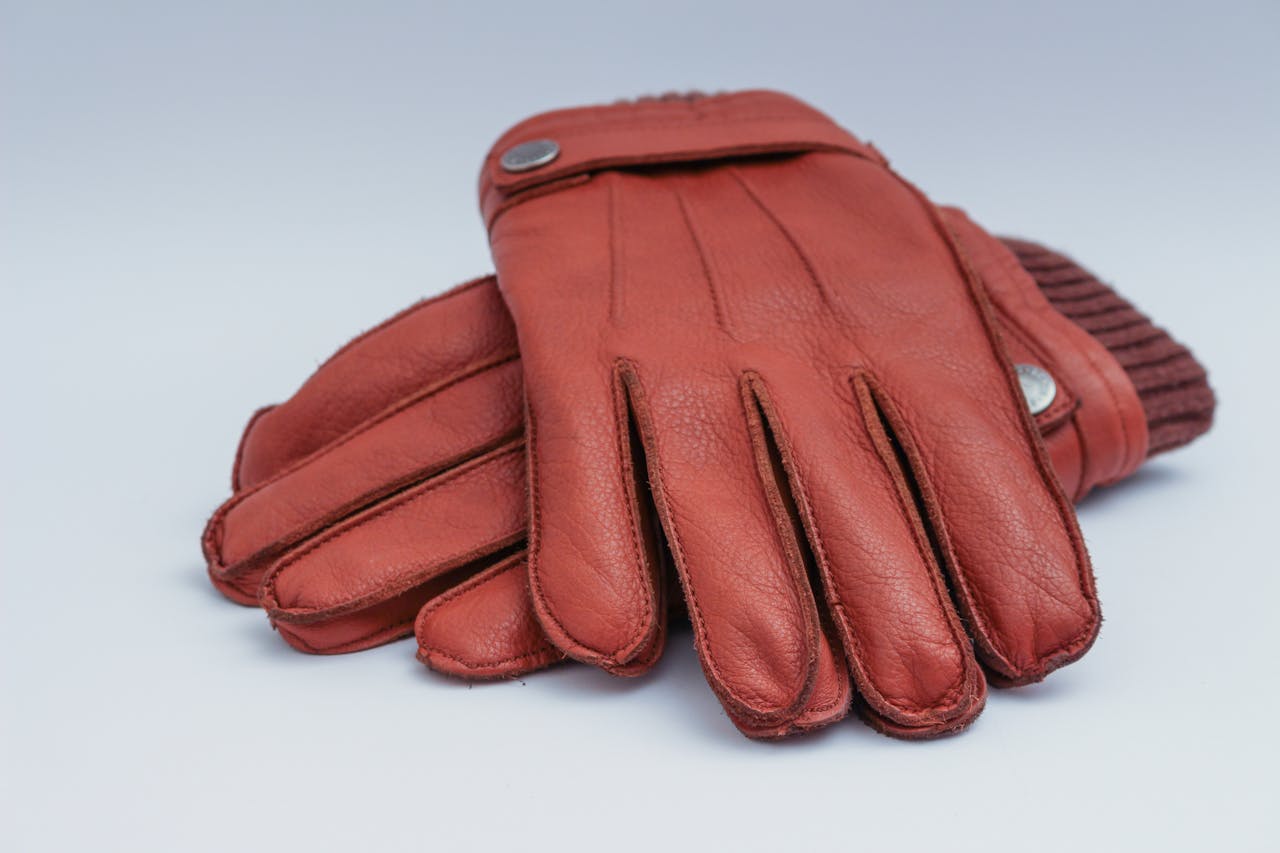
Denmark keeps the Leap Day proposal story practical, with a detail that feels oddly cinematic. Tradition says if a woman proposes on Feb. 29 and is refused, the man owes 12 pairs of gloves, a tidy number that sounds like it came from an old ledger. The logic is simple: gloves hide bare hands that might otherwise advertise the absence of an engagement ring, sparing someone from public questions they did not invite. Even when treated as folklore, it reads like polite restitution. It softens rejection into a visible gesture and keeps the day’s mood closer to humor, courtesy, and social balance than embarrassment quietly.
Finland’s Fabric-for-a-Skirt Custom
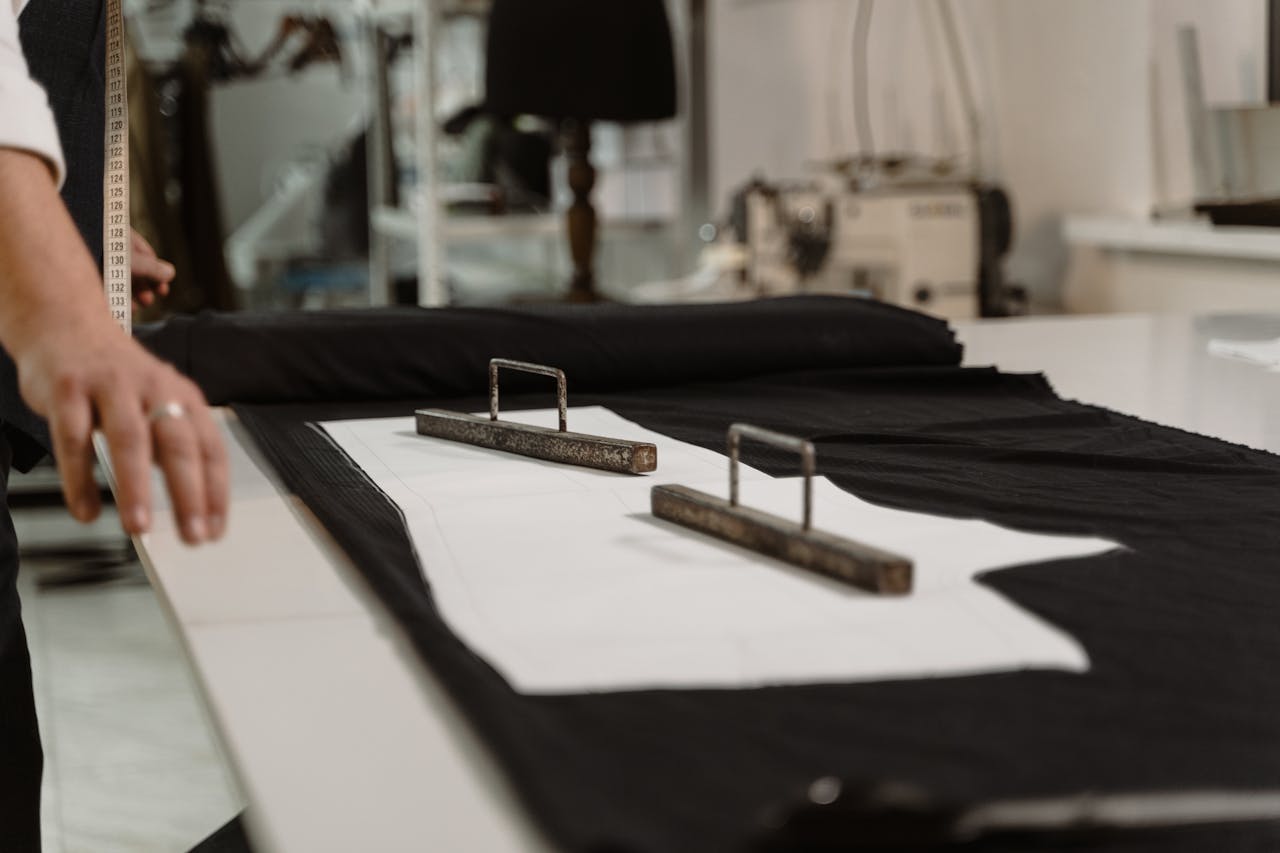
Finland carries a similar Leap Day proposal tradition, but the consolation prize is made for real life. If a woman proposes on Feb. 29 and the answer is no, the man is said to buy enough fabric for a skirt, a practical bundle that turns refusal into responsibility. It is a small way to admit that courage costs something, and that a no should not be careless, especially when the question took nerve to ask. Retold with a wink, the message stays serious: brave questions deserve respect, and respect should look like something tangible, not just a shrug and a quick change of subject, even if both people walk away smiling and relieved.
Taiwan’s Pig Trotter Noodles for Parents

In Taiwan, Leap Day traditions often lean toward family care rather than romance. A well-known custom has daughters preparing pig trotter noodles for parents during the leap-year period, a dish tied to wishes for longevity and steadiness. The noodles are kept long, and the meal becomes a gentle ritual of attention, especially for elders when superstition paints leap years as precarious for health. Feb. 29 can turn an ordinary dinner into a ceremony: cooking, serving, and lingering at the table long enough to hear stories again. Even families who skip omens keep the meal because the meaning is plain, and it lands without argument.
Greece’s Leap-Year Wedding Avoidance

Not every Leap Day tradition is a party. In Greece, a long-running superstition warns that leap-year marriages bring bad luck, so many couples avoid scheduling weddings during a leap year at all, especially under family scrutiny. The belief is not universal, but it is widespread enough to shape venue calendars and dinner-table debates, with older relatives often treating the caution as common sense. Feb. 29 becomes a date people mention with a half-smile, as if time has moods. The result is its own ritual: choosing steadiness over symbolism, and letting the next year feel like a safer stage for vows with fewer doubts.
Catholic Feast of St. Auguste Chapdelaine
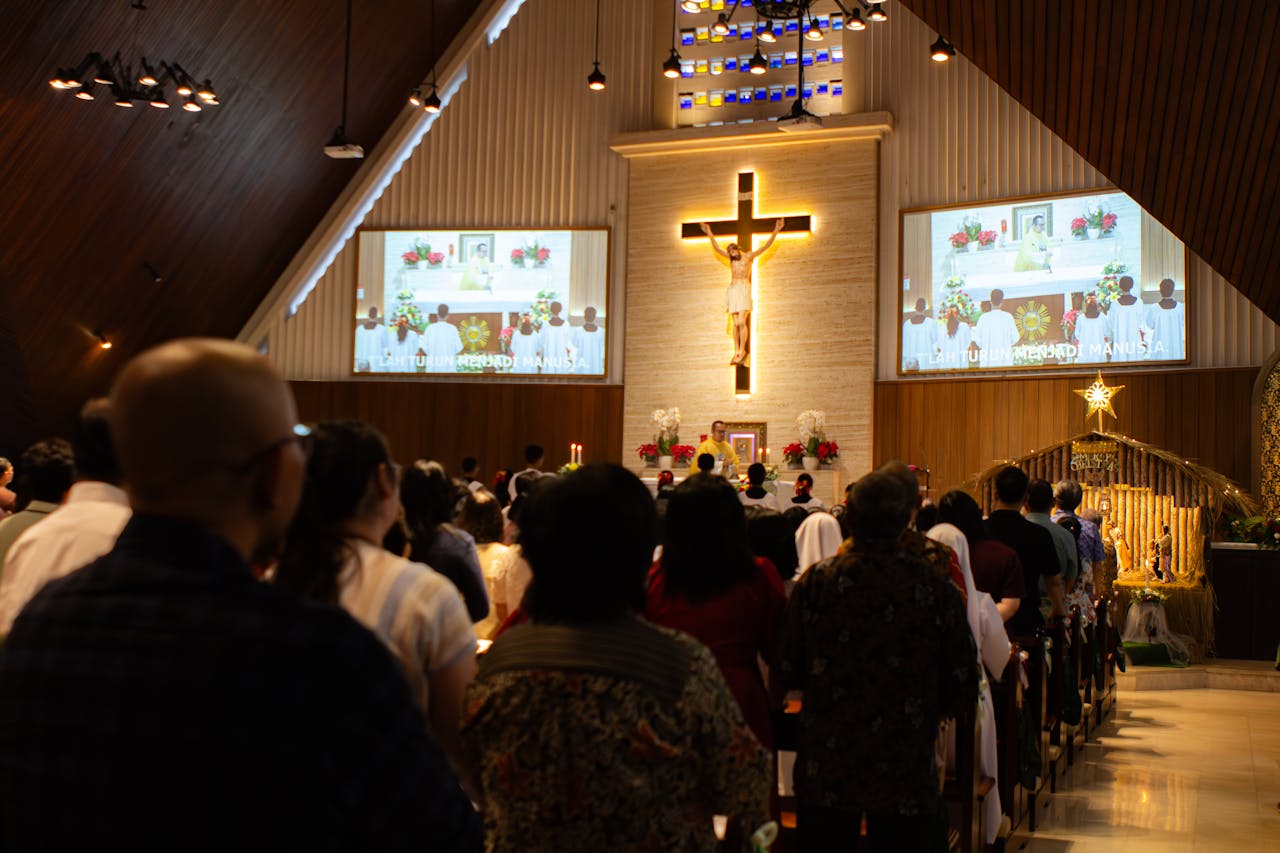
Leap Day also lives inside religious calendars, where a rare date can hold a fixed memory. In leap years, the Catholic Church commemorates St. Auguste Chapdelaine on Feb. 29, reflecting the day of his death in 1856 and keeping the story pinned to its true place. In non-leap years, the observance shifts because the date disappears, but the leap-year return restores it to the printed square that only sometimes exists. Parish calendars mark it quietly, yet the timing adds weight: a reminder that endurance is not always loud, and that even a borrowed day can carry a steady, human kind of meaning for anyone paying close attention.
Eastern Orthodox Commemoration of St. John Cassian

In the Eastern Orthodox tradition, Feb. 29 is also marked, most notably with the commemoration of St. John Cassian. On leap years, the date appears plainly on the calendar, and the observance can sit where older books place it, without adjustment or footnotes. In non-leap years, it is commonly shifted to Feb. 28 at Compline, preserving the rhythm without forcing a day that is not there. The practice shows flexibility without improvisation: tradition bends to the calendar’s missing tile, then returns to its original point when it can, as if the year briefly clicks back into alignment too.
One-Day-Only Leap Day Wedding Packages

Some hotels treat Feb. 29 like a pop-up holiday, offering one-day wedding packages that exist only when the date does. The appeal is not only convenience, though a shorter planning window can be a relief for couples who want a clean start. It is the story: a marriage stamped onto a day that appears rarely, making the anniversary instantly distinctive without needing extra symbolism. Couples trade elaborate traditions for timing that feels almost private, like sharing a small secret with the calendar. The best versions keep it simple: a brief ceremony, good food, and the satisfaction of choosing a date that refuses to be ordinary.