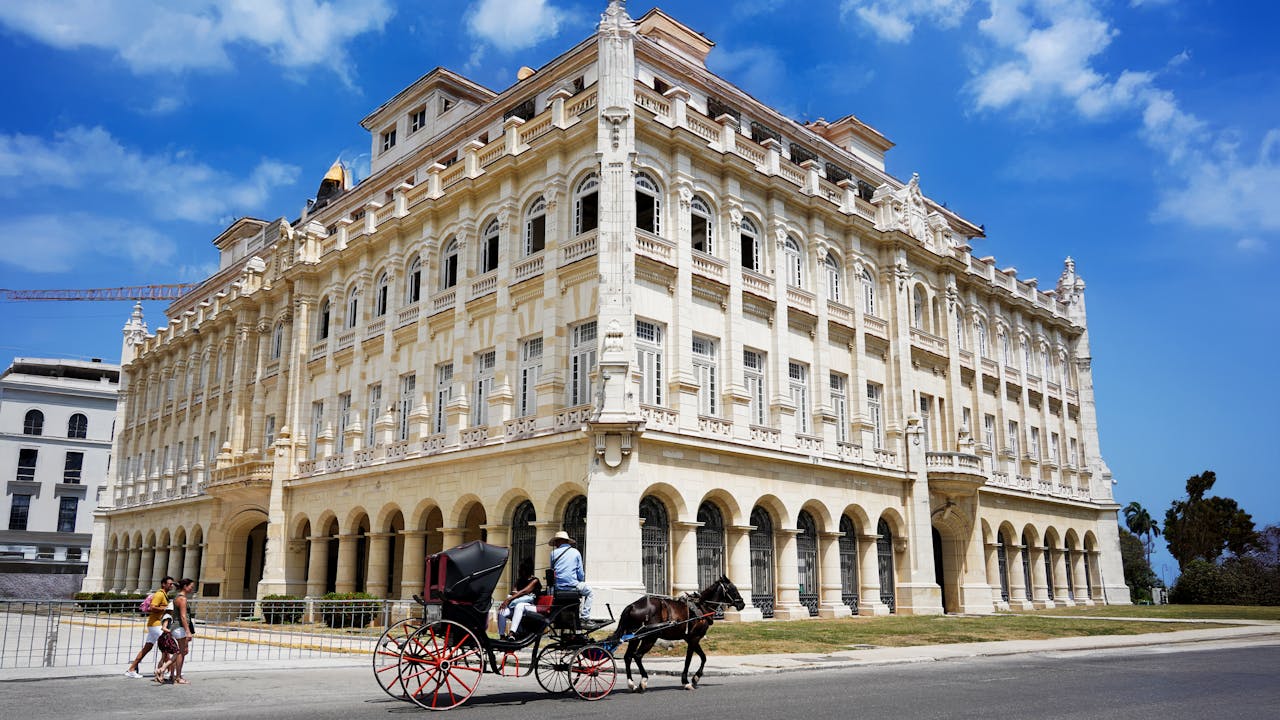
Nostalgia hotels are turning overnight stays into small time machines, trading generic calm for the texture of a remembered era. Restored motor lodges, Art Deco landmarks, and lovingly themed suites are being updated with better beds, smarter lighting, and bars that still feel like a lobby scene from an old film. The appeal is not just aesthetic. After years of disruption, many travelers want places that feel legible and comforting, where design cues signal what kind of weekend is unfolding. From vinyl listening rooms to postcard-perfect neon, these properties make the past feel usable again, and that mood is shaping bookings, renovations, and even new builds with retro DNA. They also promise stories that start the moment the key turns.
Comfort Feels Like a Design Choice Again
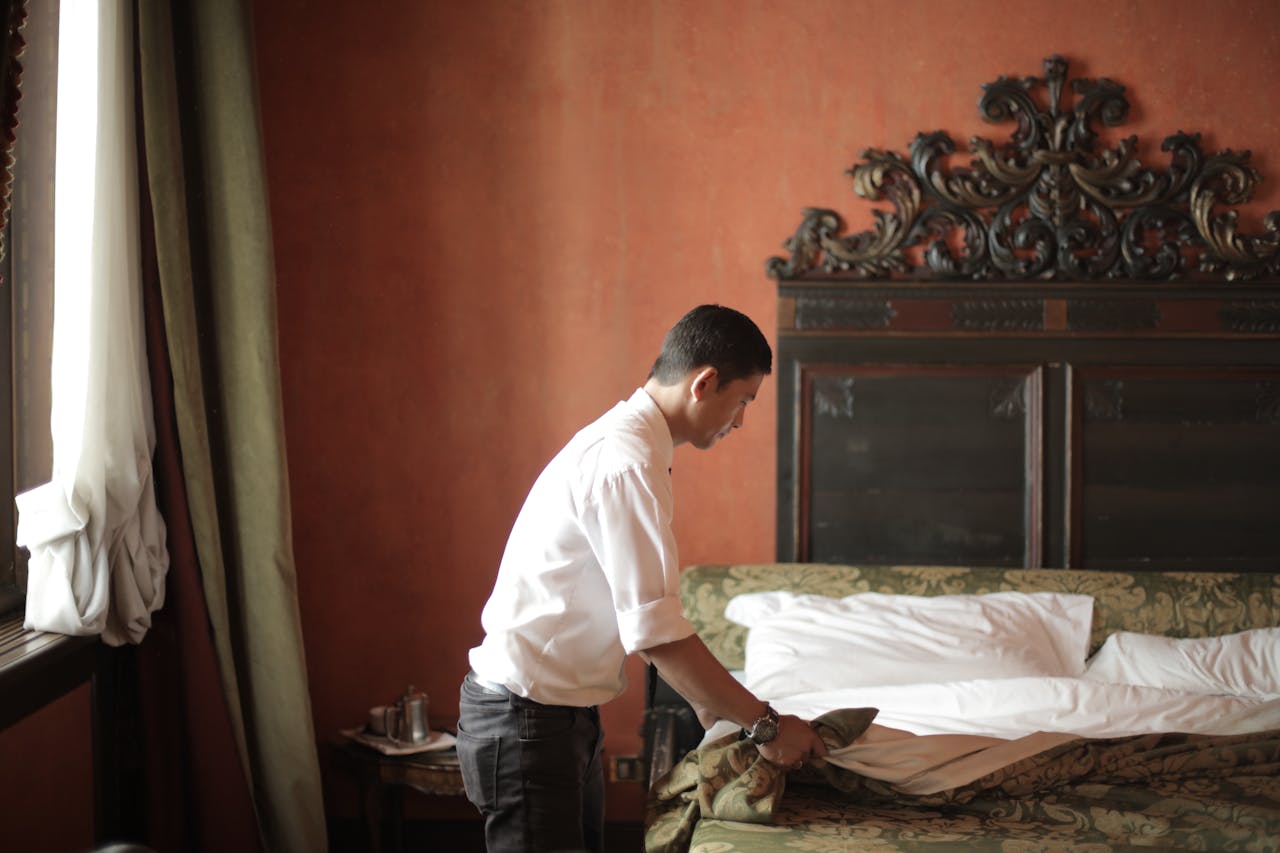
After years of blank, copy-paste rooms, guests are choosing spaces with readable cues: gingham curtains, terrazzo floors, beadboard walls, matchbook art, and lamps that cast a warm pool of light instead of a harsh glare. Nostalgia hotels make the stay feel curated without feeling precious, which lowers decision fatigue and helps people settle in fast. The charm holds because the fundamentals are modern: quiet HVAC, strong water pressure, real blackout curtains, and soundproofing that keeps hallway noise out, plus outlets in the right spots and a mattress that supports the spine. Small touches, like sturdy hangers, seal it.
Retro Motels Got a Second Life
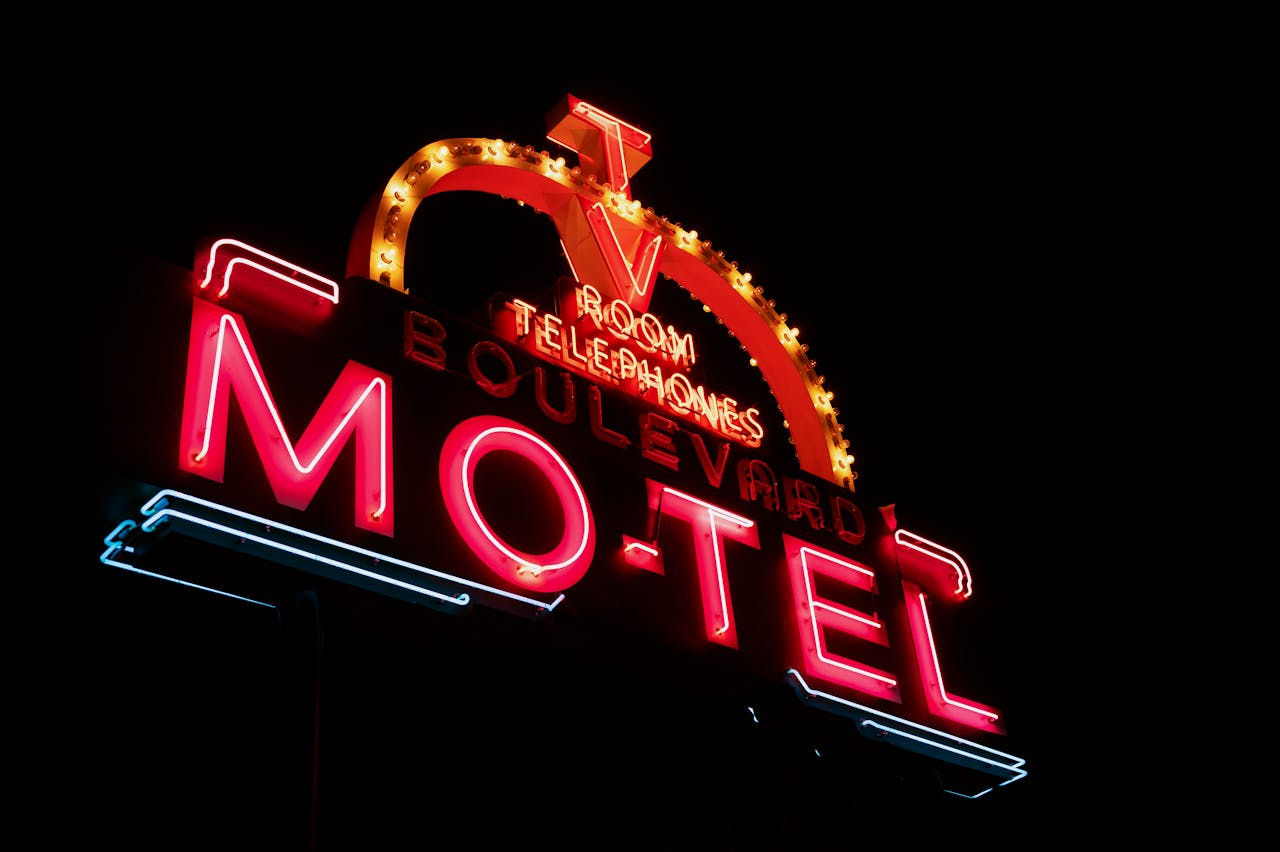
Mid-century roadside motels are being repaired instead of replaced, keeping the bones that made road trips romantic while fixing what aged badly. Owners keep the neon, the U-shaped courtyard, and the pool that looks like a postcard, then add insulation, safer wiring, and plumbing that can handle a full house without drama. The classic layout still encourages easy social moments at the doorways and by the ice machine, but the stay no longer comes with sticky locks, thin walls, or that old feeling that comfort is a gamble. Courtyard firepits and upgraded pools turn a quick stop into an evening plan. Parking stays right outside.
Theme Suites Became Social Currency
Theme suites have shifted from gimmick to genuine demand because they deliver a clear mood and a ready-made story. A 1970s lounge room, a noir corner suite, or a candy-colored 1990s throwback photographs well, but the bigger draw is permission to play without irony, with details that line up from the soundtrack to the minibar snacks, the lamp shades, the room guide, and the key art. The best versions avoid the cringe by pairing the set dressing with present-day comfort: a shower with pressure, quiet climate control, enough outlets, and a bed that feels current, so the night ends in rest, not a joke, and the balance stays credible.
Historic Buildings Now Feel Like a Better Deal
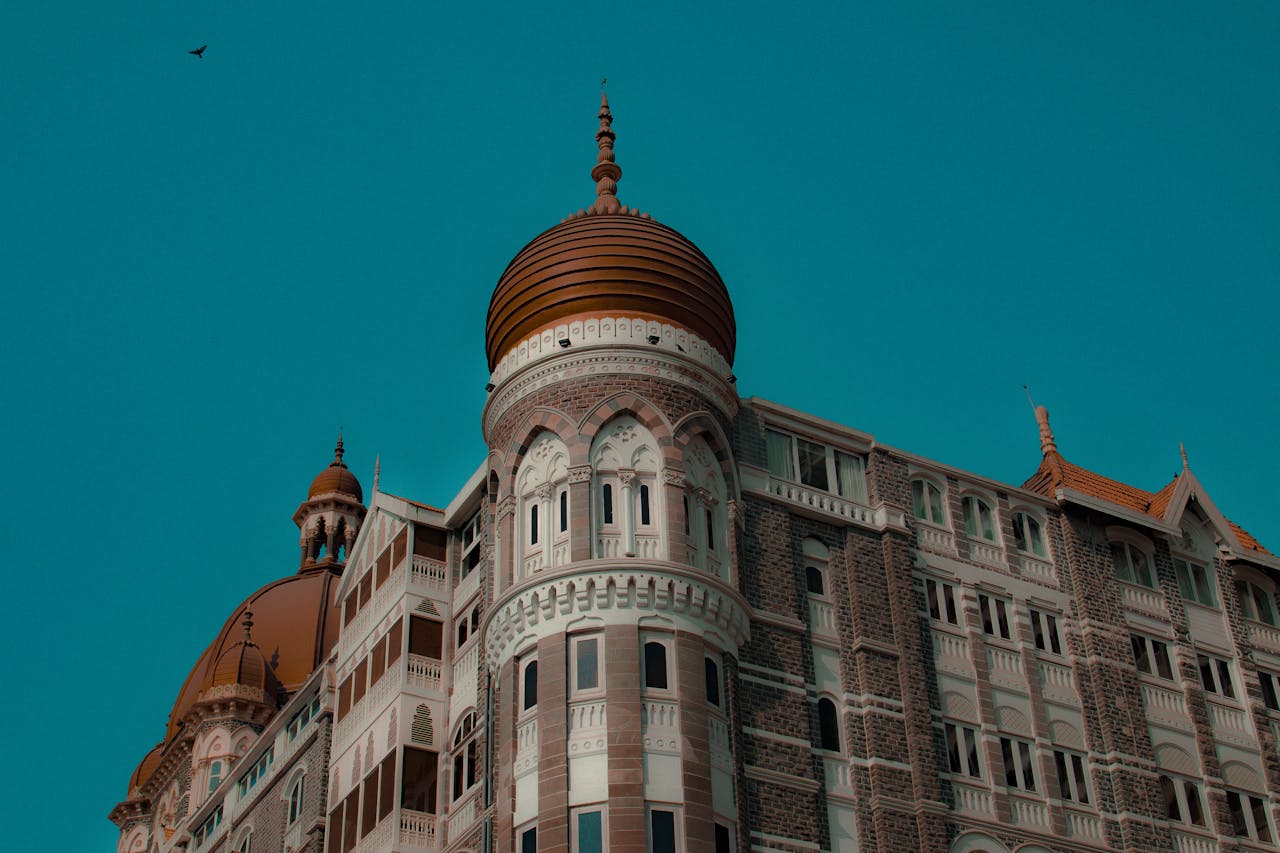
Turning old depots, mansions, and warehouses into hotels has become a kind of luxury, especially for travelers bored by new-build sameness. The building arrives with texture already baked in: brick that shows its age, timber beams, worn brass, and staircases shaped by decades of use, all of it impossible to fake convincingly. Renovations focus on what matters, like sprinklers, elevators, lighting, and accessibility, while the original details stay visible, so the result feels like history that agreed to be comfortable, not history trapped behind ropes. Guests get character without sacrificing sleep, safety, or temperature control.
Travelers Want Places That Teach Local History
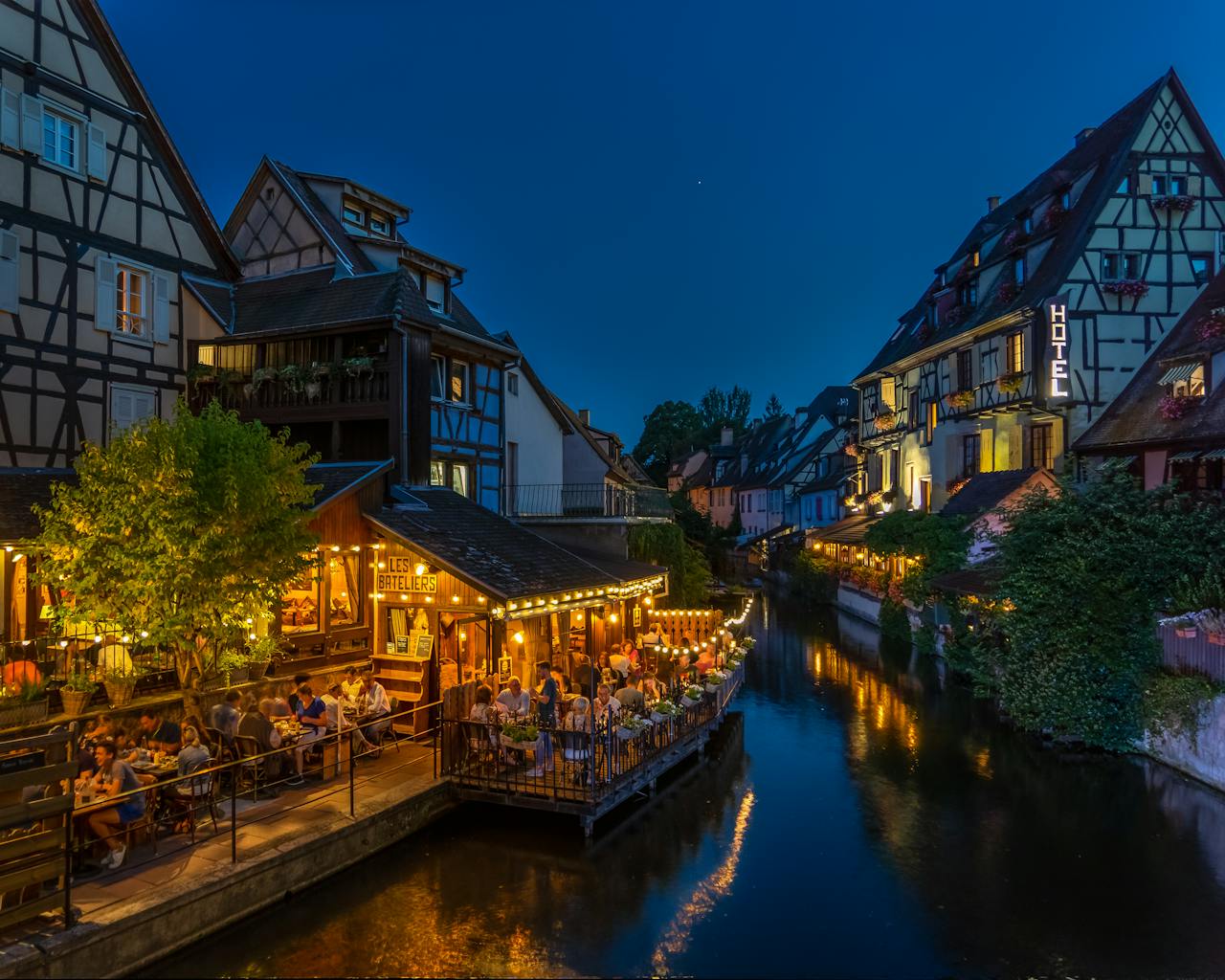
Nostalgia stays often double as soft history lessons, tying a guest to a town’s rail era, beach boom, or desert art scene without sounding like a lecture. Lobbies display old postcards, family photos, and maps that point to diners, piers, dance halls, and vanished main streets that shaped the region’s personality. Staff stories matter, too, especially in properties that have been part of local life for generations, so the hotel becomes a gentle guide that gives context, sparks curiosity, and makes the destination feel specific rather than interchangeable. That sense of place tends to linger longer than a generic amenity list.
Post-Disruption Travel Favors Emotional Anchors
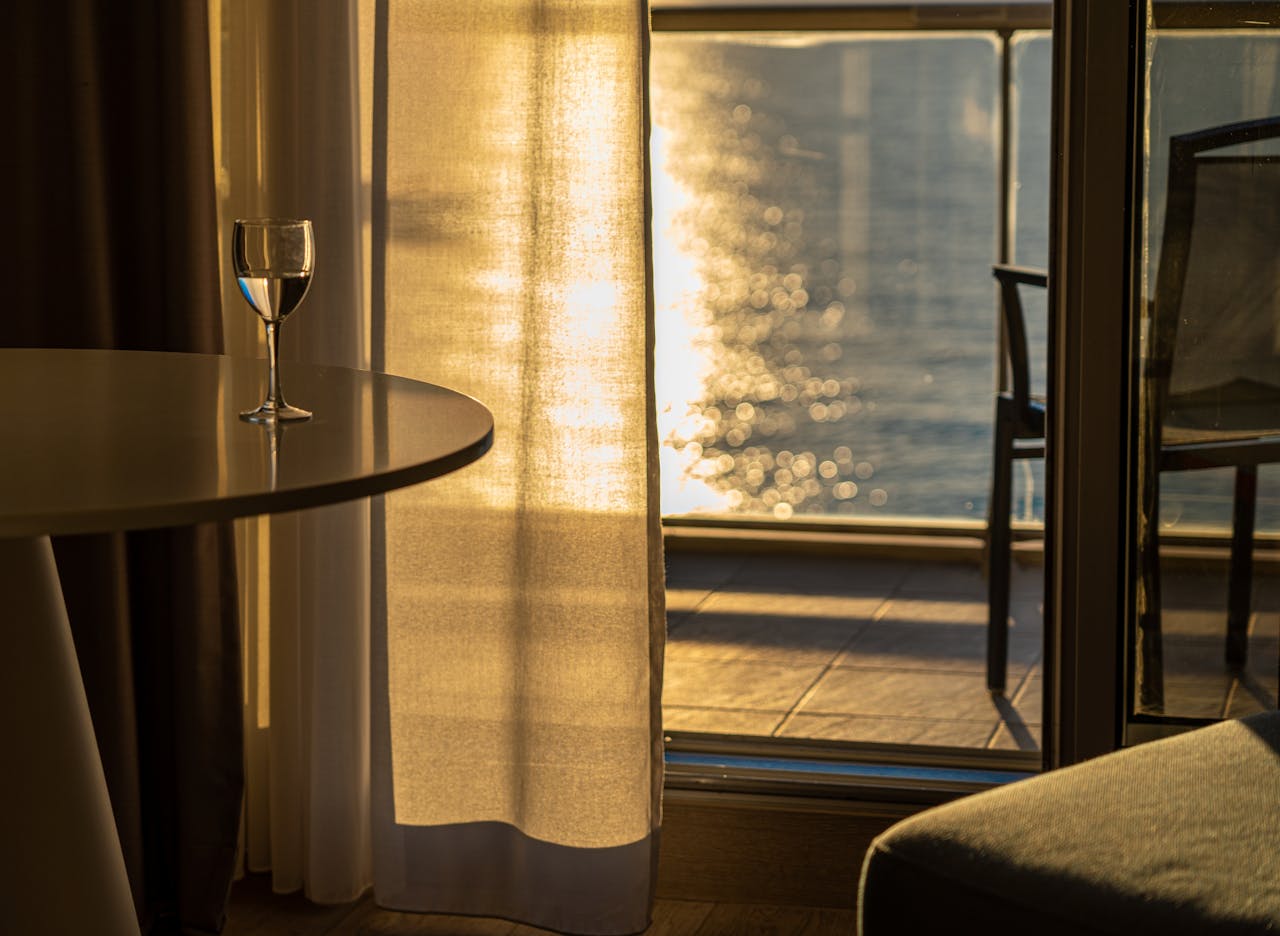
The strongest nostalgia properties do not chase novelty; they chase steadiness. Familiar silhouettes, warm lighting, and communal spaces invite lingering without forcing conversation, and the predictability becomes a relief after years of cancellations, rule changes, and the general noise of modern travel. A porch swing, a lobby movie night, or breakfast served on real plates can soften the edge, and it works because the hotel borrows the calm of the past while keeping present-day essentials: fast check-in, dependable Wi-Fi, secure locks, good coffee, and staff who solve problems quickly without sending guests into a phone tree.
Small Hotels Can Outshine Big Brands
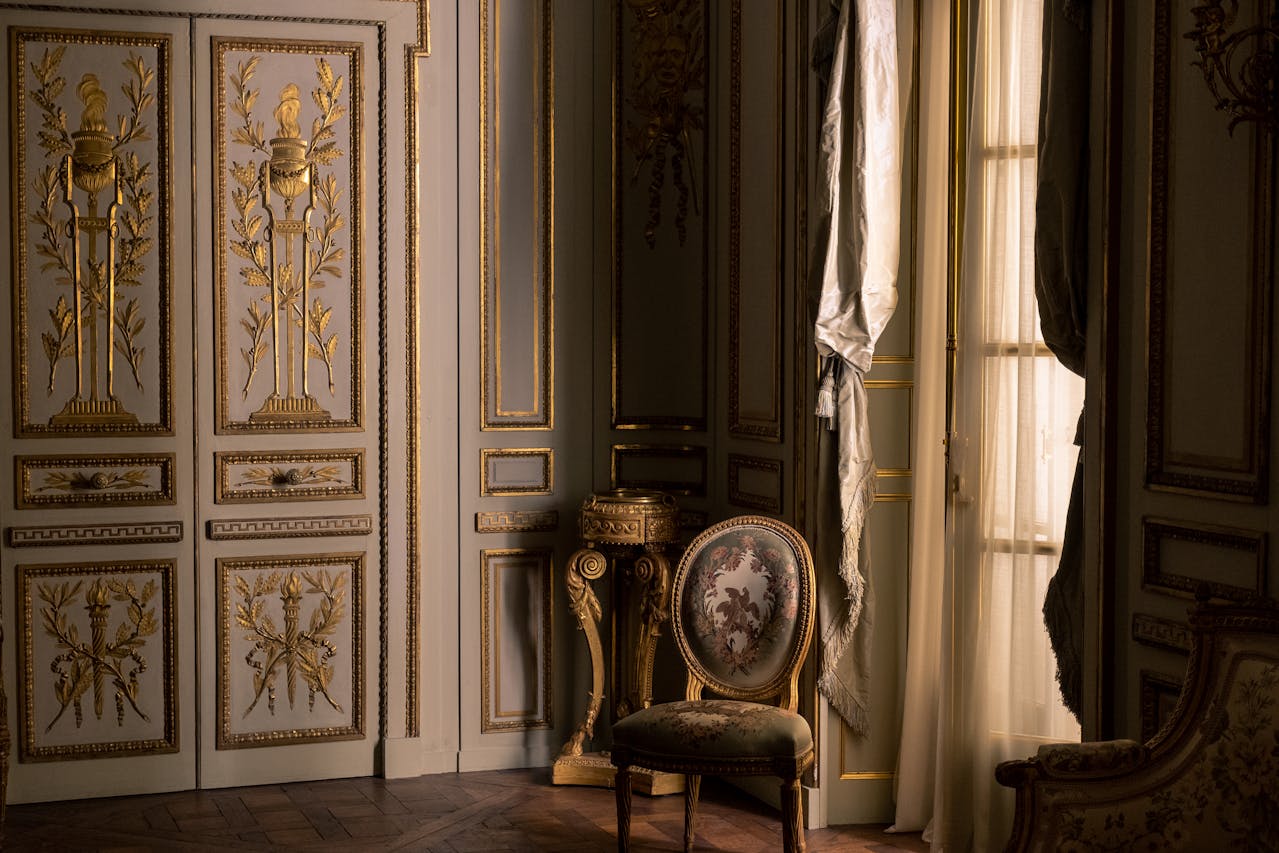
A small inn can beat a tower when the building itself is the attraction and the service feels personal rather than scripted. Nostalgia hotels thrive on rituals: porch coffee at sunrise, afternoon cookies, a single signature cocktail, a paperback swap, and a playlist that quietly sets the tone, all of it easier to deliver when the team is small and consistent. With fewer rooms, staff can remember preferences fast, fix problems quickly, and share local tips that match the moment, turning the stay into a place with a point of view where every corner feels intentional and nobody gets lost inside a brand template, even on a short stay.
Design Eras Offer Instant Identity
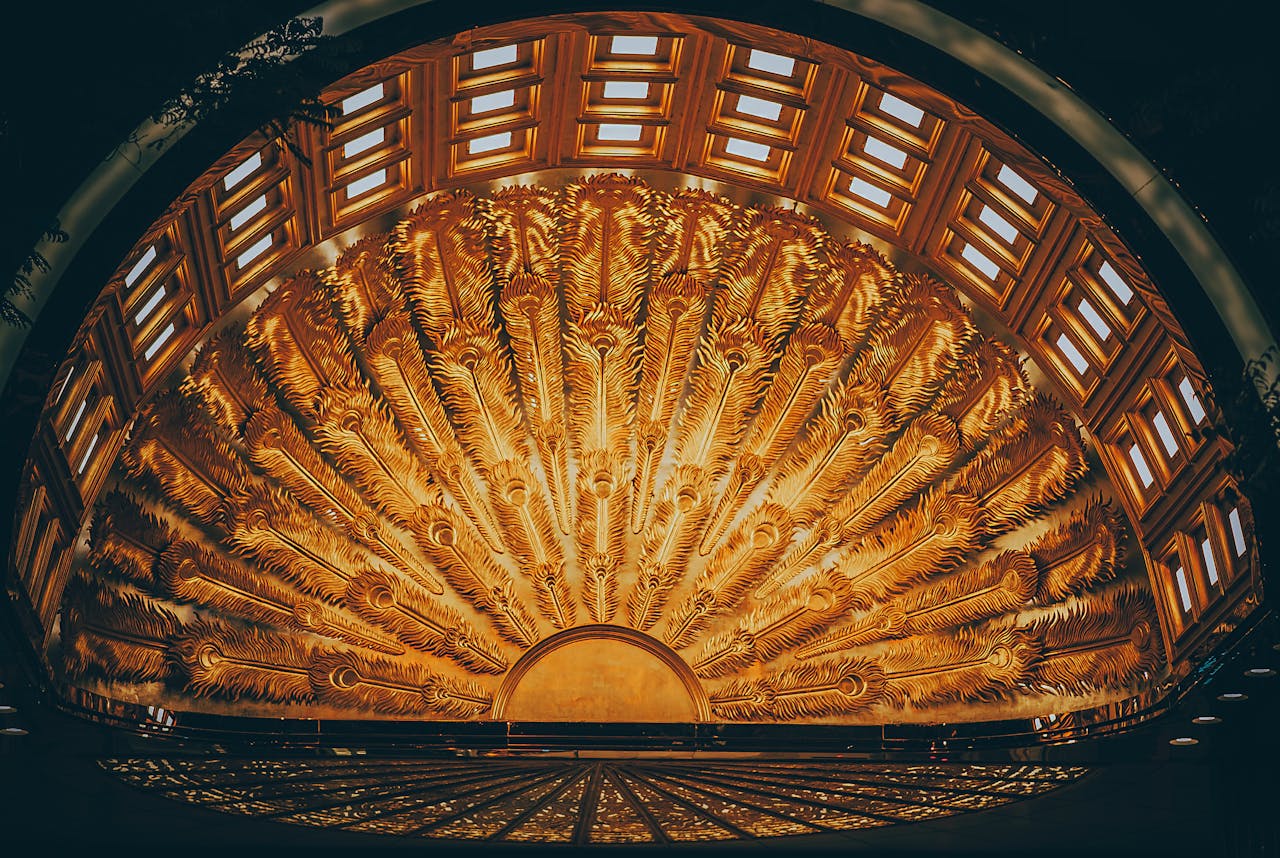
Art Deco curves, mid-century lines, and 1980s palettes give a hotel a point of view that a neutral refresh rarely achieves. Once the era is set, the details can be coherent: typefaces on signs, patterned tile, lobby seating, and lighting that flatters skin tones, plus uniforms, room keys, and in-room art that feel chosen, not default, right down to the coasters and the lobby music. This clarity helps with search, reviews, and word of mouth because the property is easy to describe in one line, and that identity sticks in memory long after checkout, making the hotel feel like a place people return to, not just a bed they rented.
Nostalgia Revives the Third Place
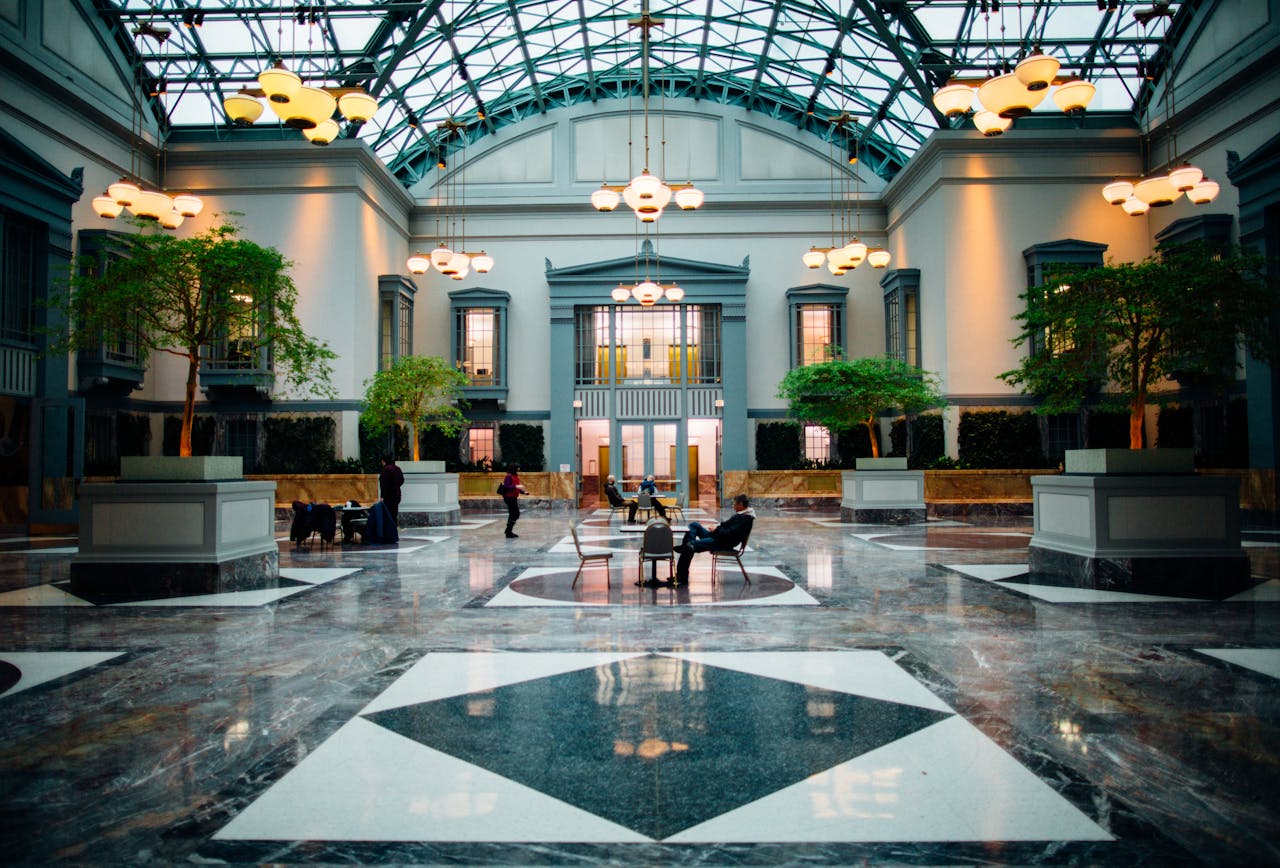
Many nostalgia hotels are rebuilding the lobby as a real hangout, not a pass-through, and that shift changes how the whole property feels. Listening rooms, board games, record shelves, and shaded courtyards make it normal to linger alone or with friends, with enough outlets, good lighting, and comfortable chairs that invite reading, chatting, and people-watching. The social energy borrows from old diners and roadside lounges where strangers could coexist without small talk, and when the common space works, the stay becomes about atmosphere as much as a bed, carrying late into the night with cocoa, quiet cocktails, and shared tables.
Even New Builds Are Borrowing the Past
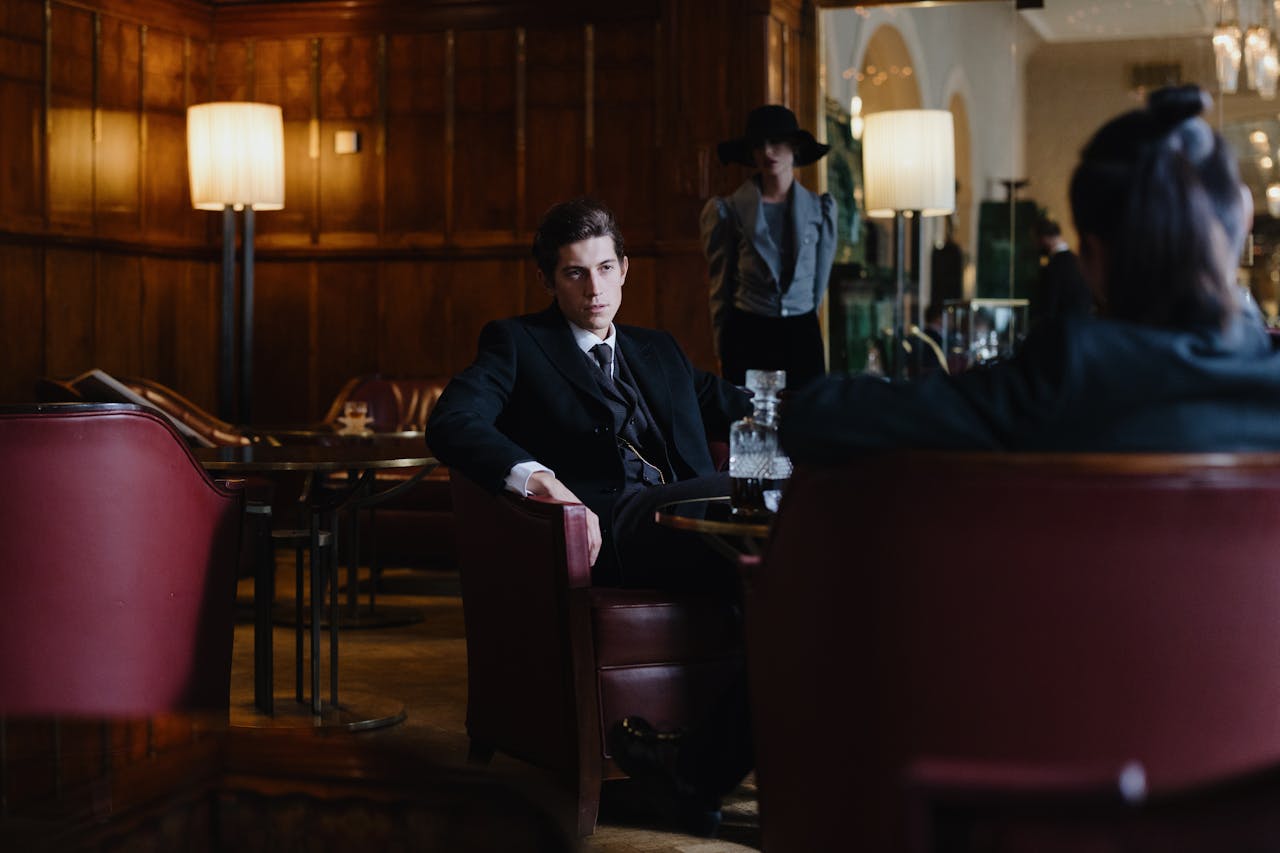
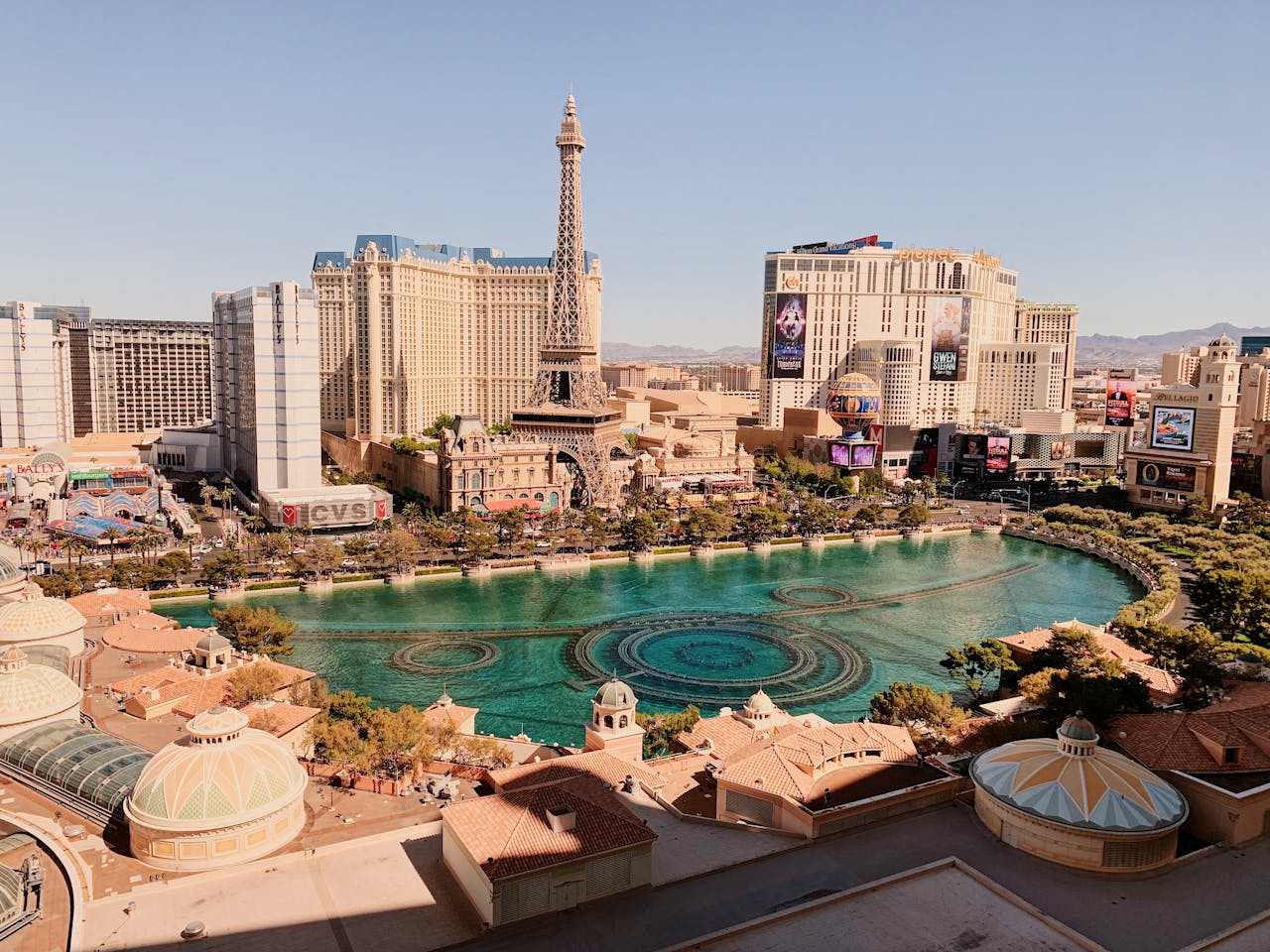
Not every nostalgia hotel is a restoration; some are new builds designed to feel like a shared memory from day one. Retro materials, vintage-inspired signage, and playful references signal the era at the front door, while the inside stays practical with great showers, strong soundproofing, keyless entry, and rooms laid out for real luggage and real sleep, not just photos. Pop-culture themes, arcade motifs, and old-school pool decks show how powerful familiar symbols can be when handled with taste, because the goal is not to cosplay history, but to create a world that feels instantly knowable and easy to enjoy, all weekend long.


