Arizona’s traffic camera fight used to be a policy argument. Now it feels like a trust test.
Lawmakers say Mesa issued 43,096 photo enforcement citations from 2020 to 2021 with a retired judge’s signature, then another 2,446 in 2024 with a different retired judge’s name. Drivers want refunds, and some link the tickets to higher insurance costs. Meanwhile, Phoenix approved $12 million in taxpayer funds to bring cameras back. A proposal would let voters decide in 2026 whether to ban photo radar statewide. The argument is no longer about speed. It is about legitimacy when automation makes the call. And people are watching closely.
Mesa’s 43,096-Citation Signature Problem

Mesa’s numbers are what made the backlash explode. Lawmakers said the police department issued 43,096 photo enforcement citations with a retired judge’s signature, covering 2020 to 2021. On paper, that looks like an administrative miss.
For drivers, it reads differently. A ticket is supposed to carry clear authority and clear accountability. When the name on it is wrong, people start questioning every step, from the camera capture to the decision to mail the citation. The city argued the tickets were still lawful, but that answer did not calm the room. Once trust breaks, even a ticket feels suspicious, and hard to challenge.
The 2024 Repeat That Reopened the Wound

The problem did not stay in the past. Lawmakers said that in 2024, Mesa issued another 2,446 photo enforcement citations with the signature of a retired judge, echoing the earlier batch. That repeat mattered more than the raw count.
It suggested the process could drift again, even after the first mismatch was known. Drivers often pay quickly to avoid late fees or court time, so a wrong name feels like a trap that only shows up after money changes hands. Residents who already disliked photo radar saw it as proof that the system keeps moving unless someone stops it. A single error can be forgiven. A pattern invites a vote.
Refund Demands Turned Anger Into Action
Rep. Teresa Martinez put the anger into plain language. She said she dislikes photo radar and thinks it is unfair to Arizonans, especially when tickets carry the wrong judge’s name. Her point was simple: if the state expects compliance, the state must get the basics right.
She also pointed to a practical pain point, insurance. She argued that costs rose after people paid citations that should not have gone out that way, and she called for refunds for everyone impacted. For many drivers, that is the center of it. Money left, trust followed. Refunds would help reset the balance. Without that, every new camera looks like a fresh risk.
A Statewide Vote Moved From Talk to Track
The backlash has moved from complaints to legislation. Sens. Wendy Rogers and Mark Finchem proposed a resolution that would let voters decide whether Arizona bans photo radar cameras statewide. After a Jan. 20 committee meeting, it received a Do Pass vote and kept moving.
That step matters because it changes the audience. Instead of cities arguing about contracts and staffing, the whole state is asked to weigh in on fairness, safety, and the rules of enforcement. The resolution may still face more committee review or a floor vote, but the momentum signals that the issue is no longer niche. A ballot makes it unavoidable.
Phoenix’s $12 Million Decision Raised the Stakes

Phoenix is the counterpoint that keeps the argument complicated. The city previously scrapped traffic cameras, then approved $12 million in taxpayer funds to reinstall them. Officials said the move was about safety and staffing, arguing there are not enough officers to cover every risky corridor.
To drivers already irritated by the Mesa signature mess, the Phoenix decision lands like a vote of confidence in the same model. Automation can be efficient, but efficiency is not the same as legitimacy. When enforcement is scaled by cameras, every administrative slip feels bigger, because it can multiply before anyone notices.
Lawful on Paper, Unsettling in Practice
Mesa officials said the citations were still lawful, even with a retired judge’s signature attached. Lawmakers did not buy that reassurance, and the gap between those positions is where the anger lives. A system can meet a narrow legal test and still feel wrong in everyday life.
Photo enforcement depends on confidence that the paperwork matches reality: the right name, the right authority, the right process. When residents hear two branches of government disagreeing about basic validity, they do not parse fine print. They assume the safest choice is to distrust the entire pipeline, from camera flash to payment portal.
Mesa’s Fix Shows How Thin the Guardrails Felt
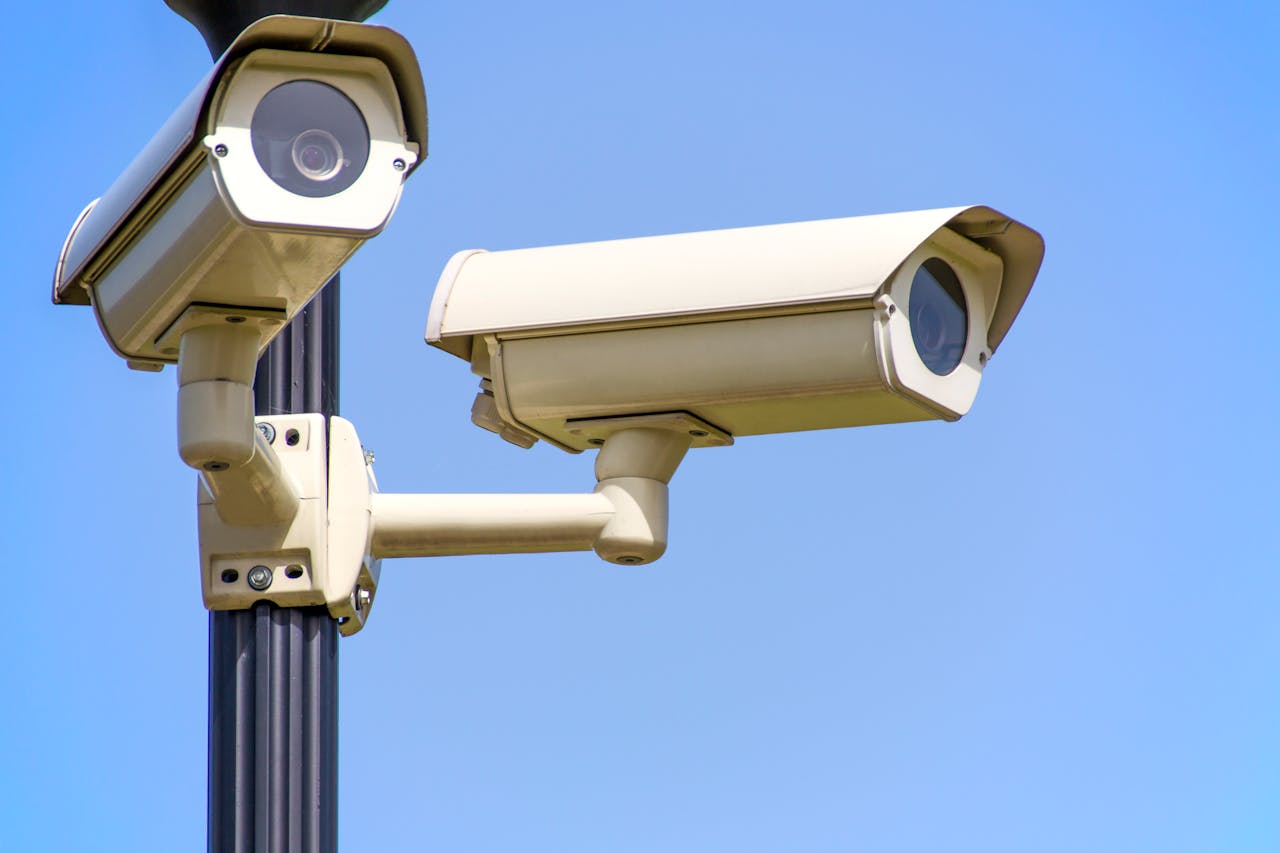
Mesa says it is working on a plan to remove judges’ signatures from citations altogether. That fix sounds small, but it reveals how photo enforcement has blended court authority with automated processing. If the signature is treated like a placeholder, residents will ask what else is treated the same way.
At the state level, the ideas split in two directions. Some lawmakers have pushed for rules that force a current sitting judge to sign off on camera citations. Others want a full ban. Both approaches share the same goal: make sure accountability is visible, not assumed, when a ticket shows up in the mailbox. Clarity is the demand.
Safety Arguments Did Not Disappear
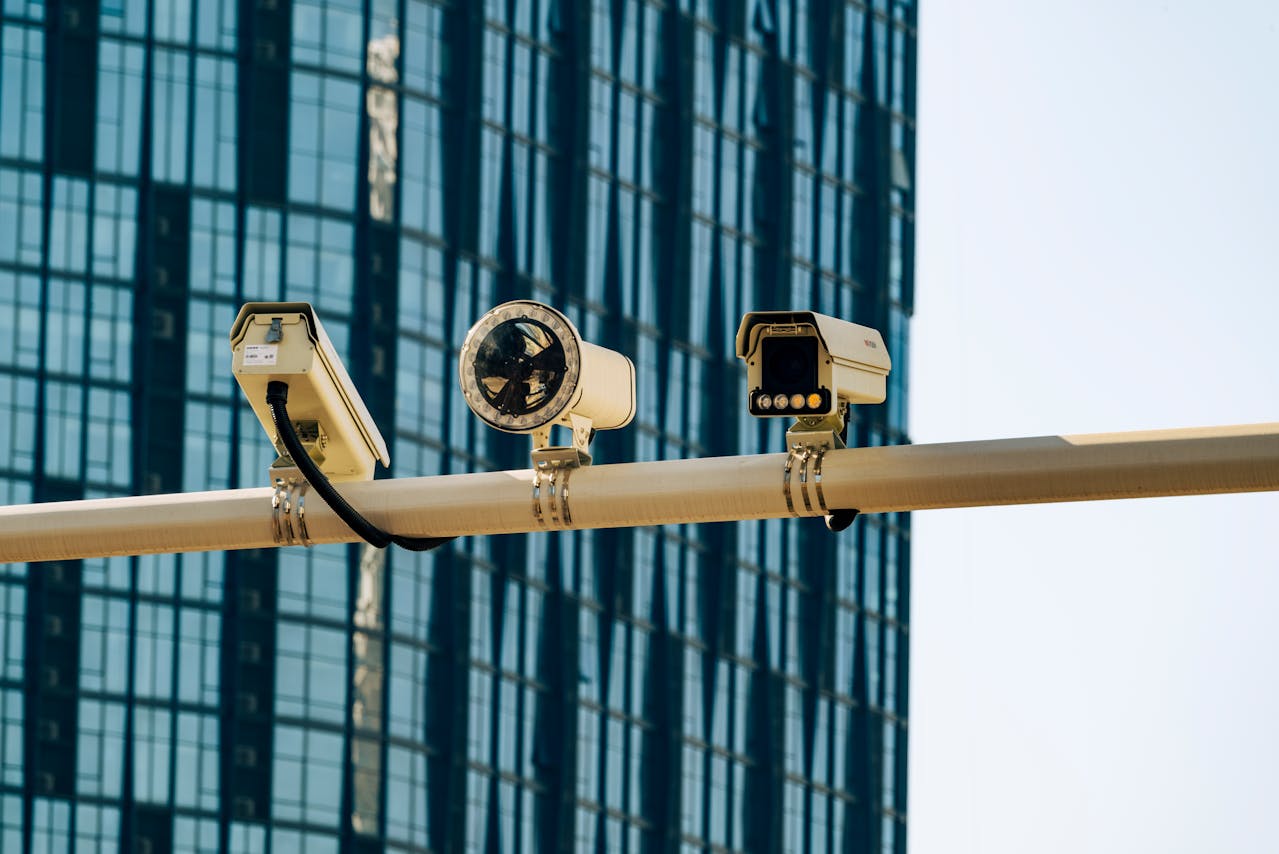
Some residents argue the backlash is missing the safety side of the equation. They point to Arizona’s nightlife corridors, where late hours can bring more speeding, red-light running, and impaired driving. In that view, cameras provide steady enforcement when patrol staffing cannot cover every busy stretch.
That support does not erase the Mesa problem. It just shows why the state is split. People can believe in enforcement and still expect clean process, especially when the consequence is financial. Safety tools work best when the public trusts them. The signature scandal turned a safety tool into a credibility test.
The 2026 Choice Is About Consent, Not Gadgets
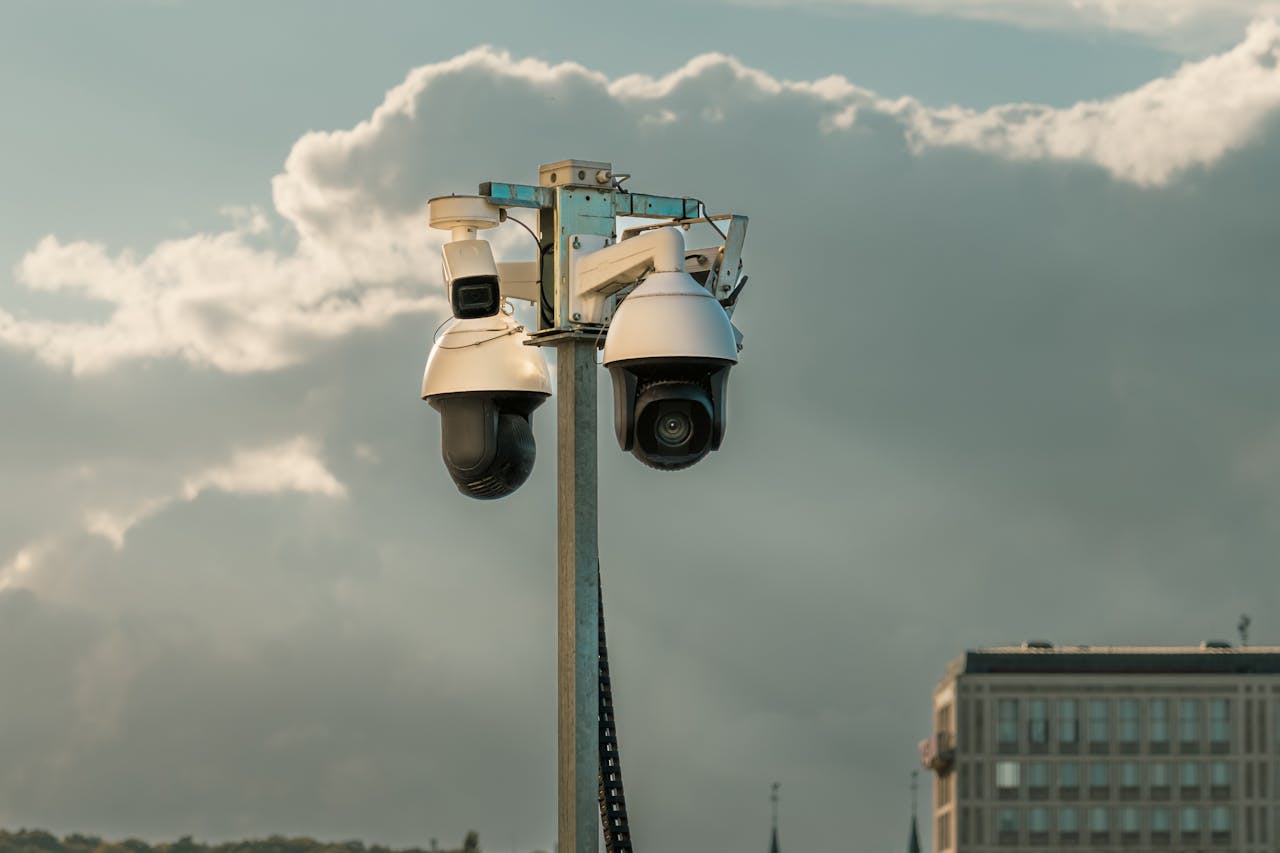
The coming fight is less about technology than about consent. If the resolution reaches the ballot, Arizona voters will decide whether photo radar belongs in public life at all. That is a rare chance to settle years of back-and-forth that cities have handled through contracts and council votes.
Even if the cameras survive, the Mesa numbers will follow them. Any new program will be judged against 43,096 citations, plus 2,446 more, tied to retired judges’ names. Supporters will have to prove not just that cameras reduce risky driving, but that the paperwork, oversight, and appeals process are tight enough to deserve obedience.