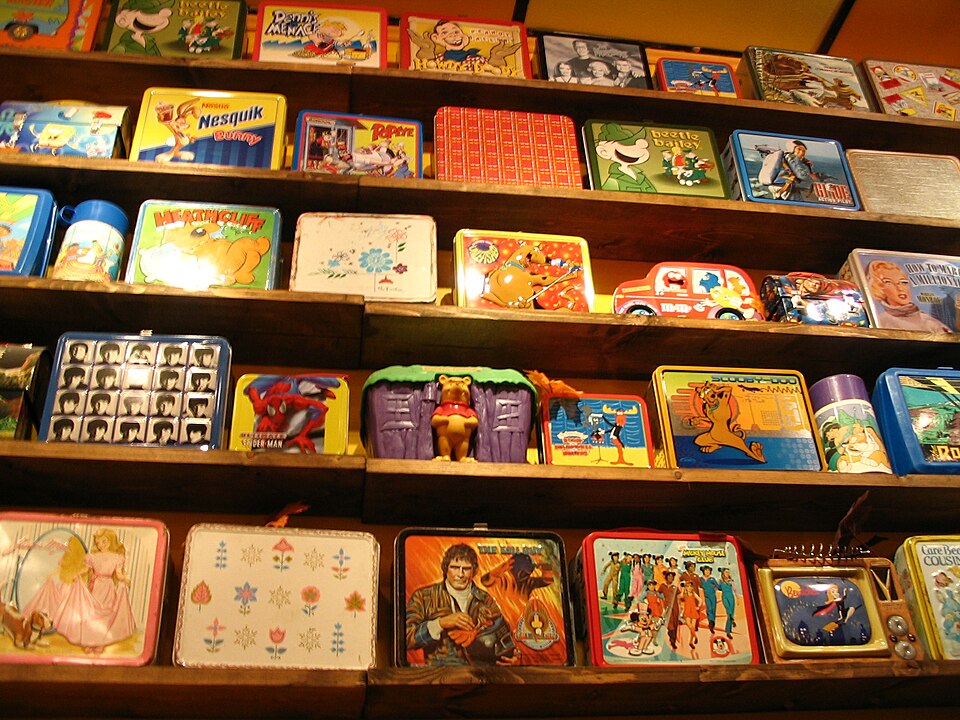
The old lunchbox from the 1980s still feels iconic: bright graphics, metal shine, and that latch snap in a crowded hallway. It carried sandwiches, stickers, and status in one box, so the nostalgia is real and earned. For many families, it represents a time when school gear felt simple, sturdy, and memorable.
Modern schools evaluate that same object through a different lens. Safety now means tested materials, safer food handling, cleaner surfaces, reliable seals, and clear product traceability. The standard is no longer whether a lunchbox survives a drop. The standard is whether it lowers avoidable risk for every child sharing the same space.
Legacy Paint Chemistry Does Not Match Modern Limits
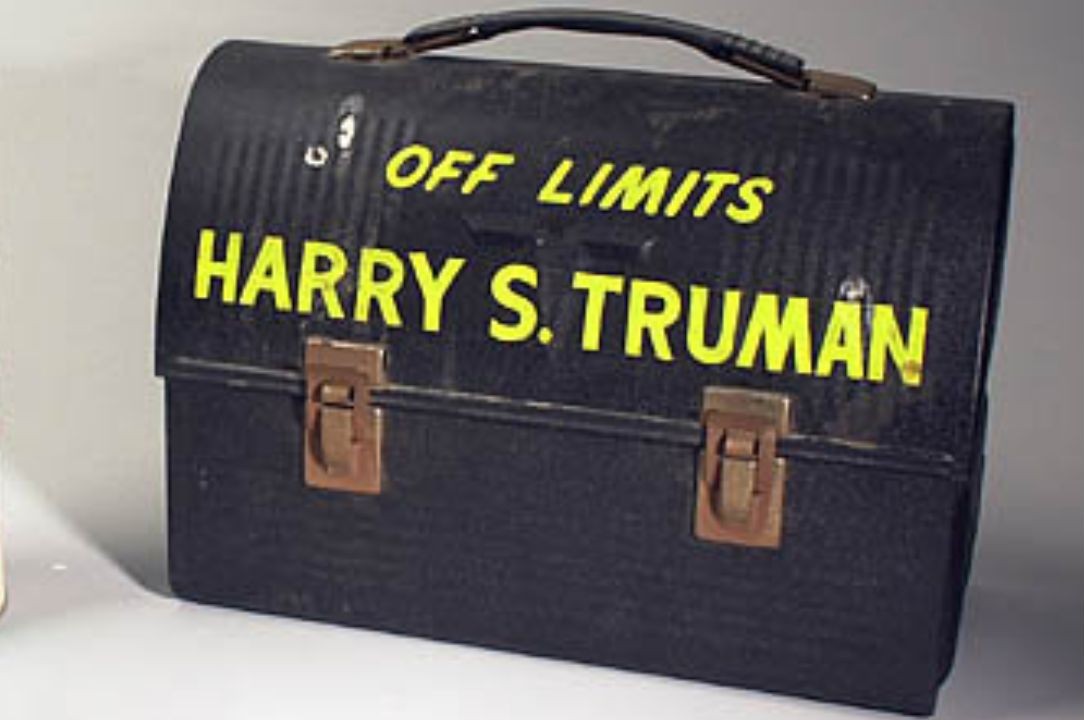
Many vintage lunchboxes used painted metal panels made before today’s child-product chemistry limits were standard practice. Modern school procurement is shaped by stricter expectations around heavy metals and documented compliance not visual condition alone. A glossy exterior does not prove the coating meets current thresholds.
That gap matters because lunchboxes are handled daily, dropped often, and stored beside food. Repeated abrasion can expose older layers in ways families cannot verify at home. Under school safety culture uncertain paint composition is treated as preventable risk, so many retro units would be screened out quickly now.
Older Plastics Rarely Come With Verified Material Records
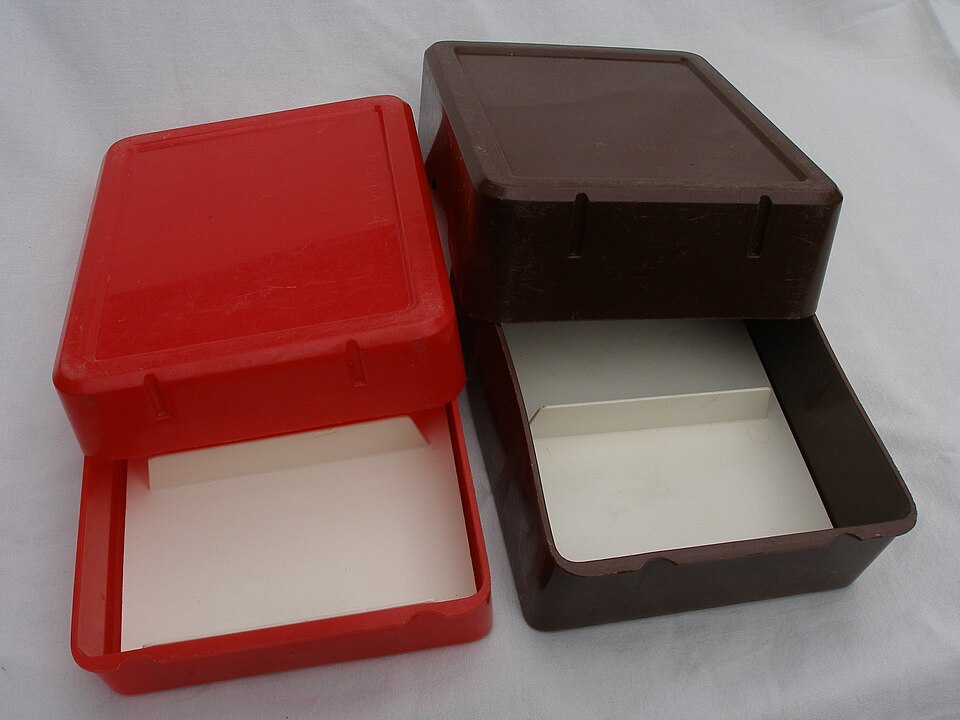
Plastic parts from the 1980s, including handles, caps, and inserts, were not designed for today’s compliance environment. Schools now favor products with clear material records, tested formulations, and manufacturer accountability checked when questions arise. Vintage components rarely come with that level of proof.
The issue is not nostalgia, it is verification. A part can look intact and still fail modern expectations if composition data is missing. In current safety practice, undocumented plastics are hard to approve for daily child use because staff must plan for allergy, ingestion, and long-term exposure concerns before problems emerge.
Poor Insulation Conflicts With Current Food Safety Practice
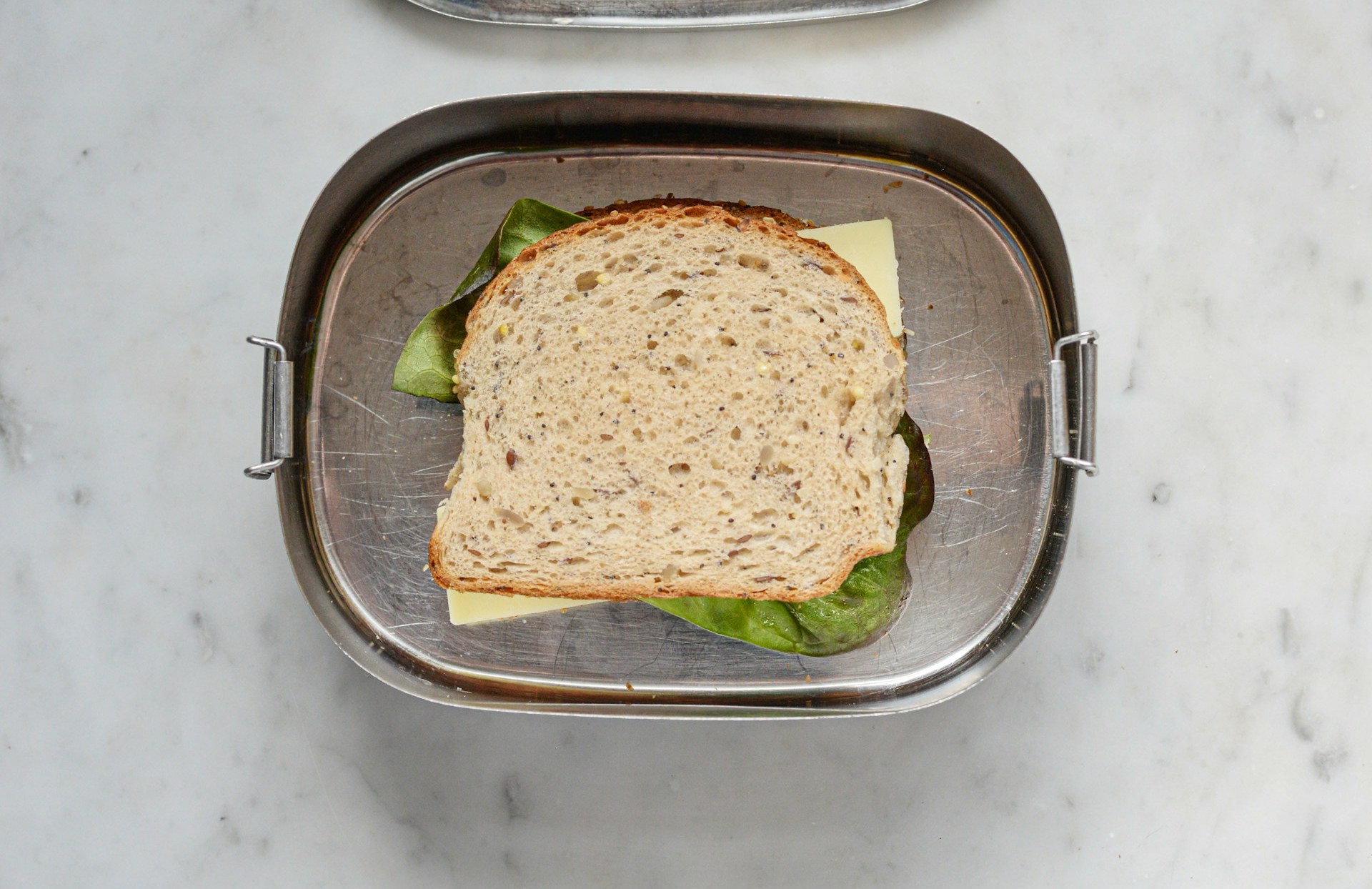
Food safety standards now treat temperature control as basic protection, especially for dairy, meat, and prepared leftovers. Most hard-shell lunchboxes from the 1980s were built for transport, not for maintaining stable temperatures through a full school day. Without modern insulation strategy, perishables can drift into unsafe ranges before lunch begins.
That shift reflects how schools manage risks at scale. One warm classroom and one delayed lunch period can affect many children at once if food is not held safely. A retro box may still look durable, yet durability alone cannot replace thermal performance in today’s modern meal environment.
Rivets And Seams Make Thorough Cleaning Harder

Older lunchboxes often include seams, hinges, and riveted corners that trap crumbs and moisture after repeated use. Those features were acceptable when quick wipe-downs were common, but modern school hygiene standards demand easier cleaning and faster drying to reduce contamination. Hidden residue points are now treated as hazards.
Daily sanitation works best with smooth interiors and fewer hard-to-reach joints. Vintage hardware makes cleaning slower, and inconsistent cleaning raises microbial risk over time. In today’s schools, cleanability is a safety function, not a bonus, so many retro formats would fail routine approval standards today.
Allergen Control Needs Better Containment Than Vintage Design

Cafeteria safety now includes structured allergy prevention, and container design plays a direct role in that system. Schools rely on tight seals, clear food separation and low-residue surfaces to reduce accidental cross-contact on shared tables. Most 1980s lunchboxes were not engineered with allergen control as top design priority.
That mismatch shows up in routine moments: leaked sauces, mixed crumbs, and hard-to-clean corners that transfer residue to desks and hands. When one child’s lunch can trigger another child’s reaction, prevention depends on dependable containment. Retro charm does not solve that need in modern shared lunch spaces.
Weak Closures Increase Leak Risk In Shared Spaces

Leak control is now treated as a safety requirement because spills can spread allergens spoil food, and create cleanup burdens in schools. Many vintage lunch systems relied on closures that loosen with age, especially when threads wear down or seals harden after years of reuse. Small failures can multiply quickly in routines.
A single leak can affect notebooks, surfaces, and nearby lunches before staff can respond. Modern products are judged on reliable closure under movement, pressure, and repeated handling. Older designs were rarely tested to current expectations, which is why many 1980s units would not pass practical school screening now.
Missing Traceability Slows Response During Safety Events
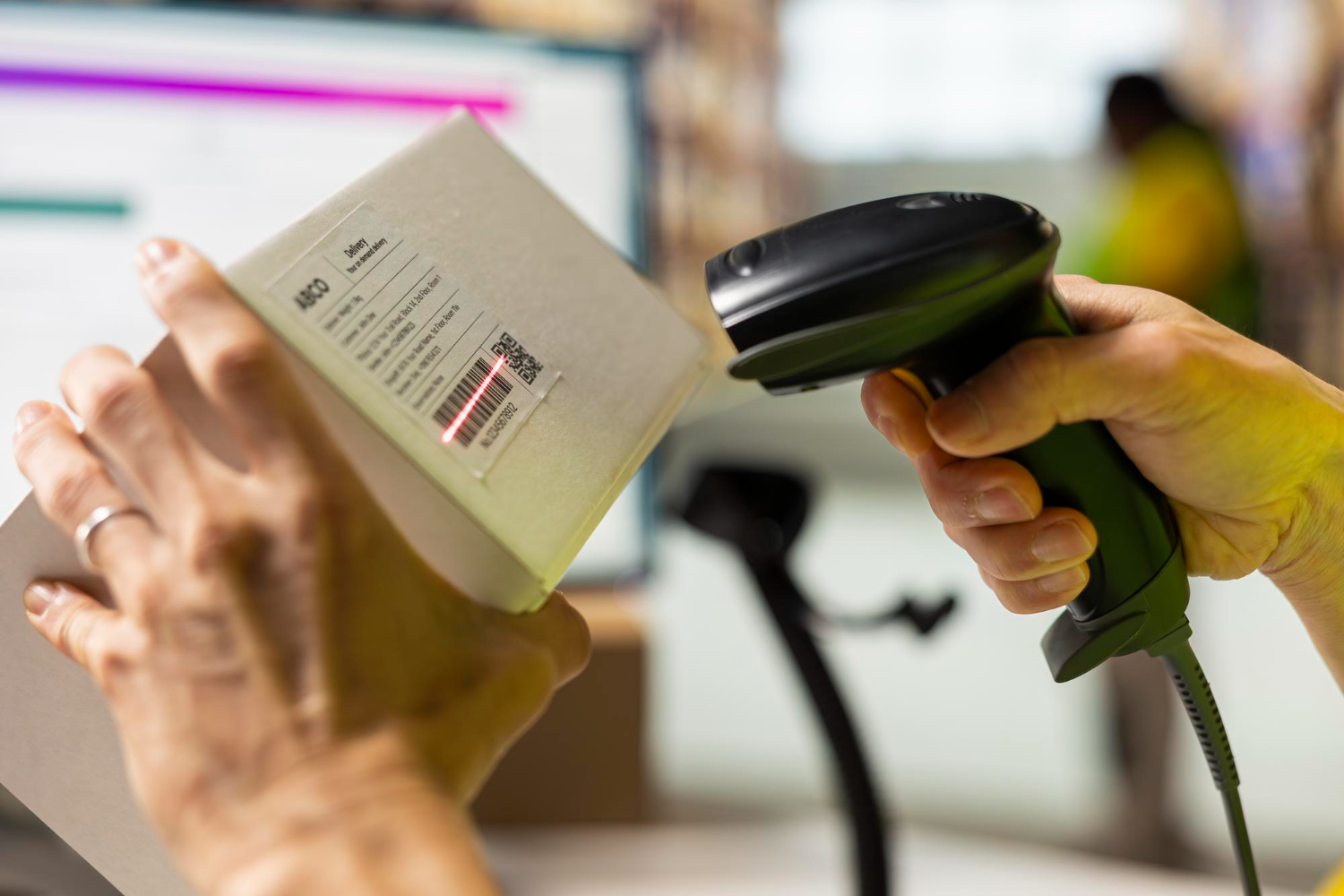
Today’s child products are expected to include traceability details that identify who made them, when they were produced, and how they can be tracked during a recall. Vintage lunchboxes usually lack that infrastructure, which makes it difficult to isolate defects or communicate clearly when safety concerns appear.
Schools and districts now depend on documented supply chains because quick action protects student populations in practice. When product identity is uncertain, response time slows and risk management becomes guesswork. Under modern standards, missing traceability is not a minor paperwork issue, it is a meaningful safety limitation.
No Third-Party Testing Trail For Current Compliance Needs
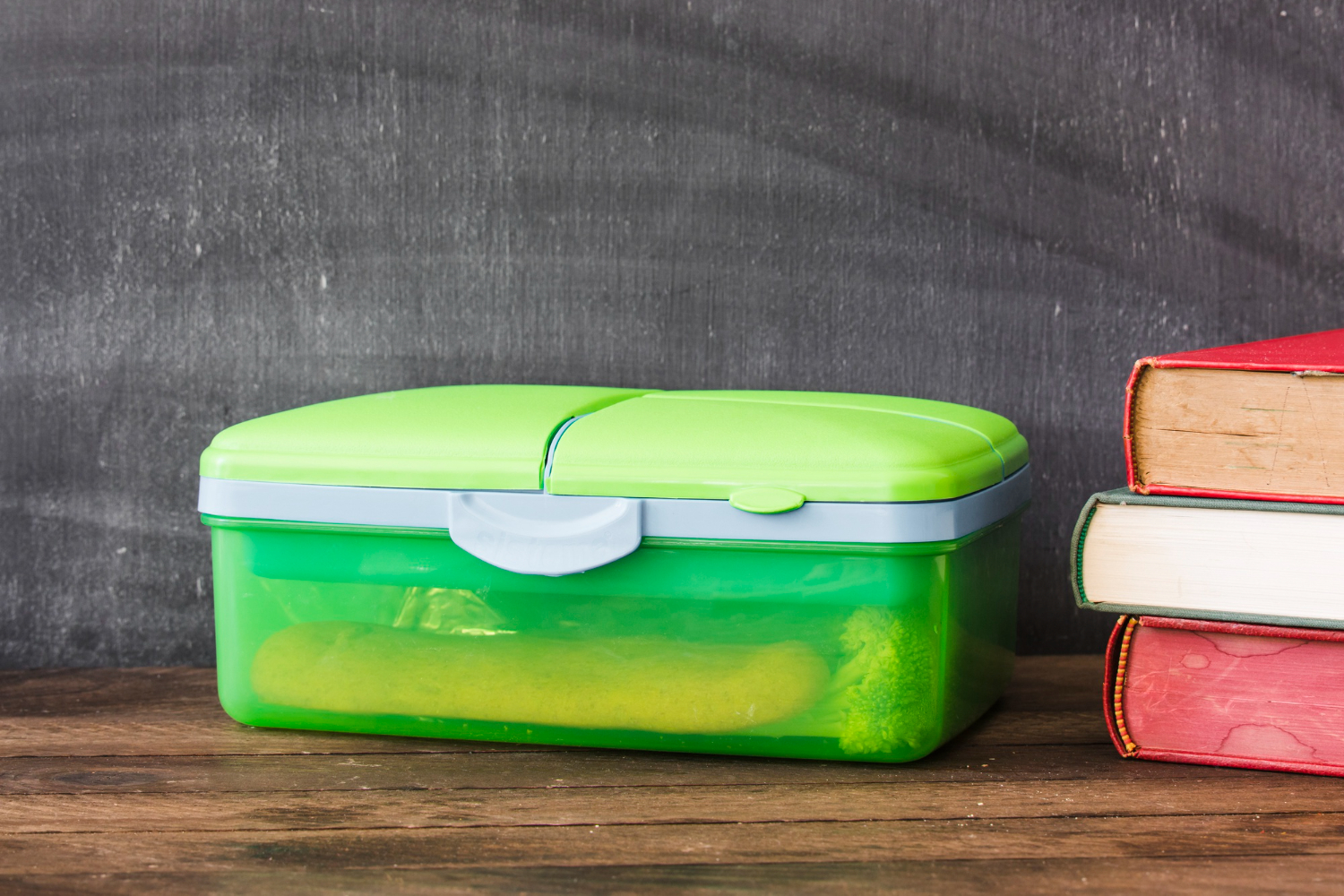
Modern school purchasing expects third-party testing and certifiable safety data for products used by children. Most 1980s lunchboxes entered the market before these documentation norms became standard so many surviving units cannot show current-style test records even when they look solid.
That absence creates a practical problem for administrators. Without test-backed files, schools cannot confidently assess material content durability, or likely failure behavior under repeated daily use. In a prevention-first environment, undocumented performance is treated as risk by itself, placing many retro lunchboxes outside acceptable standards now.
Recall Expectations Are Faster Than Vintage Gear Can Support
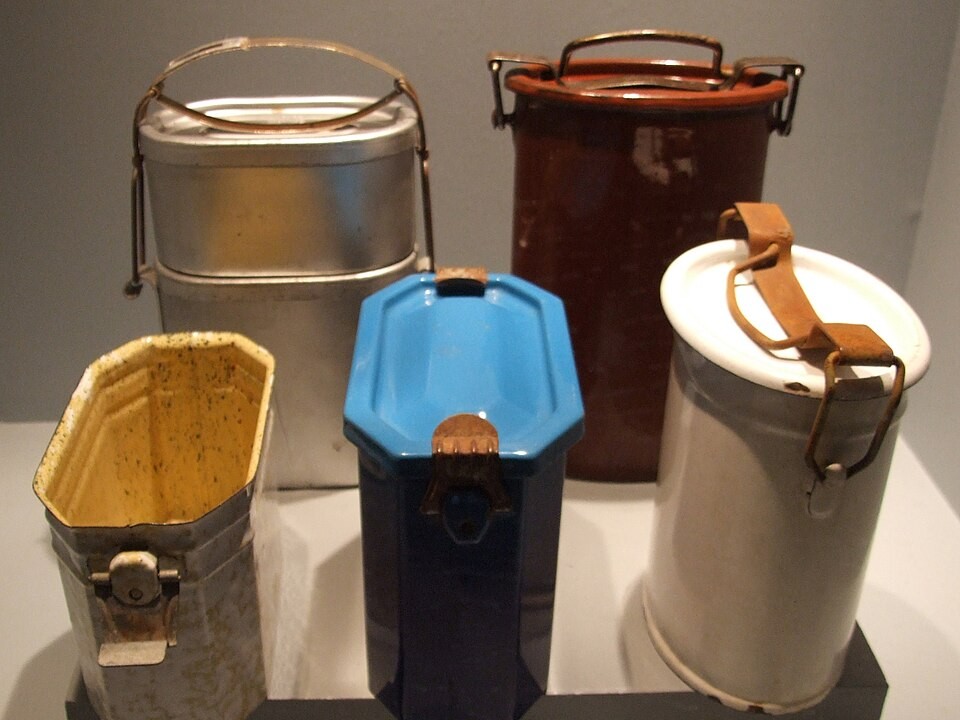
Recall systems are faster and more visible, and that has raised expectations for every product carried into schools. Containers that crack, shatter, or eject hot contents are flagged quickly, and manufacturers are expected to provide corrective action paths that schools and families can follow when hazards are identified.
Vintage lunch kits were not built for this recall-response ecosystem. Aging materials can become brittle, seals can weaken, and spare parts are rarely standardized across decades-old models. Even if a retro box looks fine at first glance, uncertainty about failure modes makes it a weak fit for modern school risk management.
Safety Is Now Systemic, Not Just About Toughness
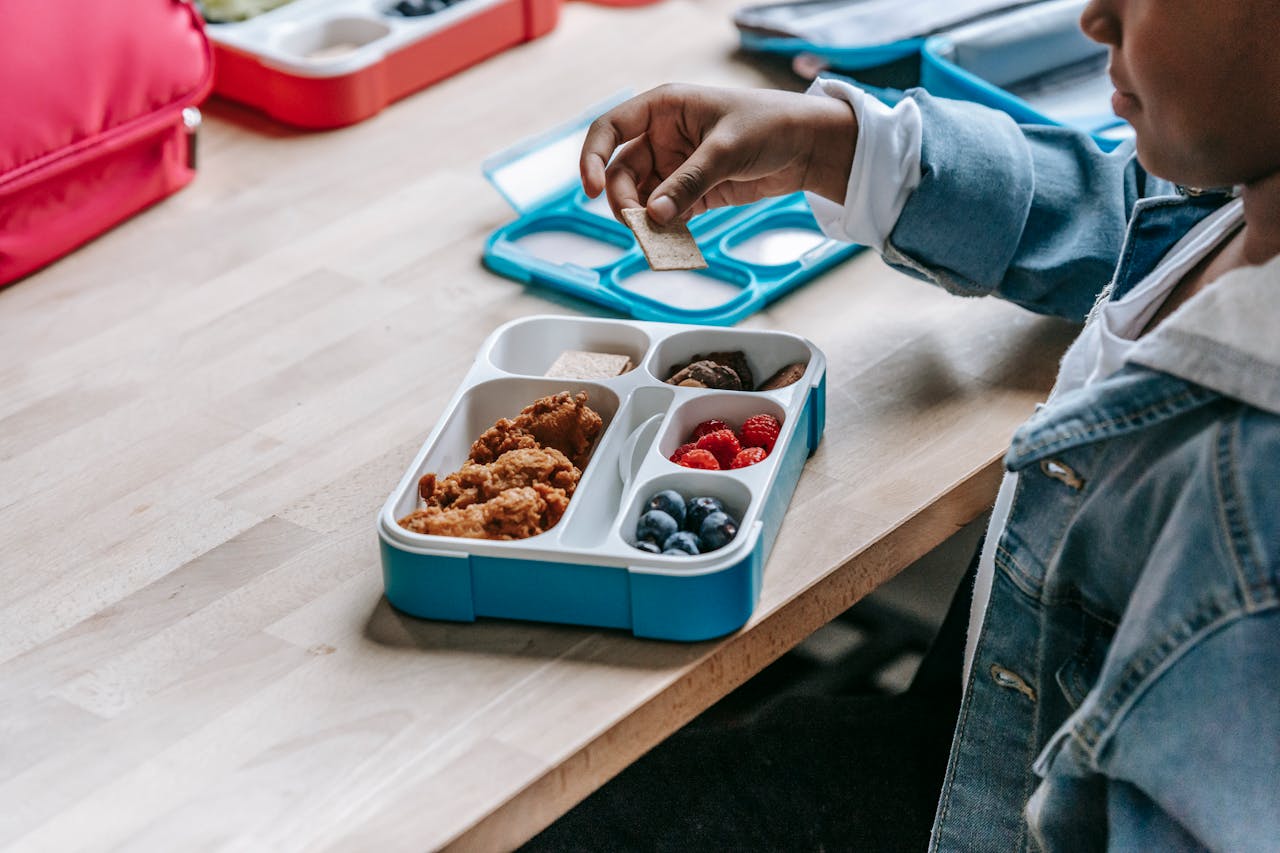
The biggest change is philosophical: schools now treat safety as a connected system, not a checklist of isolated features. Material limits, hygiene routines, thermal control, allergy prevention, leak resistance and traceability work together to reduce harm in crowded environments where one failure can affect many students quickly.
1980s lunchboxes still deserve their place in memory, but daily school use now demands a different standard of proof. Modern containers are expected to prevent problems before they spread, not simply survive rough handling. That is why retro designs feel beloved historically, yet misaligned operationally today too.