Some bookstores do more than hold books; they hold the shape of the past. In old theaters, churches, rail stations, and factory halls, architecture sets the pace, light, and mood before a single page is opened. These places prove that preservation can be lively, practical, and generous, turning once-busy civic spaces into rooms for curiosity and calm. When history remains in daily use, browsing starts to feel like a gentle form of time travel, guided by woodwork, stone, and the soft rustle of paper.
El Ateneo Grand Splendid, Buenos Aires
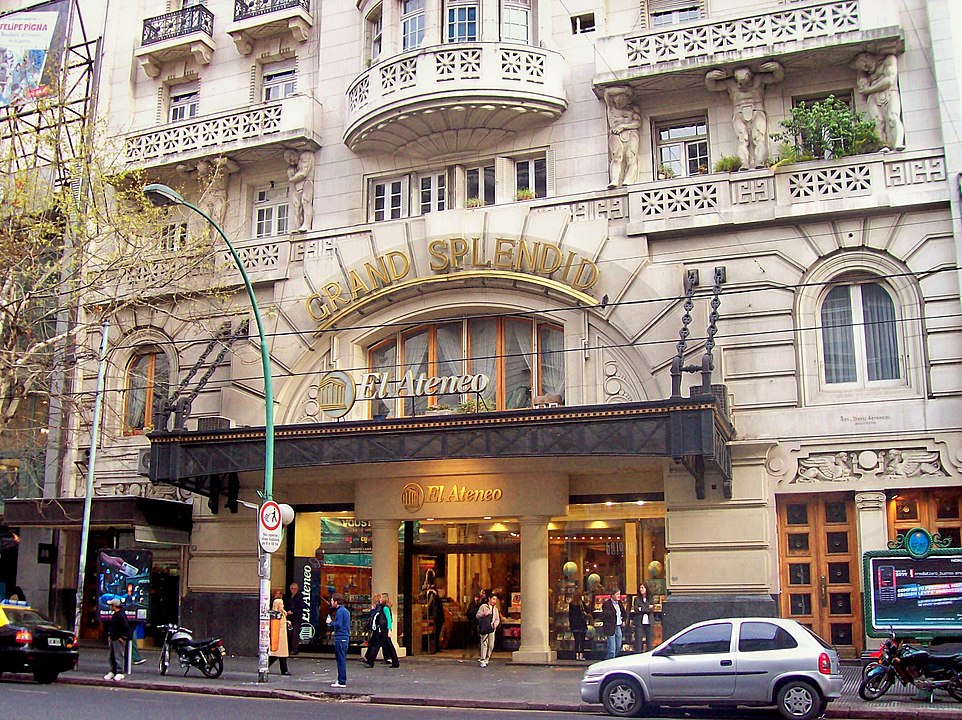
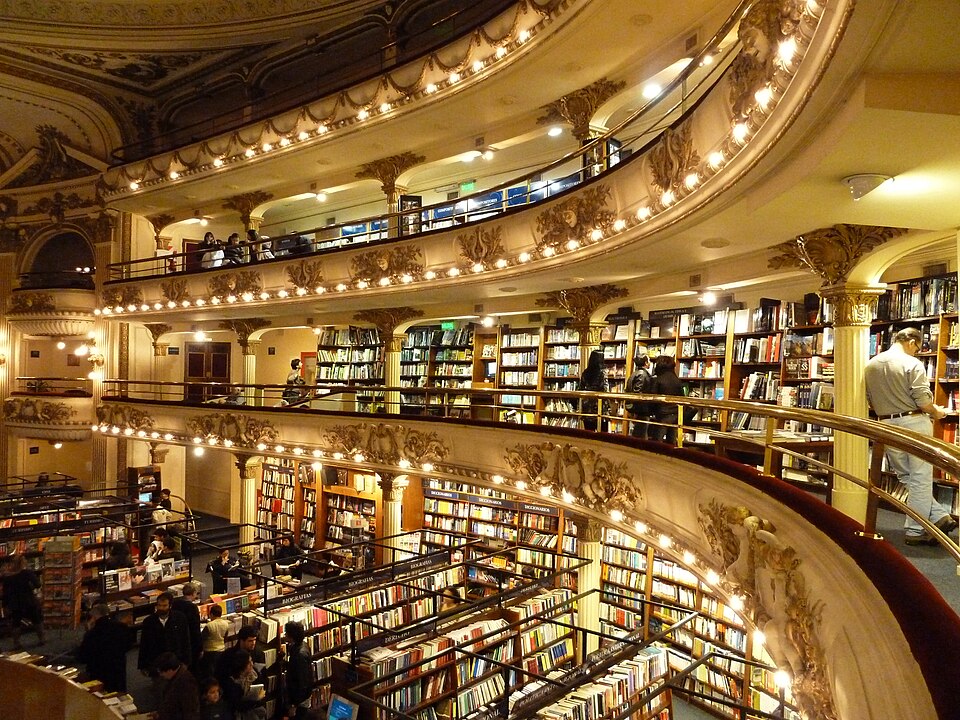
El Ateneo Grand Splendid is a working bookstore inside a former Buenos Aires theater, and the room still behaves like it expects an audience, with sightlines built for awe in a busy city. Balconies, ceiling art, and ornate boxes frame the shelves, while the old stage holds a café beneath the curtain, so the eye keeps drifting upward between titles, plasterwork, and gold trim. Browsing feels like an intermission that never ends, with chandeliers overhead, soft echoes underfoot, velvet-red accents in the distance, and the sense that the building’s old glamour quietly amplifies every story in hand.
Boekhandel Dominicanen, Maastricht
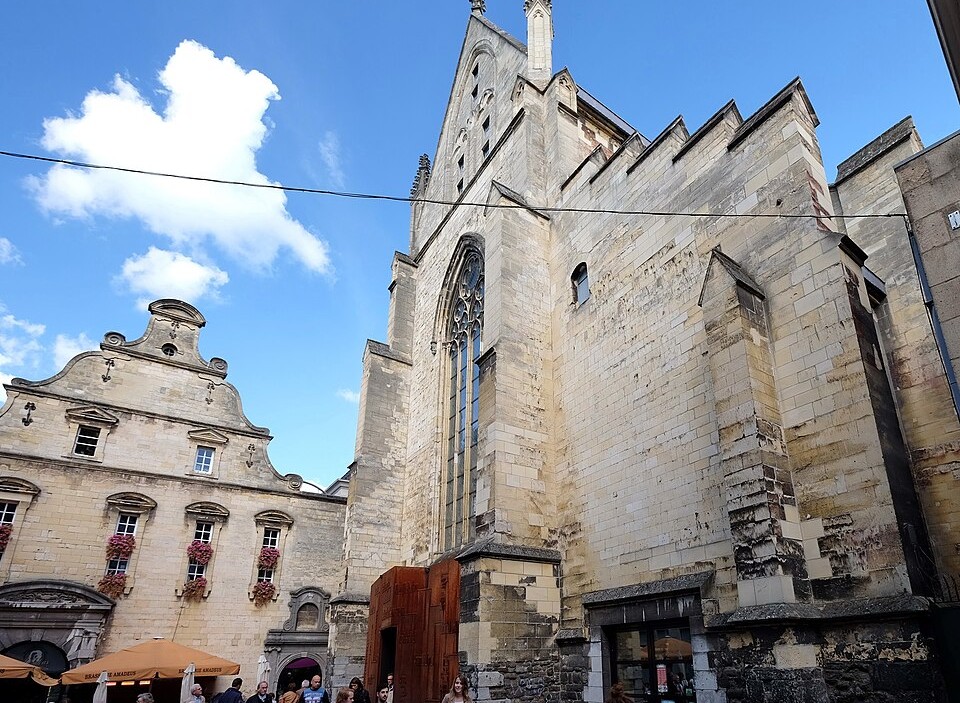
Boekhandel Dominicanen turns a former church into a bookstore without treating the architecture as a prop or a novelty backdrop, which is exactly why it feels convincing. Shelves run along the nave beneath Gothic vaults, and warm, careful lighting keeps stonework and book spines equally readable, while a café near the former chancel invites slow visits, notebooks, and long conversations. The space stays open and breathable, so the building’s scale feels respected, and the shop stays practical and current, with clear sections, good flow, and a hush that makes browsing feel focused rather than hurried.
Waanders In de Broeren, Zwolle
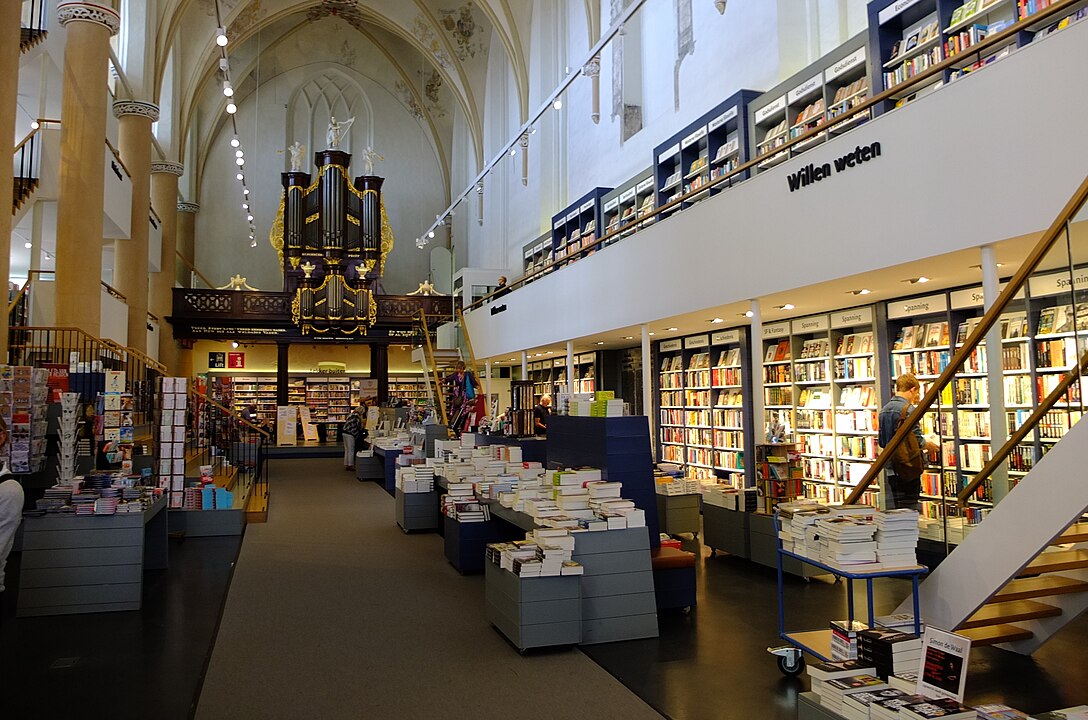
Waanders In de Broeren sits inside Zwolle’s Broerenkerk, where height and daylight set the tone before any cover copy does, and the air itself feels lighter. Modern walkways and multiple browsing levels create a gentle circuit through new releases while leaving the historic vaults unobstructed, so brick, stone, and glossy jackets share the same view from nearly every angle. Sound carries softly in the tall space, and that hush changes behavior, slowing people down until browsing becomes deliberate, with pauses that feel natural, like taking a quiet walk through a living monument that still welcomes crowds.
Barter Books, Alnwick
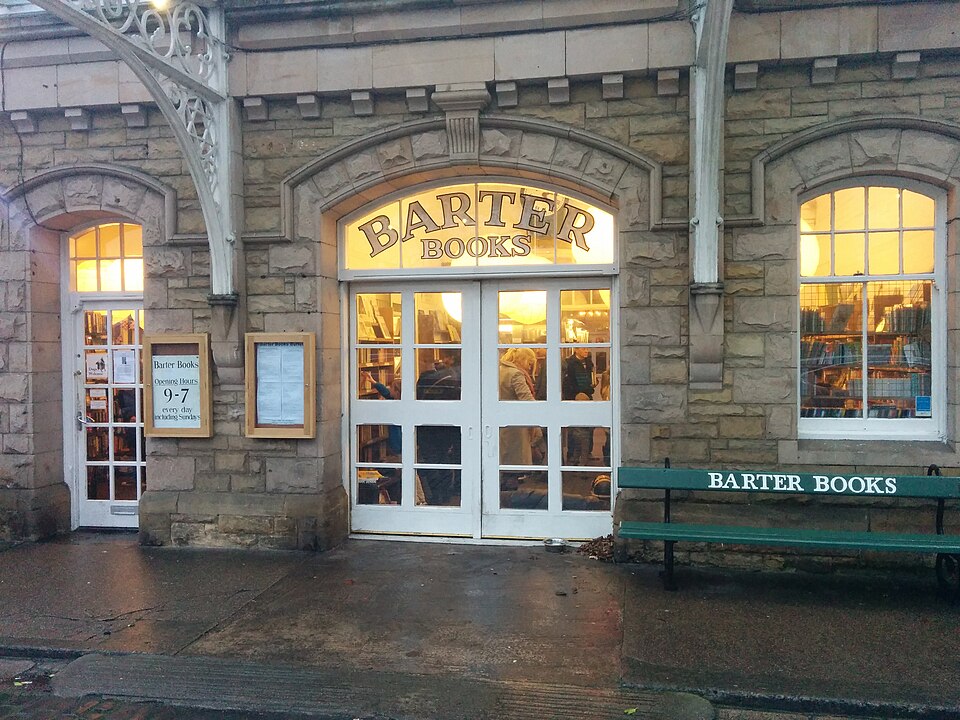
Barter Books occupies a former railway station, and the building’s old purpose still shapes how the shop feels, from the first step inside to the last reluctant exit. Long corridors and former waiting rooms became aisles of secondhand books, with a café as the warm center, so wandering feels natural in a place designed for arrivals, delays, and time spent looking around. The barter option, trading books for credit, adds a local rhythm that fits the station setting, where chance finds, small conversations, creaking floors, and the simple pleasure of lingering are part of the point, not a side effect.
Livraria Lello, Porto
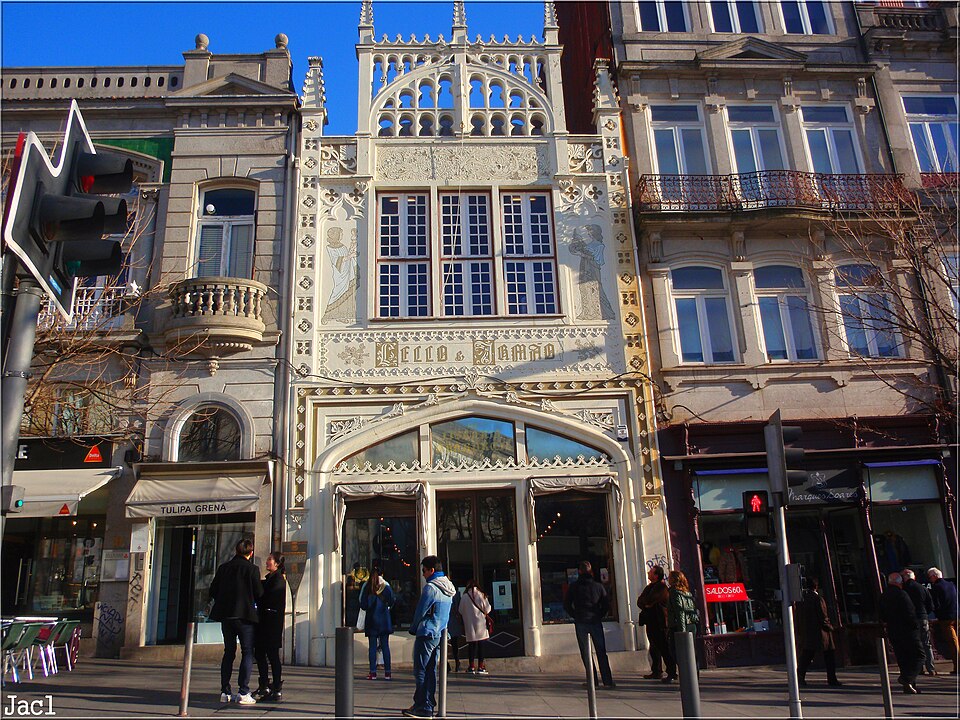
Livraria Lello in Porto looks dramatic, but the effect holds because the craftsmanship is disciplined and carefully composed, not noisy, with details that earn a second look. A sweeping staircase draws the eye toward stained glass, carved-looking surfaces, and deep color, so the room reads as ceremonial without feeling staged, and the sightlines keep pulling visitors deeper into the space. The layout rewards slow movement, revealing new angles at every step, and the beauty stays useful: it keeps people browsing longer, comparing editions, noticing typography, and leaving with the feeling they visited a place, not just a shop.
Livraria Bertrand, Lisbon
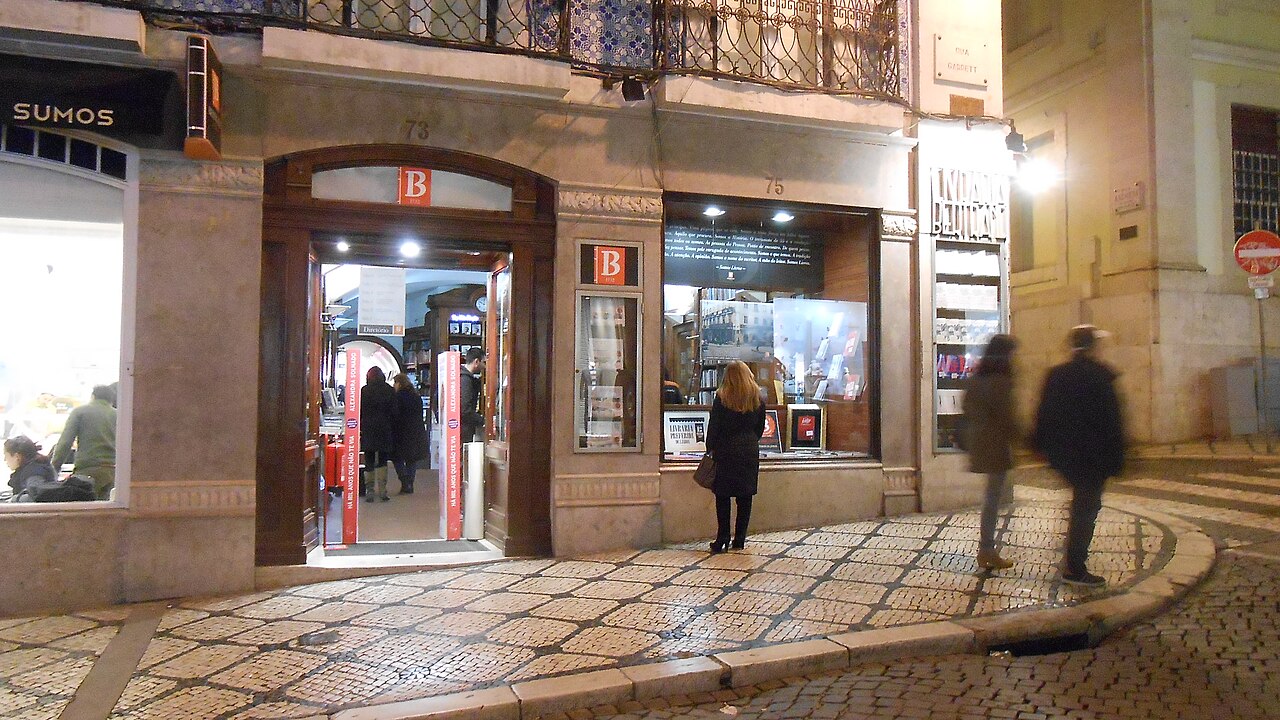
Livraria Bertrand in Lisbon’s Chiado district carries long history without acting precious about it or demanding reverence at the door, which makes the welcome feel immediate. Rooms unfold like small salons linked by corridors, naturally slowing movement and encouraging browsing beyond the first display of bestsellers, with staff picks that feel specific, readable, and quietly confident. In a busy neighborhood, the calm is practical rather than performative, making it easy to linger, ask questions, and notice how the building’s age adds texture and intimacy without competing with the books or the conversation.
Daunt Books Marylebone, London
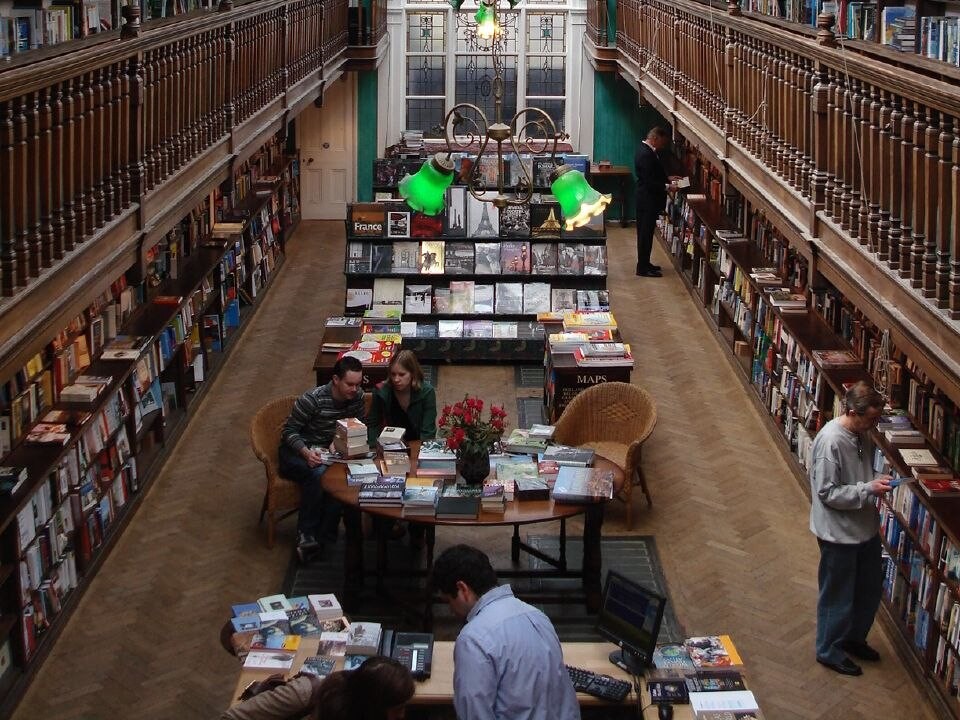
Daunt Books in Marylebone feels built for calm, and the architecture does most of the persuasion before a single recommendation is offered, setting a steady pace. Long oak galleries, high shelves, and skylights pull daylight deep into the central aisle, while travel sections arranged by country turn browsing into a quiet map with fiction and history nearby for context and detours. Even when busy, the sightlines stay orderly and the air feels steady, so the shop remains welcoming and focused, a place where people slow down, choose carefully, and leave with something that feels personally chosen.
Hatchards Piccadilly, London
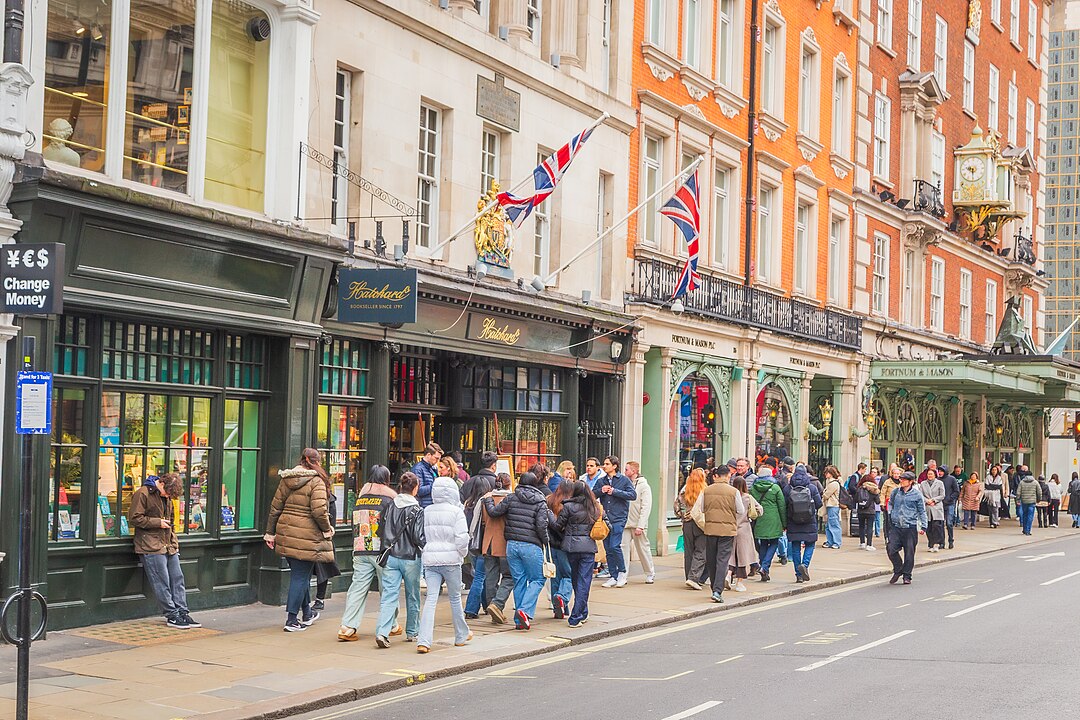
Hatchards on Piccadilly carries the confidence of a shop that has shaped London reading habits for generations, and it wears that history lightly, with no need to show off. Its multi-floor layout and older staircases make browsing feel like moving through rooms in a well-kept house, while displays balance signed editions with fresh releases and staff guidance that feels informed, not pushy. Author events add energy without turning the place into a spectacle, so the store stays lively and social, yet still honors the quiet concentration people expect from a historic bookseller in the heart of the city, near theaters and galleries.
Shakespeare and Company, Paris
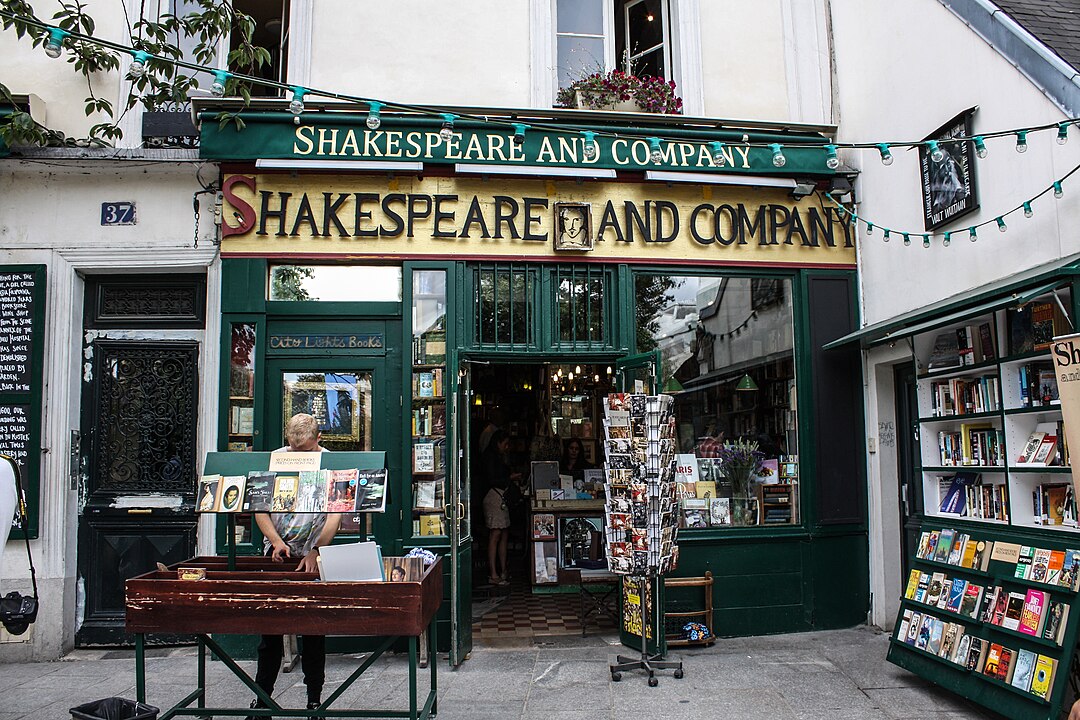
Shakespeare and Company on the Left Bank feels less like retail and more like a small literary habitat with its own weather and tempo, where ideas seem to linger in the corners. Narrow passages, stacked shelves, and handwritten notes create a lived-in atmosphere that suits the building’s older bones, while readings and conversations keep the rooms social rather than hushed, even on busy days. It stays beloved because it behaves like a real bookshop first, offering strong English-language classics and new voices, and the setting deepens the feeling that stories, cities, and friendships overlap here, page after page.
Ler Devagar, Lisbon
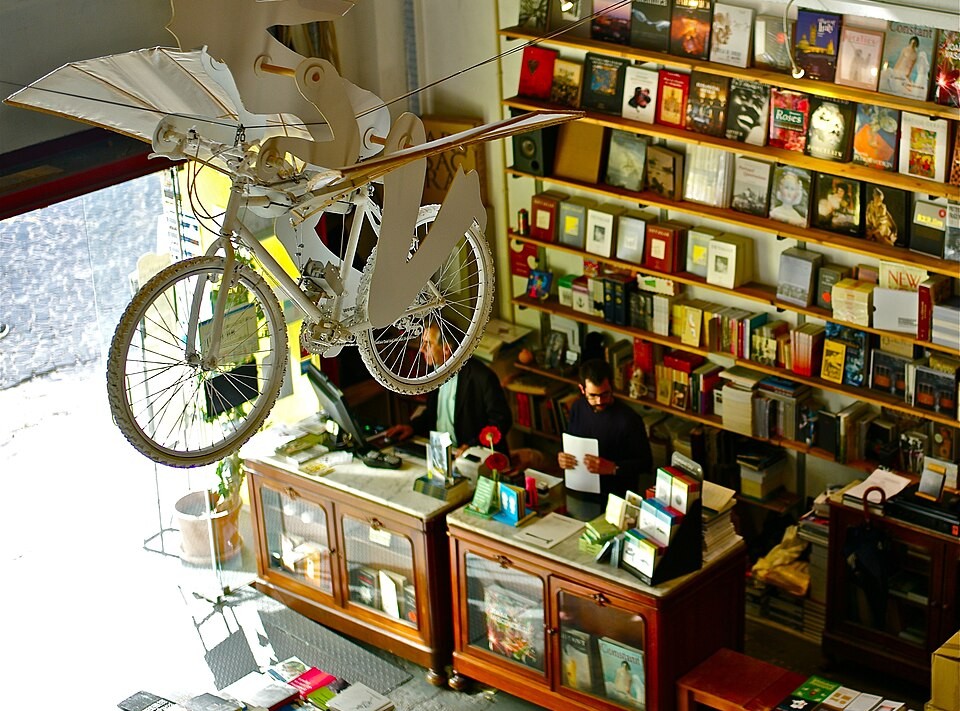
Ler Devagar lives inside an industrial shell and keeps that identity visible instead of polishing it away into something generic, so the setting feels earned and specific. A towering printing press anchors the space, and high ceilings with open sightlines give the shelves breathing room, while exhibitions, talks, and small performances keep the shop active throughout the week. The mood encourages lingering, with corners that invite slow browsing and a pace that matches the name, proving that reuse can feel honest, cultural, and deeply relaxing without losing the grit that makes it real and local.
John K. King Used & Rare Books, Detroit
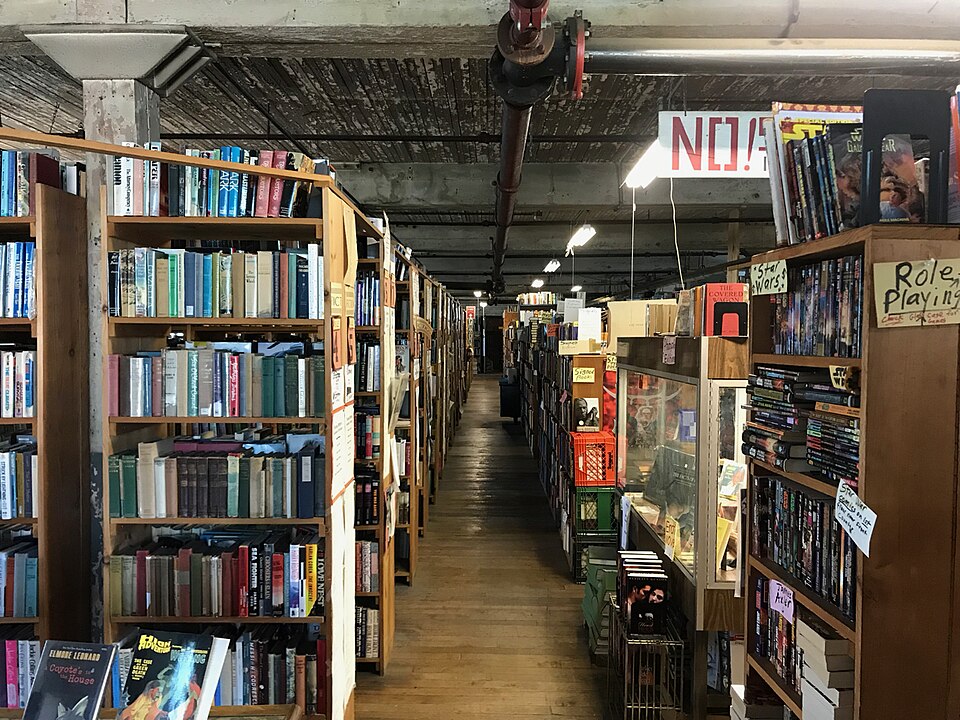
John King Used & Rare Books fills a former factory building with used and rare books in a way that feels sprawling, tactile, and purposeful, like a city-sized attic made searchable. Stairwells, long aisles, and stacked shelves make discovery feel earned, like exploring a working archive, and the building’s industrial past fits the hands-on joy of hunting for an out-of-print title, a forgotten hardcover, or a strange old map. Each floor carries its own energy, from casual browsing to careful collecting, and the space rewards patience without asking anyone to be an expert, because curiosity does the real work here and keeps the visit fun.
Moravian Book Shop, Bethlehem
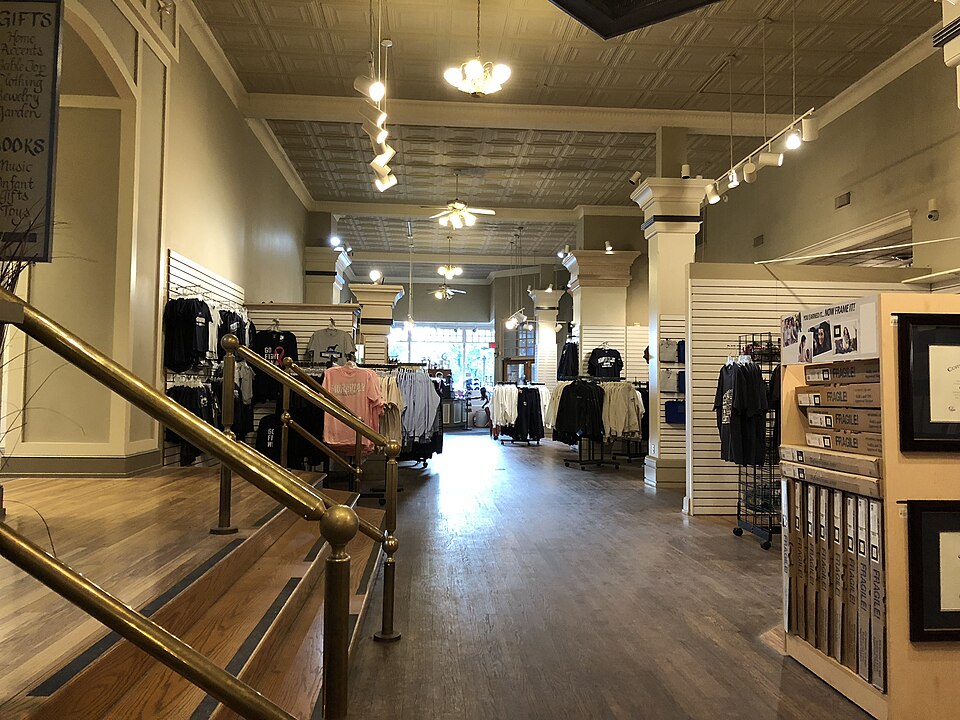
Moravian Book Shop offers a quieter kind of historic wonder: continuity that never broke, even as the town around it changed, modernized, and kept moving through new eras. Generations have bought books here, and that longevity shows in how naturally the store fits into everyday life, mixing new releases with local history and thoughtful gifts without leaning on nostalgia. The atmosphere is steady and real, the kind that turns a quick stop into a longer linger, because the building and the shelves suggest the same idea: stories belong in ordinary days, not only on special trips or big occasions.