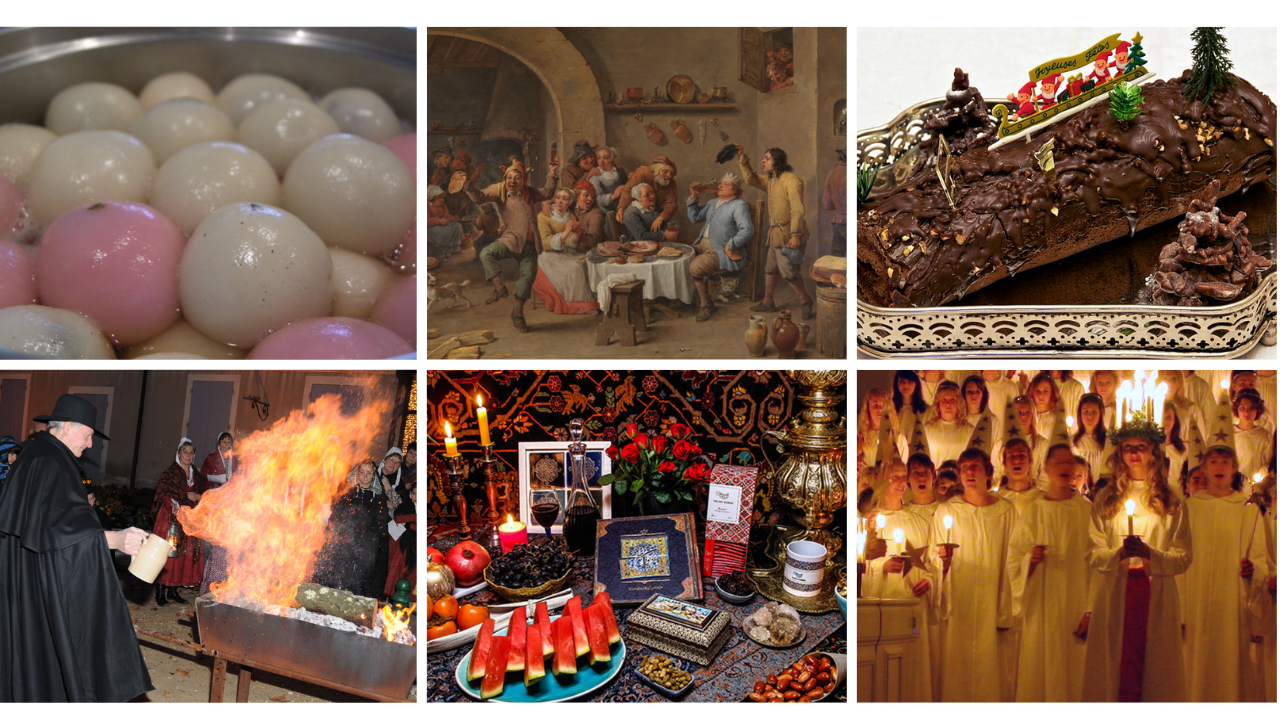
Midwinter has always been a season of nerves and imagination. Long before streetlights and screens, communities watched the sky, counted the hours of darkness, and built rituals to steady themselves. Feasts, fires, songs, and quiet acts of generosity turned anxiety into something people could share. Many of those customs never disappeared; they slipped into new religions, new calendars, and new holiday habits. Traces of them still glow in candles, crowded tables, and the feeling that this cold stretch of the year has to mean something.
Yule Feasts And Evergreens
In northern Europe, Yule wrapped the winter solstice in long nights of feasting, meat roasted over open flames, and cups of strong drink passed between neighbors in crowded halls. Families lined their rooms with evergreens as proof that life still pulsed beneath ice and snow when days barely seemed to start. Animals were sacrificed to honor returning light, and stories stretched late into the dark, knotting fear and hope together. Modern holiday parties, long vacations, and the language of Yuletide all echo that urge to push back the season by leaning hard into warmth, company, and ritual. In that world, endurance needed ceremony.
Saturnalia’s Season Of Reversal
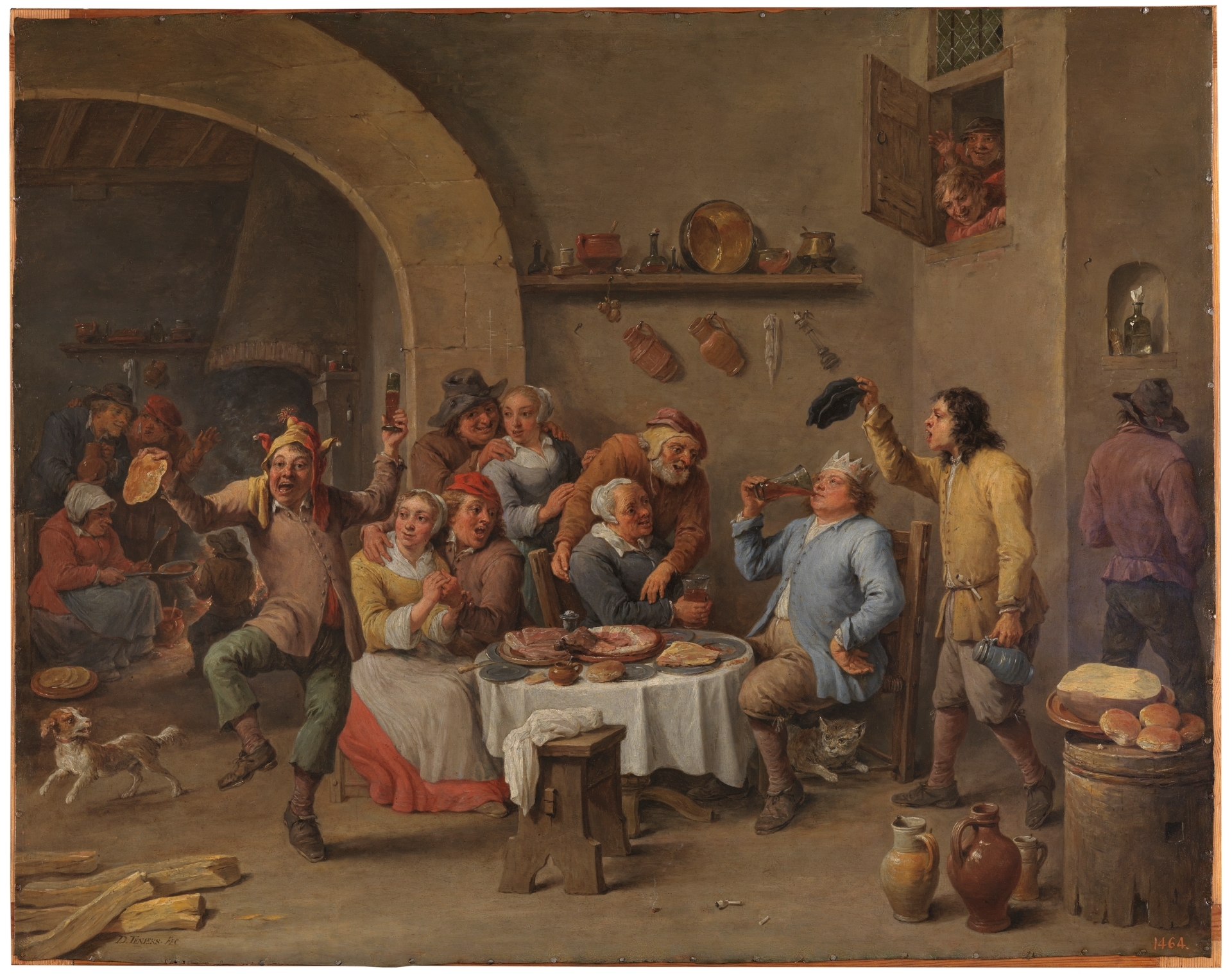
In ancient Rome, Saturnalia exploded into several days of noisy relief from strict social rules just as the year slid toward its darkest point. Work slowed, gambling appeared in public, and formal dress gave way to relaxed clothes and shared jokes. Masters served enslaved people at banquets, and small presents traveled between friends as signs that hierarchy had loosened, at least briefly, under Saturn’s eye. Holiday sales, office parties, novelty gifts, and the playful chaos around late December still carry that memory of turning order upside down so people can breathe, laugh, and reset together.
Yalda Night And The Longest Darkness
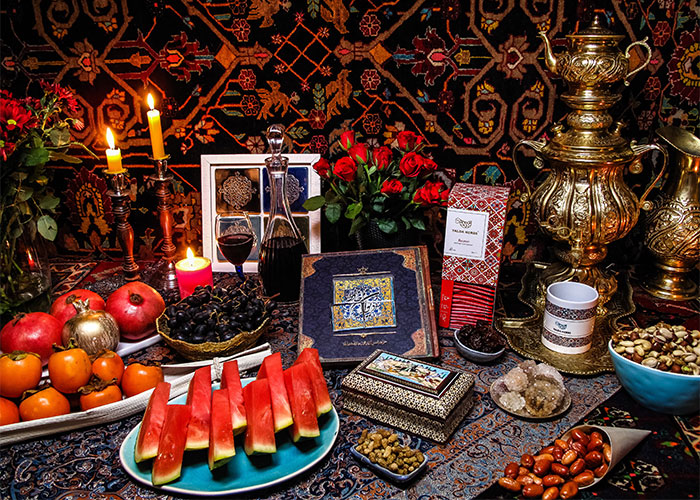
In Iran and across the Persian diaspora, Shab-e Yalda centers on the longest night of the year and the stubborn choice to celebrate it instead of shrinking from it. Families gather around tables piled with nuts, sweets, and red fruits such as pomegranates and watermelon saved from warmer months, symbols that summer will return. Candles burn while poetry is read aloud, fortunes are drawn from Hafez, and conversations wander past midnight. Even far from home, Yalda parties keep that sense that color, stories, music, and shared food can outlast winter’s heaviness and quietly invite gentler days closer.
Dongzhi And The Taste Of Balance
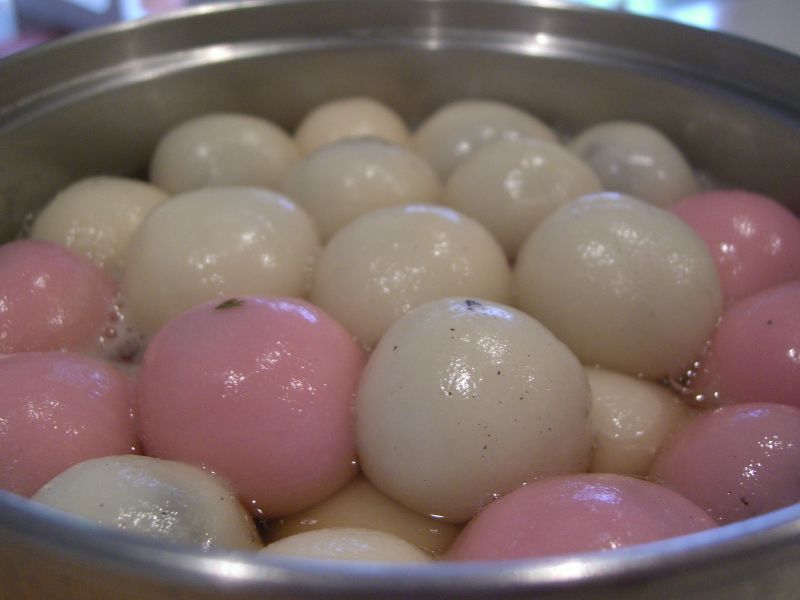
The Dongzhi Festival in China treats the winter solstice as a turning point that is best marked with food, remembrance, and quiet togetherness rather than spectacle. Families prepare dumplings in the north or sweet rice balls called tangyuan in the south, their round shape echoing unity, reunion, and the full circle of the year. Many people visit ancestors’ graves or family altars, folding memory and gratitude into the day while the air remains cold. Modern hot pot dinners, winter gatherings, and even simple shared soups still lean on that feeling that warmth, balance, and kinship can be rebuilt around a crowded table.
Koliada, Caroling, And Sun Songs
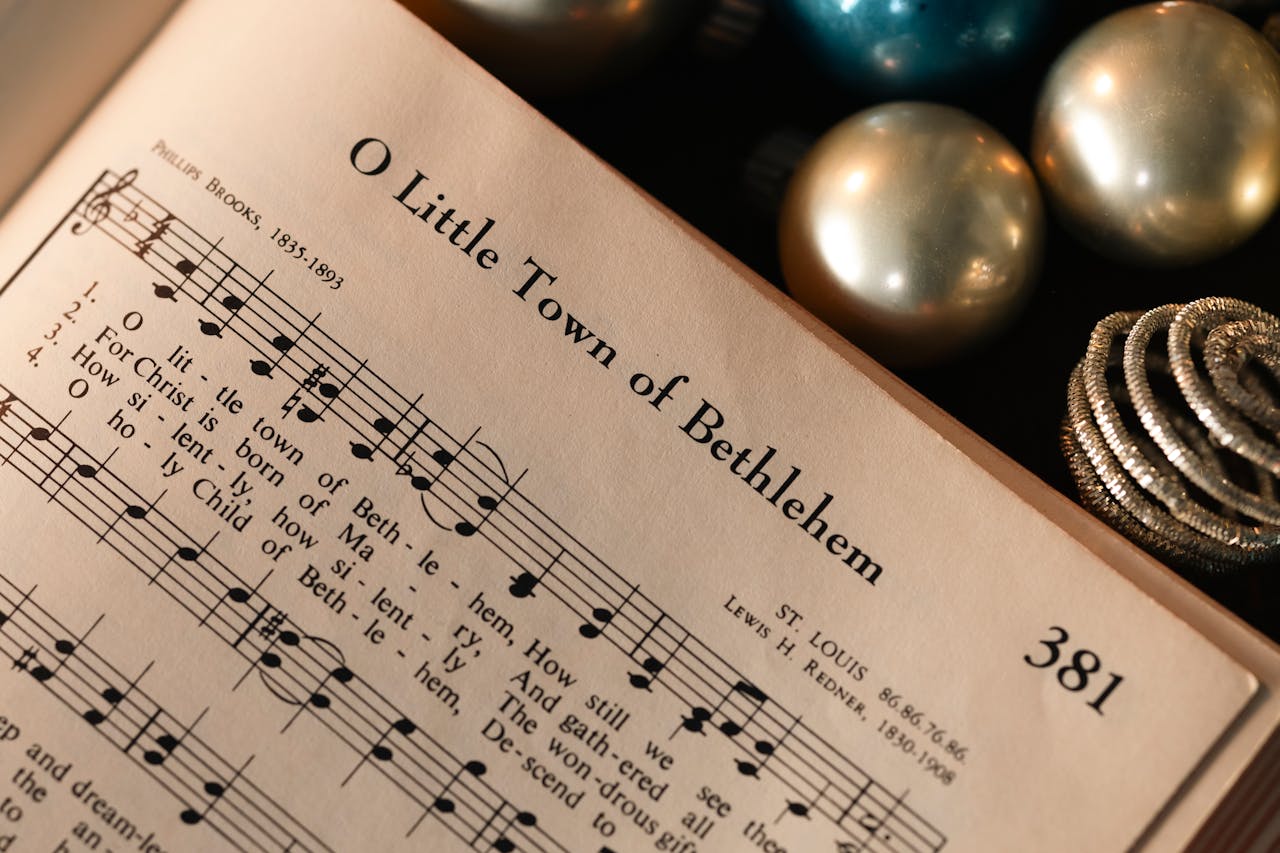
Across Slavic regions, Koliada once sent groups of singers moving from house to house with carved stars, animal masks, and songs for the newborn sun during the harshest weeks of cold. Verses promised blessings of health, protection, and harvest in exchange for bread, sausages, or coins, while hosts listened at doorways lit by snow-reflected moonlight and smoky torches. Children learned the melodies as a kind of living scripture about survival and generosity. Today’s caroling traditions, charity concerts, and neighborhood light tours still echo that belief that music, movement, and shared effort can pull luck into a community.
Midwinter Fires And The Yule Log
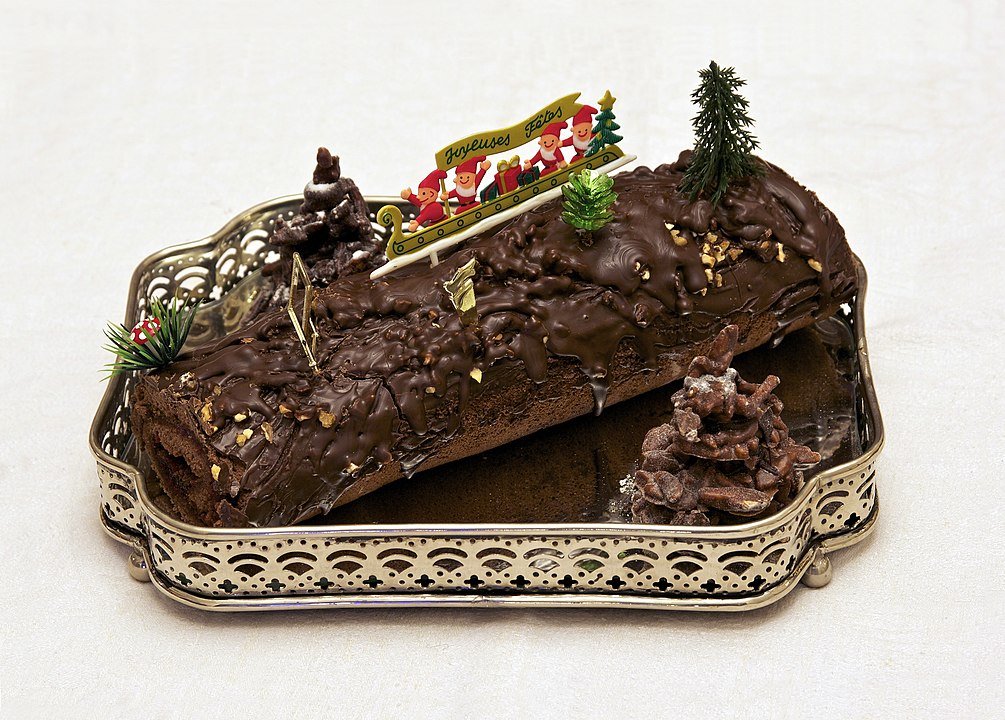
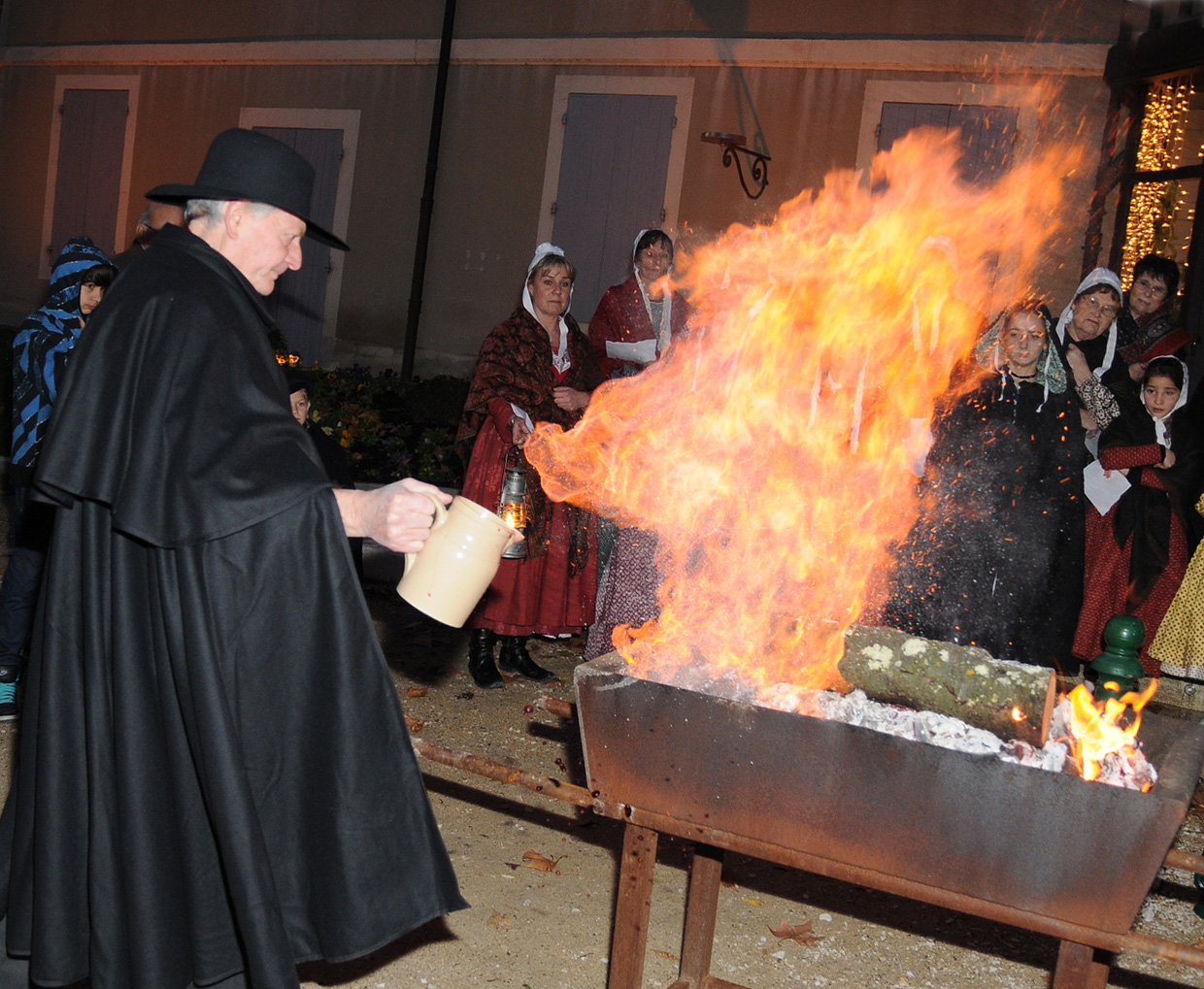
Midwinter fire customs stretched across much of Europe, from massive village bonfires that painted the sky orange to the careful burning of a single Yule log on the hearth at home. Flames were more than fuel; they stood in for the weak sun and for household protection, with embers sometimes saved to bless fields, animals, or rooftops in the year ahead. People read sparks and smoke for omens when other signs were scarce. The habit of stringing lights along eaves, setting candles in windows, and gathering around outdoor fire pits keeps that logic alive: scatter enough small flames, and fear thins, even if snow keeps falling.
St. Lucia’s Day And Crowns Of Light
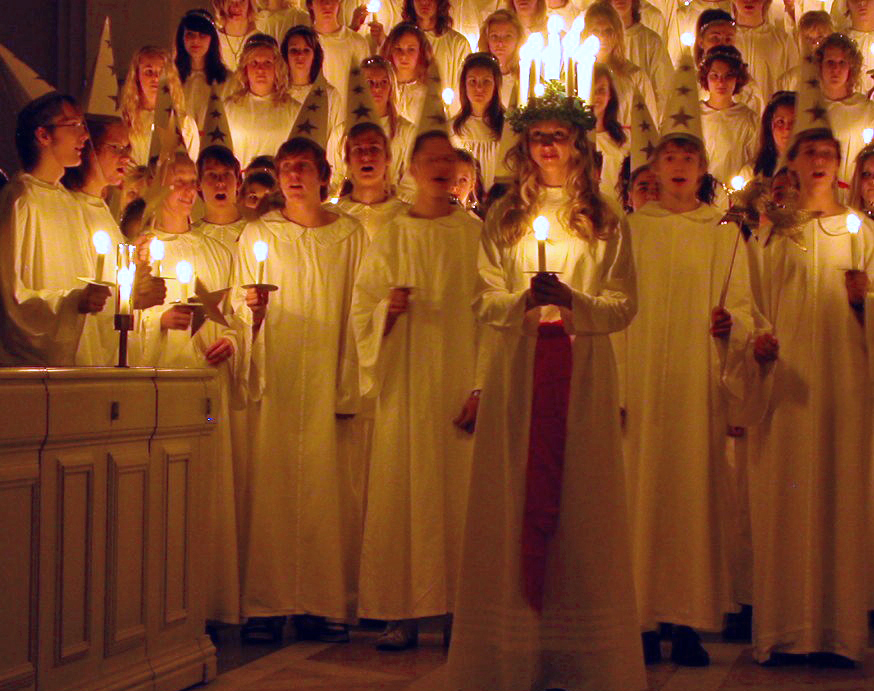
In Scandinavia, St. Lucia’s Day brings a quieter kind of midwinter drama that still feels almost theatrical. Before dawn, a girl wearing white and a red sash walks with a crown of candles, followed by a small procession carrying coffee and saffron buns through the house or school corridors. Choirs repeat the ritual in town squares and churches, turning the darkness itself into a backdrop for soft singing and slow, measured steps. Though the feast is Christian, its focus on young light moving through heavy night still carries the echo of older solstice rites and the need to prove that brightness remembers the north.
Orchard Wassailing And Apple Spirits
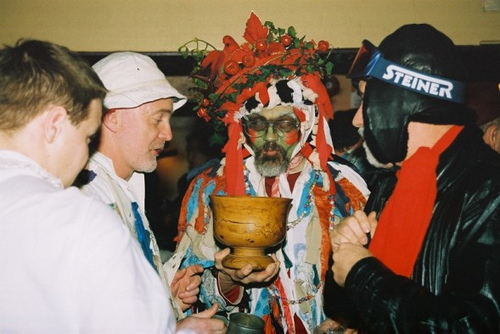
In cider country in England, orchard wassailing treated apple trees as partners in survival rather than passive objects that quietly endured the frost. Villagers walked between bare trunks in the cold, pouring spiced drink onto roots and hanging pieces of toast on branches as offerings to the tree’s spirit and to winter birds. Songs and shouted verses asked for heavy fruit in the coming year, while noise chased off anything that might harm the crop or sour the cider. Seasonal toasts, first sips of new batches, and community harvest festivals still mirror that blend of gratitude, worry, and negotiation with the landscape.
Mumming, Guising, And Masked Visitors
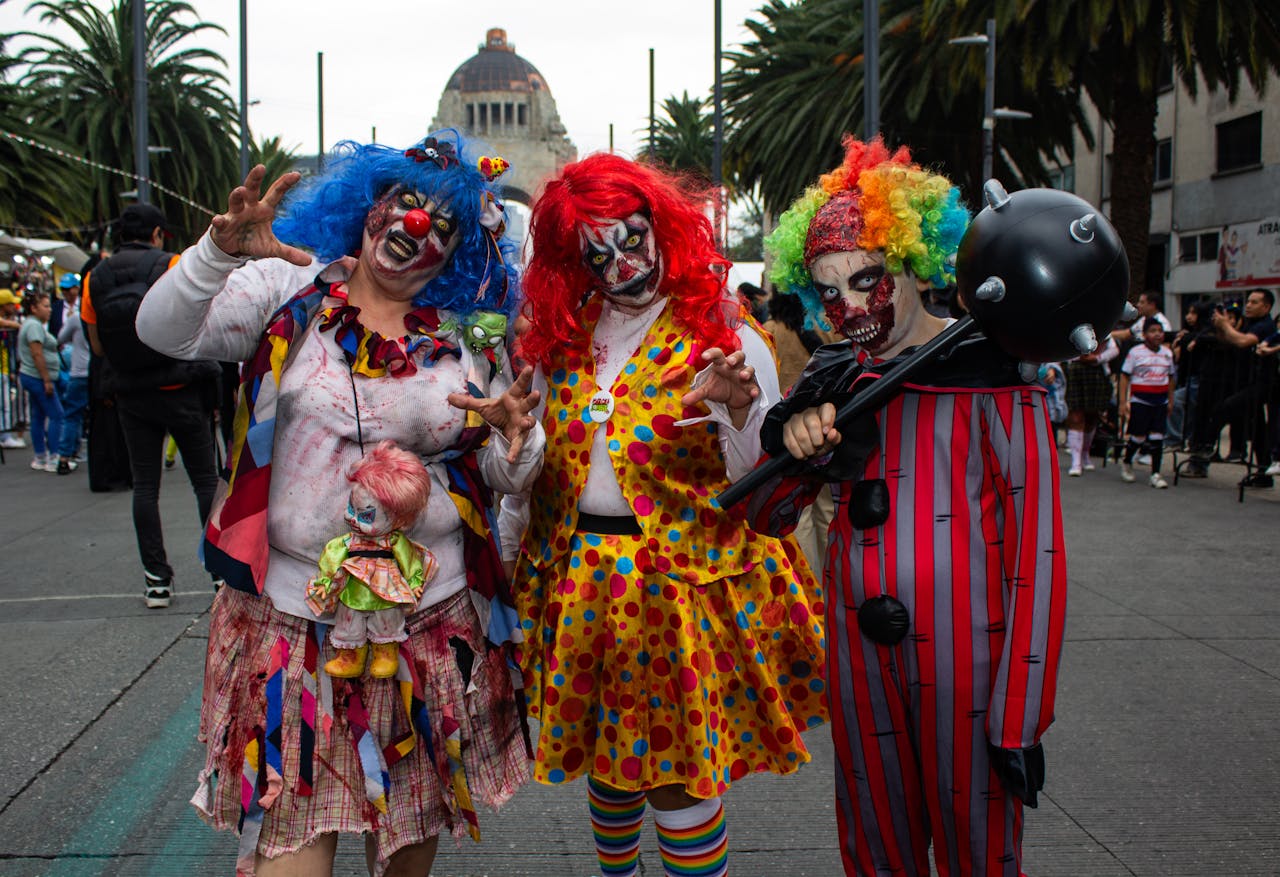
Mumming and related guising traditions turned winter streets and farmyards into temporary stages when daylight was too short for much else. Troops of disguised performers carried simple props from house to house, staging brief plays about death, revival, and heroic combat in kitchens, barns, and crowded taprooms. The acting was rough, but the pattern mattered: someone fell, a healer arrived, and life returned, usually with a laugh. Hosts repaid the visit with food, drink, or coins. Modern parades, costumed charity runs, amateur plays, and some televised holiday specials still rely on that exchange of story, attention, and hospitality.
The Ghostly Horse Of Mari Lwyd
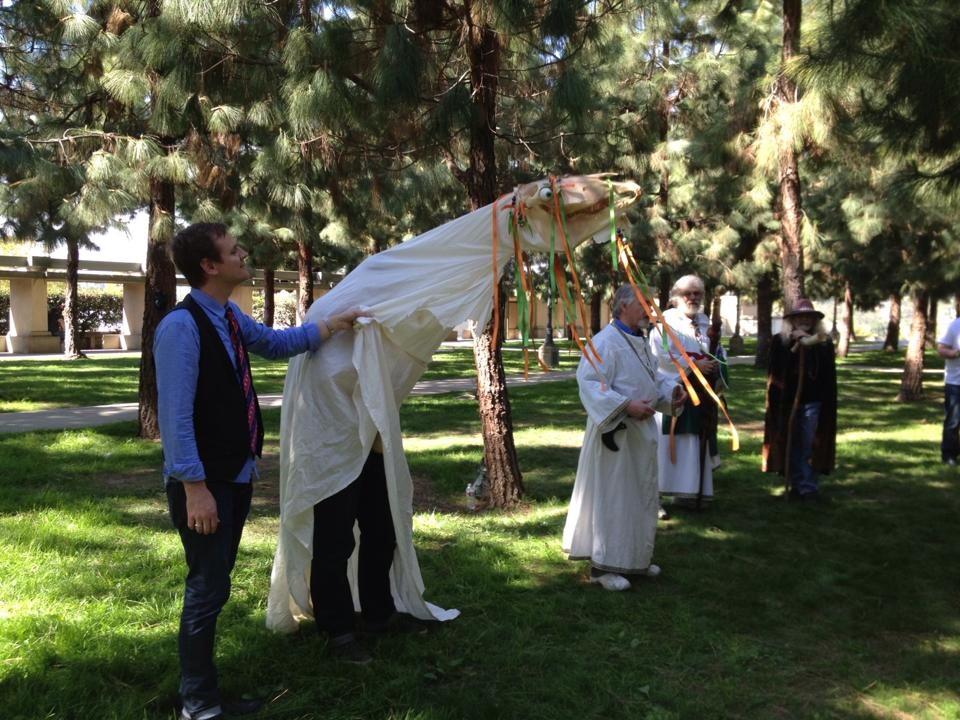
In Wales, the Mari Lwyd appears as a horse skull mounted on a pole, draped in white cloth and decorated with bright ribbons, glass eyes, and jingling bells that catch any stray light in the lane. A small group escorts the figure from door to door, trading improvised verses with people inside in a quick, clever back-and-forth known as pwnco. If the household loses the rhyme battle, the Mari and its companions enter for food, drink, and more song. The mix of unease, humor, and shared performance keeps attracting new participants and curious audiences each winter season across the country.
Hogmanay And The First Footing Guest
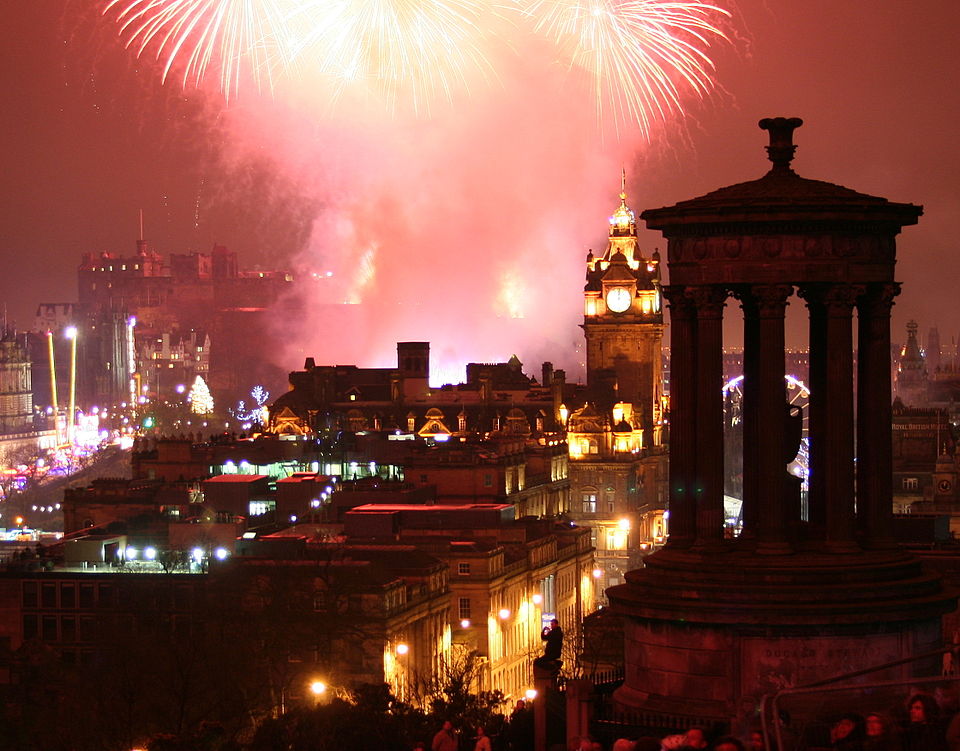
Scottish Hogmanay, now famous for fireworks, street concerts, and televised countdowns, likely grows from older Norse and Gaelic midwinter observances that focused on renewal at the edge of the year. The practice of first footing looks toward the months ahead: the first guest after midnight should bring symbolic gifts like coal, bread, and whisky to mark warmth, food, and cheer, and some visitors are considered especially lucky. New Year rituals elsewhere, from midnight kisses to threshold customs and resolutions, still follow that instinct that the opening moments of a year can be nudged toward good fortune and away from fear.
Evergreens And The Rise Of The Christmas Tree
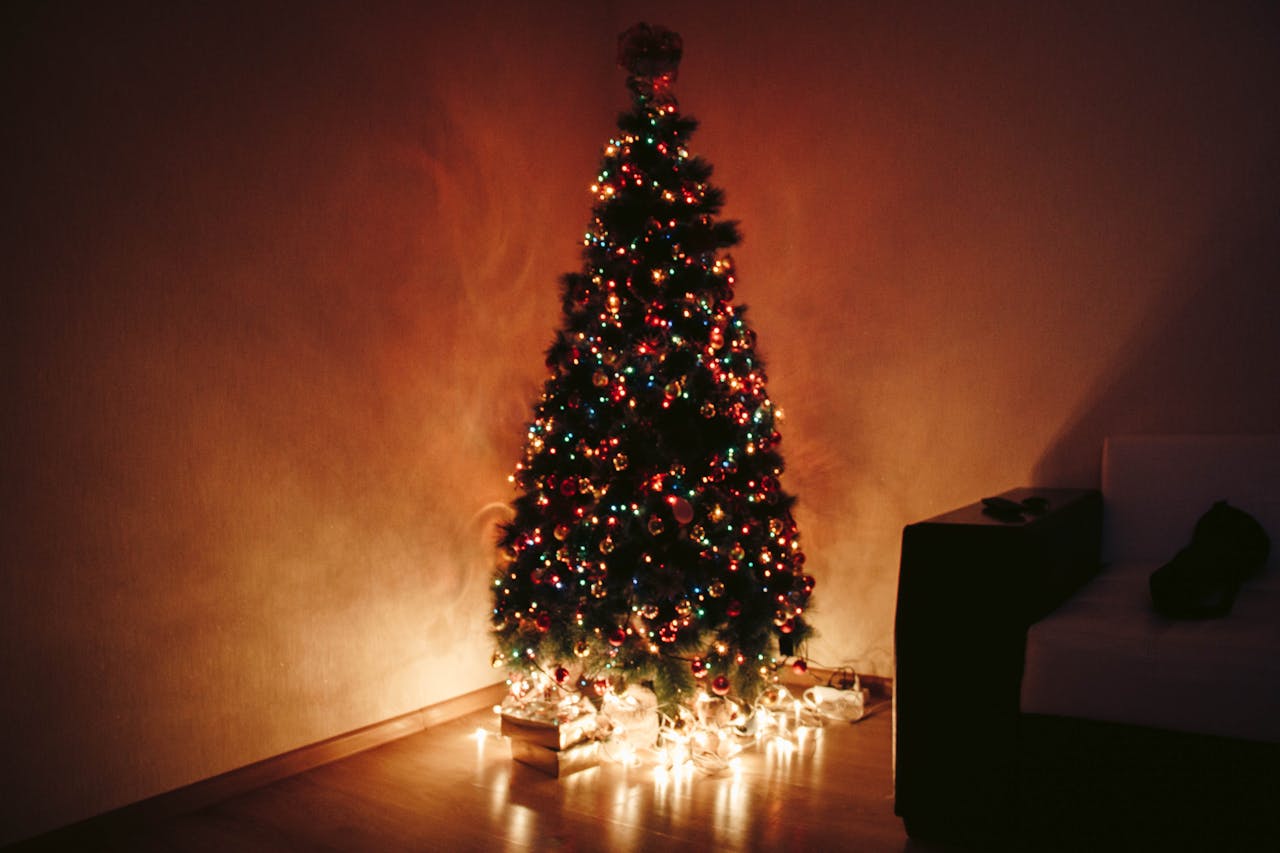
The modern Christmas tree pulls together several streams of older evergreen reverence into one highly photogenic symbol that now anchors many living rooms and public squares. Pre-Christian Europeans already brought branches indoors during the coldest weeks, convinced that resilient greenery guarded homes and reminded them that forests still lived beyond the bare fields and icy roads. German households later developed the practice of decorating indoor trees with candles, apples, and sweets, a habit that spread through royal influence and mass media. Every lit tree in a window quietly insists that winter is temporary and life is only resting.