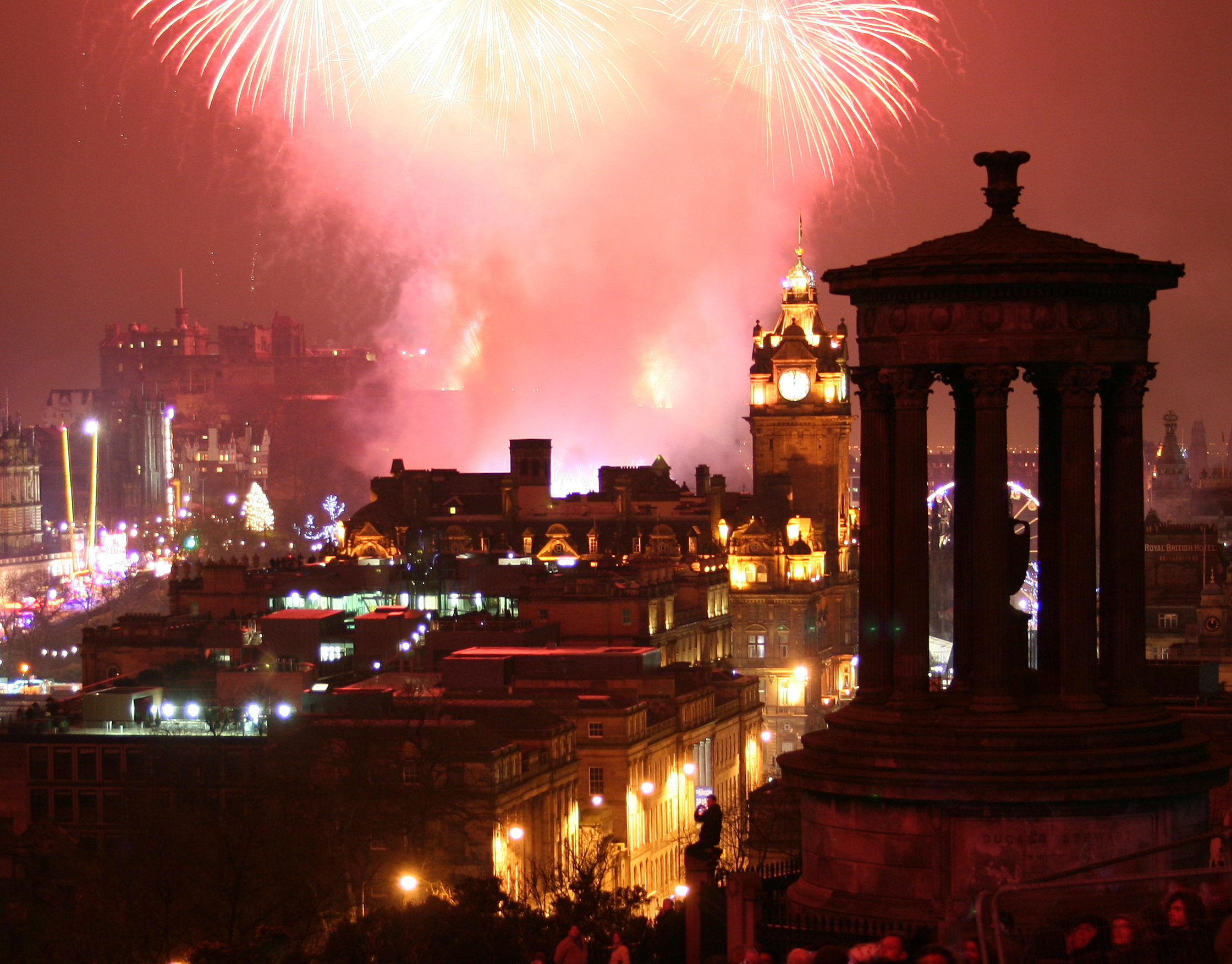
Winter has a way of sharpening light, turning every glow into something almost sacred. Across the world, cities and small towns answer the long nights with festivals that wash buildings, rivers, and trees in color. Families bundle up, strangers drift shoulder to shoulder, and familiar streets feel briefly transformed. These celebrations do more than decorate a season; they carry stories of faith, resilience, and comfort, reminding communities that warmth can be shared long after the sun slips behind the horizon.
Fête des Lumières, Lyon, France
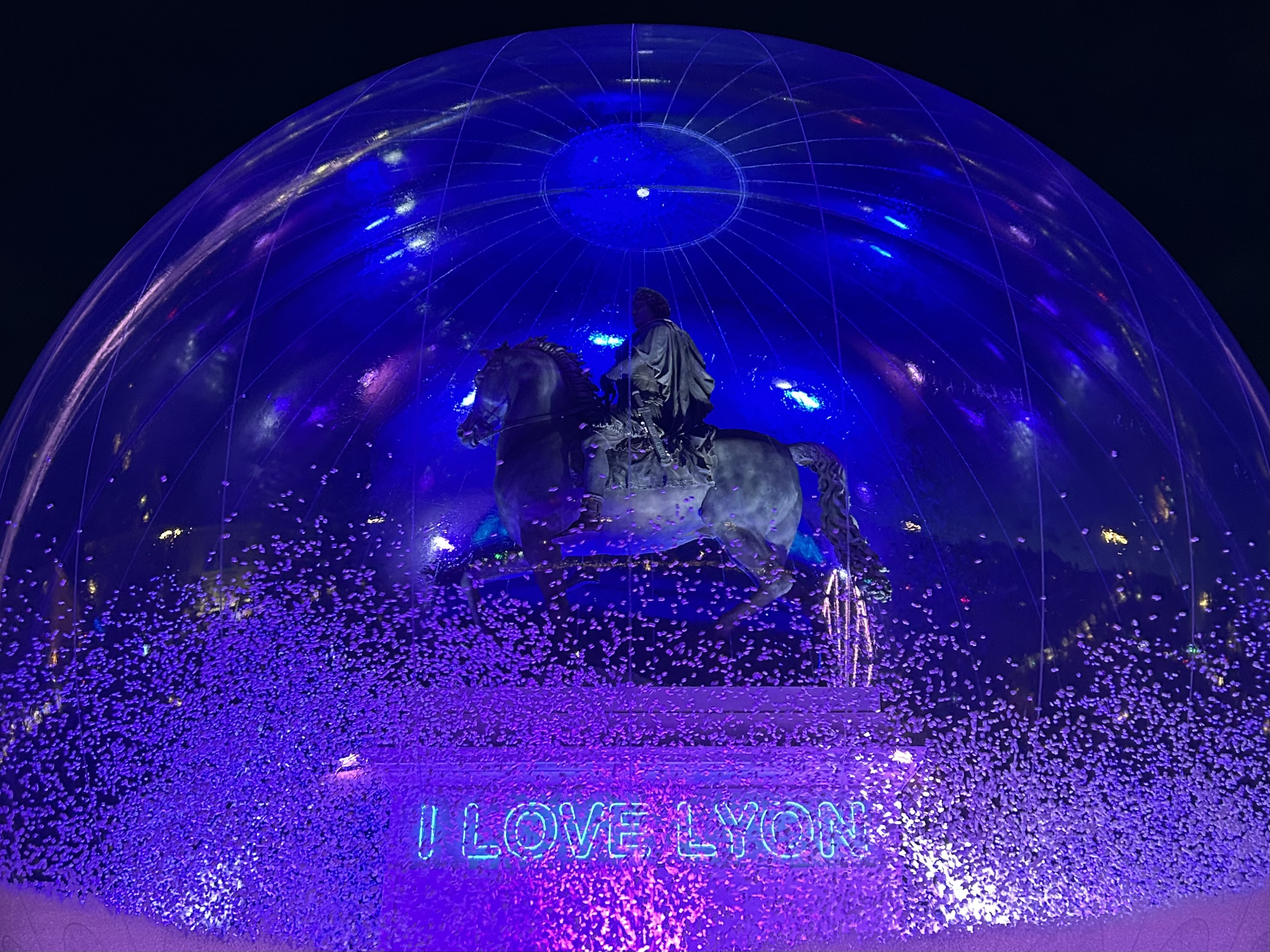
In early December, Lyon shifts from an already luminous city into something far more theatrical. Fête des Lumières started with simple candles in windows and has grown into a four night citywide art project. Projections ripple across stone façades, turning churches and townhouses into animated murals. Riverbanks glow, side streets feel like secret corridors, and crowds move slowly with paper lanterns and hot drinks in hand. At its core, the festival still feels intimate, like a thank you offered in light rather than words.
Amsterdam Light Festival, Netherlands
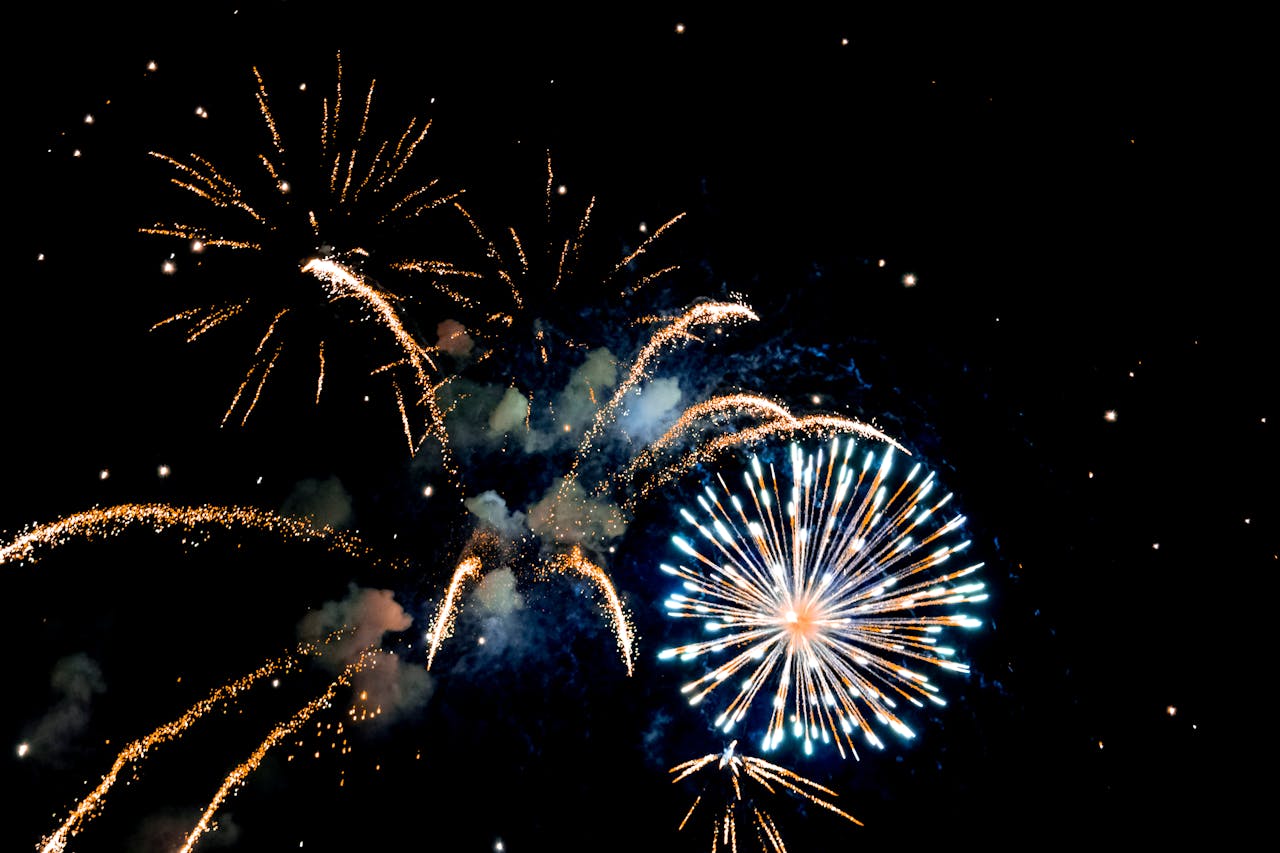
Amsterdam Light Festival leans into the quiet of long winter evenings and uses it as a backdrop for experimentation. Sculptures hover above the canals, bridges are traced with slow pulses of color, and historic warehouses become screens for moving images. People float past on boats or walk along the water, watching familiar streets rearrange themselves in reflections. The atmosphere is calm rather than loud, more night walk than party. It shows how a city that already lives close to the water can reinvent that relationship with a few well placed beams of light.
Winter Lights Festival, Reykjavík, Iceland
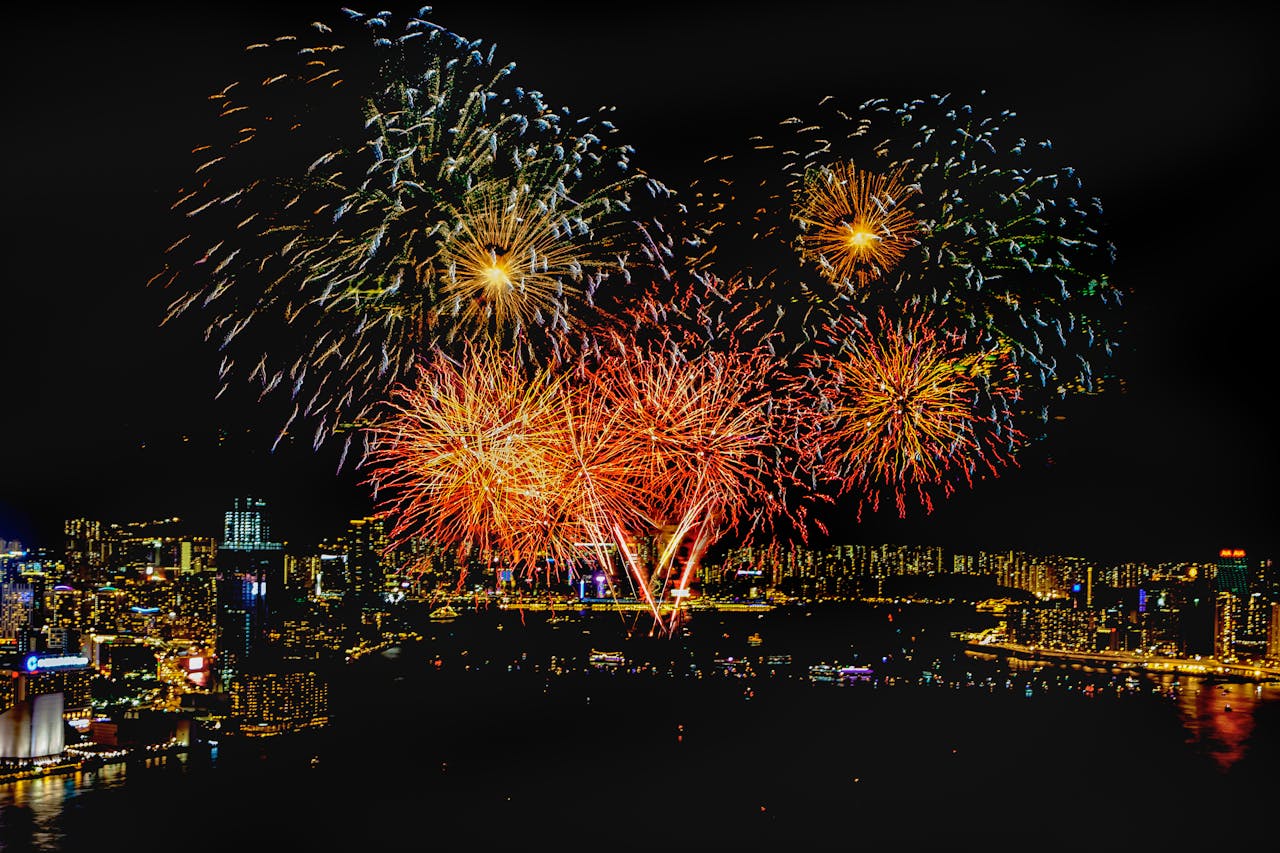
Reykjavík’s Winter Lights Festival hits just as people start craving a shift from pure darkness to something with more texture. The city uses its natural drama as a stage: snowbanks, harbor water, and rising steam from geothermal pools all catch the glow. Cultural institutions stay open late, so galleries, museums, and public baths feel connected by color and sound. Installations might stretch across building walls, spill into parks, or quietly shimmer by the sea. It is less about escaping winter and more about proving that even near the Arctic Circle, night can feel inviting when the community claims it together.
Luci d’Artista, Salerno, Italy
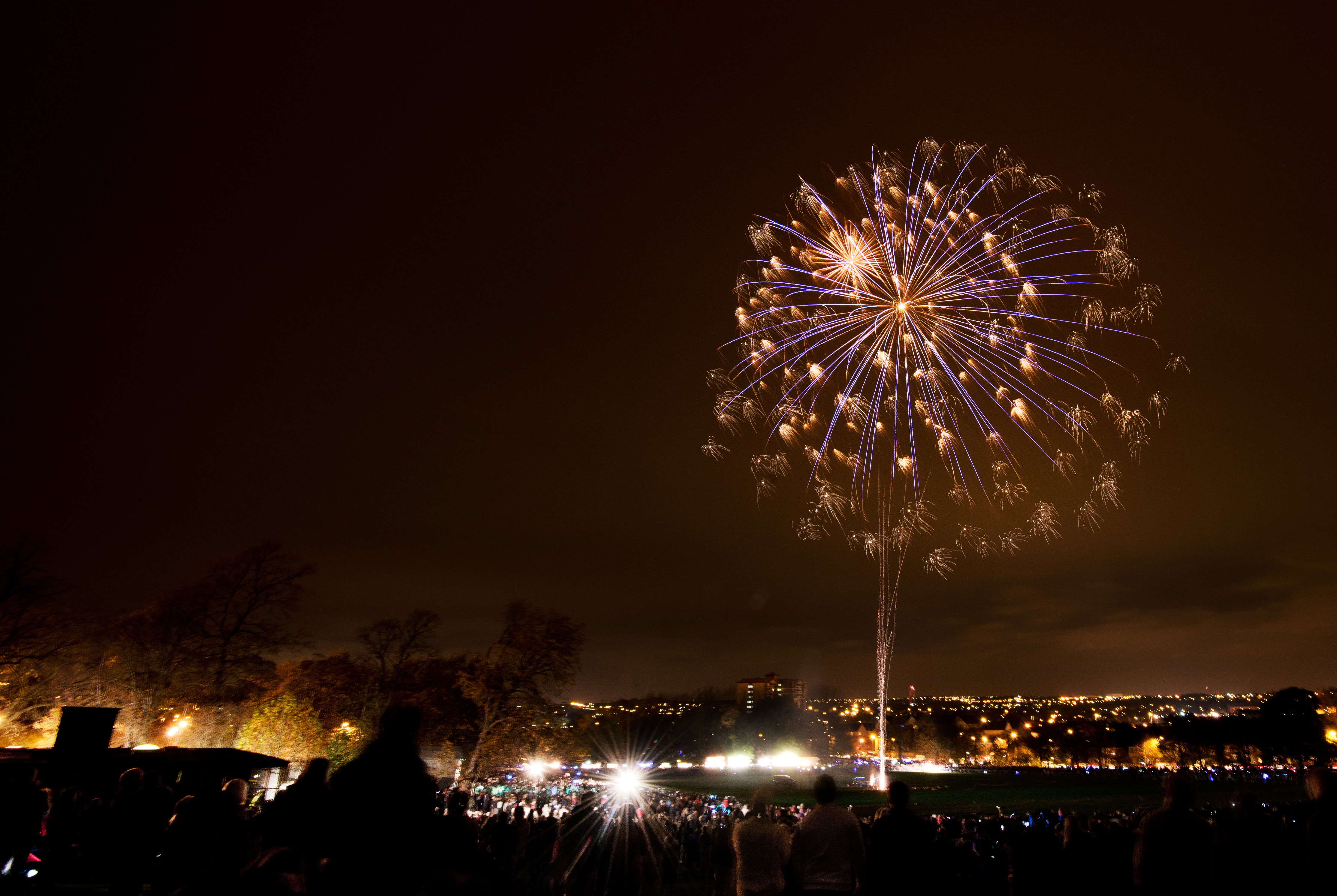
Luci d’Artista in Salerno treats light as both decoration and storytelling tool. Each season comes with a theme, so one year the streets might be filled with giant marine creatures, while another leans into galaxies, forests, or fairy tales. The seaside promenade, city parks, and narrow alleys all get pulled into the narrative. Families, couples, and groups of friends move along the planned routes, stopping for pastries or late dinners as they go. Because the installations stay up for weeks, the festival seeps into everyday life, turning a simple walk home into something quietly theatrical.
Nabana no Sato Winter Illumination, Mie, Japan
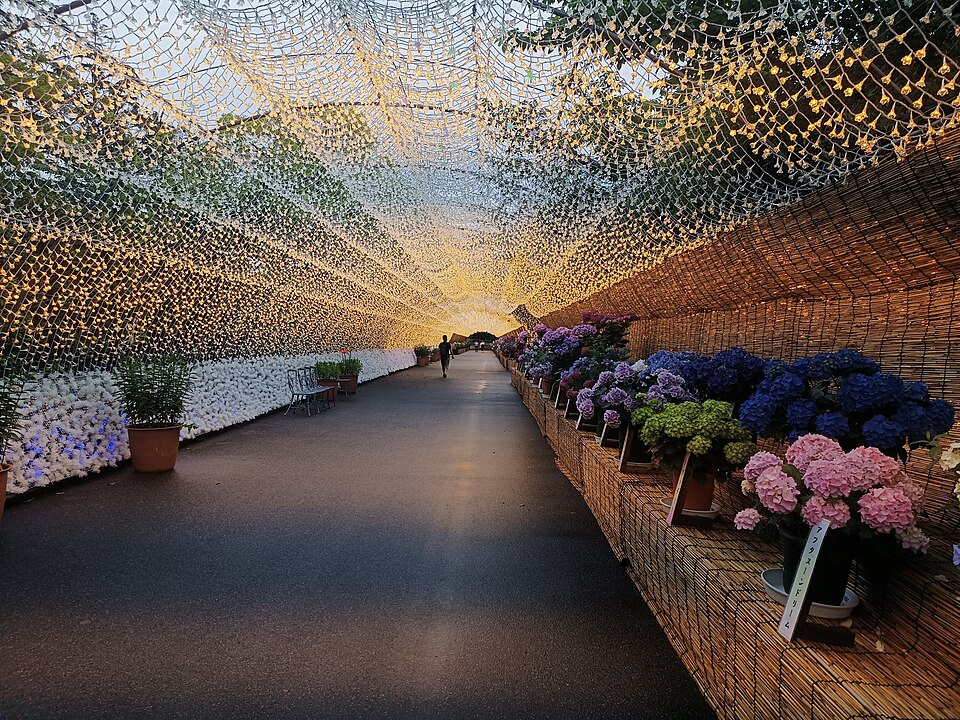
Nabana no Sato takes the idea of a winter illumination and scales it with almost obsessive care. The flower park spends months preparing tunnels of warm light, sweeping arcs over ponds, and massive scenes that often recreate mountains, oceans, or seasonal landscapes. Visitors move at an unhurried pace, letting their eyes adjust as colors shift around them. Reflections in the water double everything, so the experience feels both immersive and strangely calm. Despite the huge number of bulbs, the design avoids chaos and leans into rhythm, allowing the night to feel spacious rather than overwhelming.
LUX Helsinki, Finland
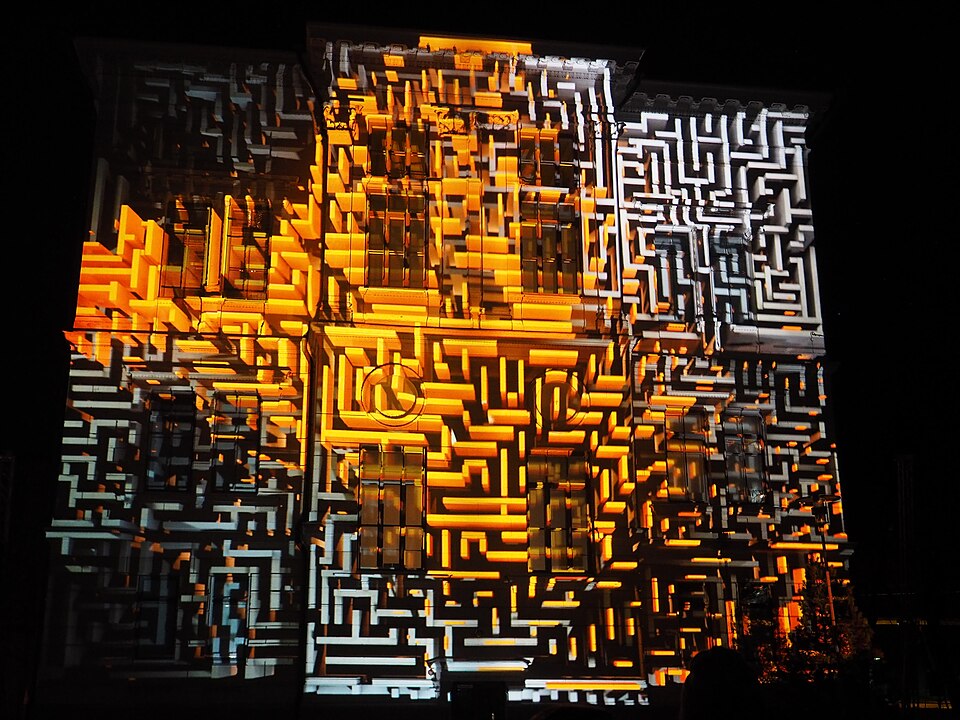
LUX Helsinki arrives in early January, just when the city could easily slide into pure gray. Instead, light installations pop up on church exteriors, office blocks, and tucked away courtyards that residents may usually ignore. Snow piles, icy sidewalks, and low clouds end up helping the work, diffusing color and stretching beams into soft gradients. People pull on boots and head out after work not out of obligation but because the streets temporarily feel like a shared gallery. The festival makes a simple point: even a few hours of visual surprise can reset the way a whole season feels.
Vivid Sydney, Australia
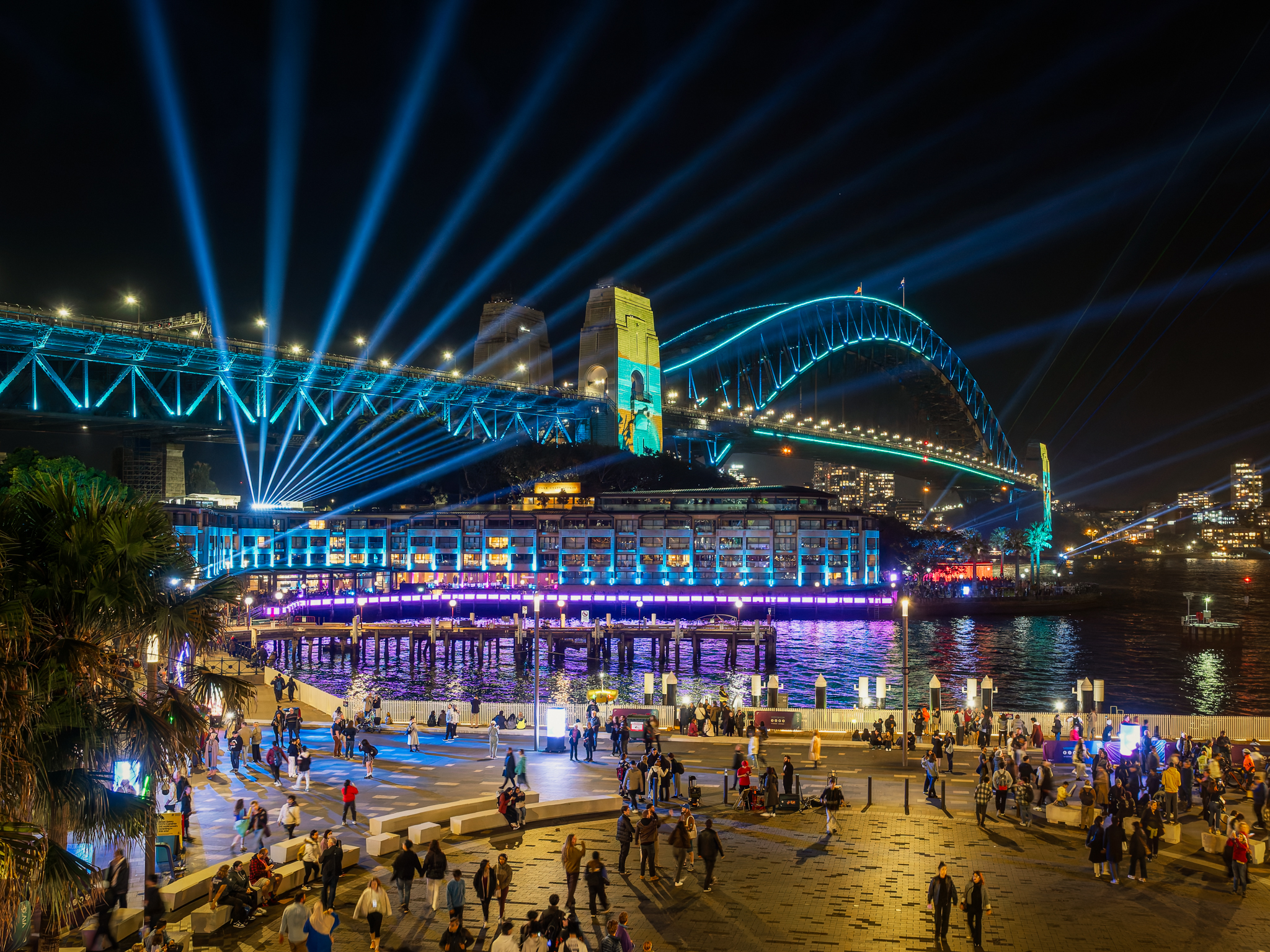
Vivid Sydney lands in the cooler months of the Southern Hemisphere and turns the harbor into a playground for light, sound, and big public ideas. Iconic buildings become canvases for shifting projections, with the Opera House often acting as the headline piece. Installations line promenades and piers, inviting visitors to touch, listen, or move through them instead of only standing back. Ferries cross water thick with reflections, so everything feels doubled. The mood sits somewhere between winter festival and open air conference, showing how a city can mix spectacle with conversation and still feel relaxed.
Berlin Festival of Lights, Germany

Berlin’s Festival of Lights leans hard into the city’s layered personality. Government buildings, museums, churches, and plazas carry projections that might reference history, street art, or pure abstraction. Some pieces are loud and kinetic, others are almost meditative. People drift from site to site on foot or by tram, often stumbling into smaller neighborhood works that feel more personal than the big landmarks. Because Berlin has been rebuilt and reimagined many times, the temporary nature of light suits it. For a few nights, the city gets to wear a different skin without hiding what lies underneath.
GLOW Eindhoven, Netherlands
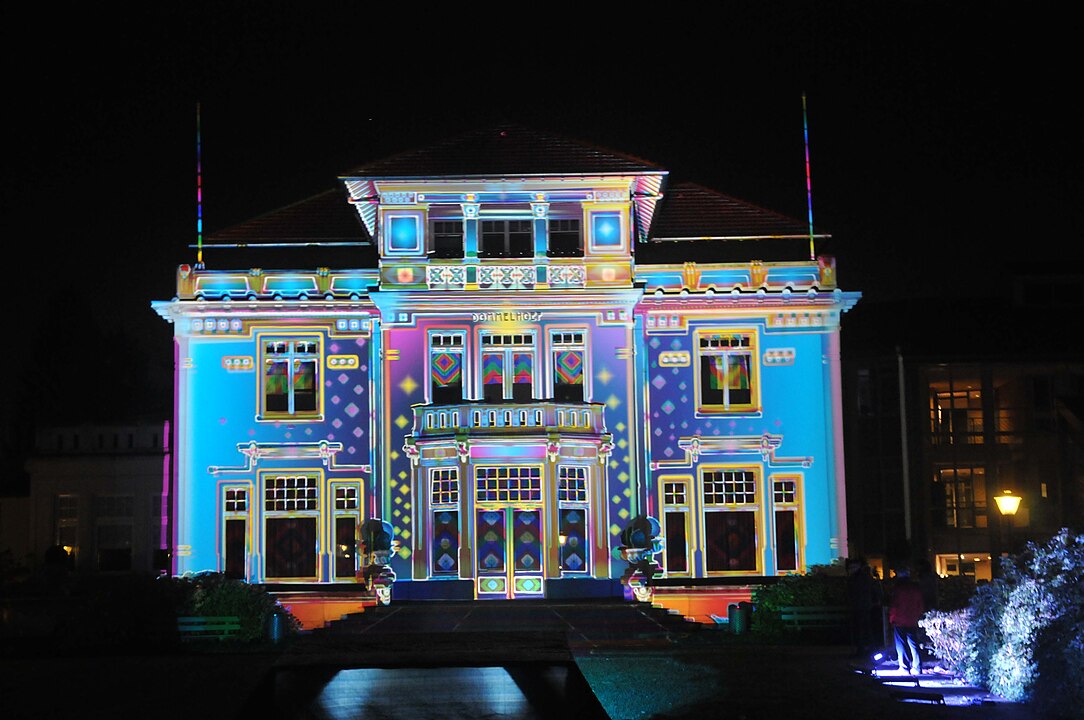
In Eindhoven, GLOW feels almost like a dialogue between the city’s industrial past and its design focused present. Light artworks wind through churches, underpasses, university spaces, and public squares, often using technology that nods to the region’s history of electronics and engineering. Some installations react to sound or movement, others rely on data or subtle optical tricks. Locals treat the festival as an excuse to walk and talk, wrapping long conversations around the route. The experience is not just about being impressed; it is about seeing familiar structures through a slightly altered lens, if only for an evening.
Kobe Luminarie, Kobe, Japan
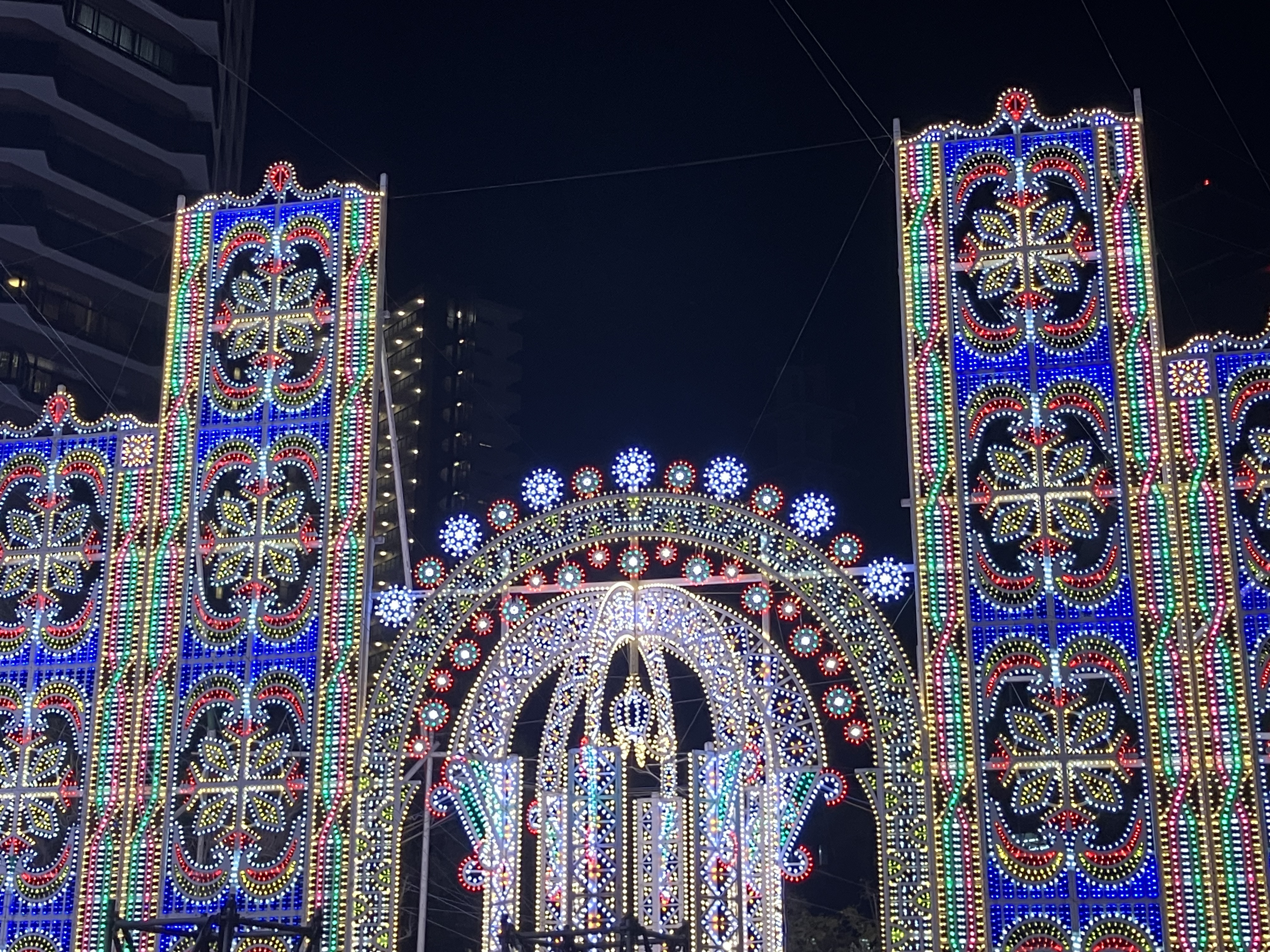
Kobe Luminarie carries more emotional weight than many winter light events. It was created to honor those lost in the 1995 earthquake and to mark the city’s recovery, and that origin is still felt. Elaborate arches and vaulted corridors made of thousands of small bulbs line selected streets, forming a kind of temporary cathedral of light. Crowds move through at a slow, almost respectful pace, with the buzz of food stalls and local vendors waiting just outside the brightest zones. The blend of remembrance and everyday life makes the glow feel like a promise that the city will keep going.