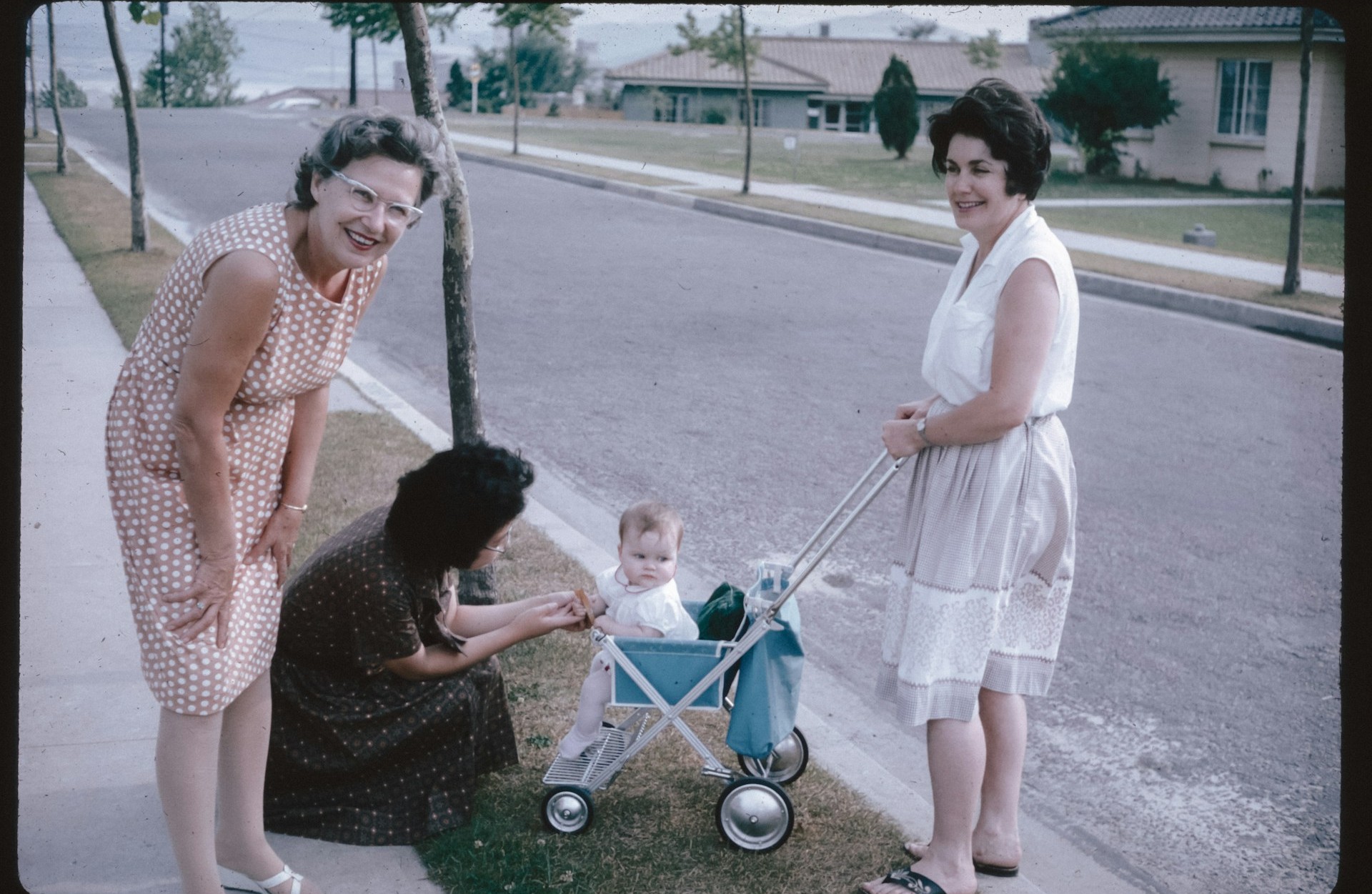
Parenting advice rarely starts with bad intent. It usually arrives as a trusted hand-me-down, repeated at family tables, in waiting rooms, and across generations until it feels unquestionable. Many vintage tips were shared with real care, and families followed them because they wanted calm homes and healthy children.
Then evidence got sharper. Pediatric research, injury tracking, and public-health guidance tested those routines in the real world and found safer paths. The heart of parenting did not change. The information did, and good caregivers adjusted. That shift is why old certainty can look very different through a modern safety lens.
Babies Should Sleep on Their Backs

For decades, many caregivers were told babies slept better on their stomachs. The advice sounded practical because some infants seemed less fussy that way, and the recommendation appeared in mainstream parenting guidance, so families treated it as responsible care.
Current guidance is direct: place babies on their backs for every sleep, day and night, on a firm surface without loose bedding. Safe-sleep programs tied this shift to meaningful improvements in infant sleep safety, and this standard applies broadly, including infants born preterm or with reflux, through the first year. This includes daytime naps too.
Cereal in Bottles Is Not a Sleep Solution
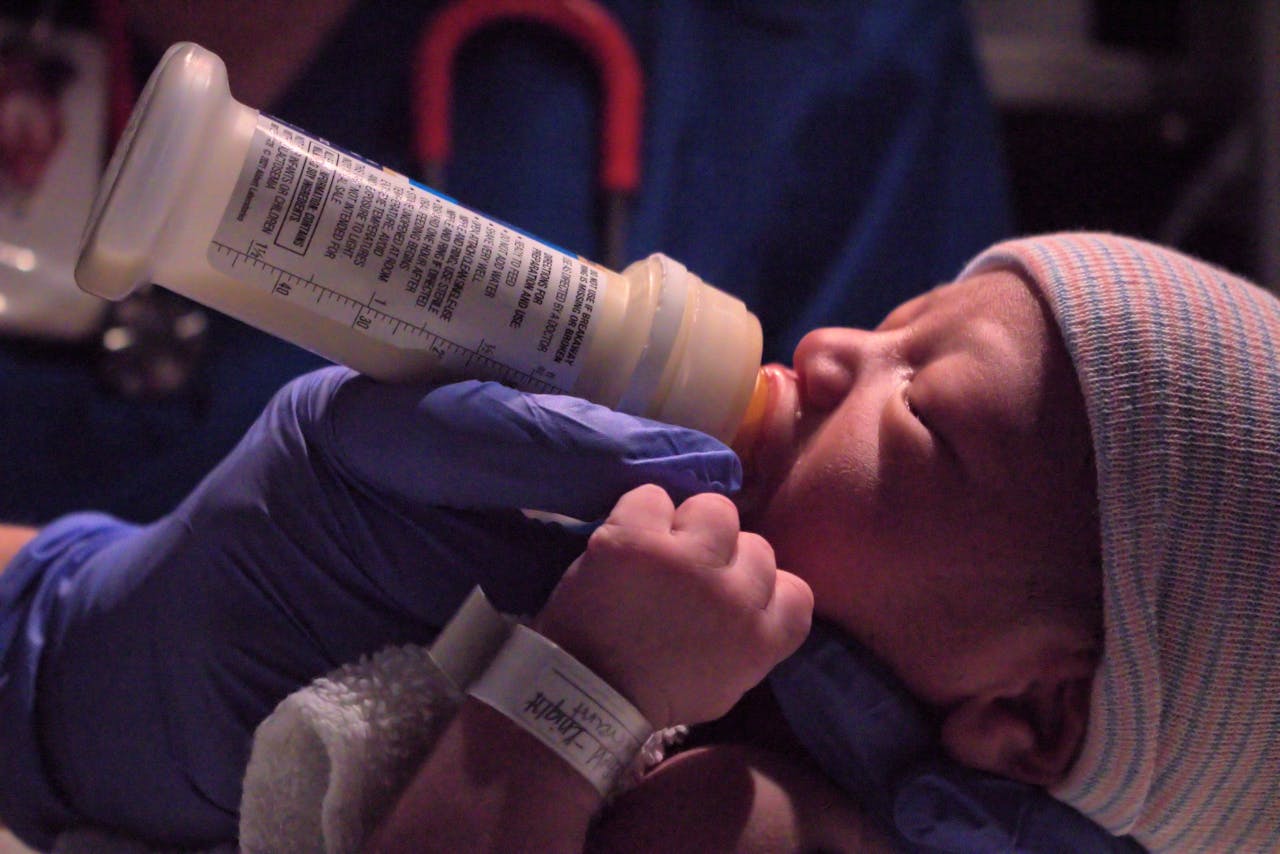
Adding cereal to a bottle once sounded like a smart way to stretch nighttime sleep. Exhausted parents heard it from relatives, neighbors, and older guides, and it spread as practical wisdom rather than a feeding choice that needed medical context.
Pediatric guidance now advises against cereal in bottles as a sleep fix. It can increase gagging or inhalation risk and may push intake beyond hunger cues. Current recommendations generally start solids around 6 months, while milk feeding remains central before then unless a clinician advises otherwise for a specific medical reason. Readiness cues still matter.
No Honey Before Age 1

In many older homes, a little honey was treated as a gentle comfort for fussiness. Because it was natural and familiar, families often assumed a tiny amount was harmless, especially when they were trying to soothe a baby during a difficult day or night.
Modern guidance sets a clear boundary: no honey before age 1. Public-health sources note that infants can become seriously ill from botulism spores that older children and adults usually tolerate. The practical rule is simple and consistent during the first year, including honey in foods, drinks, or pacifiers, even in very small amounts, always.
Fast Teething Fixes Can Backfire

Older teething advice often promised quick relief through numbing gels, alcohol rubs, or specialty tablets. These remedies stayed popular because they seemed to work fast in the moment, especially when families were worn down by broken sleep and persistent crying.
Safety reviews changed that confidence. FDA guidance warns against benzocaine or lidocaine products for infants, and pediatric recommendations favor safer basics like chilled teething rings and gentle gum massage. The shift is not about doing less. It is about choosing comfort tools with clearer safety margins for very young children.
Open Windows Do Not Cancel Smoke Exposure

A long-standing belief said smoking near children was manageable if a window was open or a fan was running. That idea made partial ventilation feel like protection, so many homes treated exposure as a nuisance issue rather than a health issue.
Current public-health guidance is blunt: there is no safe level of secondhand smoke exposure, even brief exposure. For children, the practical takeaway is straightforward. Keeping homes and cars smoke-free is not a style choice or a moral test. It is a basic prevention step tied to better respiratory health and fewer avoidable flare-ups over time indoors.
Every Ride Needs Proper Child Restraint

Older family stories often include children riding unbelted for short trips or moving to the front seat early. Those habits felt ordinary when roads were familiar and errands were brief, and many adults underestimated how quickly routine drives could turn serious.
Crash evidence reset the norm. NHTSA reports that correctly used child restraints sharply reduce severe crash harm for infants and young children, and CDC guidance says children should stay properly buckled in back seat until age 13. Modern safety culture now treats every ride as a restraint-required ride, including quick drives close to home.
Discipline Has Shifted Away From Fear

Spanking and public shaming were once framed as signs of firm parenting. In many households, quick silence was mistaken for learning, so harsh correction looked effective from the outside even when children were absorbing fear, not self-control.
The pediatric consensus has moved. AAP policy states that corporal punishment, yelling, and shaming are ineffective long term and are linked to worse behavioral outcomes. Current guidance supports calm limits, predictable consequences, and relationship-based discipline that teaches skills while preserving trust. It asks adults to stay firm without intimidation.