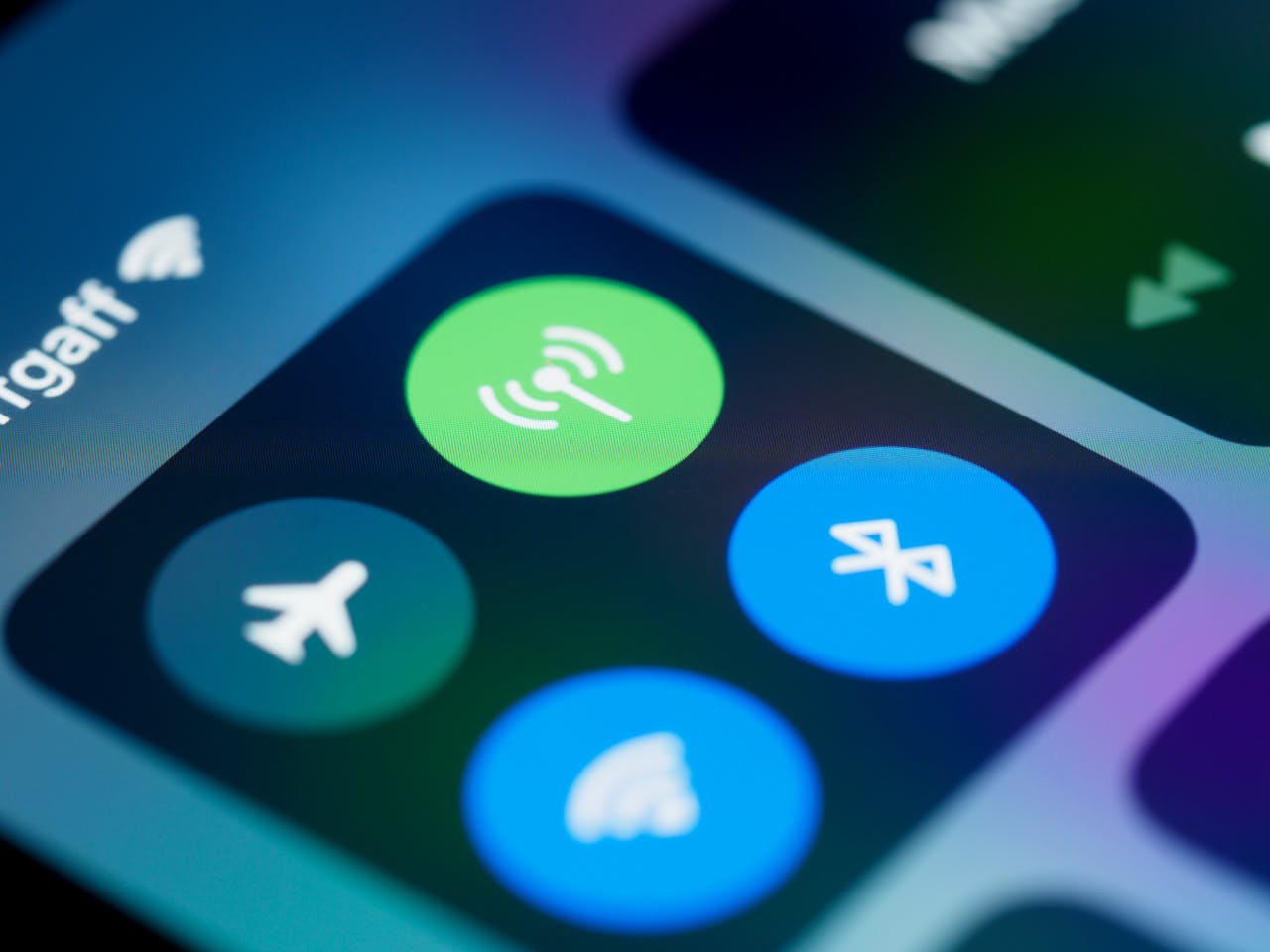
Crowded stations, packed cafés, and airport gates make free Wi Fi feel harmless, almost like a public utility that belongs to everyone. Yet security teams keep seeing the same pattern: hurried logins, lookalike network names, and sensitive tasks done on connections no one truly verifies. In cities with nonstop movement, risk is less about panic and more about small habits repeated hundreds of times a day. These seven urban hubs show how convenience can quietly become exposure when attention drops for a minute. Most phone compromises begin as ordinary moments, not dramatic scenes, so they are easy to miss in real time.
New York City
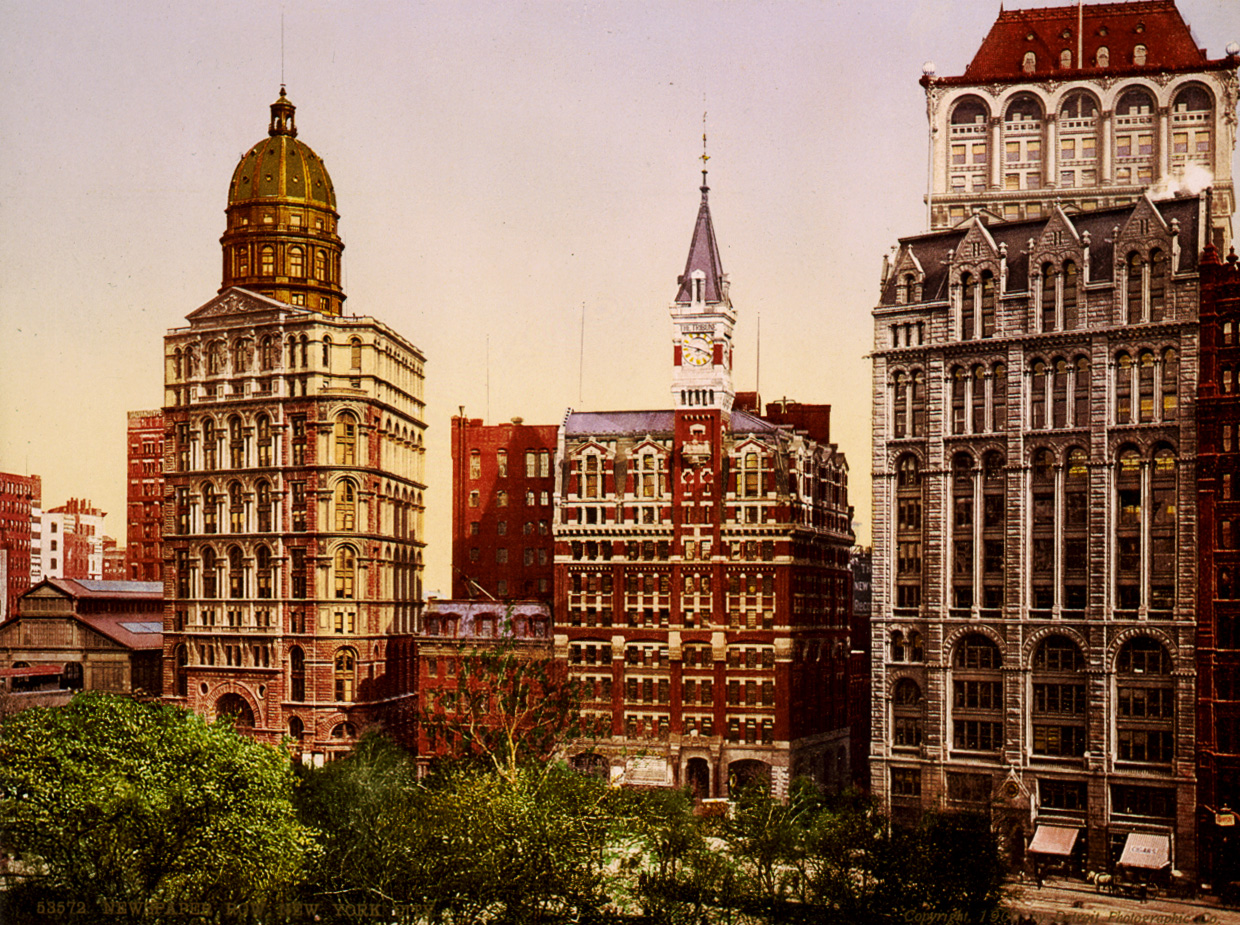
New York keeps phones online all day, from curbside kiosks to crowded platforms and café counters where people handle work between stops. That reconnect cycle creates a blind spot. A fake hotspot with a familiar name can sit in plain sight because many people tap quickly, assuming it is trusted.
City density magnifies tiny mistakes. A rushed login on an open signal, a password reset while waiting for a train, or auto join left enabled after a commute can leak more than expected. Risk in New York is rarely one dramatic breach. It is the accumulation of hurried moments, where speed wins and verification fades each day.
Los Angeles

Los Angeles runs on long transitions: airport gates, rideshare curbs, studio lots, and coffee stops between meetings. Phones reconnect again and again across those jumps, and that routine can hide risk. When a copied network name appears at the wrong moment, fatigue often does the convincing.
The city’s scale adds a problem: people rarely stay in one trusted environment for long, so network memory becomes unreliable. A careless tap during a boarding call or while uploading travel documents can expose session data before anyone notices. In Los Angeles, safer phone use depends on deliberate pauses, not technical jargon.
Chicago
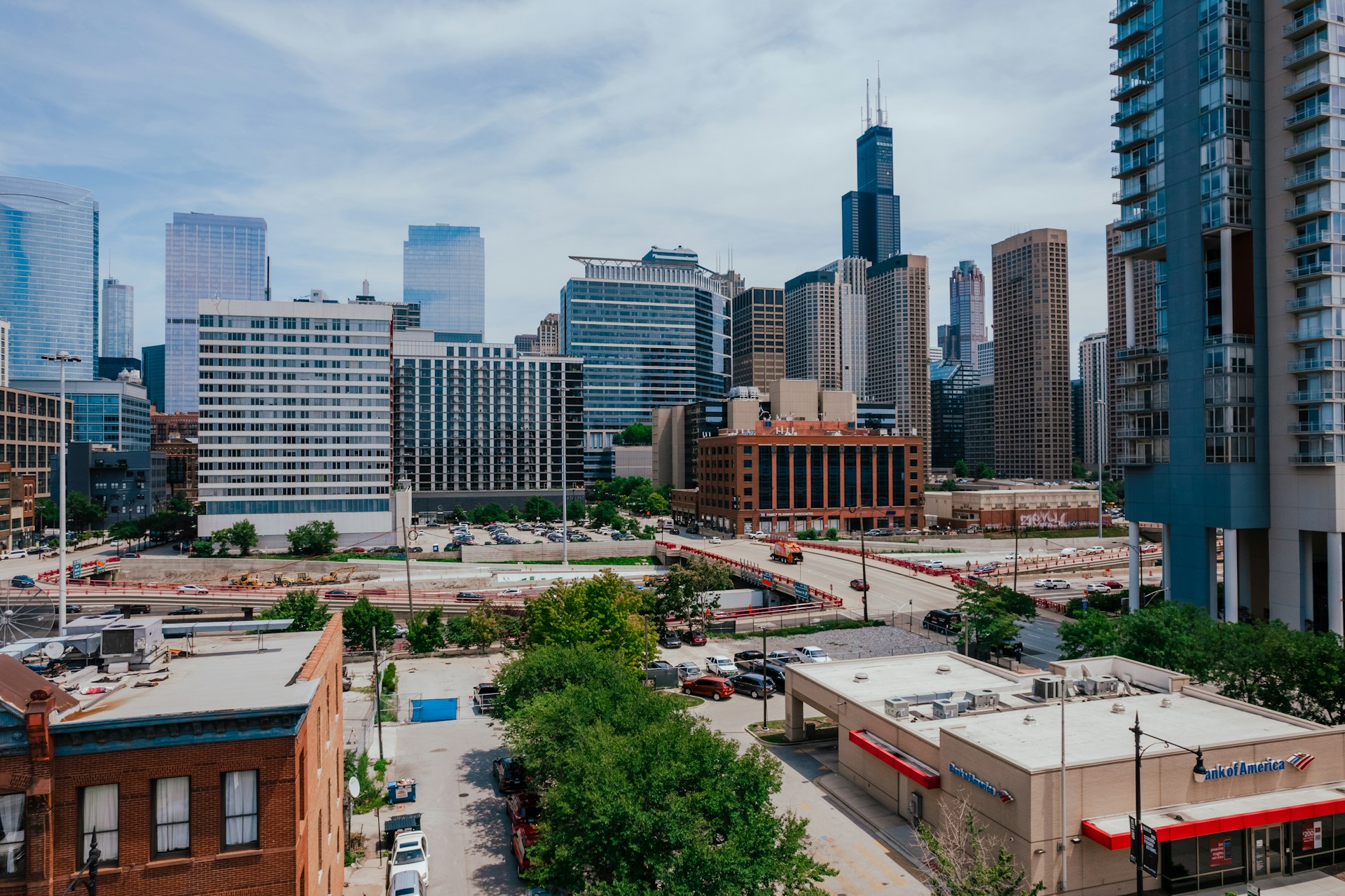
Chicago moves people through stations and terminals at a relentless clip, which makes free Wi Fi feel like a basic travel tool. That convenience is real, but crowds also make imitation easier. A lookalike network name can blend into the noise when travelers watch departure boards, not security details.
Most phone exposure in Chicago starts with ordinary choices: signing into accounts on open access, reusing passwords, or approving prompts without reading the screen. The danger is often quiet at first, then costly in time and recovery. In a city built around motion, a 10-second network check can prevent weeks of cleanup.
Miami
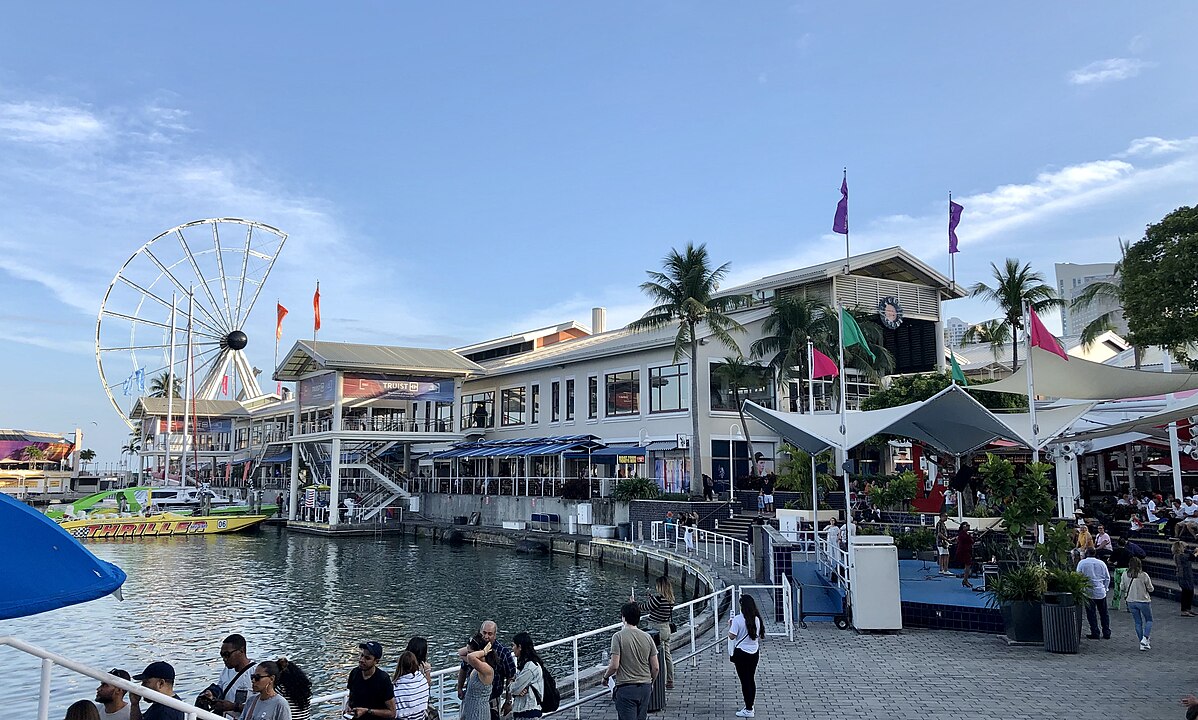
Miami blends tourism, business travel, nightlife, and cruise traffic, so public networks see constant turnover from unfamiliar devices. That churn creates a trust gap. Visitors often connect quickly to sort rides, tickets, and hotel details, and fake access points exploit exactly that urgency.
The risk profile here is practical, not dramatic. A copied hotspot near a busy corridor can harvest credentials from people who assume any signal with a familiar label is legitimate. In Miami, safer behavior is routine: verify the exact network name, avoid sensitive logins on open Wi Fi, and disable auto join after each stop daily.
Seattle
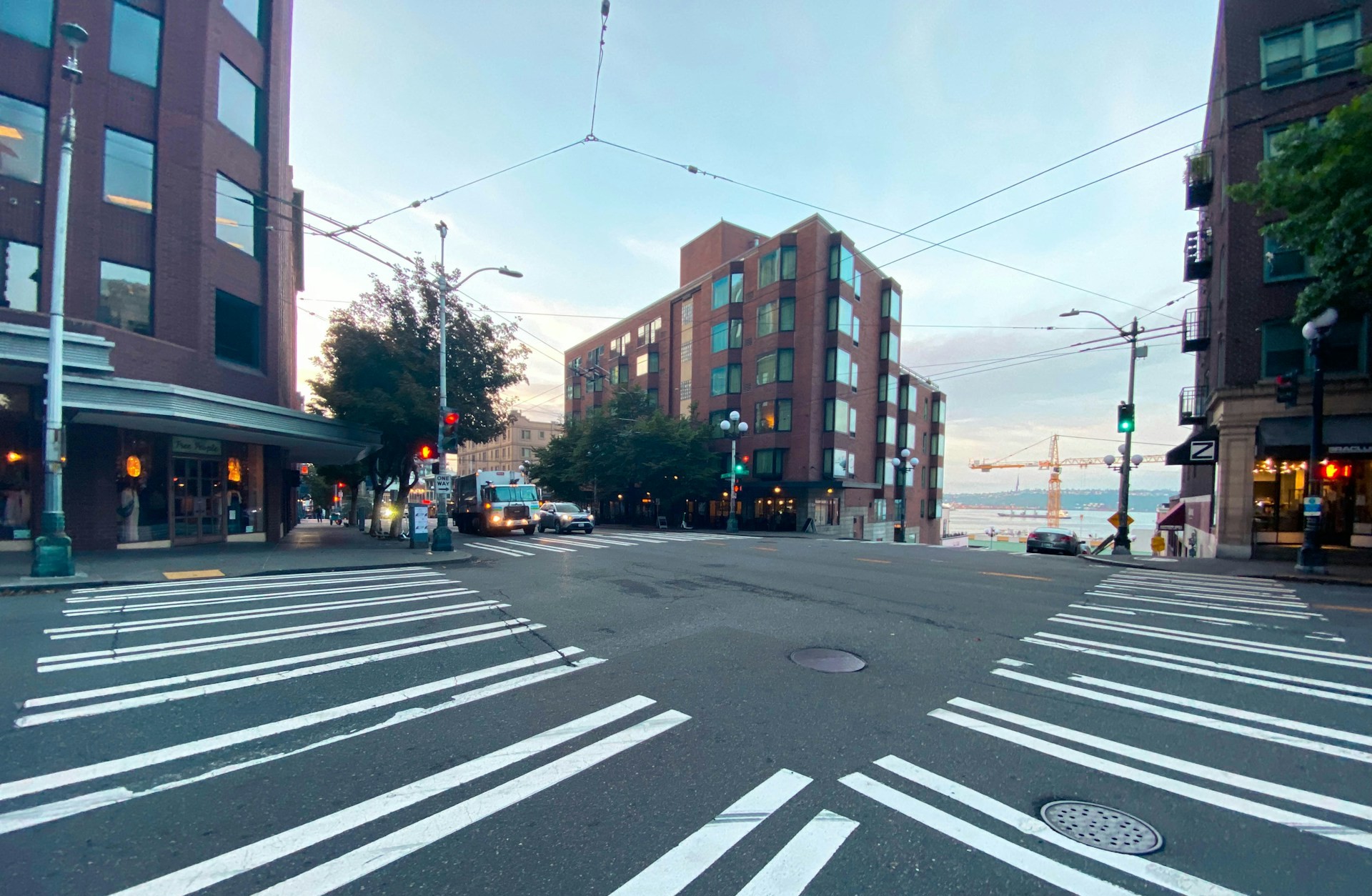
Seattle’s travel corridors are digital from end to end, with mobile passes, quick transfers, and constant app updates. That efficiency helps movement, but it also normalizes split attention. When network prompts appear during delays or gate changes, people may approve first and verify later.
The city’s lesson is clear: uncertainty is where scams thrive. Duplicate network names, unexpected portal screens, and sudden reconnect requests are social engineering triggers. In Seattle, resilience comes from discipline, using public Wi Fi for low-risk browsing while keeping payments and identity tasks on trusted connections daily.
San Francisco
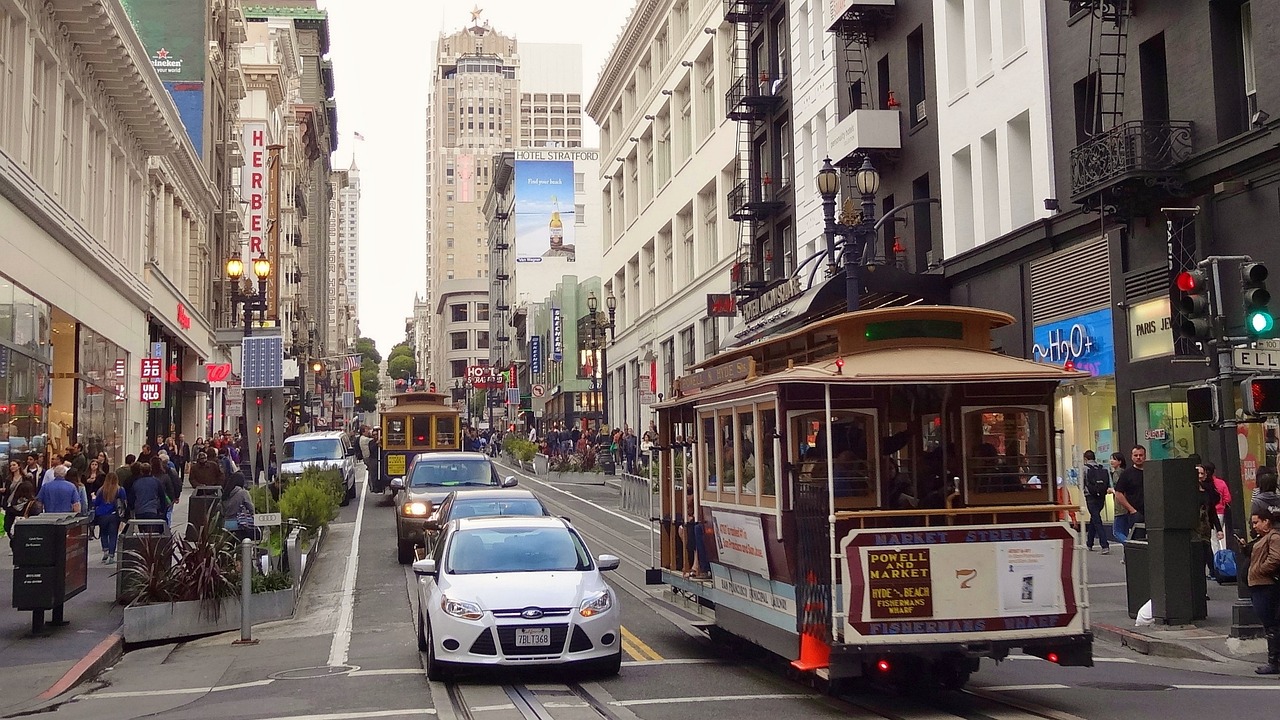
San Francisco mixes business travel, remote work culture and dense transit, so public Wi Fi is part of daily rhythm, not occasional backup. That familiarity can create overconfidence. People who know the basics still tap through prompts while multitasking, assuming they will notice anything suspicious.
The issue is rarely technical ignorance. It is attention drift during routine moments, like uploading files at a gate or resetting a password before boarding. In San Francisco, strong security looks simple: confirm official network names, reject surprise sign-in pages, and move sensitive actions to private data connections.
Denver

Denver is a major connecting hub where passengers jump between concourses, trains, and gate changes with little downtime. Free Wi Fi is useful in that flow, but rush conditions can blur judgment. A network that looks familiar may be a copy designed for quick, distracted taps.
Exposure usually begins with routine behavior, not advanced hacking scenes. Logging into travel wallets, cloud storage, or email on uncertain networks gives attackers opportunities that feel invisible in the moment. In Denver, a brief verification step before connecting often protects more than last-minute cleanup after a compromised session later.