The 1960s felt like standing on a launchpad. Rockets left Earth, computers crept into offices, and televisions glowed in almost every living room. In that mix of Cold War tension and space age optimism, people projected hopes and fears onto every new machine. Some expectations now seem charming, others unsettling, but together they show how a single decade tried to draw a map of the future. Those guesses still echo in how modern societies talk about progress, risk, and control.
Automation Would End Work And Create Pure Leisure

Many thinkers in the 1960s were certain automation would shrink the workweek to almost nothing. Machines would handle dull factory tasks while people explored art, hobbies, study, and long vacations without guilt. Government reports calmly predicted twenty hour weeks by the end of the century and treated the shift as inevitable progress. What this belief missed was how technology can also create new kinds of work, new expectations, and a culture that praises constant productivity more than quiet time and shared rest.
Push Button Homes Would Run Themselves

Promotional films walked viewers through a dreamy house of tomorrow where walls bristled with buttons and every chore vanished on command. A touch on a panel could order dinner, adjust lights, close curtains, and queue up entertainment before guests arrived. The homeowner was recast as a kind of control room operator who barely moved. Real homes did gain smart devices, but they arrived as a messy mix of remotes, apps, passwords, updates, and repairs that still demand energy and patience.
Everyone Expected Flying Cars And Personal Jetpacks
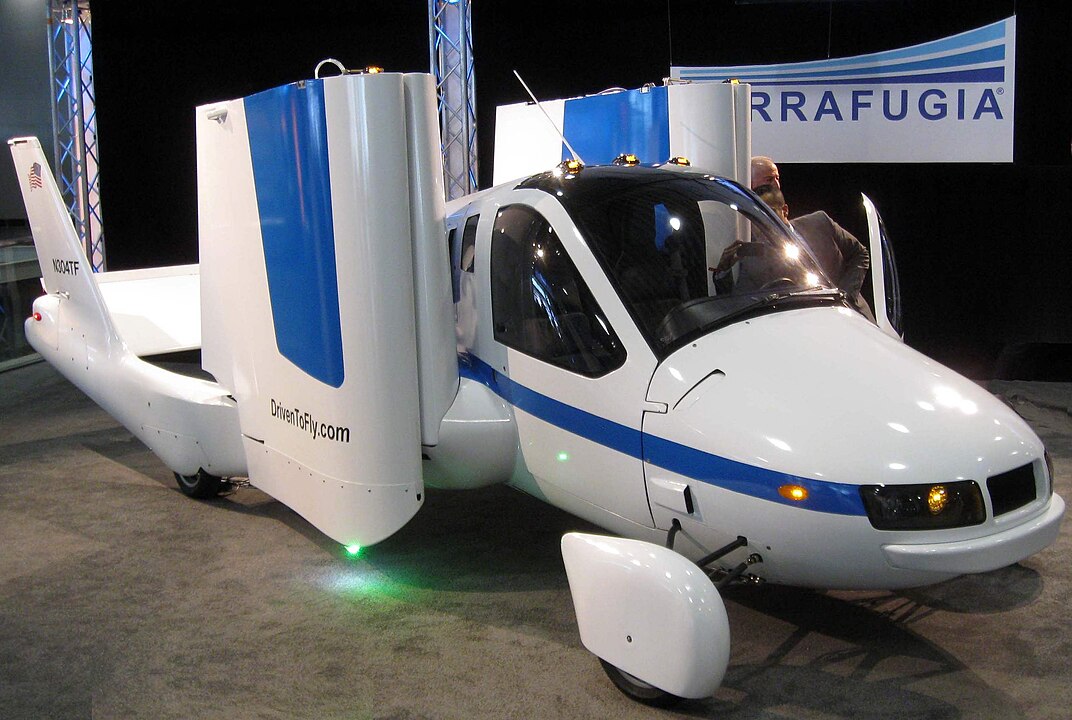
Magazine covers and television specials treated flying cars and jetpacks as almost inevitable by the year 2000. Engineers built dramatic prototypes that roared and blasted off in short test flights while crowds stared upward. Artists filled skies with family vehicles hopping neatly between layers of airborne traffic and gliding over quiet suburbs. Missing from this belief were the practical headaches that came later, like noise, training, fuel, cost, and safety rules in already crowded and nervous urban airspace.
Cities On The Moon Seemed Practically Inevitable
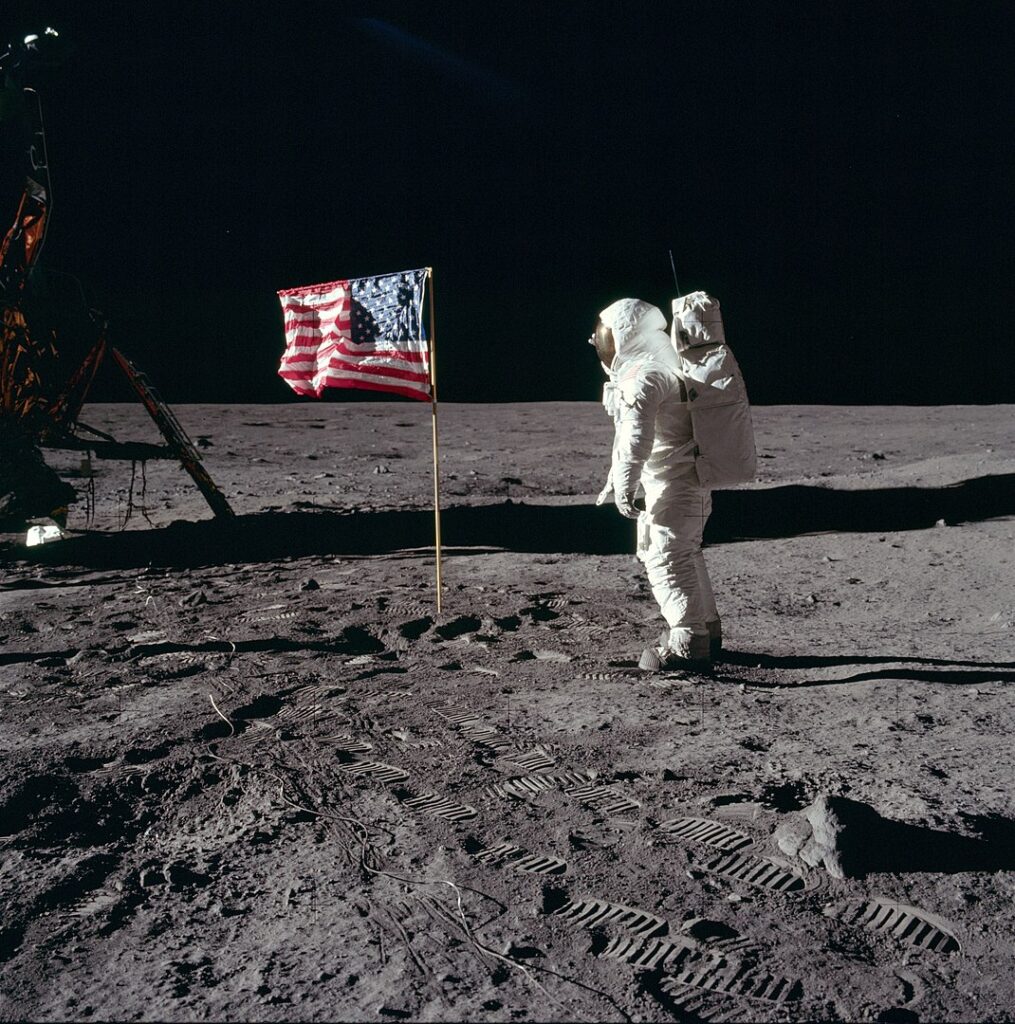
Once rockets reached orbit, many commentators talked about permanent lunar bases as a simple next step. Paintings showed children playing under transparent domes while scientists tended crops in glittering greenhouses and astronauts commuted to laboratories. Some predictions treated weekend trips to the Moon as a natural extension of airline travel and hotel chains. The idea underestimated cost, politics, and fatigue. Budgets tightened, priorities shifted, and those bright lunar cities stayed on book covers and model kits instead of boarding passes.
Computers Were Seen As Giant Utilities Not Personal Tools
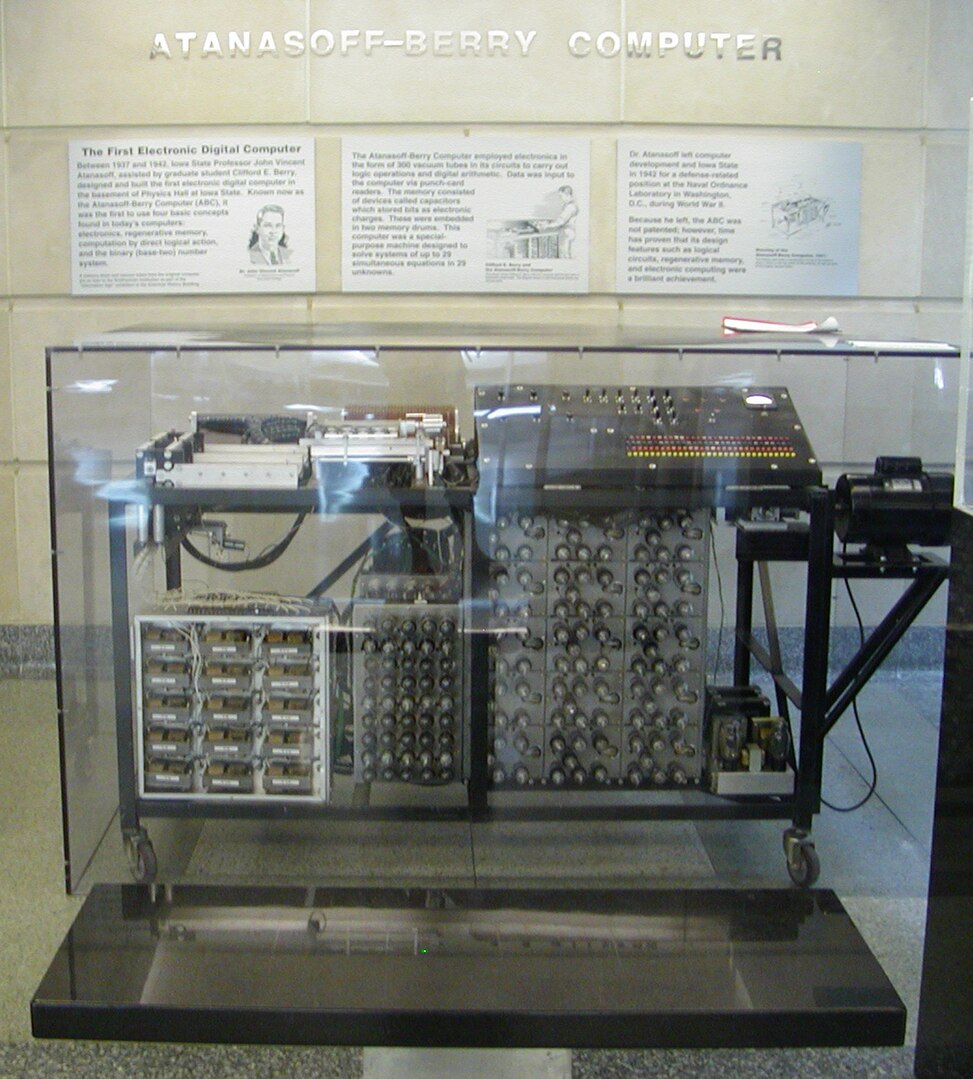
Writers in the 1960s often described computers as huge central brains serving entire regions. A city might be wired into one shared machine that stored records, balanced power grids, routed calls, and answered information requests on demand. Ordinary people were expected to approach this system through terminals in offices, schools, or public booths. Almost no one in that decade pictured a powerful computer in a coat pocket. The leap from room sized hardware to a personal device still felt unreal.
Data Banks Were Trusted As Almost Infallible

As banks and agencies poured records into early mainframes, the phrase data bank carried an aura of authority. Many people assumed that once information lived inside a machine, it became tidy, accurate, and neutral. Bureaucrats could point to printouts as final proof in disputes over credit, taxes, or benefits and feel shielded by the machinery. This belief ignored messy inputs, biased rules, missing context, and simple typing errors. The culture often treated computer output as pure and unquestionable fact.
Television Sets Were Suspected Of Quietly Poisoning Families
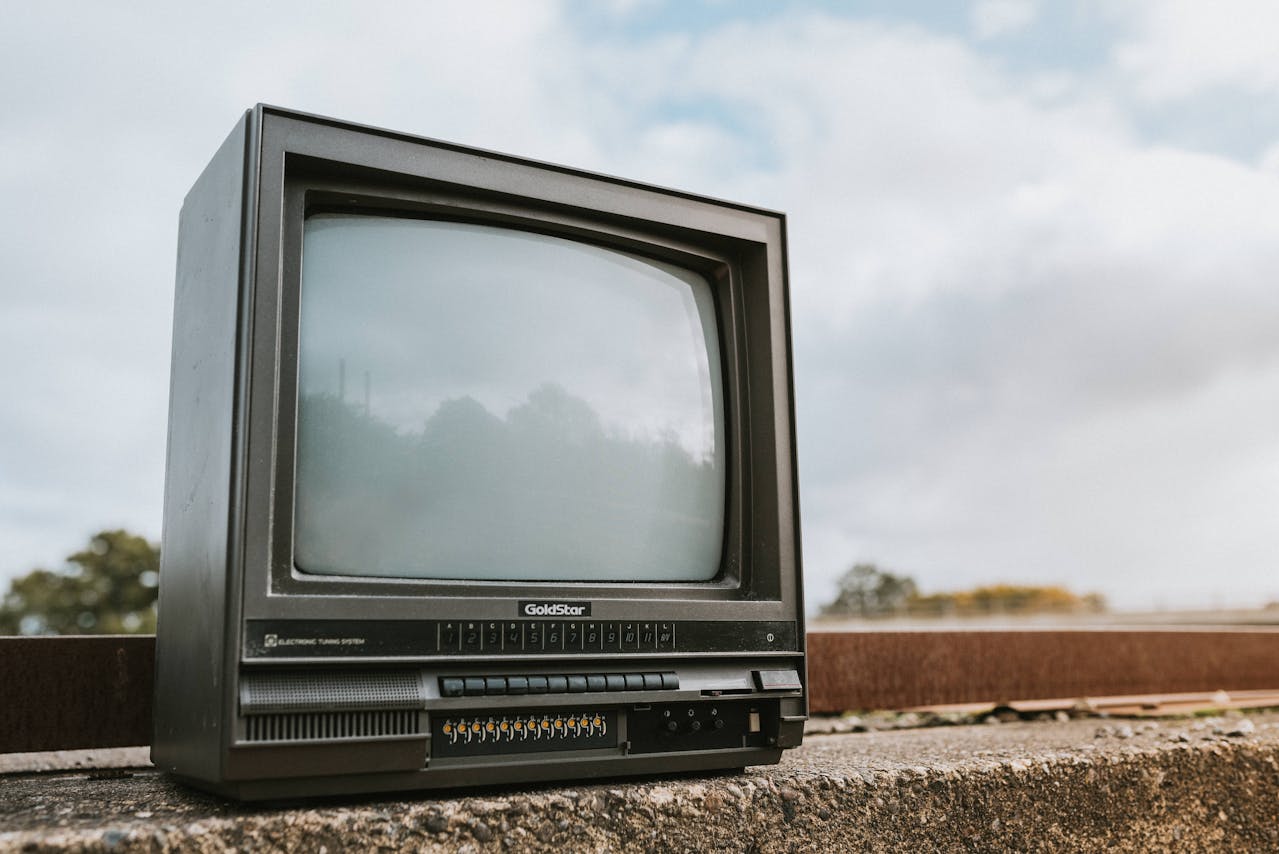
Color televisions arrived just as fears around radiation and household safety were rising. Parents swapped stories about eyes ruined by glowing screens and whispered that sitting too close could harm future children or cause illness. Lawmakers held hearings, and new labels highlighted limits on emissions and safe viewing distances to calm concern. Even when scientific panels offered reassurances, the box in the corner kept a faint reputation as something slightly dangerous. Families negotiated distance, viewing time, and trust around it.
Microwave Ovens Looked Like Tiny Nuclear Experiments
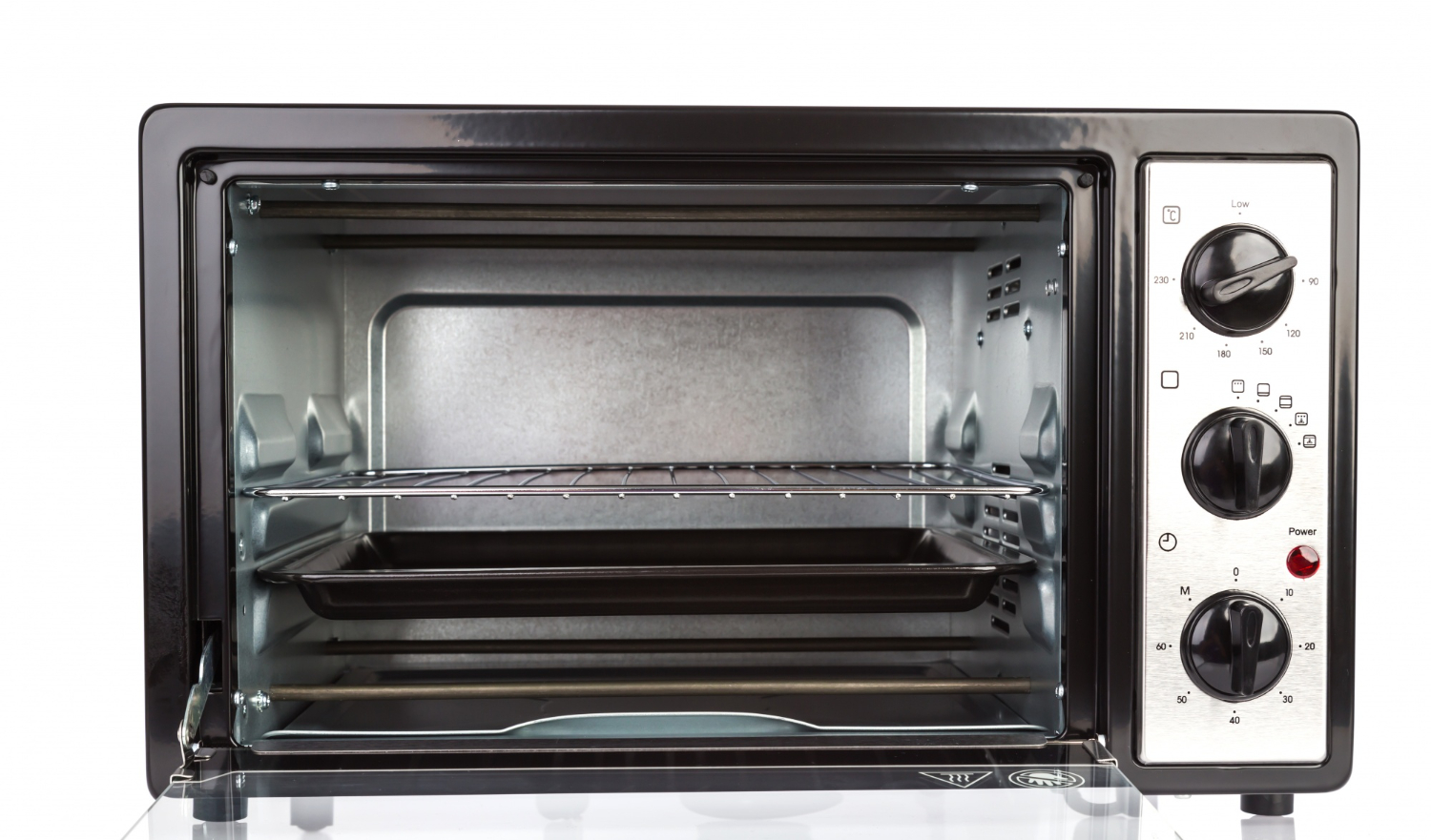
Early microwave ovens seemed mysterious and slightly ominous to many buyers. The strange hum, the heavy door, and talk of invisible waves made some people worry that food inside might become radioactive or unsafe for children. Articles tried to explain that energy and radioactivity were not the same thing, but the nuance often dissolved in casual conversation at work or at school. Over time, low prices, speed, and the pleasure of quick leftovers softened the fear, though a trace of caution lingered.
Teaching Machines Were Supposed To Replace Classrooms
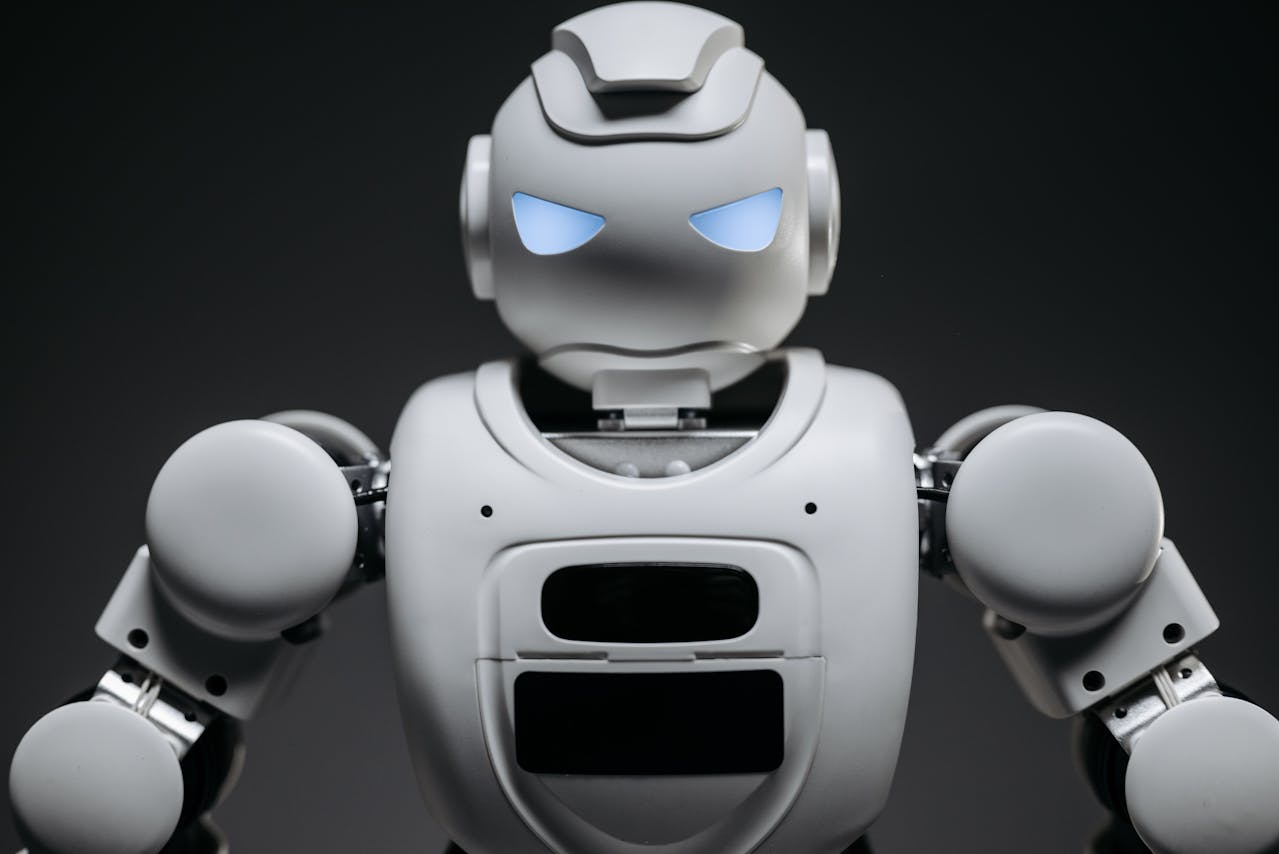
Psychologists and engineers promoted teaching machines as the next evolution of schooling. A student would sit at a console, progress through tiny lesson steps, and receive instant feedback without embarrassment or delay. Supporters promised consistent quality and perfectly paced instruction that no tired teacher could match, especially in crowded schools with limited budgets. They imagined rooms dominated by terminals while human instructors floated as guides on the side. The belief overlooked how much learning depends on relationships, play, and shared energy.
High Tech Was Expected To Erase Social Conflict
Futurists in the 1960s often claimed that advanced technology and rising productivity would naturally cool social tensions. Once machines handled boring work and basic needs were met, they argued, struggles over race, class, and gender would ease or fade into memory. Automation was framed almost like a neutral referee arriving to calm a chaotic game and distribute resources fairly. The same decade, filled with uprisings, assassinations, and war, showed how wishful that reasoning was. Tools shift conditions, not motives.
The Office Of The Future Was Supposed To Kill Paper

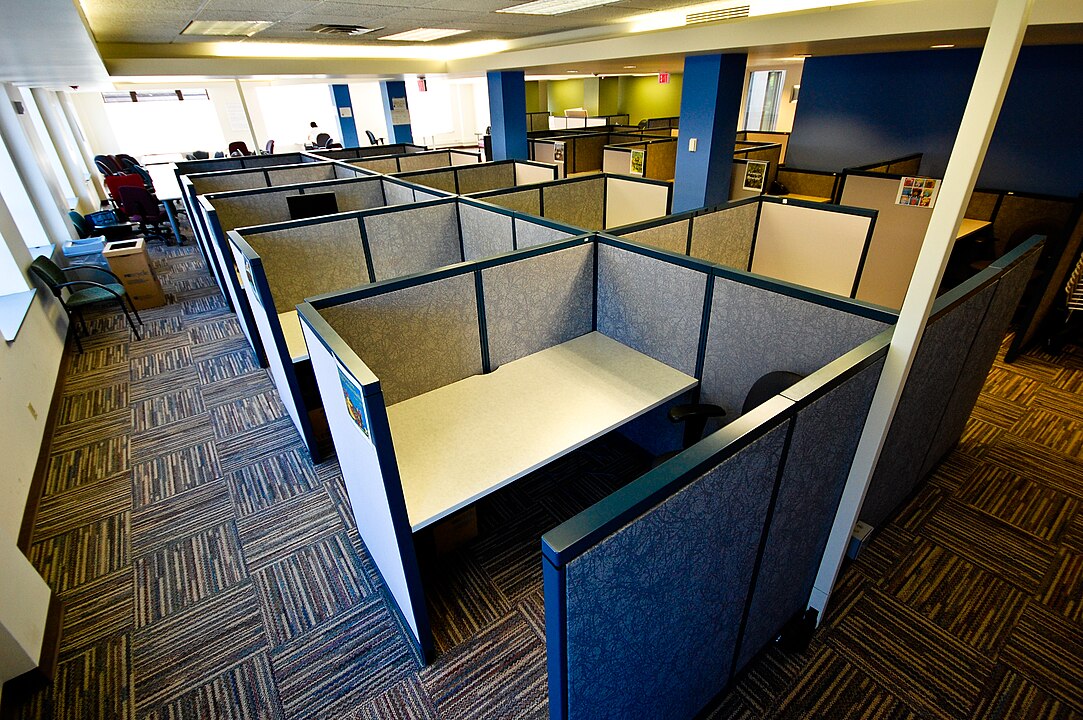
Designers created glossy films of corporate offices where every desk had a sleek terminal and every message flowed on bright video screens. Filing cabinets vanished, memos arrived electronically, and clutter supposedly disappeared beneath logic and planning. Managers spoke confidently about the paperless workplace and imagined huge savings in storage and time as drawers emptied. What happened instead was an explosion of printing, copying, and casual note taking alongside computers. The old comforts of paper proved far more persistent than expected.