The 1970s were a hinge decade for American TV, when network schedules made room for rougher jokes, harder-edged dramas, and experiments that would have felt risky a few years earlier. Alongside the era’s immortals, a quieter class of hits thrived for full seasons, pulled strong ratings, and then slipped into the soft static of reruns and forgotten time slots. Some were built on formats that aged out, like the variety hour. Others were tied to a single star’s chemistry, a tragic real-life turn, or a cast change that broke the spell. Revisiting them now reveals how much craft, charm, and cultural texture can vanish once the spotlight moves on. Even in obscurity, their fingerprints still linger in later television.
Adam-12
Jack Webb’s LAPD universe returned in a leaner key, trading detectives for uniformed patrol rhythms. Veteran officer Pete Malloy, still shaken by the loss of his former partner and flirting with resignation, trains rookie Jim Reed and slowly forges a steady friendship as they move from call to call across Los Angeles, with procedure and professionalism always front and center in a series made with LAPD cooperation. It ran seven seasons and drew solid audiences, yet it is mostly recalled as a template later cop shows quietly borrowed, not a title people still quote the way “Dragnet” did in daily talk still.
Here’s Lucy
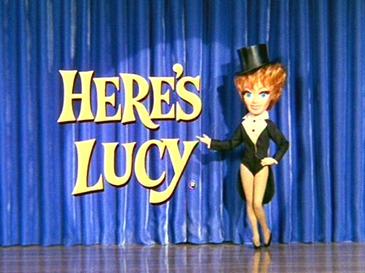
Lucille Ball’s later-era hit reintroduced her as Lucy Hinkley Carter, a widowed Los Angeles mother raising two teenagers, played by Ball’s real-life children, while working at an employment agency and sparring warmly with her brother-in-law, Harry Carter. Running six seasons on CBS from 1968 to 1974, it drew strong audiences into the 1970s, yet it landed in a shadow cast by the untouchable glow of “I Love Lucy” and “The Lucy Show.” Ball closed it to chase a 1974 film comeback and later relied on TV specials, leaving “Here’s Lucy” remembered more as a closing chapter than a defining one in primetime history. too.
The Flip Wilson Show
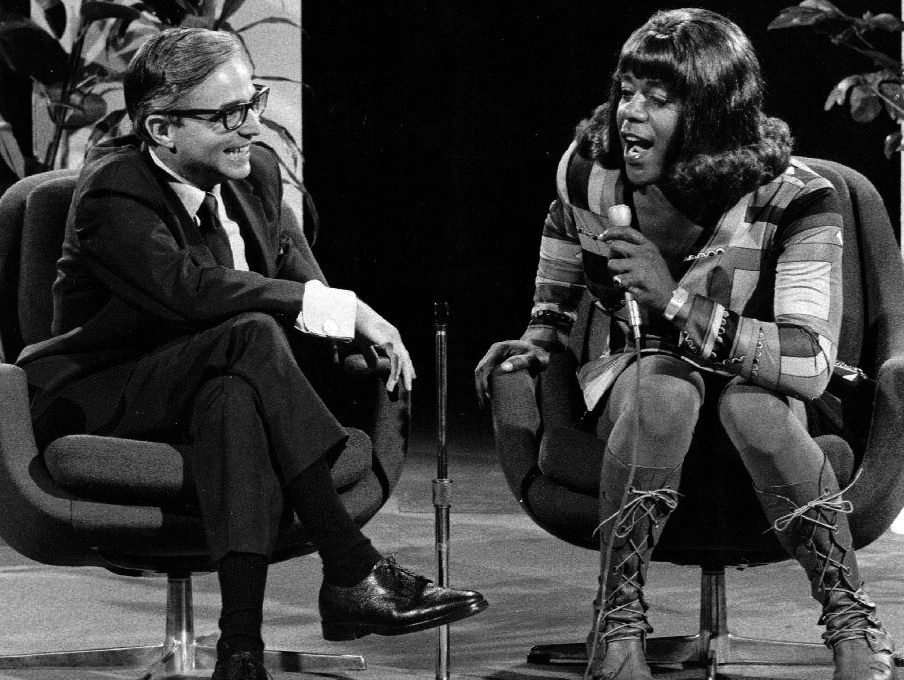
“The Flip Wilson Show” arrived as one of the last truly dominant network variety hours, built around Wilson’s skits and a rotating door of celebrity guests. Its bookings mixed comedians with actors and athletes, and it welcomed major musical performers, turning each episode into a buzzy sampler of 1970s entertainment while opening doors for Black comics on prime time. Running four seasons from 1970 to 1974, it earned stacks of Emmy nominations and brought Wilson two wins, but ratings slid as the variety format lost relevance, and its trailblazing role is now so oddly under-appreciated even among nostalgia buffs.
Cannon
William Conrad turned private investigator Frank Cannon into a weekly reminder that brains could be the star of a crime show. A former Los Angeles detective, Cannon tackled eclectic cases, sounding surprisingly well-read and formidable in a fight, even when the writing drifted into uncomfortable jokes about Conrad’s weight. The CBS series was a reliable early 1970s staple, later revealed to share a universe with “Barnaby Jones” and even staging a crossover, and Conrad would echo the role again in the 1980s with “Jake and the Fatman,” yet both shows are rarely part of modern detective talk outside genre deep cuts
The Streets of San Francisco
“The Streets of San Francisco” paired rookie detective Steve Keller with veteran Mike Stone, letting a surrogate father-son bond develop in the middle of homicide cases. Michael Douglas brought restless energy to Keller, Karl Malden anchored the show with weathered authority, and a Thursday-night move helped viewership jump in season two. Airing five seasons from 1972 to 1977, its appeal leaned heavily on that rapport; when Douglas departed and Stone was matched with new partner Dan Robbins, the tone cooled, and the show drifted out of the conversation even though it launched Douglas toward bigger stardom later.
Barnaby Jones
Buddy Ebsen reinvented himself as Barnaby Jones, an older private investigator pulled back into the work after his son was murdered on a case. He reopens his Los Angeles agency with his daughter-in-law, Betty, and their shared grief shapes a gentle, fatherly partnership, while cousin J.R. steps in as the physical legwork when Barnaby’s age starts to show. Running eight seasons from 1973 to 1980, it leaned into the idea of the seasoned, visibly aging detective, yet its long success didn’t translate into lasting myth, and it now sits behind flashier peers like “Columbo” and “The Rockford Files.” on modern TV guides
Chico and the Man
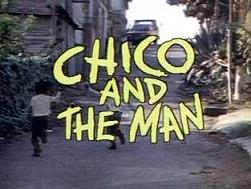
“Chico and the Man” built its comedy on friction and reluctant tenderness at a small East Los Angeles garage. Freddie Prinze’s Chico Rodriguez chipped away at the defenses of Jack Albertson’s grumpy Ed Brown, creating a surrogate father-son bond Ed loudly rejected even as it became the show’s heartbeat. The NBC sitcom ran four seasons from 1974 to 1978, but after Prinze’s death in 1977, it never recovered; a final-season attempt to reset with a new youthful presence only underlined what had vanished, and the series slid from fondly funny to heartbreakingly hard to revisit still discussed in brisk retrospectives.
Police Woman
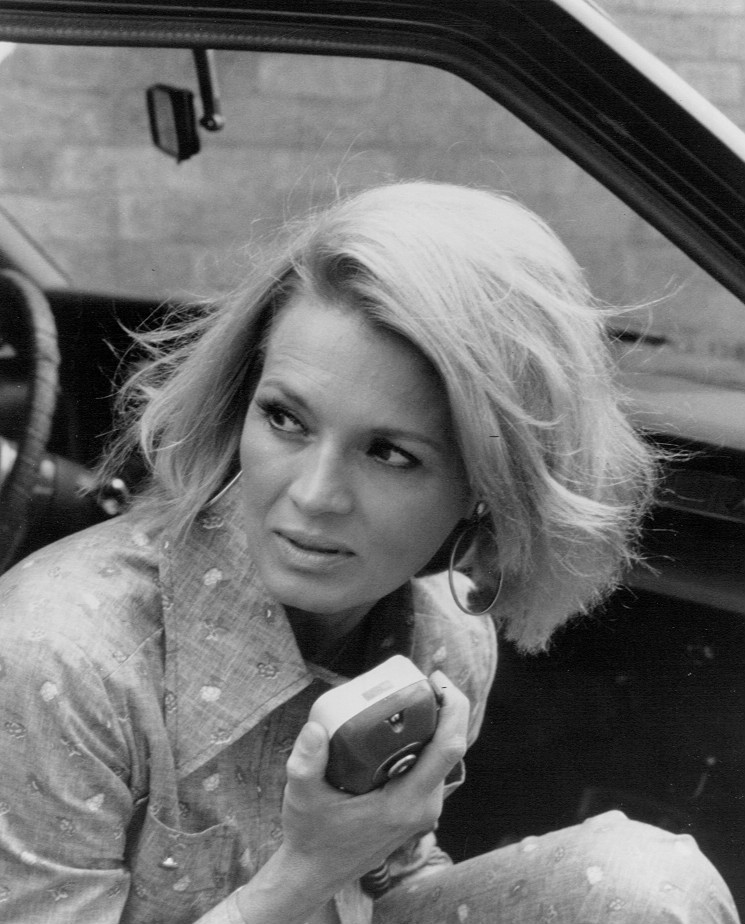
Angie Dickinson made undercover work look glamorous and exhausting as Pepper Anderson, cycling through disguises to trap criminals around Los Angeles. One week she might pose as a prison inmate, the next as a flight attendant or party regular and the hook was watching Anderson hold character long enough to pull evidence into daylight, aided by guest turns from performers like Sam Elliott and William Shatner. The NBC procedural ran four seasons, ending in March 1978, and even earned an odd footnote as a favorite of President Gerald Ford, but repetition crept in, the surprise dulled, and the show slipped from view.
Eight Is Enough
“Eight Is Enough” turned family sprawl into a weekly dramedy, adapted from columnist Tom Braden’s memoir about raising eight children. Dick Van Patten’s Tom Bradford tried to hold a Sacramento household together as careers crushes, and crises piled up, and the series was willing to swing from jokes to real grief. After the first season, Joan’s death reshaped the home, and the later marriage to Abby Abbott shifted the dynamic again as the kids grew up, married, and moved out; along the way it even caught early turns from actors like Mark Hamill and Ralph Macchio, then slid softly out of cultural conversation too.
Trapper John, M.D.
“Trapper John, M.D.” took a beloved “MASH” character and aged him into a more measured physician, in San Francisco. After Trapper John McIntyre left “MASH” between third and fourth seasons, the 1979 spin-off recast him with Pernell Roberts, pairing him with the younger, wilder surgeon George Alonzo Gates as McIntyre mentored a version of his former self. It ran seven seasons and became the most successful “MAS*H” offshoot, with Roberts playing the role longer than Wayne Rogers ever did, yet the show’s seriousness and its shift away from sitcom energy leave it absent from many celebrations of the original.