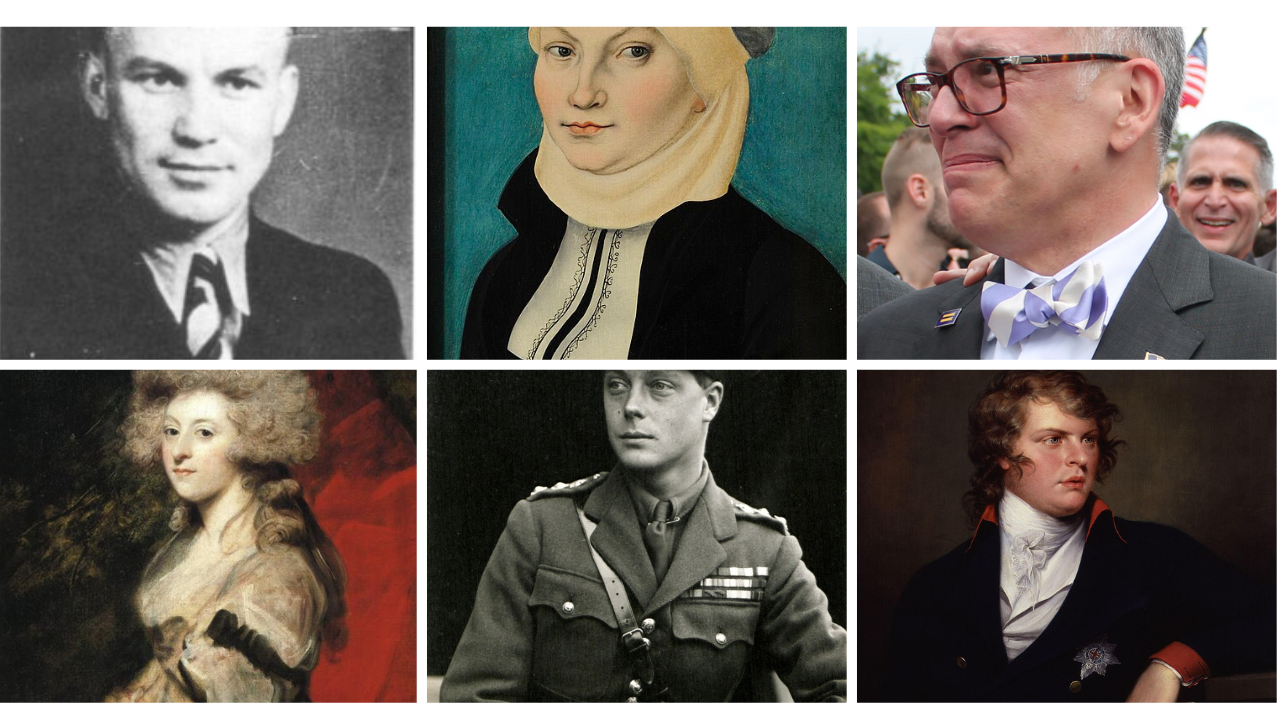
Some love stories do not begin with bouquets and blessings. They begin with a statute book, a clerk’s refusal, or a judge’s warning that a wedding ring can be evidence. Across centuries and continents, a few determined people treated marriage less as permission granted and more as a promise claimed. Some crossed racial lines policed by the state. Others challenged royal acts, religious rules, or federal definitions designed to keep certain unions invisible. Their choices carried consequences: exile, annulments, raids, fines, and years of paperwork that felt like grief made administrative. Yet each defiance left a mark, turning private commitment into public pressure that slowly bent the law toward human reality, and made space for families to be named.
Richard And Mildred Loving
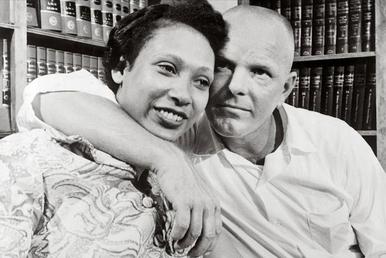
In 1958, the Lovings married in Washington, D.C., then returned to Caroline County, Virginia, where police raided their bedroom and arrested them under the state’s Racial Integrity Act for the simple fact of being husband and wife. A judge offered a suspended sentence only if they left Virginia for 25 years, cutting them off from family, work, and community, while the threat of jail shadowed every attempt to return. Mildred’s letter to the ACLU set a larger challenge in motion, and in 1967 the Supreme Court struck down interracial marriage bans nationwide, turning one couple’s quiet insistence into constitutional law.
Jack Baker And Michael McConnell
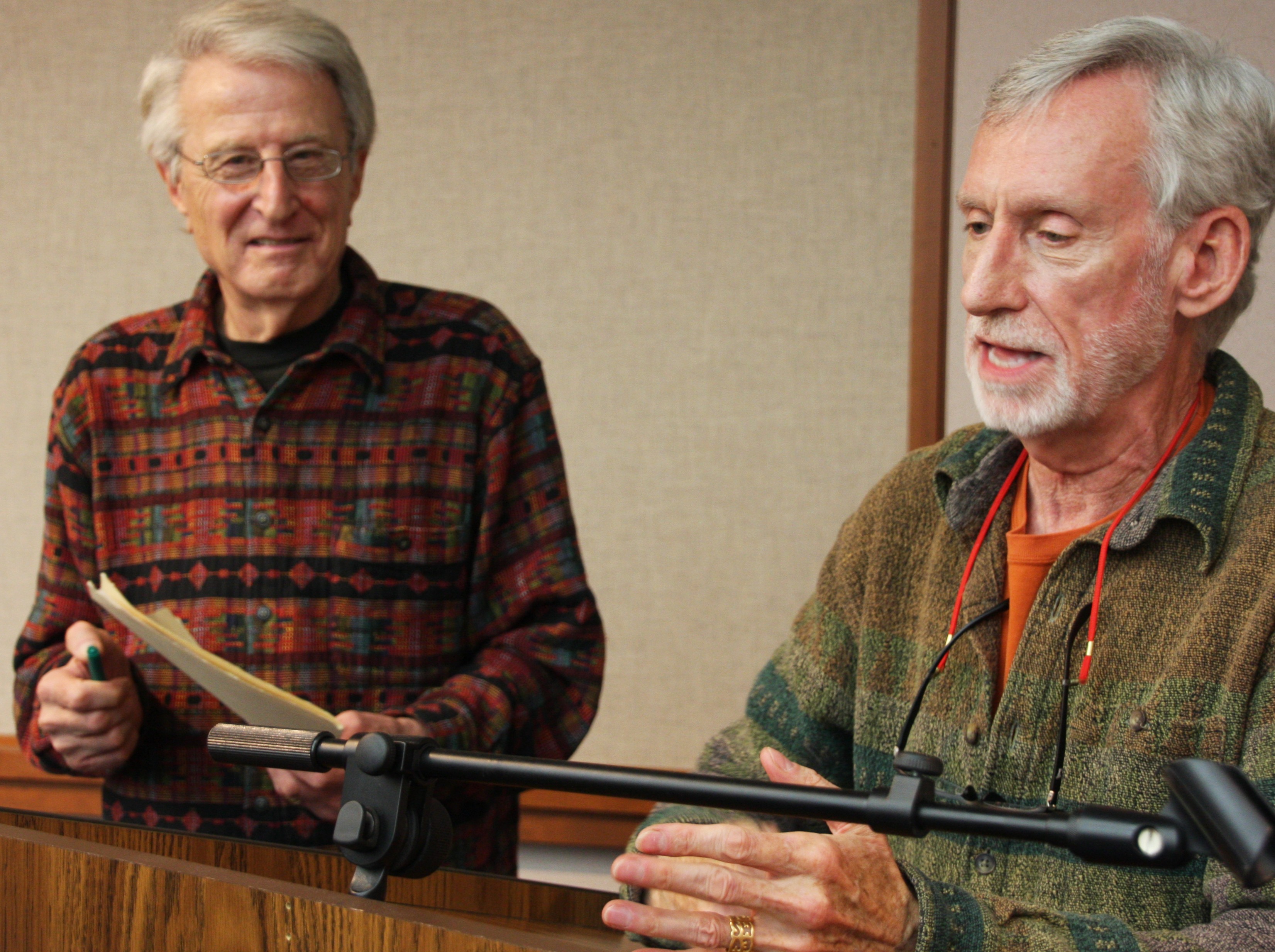
In 1971, Jack Baker and Michael McConnell refused to accept that Minnesota’s marriage statutes belonged only to heterosexual couples, even after Hennepin County turned them away. They obtained a license in Blue Earth County, married on Sept. 3, 1971, and then spent decades pressing agencies that rejected joint taxes, spousal benefits, and the basic dignity of being recognized. Even after the Supreme Court dismissed their related appeal in 1972, they kept returning to the records and a Minnesota district court order in 2018 affirmed the marriage as valid, showing how persistence can outlast rules meant to erase it.
Del Martin And Phyllis Lyon
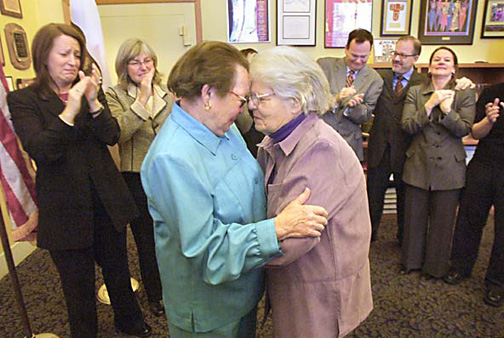
After more than 50 years together, Del Martin, 83, and Phyllis Lyon, 80, were among the first couples married at San Francisco City Hall in February 2004, after Mayor Gavin Newsom ordered licenses issued to same-sex couples. Their marriage was later voided, but the public ceremony had already done its work, putting faces, ages, and decades of devotion in front of the cameras, the courts, and history itself, even when the paperwork said otherwise. When California reopened marriage in 2008, they married again on June 16, 2008, turning repeated vows into a living record of how rights can advance, retreat, and return.
Edith Windsor And Thea Spyer
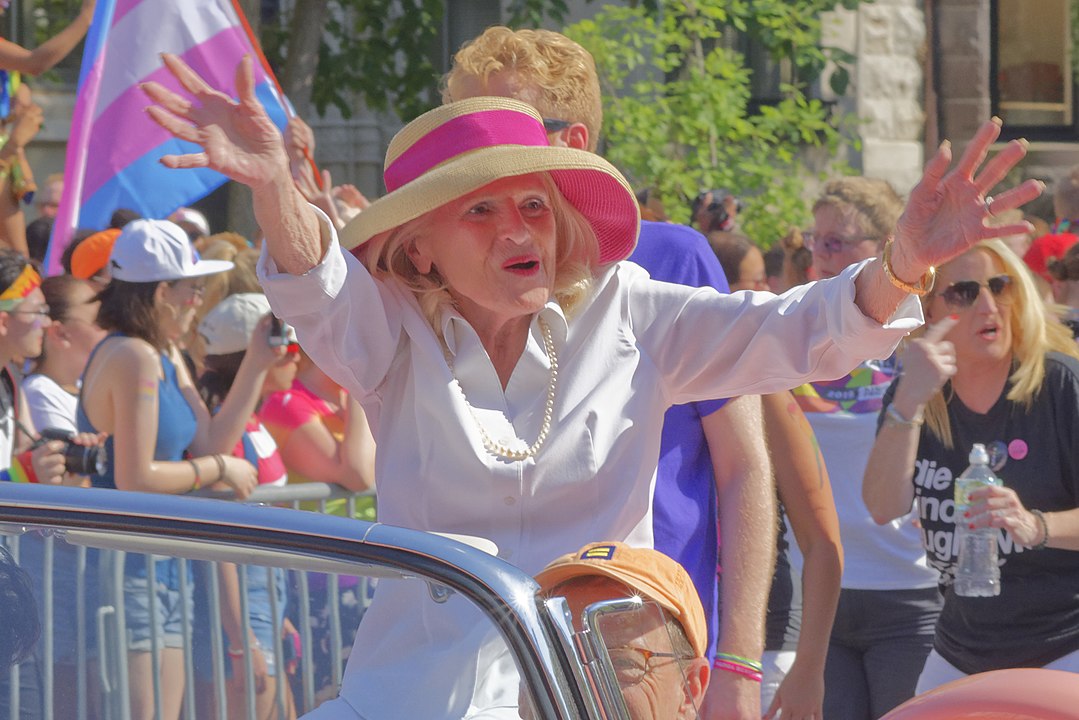
Edith Windsor and Thea Spyer shared a life for 44 years and at last married in Canada in 2007, yet federal law still refused to treat them as spouses even after New York recognized their marriage legally. When Spyer died in 2009, Windsor was denied the marital estate-tax exemption under DOMA and paid $363,053, a number that turned mourning into a government invoice and branded their marriage as second-class in federal code. She sued for a refund, and in 2013 the Supreme Court struck down DOMA’s key federal definition in United States v. Windsor, proving that recognition can hinge on a receipt and a refusal to accept it.
Jim Obergefell And John Arthur
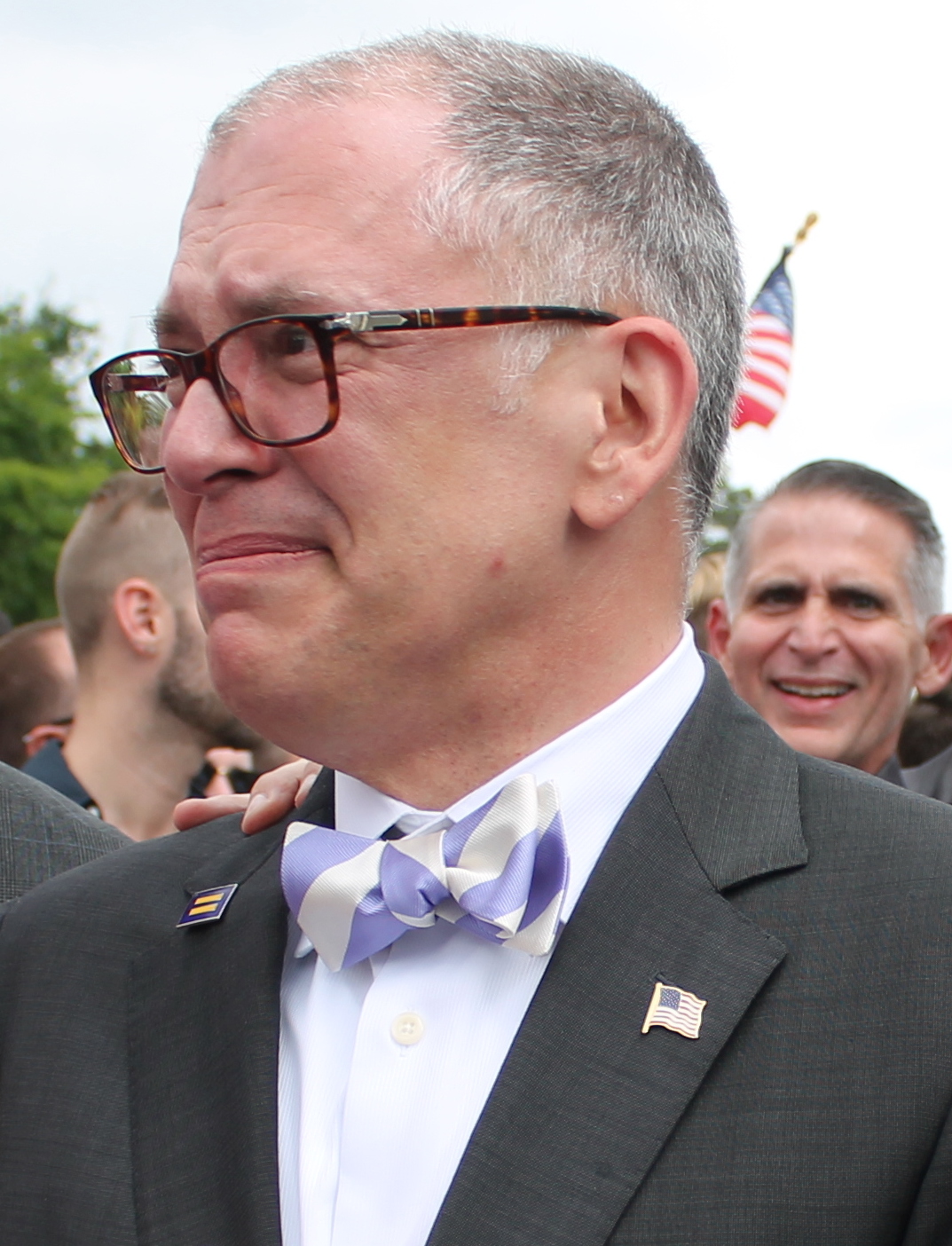
With John Arthur facing a terminal illness, Jim Obergefell and Arthur married in Maryland on July 11, 2013, then returned quietly to Ohio and hit a wall: their home state would not recognize the union at all. Their demand was brutally specific, the right to be listed as spouses on a death certificate, because that line governs inheritance, survivor benefits, medical decisions, and simple dignity at the end of life. The case became Obergefell v. Hodges, and in 2015 the Supreme Court required every state to license and recognize same-sex marriages, showing how a single form can carry the weight of a lifetime for millions.
Prince Augustus Frederick, Duke Of Sussex
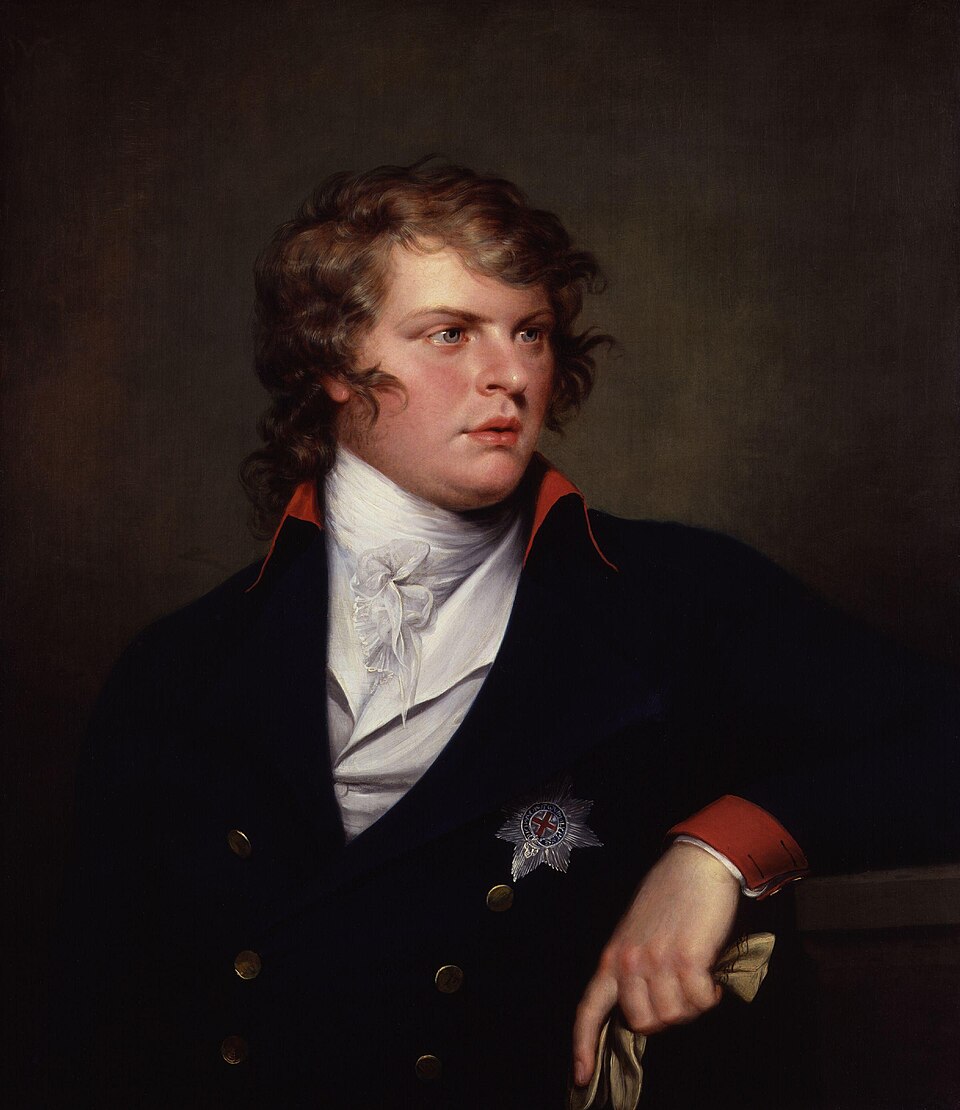
In 1793, Prince Augustus Frederick married Lady Augusta Murray without the monarch’s consent, directly defying the Royal Marriages Act of 1772, which controlled who royals could marry and on what terms, for life and inheritance. The pair wed privately in Rome and again after banns at St George’s, Hanover Square, yet the Court of Arches declared both marriages null and void in 1794, and their children were treated as illegitimate under English law. The personal cost was lasting, but the scandal exposed how royal statutes could override private commitment, turning love into a constitutional problem rather than a human one.
George, Prince Of Wales And Maria Fitzherbert
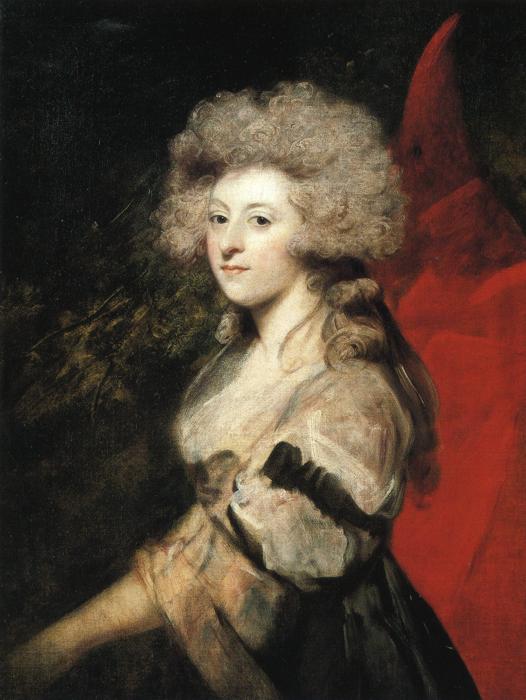
On Dec. 15, 1785, the future George IV secretly married Maria Fitzherbert, a Catholic widow, at her Park Lane home in London, even though the Royal Marriages Act required the king’s consent and made the union invalid without it. The match carried political danger because a valid marriage to a Catholic could have altered succession under the Act of Settlement, so their commitment survived through letters, denials, and discretion, and even Rome later treated it as valid. Their ceremony shows a familiar pattern: intimacy pushed underground when law treats certain spouses as a constitutional threat instead of a person.
Martin Luther And Katharina Von Bora
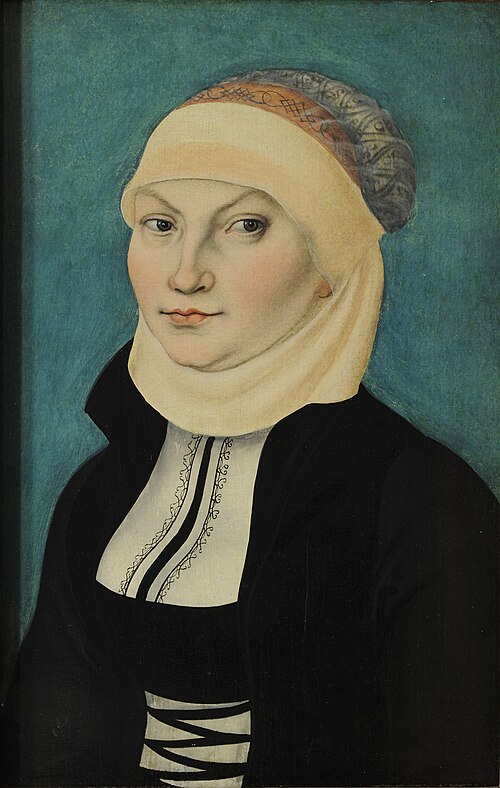
On June 13, 1525, Martin Luther married Katharina von Bora, a former Cistercian nun who had fled convent life, in a union that scandalized much of Europe. Monastic vows and clerical celibacy were treated as binding rules, and the couple’s public wedding, held before witnesses in Wittenberg, read like open defiance of canon discipline as well as social expectation that could ruin reputations. Luther insisted marriage was honorable for clergy and former religious alike, and their home in the former Black Monastery became proof in daily routines: work, children, hospitality, and debate taking the place of enforced silence.
August Landmesser And Irma Eckler
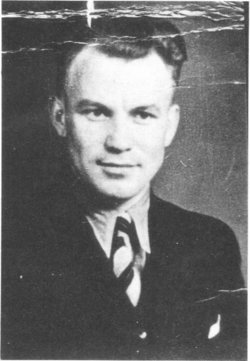
In 1935, August Landmesser tried to marry Irma Eckler in Hamburg, but the Nuremberg Laws barred marriages between Jews and non-Jews and turned engagement into a legal trap. They stayed together anyway, attempted to flee, and the state responded with arrests, a charge of “racial infamy,” imprisonment, and the seizure of their daughters into foster care, treating love as evidence of a crime. A 1936 shipyard photograph is often linked to Landmesser’s refusal to salute, but the deeper defiance was domestic, insisting on a family’s legitimacy, later recognized retroactively in Hamburg, even when law once stamped it forbidden.
Edward VIII And Wallis Simpson
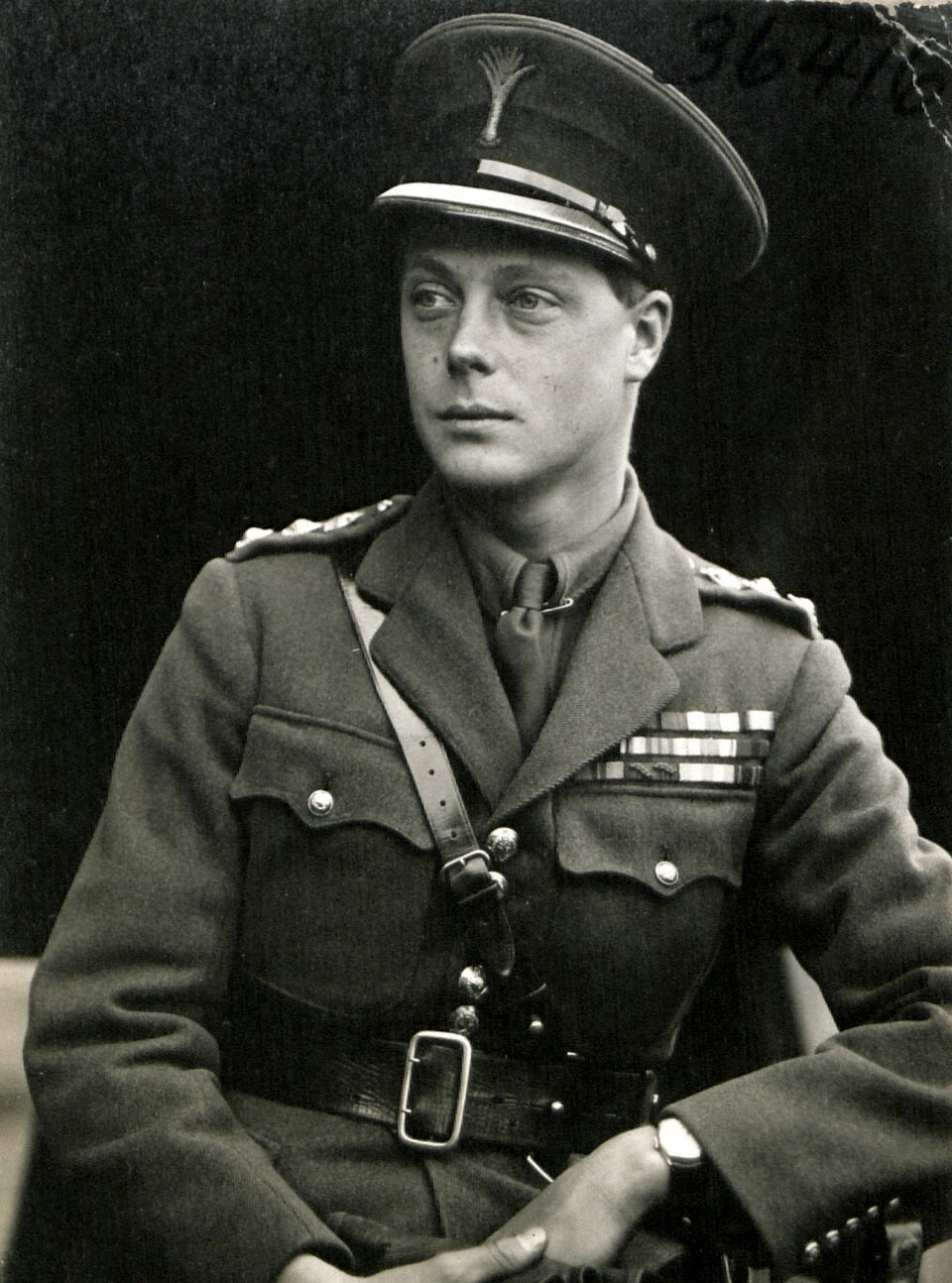
In 1936, King Edward VIII chose to marry Wallis Simpson, an American divorcée, knowing British law and Church of England rules barred a reigning monarch from marrying a divorced woman with living ex-husbands. The government refused to approve the union, fearing a constitutional crisis that would fracture church, crown, and parliament at once. Edward abdicated the throne after less than a year as king, trading imperial power for a private marriage that law would not accommodate. Their wedding in France in 1937 reframed marriage as a personal right rather than a ceremonial duty, and permanently reshaped the British monarchy’s relationship with law and consent.