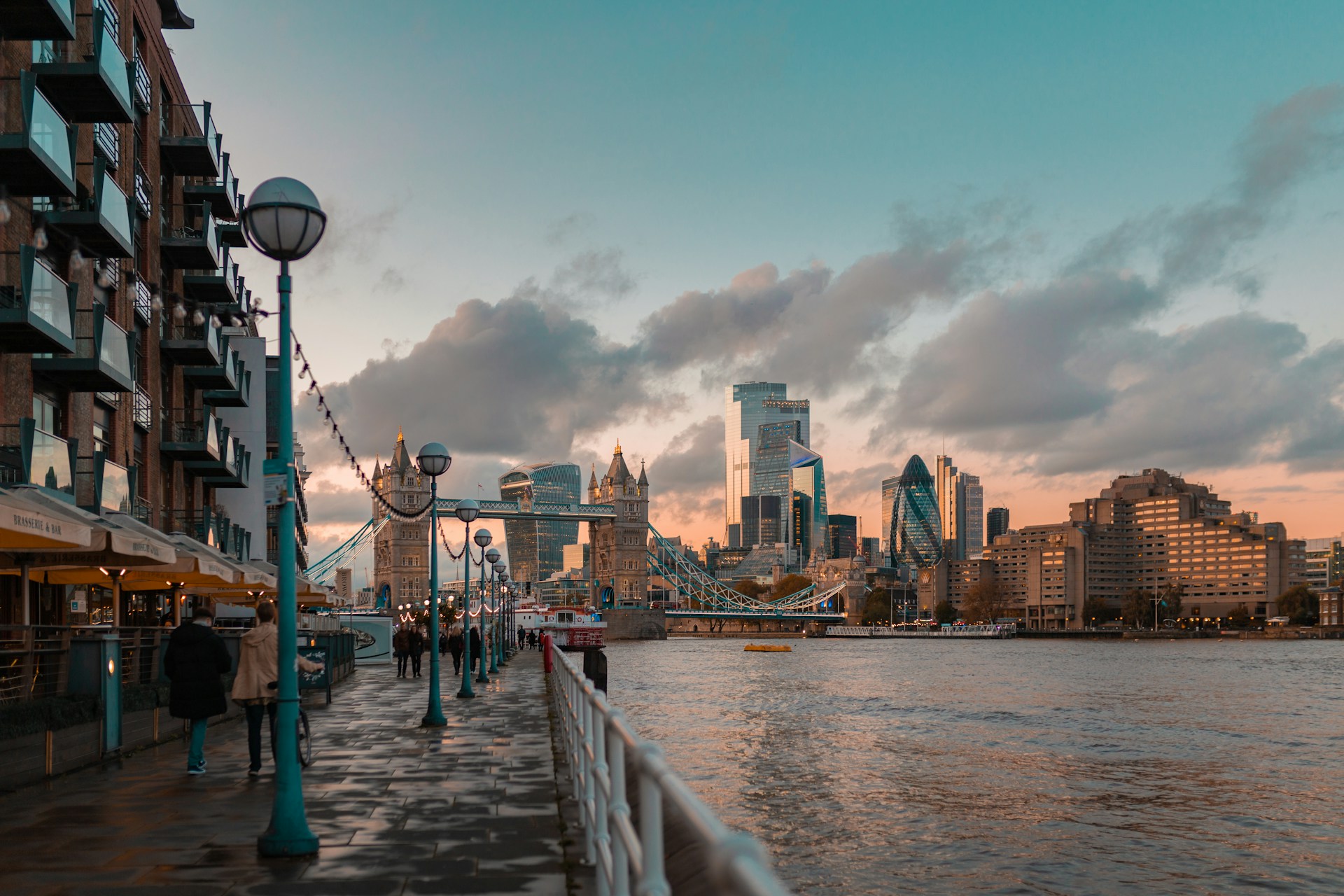
Some European city breaks now begin with a rules check, not a packing checklist. Entry systems are tightening through permits, timed slots, access fees, and behavior limits that can reshape a day before the first coffee stop. The change is not dramatic at the border, but it is real in how city centers now manage pressure, queues, and resident fatigue during peak months.
For Americans, the practical shift is simple: fewer walk-up assumptions, more pre-booked decisions. The cities below remain welcoming, yet they increasingly reward travelers who plan around local rules designed to protect housing, heritage, and daily life.
London, England
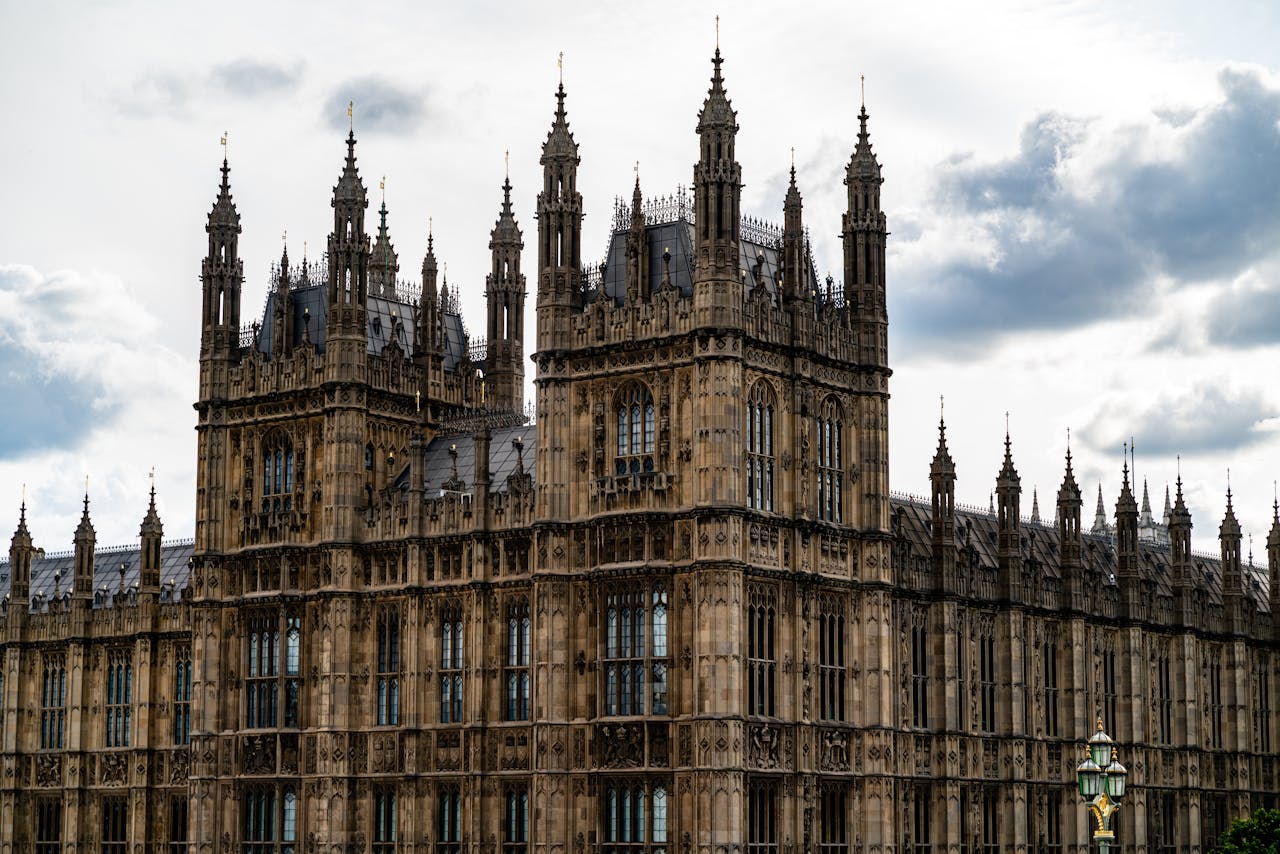
London still feels open, but arrival starts with digital pre-clearance. The UK requires an Electronic Travel Authorisation for visa-exempt visitors, and that permission is linked to the passport used for travel. It currently costs £16 and allows multiple trips for short stays, so paperwork now starts earlier than many weekend planners expect.
The important detail is procedural, not symbolic. An ETA does not guarantee admission at the border, so entry remains a two-step process: authorization before departure, then officer assessment on arrival. That extra layer has made London less spontaneous for last-minute add-ons and same-week bookings.
Venice, Italy
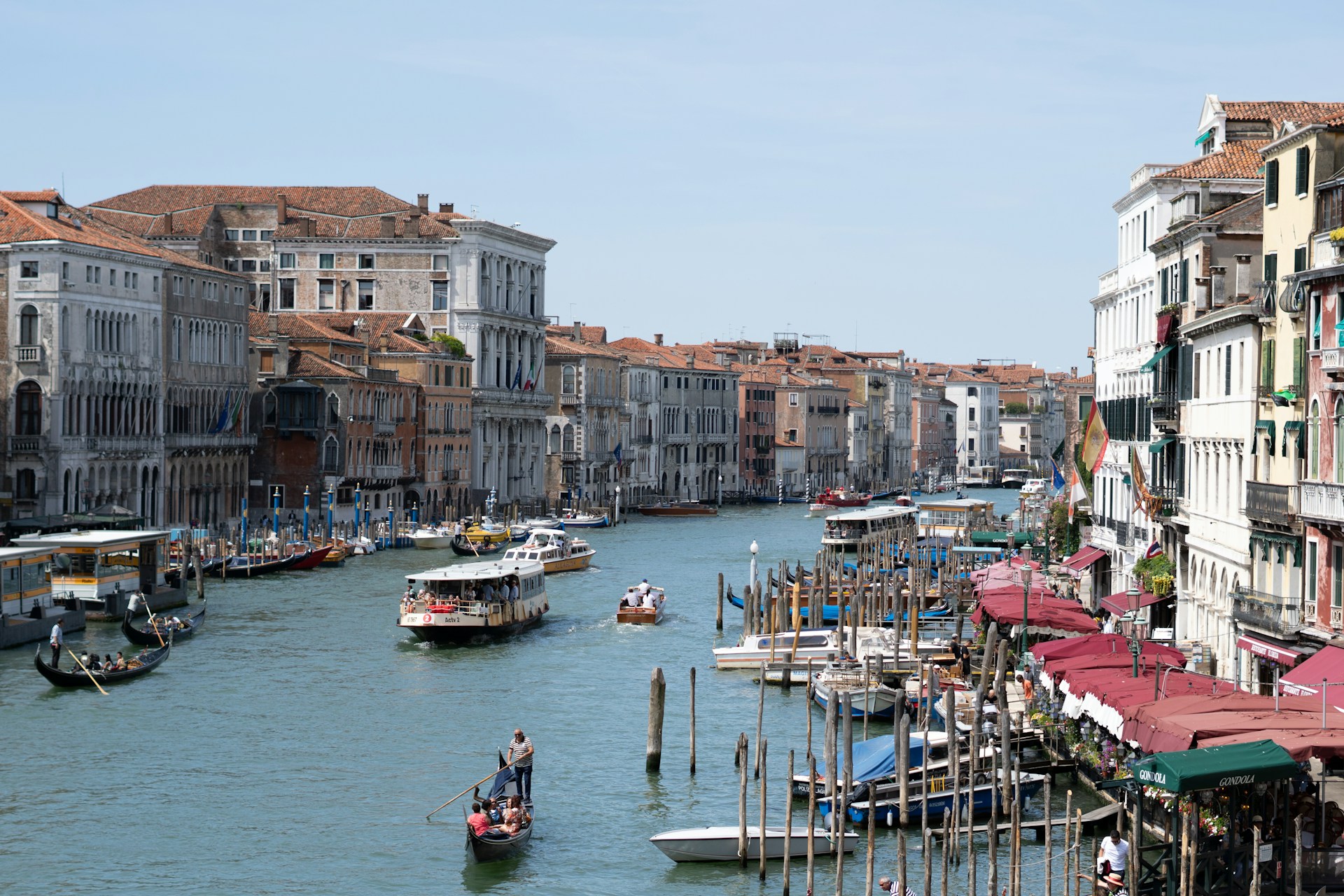
Venice has made peak-day access more structured, especially for day visitors entering the historic city. The official platform confirms a 2026 trial calendar with specific dates beginning Apr. 3 and control hours set from 8:30 a.m. to 4 p.m. during designated periods, so timing now matters long before the first vaporetto ride of the day.
That framework changes daily pacing in subtle ways. Travelers now need to match arrival timing with city rules instead of drifting in whenever trains land. The city’s approach is clear: manage footfall during pressure hours, protect public space, and push planning earlier in the decision cycle.
Amsterdam, Netherlands
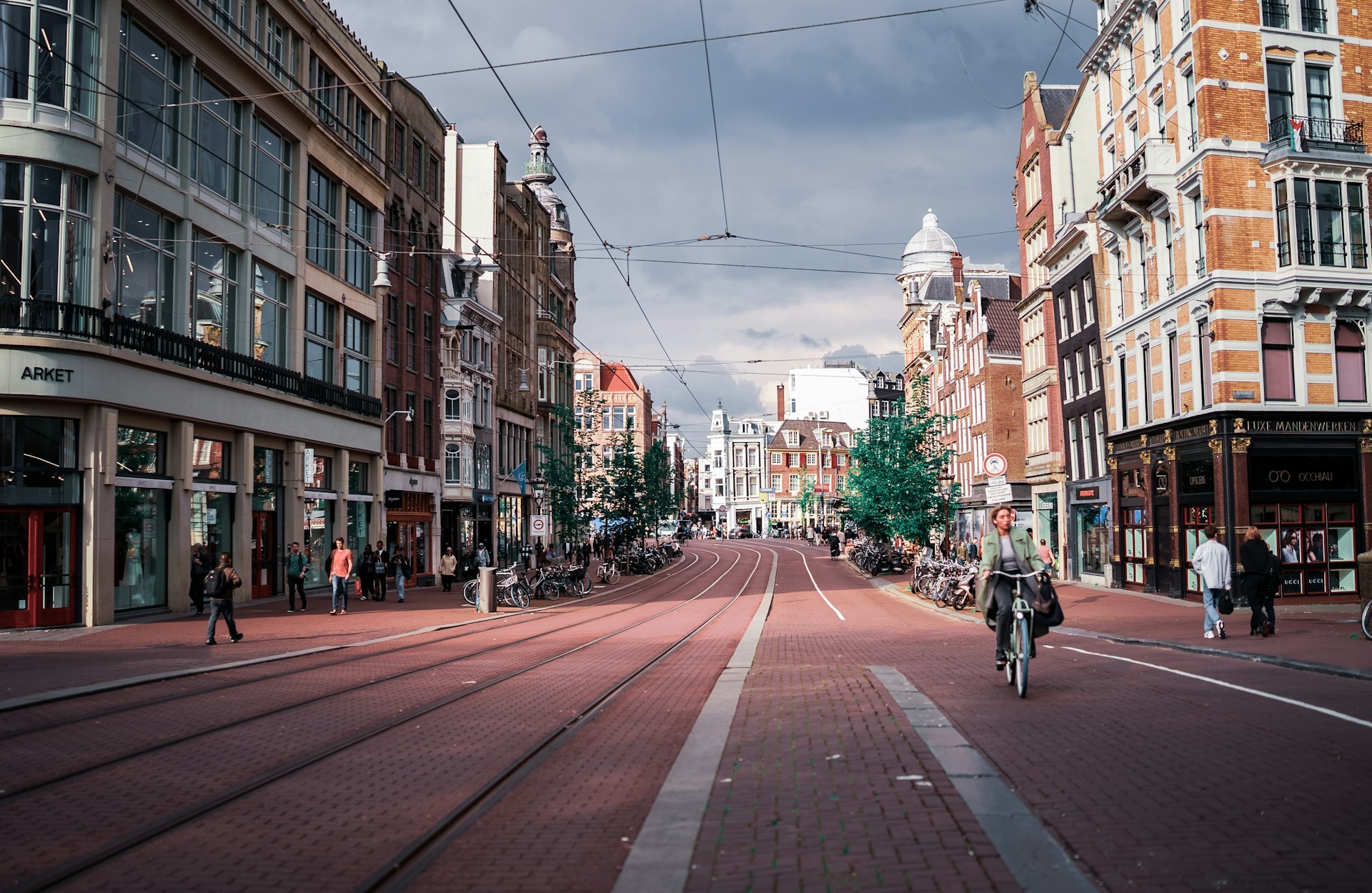
Amsterdam has tightened tourism through pricing that directly influences entry patterns. The city sets a 12.5% tourist tax on overnight stays, excluding VAT, and also applies a €15 day-visitor tax per passenger. Those rates clearly signal that mass visitation carries a defined public cost tied to local services and crowd strain.
The policy does not close the door, but it changes behavior. Short stopovers, cruise-linked calls, and quick weekend plans now require cleaner budgeting before arrival. In effect, access remains open while the city makes high-volume use of its center more deliberately managed than before, especially in high season.
Barcelona, Spain
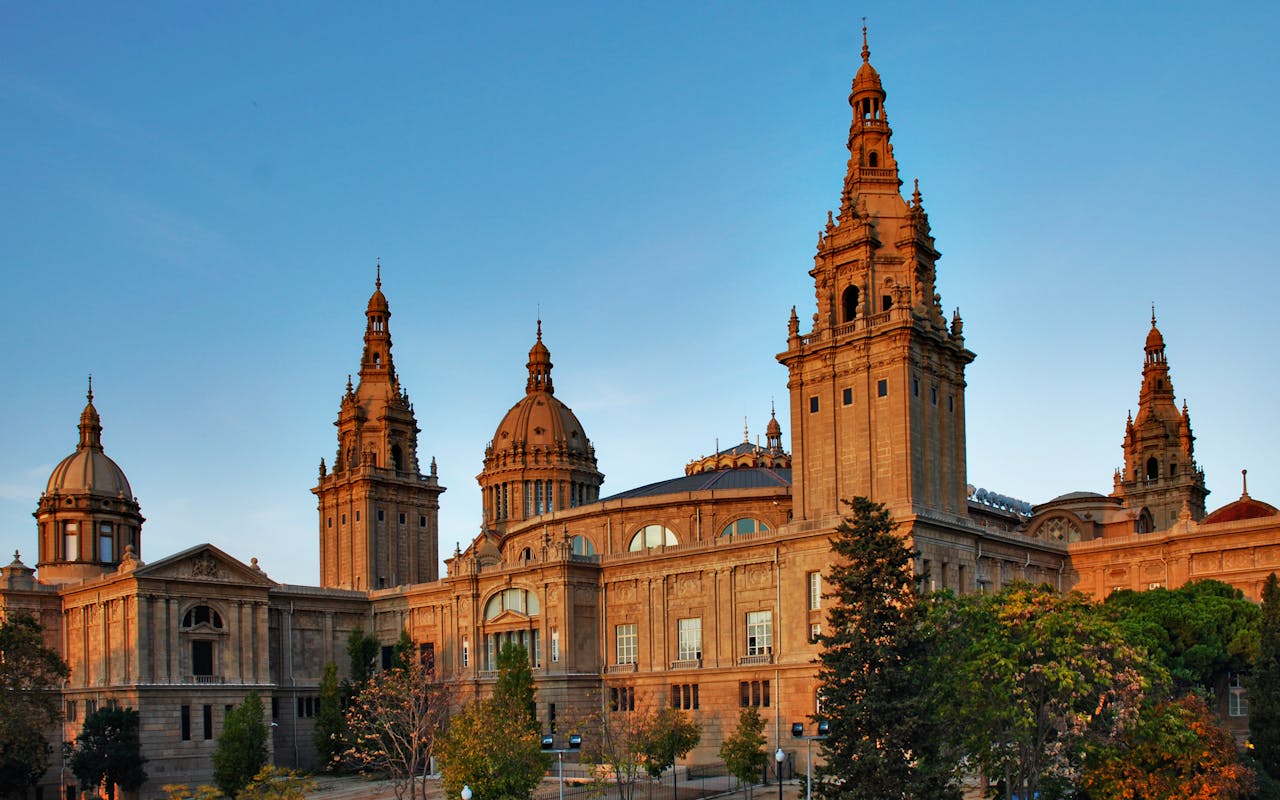
Barcelona’s tightening is happening through the stay market rather than airport controls. Reuters reports Spain’s top court backed the city’s plan to end short-term tourist apartment licenses after 2028, and local authorities said those licenses will not be renewed, confirming a shift in how visitors enter central neighborhoods.
That decision narrows one of the easiest entry paths into the city’s visited districts. Combined with broader anti-overtourism measures in Catalonia, it signals a model that favors regulated accommodation over rapid expansion. Barcelona remains a magnet, but entry into its tourism economy is being steadily reshaped.
Athens, Greece
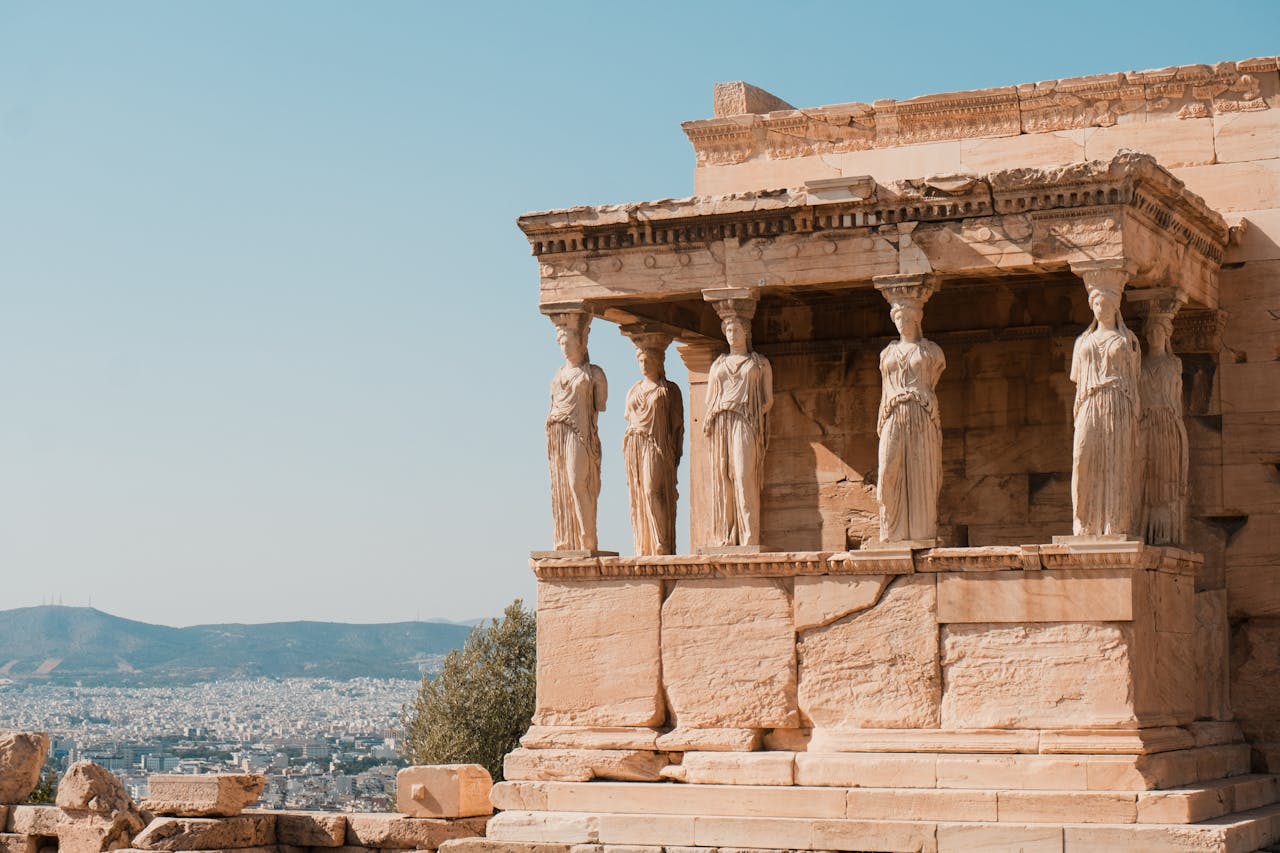
Athens now runs access to the Acropolis with strict time-slot discipline. Greece’s official ticket platform states that, from Apr. 1, 2024, entry is possible only during the selected slot, and standard validity is limited to 15 minutes before and 15 minutes after that window, reducing the old habit of wide walk-up flexibility.
The result is a tighter city day. Museum plans, transfers, and lunch timing increasingly orbit a fixed heritage appointment rather than a flexible queue. For visitors, the change feels less like restriction and more like precision: show up prepared, on time, and the site flow works better for everyone.
Rome, Italy
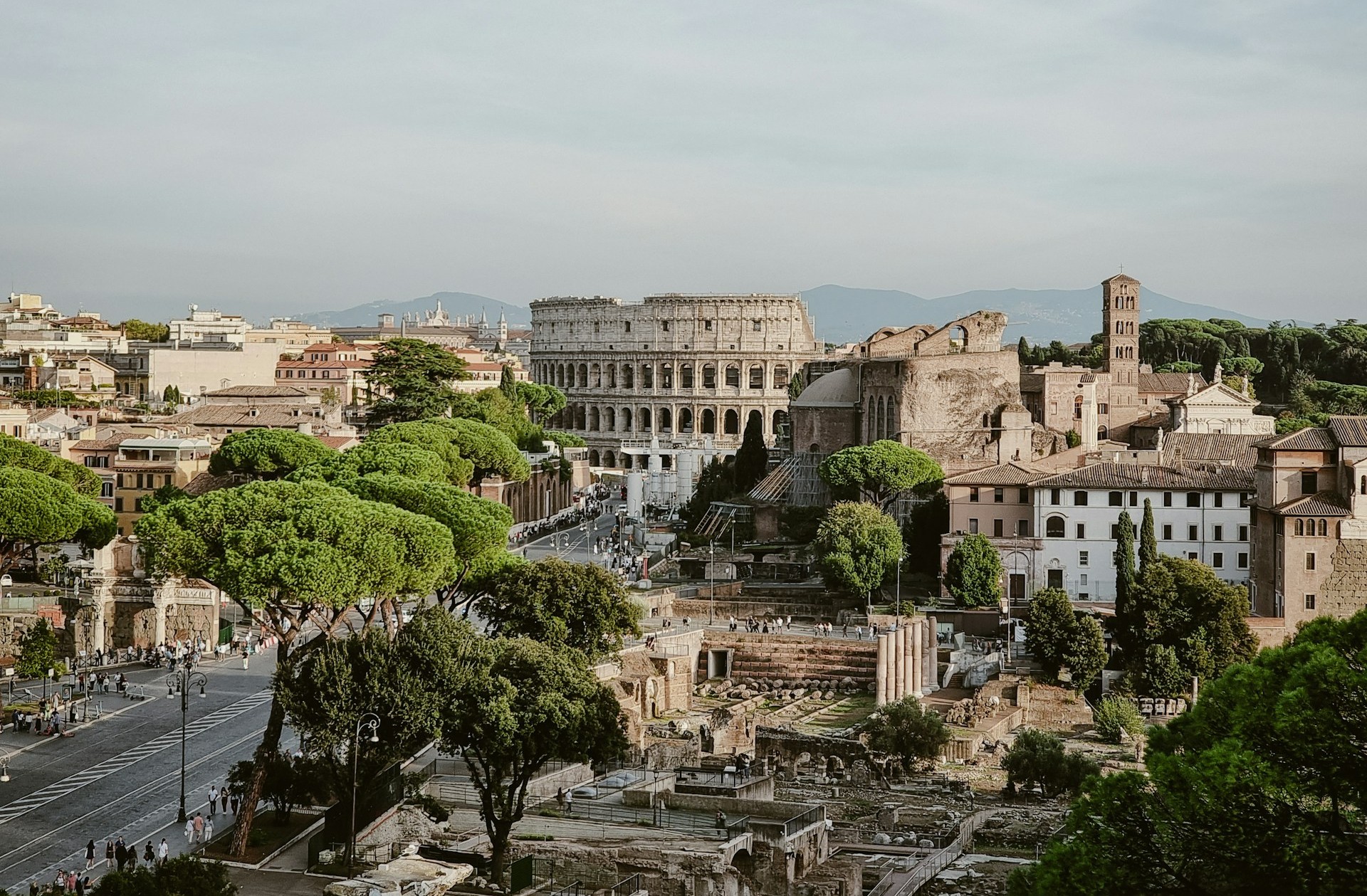
Rome has introduced paid close access at one of its busiest landmarks. Reuters and AP report that, from Feb. 2, 2026, visitors pay €2 to enter the Trevi Fountain basin area during set daytime and evening hours, while views from the surrounding piazza remain free, creating a line between general viewing and proximity access.
That split creates a new tier of entry inside the city’s most crowded photo zone. It is not a blanket fee for seeing Trevi, but a managed gate for proximity. Rome’s message is practical: keep iconic spaces viewable, reduce bottlenecks at peak times, and fund upkeep through light user charges and steady visitor flow.
Prague, Czechia
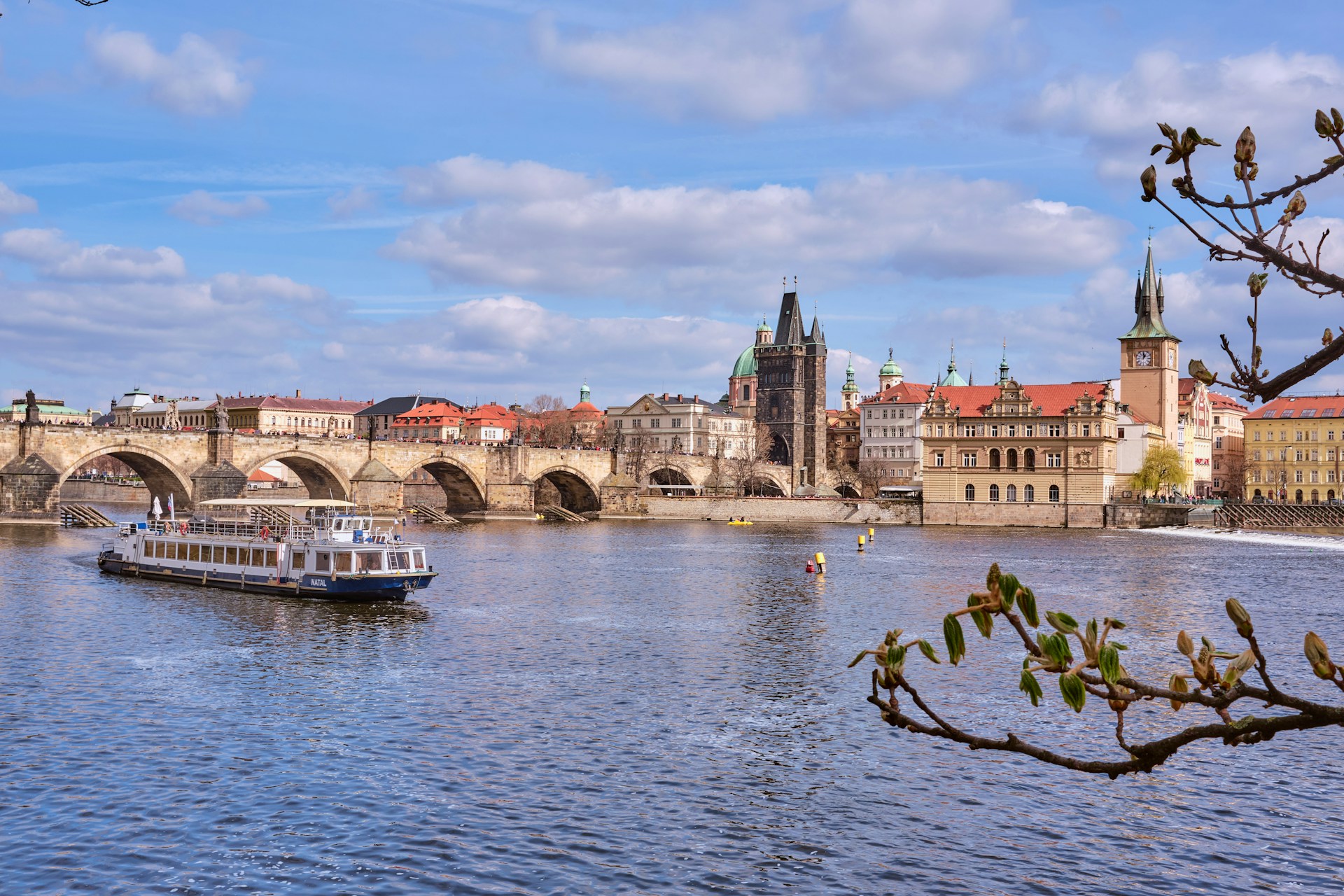
Prague has tightened nightlife entry in its historic core by banning organized nighttime pub crawls. AP reports the restriction applies from 10 p.m. to 6 a.m., with enforcement by city police and potential fines up to 100,000 koruna for violations, marking a firm response to years of resident complaints in central districts.
The city is not banning social drinking or independent evenings out. It is targeting one high-friction format linked to noise and disorder, then steering visitor behavior toward calmer, culture-led patterns. For many short-break travelers, that means less plug-and-play party routing and more intentional evening planning.
Edinburgh, Scotland

Edinburgh is adding a formal visitor levy that changes the cost of entry for overnight stays. The City of Edinburgh Council says a 5% charge applies before VAT on paid accommodation, capped at the first five nights, for stays starting Jul. 24, 2026, setting a clearer cost framework for high-demand summer periods and major events.
An important cutoff also applies: stays on or after that date, booked and paid in full or part before Oct. 1, 2025, are exempt. That detail has made advance planning more valuable, especially during festivals, when inventory tightens and price sensitivity already runs high across the city in peak season