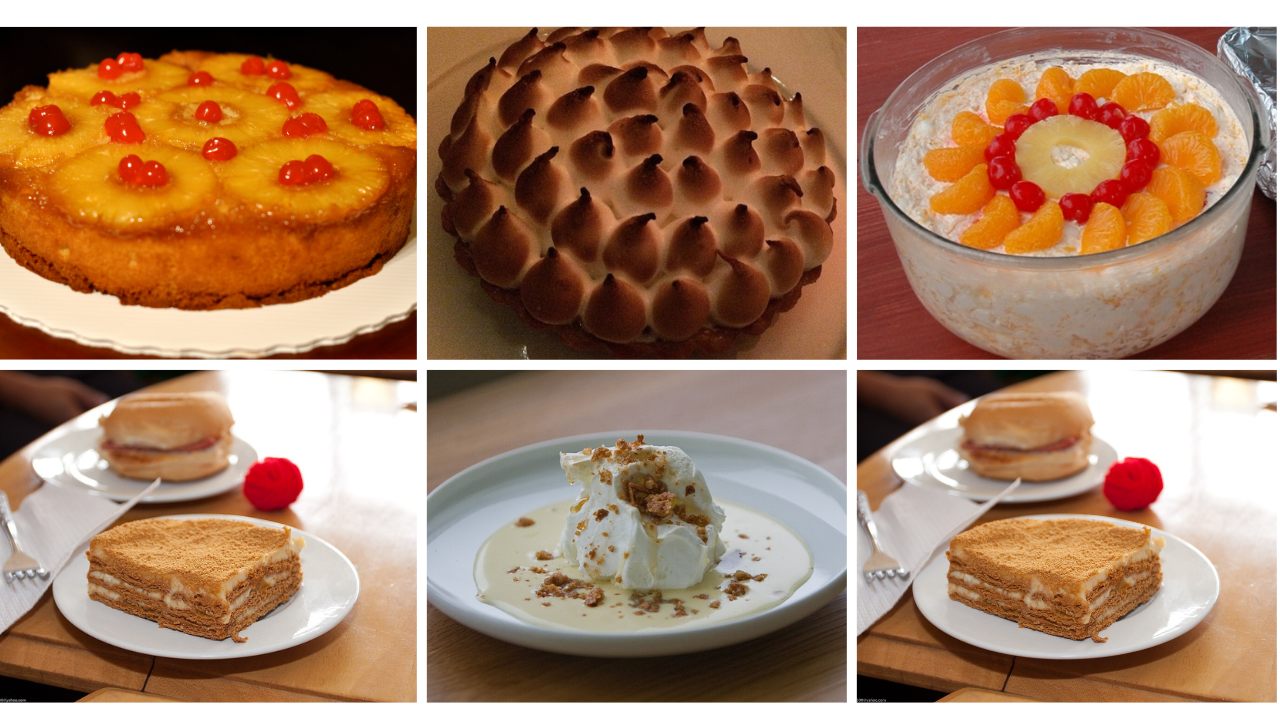
Dessert trends come and go, but some recipes carry a quiet kind of confidence. In mid-century kitchens and community cookbooks, sweets were built to travel, to stretch pantry staples, and to turn an ordinary night into something shared. Gelatin molds, canned fruit, and stovetop custards were not apologies; they were signatures of the era. These classics delivered cool slices on hot evenings, warm pudding on winter nights, and cakes that somehow tasted better the next day. Bringing them back is less about nostalgia and more about technique: simple ingredients, clear steps, and flavors that still make people linger at the table. With a few small updates, like better vanilla or extra salt, they feel current without losing their charm.
Charlotte Russe
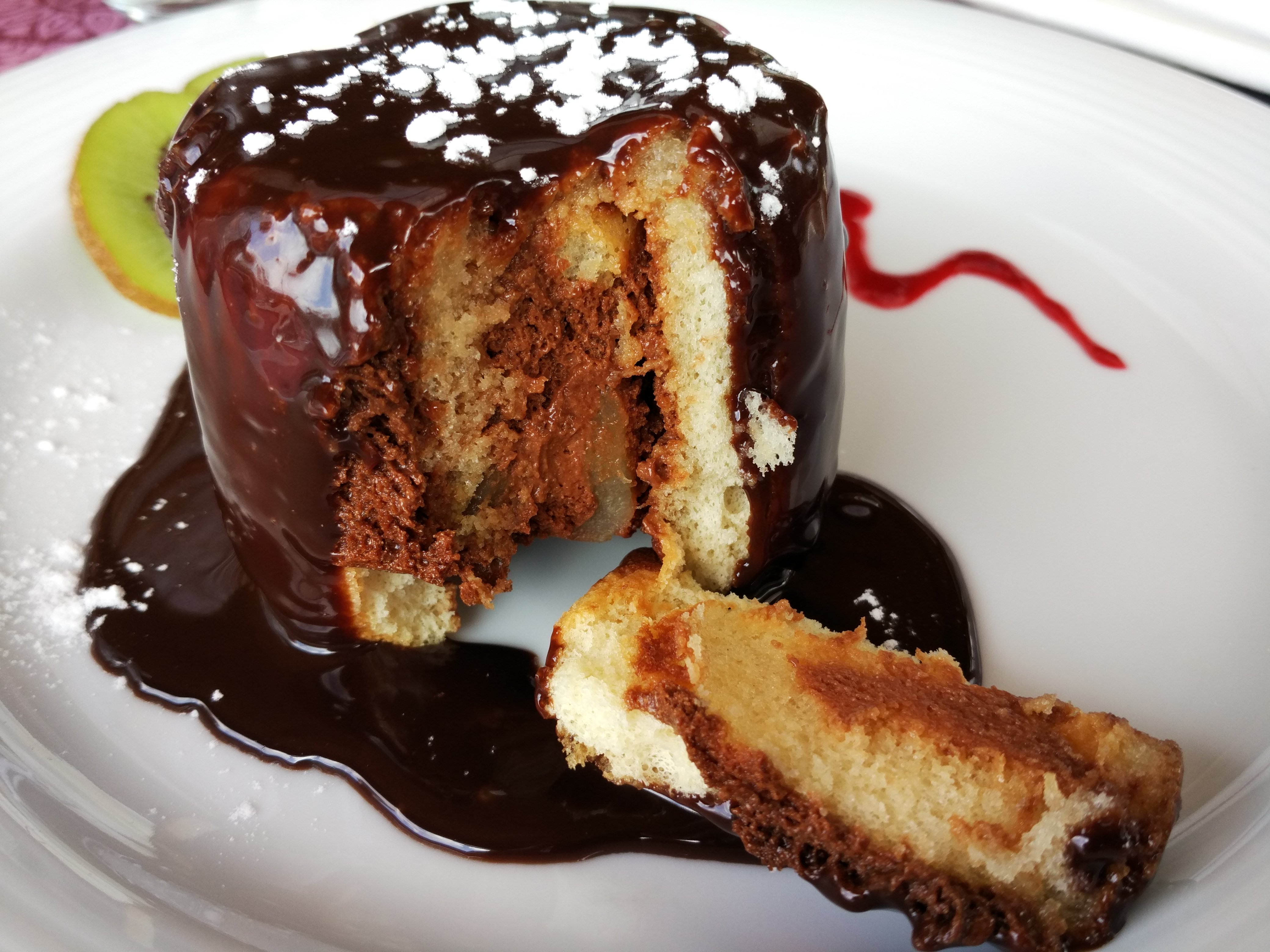
Once a dinner-party badge of honor, charlotte russe lines a bowl with ladyfingers or sponge, then fills it with a chilled Bavarian-style cream thickened with gelatin and whipped cream so it slices without turning rubbery. That contrast is the point: the cake edges drink in vanilla and liqueur or strong tea while the center stays light and cool, like mousse that learned manners, and the pretty border hides any imperfect piping. Fold in berries for summer, or use canned peaches in winter, then let it rest overnight so it travels, unmolds cleanly, and still looks composed when the first spoon breaks through the soft wall at dessert.
Banana Pudding With Meringue
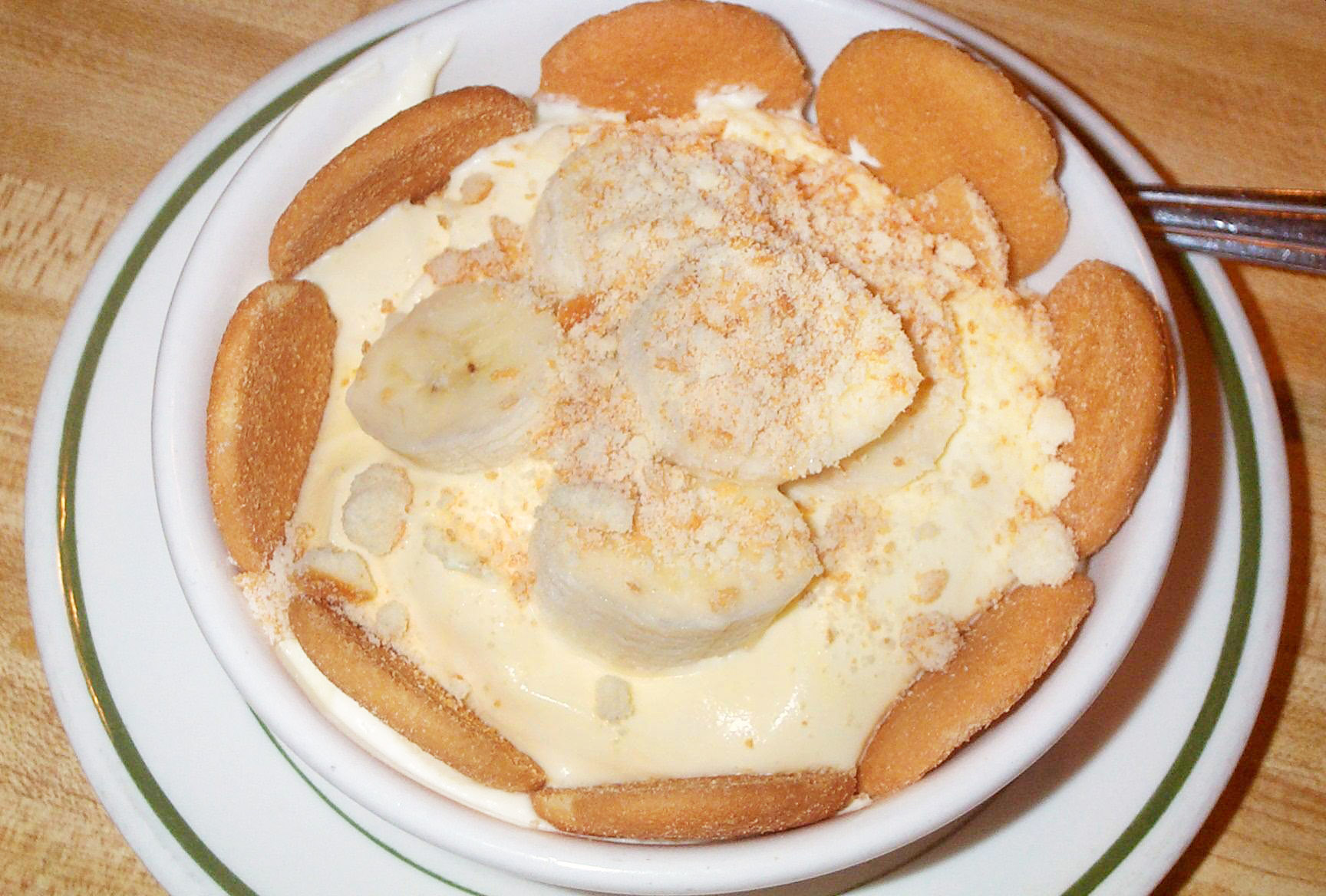
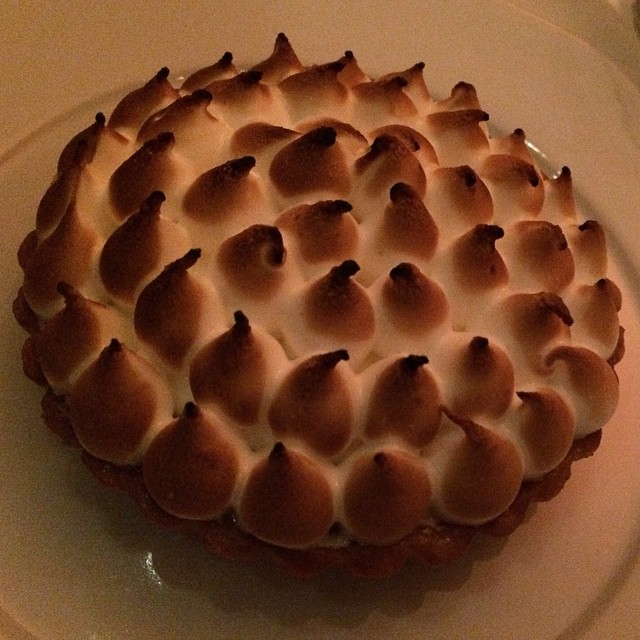
Banana pudding with meringue was never meant to be subtle. Warm stovetop custard gets poured over sliced bananas and vanilla wafers, then the dish is capped with meringue that browns into toasted peaks and seals in moisture. The magic is in the layers: wafers soften into cake, bananas perfume the cream, and the browned top adds a faint marshmallow bite that keeps the sweetness from feeling flat, especially with a pinch of salt. Older recipes often lean on evaporated milk for richness and stability, which is why it survives potlucks, slices clean, and tastes even better after a few hours, even overnight, in the fridge the next day.
Indian Pudding
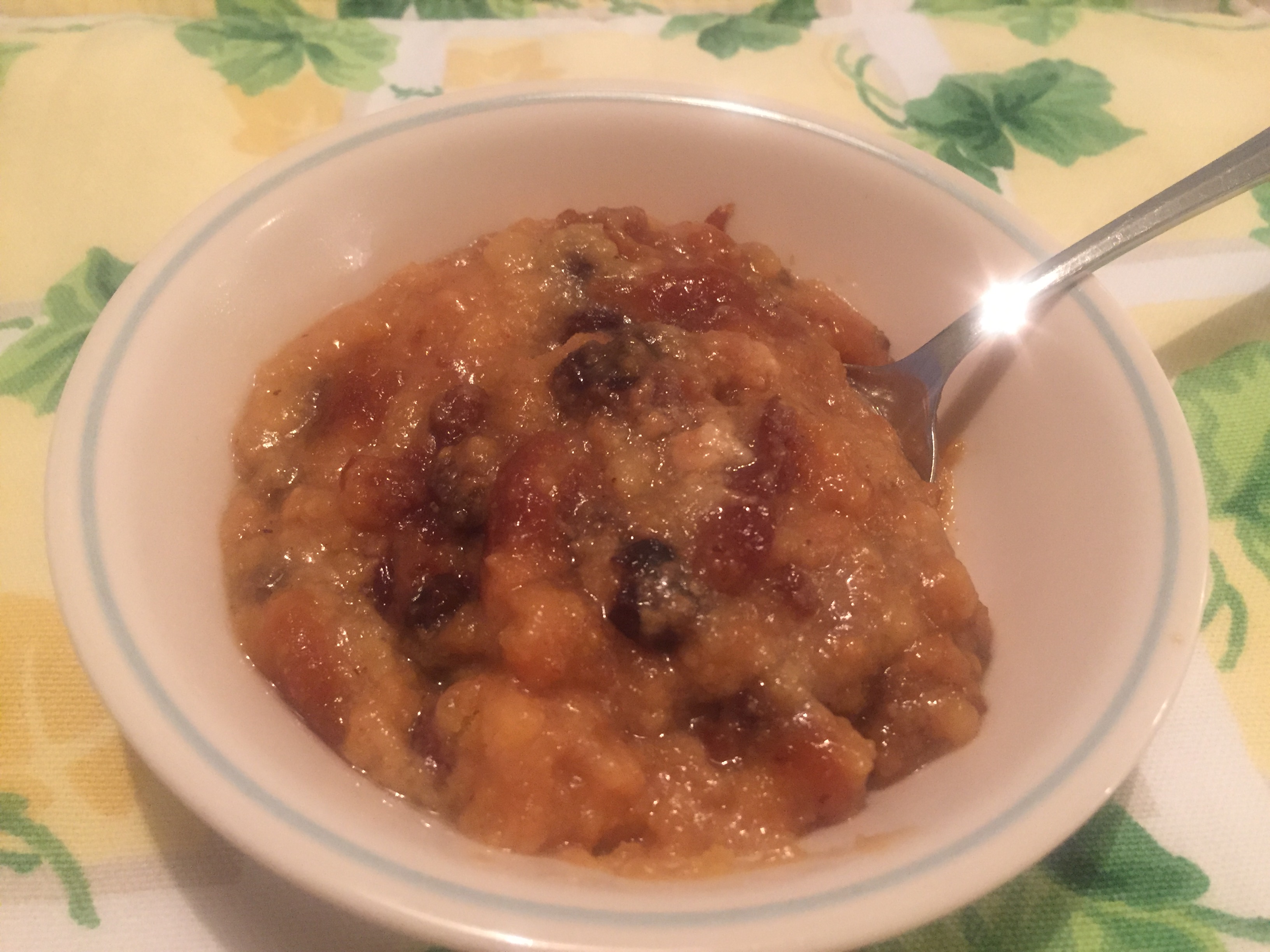
Indian pudding is slow comfort, born in New England kitchens where time did most of the work and cornmeal stood in for pricier flour. Cornmeal simmers with milk until thick, then bakes for hours with molasses, butter, and warm spices until the edges darken into caramel and the center turns silky, somewhere between custard and porridge. Molasses brings depth rather than simple sweetness, while ginger and cinnamon keep the flavor awake, and a little salt stops it from tasting muddy as it bubbles and settles. Served warm with cream or vanilla ice cream, it improves overnight, the spice softening and the top turning faintly toffee-like.
Pineapple Upside-Down Cake
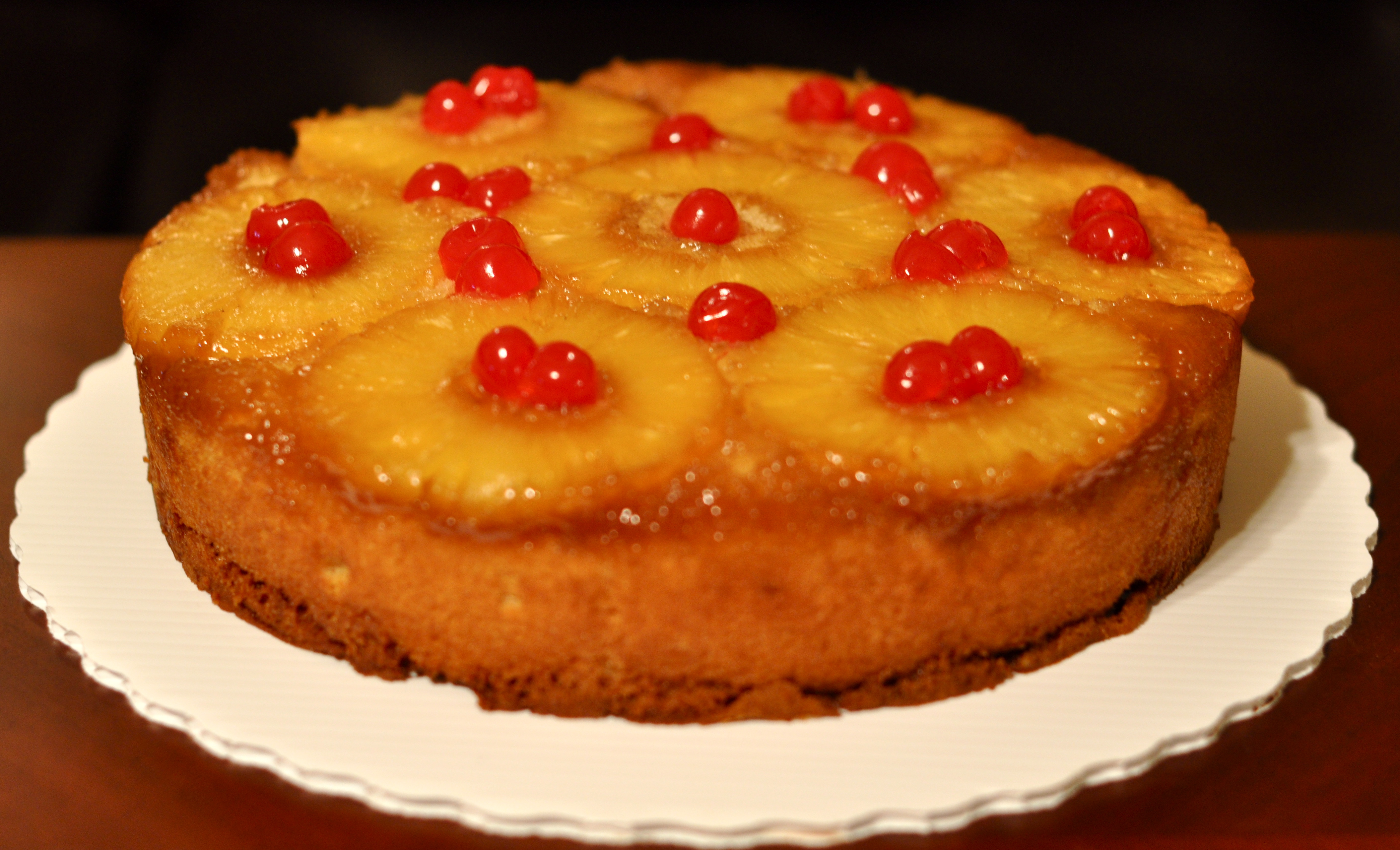
Pineapple upside-down cake earned its fame with a skillet and a flip that feels like a trick. Butter and brown sugar melt into caramel, pineapple rings bake into a crown, and the cake underneath stays tender from the fruit’s steam, sometimes finished with a cherry. It rose alongside canned pineapple, a pantry luxury that let cooks serve something bright in winter, and it looked decorated straight from the pan. Add a pinch of salt and a hint of spice in the batter, and the topping reads as butterscotch, not sugar syrup, while the slices stay moist for days on the counter. It perfumes the kitchen like caramel and citrus all day too.
Rice Pudding With Raisins
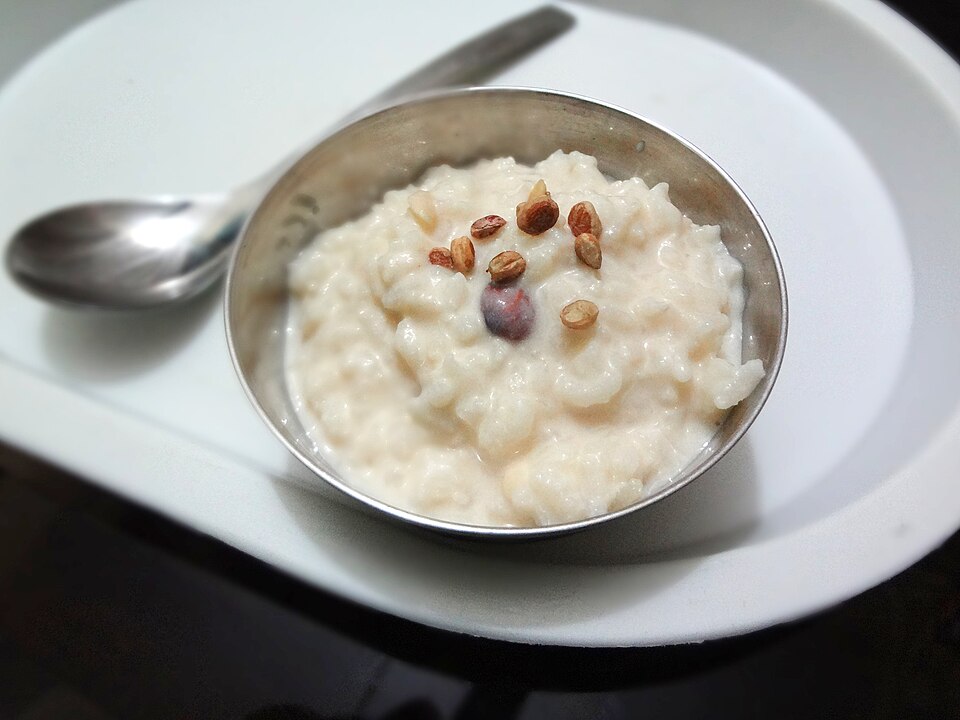
Rice pudding was the quiet answer to leftover rice, which is why it deserves a comeback. Milk, sugar, and a pinch of salt simmer until the grains turn creamy, then cinnamon, nutmeg, or cardamom perfumes the pot, with a little butter or condensed milk rounding the edges. Raisins plump into bursts, toasted almonds add crunch, and lemon zest can lift the whole bowl so it tastes bright rather than heavy, whether served warm, chilled, or topped with jam. Some versions bake until a bronzed skin forms and the center slices like custard; others stay loose and spoonable, making it a smart make-ahead dessert that travels well to gatherings.
Ambrosia Salad
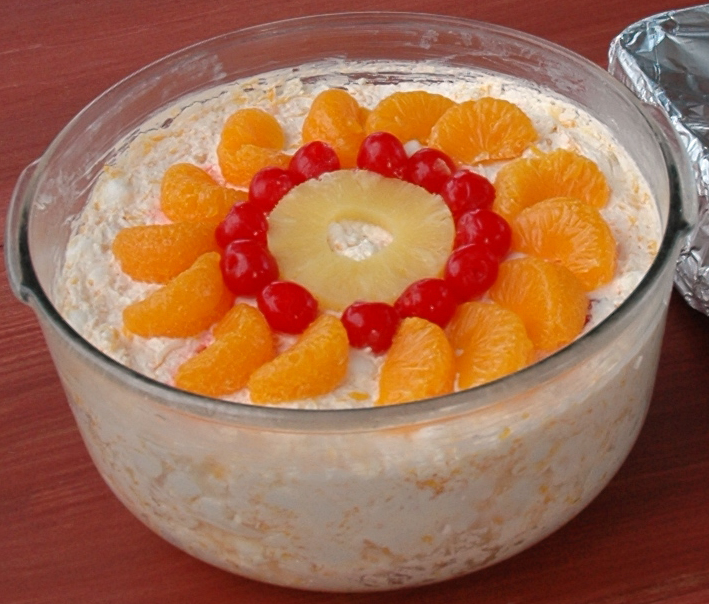
Ambrosia salad is a potluck time capsule, built when canned fruit meant brightness in the middle of winter. Oranges, pineapple, coconut, and marshmallows mingle in a creamy dressing, and the best bowls keep it light so citrus stays in charge, not the sugar. Older versions use sour cream or a spoonful of yogurt to add tang, plus maraschino cherries for color and pecans for crunch, which keeps every bite from tasting the same. Given a few hours in the fridge, the flavors settle and the coconut softens, turning the texture from chaotic to pleasantly chewy, and it ends up feeling refreshing after a heavy meal at holiday tables, too.
Chiffon Pie
Chiffon pie was the airy answer to heavier layer cakes, and it still feels smart. A citrus or chocolate custard base is cooled, stabilized with a little gelatin, and folded with whipped egg whites, then set in a crust so each slice stands tall but melts quickly on the tongue. Lemon chiffon tastes clean and sunny, while chocolate chiffon has depth without feeling dense, especially with a graham or wafer crust and a thin veil of whipped cream. Because the filling is mostly air, it handles big meals well, and it waits calmly in the fridge for hours, which made it perfect for parties where dessert needed to behave even in summer heat.
Divinity Candy
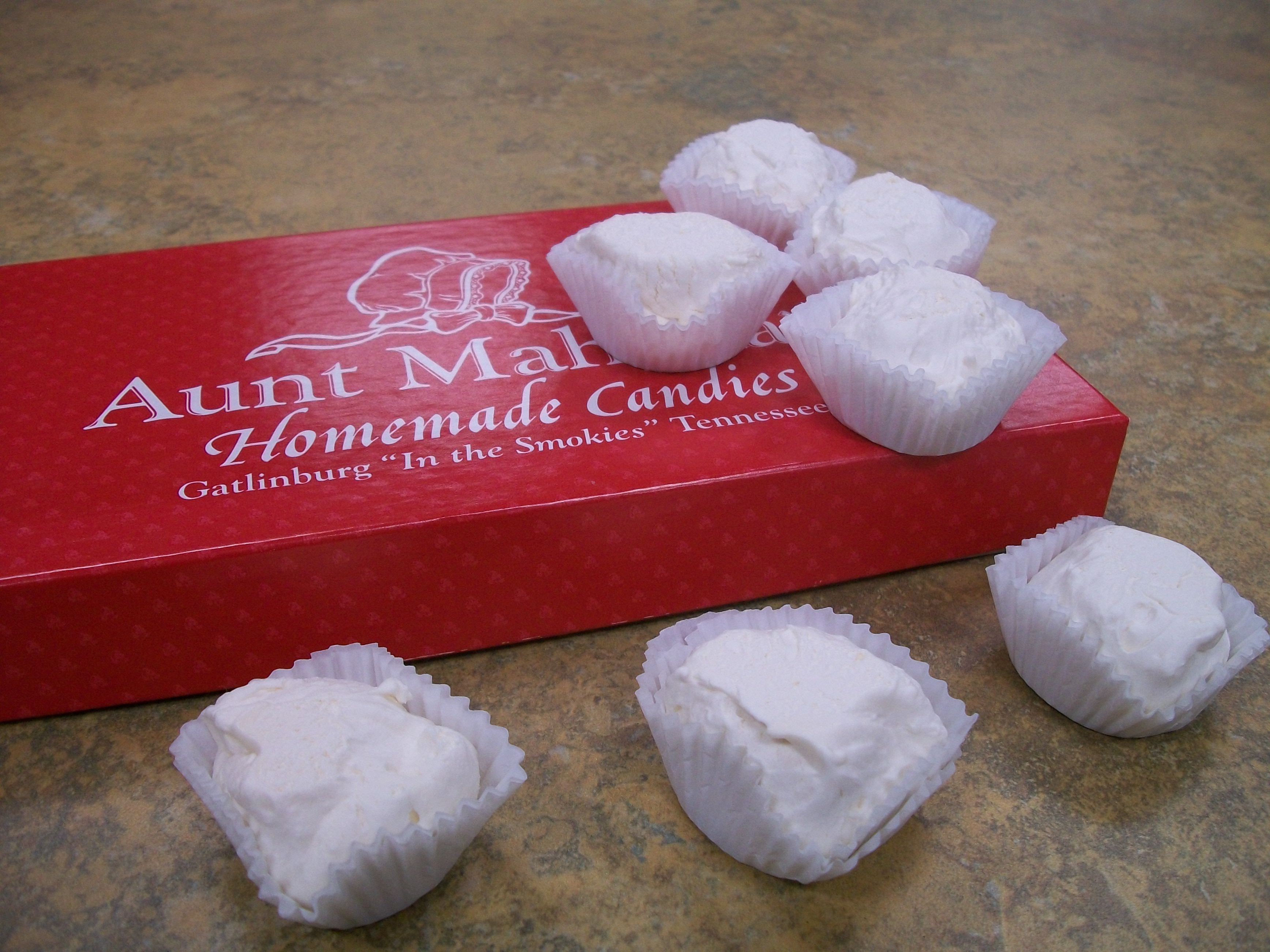
Divinity looks like a snowdrift and tastes like a sweet, airy chew, which is why it used to appear in every holiday tin. Hot sugar syrup is cooked to the stage, then whipped into egg whites until glossy and stiff, and dotted with pecans or walnuts before it sets into pale pillows that crackle on the outside. It is famously humidity-sensitive, so a good batch feels like a small victory, the kind that gets shared piece by piece and remembered. The texture lands between marshmallow and nougat, and the clean vanilla base welcomes twists like cocoa, espresso powder, or toasted coconut without losing its charm for days in a tin.
Chocolate Icebox Cake
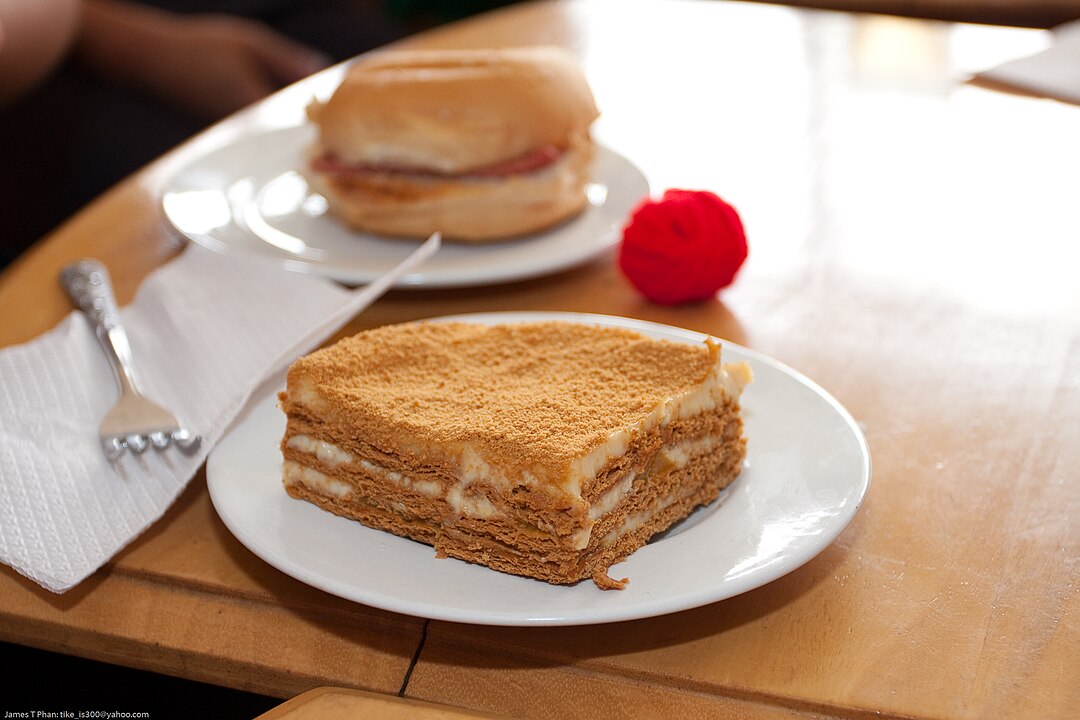
Chocolate icebox cake proves that time can be an ingredient. Crisp chocolate wafers are stacked with barely sweetened whipped cream, then chilled overnight until the cookies turn tender and cake-like, forming neat stripes when sliced and a truffle-like softness at the edges. It became a classic when refrigerators made no-bake desserts practical, especially in summer when ovens felt unbearable, and it was easy to build in a loaf pan for clean slices. A dusting of cocoa adds bitterness, and add-ins like espresso, berries, orange zest, or a thin smear of peanut butter can shift the flavor without changing the simple, chilled charm. So.
Floating Island
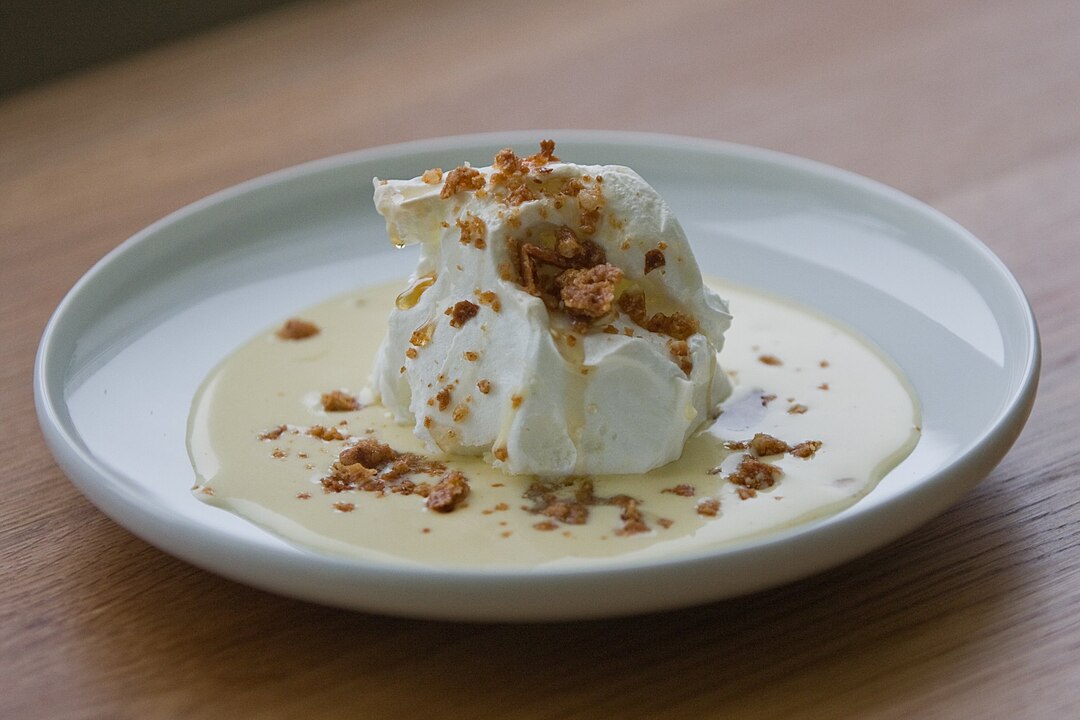
Floating island, or île flottante, sounds grand but relies on simple care and good timing. Egg whites are whipped with sugar, shaped into clouds, and gently poached, then floated on a pool of vanilla custard that is just thick enough to coat a spoon. Each bite balances cool cream with marshmallow-soft meringue, and caramel adds a faint bitterness that keeps it elegant, not cloying, while toasted almonds bring a little crunch. It was a staple in French home cooking and bistros because it uses humble ingredients well, and it looks dramatic in wide bowls with the sauce pooling around the islands as caramel hardens into glassy threads.