Outlet upgrades often start with good intentions: more plugs, faster charging, fewer extension cords on the floor. But electricity is unforgiving, and small DIY shortcuts can turn into failed inspections, nuisance breaker trips, or hidden heat inside walls. Across older homes and quick flips alike, inspectors keep spotting the same risky outlet tweaks, usually done to make a room feel modern in an afternoon. The trouble is that codes focus on predictable protection, not convenience, and outlets sit right at the point of daily contact. Permits and proper protection, like GFCI/AFCI, matter more than a sleek plate, always.
The Fake Three-Prong Upgrade
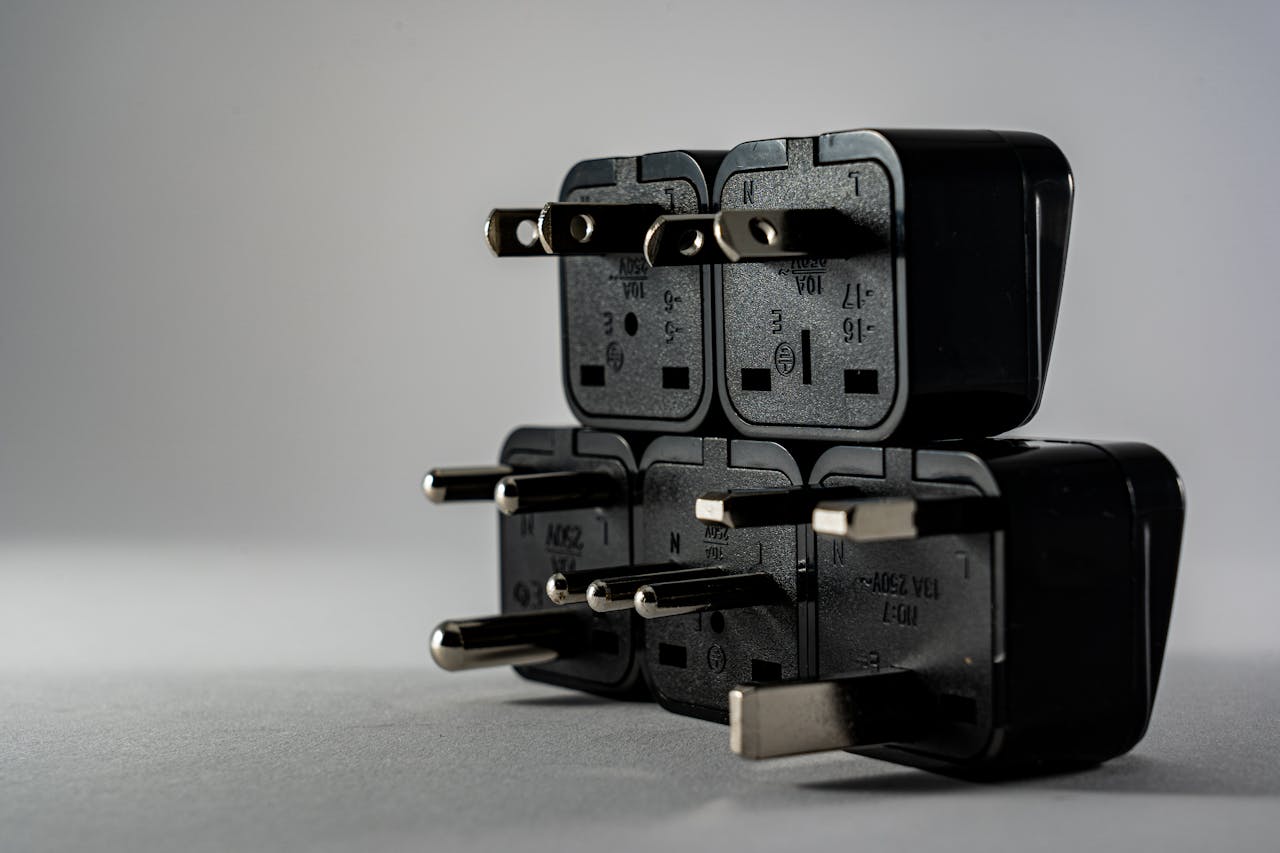
Swapping a two-slot receptacle for a three-prong one can make an older room feel instantly updated, especially when modern chargers, TVs, and grounded plugs take over. The trouble is that many older circuits were run without an equipment grounding conductor, so the third hole becomes a promise the wiring cannot keep, and a tester may still show open ground. Inspectors treat that mismatch as a code problem and a safety problem, because a fault can leave metal parts energized; the compliant fixes usually involve adding proper grounding or using approved GFCI protection with correct labeling, not a quick cosmetic swap.
Bootleg Neutral-to-Ground Jumper

A quick way some DIYers try to silence an open-ground reading is by tying the neutral and ground terminals together at the receptacle, sometimes with a short jumper wire. That bootleg bond can fool a basic tester into showing safe, yet it reroutes normal return current onto metal boxes, device straps, and grounded surfaces that should stay quiet, and the bond is only allowed at the service equipment. Inspectors flag it because a loose neutral or shared circuit can energize exposed metal and mask the real problem, creating a shock hazard and hot connections behind the plate, especially where damp floors are common.
Hot and Neutral Reversed

Fast outlet swaps sometimes end with the hot and neutral reversed, especially when older wiring uses faded insulation, unlabeled cables, or a mix of daisy-chained conductors in one small box. A lamp may still turn on, but polarization is lost, so threaded lamp sockets, appliance frames, and internal switches can stay energized in ways people do not expect, even when the device appears off or unplugged from a power strip. That miswire fails inspection, can confuse GFCI and AFCI protection, and often signals rushed terminations nearby, where heat builds at loose screws, nicked copper, and weak contact points over years.
Backstab Connections That Loosen
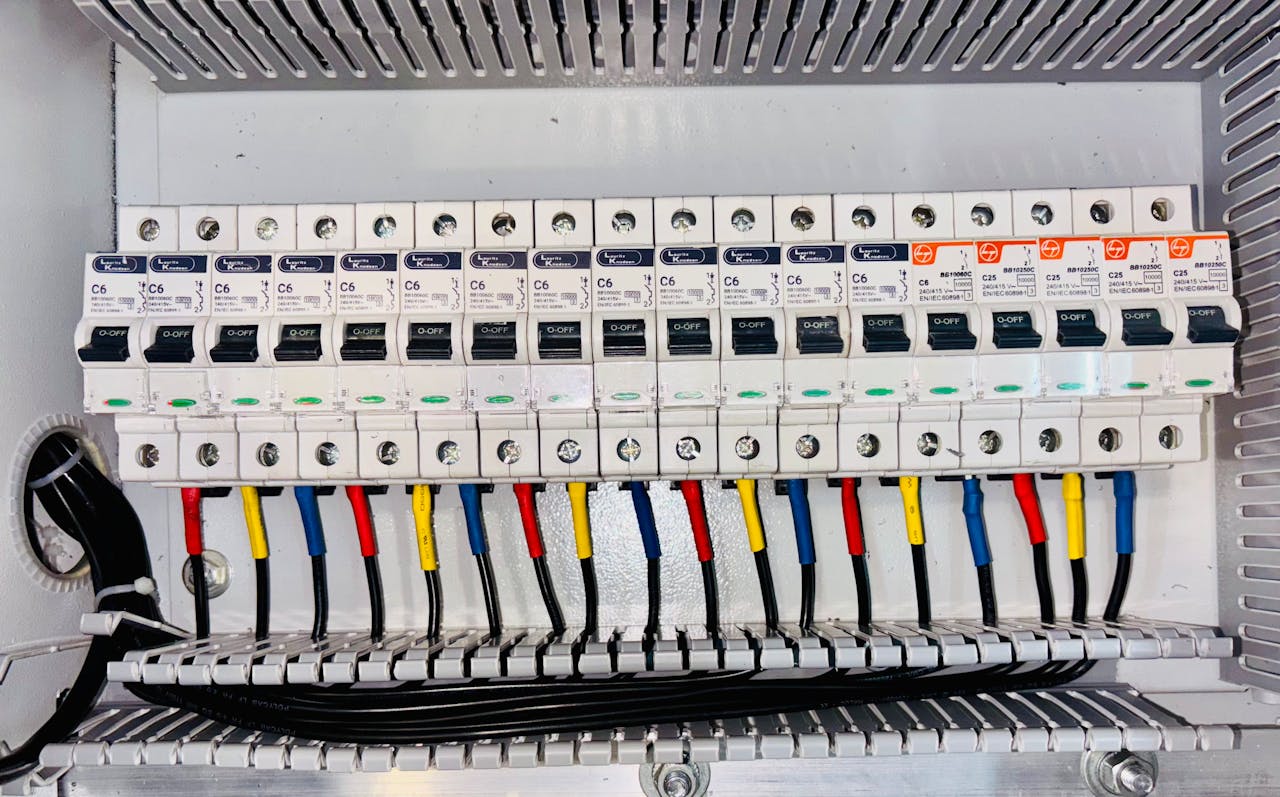
One of the most common outlet tweaks is swapping devices fast and choosing the quickest connection method available, often the push-in backstab holes instead of side terminals. Those spring contacts can relax over years of heating and cooling, and a slightly loose connection becomes arcing and carbon buildup, which can melt insulation and start a fire without tripping a breaker right away. Inspectors get suspicious when a receptacle feels wobbly, shows discoloration, or sits in a crowded box, because the danger is hidden behind the plate, and the remedy is solid terminations tightened to the device’s listed torque.
Recessed Boxes Hidden by Spacers

When new tile, shiplap, or thick paneling goes up, outlets sometimes end up recessed, so a common hack is stacking spacers, extra-long screws, or flimsy extenders until the receptacle appears flush. If the electrical box is not properly extended to the finished surface, combustible trim can sit too close to live parts, and the extra hardware can flex, crushing conductors and loosening splices in an already tight space. Inspectors flag the setup because the box is part of the fire barrier and strain relief, and cosmetic alignment cannot replace a correctly sized, securely mounted box extension using listed components.
Permanent Power-Strip Solutions

Rooms with too few receptacles often get patched with cube taps, multi-plug adapters, and daisy-chained power strips that live behind a dresser or TV stand for years. These products have legitimate temporary uses, but they are not a substitute for fixed wiring, and they can overload one outlet, loosen plug blades from constant movement, and trap heat in a dusty corner where cords get pinched. During inspections, that cluster reads as an undersized plan and a fire load near fabrics, so electricians recommend adding additional, properly installed receptacles on an appropriate circuit instead of multiplying a single point.
Buried Splices Disguised as Outlets
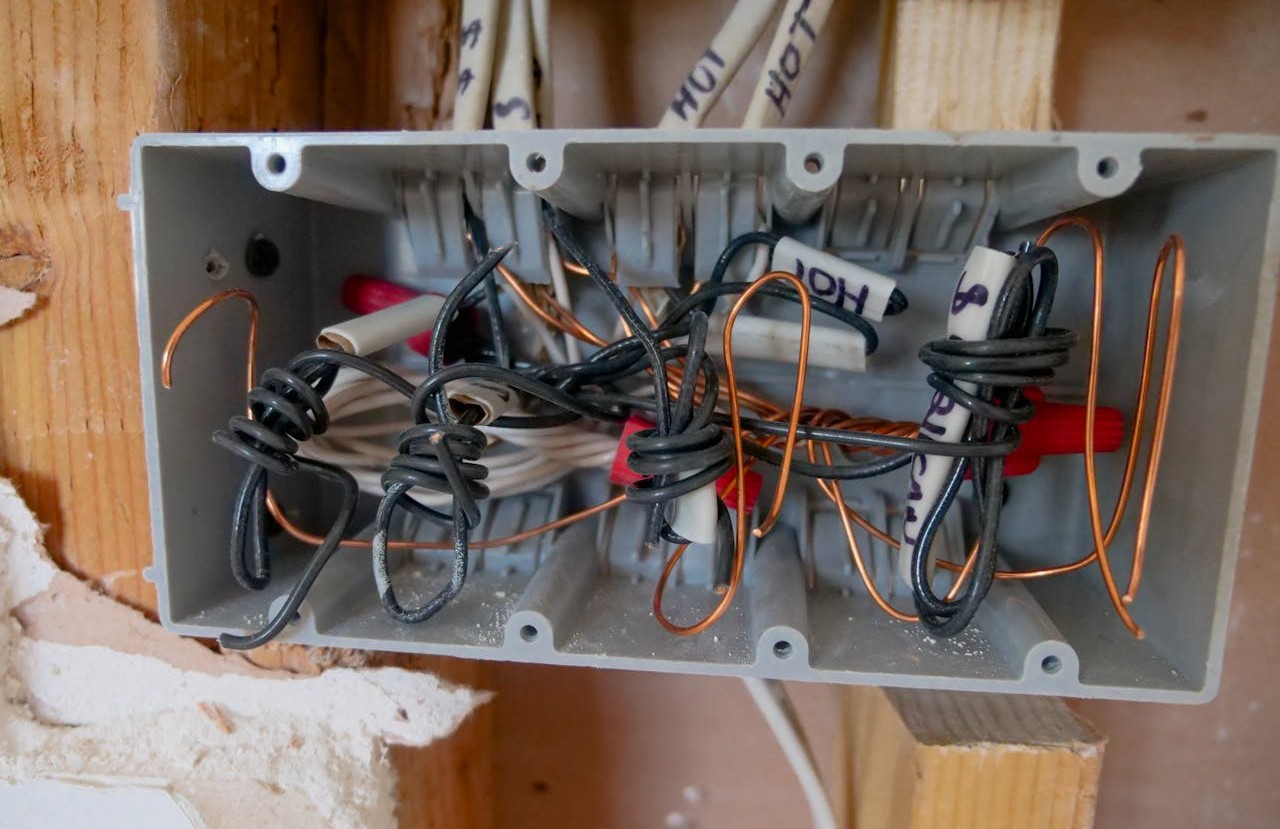
To add an outlet without opening much drywall, some remodels hide splices in a wall cavity or behind baseboards during a quick electrical refresh, then disguise the location with a new receptacle plate and paint. Codes require that every splice and connection live in an accessible junction box with a solid cover, because loose wirenuts, nicked conductors, and overheated taps are common ignition points. A buried connection can fail silently over time and then char framing, so inspectors fail it on sight, and the remedy is bringing those connections into a listed, accessible box rather than sealing them inside the wall.
Oversized 20-Amp Receptacles on 15-Amp Circuits
A heavy-duty looking T-slot 20-amp receptacle can feel like an upgrade, so it sometimes gets installed on a 15-amp branch circuit to match a tool, space heater, or garage fridge. That mismatch is a code violation because the receptacle advertises capacity the wiring and breaker may not safely support, and it can encourage plugging in loads that push the circuit toward overheating. Inspectors also watch for oversized devices crammed into shallow boxes, since bent conductors and stressed terminals raise failure risk under the faceplate, and the correct approach is matching devices, box fill, and circuit rating as a system.
Removing GFCI to Stop Tripping
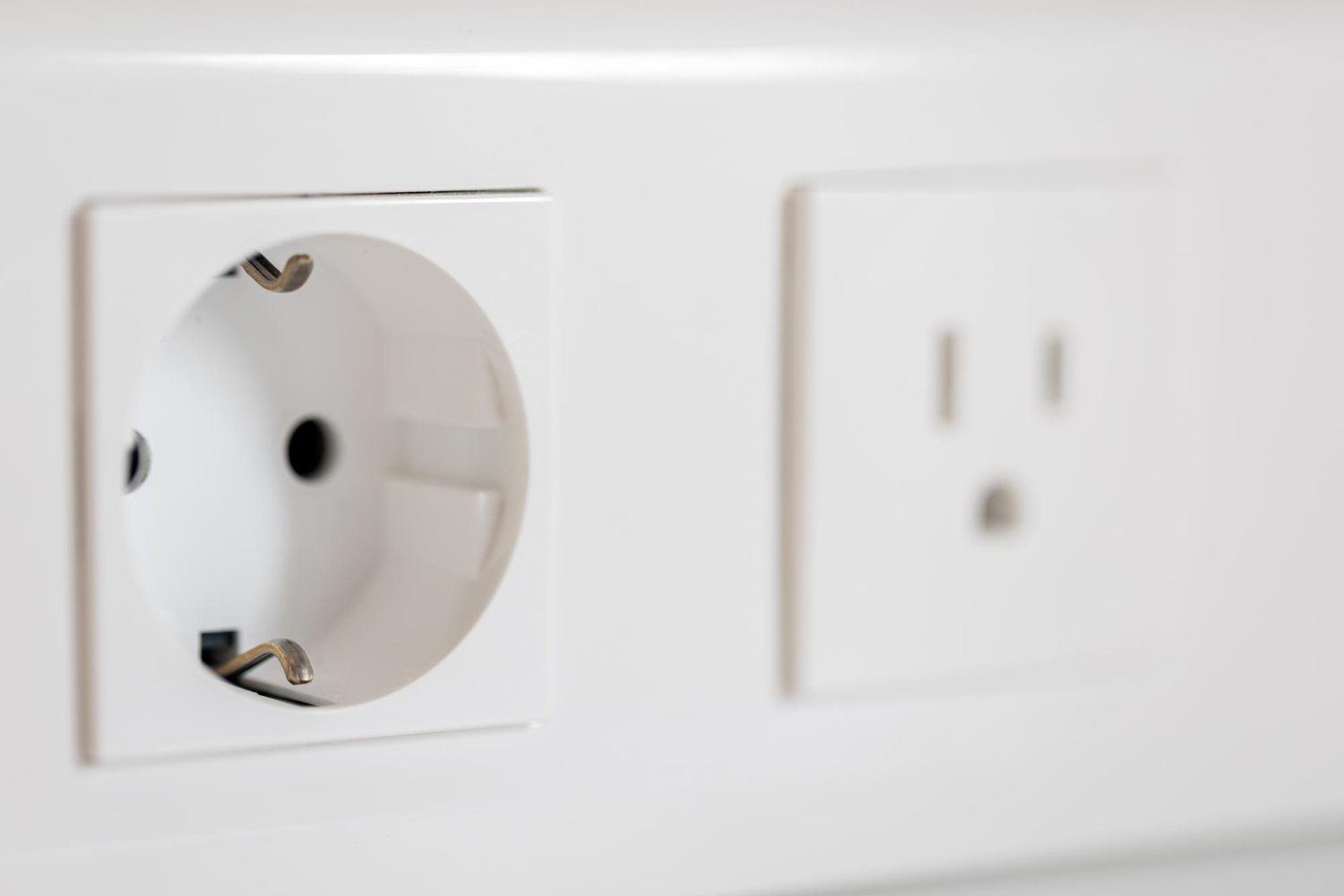
When a GFCI outlet trips repeatedly, a tempting fix is swapping it for a standard receptacle so a kitchen, bath, garage, or basement circuit stops going dark during busy days. Power comes back, yet the swap removes shock protection in the exact places where water, concrete, and grounded plumbing create a low-resistance path, and it can hide a real fault like a damaged cord or moisture in a box. Inspectors treat missing GFCI protection as a priority correction, and electricians tend to troubleshoot the cause or provide code-required protection at the right point, instead of deleting the device that was doing its job.
Indoor Devices Used Outdoors

Outdoor outlets are often upgraded during a patio refresh, yet the shortcut is using an indoor receptacle and a basic cover plate that does not seal or stay closed with a cord plugged in, even under a soffit. Sun, rain, and sprinklers work moisture into the device, corroding contacts and creating intermittent faults that can arc under load, especially around pools, decks, and exterior kitchens. Codes typically call for GFCI protection, weather-resistant devices, and an in-use cover in damp or wet locations, so inspectors flag the wrong hardware quickly and recommend listed parts suited to the environment.