In small-town kitchens across the South, recipes often traveled the slow way: on index cards, in church cookbooks, and in the memory of whoever stood closest to the stove. Many of these dishes were built for real life, stretching garden produce, leftover ham, or day-old bread into something worth gathering for. The flavors lean practical but never plain, shaped by season, thrift, and celebration. Each bite carries a little local weather, a little family history, and the calm confidence of meals that have been repeated for generations. They return for Friday football, Sunday service, and reunions that run late as well.
Chicken and Dumplings
Chicken and dumplings is the quiet centerpiece of many Southern family tables, especially when cold rain hits tin roofs. Small-town versions favor a peppery broth, pulled chicken, and flat dumplings rolled thin, then simmered until silky at the edges. It is less about fancy seasoning and more about timing: keeping the pot at a gentle bubble so the dumplings stay tender without turning gummy. Leftovers often taste even better the next day, when the starch has thickened the soup into comfort. In many homes, the dough is made by feel, with flour dusted on forearms and a relative insisting the cuts must be the same width.
Tomato Gravy Over Biscuits
Tomato gravy over biscuits turns pantry staples into a breakfast that feels like a holiday. The base starts with bacon drippings or butter, a quick flour roux, and canned tomatoes cooked down until the raw edge disappears. Milk softens the acidity, black pepper does the heavy lifting, and a pinch of sugar is common when the tomatoes taste sharp. Served on split biscuits, it lands somewhere between soup and sauce, and it often shows up when gardens are quiet and money is tight. In small towns, it is also a church-basement favorite, ladled fast at Saturday fundraisers while someone explains that the roux cannot be rushed.
Pimento Cheese on Soft White Bread
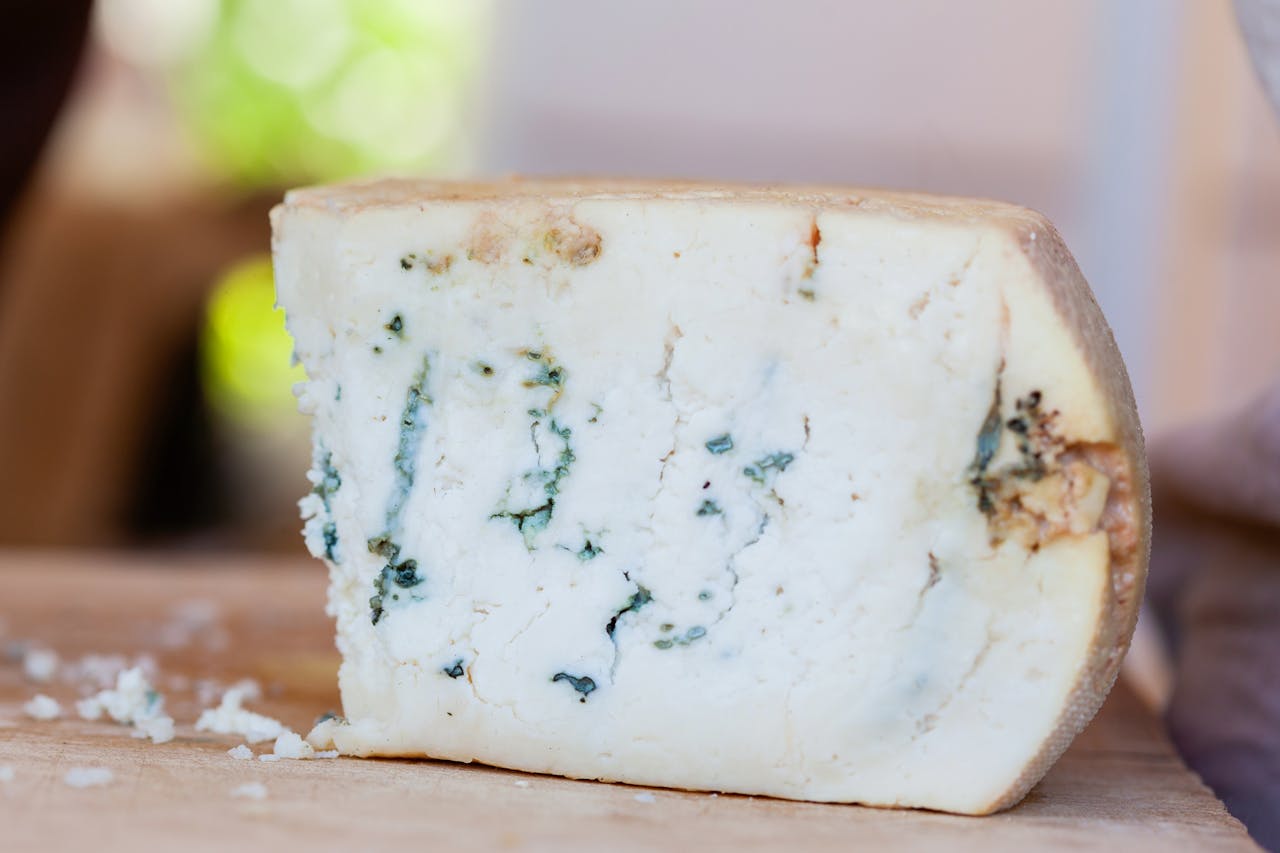
Pimento cheese may read as purely Southern, but its earliest recipes circulated in the North in the early 1900s, before the South fully adopted it. Small-town cooks made it their own with sharp Cheddar, mayonnaise, and diced pimentos, then adjusted texture with a fork until it spread like a thick salad. It shows up at lake days, funerals, and porch visits, usually beside dill pickles and a stack of crackers. The best batches balance tang, salt, and a whisper of sweetness from the peppers, not a wall of heat. Some families swear by hoop cheese, and towns quietly compete over which deli tub tastes most like home today.
Hoppin’ John With Field Peas
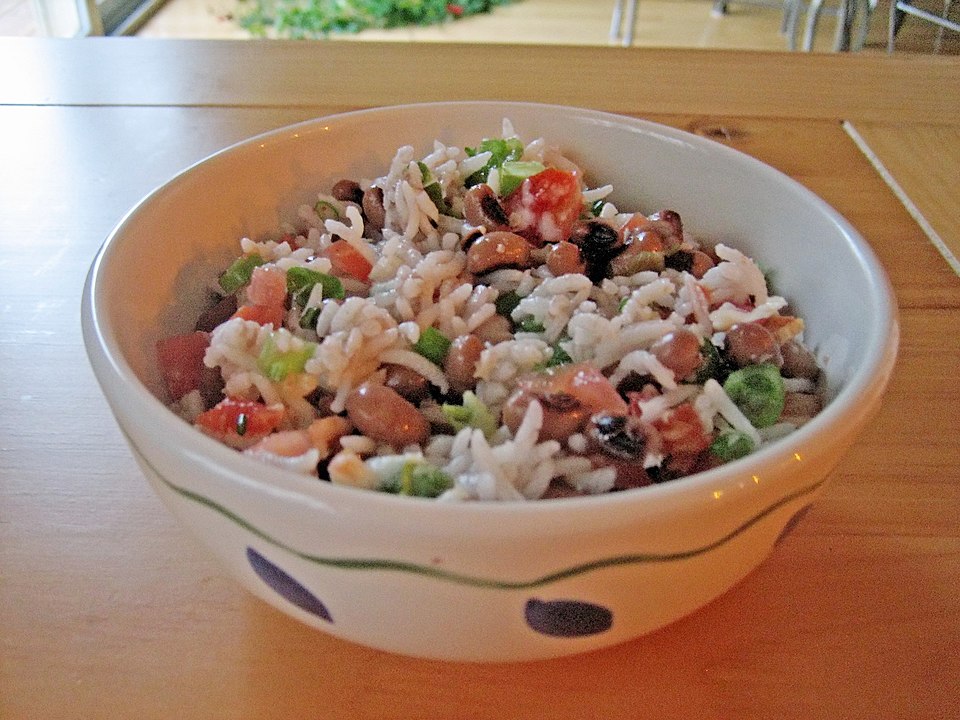
Hoppin’ John, built on rice and field peas, carries Lowcountry and Gullah Geechee roots and a deep sense of occasion. In many small towns, it is tied to New Year’s Day for luck, but it also shows up whenever ham hocks or smoked turkey need a worthy job. The peas simmer until creamy, the rice stays separate, and the pot liquor becomes its own seasoning, salty and rich. Served with greens and a splash of pepper vinegar, the plate tastes like thrift elevated into tradition. Leftovers rarely waste: they are packed into lunch pails or fried next morning until edges crisp and the kitchen smells like smoke and onions again.
Lowcountry Red Rice
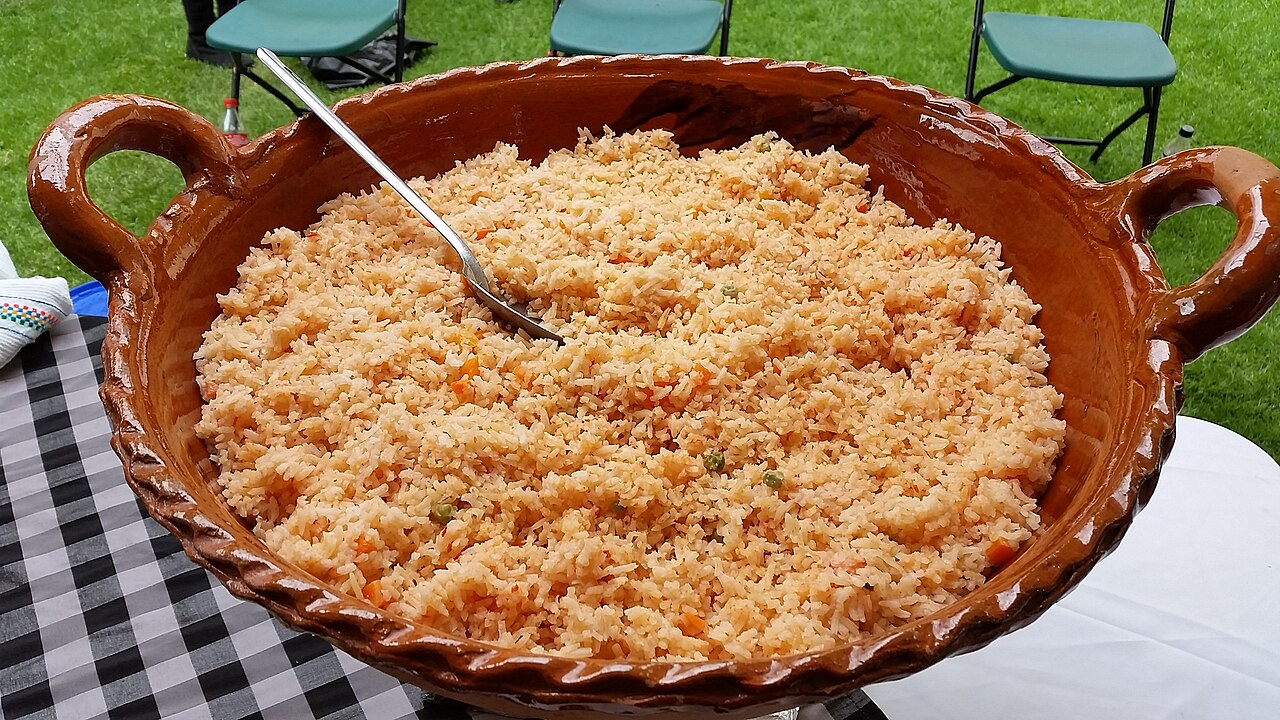
Lowcountry red rice looks simple, but it demands attention, the way a good pot of jambalaya does. Tomatoes stain the grains brick-red while bacon, sausage, or shrimp lend smoke and depth, depending on what the week allows. In small-town coastal families, the rice is baked or tightly covered so it steams evenly, never mushy, never dry. It often arrives at fish fries and holiday spreads because it can feed a crowd, hold on a warming tray, and still taste alive. Some cooks keep a jar of seasoned grease just for this dish, and finish with scallions or parsley so the rich base gets a fresh lift at the end before serving.
Spoonbread From a Cast-Iron Dish
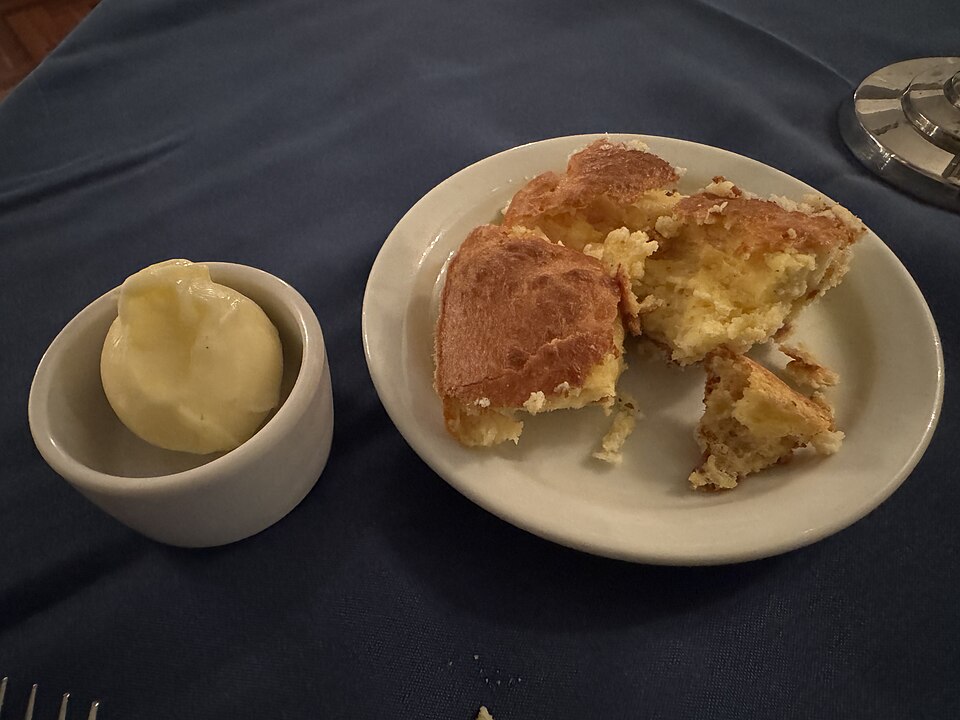
Spoonbread sits between cornbread and soufflé, a soft bake meant to be served with a spoon, not sliced. The batter usually starts with hot milk poured over cornmeal, then eggs folded in for lift, with butter melting across the top as it bakes. In small towns, it shows up beside roast chicken, pot likker greens, or any meal where gravy is already on the menu. Done right, it holds a crisp rim and a custardy center that tastes faintly sweet, even when no sugar is added. Families debate the cornmeal grind, but it must reach the table fast, while the steam still lifts the middle. Leftovers rewarm, but first scoop is unmatched.
Okra and Tomatoes With a Little Bacon
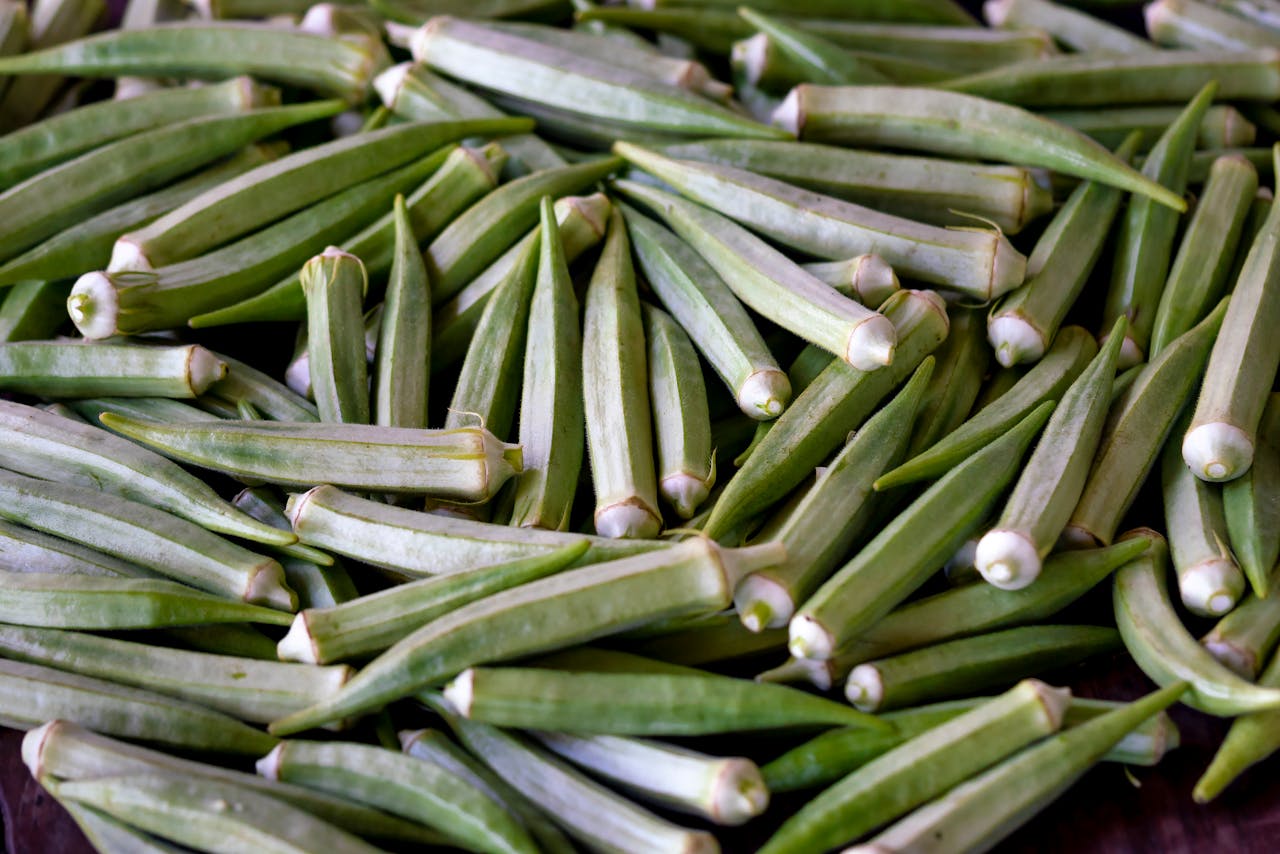
Okra and tomatoes is a late-summer standard when gardens start producing faster than anyone can give it away. Okra gets sliced into coins, tomatoes break down into a glossy sauce, and a strip or two of bacon adds smoke that keeps the dish from tasting flat. In many small towns, it is served as a side at supper, then reheated for breakfast beside eggs, where the juices soak into toast. The texture can be controversial, so cooks lean on high heat and quick stirring to keep the okra bright and the sauce clean. A dash of vinegar or hot sauce sharpens pot, and some families can tomatoes in Aug. to keep this taste into winter.
Brunswick Stew for Ball Games
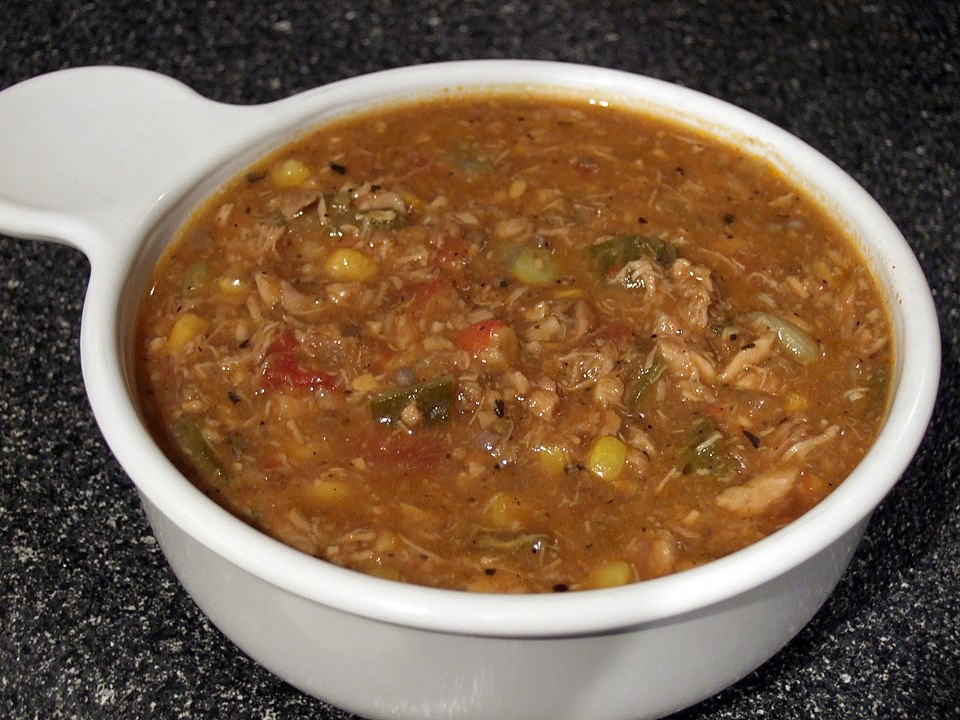
Brunswick stew is the kind of crowd food that appears when a town has something to celebrate: a ball game, a barbecue, a homecoming. The origin is famously disputed, with Virginia and Georgia both claiming it, and local pride can get loud about the story. Most modern pots lean on chicken or pork, tomatoes, corn, and butter beans, simmered long enough to turn into a thick, spoonable stew. In July 2025, Georgia even named Brunswick stew an official state dish, which only added fuel to the friendly rivalry. Often cooked slow in big pots, it is stirred with a paddle and served with cornbread for the last bit of sauce.
Country Ham With Red-Eye Gravy
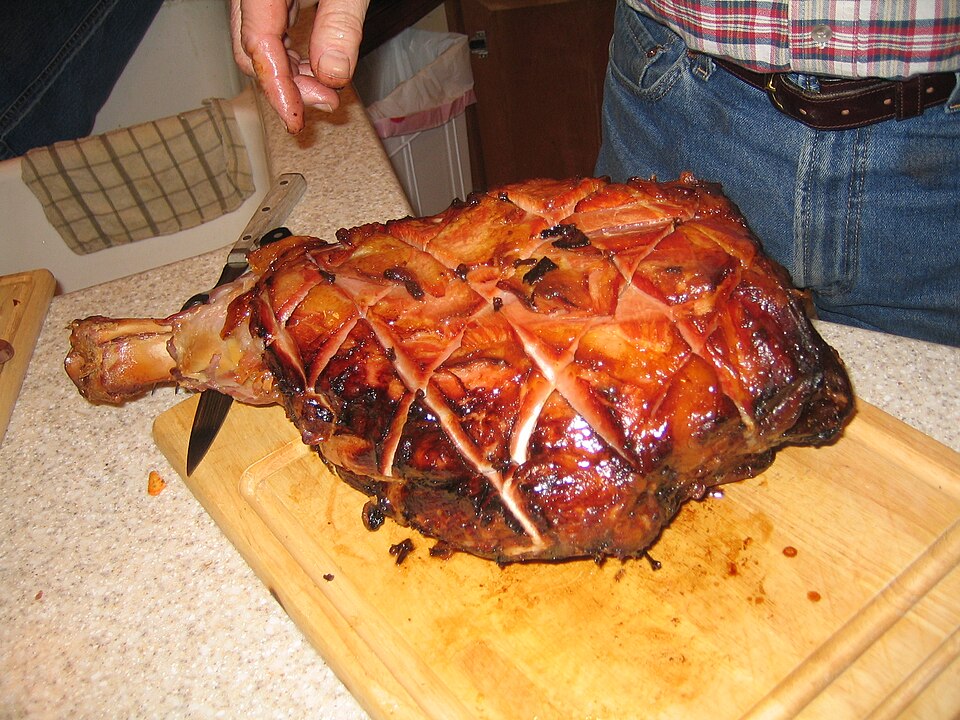
Country ham brings salt, smoke, and patience, because it is cured for weeks and sometimes months before it ever hits a skillet. In small-town breakfasts, thick slices get seared until the fat turns translucent, then the pan is loosened with black coffee to make red-eye gravy. The sauce is thin, glossy, and bracing, meant to be spooned over grits or biscuits, not eaten like cream gravy. It is a dish that tastes unapologetic, a reminder of how rural kitchens preserved meat long before refrigeration was common. Some families soak slices overnight, then save the drippings for greens, letting one breakfast set up supper.
Skillet Cornbread With a Crackly Crust
Skillet cornbread is less a recipe than a ritual: heating cast iron until a drop of batter sizzles on contact. The fat might be bacon drippings, lard, or butter, and that choice becomes a family signature that neighbors can taste blind. Many small-town cooks favor little or no sugar, letting corn flavor lead, while buttermilk keeps the crumb tender. Served with beans, soup, or stew, it turns into an edible utensil, perfect for scraping the last spoonful from the bowl. The next morning, wedges are often split and toasted, or crumbled into a glass of cold milk, a snack that feels like a shortcut back to childhood again.
Buttermilk Chess Pie
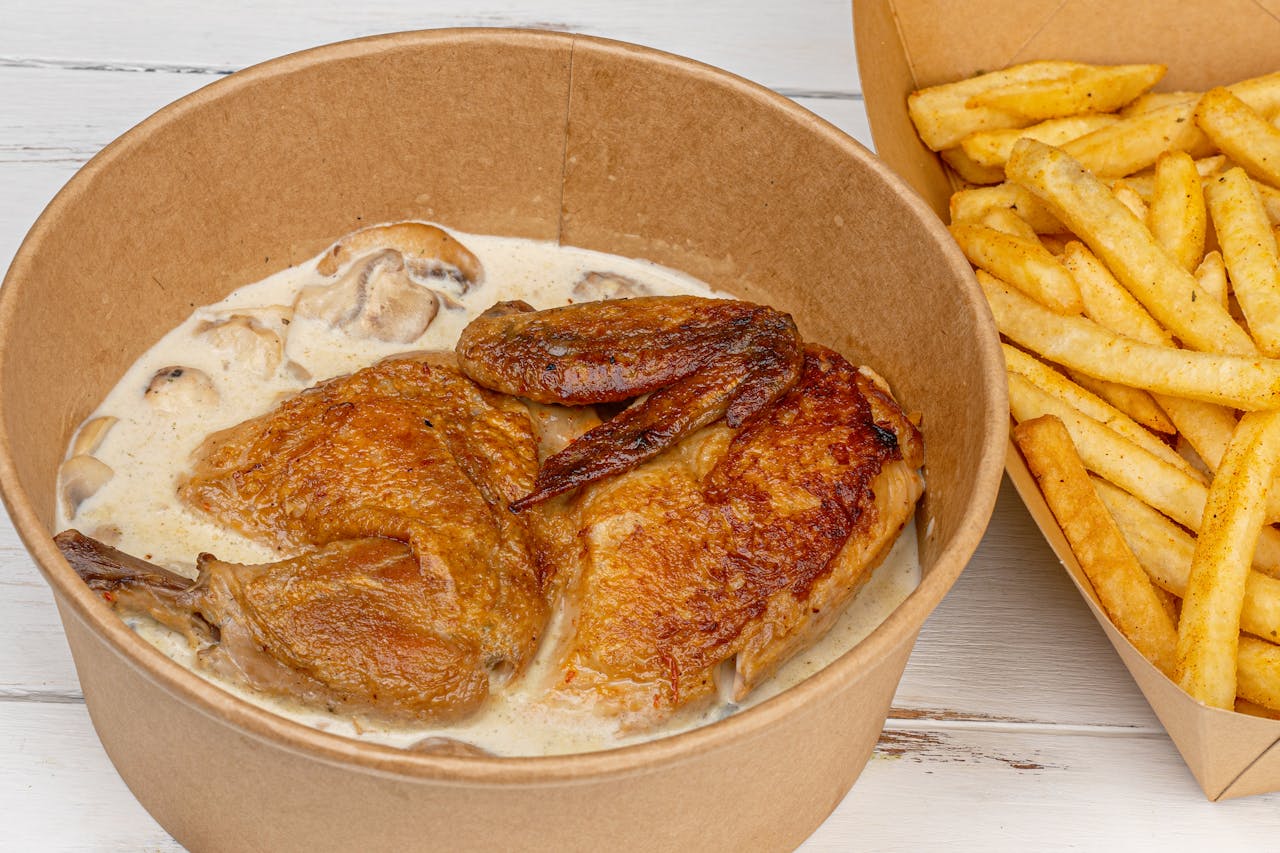
Buttermilk chess pie is a courthouse-bake-sale classic: humble ingredients turned glossy and luxurious in the oven. Eggs, sugar, and butter create the custard, while tangy buttermilk keeps it from tasting one-note sweet. A spoon of cornmeal or flour thickens the filling, and a pinch of salt makes the top crust of sugar taste intentional, not cloying. In small towns, chess pie is often the dessert that appears when someone says, “There’s nothing in the house,” and then proves otherwise. It cools on a windowsill under foil slices clean at room temperature, and holds well for potlucks where desserts must survive a long drive.
Old-Fashioned Vinegar Pie
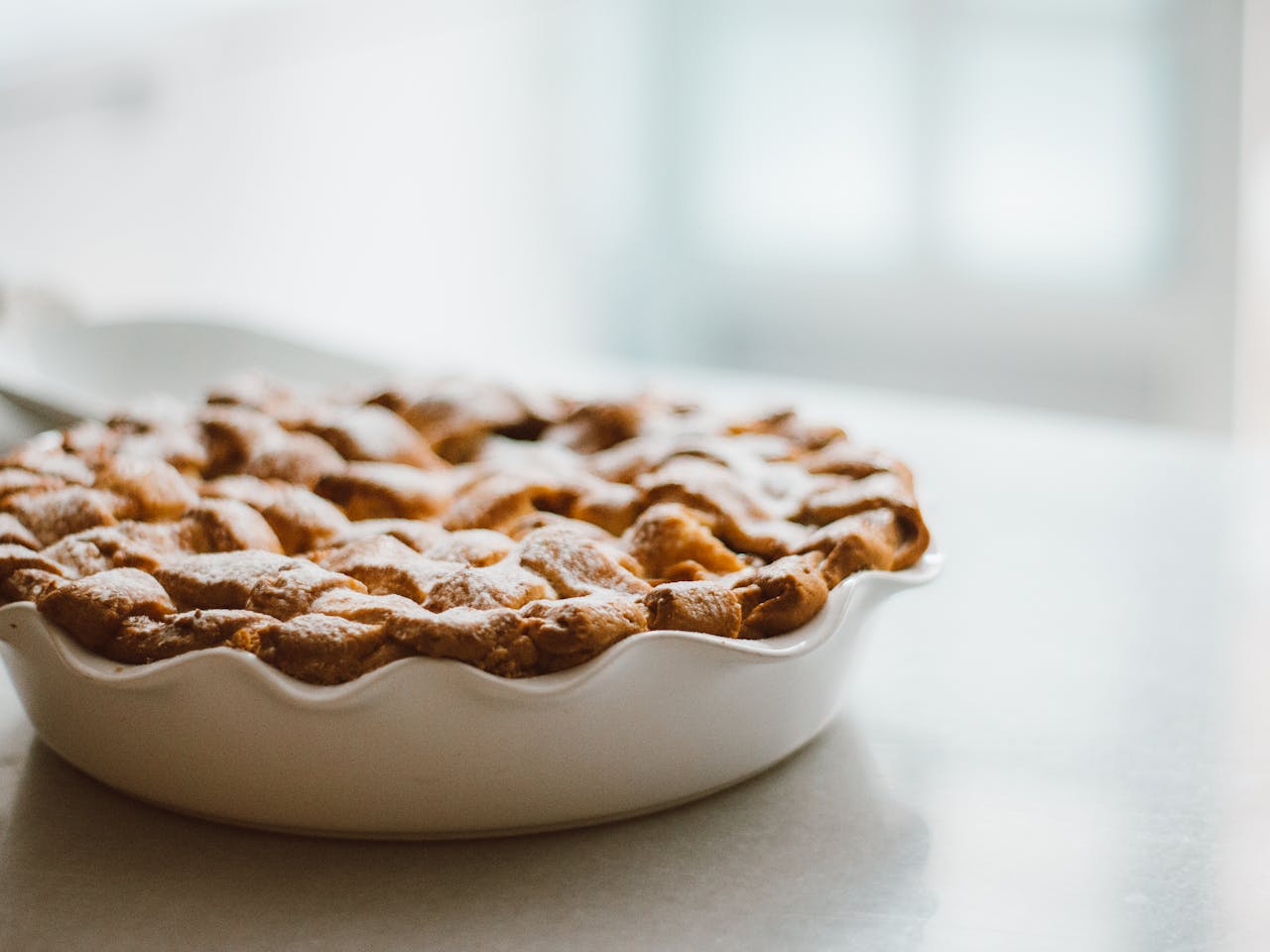
Vinegar pie comes from times when fresh fruit was scarce, yet a pie was still expected on the table. With vinegar providing brightness, the filling mimics lemon in a clever way, especially when butter, eggs, and sugar are whisked into a smooth custard. Many Appalachian and small-town Southern families kept versions of it, because the ingredients lived in the pantry year-round. The flavor lands sweet-tart and surprisingly clean, with a faint caramel note from the baked sugar top. Often remembered as a Depression-era standby, it could be baked without a trip to town, then served with a small spoon of whipped cream.
Benne Wafers From the Lowcountry
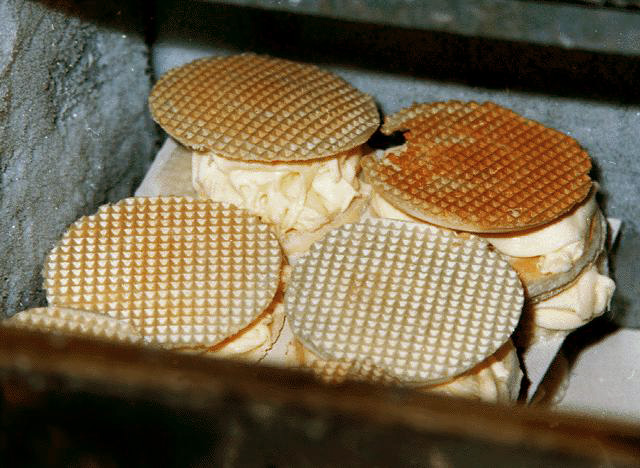
Benne wafers are thin, sesame-studded cookies tied to the South Carolina Lowcountry, with roots that trace back through West Africa. The word benne is an older term for sesame, and the seeds arrived with enslaved Africans, later becoming a local staple. Small-town batches are often crisp at the edges and chewy in the center, tasting of brown sugar and toasted seeds. They show up on tea trays, at holiday cookie swaps, and in tin boxes mailed to relatives who moved away but still miss coastal air. The key is to toast the seeds until fragrant, then bake the dough just long enough that it snaps, a perfect partner to coffee.