Family heritage trips often begin with a tender plan: one flight, one town, one churchyard, and one answer that might finally steady a story passed down for years. The planning stage can feel warm, with cousins sharing dates, photos, and half-remembered names like puzzle pieces.
Then the road adds pressure. Records are missing, offices close early, drives run long, and the emotional weight of the search can turn a simple meal into a hard conversation.
What looked like a clean return becomes messier and more honest. These journeys still matter, but they go best when the goal is understanding, not closure. Old tensions can surface by day two.
Ellis Island, New York
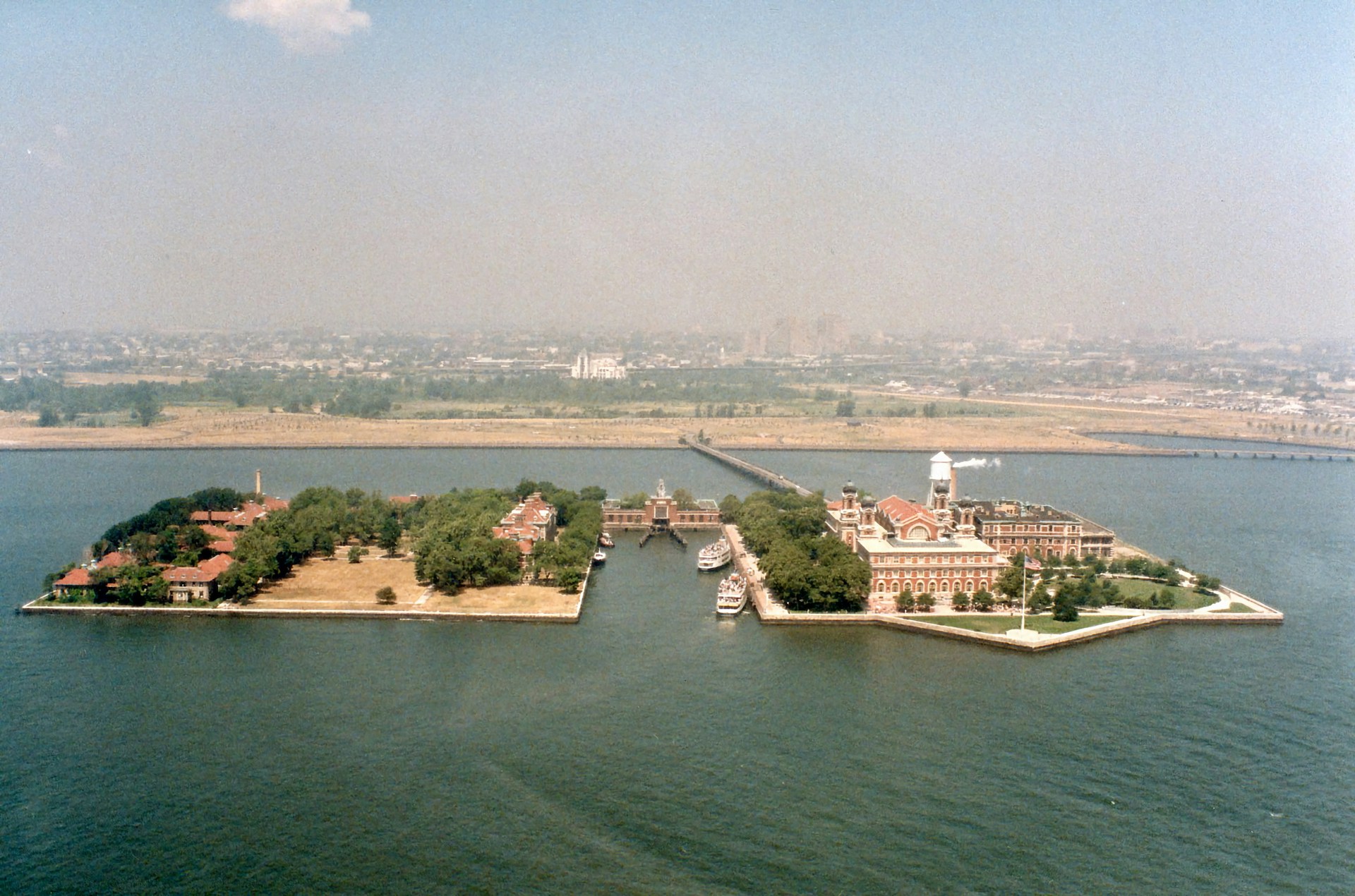
Ellis Island can feel like the perfect place to begin, because the story is already waiting in the harbor and the names feel close enough to touch. Families often arrive carrying old passenger tales, one faded photo, and a quiet hope that one museum room will make everything line up. The ferry ride itself can set a solemn tone before anyone even steps inside.
The hard part comes when memory and paperwork do not meet. Even when the ferry, museum, and archive displays are handled well, the day can slip into long lines, rushed emotions, and tense debates over what was true in family lore and what was borrowed from someone else’s story.
Angel Island, California
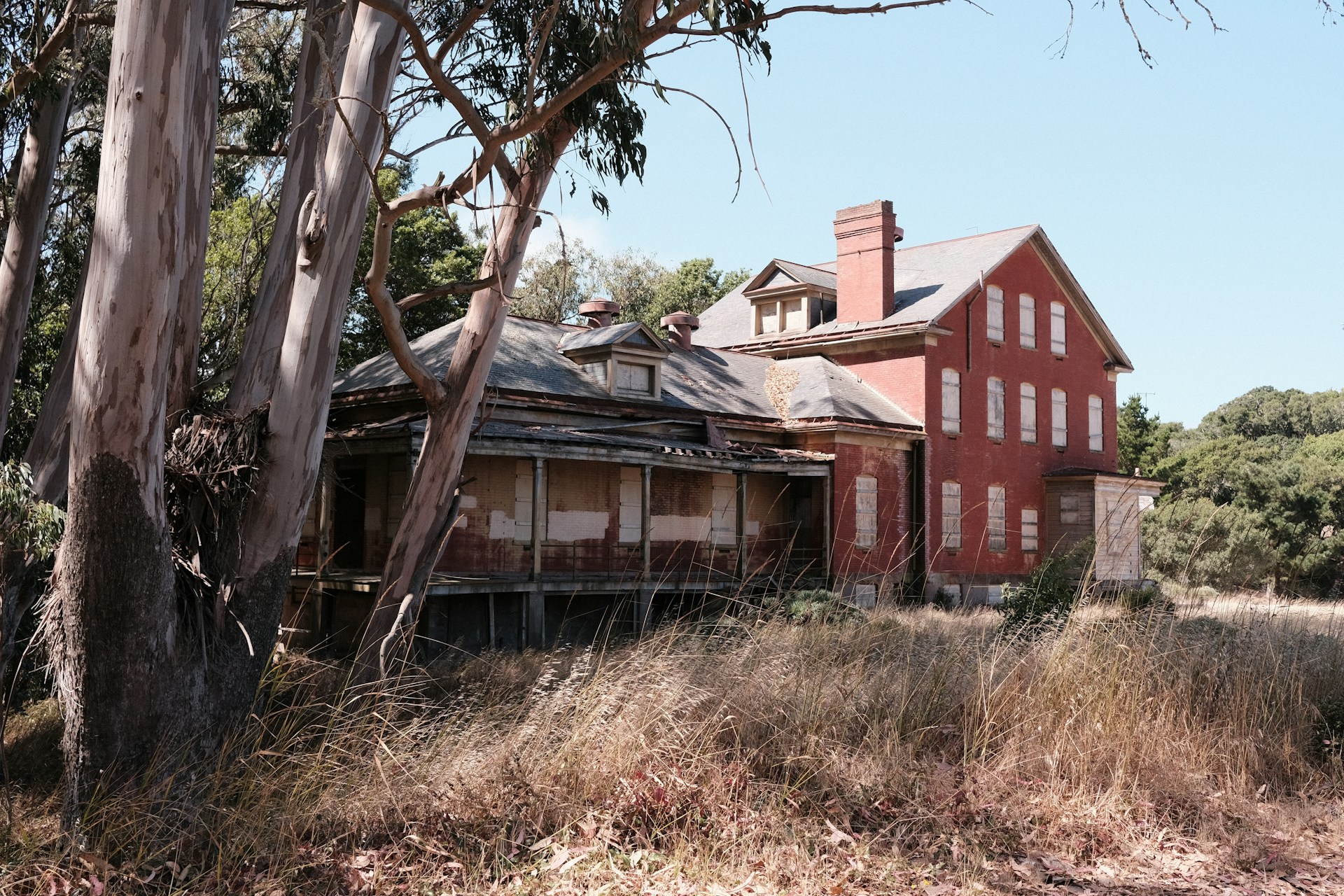
Angel Island often starts with a strong sense of purpose, especially for families tracing Chinese, Japanese, or Pacific migration stories on the West Coast. The ferry ride across the bay creates a reflective mood before anyone reaches the old station grounds, and the island setting makes the history feel close rather than abstract.
Regret usually enters later, when the visit turns heavier than expected or the timing is off. California State Parks notes limited winter weekday ferry service and limited museum hours, so a poorly planned day can leave families hurrying through places that deserve patience, context, and careful conversation.
Dublin Parish Search Trip
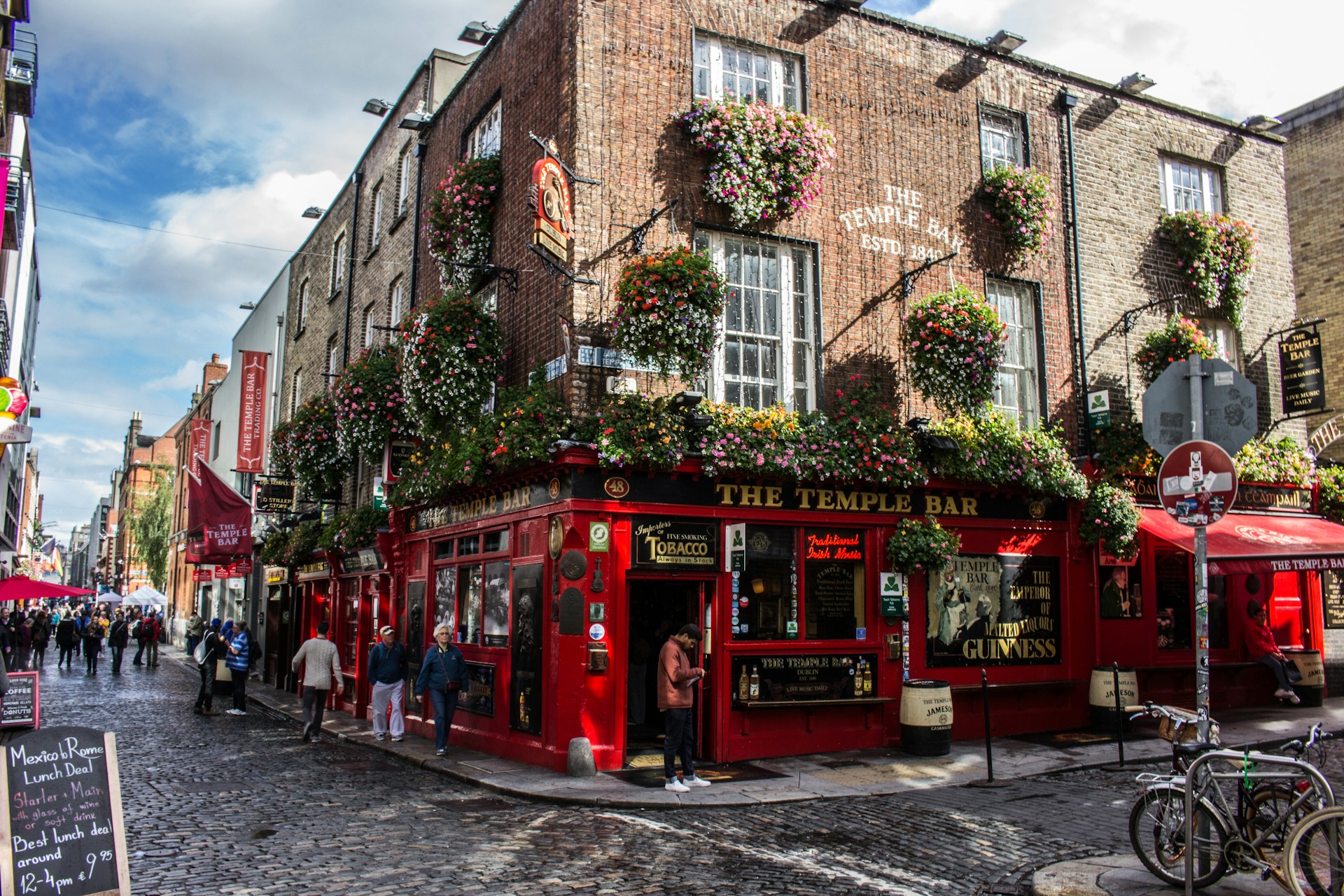
A heritage trip through Dublin often begins with optimism, because the city gives families a real place to sit with records, maps, and names instead of just swapping stories at dinner. The National Library of Ireland and related archives make the search feel concrete, even for relatives who were unsure about coming or worried the trip would feel too technical.
The regret tends to come from overpacking the trip. Irish records are rich, but they are spread across civil records, church records, and parish material, so families who expect instant answers in one afternoon can end up tired, frustrated, and arguing over what to prioritize first.
Edinburgh and Clan Country, Scotland

Scotland trips built around clan roots often begin with a cinematic mood, especially when families mix Edinburgh record research with a drive into the Highlands. Castles, kirkyards, and old parish towns can make even skeptical relatives feel connected to a name they have only seen on paper, and the landscape can carry the day.
Regret appears when the trip leans too hard on symbolism and not enough on records. Official Scottish research tools can confirm births, marriages, deaths, church entries, and census details, but many families spend most of the budget on scenic stops, then realize they never set aside enough time to verify the story properly.
Oklahoma Tribal Records Journey

An Oklahoma heritage trip tied to Native ancestry can start with real hope, especially when a family has heard for years that a single document will settle everything. Courthouse stops, local history rooms, and tribal history museums can make the search feel close and personal, and the trip itself can open long-avoided conversations.
The emotional drop happens when the process proves more complex than family legend. Federal records tied to the Dawes era are useful, but they cover specific tribes and a specific period, so relatives can leave feeling shaken when the paperwork does not match what they were told growing up.
Ottawa and Canada Records Route
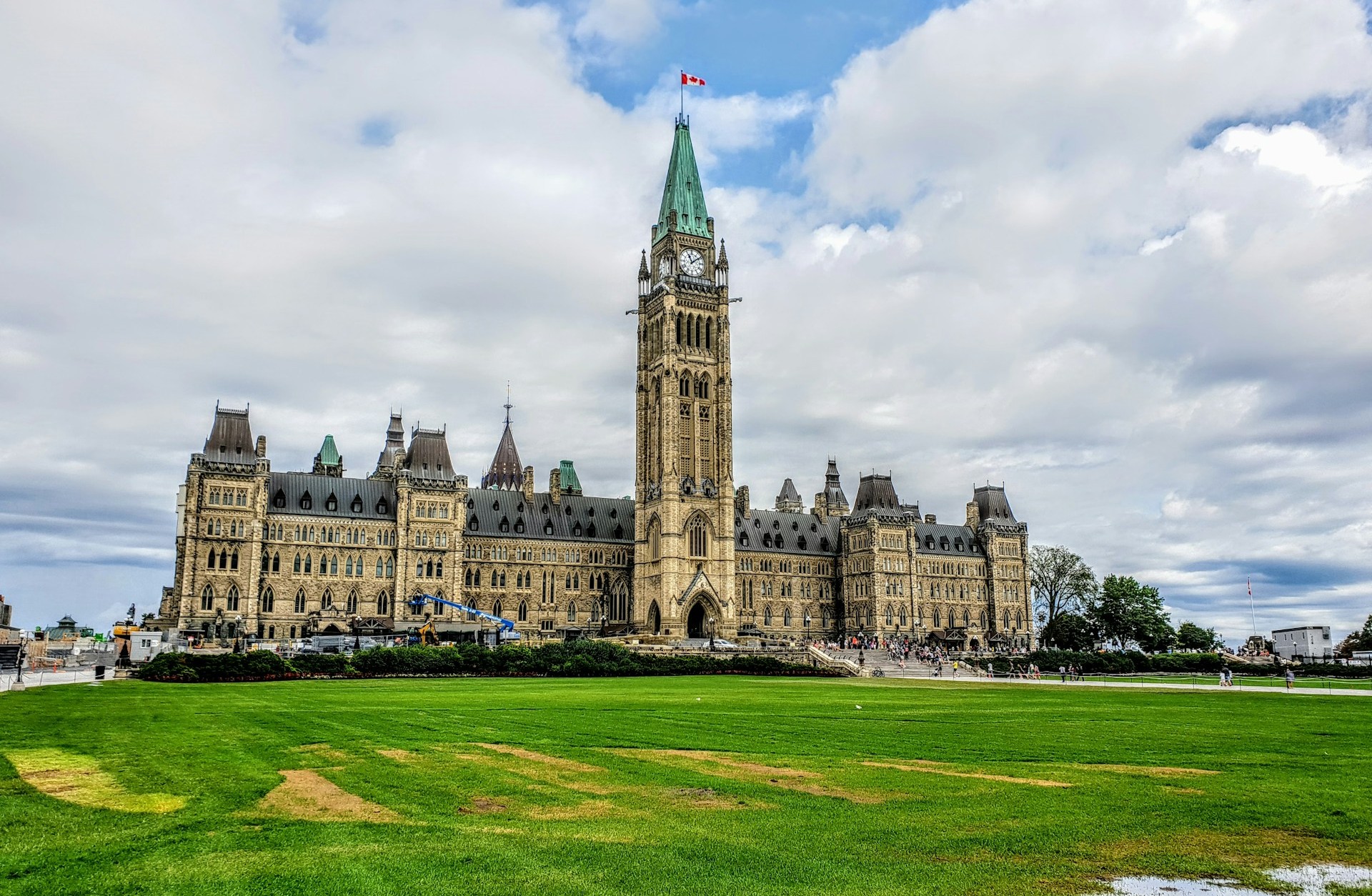
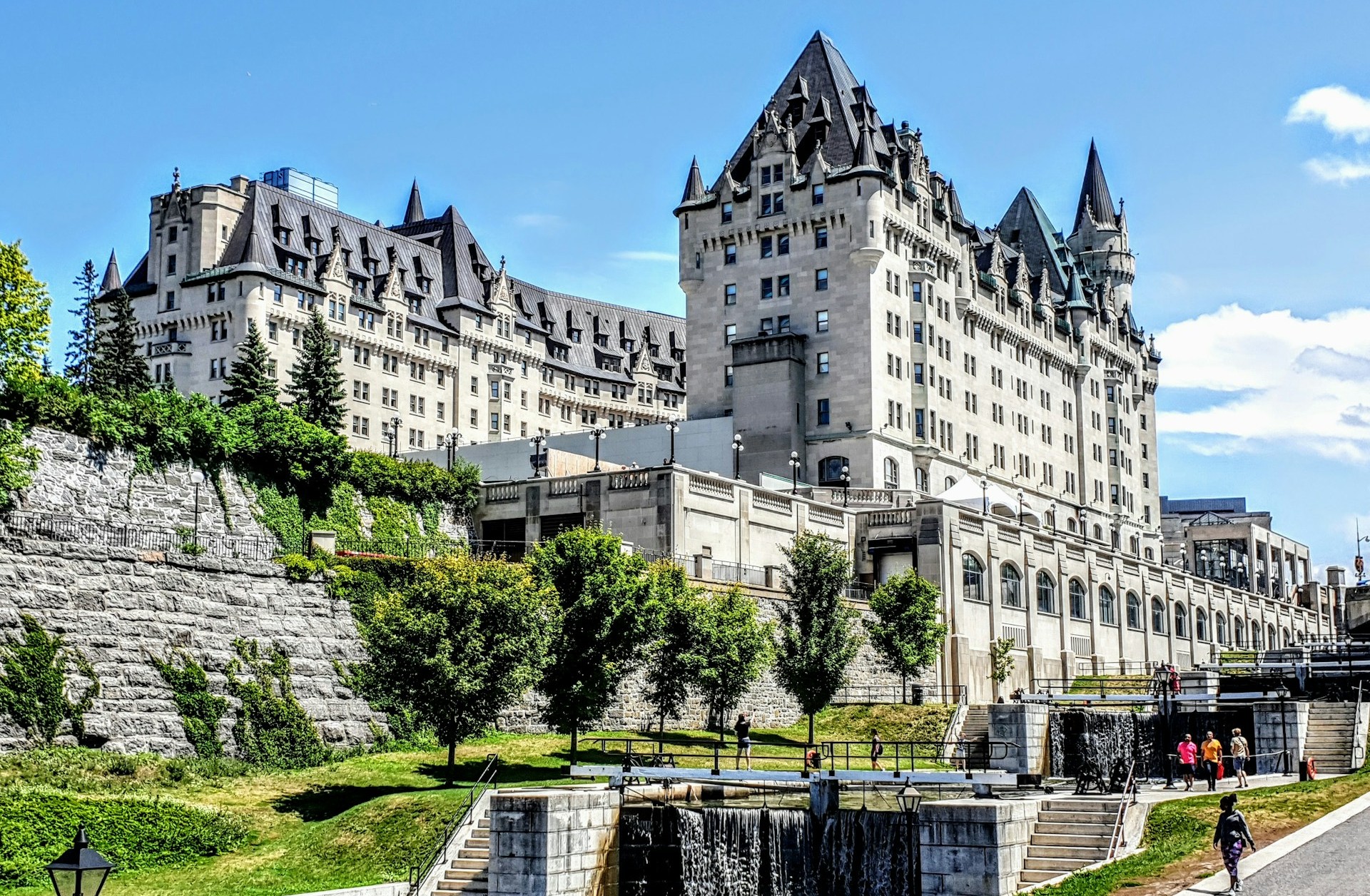
A Canada heritage trip can start on a hopeful note because Library and Archives Canada gives families a clear research doorway. Census, immigration, military, and naturalization resources are organized in a way that makes a long family mystery finally feel manageable, especially for relatives who are new to archive work.
Regret usually shows up when relatives assume the archive will fill every gap. Canada’s immigration guidance notes incomplete records before 1865, and Library and Archives Canada also notes that not all holdings are digitized, so expectations can collapse fast if no one planned for missing lists, variant spellings, or follow-up requests.
Washington, D.C. National Archives Week
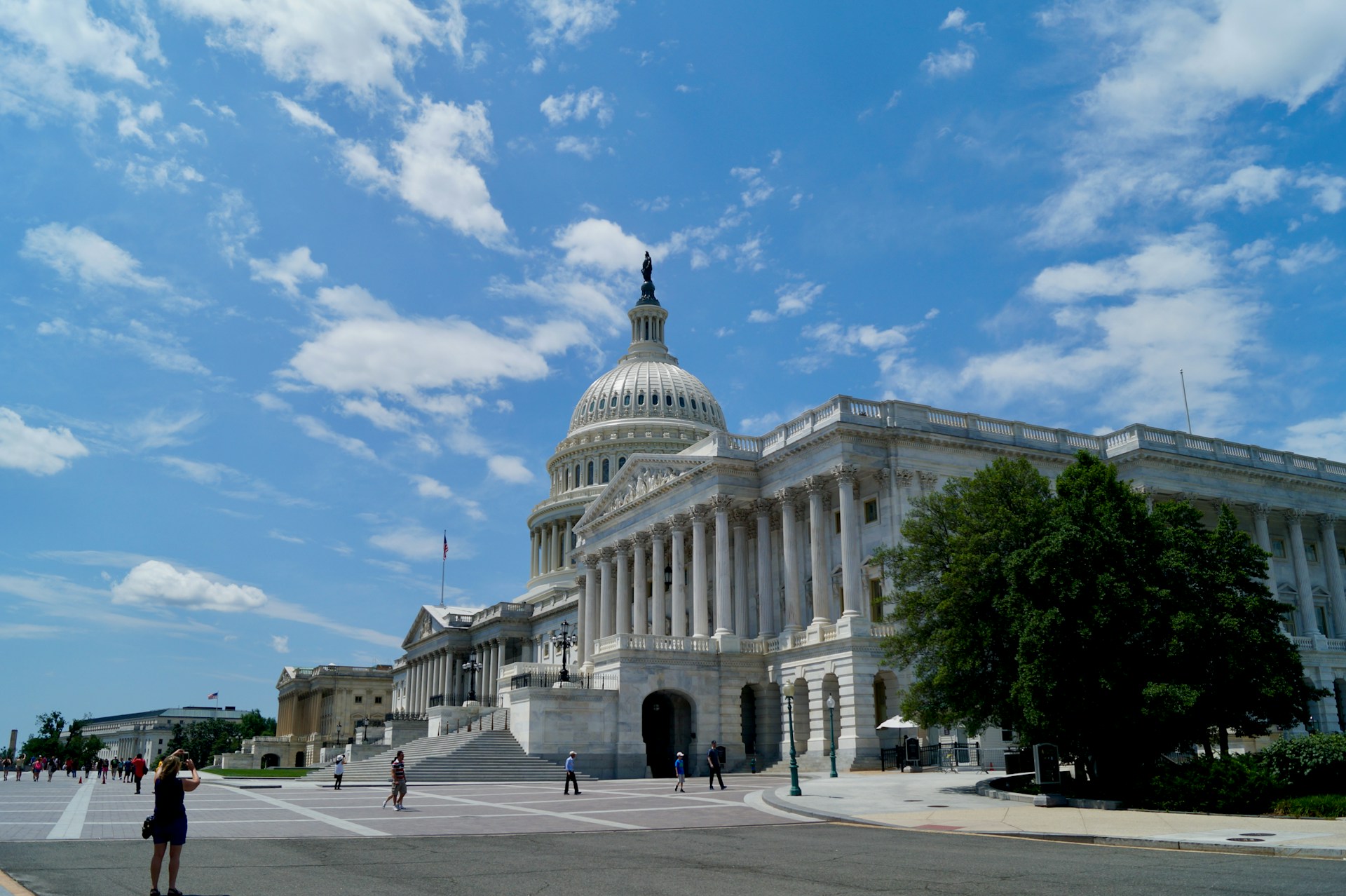
A research-focused trip to Washington, D.C., often starts with serious intention and shared purpose. Families arrive with notebooks, surnames, and timelines, thinking a few concentrated days in the National Archives system will finally untangle military service, migration, or land records in one clean push. It feels disciplined and hopeful.
Regret often comes from timing, not effort. NARA advises contacting facilities in advance, and some locations require appointments, so families who show up without a plan can lose precious hours, get overwhelmed by process, and spend the evening blaming each other instead of adjusting the strategy.
Hometown Cemetery and Courthouse Weekend
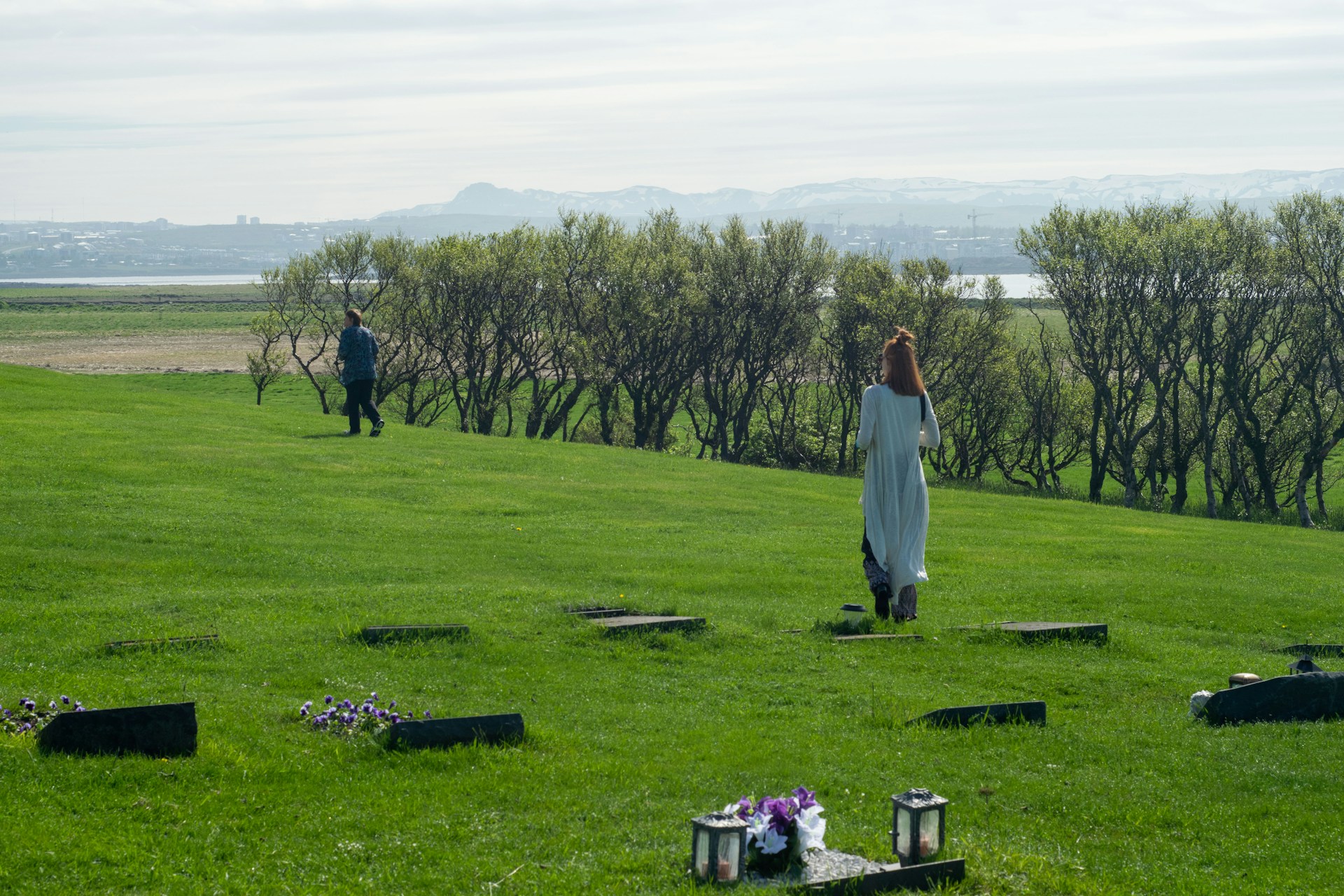
The hometown return is often the most emotional of all, because it looks simple and feels personal. A cemetery walk, an old church, a courthouse basement, and one surviving relative can seem like enough to answer questions that stayed open for decades, especially when the family has delayed the visit for years. The plan sounds manageable.
Regret enters when everyone expects closure on a schedule. Graves may be unmarked, records may be misfiled, and family elders may remember the same event in completely different ways, so the weekend can end with deeper understanding but also fresh tension that no road trip was built to solve.