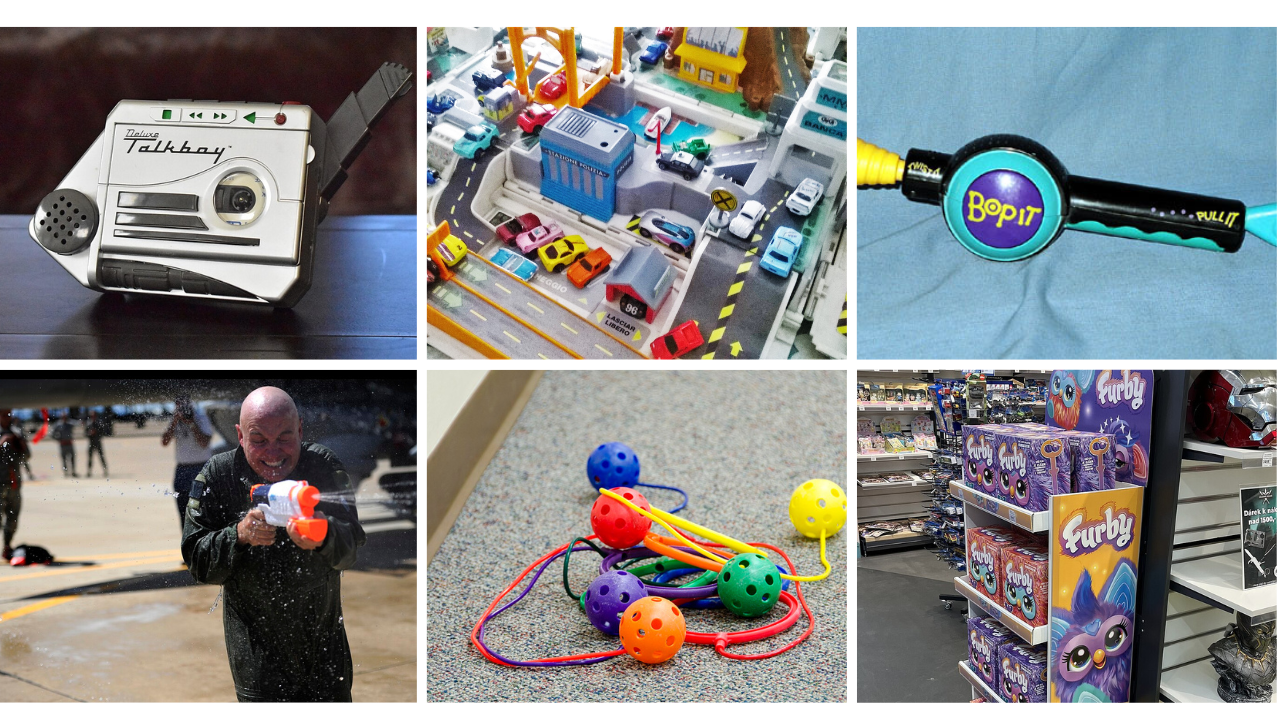
Toy commercials once landed like tiny movie trailers between cartoons, bright enough to make ordinary living rooms feel electric. They spoke a shared language: jingles that refused to leave, catchphrases tossed like dares, and fast-talking pitches that made plastic feel urgent and alive. For kids, the ads were rehearsals for wanting, practiced again in toy aisles, at sleepovers, and on playgrounds where everyone quoted the same lines. For adults now, they are audio postcards from an era when Saturday mornings had a rhythm and a soundtrack. Some spots were loud and ridiculous; others were oddly tender. Either way, they planted a memory that still flickers back the moment a chorus starts, like childhood tapping a microphone, again.
Crossfire
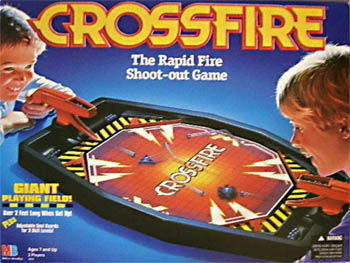
Crossfire didn’t advertise a game so much as it staged a miniature rock show: guitars, smoke, flashing lights, and a shouted hook that made the carpet feel like an arena. Steel marbles snapped through the board while kids slammed triggers and leaned in like coaches calling plays, all elbows and focus. The chorus did the rest, turning a simple battle for the last marble into a dare. Years later, the sound still pops up like an old VHS glitch, and the images follow: windblown hair, dramatic poses, and that last marble skittering toward victory. It borrowed the language of music videos so kids felt fearless for 30 seconds. Flat-out.
My Buddy And Kid Sister
The My Buddy and Kid Sister commercials worked like a sing-along, built on a melody so simple it imprinted after one Saturday-morning airing. Kids dragged the dolls through backyards, bedrooms, and sidewalks, repeating the promise that the buddy went everywhere, like loyalty in plush form. The ad lingered on matching outfits and rehearsed smiles, but the real hook was the jingle’s marching beat, steady enough to loop forever. Years later it still resurfaces at random, sweet for a second, then slightly eerie, as if childhood had a theme song. It spread because it was easy to quote, so even kids who never owned one knew it by recess.
Teddy Ruxpin
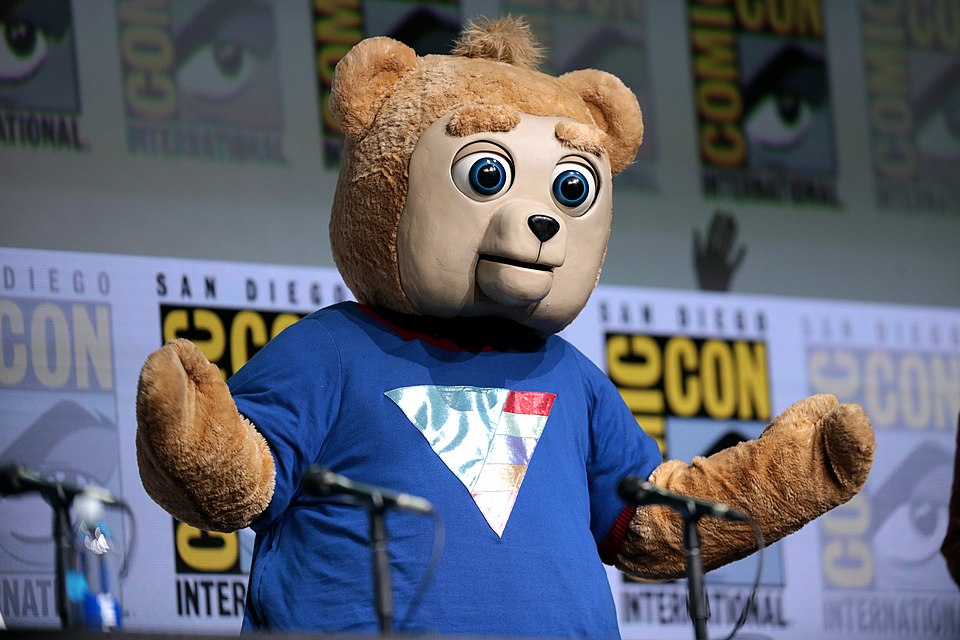
Teddy Ruxpin commercials didn’t shout; they slowed everything down, with soft music and lamplight that made the toy feel like part of bedtime. The moving mouth and story cassette were framed as a ritual, not a trick, as if the click of the tape mattered as much as the tale. Close-ups lingered on the bear’s eyes and gentle pauses, selling comfort and attention in a way most ads never tried. That calm tone is why the memory sticks: it promised a friend who told stories back, then waited, like he expected a goodnight hug. Parents smiled in the background, and batteries and cassettes felt magical. It made storytelling feel shared.
Micro Machines
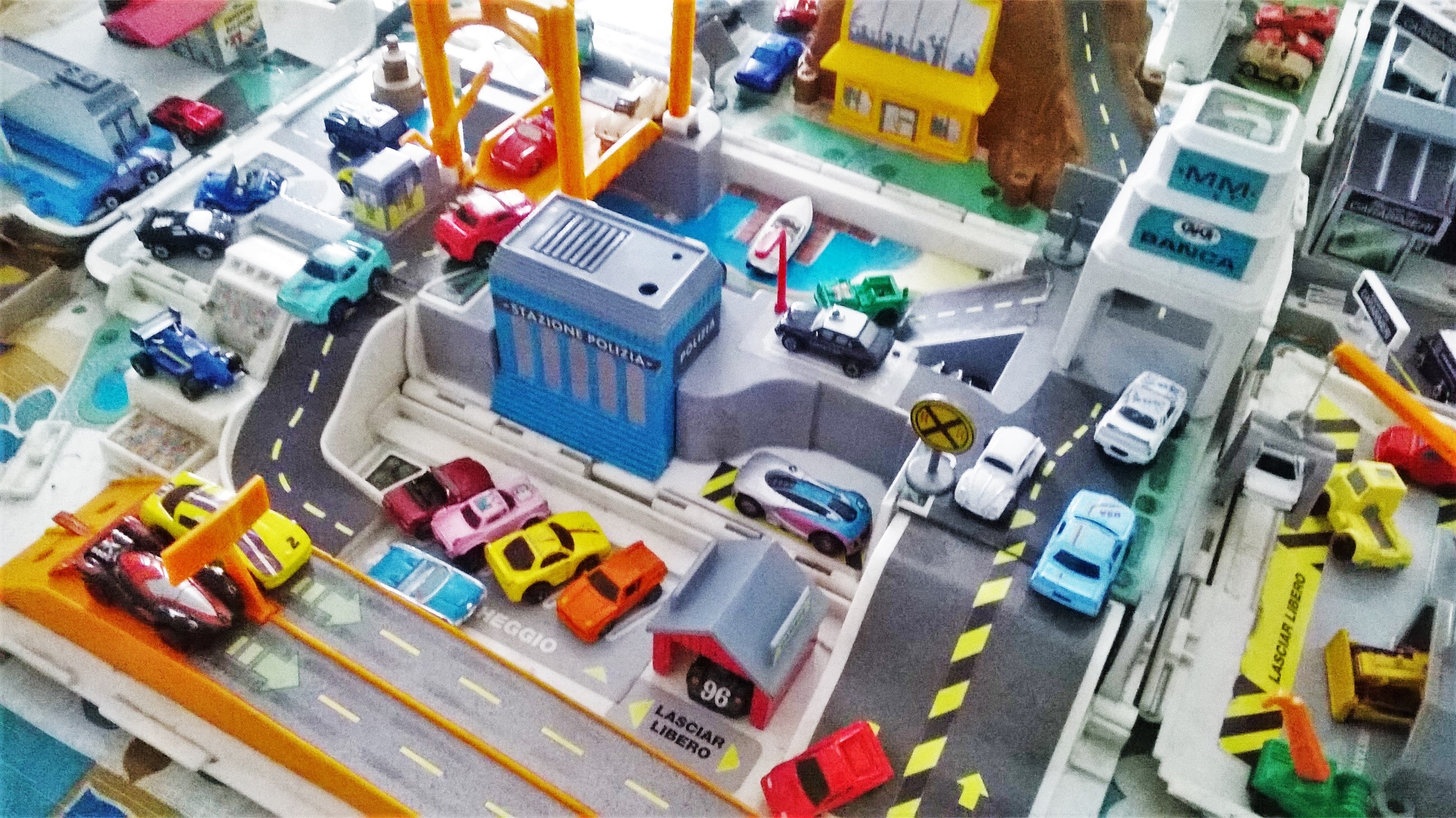
Micro Machines ads were speed trials disguised as commercials, powered by John Moschitta Jr.’s famously rapid delivery and jump-cut visuals. He blasted through vehicle names, playsets, and tiny features like an auctioneer with a toy chest, making small cars feel limitless and urgent. The performance became the product, because the breathless pitch suggested that collecting was a race against time, space, and rival kids. Even now, the cadence triggers the same reflex the ad planted: if it doesn’t say Micro Machines, it’s not the real thing. People rewound tapes to catch it, and that habit is part of the nostalgia. To this day.
Skip-It
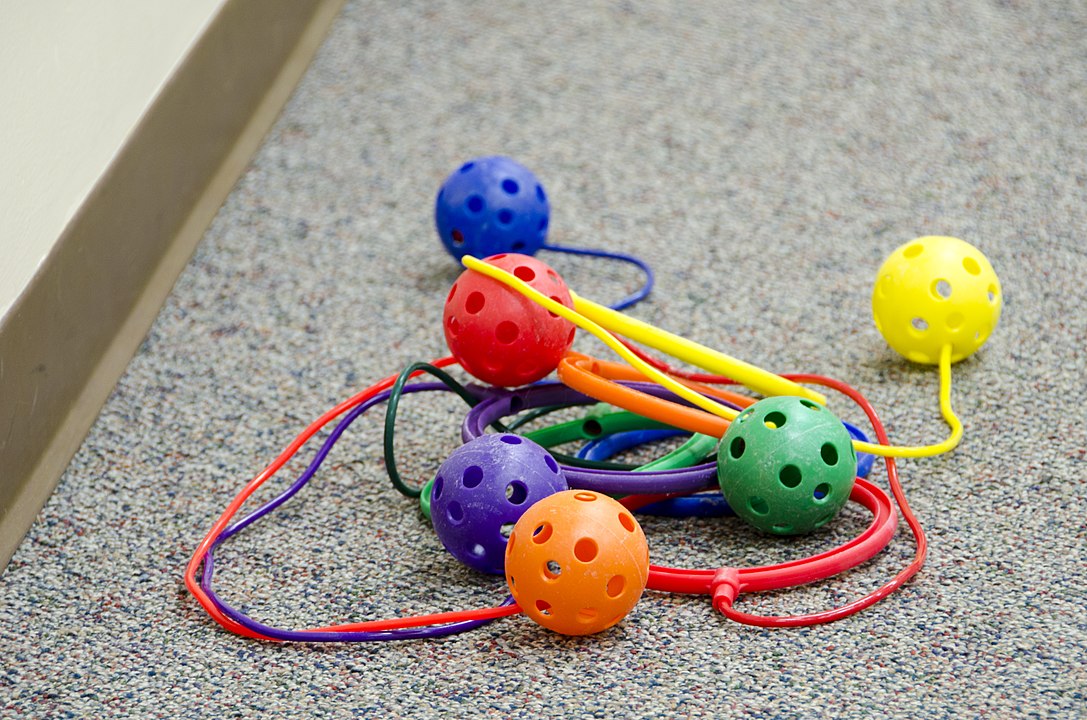
Skip-It commercials turned a simple ankle spinner into a scoreboard, with bright outfits, playground choreography, and the brag about the built-in counter. The clack of the rotating bead became a beat, and the ad framed each hop as a performance, with friends cheering and scores announced like trophies. It sold motion and status in one breath, because the counter meant proof, not just fun, and proof could be challenged at recess. The jingle still pulls up summer sidewalks, sore ankles, scraped knees, and the feeling that a driveway could turn into a stage fast. It made kids chase triple digits, the counter clicking like a judge.
Bop It
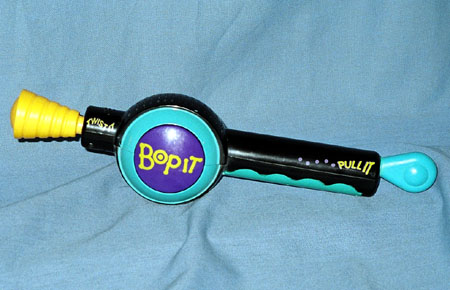
Bop It ads felt like a dare issued by a coach trapped inside a chunk of plastic, confident that reflexes could be trained like a sport. The commands were short and percussive, stacking faster until the commercial itself seemed to speed up: bop it, twist it, pull it, then the buzzer of failure. That sound design did the selling, because it turned a toy into a public challenge, something friends could watch, judge, and steal a turn from. The ad didn’t just explain gameplay; it taught a rhythm and a shared panic that could start an instant contest in any hallway. The voice sounded smug, which made winning feel sweeter. Every time.
Furby
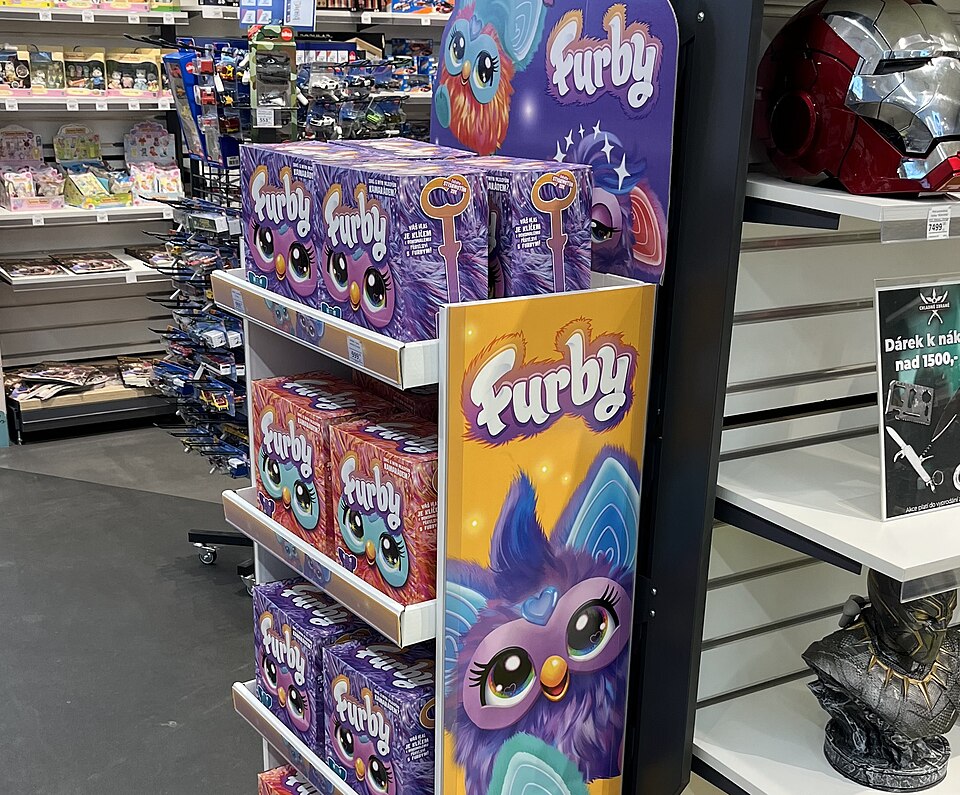
Furby commercials leaned into the illusion of a creature with a hidden personality, waking up, blinking, and babbling in Furbish like a pet with secrets. The ad showed kids feeding it, teaching it words, and laughing when it answered back, as if a tiny roommate had moved in and started forming opinions. Cute and uncanny lived side by side, and that tension is why the memory holds, during late-1990s holiday hype. Even people who skipped the trend remember the chatter and the eyes, because the commercial made a toy feel alive enough to be a little unsettling after dark. It also made store shelves look like they were blinking together.
Super Soaker
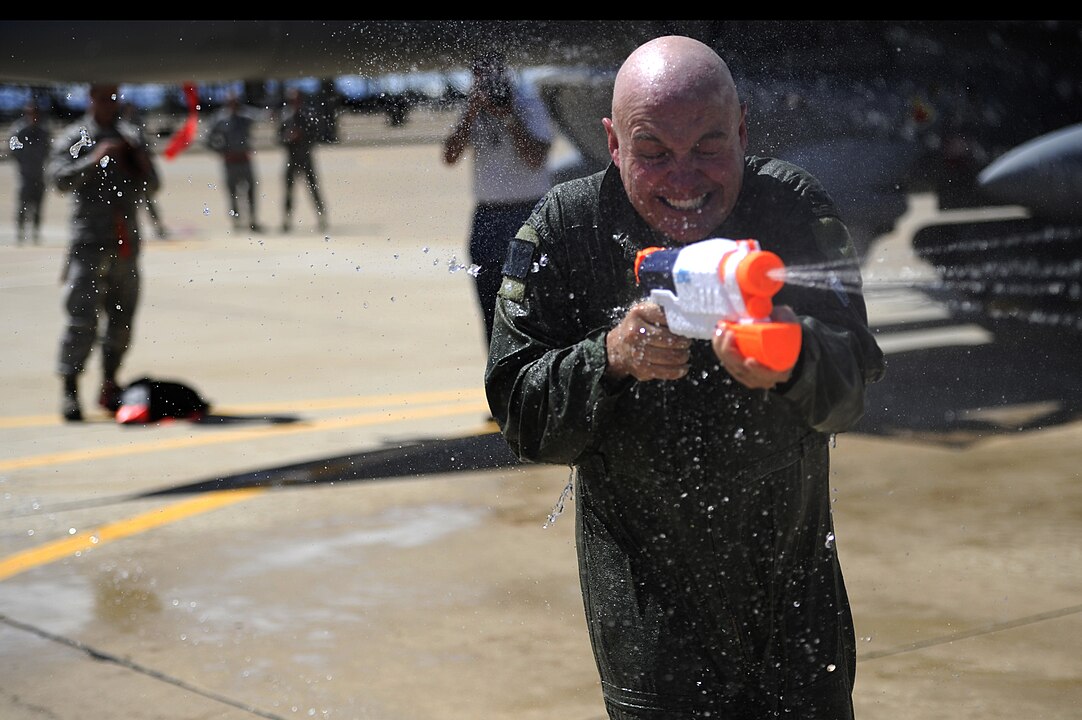
Super Soaker ads treated summer like a blockbuster, with dramatic pumping close-ups and water arcs that looked almost cinematic against bright blue skies. The commercials staged friendly neighborhood battles across lawns and sidewalks, selling power through spectacle while everyone stayed laughing, soaked, and happily defeated. What stuck was the fantasy of being the kid with the best gear, because the ad marketed status as much as splash time. It made range and pressure feel like strategy, so backyard play started to sound like a mission briefing, complete with alliances, ambushes, and a sprint to refill at the hose. Fast.
Easy-Bake Oven
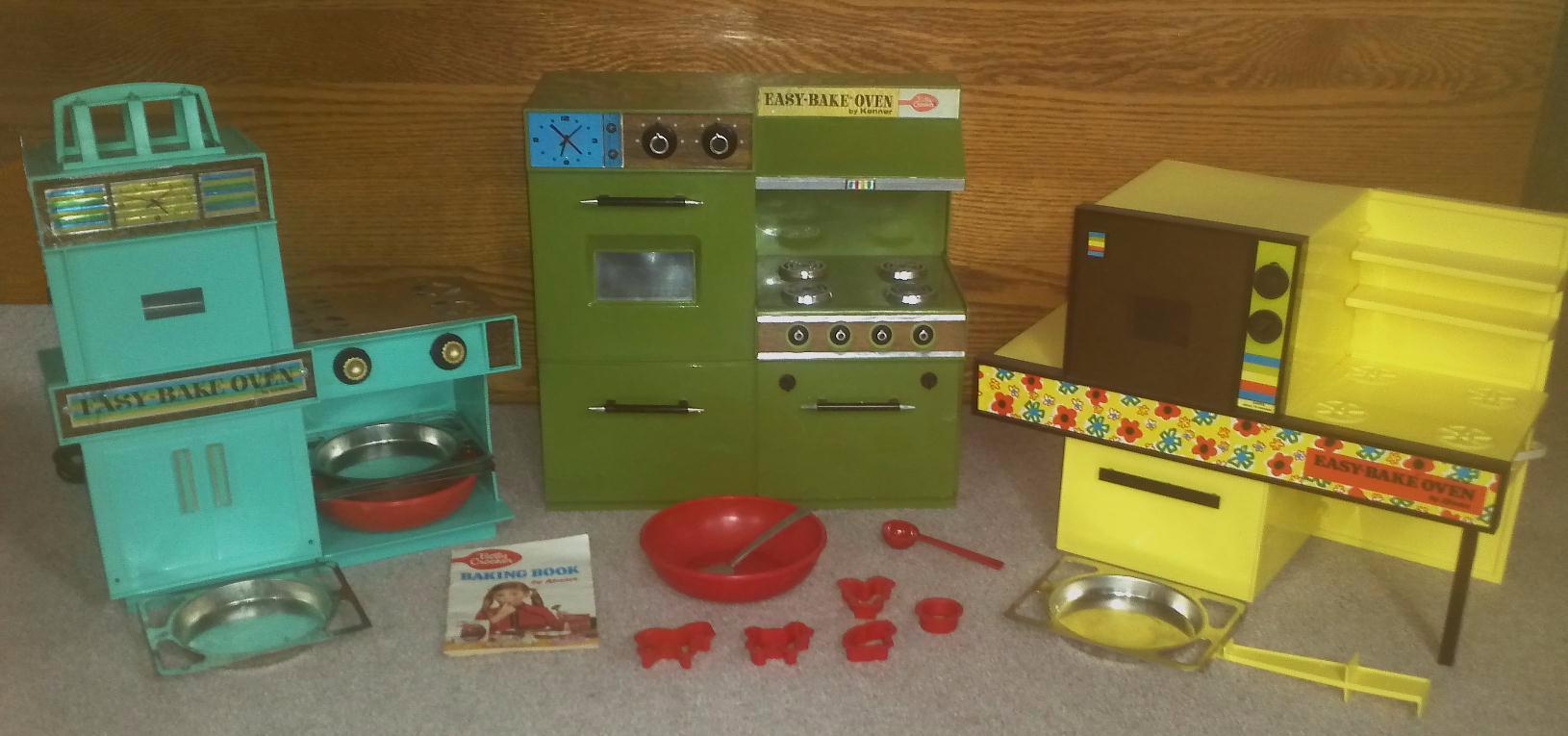
Easy-Bake Oven commercials made kitchen magic look doable, with tiny pans, boxed mixes, and that warm glow promising real results. The genius was scale: miniature, but treated as serious, like an appliance for kids who wanted responsibility and something to share. The spot didn’t just sell dessert; it sold pride, the moment a tray slid out and a child could announce that something real had been made. It also sold the wait, kids hovering by the little door, guarding the pan like a secret while the smell slowly showed up. It made the bulb feel like a hearth. It turned pretend play into hosting, with parents drafted as taste-testers.
Talkboy
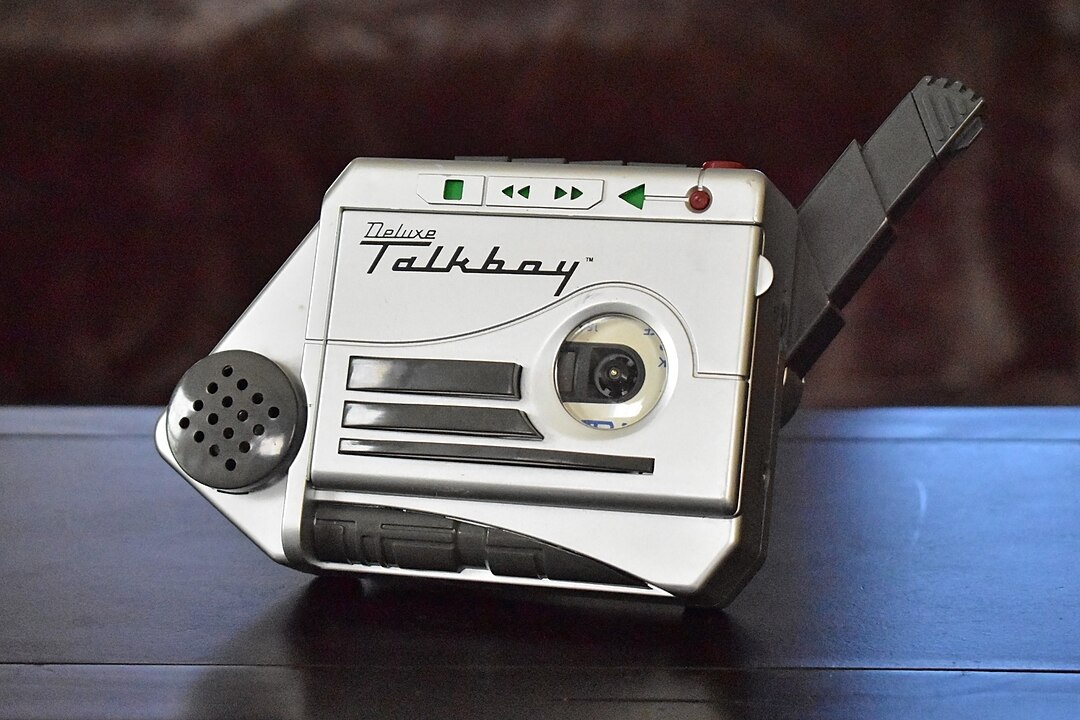
Talkboy commercials rode the Home Alone 2 connection, turning a chunky recorder into a tool for pranks, secrets, and self-invention with one button. The ad lingered on playback and voice effects, selling the thrill of hearing a kid sound older, tougher, or funnier than real life. It made recording feel powerful, like running a private radio station, and that idea spread fast in hallways and back seats. What stuck wasn’t the plastic or the headset, but the promise that any ordinary afternoon could become a scene worth rewinding, quoting, and replaying until the tape wore thin. It hinted at mischief, and kids did the rest. Overnight.