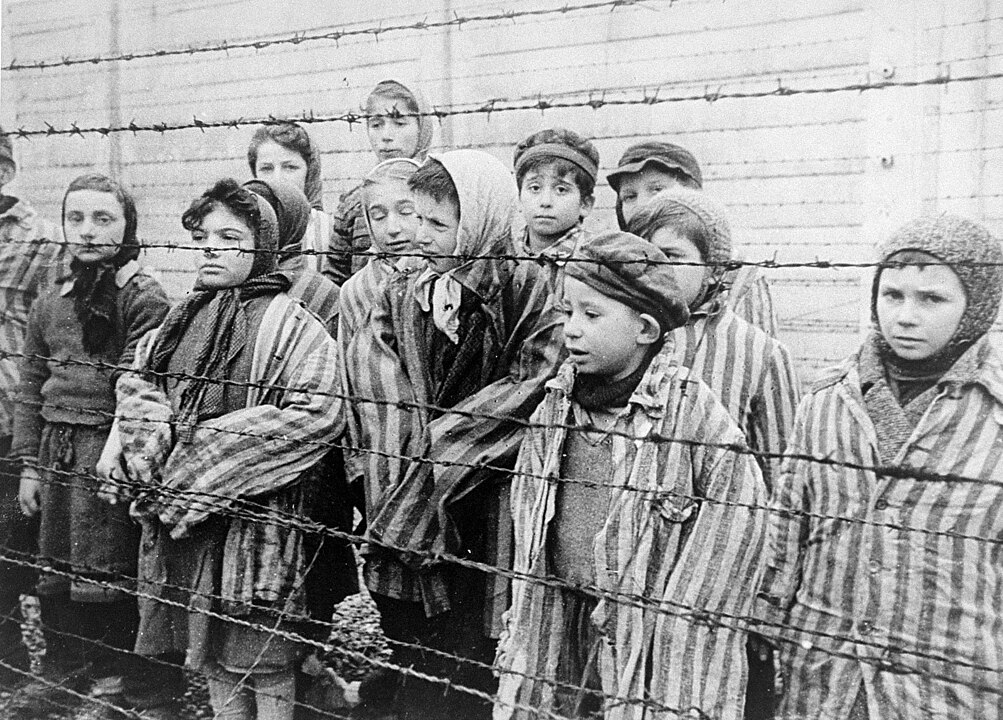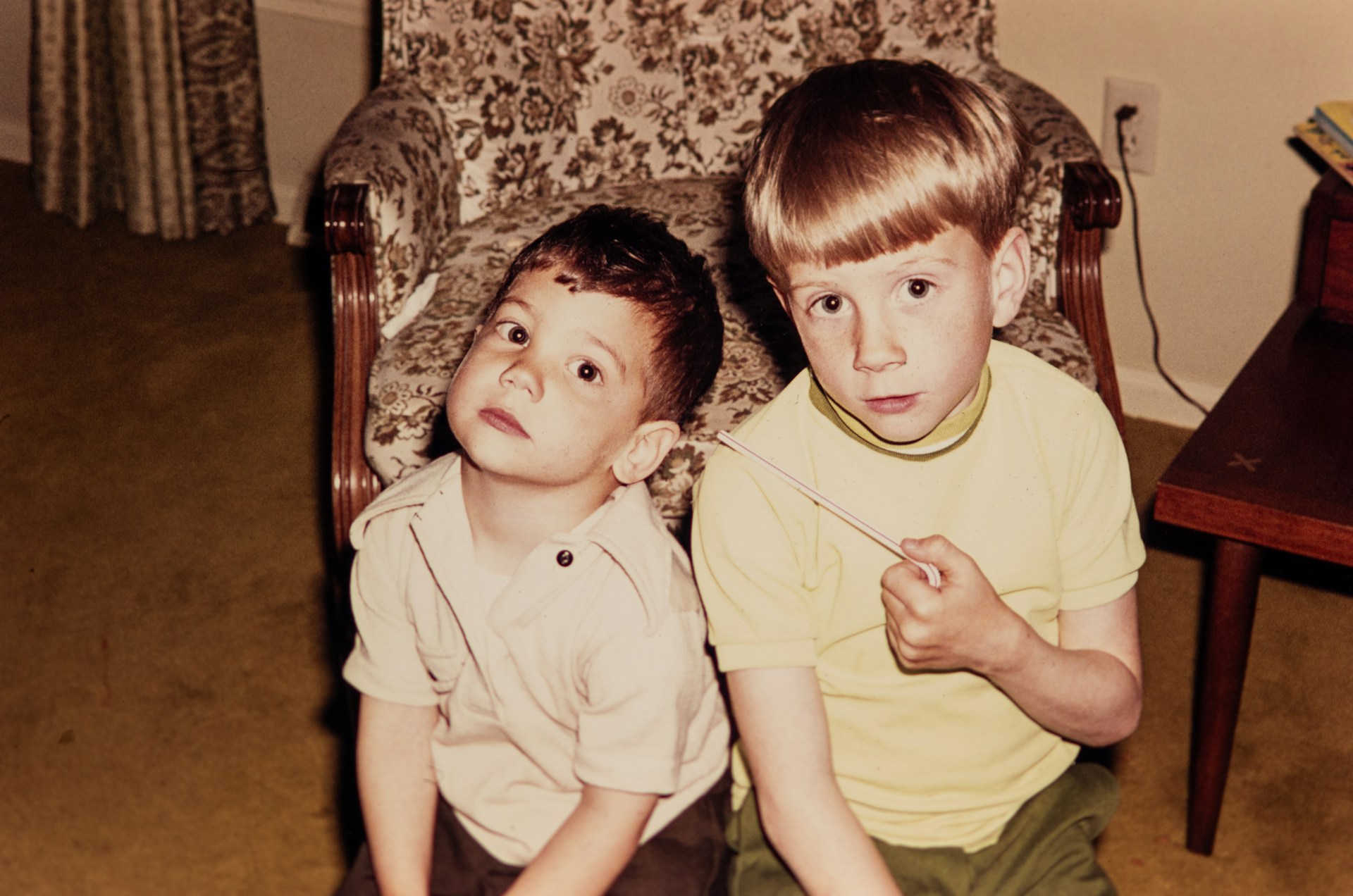
For many American children in the 1960s, growing up meant learning through routines that carried real consequences. Afternoons were less managed, but expectations were unmistakable: keep promises, respect neighbors, finish tasks, and stay accountable. Adults often offered fewer speeches and more responsibility, so kids learned by doing, fixing, waiting, and trying again. The era had contradictions and real limits, yet it also trained practical habits that still feel relevant in daily life. These lessons were not theory; they showed up in kitchens, sidewalks, classrooms, and weekend chores, then stayed for decades.
Earn Trust Through Follow-Through
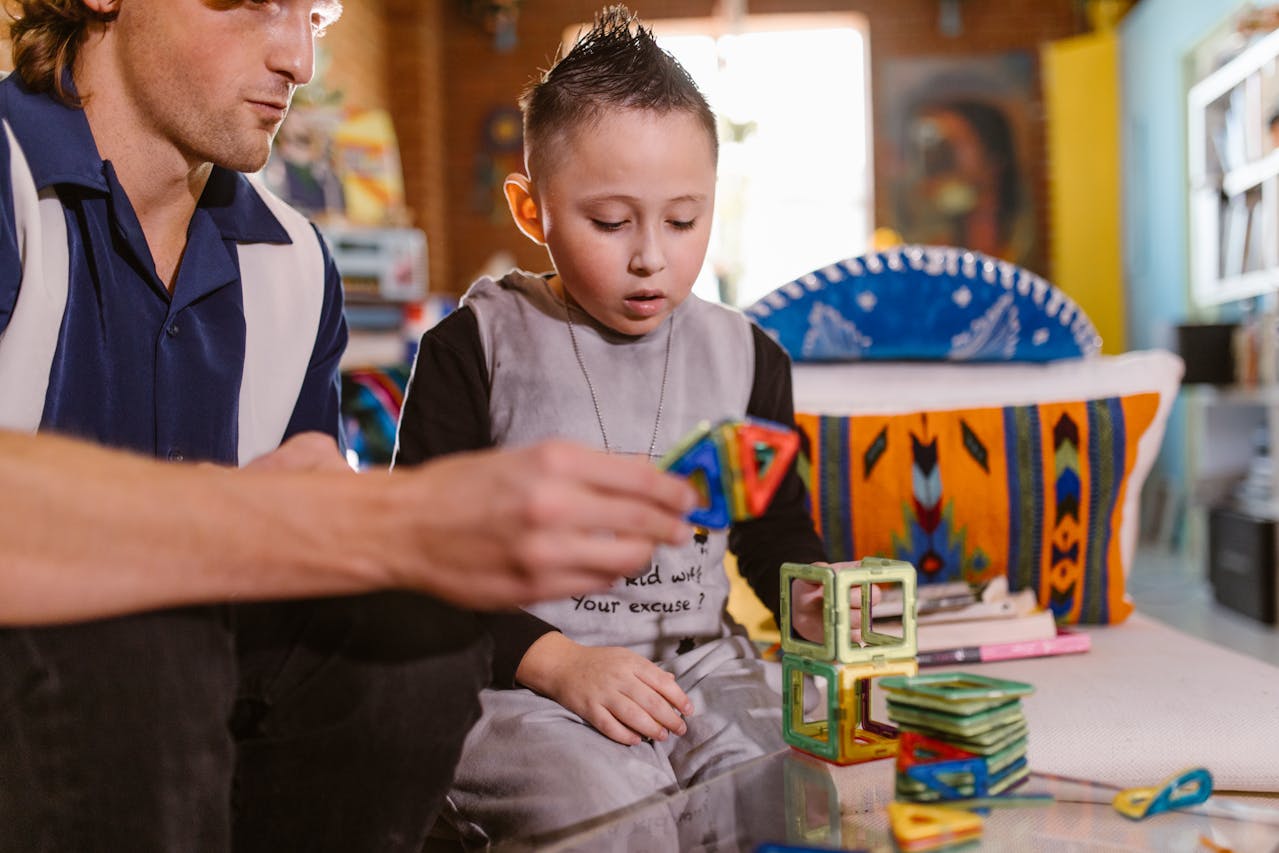
In many 1960s homes, trust was earned through small promises kept on ordinary days. A child who returned from school on time, finished chores without a second reminder, and delivered a message exactly as asked slowly gained more freedom. Adults noticed patterns more than excuses, and neighbors did too, so reliability became visible in daily life.
That steady feedback taught a clear rule: character is built in repeat behavior, not dramatic moments. When people could count on someone, doors opened naturally. Responsibility felt less like pressure and more like a path to respect. It taught that trust returns through better actions.
Learn to Repair Before Replacing

A bent bike rim, a loose cabinet hinge, or a shirt with a missing button usually meant repair, not replacement. Many families kept basic tools and expected kids to help, even if the first try looked clumsy. Through that process, children learned how things worked, why patience mattered, and how effort could stretch limited budgets.
The deeper lesson was practical confidence. Fixing everyday problems trained the mind to stay calm, test options, and improve with repetition. Resourcefulness became a habit, and that habit often followed them into adult work parenting, and community life. It made setbacks feel workable instead of final.
Respect Shared Space
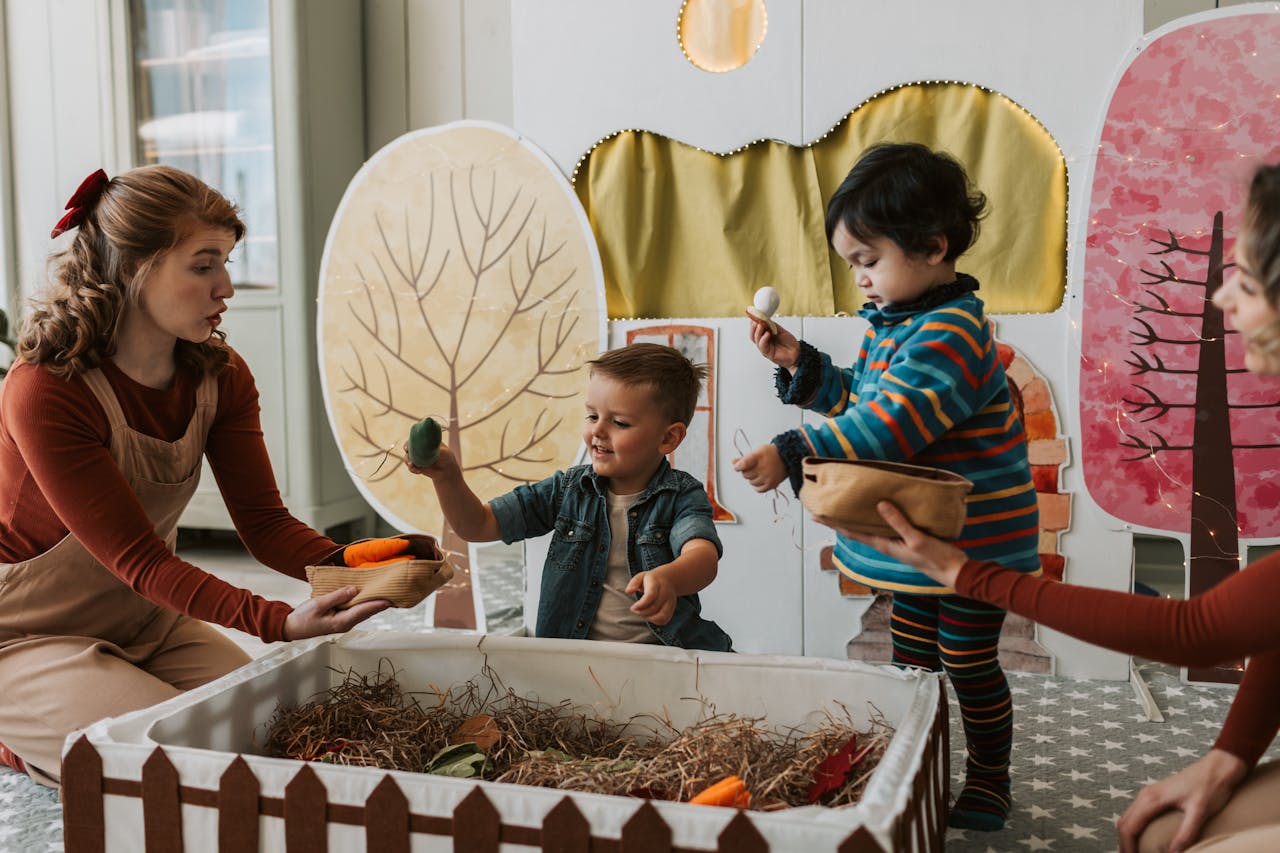
Sidewalks, schoolyards, porches, and local parks functioned like shared living rooms in many towns. Children learned quickly that one careless choice could affect everyone else, whether that meant litter, noise, or rough behavior. Because people knew each other, social consequences arrived fast and usually came from more than one adult.
Over time, kids absorbed an idea that still matters: public freedom works best when paired with personal restraint. Respecting common spaces was not about perfection. It was about understanding that daily courtesy keeps neighborhoods calmer, safer, and more welcoming for every generation.
Time Matters Because Other People Matter
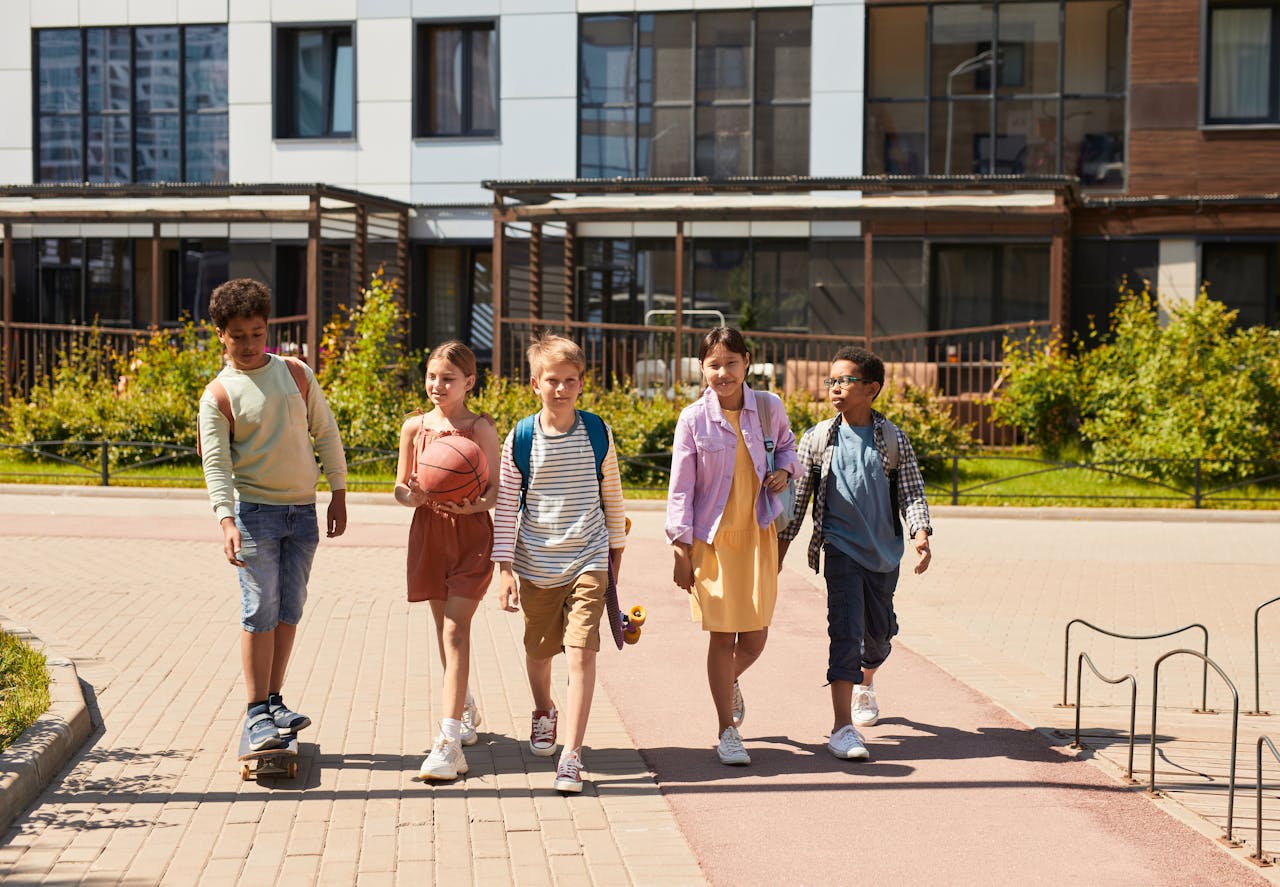
Before instant texting, being late could leave someone waiting with no explanation. A missed pickup, a delayed errand, or a forgotten meeting was not a minor inconvenience. It disrupted other plans and created real worry. So many children in the 1960s were taught to check clocks, prepare early, and treat punctuality as basic respect.
That training was not about rigid perfection. It was about social awareness. Arriving when promised signaled that another person’s time had value. This simple habit built trust in friendships, classrooms, and jobs, and it often became a quiet advantage later in life. Reliability started with the clock.
Work Is Part of Growing Up

Paper routes, summer shifts, babysitting, lawn care, and store errands gave many teens a first taste of paid responsibility. The tasks were rarely glamorous, but they introduced schedules, supervisors, and expectations that could not be negotiated every afternoon. Showing up mattered. Finishing the task mattered. Learning from mistakes mattered.
Those early jobs offered more than spending money. They taught emotional endurance, pride in useful work, and the link between effort and outcome. Earning even a small paycheck helped young people understand value in concrete terms and shaped a stronger sense of independence.
Money Should Be Seen, Counted, and Planned

Many families taught money through direct routines: cash allowances, envelope saving, and simple tradeoffs between wants and needs. Kids counted bills, tracked coins, and waited for purchases instead of buying instantly. That slower rhythm made financial choices feel real, because spending always reduced what remained for the next goal.
This hands-on approach built judgment early. Children learned to compare options, delay impulse decisions, and plan ahead with limited resources. Budgeting was not presented as fear or restriction. It was framed as control clarity, and the freedom that comes from knowing where each dollar should go.
Skill Outweighs Image
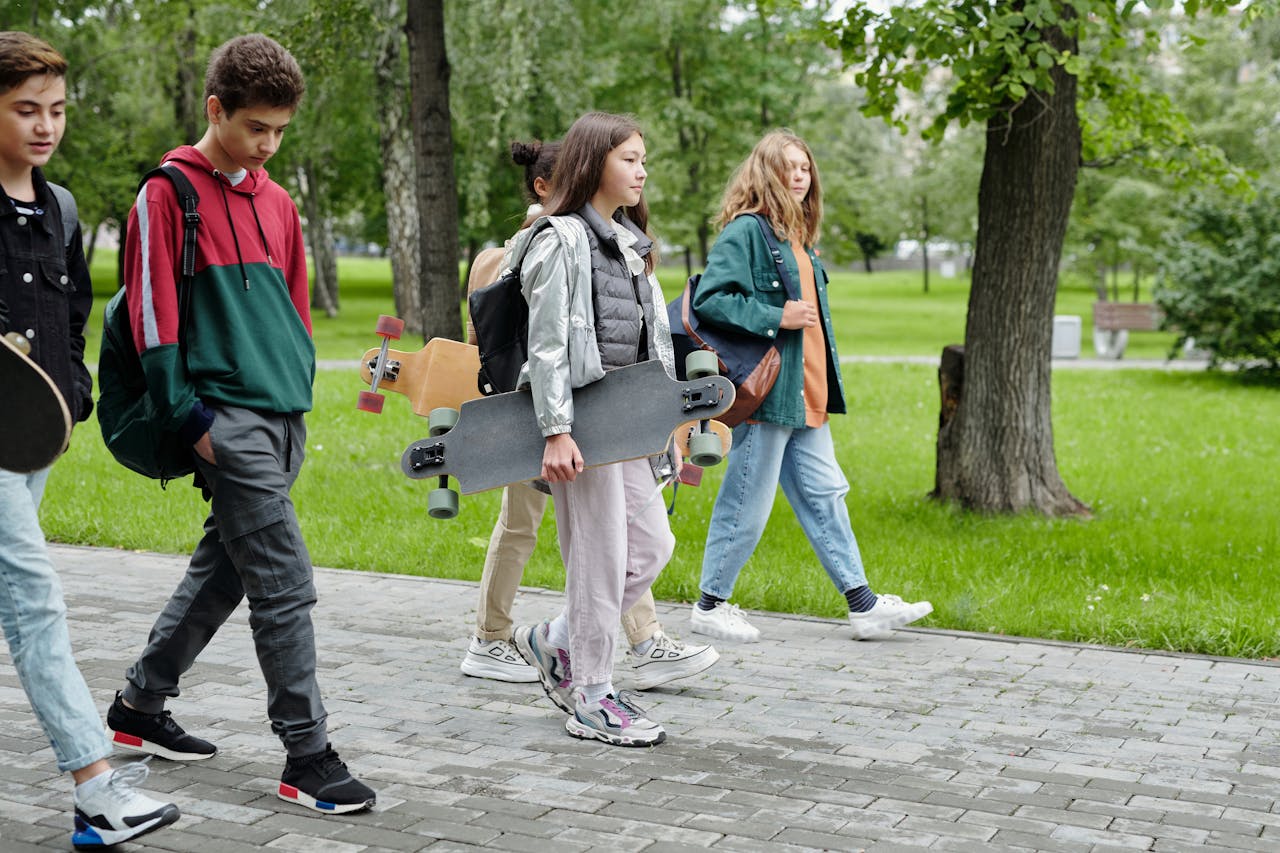
In many households, practical ability carried more weight than appearance. A child who could cook a basic meal, sew a button, clean well, or solve a small household problem was seen as capable and dependable. Style still mattered, but competence earned lasting respect because it helped the entire family function better.
That value system shaped identity in a grounded way. When children invested in real skills, they became less dependent on trends for confidence. They learned that usefulness creates self-trust, and self-trust lasts longer than attention. It remains one of the strongest foundations for adult stability.
Read the Room, Then Speak

Dinner tables, classrooms, and community gatherings taught children to notice tone before jumping into conversation. Listening first was treated as a social skill, not silence. Kids learned when to ask questions, when to wait, and how to disagree without turning every moment into a contest for attention.
This habit improved judgment over time. By paying attention to context, they could communicate with more precision and less friction. The lesson was simple but powerful: thoughtful timing strengthens the message. Speaking well is not only about words. It is also about awareness, restraint, and respect. That skill travels well.
Safety Rules Come From Real Experience

By the late 1960s, public conversations around product and transportation safety became louder, and families paid attention. Children increasingly heard why rules existed, from seat belt use to safer household practices, and those rules were often tied to incidents people remembered in their own communities.
That context changed how caution was understood. Safety was not framed as fear or obedience for its own sake. It was framed as practical memory turned into prevention. Kids learned to connect small protective habits with long-term wellbeing, a mindset that helped many make steadier decisions throughout adulthood.
Private Effort Shapes Public Character

Many children were expected to finish homework, complete chores, and keep commitments without constant applause. Praise existed, but routine discipline was often treated as normal, not exceptional. This could feel strict at times, yet it encouraged an internal standard that did not depend on external validation every day.
As adults, many carried that mindset into work and relationships. They understood that consistency is formed in quiet moments, long before results are visible to others. The lesson remains relevant: integrity grows when effort continues even when no one is watching and no immediate reward appears. Still.
Community Is Built by Showing Up

Neighborhood life in that era often depended on regular participation. Parents volunteered at schools, families helped at local events, and residents supported one another during ordinary weeks, not only emergencies. Children watched those patterns and learned that belonging comes with responsibilities, not just benefits.
The message was practical and human. Strong communities are not created by slogans or occasional grand gestures. They are built through repeated small actions: checking in, lending a hand, keeping shared spaces respectful, and staying involved. Over time, those acts create trust that holds people together.