History likes to treat inventions as clean success stories, but the people behind them often see the cracks first. Some watched a small fix become a global frustration, or a hopeful idea turn into a weapon, or a simple tribute swallowed by marketing. Pride sat next to doubt as the impact unfolded over years instead of days. This lineup looks at inventors who lived long enough to see their creations change the world and also make them uneasy in the process.
Anna Jarvis And The Commercialized Mother’s Day
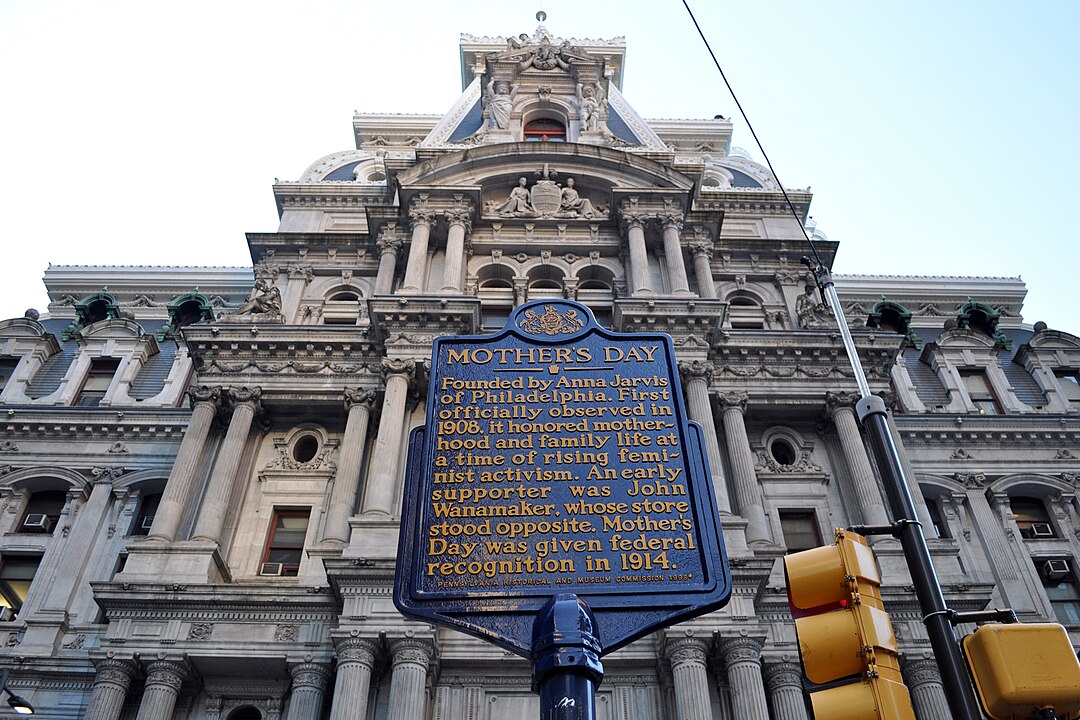
Anna Jarvis poured her grief into creating Mother’s Day, hoping for quiet church services and handwritten notes, not aisles of themed merchandise and preprinted messages stacked to the ceiling. The white carnation was meant as a plain symbol of gratitude, not a sales tool. As florists, card makers, and promoters seized the holiday, she watched it drift away from her intent and spent her later years fighting the very celebration she had once pushed into existence.
Ethan Zuckerman And The Pop Up Ad

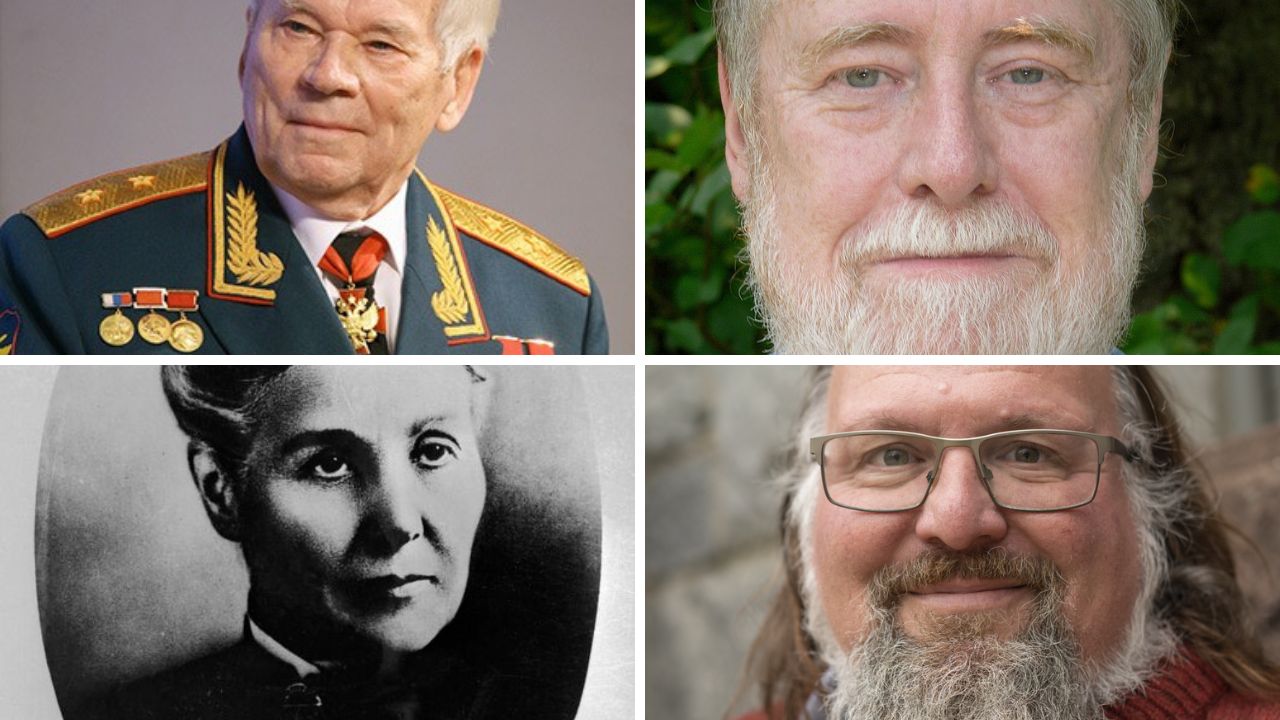
Ethan Zuckerman’s pop up ad began as a fix for a single website that needed advertising money without cluttering its pages or angering clients. His solution was to load an ad in a new window, neatly separated from the content people came for, a clever compromise at the time. The trick worked so well that it spread across the early web and turned into a daily nuisance. Years later, he apologized, saying the code helped lock the internet into an attention draining model.
Robert Propst And The Office Cubicle

Robert Propst imagined the Action Office as a humane upgrade to rigid rows of metal desks, with movable walls, standing areas, and room for focused work. He wanted employees to stretch, rearrange, and feel some control over where they sat. Corporate buyers fixated on one element: the panels. Over time, they turned his flexible concept into endless fields of cramped cubicles, a landscape he later called a trap that treated people as units instead of minds.
Wally Conron And The Labradoodle Craze

Wally Conron bred the first labradoodle to solve a practical problem for a blind woman whose husband had allergies, blending the traits of a Labrador with a poodle’s coat. The dog worked well, and the idea caught fire far beyond guide schools, becoming a symbol of designer dog culture. As unregulated breeders rushed in, health testing and temperament often slipped. Conron later said he felt he had created demand that led to suffering, not just cute puppies.
Mikhail Kalashnikov And The AK 47
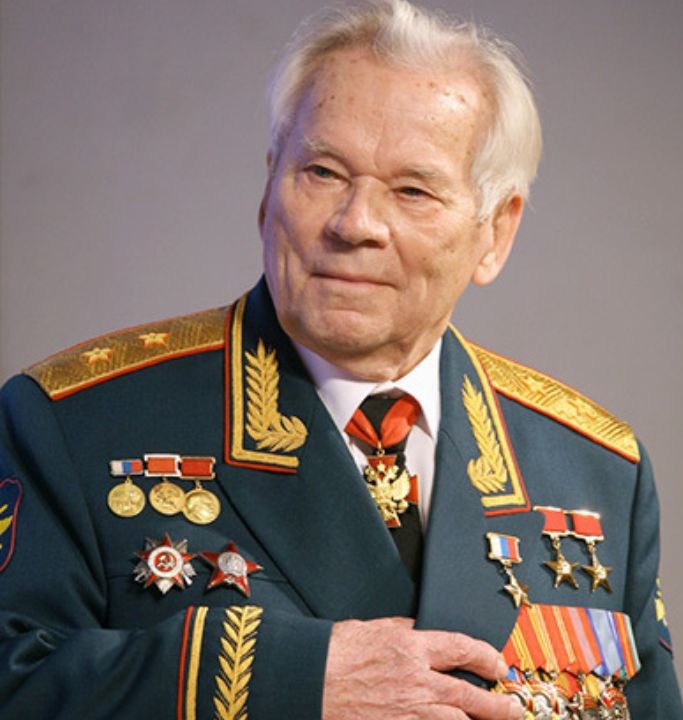
Mikhail Kalashnikov designed the AK 47 as a sturdy rifle for Soviet soldiers, aiming for reliability in mud, snow, and heat where other weapons jammed. Its simple parts and low cost made it easy to build and repair, which pushed it far beyond one army’s control. Over decades, the gun became a fixture in civil wars, street fights, and propaganda posters. Late in life, he reportedly struggled with the idea that his engineering skill had helped make killing easier.
Scott Fahlman And The First Emoticon

Scott Fahlman suggested the sideways smiley in an early online forum as a tiny marker to separate jokes from serious arguments. The string of characters felt like a harmless in joke for a small community trying to keep text conversations clear. That little experiment grew into a global flood of emoticons, emojis, and branded reaction packs that often replace words entirely. Fahlman has joked that he feels like a modern Frankenstein, amused and uneasy about where his playful idea ended up.
Kamran Loghman And Weaponized Pepper Spray
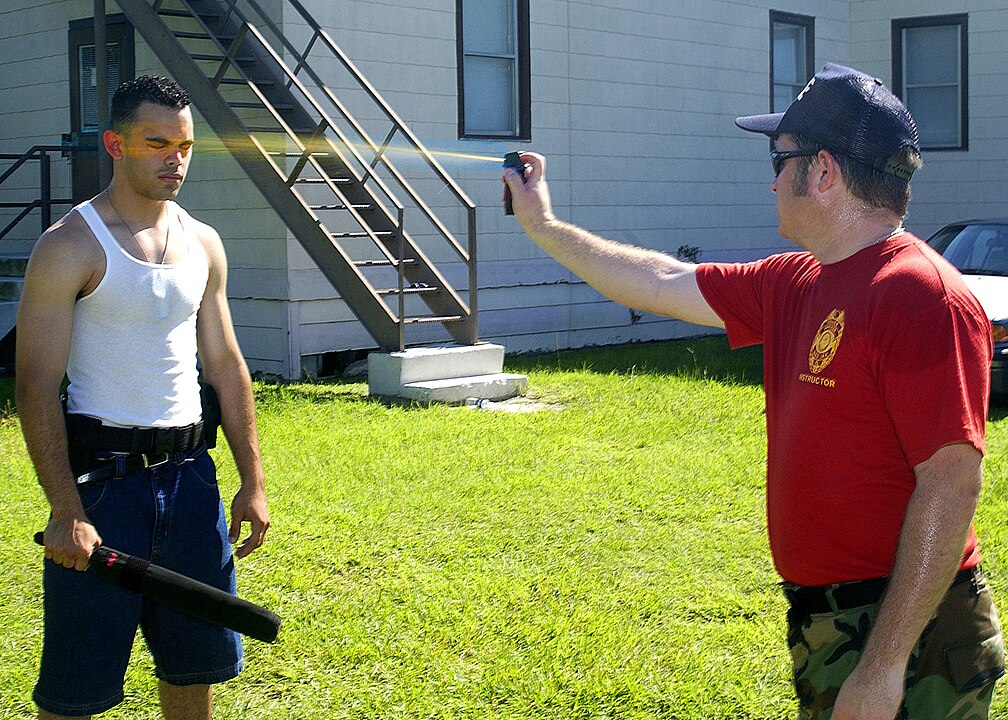
Kamran Loghman helped adapt pepper spray into a tool meant to give police a less lethal option than batons or bullets in dangerous confrontations. Its effectiveness made it standard issue gear across agencies, and training framed it as a measured step on the force scale. Watching officers calmly spray seated student protesters on television shook him deeply. He later said he imagined his own children in those lines and felt compelled to say that this was not what he designed it for.s each year. Sylvan has since said he sometimes wishes he had never built the system at all.
Victor Gruen And The Shopping Mall Mirage

Victor Gruen pictured the shopping mall as a climate controlled town square for suburbs, with trees, art, and community events wrapped around a few stores. His early projects blended gathering spaces with retail, giving car oriented neighborhoods a much needed center. Developers copied the layout but stripped out the social parts, maximizing parking and storefronts instead. Gruen later distanced himself from the concrete shells that followed, saying they betrayed almost everything he had meant to build.